 EN
EN  English
 русский
 中文简体
中文简体
This ball valve is designed for HVAC piping systems. It features a union connection for ea...
Home / Products / GB Brass HVAC Valve / GB Brass Thermostatic Radiator Valve / Manual Thermostatic Radiator Valve for Heating Systems


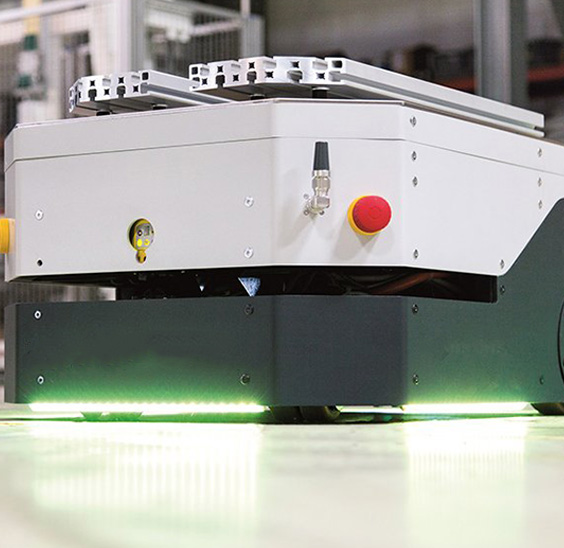
AGV

Automated robots
laser cutting

Logistics sorting

Photovoltaic power-station
Medical devices
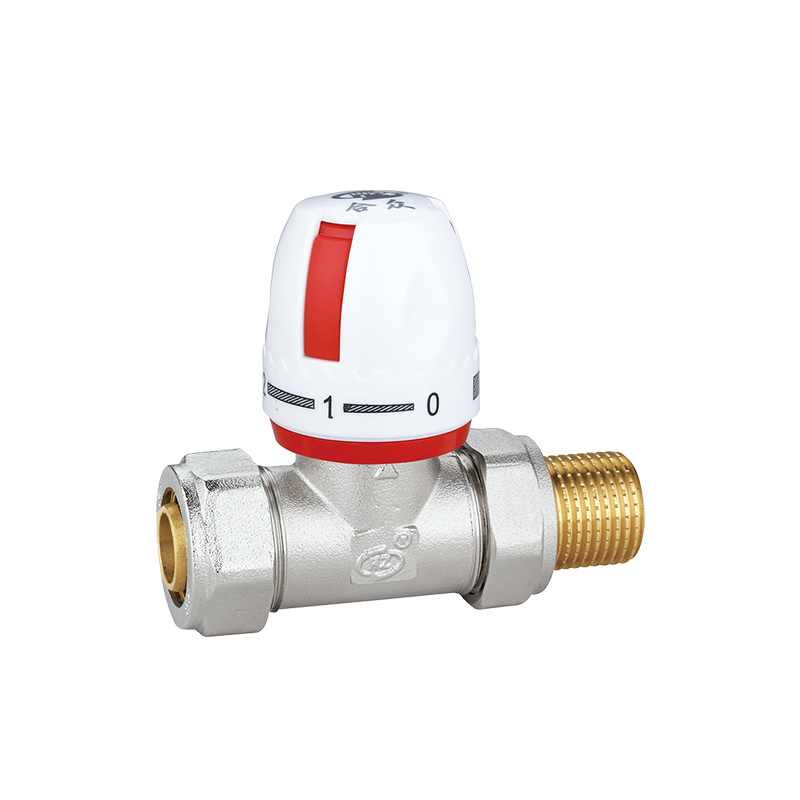
In hydronic heating systems, the boiler gets the water hot, but real temperature balance comes from how well each radiator can control the flow. This manual thermostatic radiator valve is made exactly for that job. It lets you adjust the hot water going through each radiator so you can fine-tune the heat in different rooms.
Instead of fancy automatic sensors, this one gives you direct manual control with some thermostatic action built in. It feels predictable and mechanically solid. There' s also a frost protection setting that keeps a tiny bit of flow going when it gets really cold, which helps stop the system from freezing up in winter.
The valve body is solid brass with a nickel-plated finish, so it holds up well against hot water and corrosion over the years. It just keeps working reliably season after season.
It' s designed to fit the standard connections you' ll find on most home and light commercial radiators. Once it' s installed, each radiator can basically run on its own instead of everything depending on one big central adjustment.
If you want better control over your heating without overcomplicating things, this valve does the trick nicely.
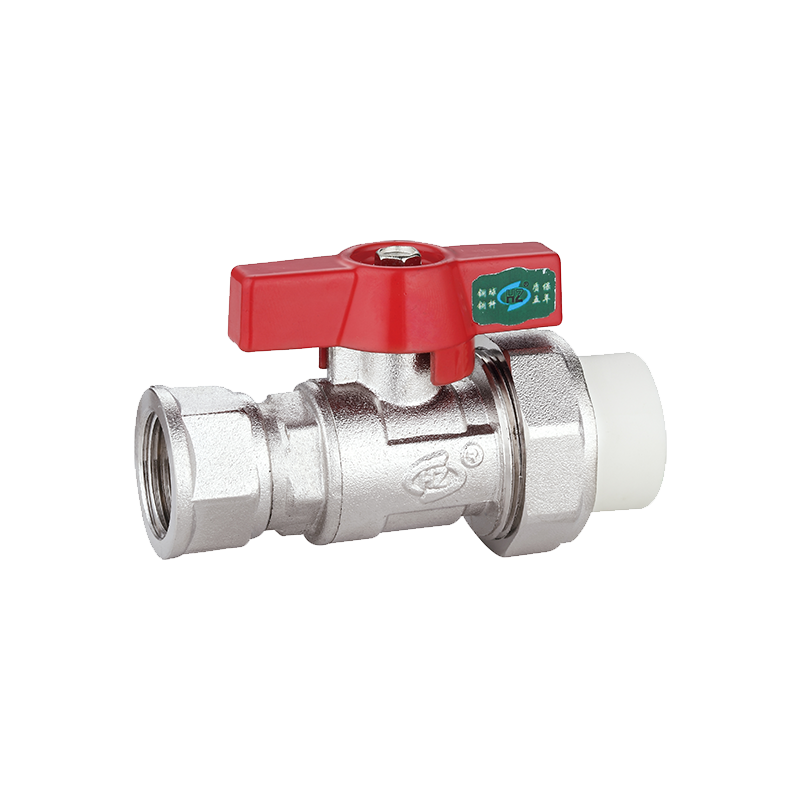
This ball valve is designed for HVAC piping systems. It features a union connection for ea...
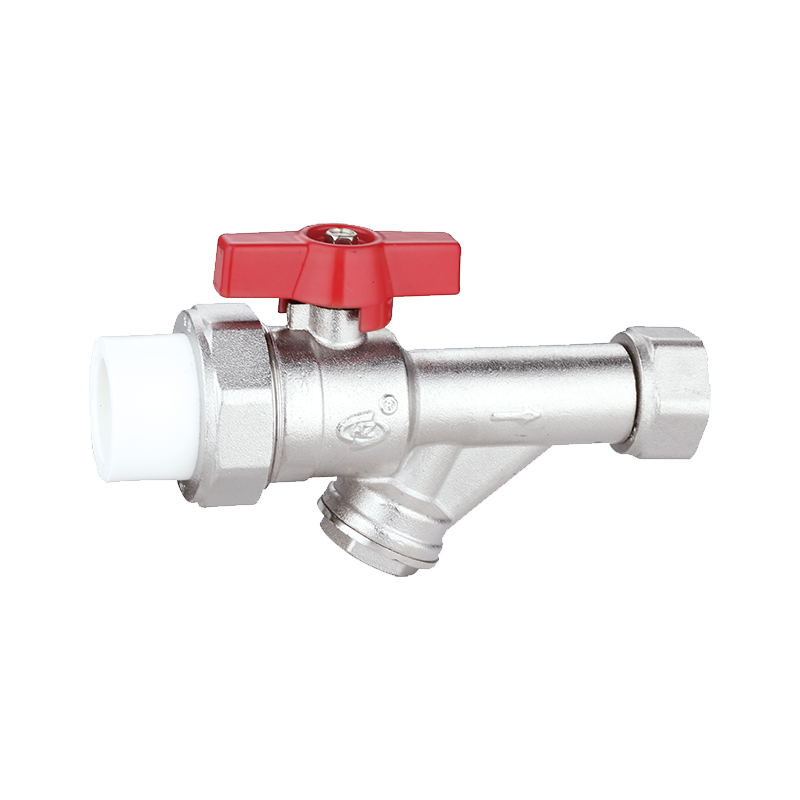
Integrated ball valve combining water shut-off and impurity filtration functions. One end ...
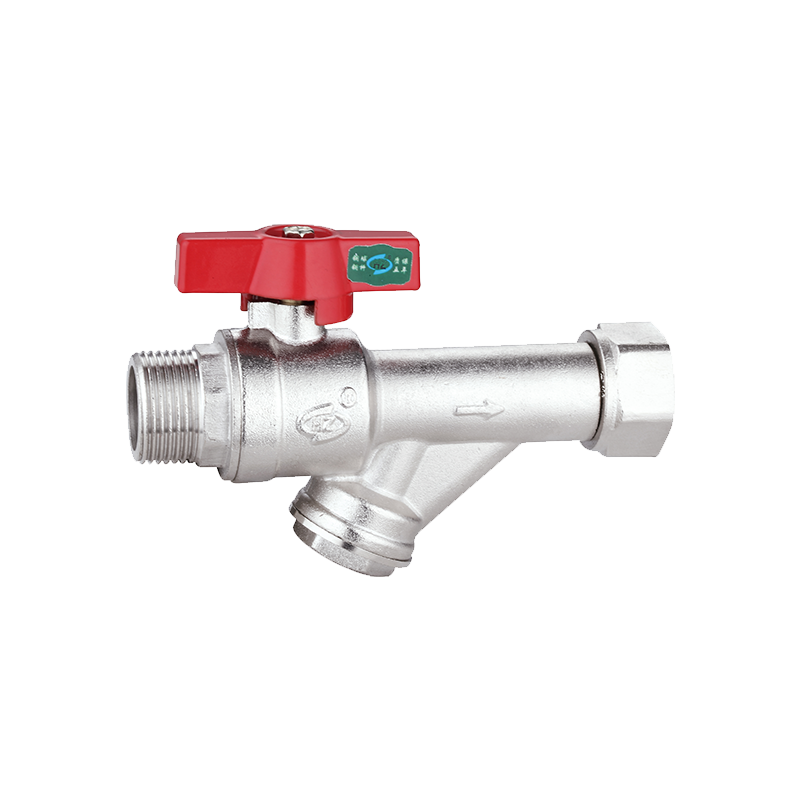
2-in-1 valve integrates water shutoff and impurity filtration. Designed with male thread o...
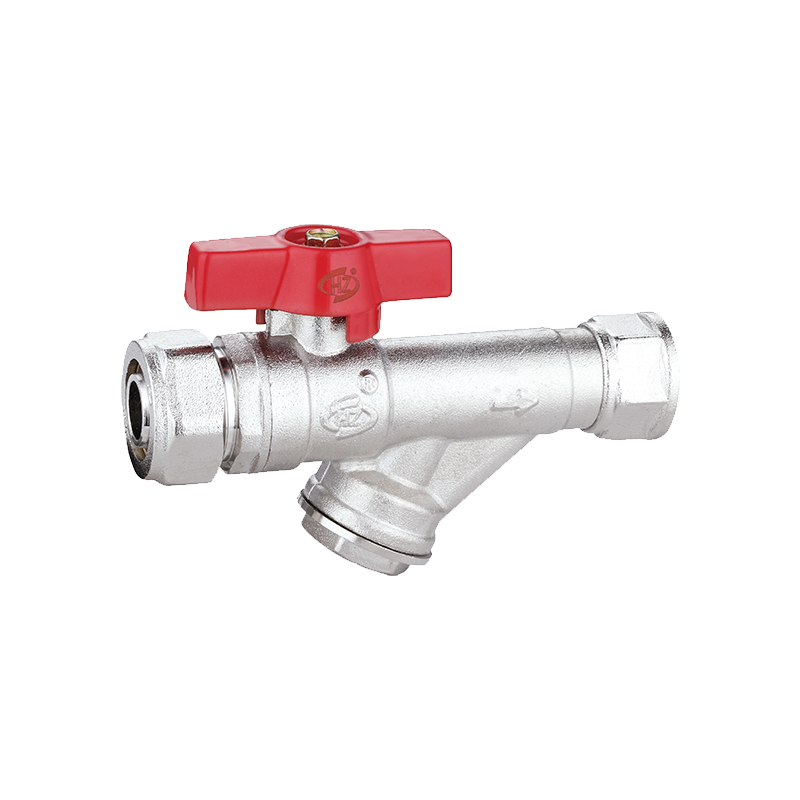
Combines water cut-off and pre-filter functions. Compression end enables quick connection ...
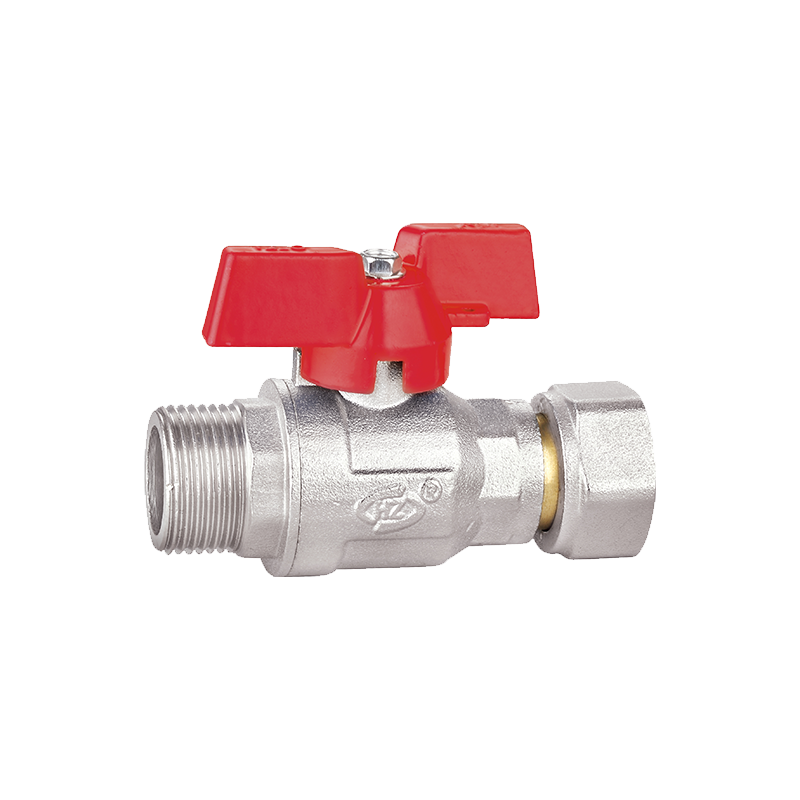
Features male thread on one end and female union thread on the other for standard metal pi...
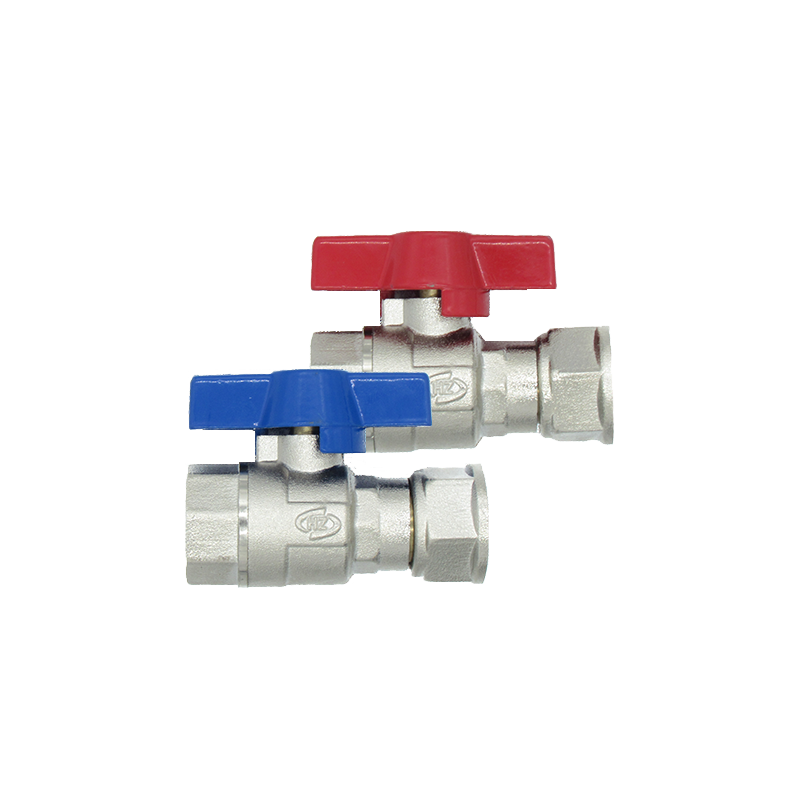
Forged brass body suited for HVAC circulating water lines. Double female thread union desi...
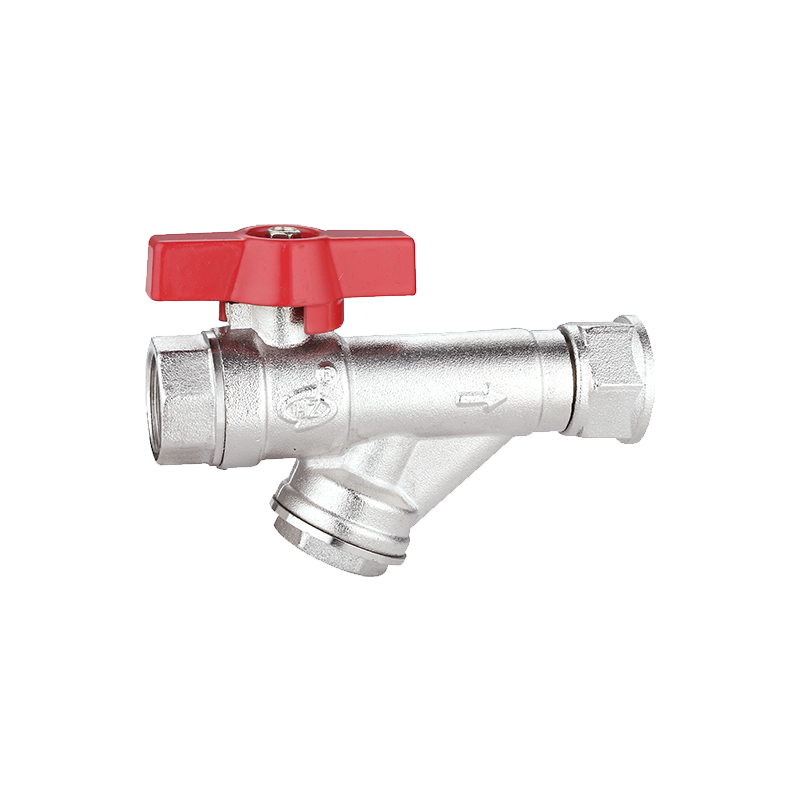
The valve integrates Y-type filter structure and ball valve as a whole. Double female thre...
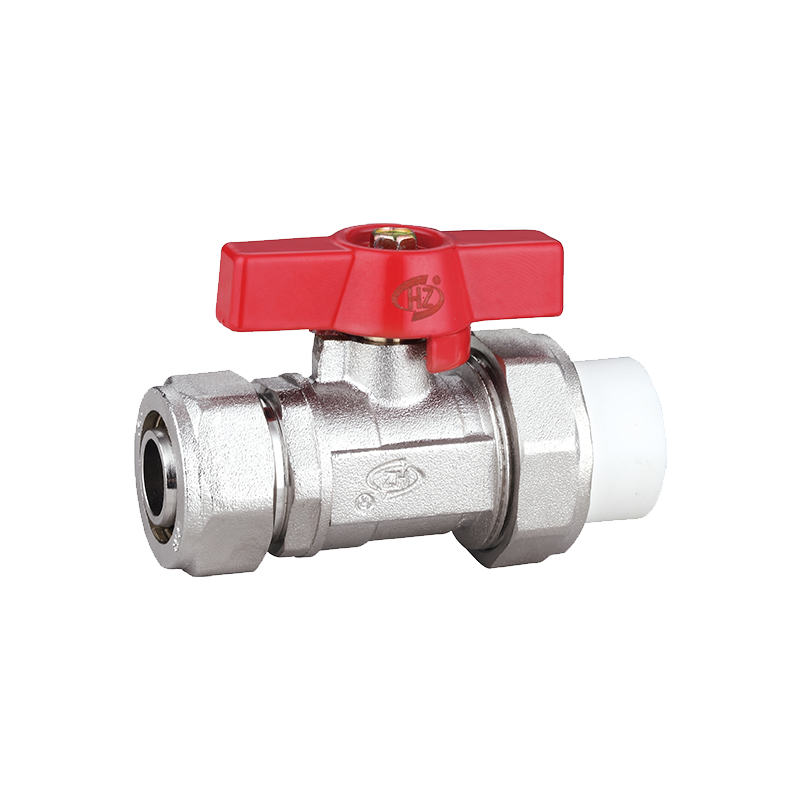
Equipped with compression ends for quick connection to PPR pipes without hot melt welding....
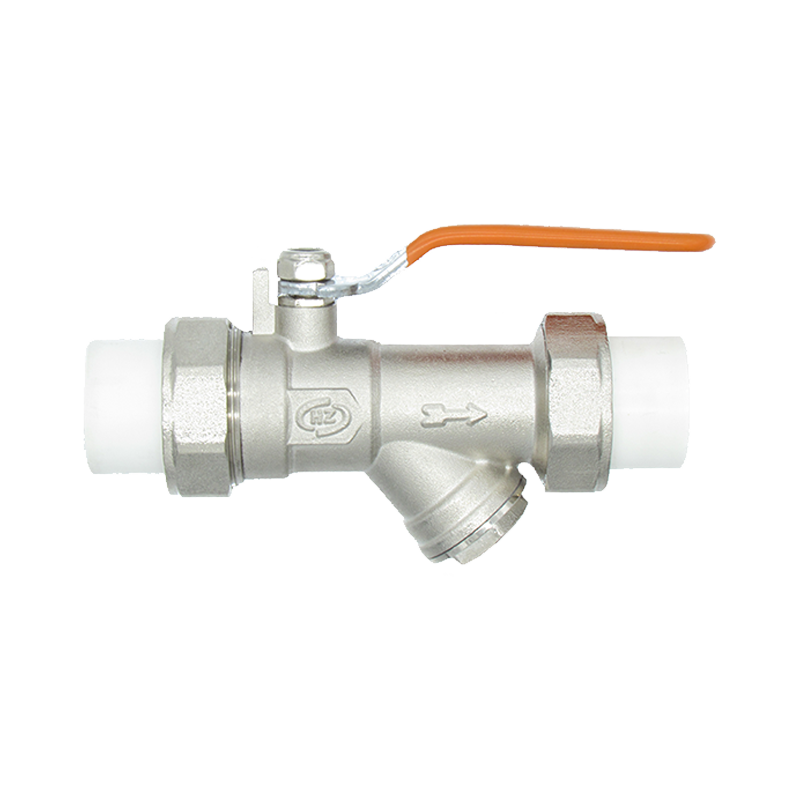
Both ends are designed for hot melt connection with PPR pipes. Integral Y-type filter cham...
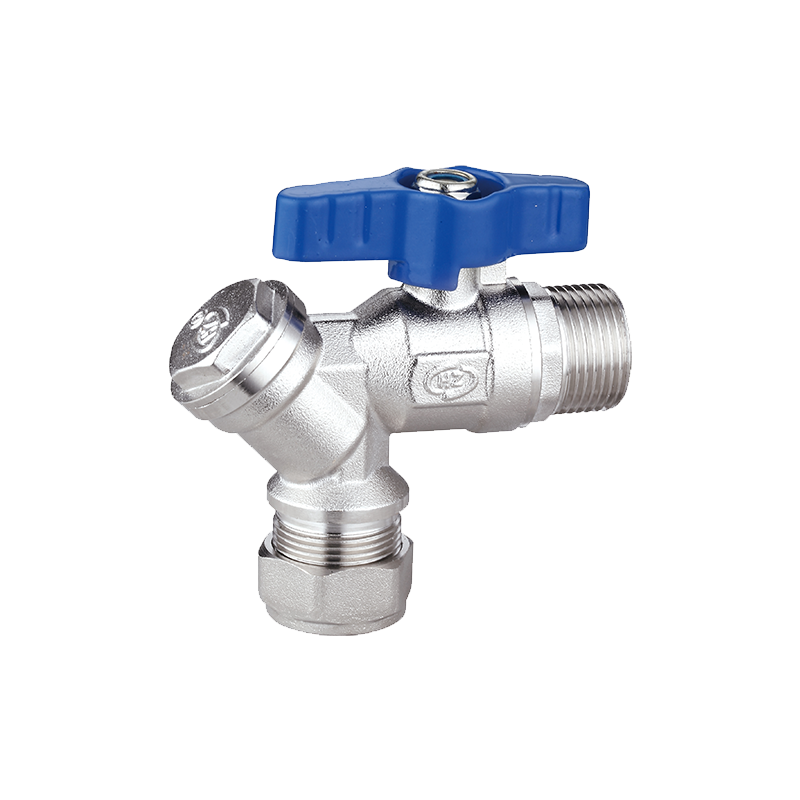
L-shaped elbow design fits corner installation of wall hung boiler pipelines. One compress...
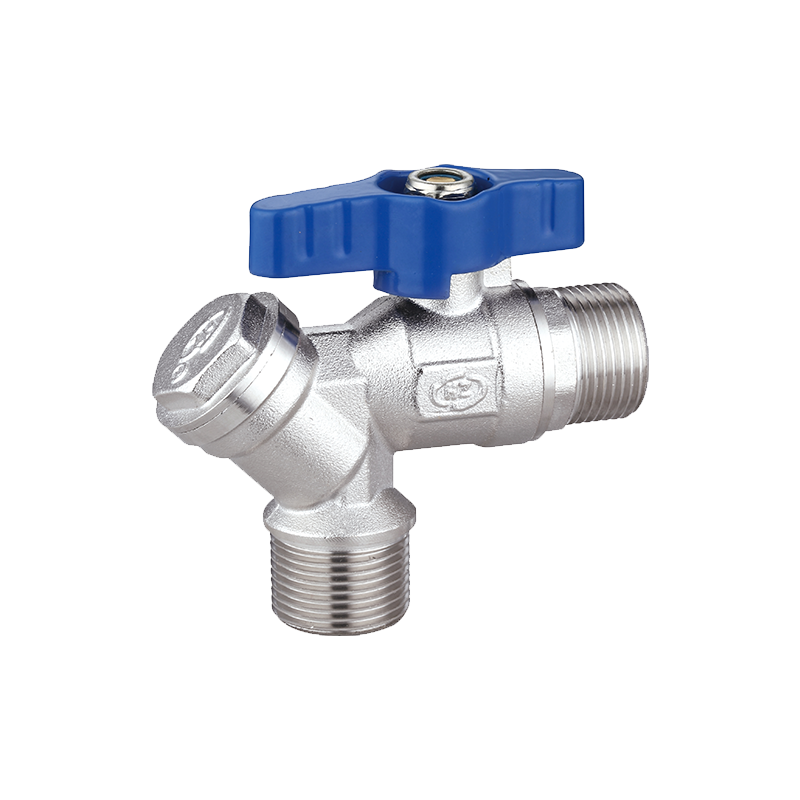
L-shaped elbow with double male threads is designed for corner pipeline installation of wa...
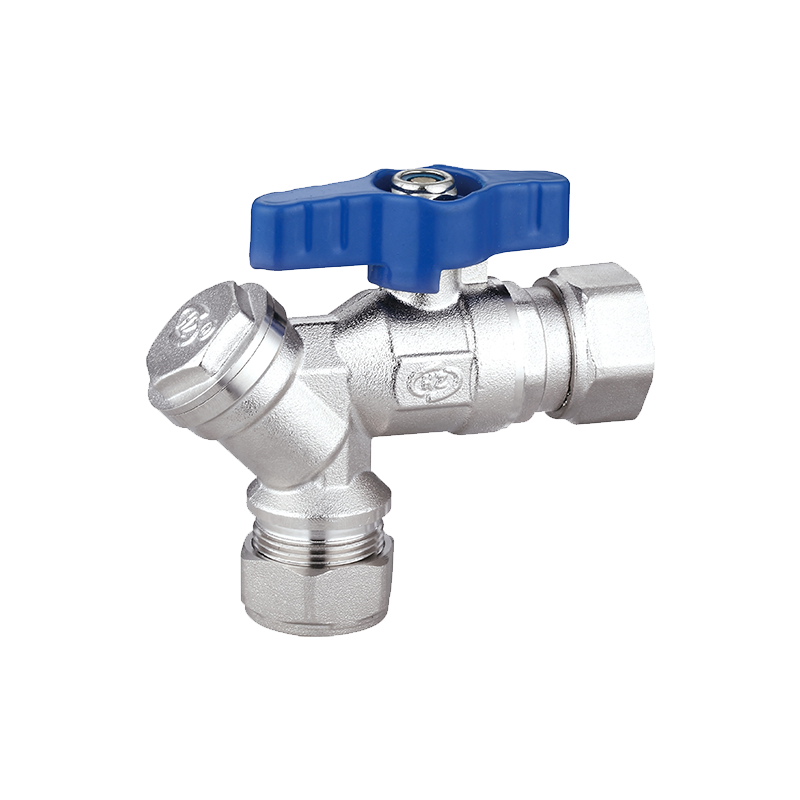
Specially engineered for piping connection of wall-hung heating boilers. Built-in filter s...
Zhejiang Qixiang Valves specializes in the production of gas valves, thermostatic valves, gate valves, globe valves, copper ball valves, plumbing fittings, and other related products. Its service network covers the whole country. Guided by market demand, the company adheres to the principles of professionalism and standardization, keeps innovating, and strives to build a diversified development model in line with industry trends.
A handle ball valve is usually pretty simple to use. Turn the handle a quarter turn, and the valve opens or closes. You shouldn't need to put your whole body into it. So when a valve that used to turn...
READ MOREGas systems in homes depend on many connected parts working together quietly behind a wall or under a stove. A valve may look like a small component within the system, but its role becomes genuinely i...
READ MOREA gas valve should be selected according to the system in which it will operate rather than by appearance alone. A compact valve may suit one installation while creating problems in another because th...
READ MORERoom comfort is closely connected with how evenly heat is distributed and adjusted throughout a space. A heating system may continue supplying warmth, yet the feeling inside a room can change as sunli...
READ MOREA heating valve may look like a small part of a heating system, yet its installation position and connection condition can affect how comfortably the system operates. A Thermostatic Heating Valve need...
READ MOREA gas valve may look like a small part of a larger piping system, yet its position and connection can affect how the system is used and checked. A Low Pressure Gas Valve is commonly placed where gas f...
READ MOREGas control equipment may look simple from outside, yet reliable operation depends on several small parts working together. A valve controls the movement of gas through a pipe, so changes in its condi...
READ MOREMaterial selection has a direct connection with how a gas valve handles its working environment. A valve body needs to contain the gas, support internal parts, maintain suitable sealing surfaces, and ...
READ MOREValves used around heating equipment can look similar from the outside, yet their jobs may be quite different. One controls fuel entering a heating appliance, while another regulates heated water movi...
READ MOREHeating really does eat up a substantial chunk of energy consumption across a lot of buildings. Warming spaces alone can account for a genuinely significant share of operating costs, and uncontrolled ...
READ MOREHeat demand almost never stays constant throughout a day. Room size, sunlight, insulation, and how many people are actually using a space all pull heating needs in different directions at different ti...
READ MOREGas systems depend on steady flow control from the source to the equipment that uses it. In homes, commercial kitchens, heating equipment, and industrial lines, gas has to move in a way that stays sui...
READ MORE Polished Brass Radiator Valves