 EN
EN  English
 русский
 中文简体
中文简体
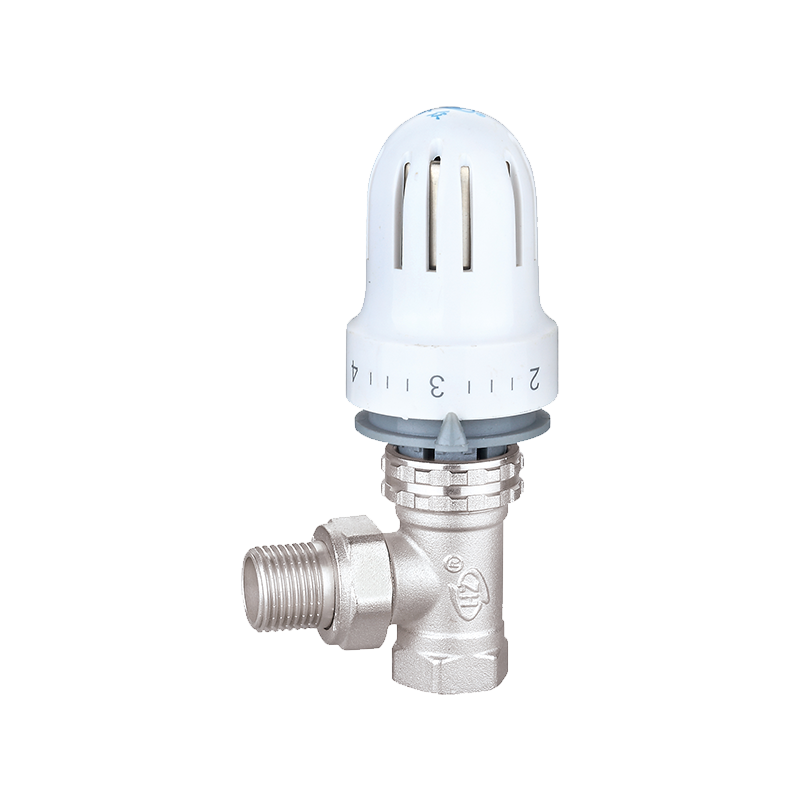
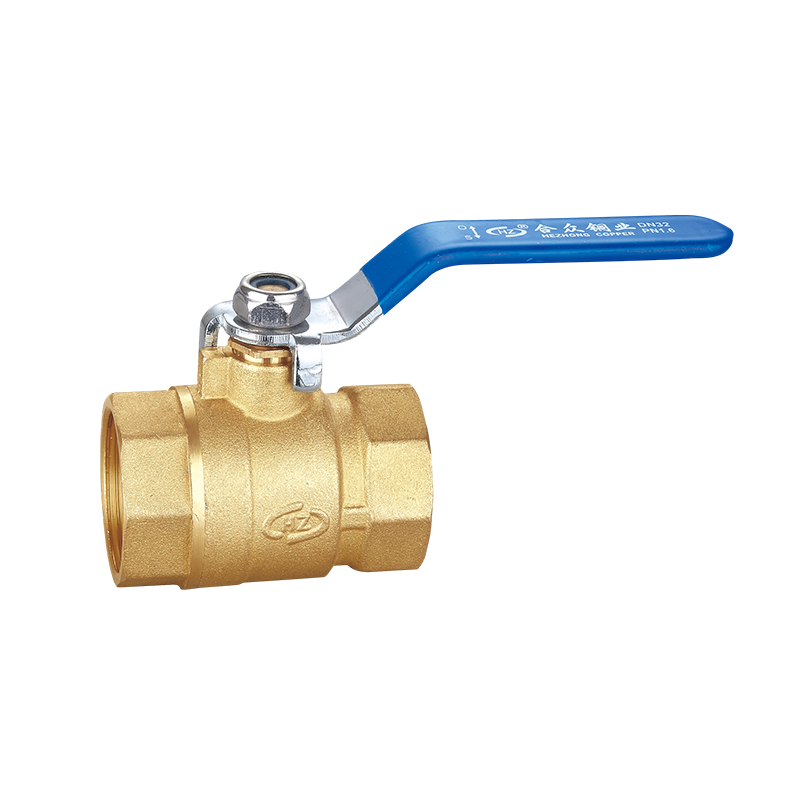
This brass ball valve is built for water lines, HVAC loops, and compressed air systems whe...


Application Industry
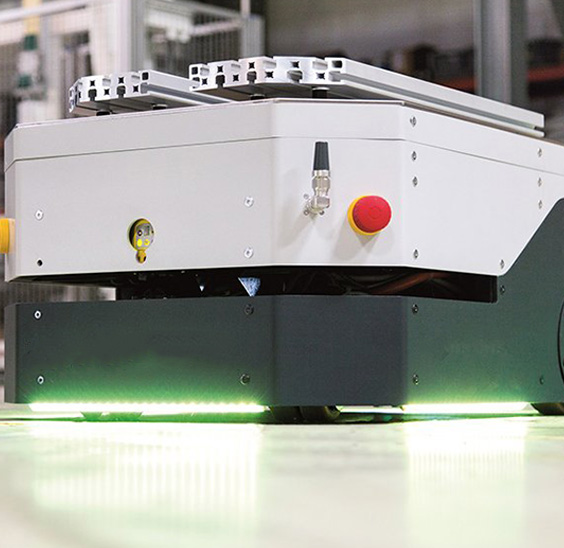
AGV

Automated robots
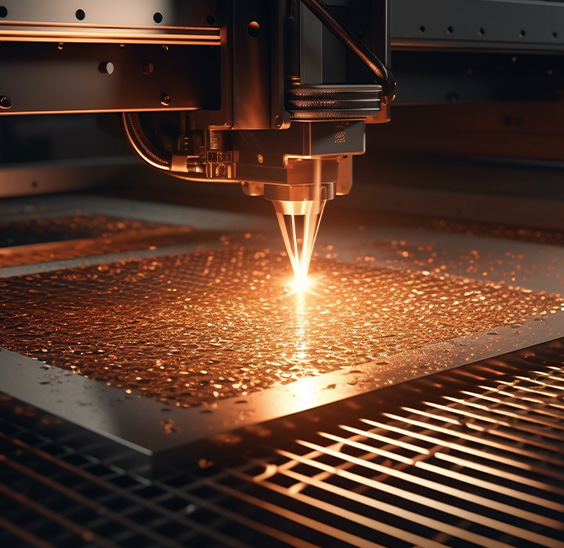
laser cutting
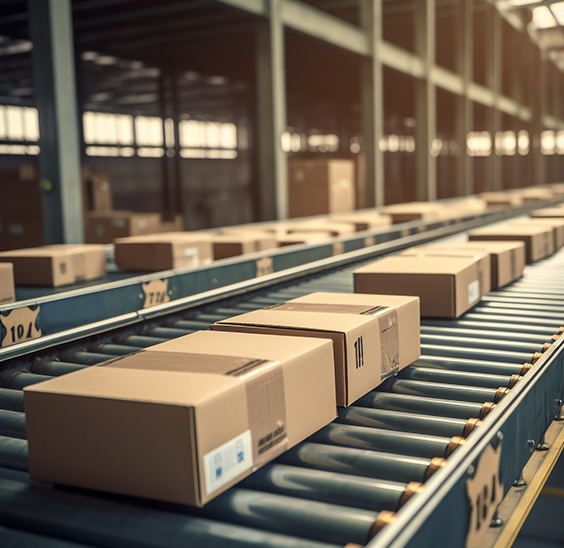
Logistics sorting

Photovoltaic power-station

Medical devices
Which Threaded Brass Ball Valve Is Suitable for High Pressure Use
Valves show up in pretty much every fluid control system out there, and on paper their job sounds simple enough. But different working conditions push different requirements onto valve structure, connection methods, material choice — the details actually pile up fast once you look closely.
Pressure puts constant demands on valve components, day in and day out. A valve sitting in a high-pressure setup has to hold steady while dealing with whatever the flowing medium throws at it. Connection points, sealing areas, internal structure — all of it plays into how the valve actually holds up once it's running.
A Threaded Brass Ball Valve fits into a lot of these applications, mainly because it offers controlled flow with installation that's genuinely practical. The internal ball structure lets operators open or shut the flow path with a simple turn, and the threaded connection gives a common, dependable way to tie the valve into piping systems.
Before landing on a valve, a few conditions usually need a closer look:
- Working pressure requirements
- Material characteristics
- Connection method
- Installation environment
- Operation frequency
Valve selection doesn't really exist on its own — it ties into the whole system around it. Pipe layout, fluid conditions, maintenance habits, all of that shapes how the valve performs once it's actually installed.
A valve that matches its real working environment ends up being far easier to manage over time. Looking at the whole application, rather than fixating on one single feature, tends to lead to a better, more workable choice.
How Does a Threaded Brass Ball Valve Work Under Pressure Conditions
A ball valve controls flow through a simple rotation — the internal ball turns, and its opening either aligns with the pipe direction or doesn't. Turn the ball, and the flow passage shifts position, controlling how the medium moves through.
Simple as the operating method is, pressure performance still comes down to how well different parts work together. Each piece pulls its own weight during operation.
Key parts generally include:
- Valve body
- Internal ball
- Sealing sections
- Thread connection
- Operating handle
The valve body holds everything together and supports the internal components. The ball itself controls flow direction, while sealing areas keep contact between parts stable while the valve's actually running.
Threaded connections shape installation too. A connection that's properly matched keeps the valve firmly seated on the pipe system and cuts down on problems that show up from a poor fit.
Pressure touches different parts of a valve differently during regular use — which is exactly why structure and material need to line up with wherever the valve's actually going to work.
A Threaded Brass Ball Valve really comes down to how well its parts cooperate. Internal structure, sealing condition, connection quality — all three shape the final working performance you actually get out of it.
What Factors Affect the Pressure Performance of Brass Ball Valves
Pressure performance isn't ever about just one factor — material condition, valve structure, installation method, and the surrounding environment all tie into how a valve ends up performing.
Material choice shapes how a valve responds under real use. A good material needs to hold its structure even as pressure shifts and operating conditions change around it.
| Factor | Influence On Valve Use | Attention Point |
|---|---|---|
| Valve material | Affects structural condition during operation | Match material with application needs |
| Thread connection | Influences installation stability | Check connection compatibility |
| Sealing components | Affects flow control condition | Maintain sealing performance |
| Working environment | Changes usage requirements | Consider surrounding conditions |
Thread connection quality matters more than people sometimes assume. A poorly matched connection can throw off installation stability and create headaches down the line during maintenance.
Sealing sections play into this too. They need to hold proper contact throughout operation, or the valve just won't control flow the way it's supposed to.
Working conditions deserve a look before installation as well. Temperature swings, outdoor exposure, how often the valve gets operated — all of it can shift how a valve holds up over time.
Choosing a valve really means weighing several conditions at once. Material, structure, connection, environment — they all feed into the final result once the valve's out in the field.
Why Is Material Choice Important for High Pressure Valve Applications
Material choice shapes both the structure of a valve and how well it processes during manufacturing. Brass gets used a lot in valve production because it brings genuinely practical characteristics to a wide range of fluid control jobs.
While running, valve components need to hold their shape and keep connections stable. Material properties directly influence how the valve body and internal parts respond as pressure conditions shift around them.
Manufacturing process matters just as much as material itself. Prep work, how components get processed, assembly methods — all of it feeds into how well the different parts actually fit together in the end.
A Brass Ball Valve Factory typically pays close attention to a handful of production stages:
- Material preparation
- Component processing
- Assembly management
- Product inspection
Each of these stages connects to the final condition of the valve. Good coordination between steps helps keep things consistent across a production run.
Material choice can't really be separated from design either. Structure has to match up with material characteristics, or the valve won't fit the environment it's meant to work in.
For anything pressure-related, weighing material and structure together tends to make selection a lot clearer. A valve needs to match not just the pressure it'll face, but the installation method and everyday operating demands sitting on top of that.
How Do Thread Connections Influence Valve Installation and Maintenance
Thread connections have a pretty direct impact on how a valve gets installed and how it's maintained day to day. A good connection keeps the valve attached to the pipe system and holds the structure steady while it's in use.
Installation quality really comes down to a handful of details. Thread size, connection condition, how the fitting actually goes in — all of that shapes how well the valve settles into the system. A connection that matches the surrounding piping usually makes future inspection and maintenance a lot less of a hassle.
A few things usually get checked during installation:
- Connection matching
- Thread condition
- Sealing treatment
- Installation position
Threaded connections also make maintenance work more manageable. Compared to some fixed connection methods, threaded designs tend to be easier to remove, check, or swap out whenever the system needs adjusting.
That said, proper installation still matters a lot here. Forcing a fitting too hard, or handling it in ways it wasn't meant for, can mess with the connection area. Careful installation keeps both the valve and the pipe system in the shape they're supposed to be in.
Maintenance also depends heavily on where the valve actually sits. A valve tucked into an accessible spot is just easier to check during routine inspections. Operators can look over the connection areas, watch the operating response, catch changes before they turn into bigger problems.
For a Threaded Brass Ball Valve, the connection method isn't just about getting it installed correctly the first time. It keeps mattering long after — shaping how easy the valve is to manage once it's become part of the fluid system.
What Should Be Checked Before Choosing a Threaded Brass Ball Valve
Picking a valve really comes down to paying attention to the actual environment it's going into. Different applications bring different fluids, pressure conditions, installation spaces, operation habits — the list adds up fast.
Before landing on a choice, a few practical things deserve a closer look:
- Working pressure condition
- Fluid characteristics
- Pipe connection requirements
- Installation location
- Operation frequency
Working pressure sits near the top of that list. A valve needs to actually match the conditions it'll face — not get picked because it looked right or seemed structurally simple enough.
Fluid characteristics play into this too. Different fluids bring different requirements around material compatibility and sealing conditions, and skipping that check tends to cause problems down the line.
Installation location shouldn't get overlooked either. A valve stuck in a tight, cramped spot might need easier access built in for future checking. The surrounding layout ends up shaping how convenient (or annoying) future operation turns out to be.
Operation frequency matters here as well. Valves that get opened and closed constantly deal with different wear than ones that sit in one position for long stretches.
A practical selection process really just means matching the valve to the whole application — not one isolated feature. Weighing working conditions, installation needs, and maintenance requirements together tends to land on a much more suitable choice.
How Does Manufacturing Control Affect Valve Consistency
Valve performance ties straight back to the manufacturing process behind every single component. Material prep, processing methods, assembly steps, inspection procedures — all of it shapes the final condition a valve ships out in.
A Brass Ball Valve Factory generally manages several production stages to keep manufacturing conditions consistent run after run. Every stage deserves attention, since small differences during processing can quietly affect how parts end up fitting together later.
Key production areas tend to include:
- Material handling
- Component processing
- Assembly control
- Condition checking
Material handling sets the starting point for everything else. Suitable materials, handled properly from the start, give a stable base for whatever processing comes next.
Component processing shapes how accurate individual parts turn out. Valve bodies, internal components, connection sections — they all need to line up properly once assembly happens.
Assembly control ties into operation just as much. Every component needs to fit with the others cleanly, or the whole structure won't function the way it should.
Inspection during production helps catch differences before valves ever make it out into real applications. Checking at different stages gives manufacturers a much clearer read on what's actually shipping out the door.
A Brass Ball Valve Factory really sits at the intersection of material prep, production management, and final valve condition. Keeping manufacturing methods consistent supports steadier product performance once valves are actually in use.
Why Is Regular Valve Management Important After Installation
Installation isn't really the finish line here — it's more like the starting point for ongoing management. Regular checking helps operators keep tabs on valve condition and catch changes before they turn into bigger issues.
Simple maintenance work usually covers:
- Checking connection areas
- Observing operating response
- Cleaning surrounding parts
- Reviewing possible wear conditions
Connection areas deserve regular attention since they tie directly into pipe system stability. A loose connection, or a shift in sealing condition, can throw off normal operation pretty quickly.
Operating response tells its own story too. Any change during opening or closing usually signals the valve needs a closer look or maybe some adjustment.
Keeping the area around the valve clean makes maintenance easier across the board. Dust, residue, whatever else builds up nearby can get in the way of proper inspection and handling.
None of this really needs complicated procedures, either. Just consistent observation and paying attention on time goes a long way toward understanding how a valve's actually holding up.
For systems running a Threaded Brass Ball Valve, maintenance habits shape performance over the long haul. Regular checking, sensible handling, correct day-to-day operation — all of it adds up to smoother system management overall.
How Are Brass Ball Valves Adapting to Changing Industrial Needs
Fluid control requirements keep shifting as industries lean into more varied systems and applications. Valve structures need to fit different installation setups while still holding onto practical, dependable operation.
Current production trends lean toward improving flexibility, easier management, and a tighter connection between valve design and how it's actually used out in the field.
A few areas keep getting attention:
- Practical valve structures
- Flexible installation methods
- Easier maintenance
- Better production management
A valve really isn't chosen based on internal structure alone. The system around it, the working conditions, the maintenance plan in place — all of that decides whether the valve actually fits the application or not.
Manufacturers keep tweaking production methods to keep up with shifting requirements. Material management, processing control, assembly methods — these stay central parts of valve manufacturing no matter how demands change.
A Threaded Brass Ball Valve ties design, material, and installation methods together into one package. How well it works really depends on how closely those elements match the actual working environment.
Landing on the right valve really comes down to paying attention to real operating conditions. Pressure requirements, connection methods, material characteristics, maintenance habits — all of it works together to build a stable, dependable fluid control system.
Related products
-
-
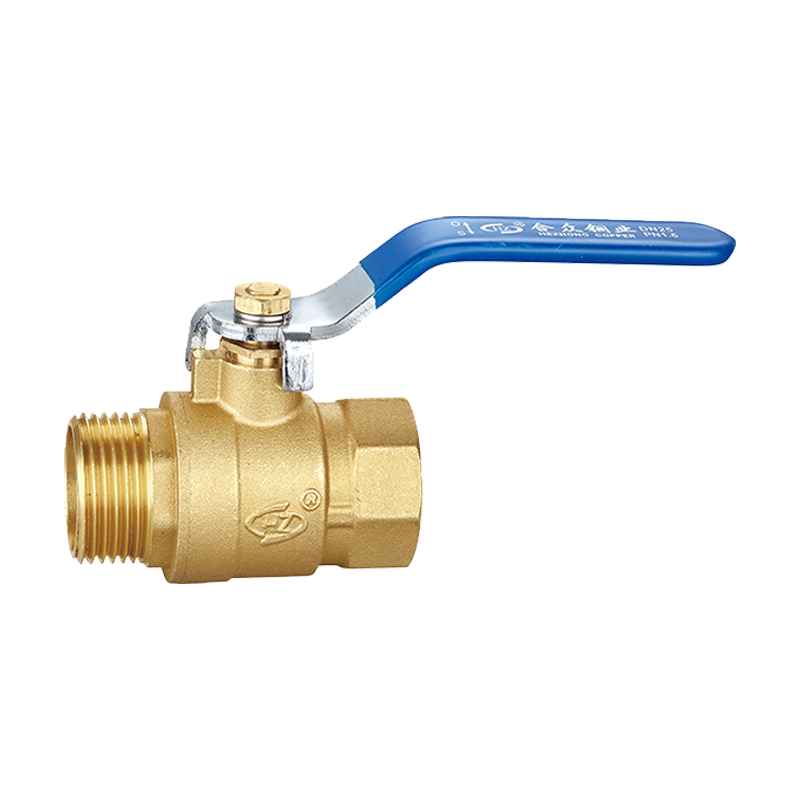 Male Thread Brass Ball Valve for Water & HVAC Systems
This male thread brass ball valve is made of national standard forged brass with RP male t...
-
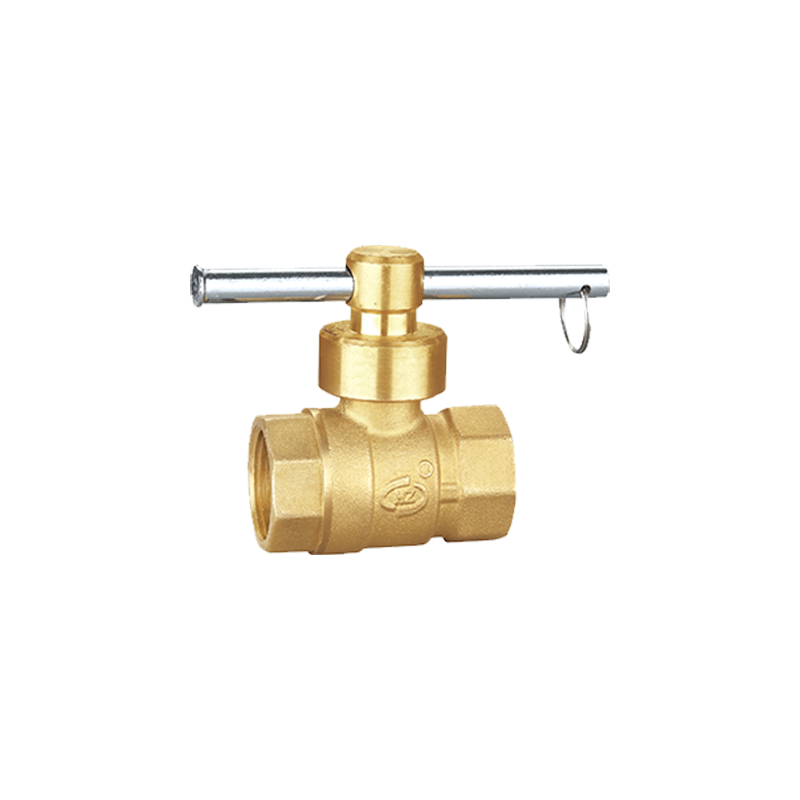 One‑Word Magnetic Lock-Off Ball Valve
This is One‑Word Magnetic Lock‑Off Ball Valve of the Water Utilities Series. It is integr...
-
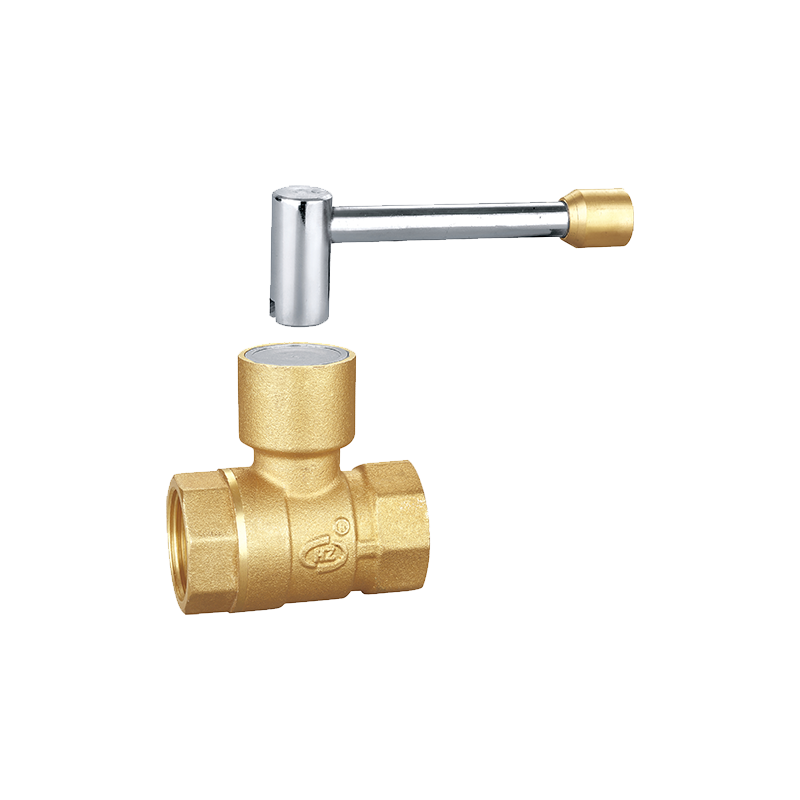 Brass Magnetic Lock-Off Ball
This brass magnetic lock‑off ball valve has a high‑quality forged brass valve body with st...
-
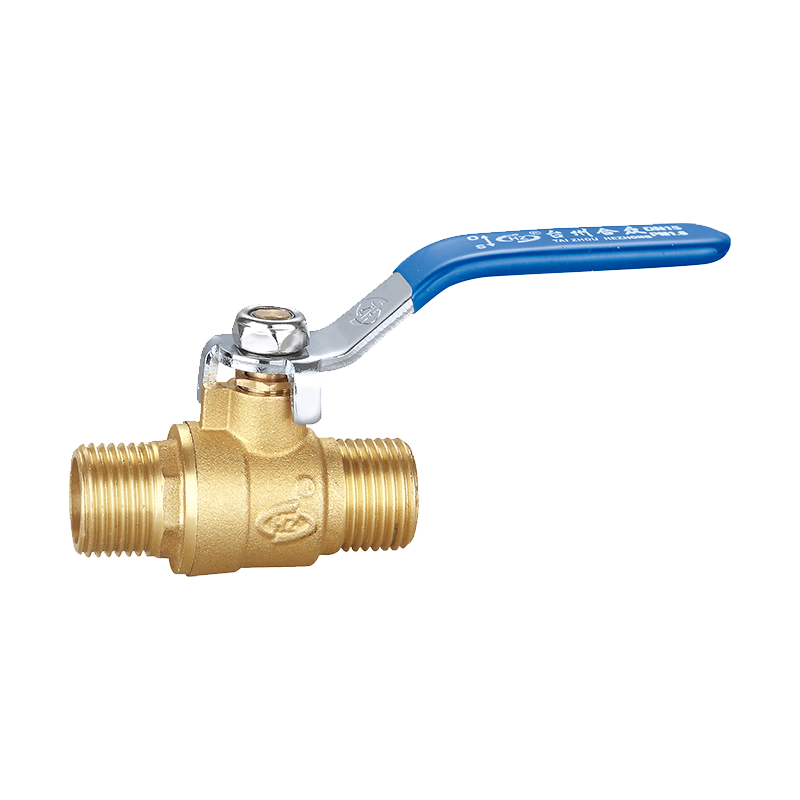 Double Male Brass Ball Valve for Water & HVAC Systems
Double male brass ball valve features male threads on both ends for direct in-line connect...
-
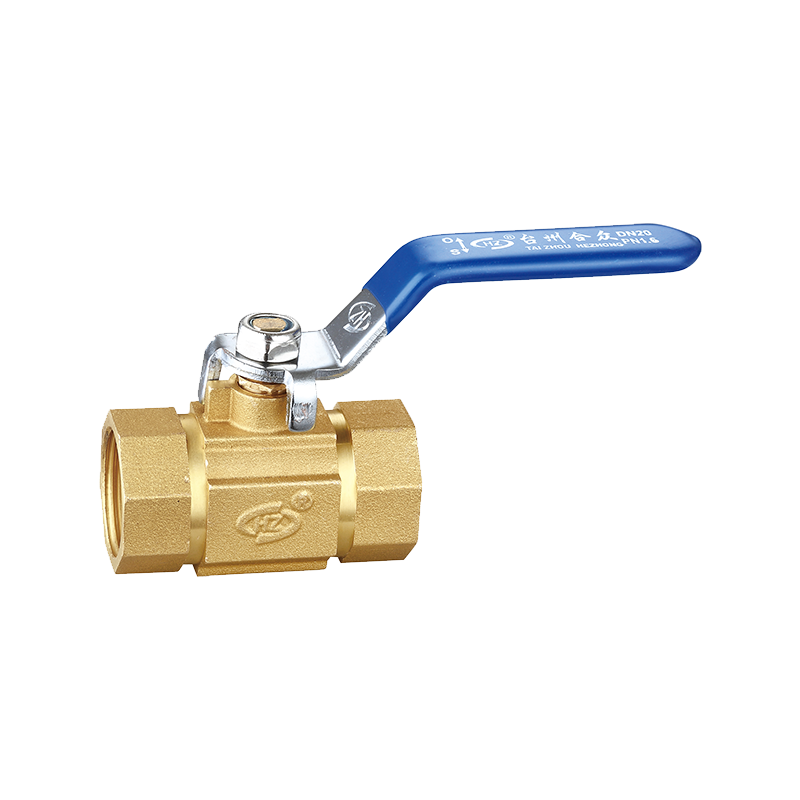 Square Body Ball Valve
This square body ball valve is integrally forged from high‑quality brass. Its square‑shape...
-
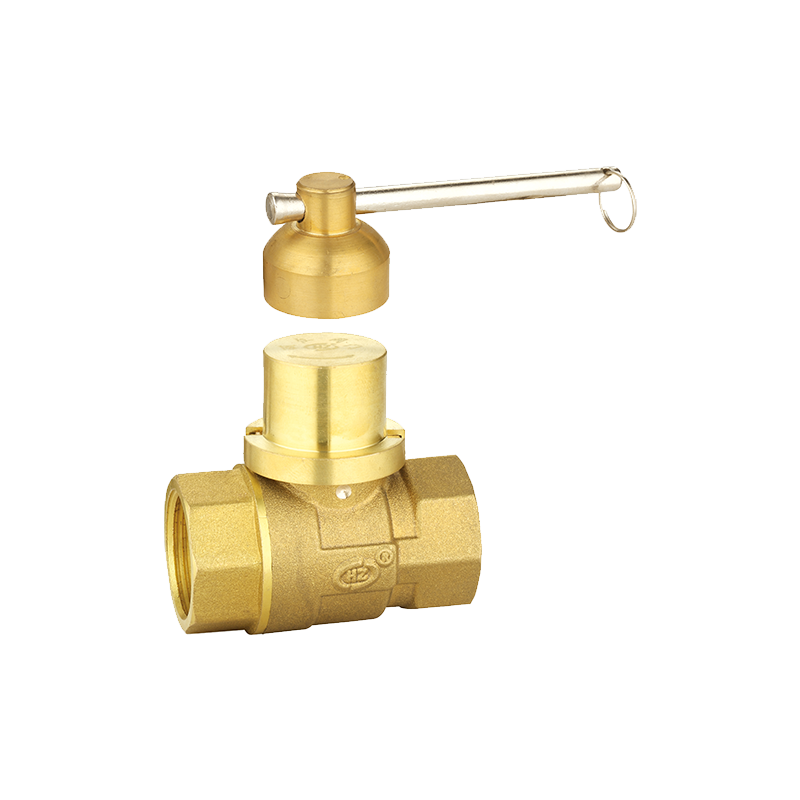 Magnetic Ball Valve for Front of Water Meter
Forged metal tee fitting with M30 loose nut for gas meter inlet connection, double 1/2" ma...
-
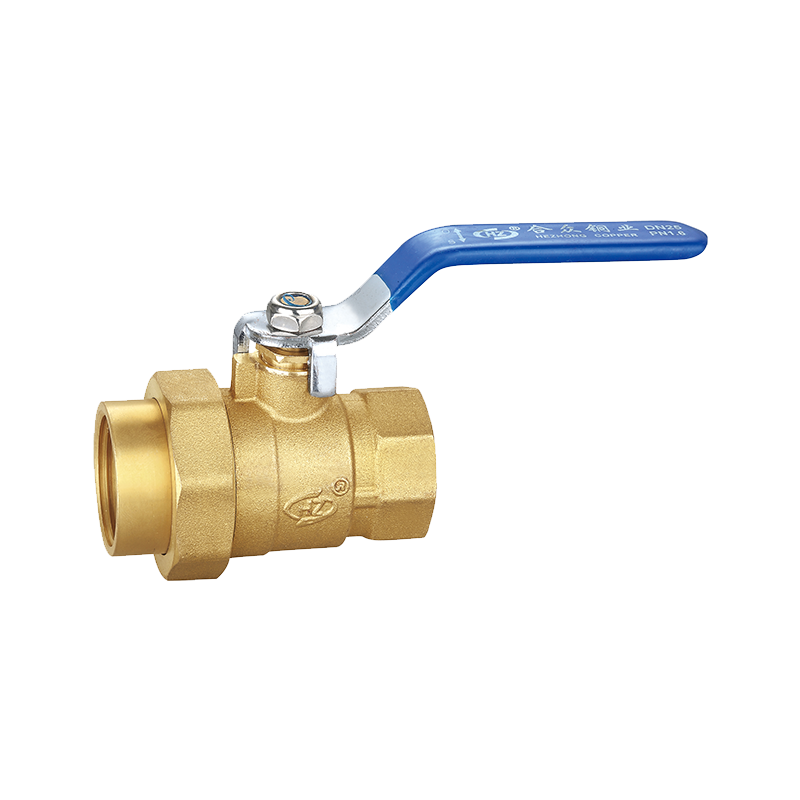 Female Thread Union Brass Ball Valve
This female thread union brass ball valve is made of high-quality brass. It has female thr...
-
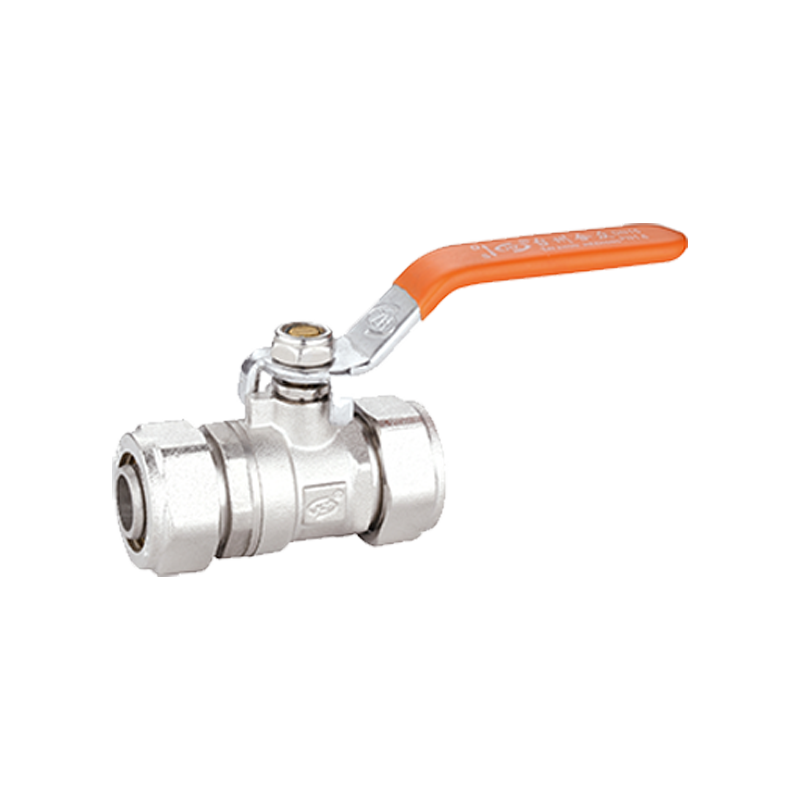 Brass Compression Ball Valve for PEX-AL-PEX Pipe
Brass Compression Ball Valve is forged from high‑quality brass, featuring high‑strength va...
-
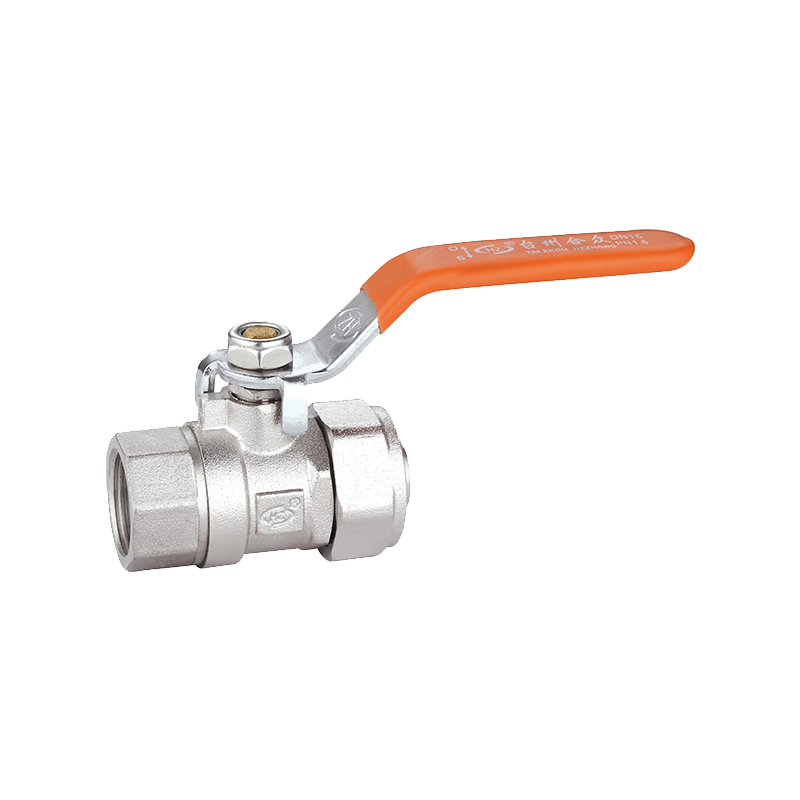 Female-Thread-Brass Compression Ball Valve for PEX-AL-PEX Pipe
This ball valve features a compression connection on one end and a female thread on the ot...
-
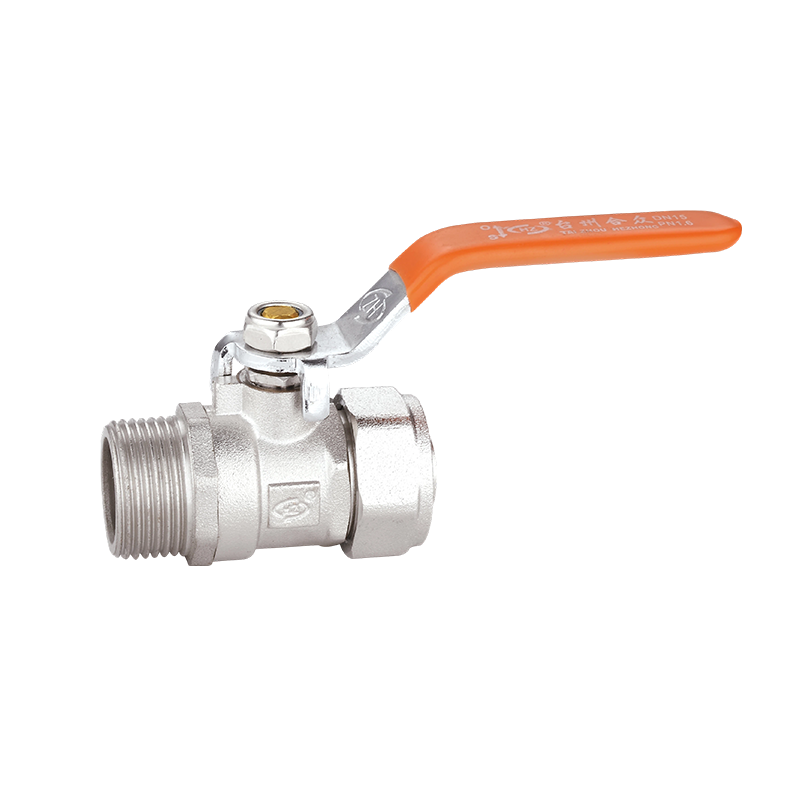 Male-Thread-Brass Compression Ball Valve for PEX-AL-PEX Pipe
This brass compression ball valve is made for PEX-AL-PEX pipe. Connecting different pipe m...
-
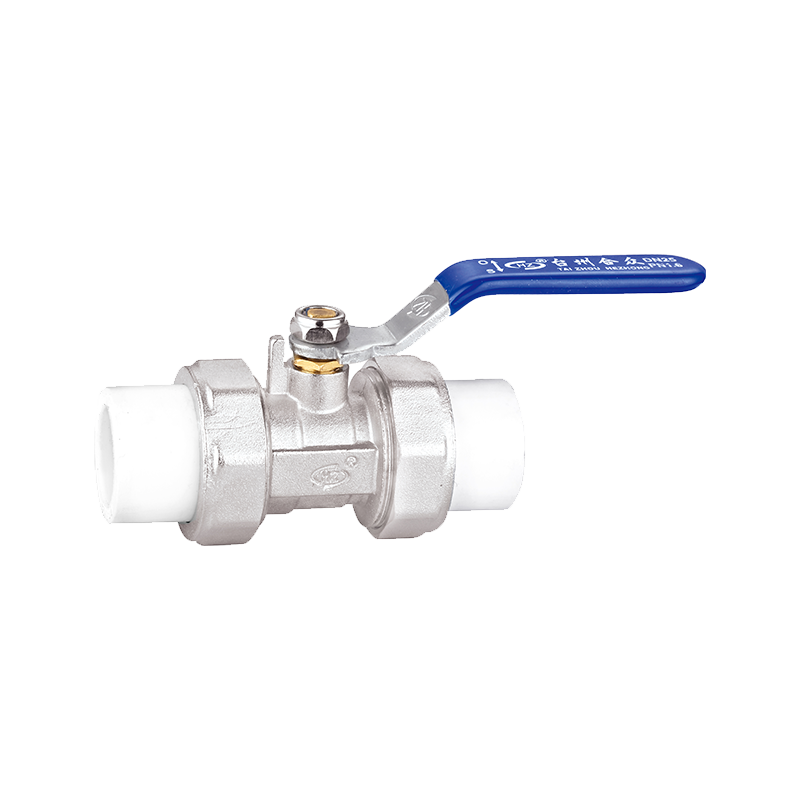 PPR Double Union Ball Valve
This PPR ball valve features a double‑union structure, compatible with hot‑melt connection...
CONTACT DETAILS
- TEL: +86-18158607688
- E-mail: [email protected]
- Address: Zhongshan Industrial Zone, Chumen Town, Yuhuan City, Taizhou, Zhejiang Province, China
