 EN
EN  English
 русский
 中文简体
中文简体
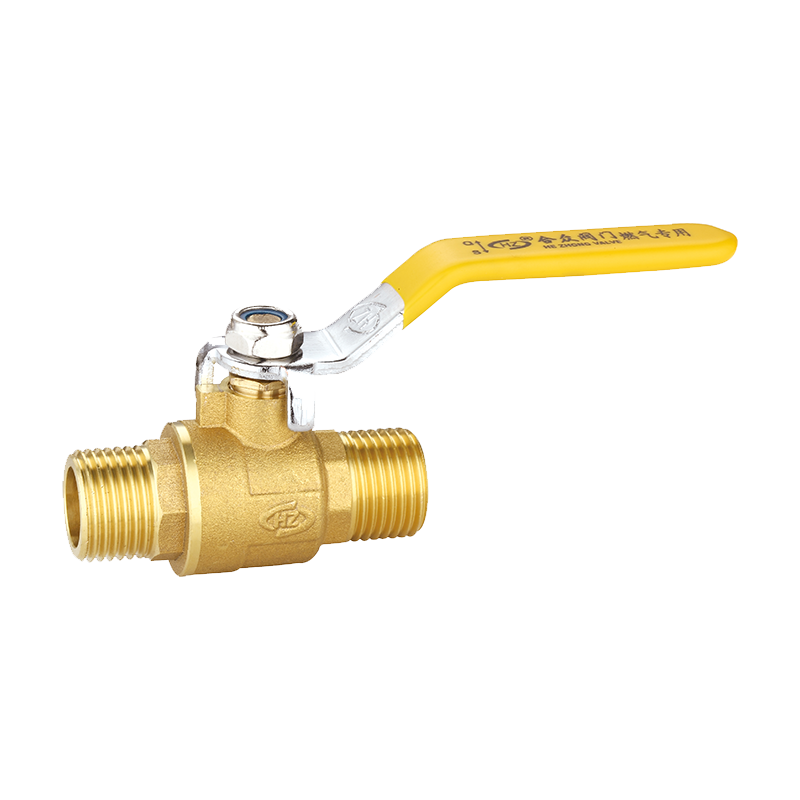
This brass ball valve is built for water lines, HVAC loops, and compressed air systems whe...


Application Industry
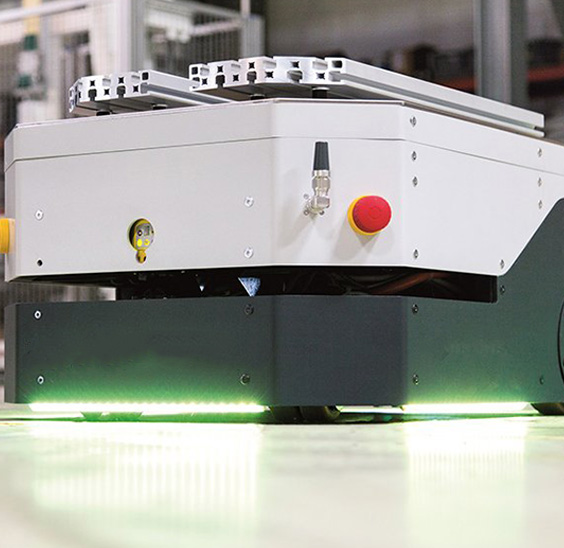
AGV

Automated robots
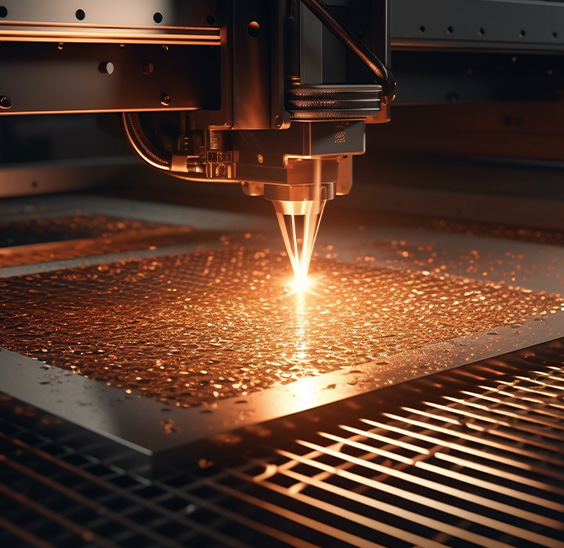
laser cutting

Logistics sorting

Photovoltaic power-station

Medical devices
How Full Bore Brass Ball Valve Improves Flow Efficiency in Systems
Pipeline systems depend on a chain of components working in a steady way, and valves sit right in the middle of that process because flow movement, pressure change, and operating stability all pass through them during daily use. When valve structure matches the pipeline situation, fluid can move with fewer interruptions, maintenance becomes easier to plan, and the whole system often keeps a calmer working state over time.
A Brass Ball Valve Factory usually handles more than simple assembly work, since material preparation, part machining, fitting, and inspection all shape how the final valve behaves after installation. Small differences in any of those stages may later show up in sealing behavior, operating feel, or the way fluid passes through the line.
A Full Bore Brass Ball Valve is designed with an internal path that stays close to the size of the connected pipeline, so the open passage does not narrow as sharply as some other valve forms. That difference may sound small, yet in practical system use it can change how smoothly fluid moves through the valve body once the valve is open.
Why Does Valve Structure Influence Flow Performance In Systems
Flow inside a pipeline does not stay the same once it passes through a valve, because the internal shape of the valve body changes the path that the fluid must follow. A narrower opening can add resistance, while a more open path can allow movement to continue with fewer changes in direction, and that difference often becomes visible in system behavior during long periods of operation.
Valve structure matters for more than simple open or close action. Internal passage shape, sealing arrangement, connection accuracy, and operating layout all shape how the valve interacts with the fluid moving through it. Once a valve begins to alter the path too sharply, the system may need more effort to maintain steady flow, especially when the pipeline runs for regular working hours or carries fluid through multiple sections.
Several parts of valve design usually affect flow behavior:
- internal passage shape
- sealing arrangement
- connection accuracy
- operating method
The passage inside the valve body decides how directly fluid can travel from inlet to outlet. A smoother route can support more stable movement, while a design that reduces the pathway inside the valve may create extra resistance that needs to be considered during selection.
Material choice adds another layer to the discussion. Brass remains a practical option in many valve applications because it can support common operating conditions while still allowing suitable machining and assembly. A Brass Ball Valve Factory has to keep material quality, processing accuracy, and final fitting in line with each other, since the finished valve reflects how those steps work together.
How Does A Full Bore Brass Ball Valve Support Smooth Flow
A Full Bore Brass Ball Valve uses an internal passage that stays closely aligned with the pipeline opening, so the fluid path remains relatively direct when the valve is open. In a system where flow movement matters, that kind of passage can help reduce unnecessary disturbance and keep the line moving in a more even way.
Flow behavior does not depend on passage size alone, though. Surface finish inside the valve, fitting quality between parts, sealing condition, and installation accuracy all contribute to how the valve performs after it enters service. When those parts line up well, the valve can support a more predictable movement pattern inside the pipeline.
| Valve Feature | Influence On System Flow | Practical Consideration |
|---|---|---|
| Full Flow Passage | Keeps the fluid path more direct | Useful where steady movement matters |
| Brass Valve Body | Supports common service conditions | Needs proper material handling |
| Sealing Structure | Helps control open and closed states | Requires accurate installation |
| Operating Layout | Supports convenient flow control | Should fit system needs |
A wider internal passage may be useful in systems where fluid transport needs to stay calm and direct, such as pipeline sections that handle regular movement or equipment lines that benefit from less internal resistance. The valve still needs to suit the rest of the system, since connection style, maintenance access, and working environment all shape how useful the design will be in practice.
A Full Bore Brass Ball Valve therefore does more than provide a path for fluid. Its value comes from how well the internal form fits the overall pipeline arrangement, allowing control and movement to work together without creating extra handling difficulty.
What Factors Affect The Performance Of Brass Ball Valves
Performance depends on several connected parts of the product rather than one feature alone. Material condition, machining accuracy, sealing quality, and assembly work all leave a mark on how a brass ball valve behaves once it is installed and placed into regular use.
Material preparation sets the base for the valve body, while part processing decides whether the pieces can fit and move as intended. When those stages stay consistent, the valve is more likely to keep a stable operating feel and avoid unnecessary variation during opening and closing.
Several production details usually receive close attention:
- material selection
- component machining
- assembly control
- inspection process
A Brass Ball Valve Factory needs to keep these stages connected because the finished valve reflects the quality of each step. Even a small mismatch in part fitting or sealing work can change how the valve reacts under pressure or during repeated operation.
Sealing performance also matters because a valve must control movement without creating unwanted leakage or unstable closing behavior. Installation quality and service handling add another layer, since a valve that is assembled and fitted properly usually has a clearer path to stable long-term use.
Different systems place different demands on the valve, so selection often depends on how the product will be used rather than on appearance alone. Matching design to system conditions gives the valve a more practical role inside the pipeline.
How Does A Brass Ball Valve Factory Control Manufacturing Quality
Valve quality begins long before assembly, because material handling, part machining, and inspection all leave a mark on the finished product. A valve may appear simple once installed in a pipeline, yet reaching that point usually depends on several connected production stages that need to stay in balance from beginning to end.
A Brass Ball Valve Factory often keeps a close eye on raw material condition, since brass that enters machining in a stable state is easier to shape and fit into working parts. Once body parts, balls, sealing elements, and connection areas are processed, each piece still needs to match the others with enough accuracy to support smooth movement and proper sealing after assembly.
Production control often includes a few steady habits:
- checking incoming material condition
- watching machining accuracy during part shaping
- keeping assembly work consistent
- reviewing finished valves before shipment
Assembly deserves careful attention because well-made parts can still behave poorly when fitting work is uneven. The ball has to move freely inside the body, sealing parts need to sit in the right position, and connection areas need to stay aligned so flow control remains stable during use. When that relationship is not handled well, the valve may still function, although the result can be less predictable over time.
Inspection after assembly gives the factory another chance to review operating condition before the valve enters service. Looking only at surface appearance does not tell enough, since a valve also needs to open and close properly, keep its connection points stable, and hold its sealing condition under working pressure. A factory that keeps those steps connected usually has a better chance of producing valves that fit different pipeline needs in a more practical way.
Why Are Full Bore Brass Ball Valves Used In Different Industrial Applications
Industrial systems do not all ask for the same kind of flow behavior, and that is one reason a Full Bore Brass Ball Valve appears in different types of pipeline work. Where fluid movement needs to stay relatively direct, a wider passage inside the valve can help reduce unnecessary interruption once the valve is open.
Water lines, equipment connections, and general fluid handling systems often need a balance between control and flow movement. In those settings, valve structure matters because the internal route affects how much resistance the fluid meets while passing through the line. A full bore design keeps that route closer to the pipeline opening, which can support smoother passage in applications that care about steady movement.
Selection often depends on a few practical points:
- type of fluid being carried
- working condition around the pipeline
- connection style required by the system
- how often the valve will be operated
A full bore design does not suit every situation in the same way, since some systems place more emphasis on compact installation or other working needs. Still, when fluid handling needs to stay calm and direct, the wider passage can fit naturally into that environment.
A Full Bore Brass Ball Valve also connects with maintenance planning. Easier flow movement may reduce some working stress inside the line, while the valve body still needs proper fitting and regular checking to keep its behavior steady during use. In practical terms, its value comes from how well it matches the full system rather than from any single feature on its own.
How Do Installation Conditions Affect Valve Operation
Installation can shape valve behavior in a way that is easy to overlook at the beginning, since a valve may look ready for service even when alignment or connection work is not fully suitable. Once the system starts running, small problems in installation may show up through leakage, uneven operation, or extra stress around the connection points.
Alignment matters because the valve and pipeline need to work together as one continuous path. When the connection is set in the right position, pressure at the joint stays more even and the valve has a better chance of operating smoothly. A poor fit can leave strain around the body or connection area, which may influence long-term performance.
Clean surroundings during installation also help. Dust, residue, or leftover material inside the pipeline can interfere with sealing or movement once the valve is in place. Keeping the internal path clean before connection gives the system a steadier starting point.
A few installation habits often make a difference:
- keeping connection points clean
- checking valve position before tightening
- matching the valve to the pipeline layout
- reviewing the joint after the system enters service
Environmental conditions around the pipeline can also affect valve behavior over time. Temperature changes, external contact, and surrounding equipment may all leave a mark on how the valve performs. A valve that is installed with care usually has a better base for long-term use, while poor installation can create problems that are harder to correct later.
What Maintenance Practices Help Extend Valve Service Life
Valve maintenance does not need to be complicated to be useful. Regular checking, simple cleaning, and attention to changes in operation often provide enough information to keep a system moving in a stable direction.
Connection areas are usually worth checking first because wear, residue, or loosening can appear there before larger issues are noticed. A valve that is used repeatedly may also show changes in operating feel, and those changes can give useful clues about how the system is behaving.
Useful maintenance habits often include:
- checking the valve body and connection points
- removing buildup around the installation area
- observing opening and closing movement
- reviewing condition after longer use periods
Cleaning around the valve helps keep surrounding parts from collecting material that may affect movement or sealing. In systems that run regularly, small amounts of residue can build up without drawing attention at first, yet that buildup may still influence the working condition of the valve over time.
A Full Bore Brass Ball Valve tends to stay more stable when maintenance is handled in a steady way rather than only after problems appear. Regular attention to the valve and its connection points supports a more reliable service period and helps the system stay closer to normal working behavior.
How Can Buyers Evaluate A Suitable Brass Ball Valve Factory
Choosing a manufacturer often depends on how well the factory handles production control, material management, and communication about application needs. A Brass Ball Valve Factory should be able to manage the product from raw material stage through machining, assembly, and inspection, since each part of that process affects final valve behavior.
Buyers often pay attention to how clearly a factory manages production details. Stable processing methods, careful part fitting, and consistent inspection give a clearer picture of how the finished valve may perform once it enters a system. Communication also matters because valve requirements vary according to pressure, connection type, working environment, and maintenance expectations.
Several points can help during evaluation:
- how production steps are managed
- how material quality is handled
- how inspection work is carried out
- how well the factory understands system needs
A good fit between buyer and manufacturer often comes from clear understanding rather than broad claims. When both sides discuss application needs in a practical way, it becomes easier to match product design with the intended pipeline use.
Valves work as part of a larger system, so the manufacturer's role reaches beyond simple production. A factory that pays attention to material condition, assembly accuracy, and inspection detail can support a more dependable result for different flow control applications.
Related products
-
-
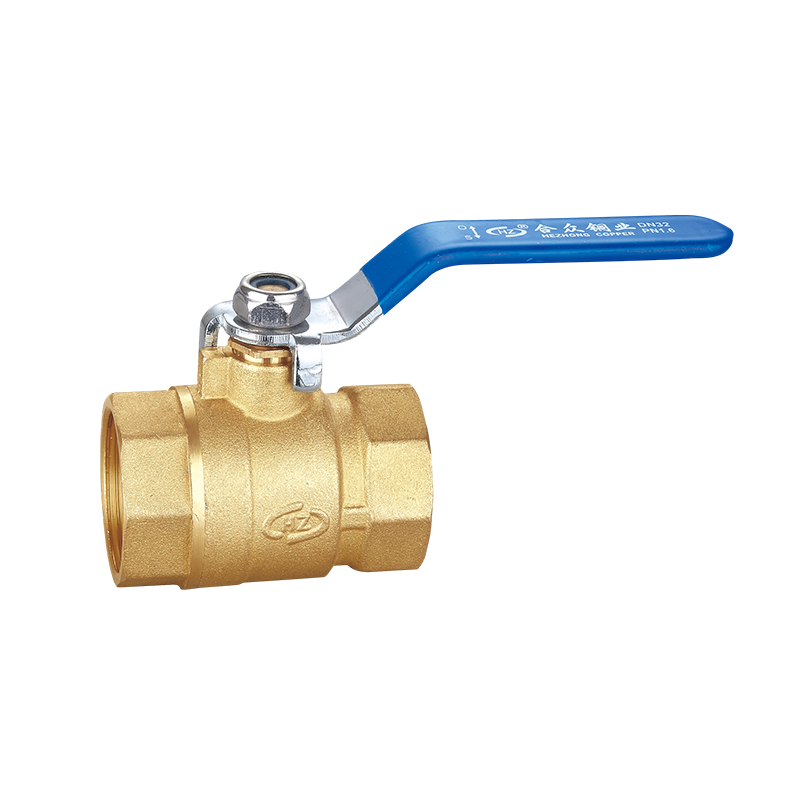
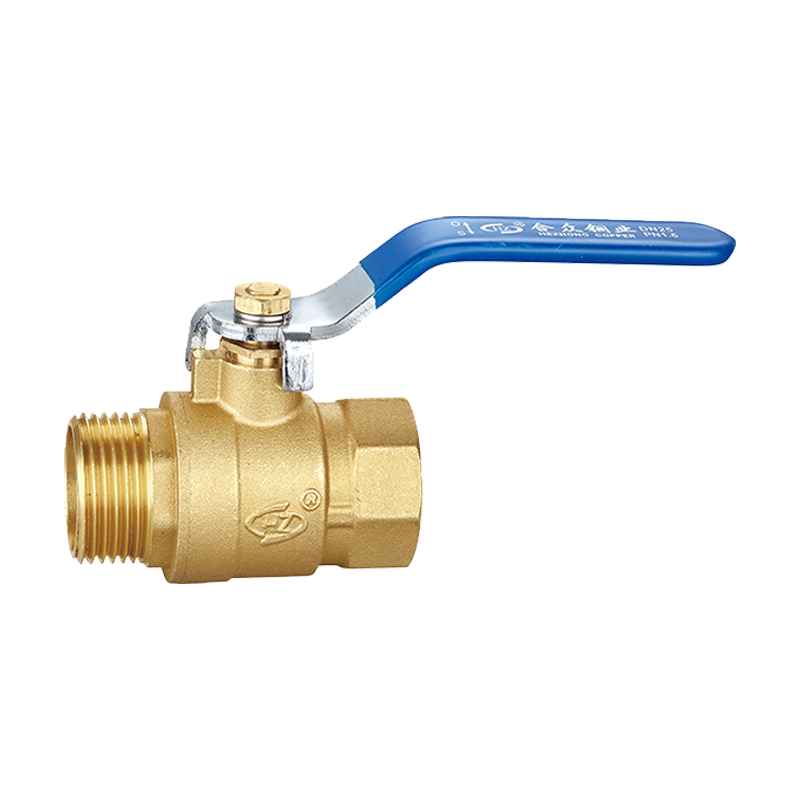 Male Thread Brass Ball Valve for Water & HVAC Systems
This male thread brass ball valve is made of national standard forged brass with RP male t...
-
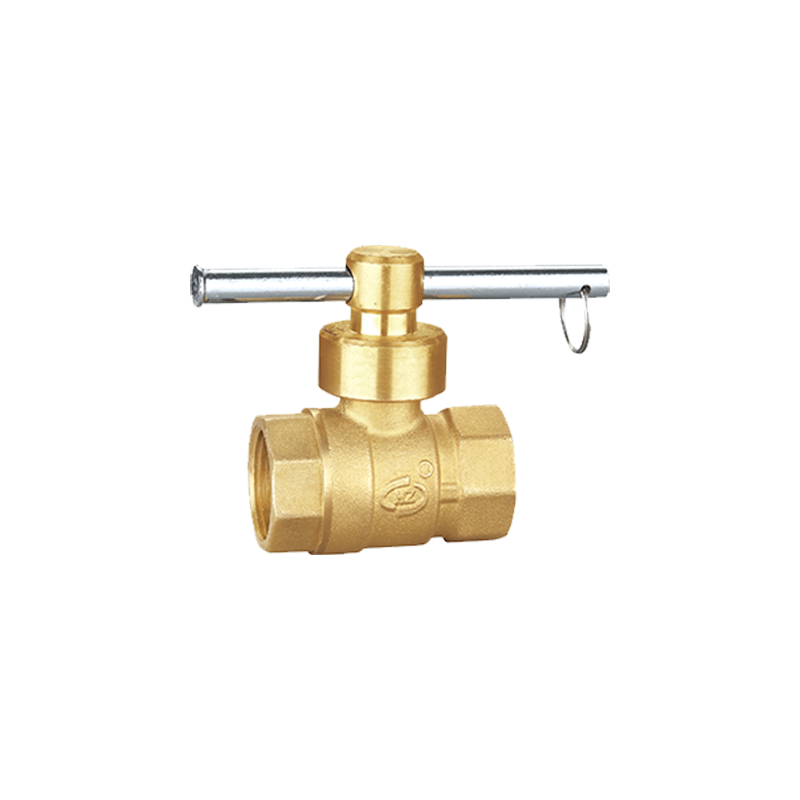 One‑Word Magnetic Lock-Off Ball Valve
This is One‑Word Magnetic Lock‑Off Ball Valve of the Water Utilities Series. It is integr...
-
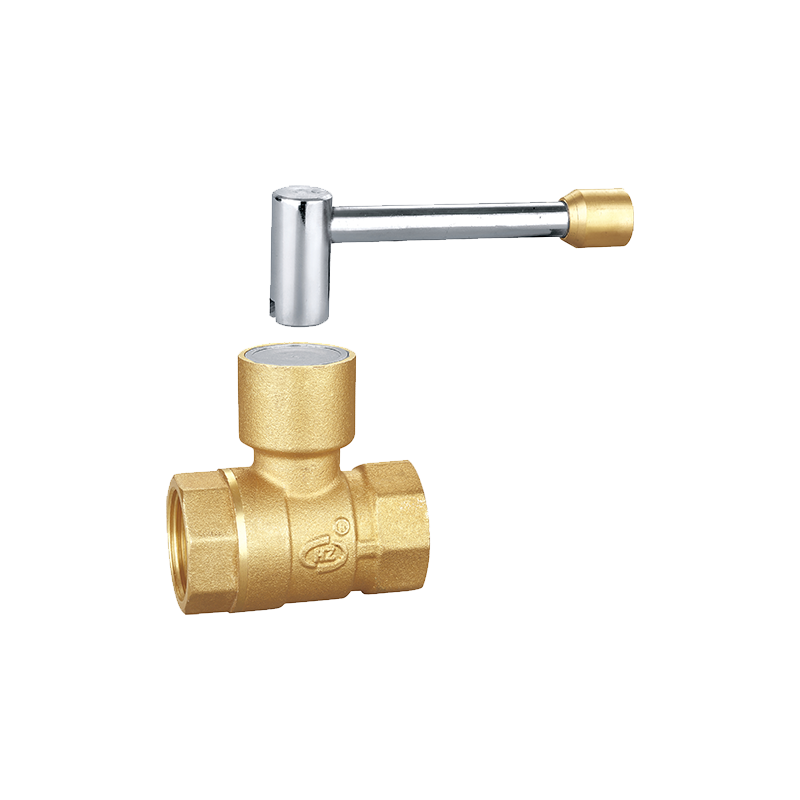 Brass Magnetic Lock-Off Ball
This brass magnetic lock‑off ball valve has a high‑quality forged brass valve body with st...
-
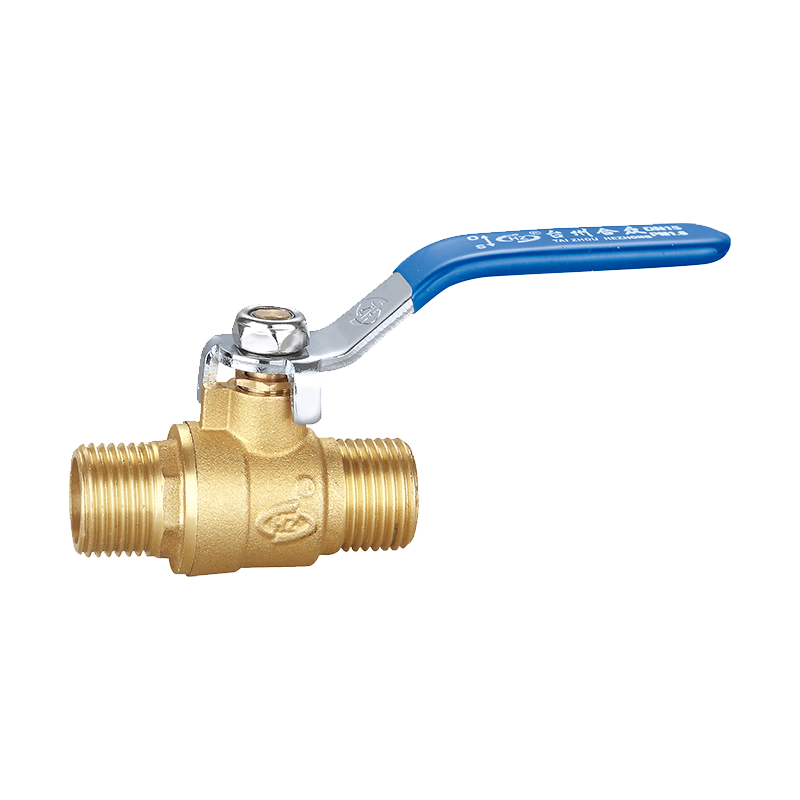 Double Male Brass Ball Valve for Water & HVAC Systems
Double male brass ball valve features male threads on both ends for direct in-line connect...
-
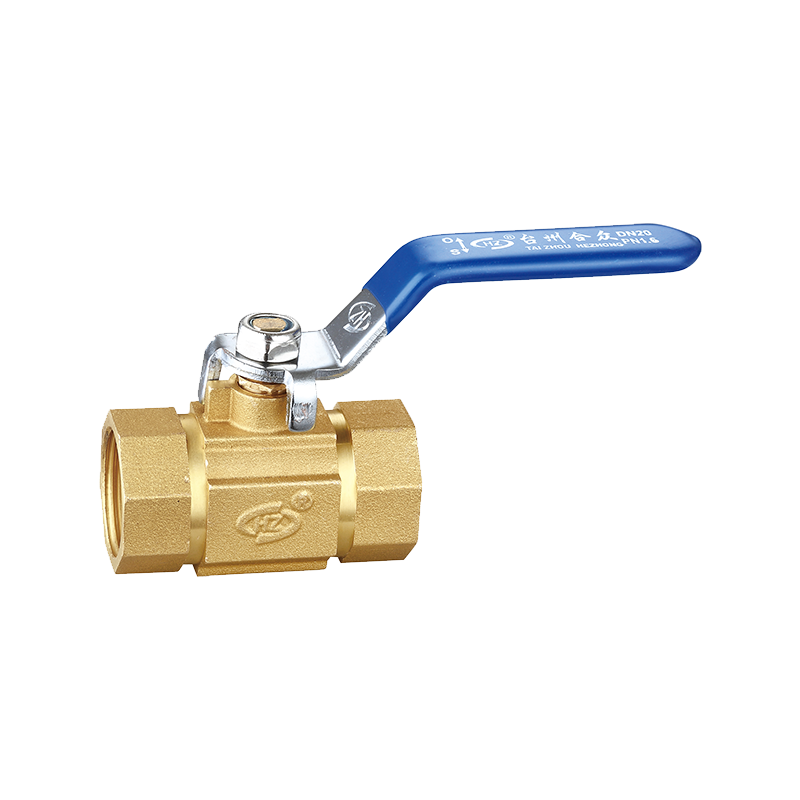 Square Body Ball Valve
This square body ball valve is integrally forged from high‑quality brass. Its square‑shape...
-
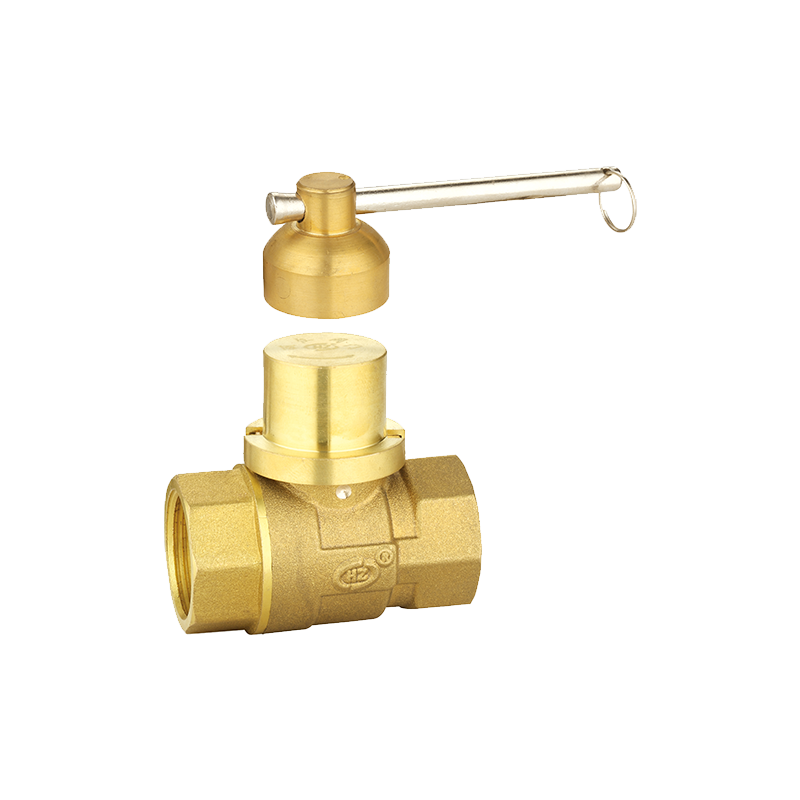 Magnetic Ball Valve for Front of Water Meter
Forged metal tee fitting with M30 loose nut for gas meter inlet connection, double 1/2" ma...
-
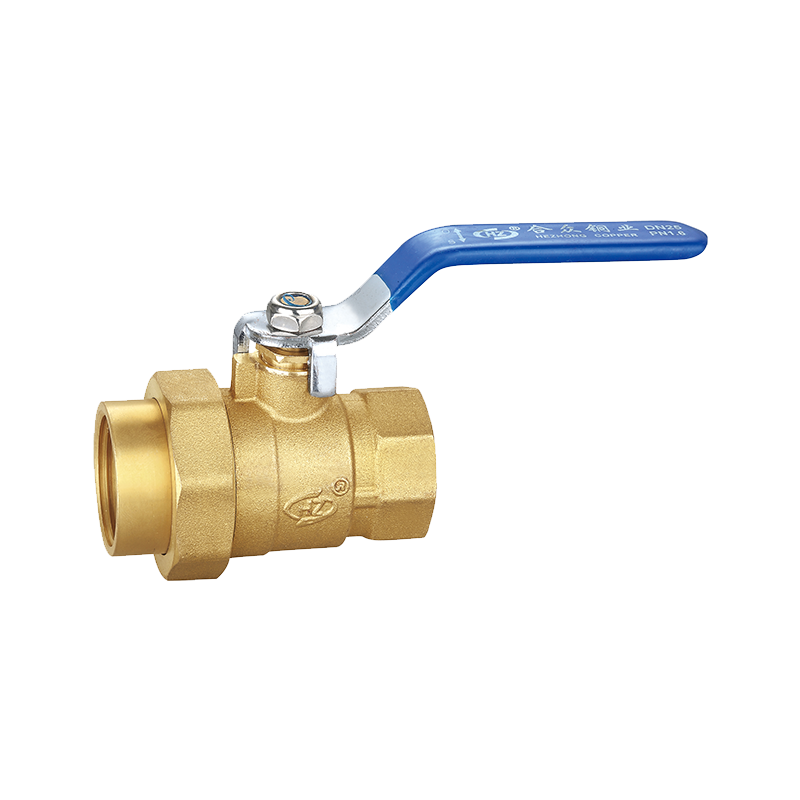 Female Thread Union Brass Ball Valve
This female thread union brass ball valve is made of high-quality brass. It has female thr...
-
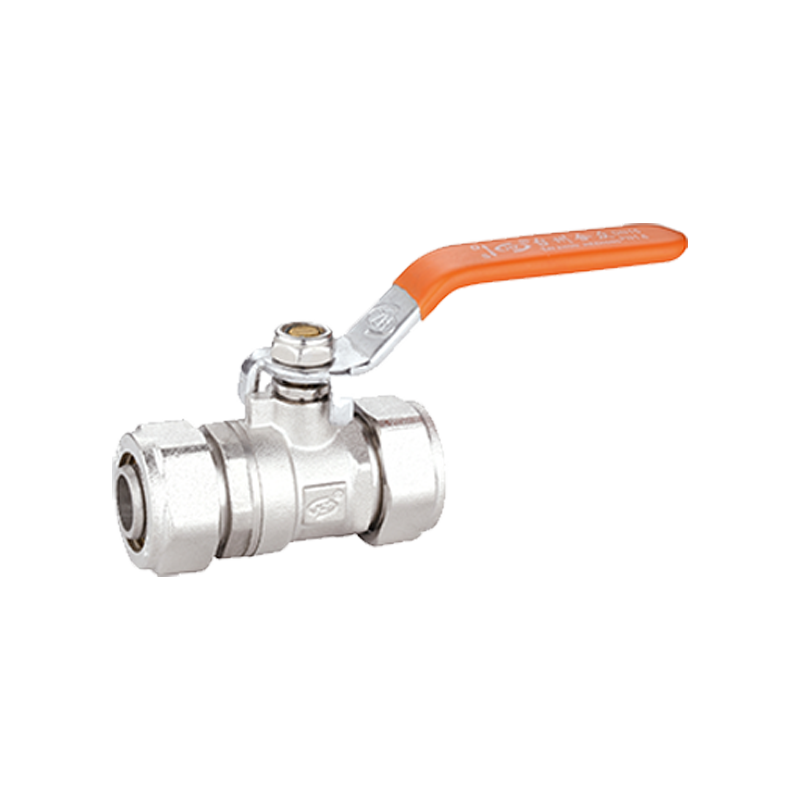 Brass Compression Ball Valve for PEX-AL-PEX Pipe
Brass Compression Ball Valve is forged from high‑quality brass, featuring high‑strength va...
-
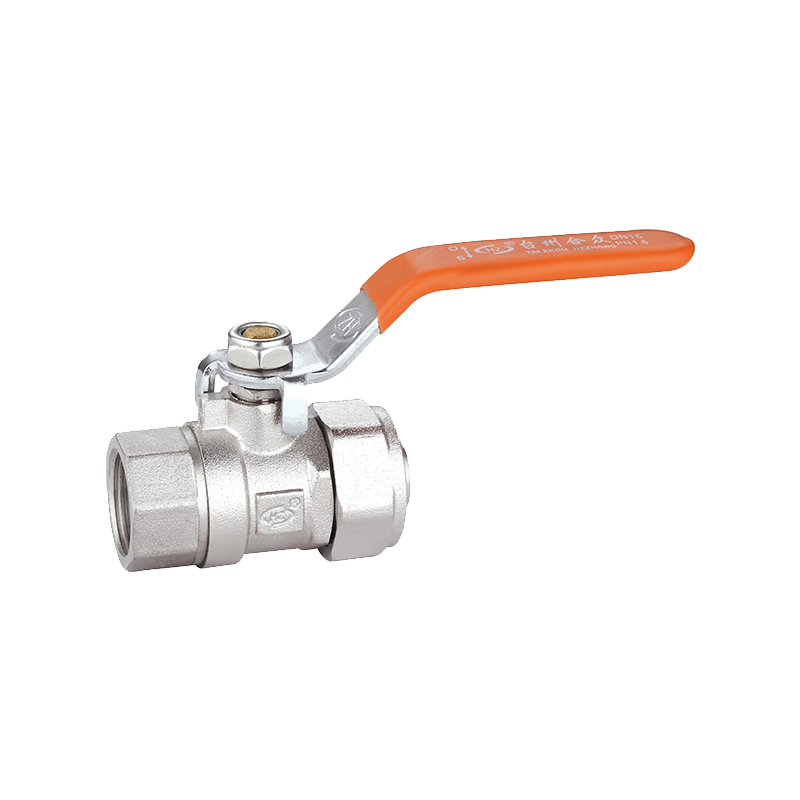 Female-Thread-Brass Compression Ball Valve for PEX-AL-PEX Pipe
This ball valve features a compression connection on one end and a female thread on the ot...
-
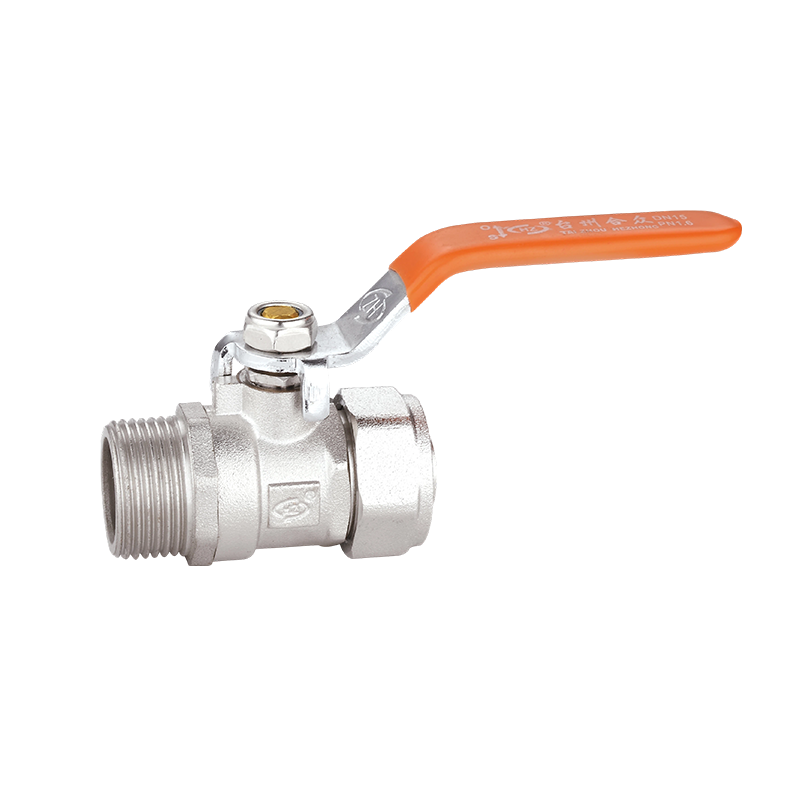 Male-Thread-Brass Compression Ball Valve for PEX-AL-PEX Pipe
This brass compression ball valve is made for PEX-AL-PEX pipe. Connecting different pipe m...
-
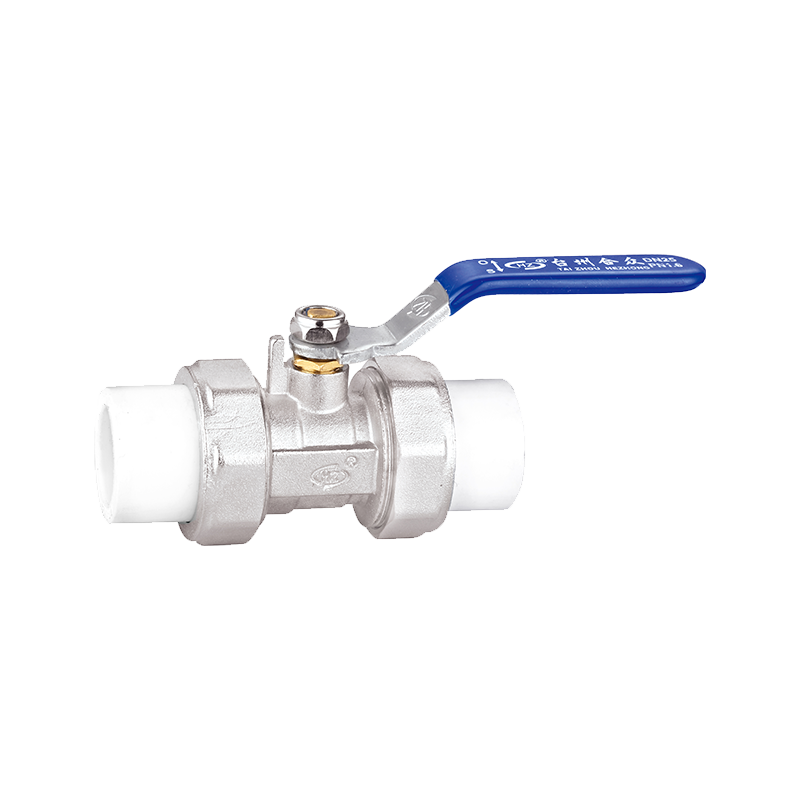 PPR Double Union Ball Valve
This PPR ball valve features a double‑union structure, compatible with hot‑melt connection...
CONTACT DETAILS
- TEL: +86-18158607688
- E-mail: [email protected]
- Address: Zhongshan Industrial Zone, Chumen Town, Yuhuan City, Taizhou, Zhejiang Province, China
