 EN
EN  English
 русский
 中文简体
中文简体
This brass ball valve is built for water lines, HVAC loops, and compressed air systems whe...


Application Industry
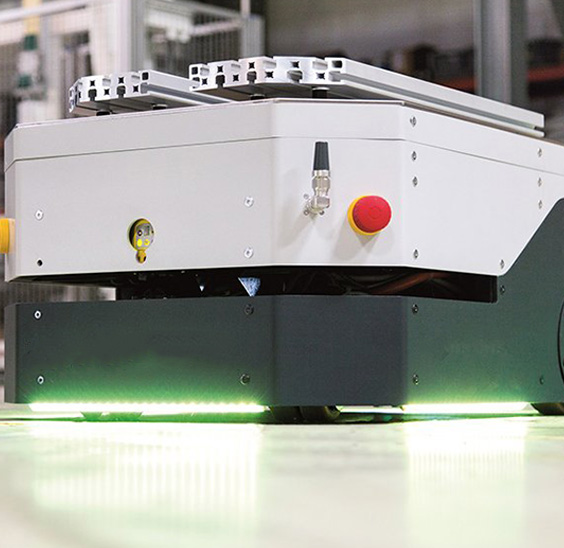
AGV

Automated robots

laser cutting

Logistics sorting

Photovoltaic power-station

Medical devices
Tips for Selecting High Quality Angle Valve for Home and Industry
Water control inside piping networks often looks simple from outside. A small component near a sink or pipe junction handles opening and closing of flow, yet system behavior depends heavily on how stable that part performs over time. In residential spaces and industrial layouts, valve choice influences leakage risk, maintenance workload, and overall flow consistency.
A High Quality Angle Valve usually works as a local control point. Water supply to a basin, heater, or equipment line can be stopped without interrupting the whole system. That function becomes useful during repair work or when partial adjustment is required.
When selection is not well matched to usage conditions, several issues may appear in daily operation:
- slight dripping at connection points after long use
- handle turning feel becoming uneven over time
- reduced sealing tightness under constant pressure
- surface marks forming in humid environments
Small changes at one valve may later affect nearby fittings, especially when water pressure fluctuates or usage becomes frequent.
Basic Structure and Working Principle of an Angle Valve
Angle valve design is built around a simple change in flow direction. Water enters from one side, turns inside the body, and exits at a right angle. That structure allows easier pipe routing in tight installation spaces behind walls, sinks, or equipment panels.
Main components usually include:
- inlet port connected to supply pipe
- outlet port leading to fixture
- internal sealing seat
- rotating stem mechanism
- external control handle
Inside the valve body, flow is not fully open or closed all the time. Movement of the handle adjusts internal passage size. That adjustment controls water volume while sealing surfaces ensure shutoff when needed.
Compared with basic pipe joints, this structure adds controlled regulation instead of only connection function. That difference becomes important when frequent adjustment or emergency shutoff is required.
What Defines a High Quality Angle Valve
Quality in a valve is often reflected through long-term behavior rather than appearance at installation time. A well-made unit tends to remain stable even after repeated use in humid or pressurized environments.
Several practical signs usually point toward better construction quality:
- stable sealing during repeated opening and closing
- smooth rotation of handle without sudden resistance
- firm body structure with limited deformation risk
- consistent tightness at pipe connection points
- resistance to moisture-related surface change
Sealing performance often becomes the most noticeable factor during use. Even small weaknesses inside sealing area may show as slow dripping after long operation cycles.
Material consistency and internal assembly accuracy also influence how smoothly flow can be controlled during partial opening.
How Material Choice Impacts Performance
Material selection affects both durability and behavior under water exposure. Different environments place different demands on valve structure. Indoor plumbing may deal with humidity and temperature variation, while utility systems may face continuous flow or higher pressure variation.
Common material types include:
- copper-based alloys
- stainless-type structures
- mixed metal compositions
Each option shows different balance between stability and corrosion resistance.
| Material Type | General Behavior | Typical Use Condition |
|---|---|---|
| Copper-based alloy | Stable handling and forming | Indoor plumbing lines |
| Stainless structure | Strong resistance to moisture exposure | Humid or exposed areas |
| Mixed composition | Balanced mechanical behavior | General-purpose systems |
In bathroom or kitchen use, long exposure to moisture becomes a key factor. In those conditions, surface stability and sealing reliability become more important than appearance alone.
Material choice also influences internal stability. A more rigid body structure helps maintain sealing alignment after long-term pressure exposure.
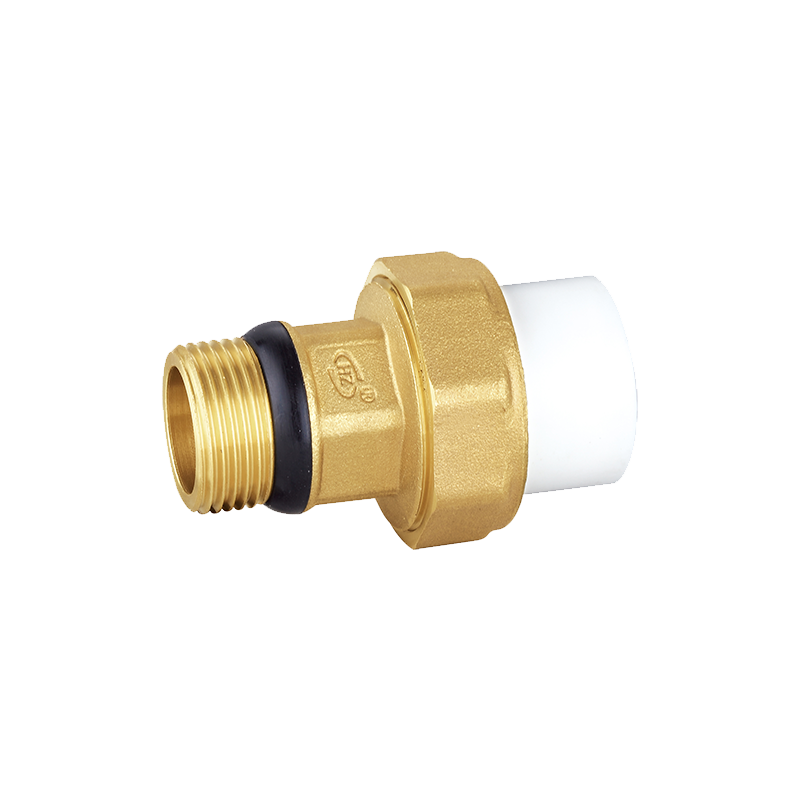
How Installation Environment Affects Valve Selection
Installation location often determines what type of valve fits better. Home plumbing usually involves limited space behind fixtures such as sinks, toilets, or water heaters. Pipe bending and space alignment become practical concerns during installation.
A compact structure helps reduce strain on pipe connections in such areas. Short installation distance also simplifies maintenance access when replacement is needed later.
Industrial or commercial environments present different conditions. Water may flow continuously through multiple branches feeding different equipment. In those cases, durability and ease of inspection become more important than compact size.
Environmental factors that often influence selection include:
- humidity level around installation point
- available space for handling and repair
- frequency of opening and closing
- surrounding pipe arrangement density
Proper matching between valve design and real installation conditions often reduces later adjustment work.
How Internal Structure Design Influences Flow Stability
Water moves through an angle valve in a controlled turn, and that turn depends on how cleanly the internal passage is formed. When flow path stays smooth, handle movement feels more predictable. Small turns of the handle produce small changes in water output, while a wider turn creates a more open passage. That simple response matters during daily use because water control should feel steady rather than sudden.
Inside a well-made valve, contact between sealing parts stays even under pressure. Uneven internal surfaces may create resistance, which can show up as stiff movement or irregular shutoff. In home bathrooms, that may be noticed when trying to reduce water flow to a basin or heater. In industrial layouts, inconsistent flow can affect connected equipment lines and create unnecessary adjustment work.
Several inner details usually shape flow stability in practical use:
- smooth passage transition from inlet to outlet
- stable contact between sealing parts
- accurate movement of stem during rotation
- balanced pressure around the internal seat
When those details stay in line, water control feels calmer and less sensitive to small changes in handle position. That stability often matters more than appearance, since internal behavior decides how dependable a valve feels after repeated daily use.
How Surface Treatment Affects Long Term Use
Outer surface condition often gives an early clue about how a valve will age in a humid environment. Bathrooms, kitchens, utility corners, and industrial wash areas all create constant contact with moisture. A surface that resists staining and corrosion usually stays easier to inspect and maintain.
Polished or coated surfaces help slow down residue buildup. Water marks, soap traces, and dust tend to stay visible on rough or untreated areas, while smoother finishing makes wiping easier. Cleaning becomes quicker, and small leakage signs are easier to spot during routine checks.
Surface treatment also supports long-term use in another way. When outer finish holds up well, body material remains better protected from environmental wear. That matters in spaces where humidity stays present for long periods, since visible surface damage may later spread toward connection areas if left unchecked.
Practical effects of surface finishing often include:
- easier removal of water stains
- clearer view during inspection
- slower corrosion in damp areas
- less visible wear from regular handling
A valve that stays clean on the outside is usually easier to monitor on the inside as well, because maintenance work starts with visibility.
What Installation Factors Should Be Considered
Installation has a direct effect on how smoothly a valve performs after setup. Even a good product may not work well if pipe alignment is poor or connection space is too tight. In home plumbing, that often happens behind sinks, inside cabinets, or near wall fixtures where room for movement is limited.
Thread fit is one of the first things to check. Matching connection parts allow tight sealing and reduce risk of slow leakage. Once thread engagement is uneven, joint stress may build over time. That can affect both valve body and nearby pipe section.
Handle clearance matters too. A valve that fits mechanically may still become awkward if surrounding wall, pipe, or fixture blocks normal movement. Enough space around the handle makes turning easier during routine use and maintenance.
Common installation points usually worth checking:
- thread size and connection fit
- sealing contact during assembly
- space for handle rotation
- support for nearby pipe load
A careful installation stage often saves time later, since small fitting errors tend to show up as leakage, awkward movement, or unstable connection.
How Maintenance Habits Extend Service Performance
Routine attention often keeps valve problems small. Maintenance does not need to be complicated, and many issues can be noticed through simple observation during ordinary use.
A slow drip near connection point may indicate worn sealing surface. Handle that begins to feel stiff may suggest internal buildup or wear inside moving parts. Moisture around the body may point toward a small leak that has not become obvious yet.
Simple care habits usually include:
- checking for water marks around joints
- wiping outer surface during regular cleaning
- moving handle through full range from time to time
- watching for stiffness or noise during operation
Keeping nearby area clean also helps. Dirt or residue around connection point can hide early leakage signs, making inspection harder. When valve area stays visible and dry, small changes are easier to notice before they become larger problems.
How Application Scenarios Differ Between Home and Industry
Home and industrial water systems may use similar valve shapes, though working conditions are rarely identical. In homes, valve use is usually tied to daily comfort. Sink supply, bathroom fixtures, and water heaters all depend on quick shutoff and simple adjustment.
Industrial or commercial spaces often place heavier demands on durability and access. Water may move through multiple connected lines, and valves may remain in operation for longer periods. That creates a different balance between size, strength, and inspection convenience.
Home use often focuses on:
- compact fit in tight spaces
- smooth daily handling
- easy shutoff during maintenance
- simple visual inspection
Industrial use often focuses on:
- long-term structural stability
- reliable sealing under repeated cycles
- access during system checks
- resistance to continuous moisture or pressure changes
A High Quality Angle Valve fits better when product choice reflects actual use environment rather than one general assumption for every system.
Why Selection Decisions Influence Long Term System Stability
Valve choice affects more than one pipe junction. It influences how water reaches fixtures, how easily system sections can be isolated, and how often service work becomes necessary. When valve quality matches working conditions, the whole piping arrangement tends to stay easier to manage.
Stable sealing reduces the chance of repeated tightening. Smooth handle movement reduces wear from awkward force. Suitable material and surface finish help the valve handle damp or changing environments with less visible deterioration.
In practical terms, a good selection usually supports:
- steadier water control during daily use
- fewer small leaks around connection points
- easier maintenance when repair is needed
- lower stress on nearby pipe fittings
Long-term stability often comes from small design choices made early. A valve that suits space, pressure, and usage pattern usually makes the rest of the water system feel more orderly and less demanding to maintain.
Related products
-
-
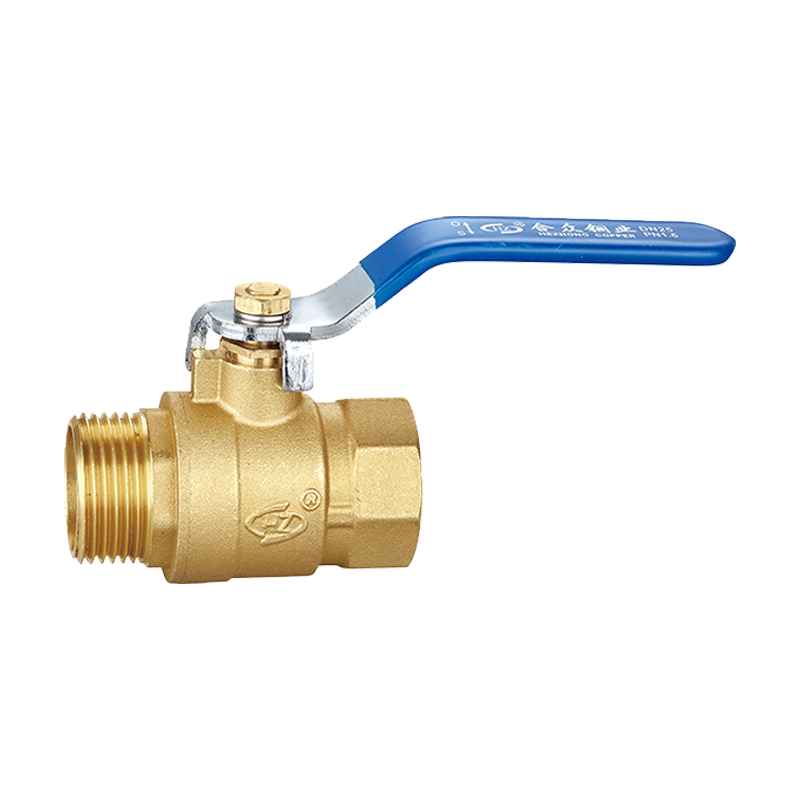 Male Thread Brass Ball Valve for Water & HVAC Systems
This male thread brass ball valve is made of national standard forged brass with RP male t...
-
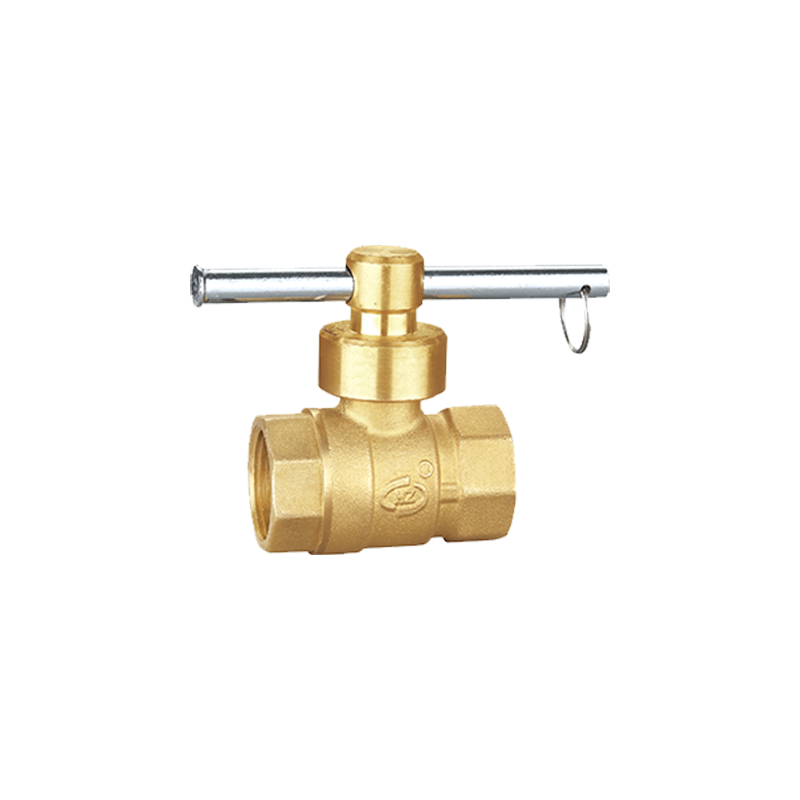 One‑Word Magnetic Lock-Off Ball Valve
This is One‑Word Magnetic Lock‑Off Ball Valve of the Water Utilities Series. It is integr...
-
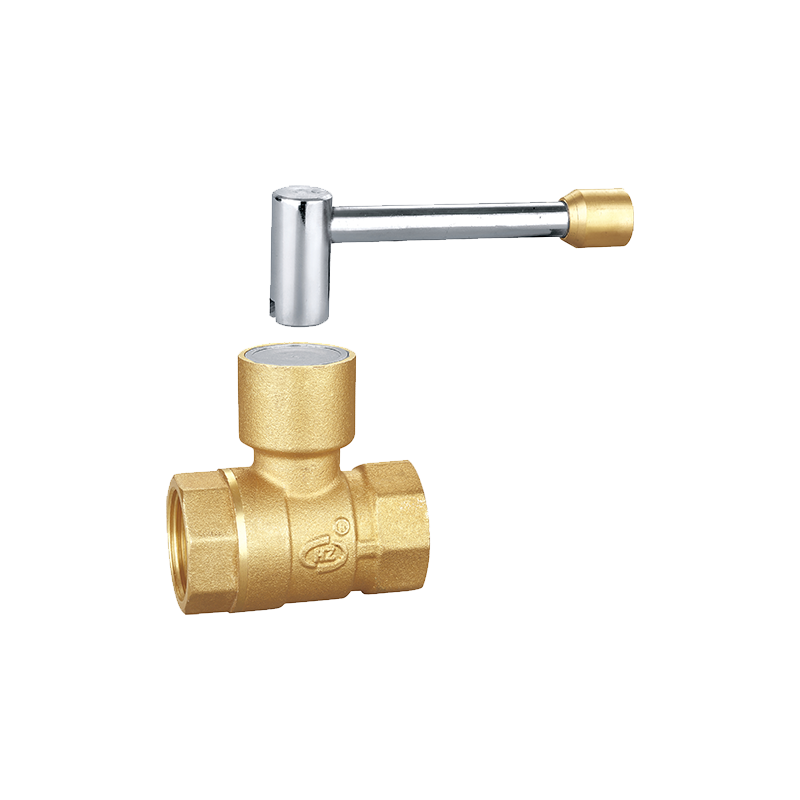 Brass Magnetic Lock-Off Ball
This brass magnetic lock‑off ball valve has a high‑quality forged brass valve body with st...
-
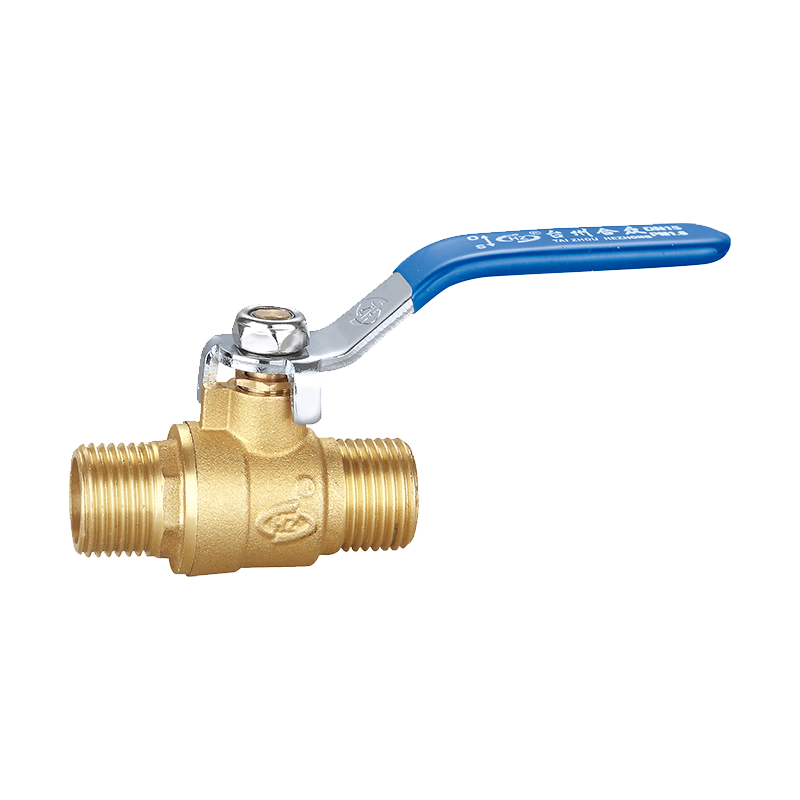 Double Male Brass Ball Valve for Water & HVAC Systems
Double male brass ball valve features male threads on both ends for direct in-line connect...
-
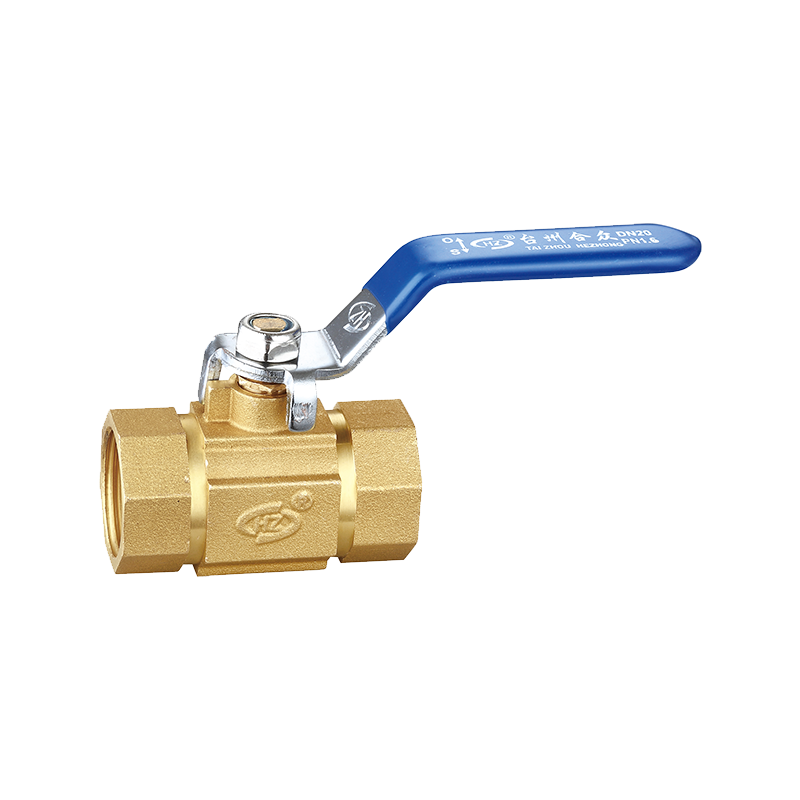 Square Body Ball Valve
This square body ball valve is integrally forged from high‑quality brass. Its square‑shape...
-
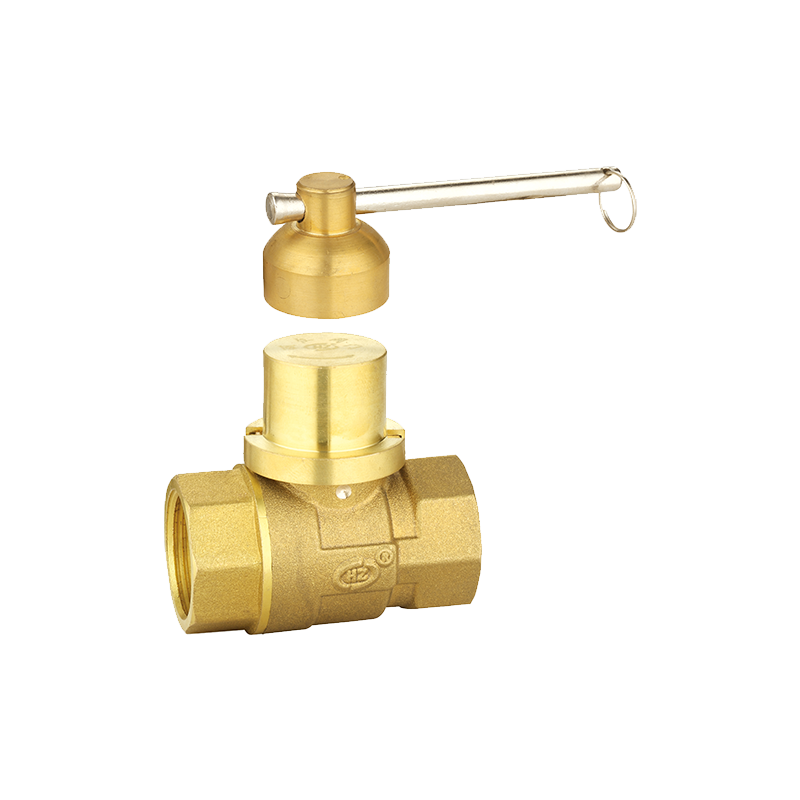 Magnetic Ball Valve for Front of Water Meter
Forged metal tee fitting with M30 loose nut for gas meter inlet connection, double 1/2" ma...
-
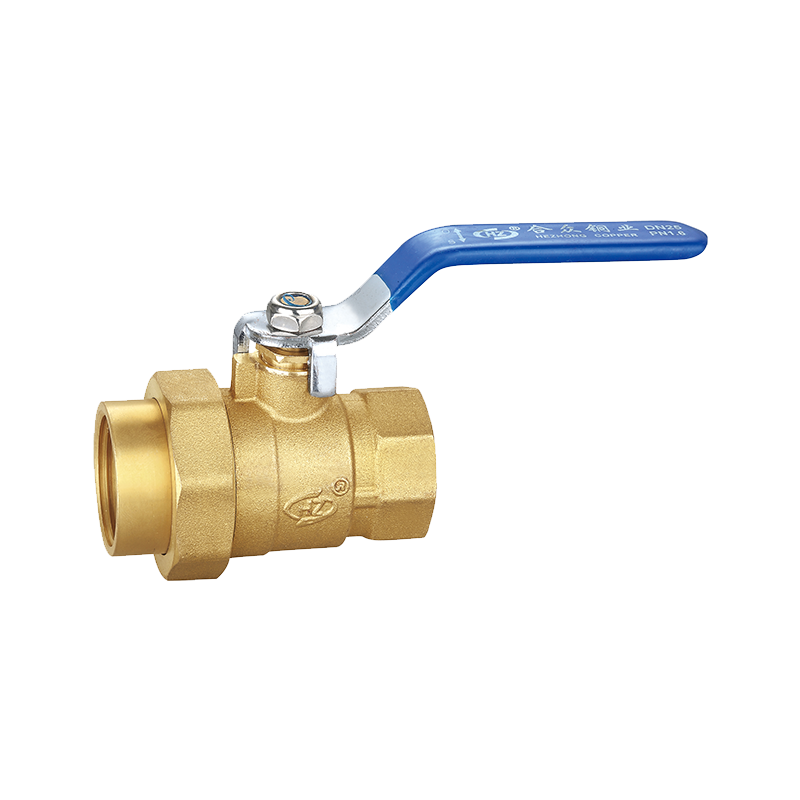 Female Thread Union Brass Ball Valve
This female thread union brass ball valve is made of high-quality brass. It has female thr...
-
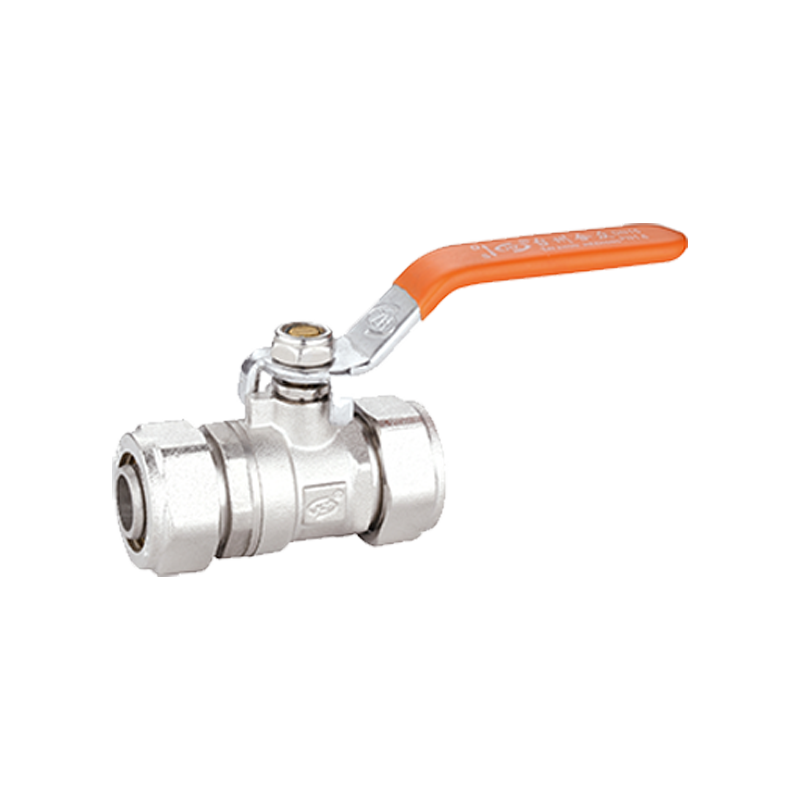 Brass Compression Ball Valve for PEX-AL-PEX Pipe
Brass Compression Ball Valve is forged from high‑quality brass, featuring high‑strength va...
-
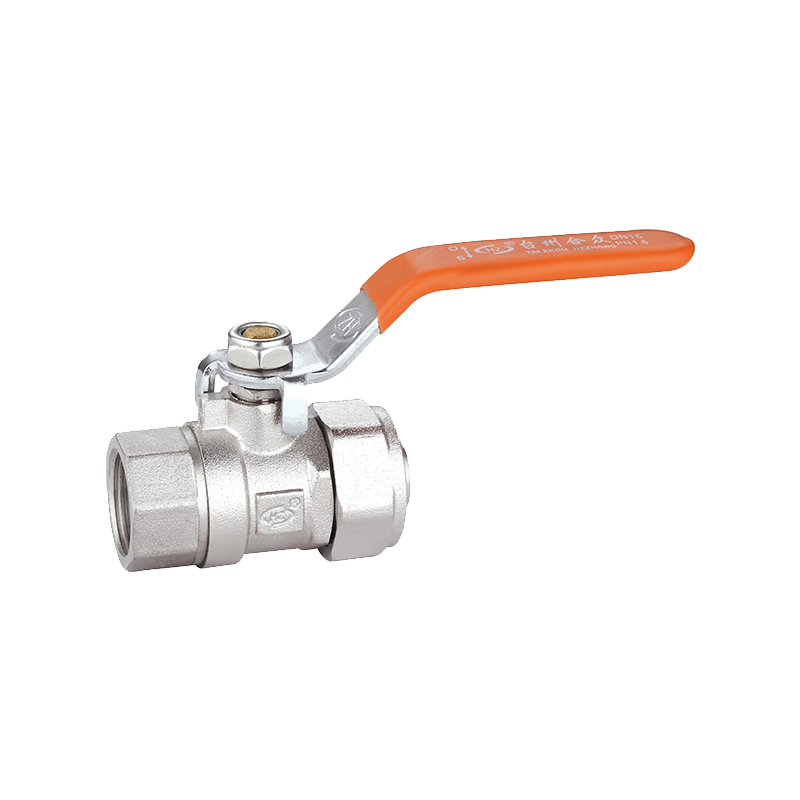 Female-Thread-Brass Compression Ball Valve for PEX-AL-PEX Pipe
This ball valve features a compression connection on one end and a female thread on the ot...
-
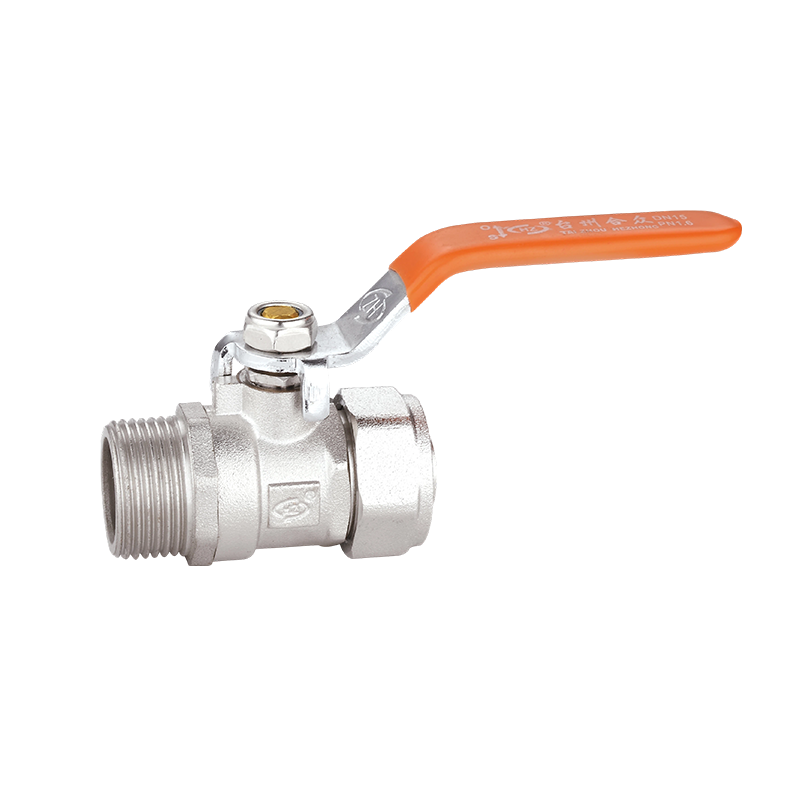 Male-Thread-Brass Compression Ball Valve for PEX-AL-PEX Pipe
This brass compression ball valve is made for PEX-AL-PEX pipe. Connecting different pipe m...
-
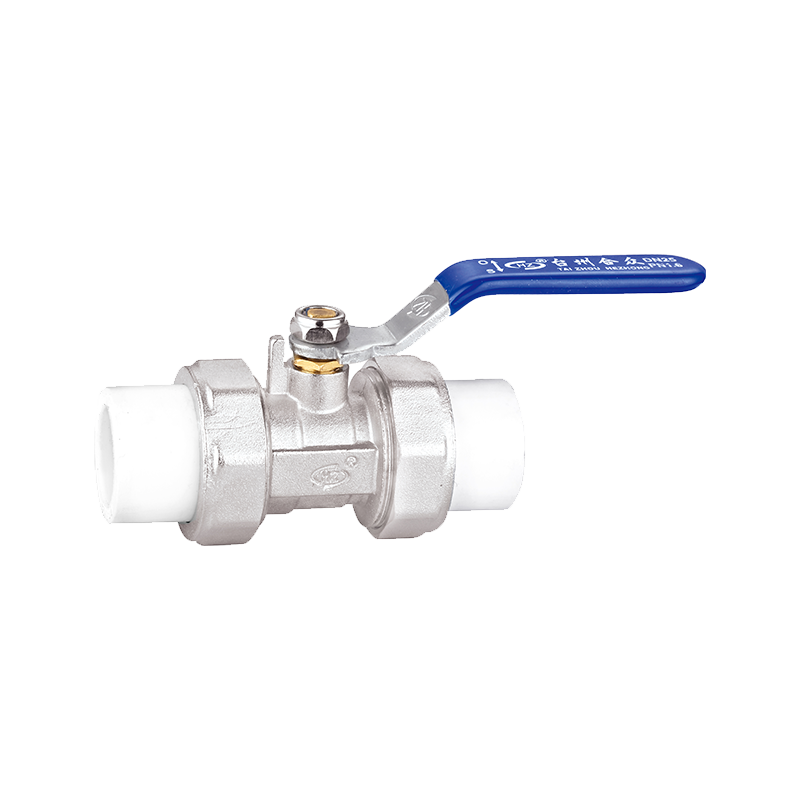 PPR Double Union Ball Valve
This PPR ball valve features a double‑union structure, compatible with hot‑melt connection...
CONTACT DETAILS
- TEL: +86-18158607688
- E-mail: [email protected]
- Address: Zhongshan Industrial Zone, Chumen Town, Yuhuan City, Taizhou, Zhejiang Province, China
