 EN
EN  English
 русский
 中文简体
中文简体
This brass ball valve is built for water lines, HVAC loops, and compressed air systems whe...


Application Industry
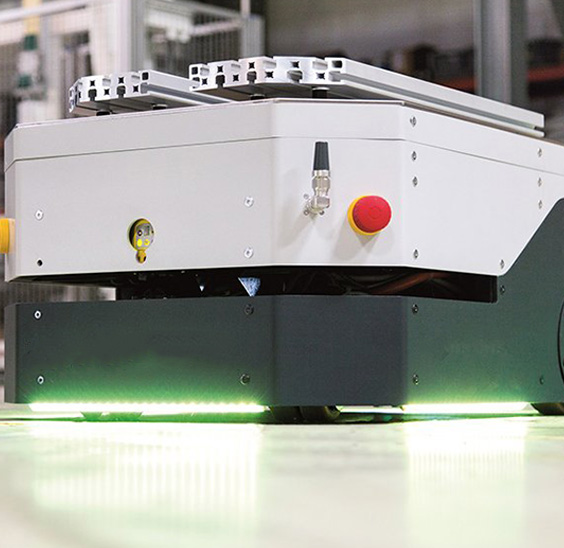
AGV

Automated robots

laser cutting

Logistics sorting

Photovoltaic power-station

Medical devices
Why Industrial Brass Ball Valve Is Widely Used in Gas Systems
A brass ball valve controls gas flow through a simple mechanism. A spherical ball with a hole through its center sits inside the valve body. The ball rotates within the valve. When the hole aligns with the pipe, gas flows through. When the ball rotates ninety degrees, the hole faces the valve body walls and flow stops.
The quarter-turn operation makes ball valves quick to operate. A quarter turn moves the valve from fully open to fully closed. The operator can see the valve position from the handle alignment. A handle parallel to the pipe means the valve is open. A handle perpendicular means the valve is closed.
The construction materials suit gas service. The brass body resists corrosion from gas components. The seats seal tightly around the ball. The stem connects the handle to the ball. An Industrial Brass Ball Valve uses materials that work well with gas applications.
The valve sizes vary to match pipe diameters. Small valves serve appliance connections. Larger valves serve main gas lines. The pressure ratings match the system requirements. The valve design accommodates the gas pressures found in distribution systems.
What Properties of Brass Make It Suitable for Gas Systems
Brass offers several properties that suit gas service. The material resists corrosion from natural gas components. The corrosion resistance maintains the valve integrity. The valve continues to seal properly over time.
Brass machines easily to precise dimensions. The ball needs a smooth surface for proper sealing. The seats need accurate dimensions for a tight fit. The machining precision affects valve performance. A Brass Ball Valve Factory uses brass for its machinability.
The thermal expansion of brass matches piping materials. The valve expands and contracts with temperature changes. The matching expansion prevents leaks at connections. The valve remains tight through temperature cycles.
The surface properties of brass resist gas permeation. Gas does not pass through the brass wall. The gas stays within the pipe. The valve body contains the pressure. The material provides a reliable barrier.
How Does the Ball Valve Design Ensure Reliable Shutoff in Gas Service
The sealing mechanism provides the shutoff reliability. The ball presses against the seats when closed. The seat material conforms to the ball surface. The seal prevents gas passage. The pressure helps the seal.
The ball rotation moves the bore from aligned to perpendicular. The closed position blocks the flow path. The gas cannot pass through the valve. The seal holds against the system pressure. An Industrial Brass Ball Valve provides a tight shutoff.
The seat materials affect the shutoff performance. Soft seats conform to the ball surface. Hard seats provide wear resistance. The seat material choice depends on the gas and temperature. The seats maintain their seal over time.
The valve body contains the pressure. The body withstands the gas pressure. The body does not leak. The pressure is contained safely. The valve provides reliable shutoff for gas systems.
What Safety Features Are Built Into Brass Ball Valves for Gas Systems
Safety receives attention in gas valve design. A blowout-proof stem prevents stem ejection. The stem stays within the valve body. The stem cannot be forced out by pressure. The design prevents a dangerous leak path.
The valve body undergoes pressure testing. The body must contain the rated pressure. The body must not leak. The testing verifies the body strength. A Brass Ball Valve Factory tests each valve for pressure integrity.
The seat materials maintain seal integrity. The seats resist gas permeation. The seats maintain their shape under pressure. The seals last through many cycles. The seal integrity supports safety.
| Safety Feature | Function | Protection Provided |
|---|---|---|
| Blowout-proof stem | Prevents stem ejection | Contains pressure |
| Pressure-rated body | Withstands system pressure | Prevents rupture |
| Leak-tight seats | Seals against gas passage | Prevents leakage |
| Locking handle | Prevents unauthorized operation | Maintains position |
| Tested assembly | Verifies integrity | Confirms safety |
How Does Brass Ball Valve Performance Compare With Other Valve Types in Gas Service
Gate valves serve gas systems though they have limitations. The gate moves up and down to control flow. The operation takes multiple turns. The gate may not seal tightly after wear. Gate valves require more space than ball valves.
Globe valves provide throttling capability. The globe valve controls flow rate. The globe valve has a higher pressure drop. The globe valve is larger than a ball valve. The globe valve costs more than a ball valve.
Butterfly valves offer a compact design. The butterfly valve uses a disc that rotates in the flow path. The disc creates some flow restriction. The butterfly valve seals with a resilient liner. The liner may not withstand gas pressures.
Ball valves offer advantages for gas service. The quarter-turn operation is quick and simple. The ball valve provides a full bore flow path. The pressure drop is low. An Industrial Brass Ball Valve combines simplicity with reliable shutoff.
What Installation Considerations Apply to Brass Ball Valves in Gas Systems
Installation affects how well a valve performs. A valve installed incorrectly may leak or fail. The installer should follow proper practices. The installation determines the valve's service life.
Valve orientation matters for gas flow. The flow direction often follows an arrow on the valve body. The arrow indicates the preferred flow direction. Some ball valves work in either direction. Other valves have a specific direction. The installer should check the valve marking.
Thread sealants prevent leaks at pipe connections. The sealant fills the spaces between threads. The sealant should be compatible with gas. The sealant should not dissolve in gas. A Brass Ball Valve Factory recommends appropriate sealants.
Clearance around the valve allows operation. The handle needs room to turn. The valve needs access for maintenance. The clearance should be adequate. The installation plan should account for valve access.
Pipe strain affects valve performance. The pipe should align with the valve. Misaligned pipe stresses the valve. The stress can cause leaks. The installation should avoid pipe strain.
What Maintenance Practices Keep Brass Ball Valves Operating Reliably
Valves need periodic attention. The attention keeps them working. The maintenance catches problems early. The valve continues to operate reliably.
Operation checks confirm smooth movement. The valve should turn easily. The valve should turn fully. Stiff operation may indicate problems. The handle should move through the full quarter turn.
Seat wear affects sealing. The seats contact the ball. The contact creates wear over time. Worn seats may leak. The seats should be inspected periodically.
Stem lubrication reduces friction. The stem moves through the packing. The packing seals around the stem. Lubrication makes the stem turn easily. A Brass Ball Valve Factory can advise on lubrication.
- Handle becomes difficult to turn
- Valve does not fully close
- Gas odor near the valve
- Visible corrosion on the body
- Leakage from the stem
What Application Scenarios Commonly Use Brass Ball Valves in Gas Systems
Brass ball valves appear in many gas applications. Natural gas distribution uses them in commercial buildings. The valves isolate sections for maintenance. The valves shut off gas in emergencies. The valves control gas to equipment.
Propane systems use brass ball valves. Propane serves industrial and residential needs. The valves control propane flow. The valves provide shutoff capability. The valves withstand propane pressures.
Compressed air systems use brass ball valves. The valves control air flow to tools. The valves isolate air lines. The valves operate frequently. The ball valve design suits compressed air.
Gas appliance shutoff valves appear in commercial kitchens. The valves control gas to ovens and ranges. The valves allow quick shutoff. The valves are accessible for operation. A Brass Ball Valve Factory supplies valves for these applications.
How Do Standards and Specifications Guide Brass Ball Valve Production
Standards define valve requirements. The standards cover design and materials. The standards cover testing and marking. The standards ensure valve quality.
Pressure ratings indicate the maximum pressure. The valve must withstand the rated pressure. The valve must not leak at the rated pressure. The pressure rating must match the system. The valve should be selected for the system pressure.
Temperature ratings indicate the operating range. The valve must work at the temperature. The material must withstand the temperature. The seals must function at the temperature. An Industrial Brass Ball Valve should match the system temperature.
Testing procedures verify valve performance. The valve undergoes pressure testing. The valve undergoes seat leakage testing. The testing confirms the valve meets standards. The testing provides confidence in the valve.
What Factors Guide the Selection of Brass Ball Valves for Gas Systems
Selecting a valve involves several factors. The valve should match the system. The selection should consider the gas type. The selection should consider the pressure and temperature.
The gas type affects material compatibility. Natural gas works with brass. Some gases may require different materials. The gas composition should be considered. An Industrial Brass Ball Valve suits many gas applications.
The operating pressure determines the valve rating. The valve must handle the pressure. The valve should be rated above the operating pressure. The rating provides a safety margin.
The valve size should match the pipe. A valve too small restricts flow. A valve too large adds cost. The size should match the pipe diameter. The connection type should match the pipe.
Related products
-
-
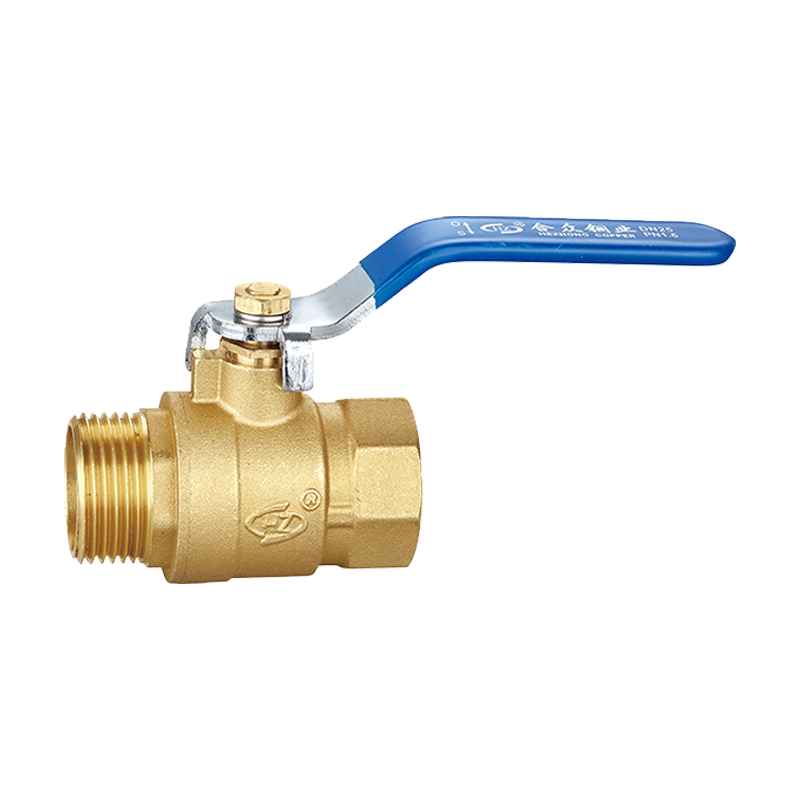 Male Thread Brass Ball Valve for Water & HVAC Systems
This male thread brass ball valve is made of national standard forged brass with RP male t...
-
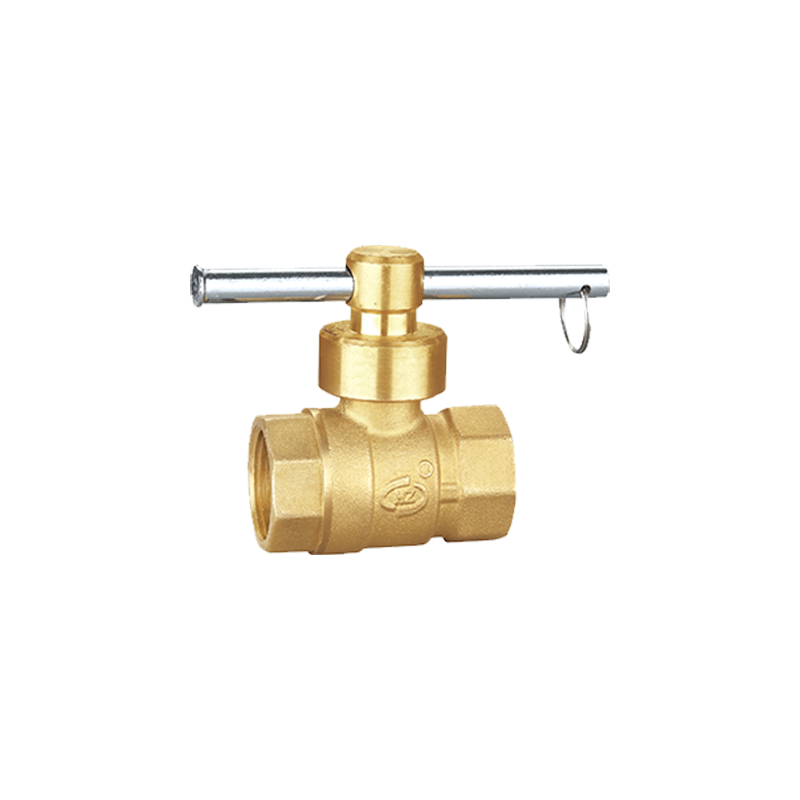 One‑Word Magnetic Lock-Off Ball Valve
This is One‑Word Magnetic Lock‑Off Ball Valve of the Water Utilities Series. It is integr...
-
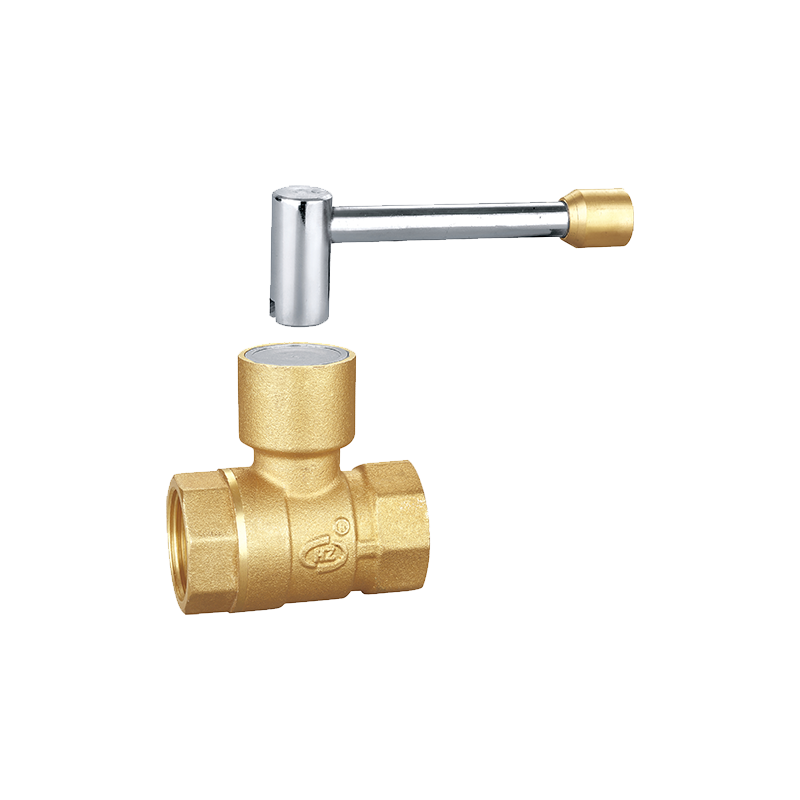 Brass Magnetic Lock-Off Ball
This brass magnetic lock‑off ball valve has a high‑quality forged brass valve body with st...
-
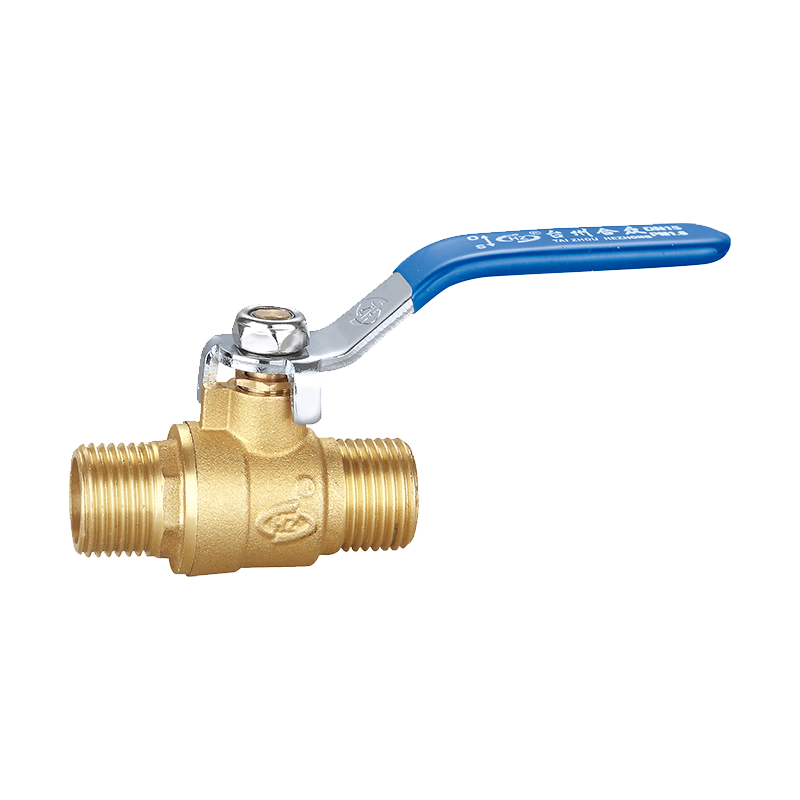 Double Male Brass Ball Valve for Water & HVAC Systems
Double male brass ball valve features male threads on both ends for direct in-line connect...
-
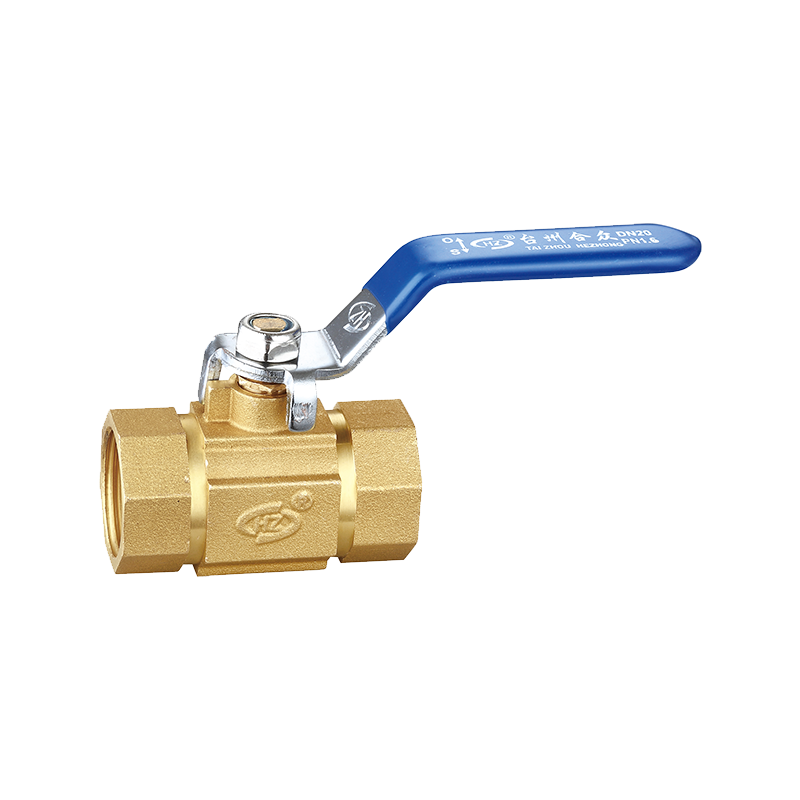 Square Body Ball Valve
This square body ball valve is integrally forged from high‑quality brass. Its square‑shape...
-
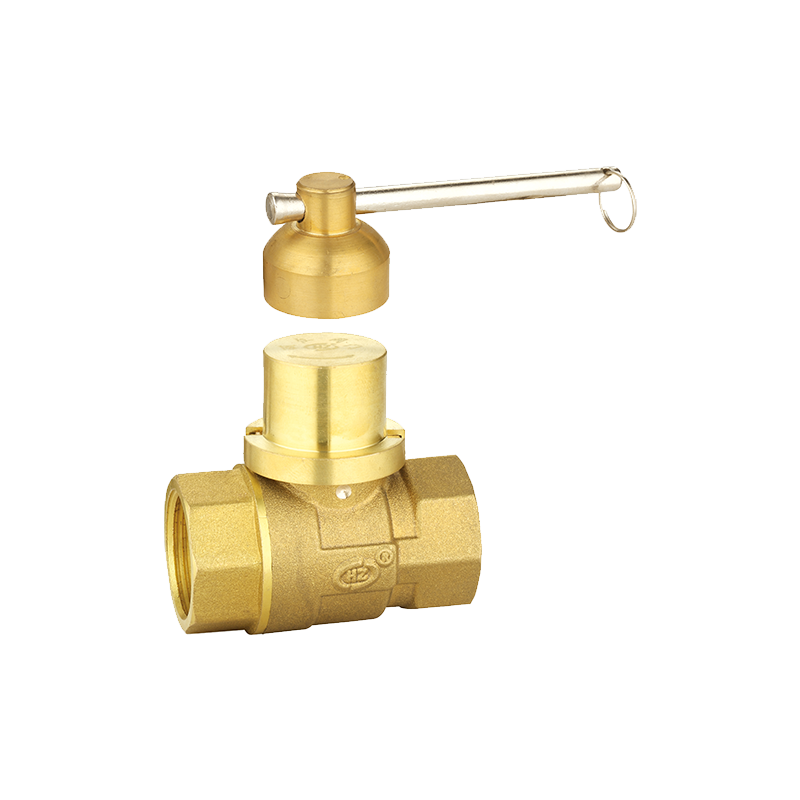 Magnetic Ball Valve for Front of Water Meter
Forged metal tee fitting with M30 loose nut for gas meter inlet connection, double 1/2" ma...
-
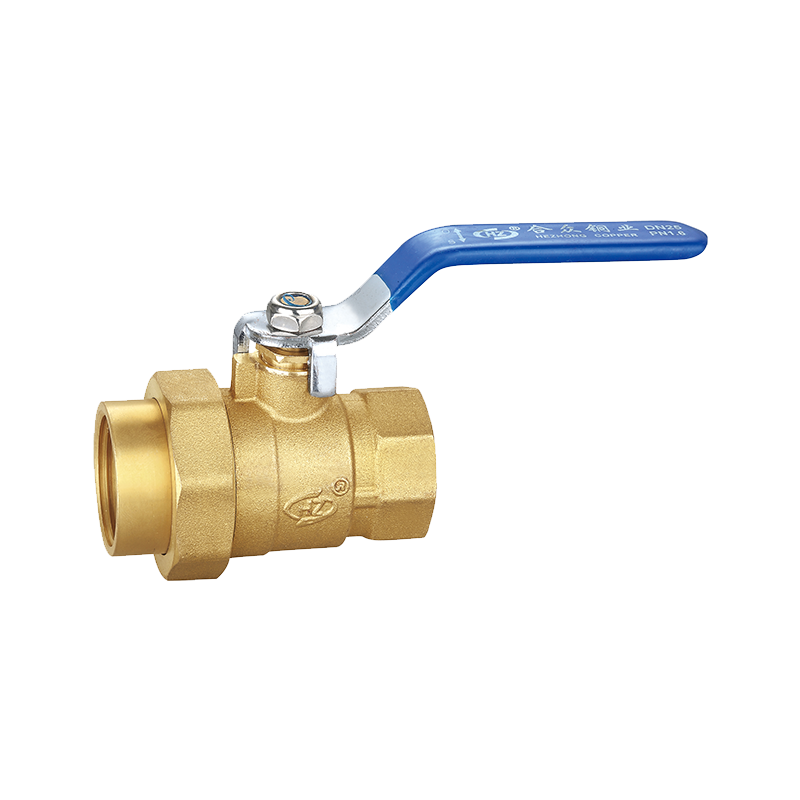 Female Thread Union Brass Ball Valve
This female thread union brass ball valve is made of high-quality brass. It has female thr...
-
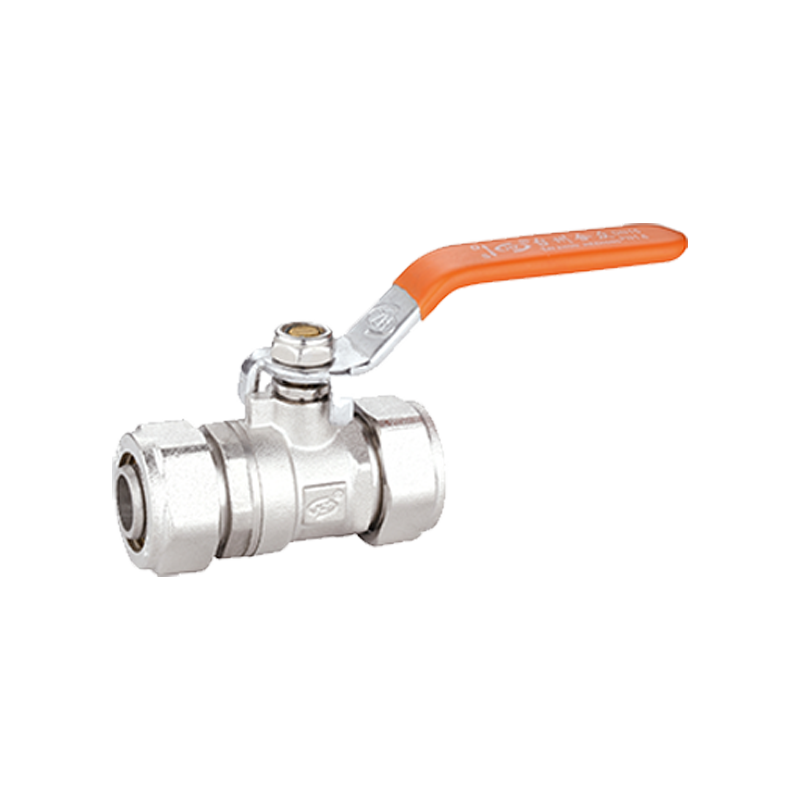 Brass Compression Ball Valve for PEX-AL-PEX Pipe
Brass Compression Ball Valve is forged from high‑quality brass, featuring high‑strength va...
-
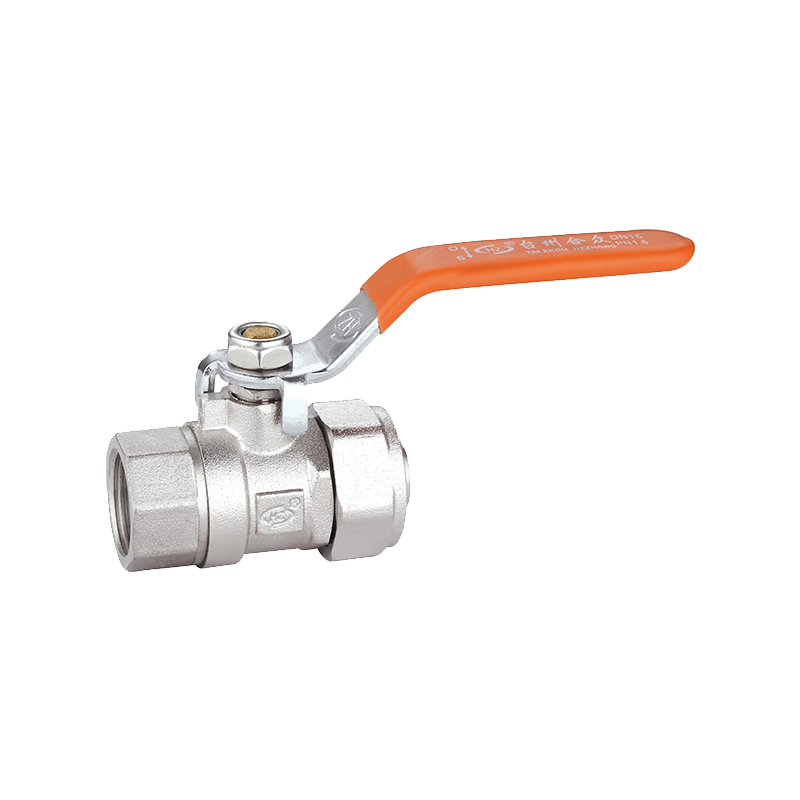 Female-Thread-Brass Compression Ball Valve for PEX-AL-PEX Pipe
This ball valve features a compression connection on one end and a female thread on the ot...
-
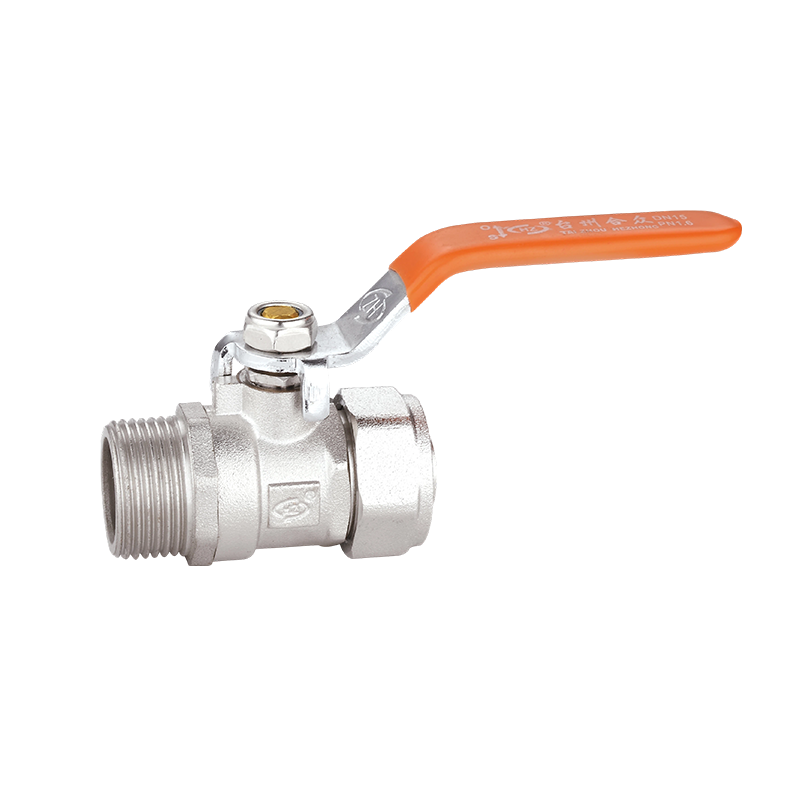 Male-Thread-Brass Compression Ball Valve for PEX-AL-PEX Pipe
This brass compression ball valve is made for PEX-AL-PEX pipe. Connecting different pipe m...
-
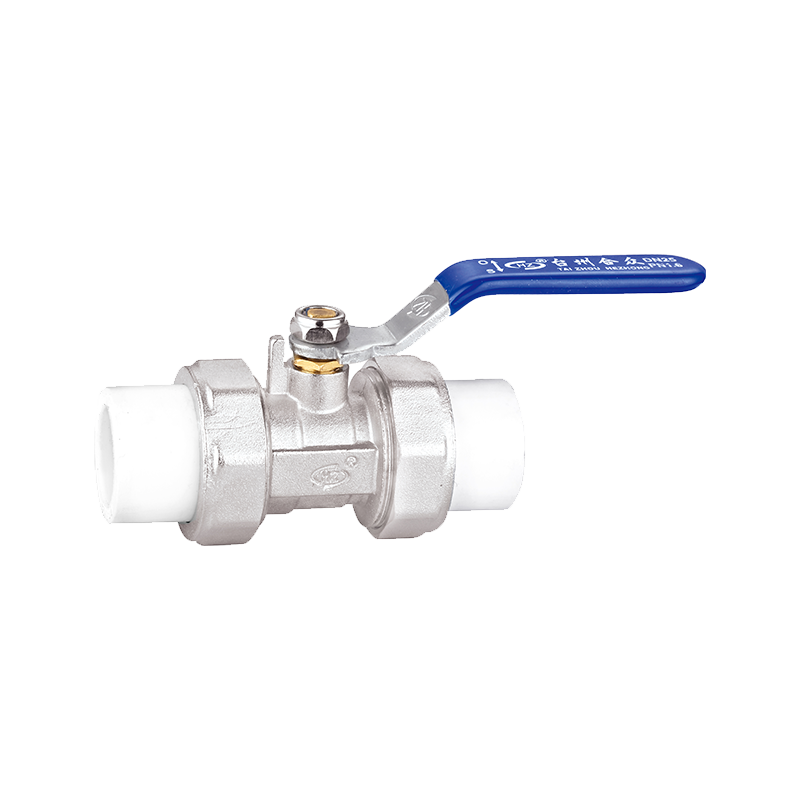 PPR Double Union Ball Valve
This PPR ball valve features a double‑union structure, compatible with hot‑melt connection...
CONTACT DETAILS
- TEL: +86-18158607688
- E-mail: [email protected]
- Address: Zhongshan Industrial Zone, Chumen Town, Yuhuan City, Taizhou, Zhejiang Province, China
