 EN
EN  English
 русский
 中文简体
中文简体
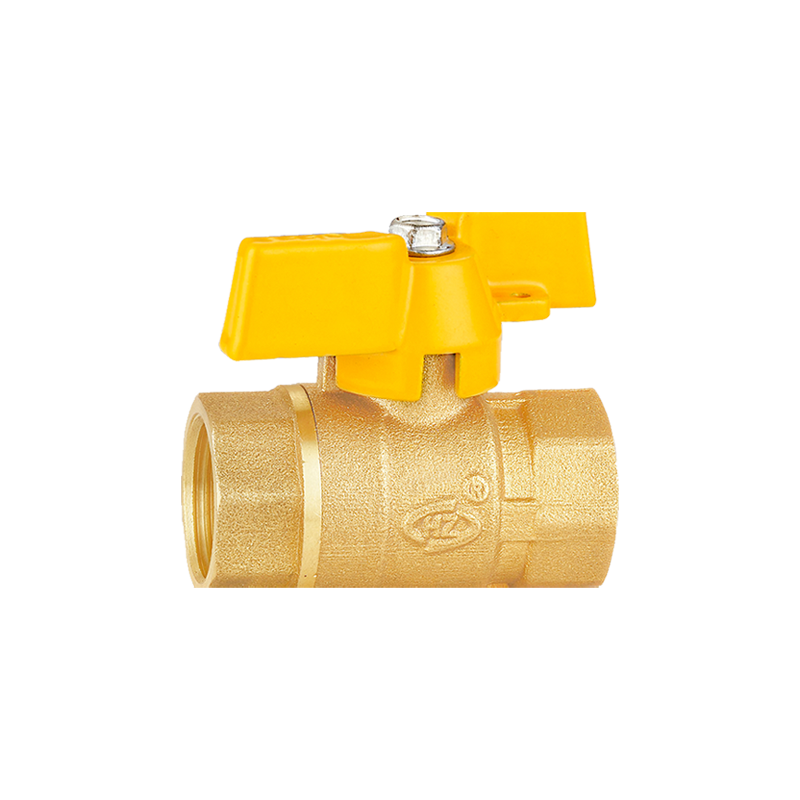
This brass ball valve is built for water lines, HVAC loops, and compressed air systems whe...


Application Industry
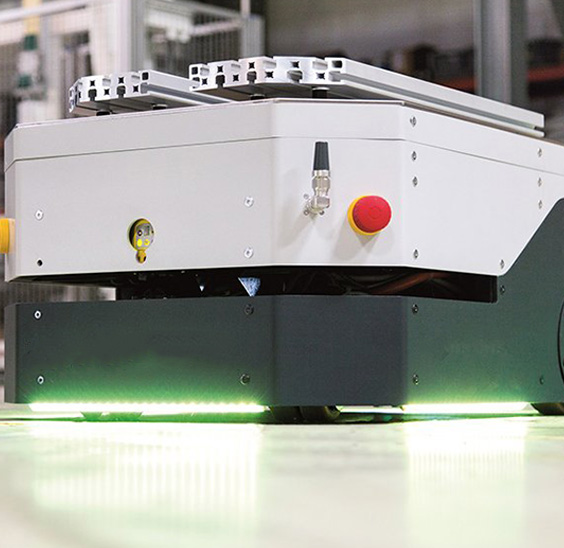
AGV

Automated robots

laser cutting

Logistics sorting

Photovoltaic power-station

Medical devices
How to Maintain Full Bore Brass Ball Valve for Longer Service Life
A valve sits somewhere in a pipeline, often out of sight and out of mind. Water, gas, or other media pass through it day after day. The handle turns when needed. The flow stops or starts as required. For a long time, nothing seems to change.
Then one day the handle feels stiff. Or a small leak appears around the stem. Or the valve does not close completely. What seemed like a reliable component suddenly becomes a problem. At that point, the options are limited. Repairing or replacing a valve in an active system often means shutting down operations, draining lines, and losing time.
Regular maintenance prevents these situations. A Full Bore Brass Ball Valve that receives periodic attention continues to perform as expected. The alternative is waiting for failure to announce itself. That approach carries higher costs in the long run.
Brass gives these valves certain advantages. Corrosion resistance is one. Brass holds up well across various environments without deteriorating quickly. Temperature swings do not make it brittle the way some metals become. The full bore design offers another benefit—media pass through with minimal resistance. These qualities have made the valve a common sight in many installations.
Still, brass has limits. Particles carried in the flow can scratch the ball surface. Minerals dissolved in water can precipitate out and form deposits around the seat. The stem seal loses moisture over time and may dry out. Each of these conditions develops slowly. The operator usually does not notice until the problem has advanced.
Regular maintenance changes the outcome. Instead of waiting for failure, the operator prevents it. A few minutes spent on inspection and cleaning at scheduled intervals cost far less than an emergency valve replacement. The valve lasts longer. The system runs more dependably. The operator gains one less thing to worry about.
What Basic Cleaning Practices Keep Valves Operating Smoothly
Cleaning a Full Bore Brass Ball Valve does not call for complex procedures. Simple practices, done consistently, keep internal surfaces free of debris and buildup. The trick is making them routine.
The exterior picks up dust and dirt over time. Wiping the body with a clean cloth removes surface grime. The area around the stem and handle deserves special attention—debris there can work its way into the stem seal and cause trouble later.
Inside the valve, cleaning gets more involved. The ball surface and the seats collect particles from the flow stream. Enough accumulation and the ball does not turn as freely. Enough buildup and the valve may not seal fully when closed.
Running clean water through the valve while opening and closing it several times flushes loose debris away. The movement of the ball helps dislodge particles that have settled in place. Repeating the operation a few times produces better results.
Some applications leave deposits that plain water cannot remove. A mild cleaning agent may help in those cases. Checking compatibility with brass and with the seals is essential before using any agent. A chemical that works well on deposits may still damage the brass or degrade the seals.
After cleaning comes exercise. Running the valve through several full cycles distributes any remaining cleaning solution and helps the seals settle. The operator also gets a feel for how smoothly the valve moves after cleaning.
| Maintenance Activity | Purpose | Recommended Approach |
|---|---|---|
| Exterior wiping | Removes surface dirt | Clean cloth, pay attention to stem area |
| Internal flushing | Clears debris from ball and seats | Run clean water through open and close cycles |
| Deposit removal | Addresses mineral or residue buildup | Mild, compatible cleaning agent |
| Post-cleaning exercise | Distributes cleaning solution and settles seals | Operate through several full cycles |
| Regular inspection | Catches wear or damage early | Visual check and handle feel test |
How Does Lubrication Affect Valve Performance Over Time
Lubrication influences how long a Full Bore Brass Ball Valve keeps operating smoothly. Moving parts inside the valve generate friction each time the handle turns. Over hundreds or thousands of cycles, friction gradually wears down the contacting surfaces.
The stem, the ball surface, and the seals all feel friction during operation. A stem seal that runs dry eventually cracks and leaks. A ball that drags against dry seats requires more effort to turn. The operator might respond by applying more force, which only accelerates wear.
The right lubricant reduces friction and slows wear. It forms a thin layer between moving surfaces, allowing them to slide past each other with less resistance. Seals last longer. The ball surface stays smoother. The handle turns more easily.
Compatibility matters. The lubricant must work with brass and with the seal materials inside the valve. An incompatible lubricant can make seals swell or degrade. Some lubricants attract dust and debris, which then act like abrasive particles inside the valve. A compatible lubricant avoids these issues.
Lubrication should happen during scheduled maintenance, not only when the valve feels stiff. Waiting for stiffness means wear has already begun. Regular lubrication prevents wear from reaching that point.
The stem area needs lubrication more often than other parts. The stem seal and the threads on the handle connection see movement during every operation. A small amount of lubricant applied to these areas keeps them working freely.
What Inspection Routines Help Detect Early Signs of Wear
Inspections catch problems before they become failures. A well-planned inspection routine covers both visible and functional aspects of the valve.
Visual inspection starts with the valve body. Cracks, discolouration, or surface damage all signal conditions worth investigating. The area around the stem deserves close looking—leaks often start there. Any moisture or staining near the stem suggests a seal that may be failing.
The handle and its connection to the stem also get checked. A loose handle or one that spins without moving the stem points to a worn connection. Tightening the handle often fixes this. If the stem itself is worn, replacement may be the only answer.
Functional inspection means operating the valve through its full range. The handle should turn smoothly from open to closed. Roughness, sticking, or unusual noise during operation points to internal wear or debris.
The closed position gets special attention. With the valve closed, the operator checks whether sealing is complete. A small amount of media passing through when the valve should be closed suggests a worn ball or seat. The leak may be tiny, but it will only grow over time.
Keeping records of inspection findings helps track changes. The operator may notice that the handle requires a little more force than during the previous check. That gradual change provides an early warning, allowing maintenance before failure occurs.
How Do Environmental Conditions Influence Maintenance Frequency
Not every valve lives in the same surroundings. Some sit indoors in climate-controlled rooms. Others stand outdoors, exposed to weather and temperature shifts. Some handle clean water. Others deal with media carrying particles or chemicals.
The environment around the valve and the media passing through it determine maintenance frequency. A valve in clean, stable surroundings may go years with little attention. A valve in harsh conditions may need inspection and cleaning every few months.
Temperature extremes affect both brass and seals. High temperatures speed up seal aging. Low temperatures reduce seal flexibility. Valves in environments with wide temperature swings need more frequent checks on seal condition.
Humidity and moisture also matter. Outdoor valves or those in damp spaces are more prone to surface corrosion on exposed metal parts. The stem and handle connection are especially vulnerable. More frequent cleaning and protection can stop corrosion from progressing.
The media flowing through the valve influences maintenance more than any other factor. Media with high mineral content leave deposits inside. Media with suspended particles cause abrasion on the ball and seats. Shorter cleaning intervals make sense for these applications.
Operators who understand their environmental conditions can adjust maintenance schedules accordingly. A fixed schedule that ignores conditions often means either too much maintenance or too little.
What Role Does Proper Handling Play in Valve Longevity
How people handle a valve during installation and operation affects how long it lasts. Rough treatment introduces stresses that the valve was not designed to handle. These stresses accumulate over time and eventually show up as leaks or stiffness.
During installation, the valve should be placed in the line without forcing the pipe connections. Pipes that do not align properly put strain on the valve body. The strain distorts the internal components, affecting how the ball seats against the seals. A valve installed under tension may work fine, but the distortion causes uneven wear over time.
The handle deserves careful treatment as well. Turning it with excessive force damages the stem and the stop mechanisms inside the valve. The valve reaches a fully open or fully closed position at a certain point. Forcing it past that point creates unnecessary wear. The handle should be turned only until it stops naturally.
Operators who understand the valve's movement range tend to handle it more carefully. They feel for the natural stop points and stop turning when they reach them. This simple practice extends the life of the handle connection and the internal stop surfaces.
Dropping or knocking the valve during handling can also cause damage. The brass body may look solid, but impacts can create micro-cracks that later grow into leaks. Seals inside the valve can shift out of position from a strong impact. Careful handling during transport and installation avoids these hidden problems.
Another aspect of handling involves operating frequency. A valve that is turned frequently wears faster than one that stays in one position. Operators should consider whether a valve needs to be opened and closed at every opportunity. Reducing unnecessary operations slows wear on all moving parts.
Why Is Seal Condition Critical for Leak-Free Operation
Seals inside the valve keep media where it belongs. The stem seal prevents leakage around the handle. The seat seals stop flow when the valve is closed. These seals are the difference between a functioning valve and a leaking one.
The seals in a Full Bore Brass Ball Valve face constant pressure from the media inside. They also experience friction each time the ball turns. Over time, seals lose their elasticity. They become harder and less able to conform to the ball surface. This hardening is what leads to leaks.
Different seal materials have different service lives. The specific material used in a valve depends on the media it handles and the temperature range it sees. No seal material lasts forever. The operator who knows what type of seals are in the valve can plan for replacement before they fail.
Visual inspection of the stem area gives clues about seal condition. Any moisture or staining near the stem indicates that the seal is beginning to leak. A small amount of leakage at this stage can be addressed by tightening or adjusting the packing. Ignoring it allows the leak to grow.
The seat seals are harder to inspect without disassembling the valve. However, functional testing gives some indication. If the valve allows flow past when closed, the seat seals are likely worn. The leak may be small, but it grows as the seals continue to wear.
Replacing seals at appropriate intervals prevents leaks from developing. Waiting until a leak appears means the seals have already failed. Planned replacement keeps the valve in service while avoiding the disruption of an unplanned shutdown.
How Does the Operating Environment Affect Brass Components
Brass components respond to their surroundings. The environment around the valve influences how quickly the metal corrodes and how well the valve performs.
Oxygen and moisture start the corrosion process. Brass develops a surface oxide layer that protects the metal underneath. In many environments, this layer forms slowly and provides adequate protection. In environments with high humidity or frequent condensation, the oxide layer forms differently and may not protect as well.
Chemicals in the environment also matter. Some compounds react with the zinc in brass, causing a process called dezincification. The zinc leaches out of the alloy, leaving behind a weakened copper structure. Valves in environments with certain chemicals need to be monitored more frequently for signs of surface degradation.
The media inside the valve affects the brass components as well. Water with high mineral content leaves deposits that can hide surface damage. Aggressive media can erode the brass surface over time. The operator should be aware of what flows through the valve and how that media interacts with brass.
Temperature cycles put stress on brass components. The metal expands when heated and contracts when cooled. Repeated cycling causes microscopic movements that can lead to stress cracking over time. Insulating the valve or controlling the environment can reduce the severity of these cycles.
Brass that looks clean on the outside may still have internal damage from environmental exposure. Regular inspection that includes a close look at surface condition helps catch problems early.
What Storage Practices Protect Valves Before Installation
Valves often spend time in storage before installation. Proper storage keeps them in good condition until they are needed. Improper storage introduces problems that shorten their service life.
The storage area should be dry and well-ventilated. Moisture in the air promotes corrosion on exposed brass surfaces. Condensation that forms on the valve body can lead to tarnishing and eventually to pitting. Storing valves in sealed bags or with desiccant helps control moisture.
Protecting the ends of the valve is important. The openings where pipes connect should remain covered during storage. Plugs or caps keep dust and debris from entering the valve interior.
The storage position also matters. Valves stored with the stem seal exposed to direct sunlight may experience faster seal aging. Ultraviolet light degrades many seal materials. Storing valves in opaque packaging or in a shaded area slows this degradation.
Temperature fluctuations during storage should be minimal. Wide temperature swings cause condensation and can stress the brass and seals. A climate-controlled storage area provides the best protection.
The storage period should not be indefinite. Valves that sit for years without use may develop corrosion or seal hardening. The operator should know how long a valve has been stored before installing it. Older stored valves may benefit from inspection and seal replacement before they go into service.
How Can Operators Avoid Common Mistakes That Shorten Valve Life
Certain mistakes reduce valve life more than normal wear does. Avoiding these mistakes keeps the valve in service longer.
One common mistake involves using the valve as a support point. Hanging heavy objects from the handle or body puts stress on connections and seals. The valve is not designed to bear additional weight. Keeping the valve clear of unnecessary loads prevents this strain.
Another mistake involves turning the handle too quickly. Rapid operation causes the ball to strike the seals with more force than necessary. This impact accelerates seal wear. A slower, steady turn allows the ball to seat gently against the seals.
Using the wrong tools on the handle is another problem. Pliers or pipe wrenches can damage the handle surface and the connection to the stem. Using only the handle provided, or a properly fitting wrench, avoids this damage.
Over-tightening the valve when closing it is a frequent error. Some operators believe that turning the handle harder creates a better seal. Actually, the ball and seat seals do the sealing work. Extra force only stresses the stem and handle connection.
Skipping maintenance because the valve seems fine also shortens valve life. Valves develop problems gradually. The operator who waits for symptoms to appear has already missed the chance to prevent those problems. Following a maintenance schedule avoids this mistake.
Why Should Users Understand the Valve's Basic Working Principle
Understanding how a Full Bore Brass Ball Valve works helps operators maintain it better. Knowledge of the internal parts and their functions makes inspection and maintenance more effective.
The valve consists of a ball with a hole through the centre. Turning the handle rotates the ball. When the hole aligns with the flow path, the valve is open. When the hole is perpendicular to the flow path, the valve is closed. The seats press against the ball to prevent leakage.
The stem connects the handle to the ball. Seals around the stem prevent leakage to the outside. The body holds all the parts together and provides connections to the pipe system.
Knowing this basic arrangement helps the operator understand where wear occurs. The ball surface and the seats see the contact. The stem seal sees movement during each operation.
Understanding also helps the operator diagnose problems. A stiff handle suggests debris on the ball or seats, or a lack of lubrication. A leaking stem indicates seal wear. A valve that does not close completely points to worn seats or a misaligned ball.
The operator who understands the valve treats it with more care. They know which parts are sensitive and which parts are sturdy. This knowledge translates into better maintenance practices and longer valve life.
Related products
-
-
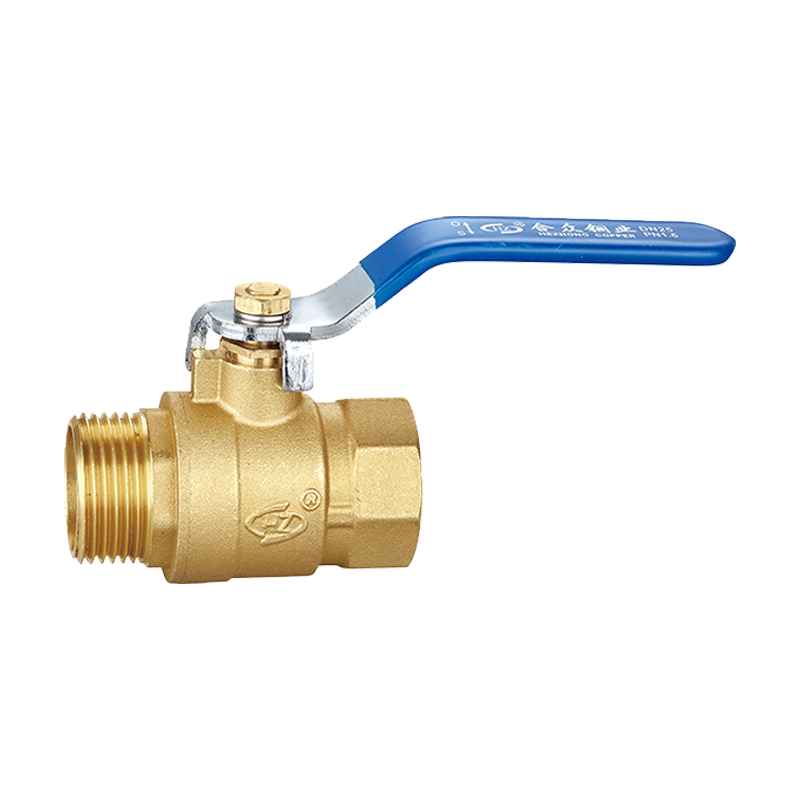 Male Thread Brass Ball Valve for Water & HVAC Systems
This male thread brass ball valve is made of national standard forged brass with RP male t...
-
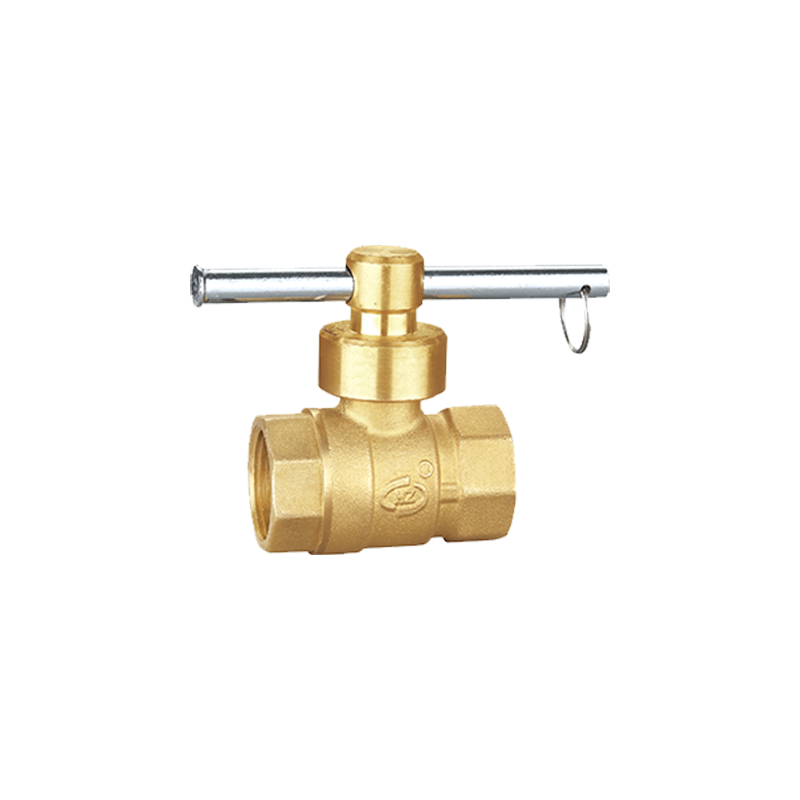 One‑Word Magnetic Lock-Off Ball Valve
This is One‑Word Magnetic Lock‑Off Ball Valve of the Water Utilities Series. It is integr...
-
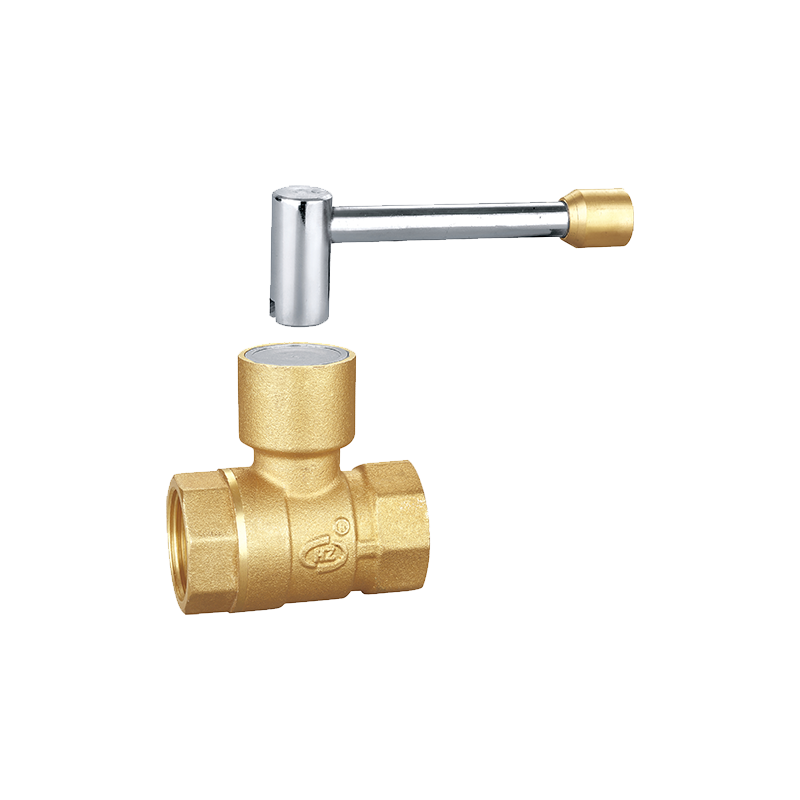 Brass Magnetic Lock-Off Ball
This brass magnetic lock‑off ball valve has a high‑quality forged brass valve body with st...
-
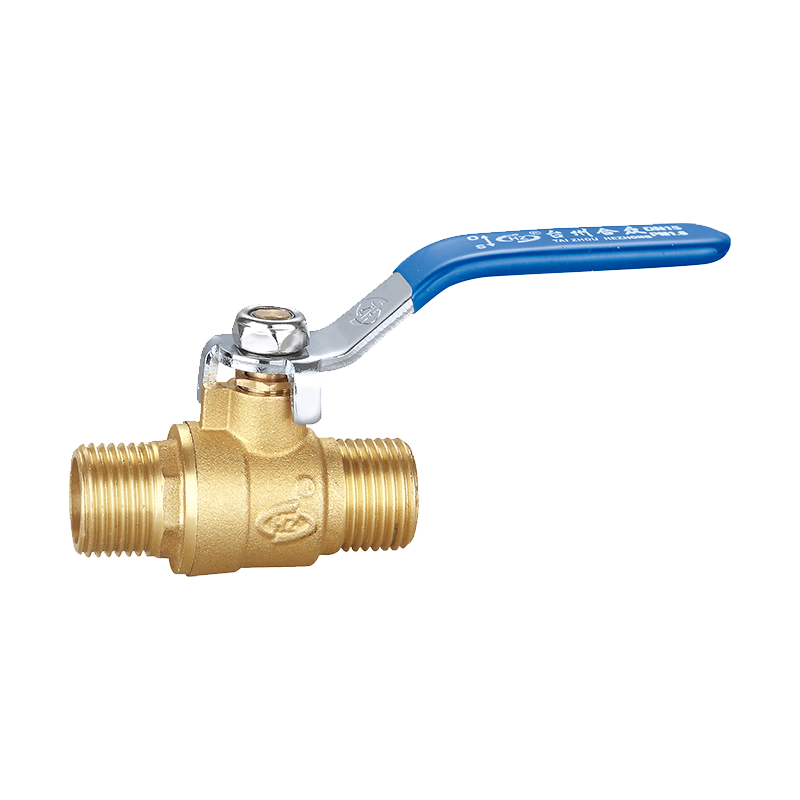 Double Male Brass Ball Valve for Water & HVAC Systems
Double male brass ball valve features male threads on both ends for direct in-line connect...
-
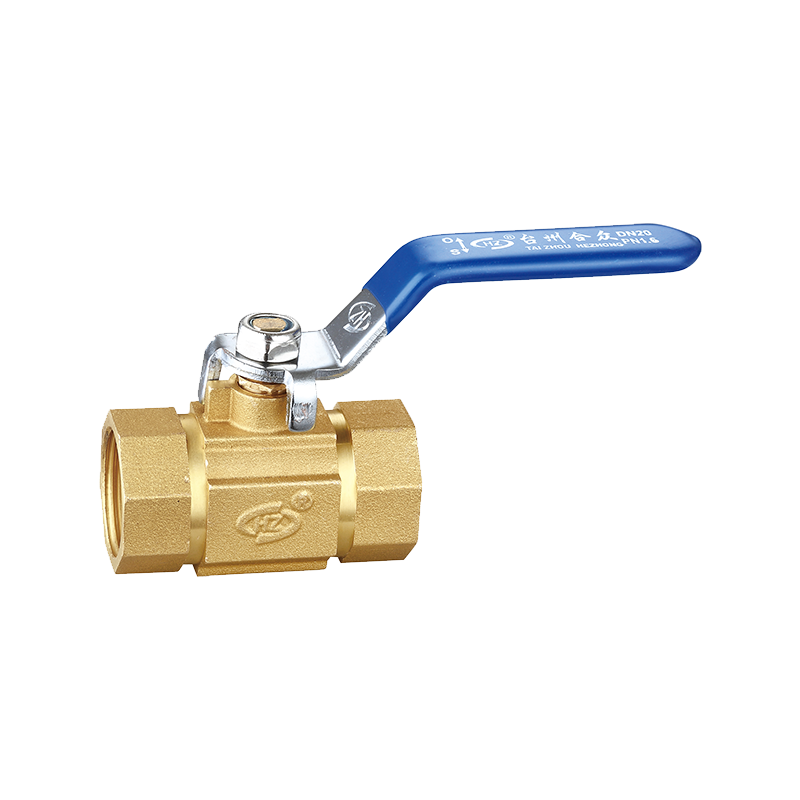 Square Body Ball Valve
This square body ball valve is integrally forged from high‑quality brass. Its square‑shape...
-
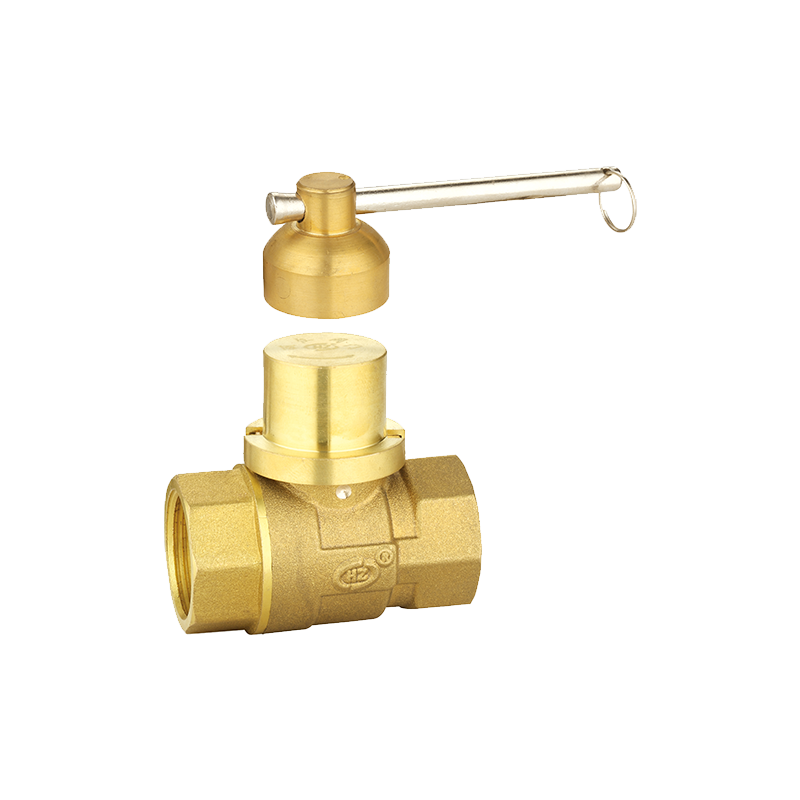 Magnetic Ball Valve for Front of Water Meter
Forged metal tee fitting with M30 loose nut for gas meter inlet connection, double 1/2" ma...
-
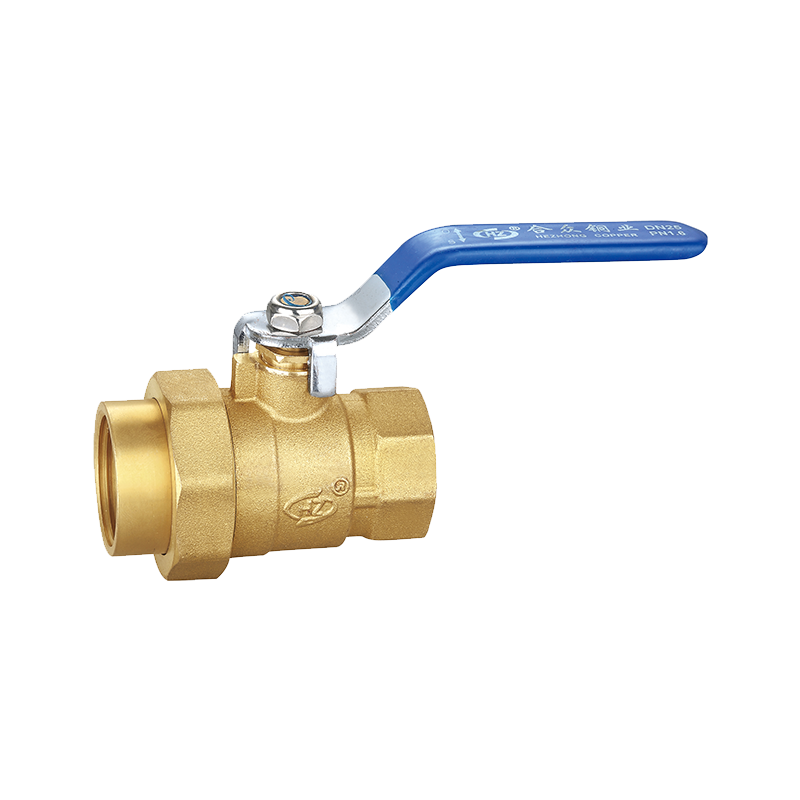 Female Thread Union Brass Ball Valve
This female thread union brass ball valve is made of high-quality brass. It has female thr...
-
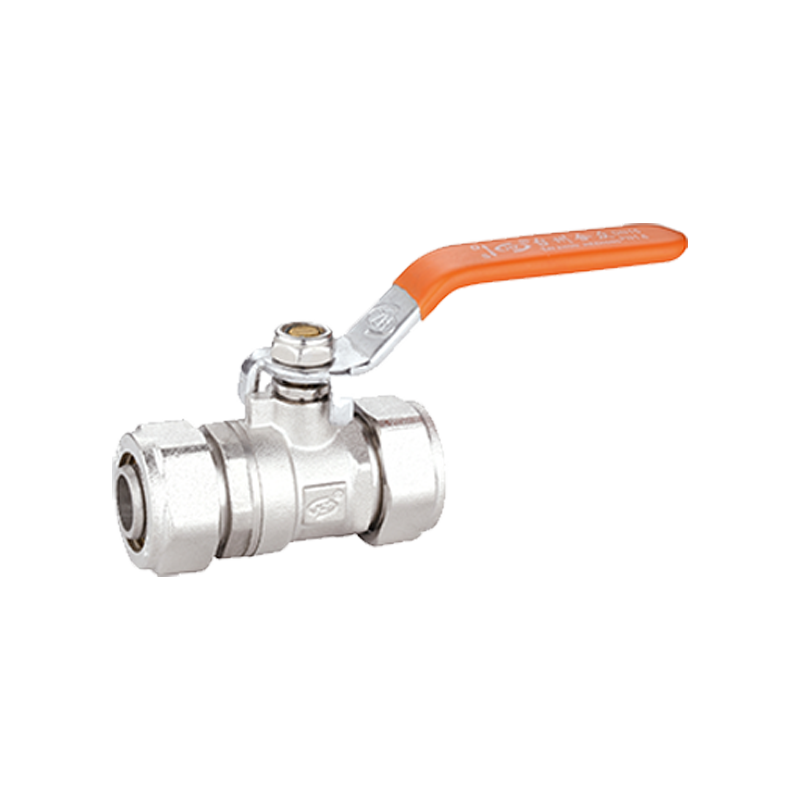 Brass Compression Ball Valve for PEX-AL-PEX Pipe
Brass Compression Ball Valve is forged from high‑quality brass, featuring high‑strength va...
-
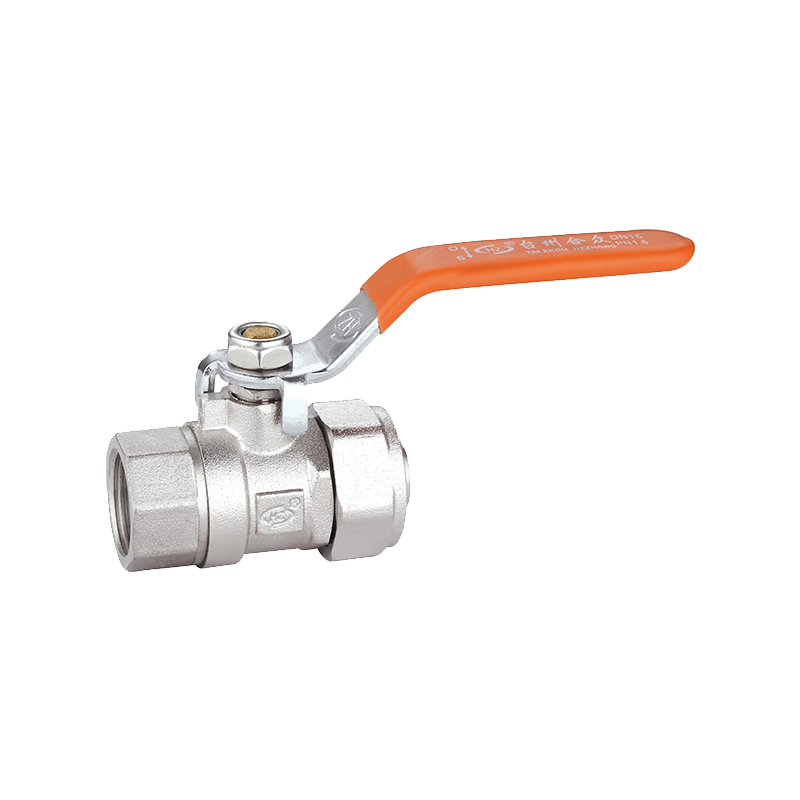 Female-Thread-Brass Compression Ball Valve for PEX-AL-PEX Pipe
This ball valve features a compression connection on one end and a female thread on the ot...
-
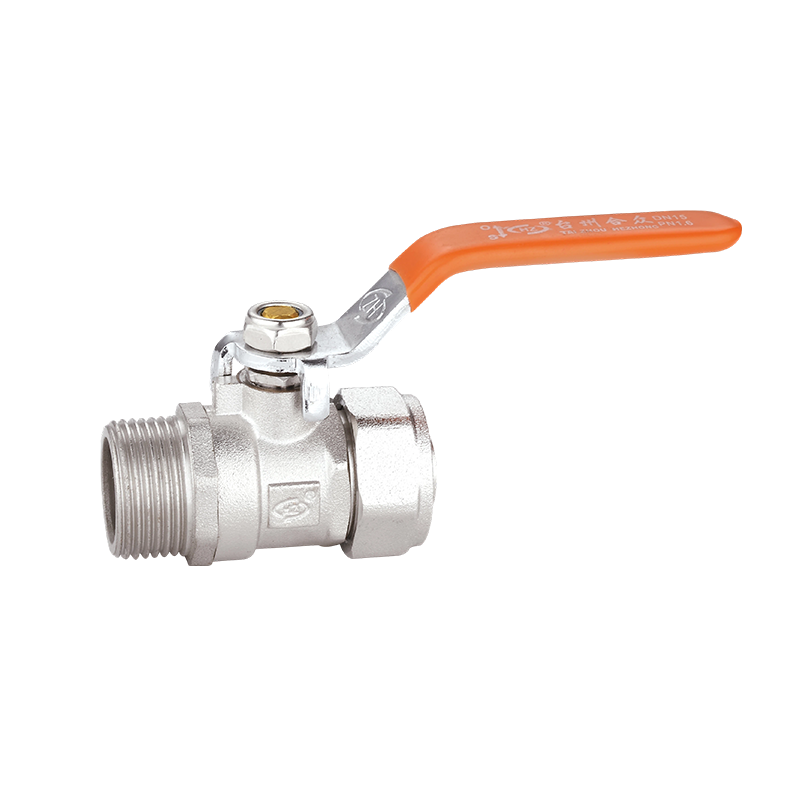 Male-Thread-Brass Compression Ball Valve for PEX-AL-PEX Pipe
This brass compression ball valve is made for PEX-AL-PEX pipe. Connecting different pipe m...
-
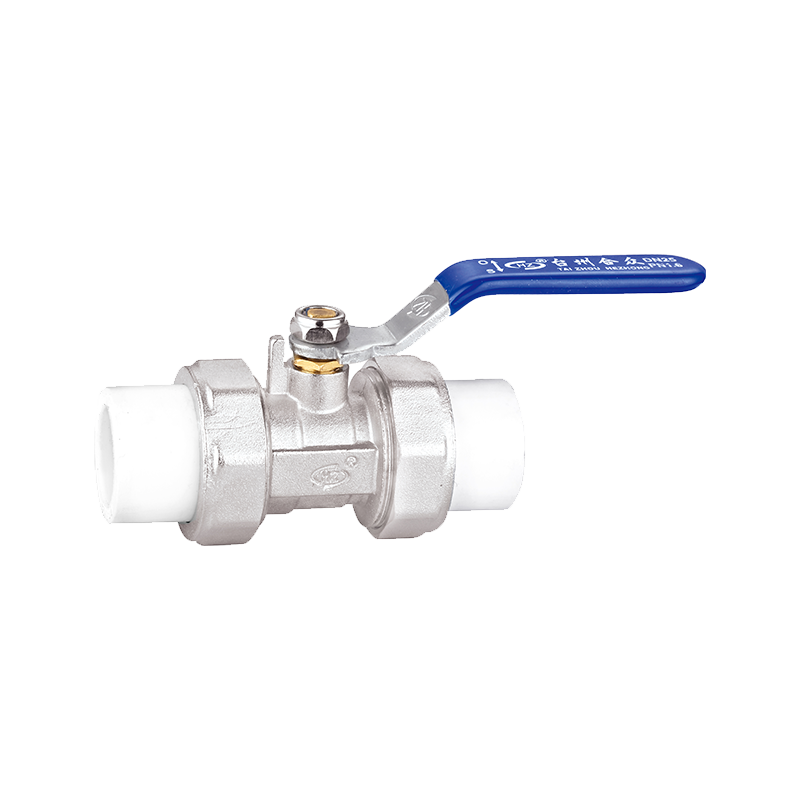 PPR Double Union Ball Valve
This PPR ball valve features a double‑union structure, compatible with hot‑melt connection...
CONTACT DETAILS
- TEL: +86-18158607688
- E-mail: [email protected]
- Address: Zhongshan Industrial Zone, Chumen Town, Yuhuan City, Taizhou, Zhejiang Province, China
