 EN
EN  English
 русский
 中文简体
中文简体
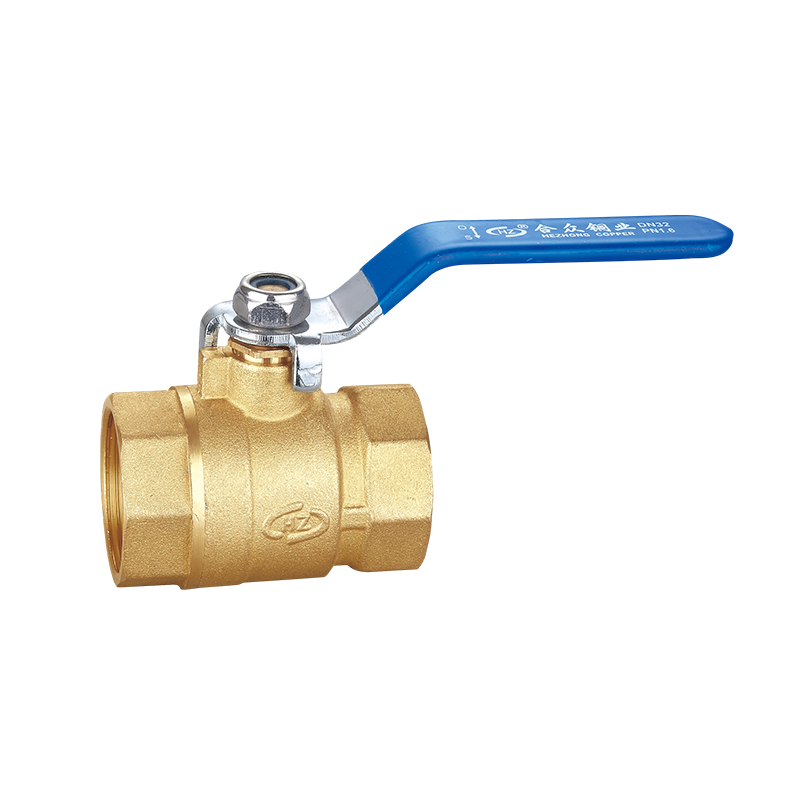
This brass ball valve is built for water lines, HVAC loops, and compressed air systems whe...


Application Industry
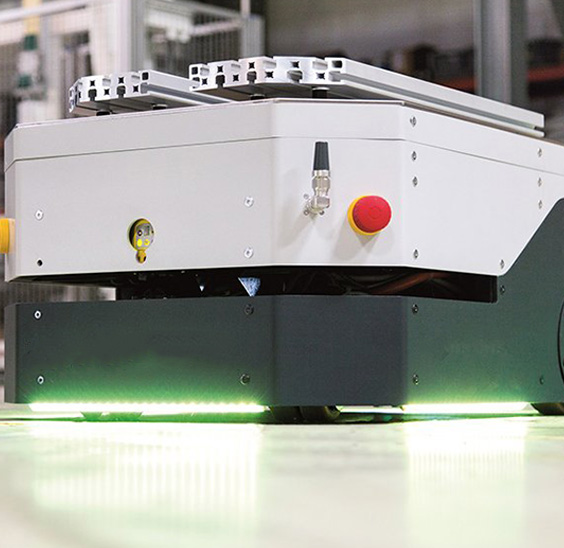
AGV

Automated robots
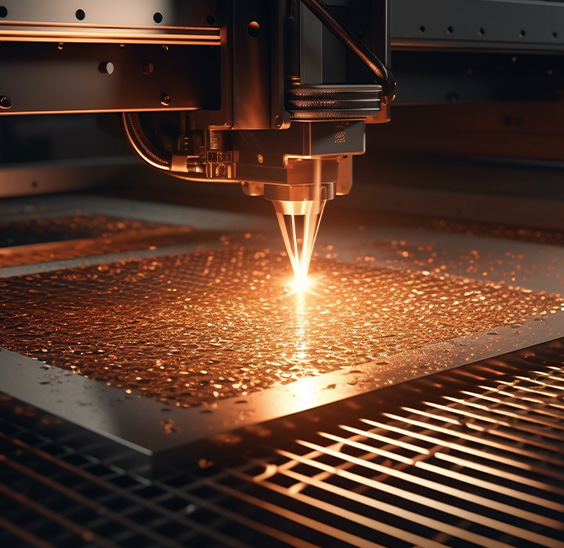
laser cutting

Logistics sorting

Photovoltaic power-station
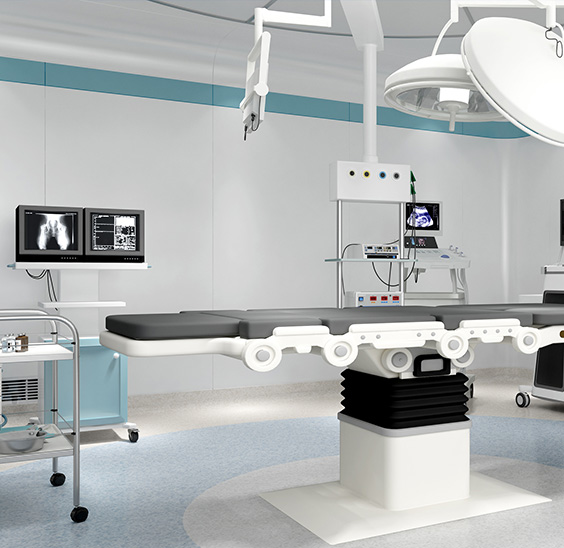
Medical devices
Which Threaded Brass Ball Valve Is Best for Gas Pipeline Systems
Gas pipeline systems rarely follow a straight and simple path. In many installations, pipes shift direction across tight spaces, pass through equipment zones, and connect at points where welding work is not always practical. Threaded Brass Ball Valve appears in these sections because the connection style fits compact layouts and allows direct assembly with pipe ends.
Inside running gas flow, pressure does not sit still. It moves in small changes across different sections of the line. At connection points, even slight movement of pressure can be felt over time through the valve body and threads.
Once installed, the valve becomes part of the pipeline tension line. Thread engagement holds the position, while sealing inside the valve controls the flow path. Any uneven fit during installation tends to show up later as small variation in operation feel, not immediately, more during repeated cycles.
How Threaded Brass Ball Valve Works Inside Gas Flow Line
Inside the valve body, a rotating internal element sits in the flow path. Turning that element changes the opening inside the channel. In one position, flow passes through with minimal restriction. In another position, passage becomes limited or closed.
Both ends of the valve use threaded structure. The pipe connects directly into these threads, forming a fixed mechanical link. No external frame supports the joint, so stability depends heavily on how well the threads match and settle during installation.
Inside operation, sealing parts stay in constant contact with the rotating element. Over time, this contact becomes smoother or slightly different depending on flow frequency and internal conditions.
Key internal parts involved in flow control:
- Rotating element controlling passage
- Threaded connection at both ends
- Sealing surface around flow channel
- Internal cavity guiding gas movement
The structure stays compact, so small changes in any part can influence overall movement feel during operation cycles.
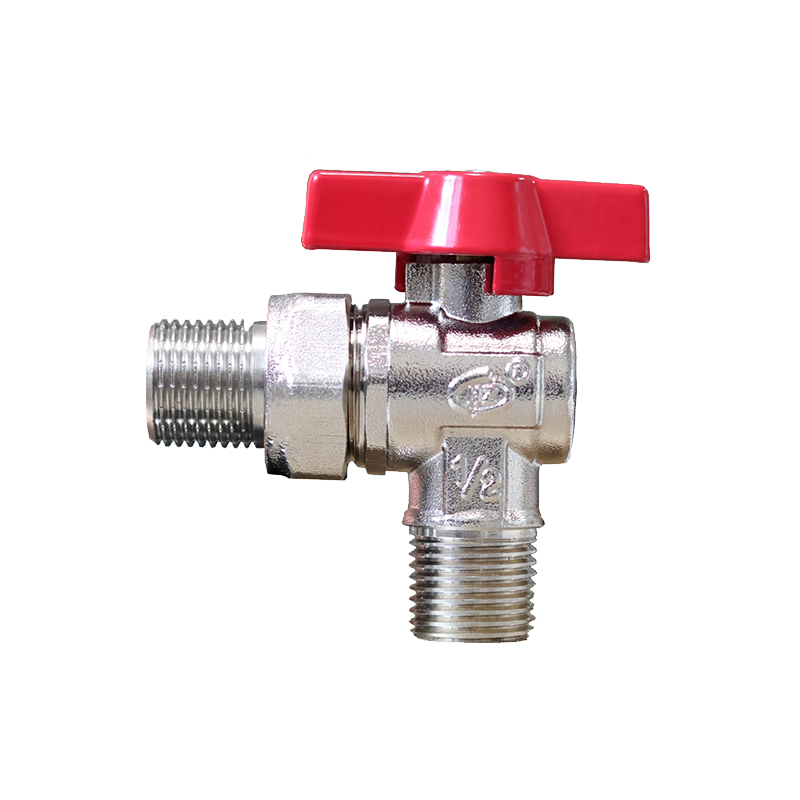
Which Material Behavior Matters in Threaded Brass Ball Valve
Material choice affects how the valve behaves inside gas pipelines over long use periods. Brass is widely used in this type of valve because it keeps a stable shape under changing internal conditions and repeated operation.
Inside pipeline use, temperature shifts and pressure movement do not remain constant. The material must stay steady while handling these changes. Brass tends to keep its structure without sudden deformation, which helps maintain sealing contact over time.
Surface interaction also matters. The way internal surfaces move against each other during rotation influences how smooth operation feels. Small changes in surface condition may slowly appear after repeated cycles.
Brass Ball Valve Factory production process also plays a role. Differences in forming, threading precision, and surface finishing may influence long-term consistency inside pipeline use.
Observed material behavior:
- Stable structure under pressure variation
- Gradual change in surface smoothness during operation
- Consistent sealing contact over repeated cycles
- Sensitivity to manufacturing precision during assembly
How Gas Pressure Influences Valve Operation Inside Pipeline
Gas inside pipelines moves with changing pressure. Flow demand and system balance create shifts that pass through valves and joints. Threaded Brass Ball Valve reacts to these shifts through internal resistance and sealing contact.
When pressure increases, internal surfaces receive stronger force. This force moves through sealing area and rotating element. Operation may feel slightly tighter during opening or closing under such conditions.
Threaded joints also respond to pressure load. When connection is balanced, force spreads across threads evenly. When alignment is uneven, pressure concentrates in limited contact zones, which may slowly influence stability during long use.
General behavior seen in pipeline conditions:
- Smooth movement under stable pressure
- Slight resistance change during pressure shifts
- Threaded joint sensitivity under uneven load
- Variation in sealing contact strength over time
What Installation Conditions Affect Threaded Brass Ball Valve
Installation work often determines long-term behavior more than initial component condition. Threaded Brass Ball Valve depends on correct engagement between valve threads and pipeline ends.
When alignment is even, thread contact distributes force across full surface. When alignment shifts slightly, pressure gathers in small areas of the connection. This does not show immediately, instead appears during later operation cycles.
Pipe positioning also matters. If pipeline sections do not sit in stable alignment, stress moves toward connection points. That movement can slowly affect rotation feel during repeated use.
Common installation-related observations:
- Thread engagement consistency affects stability
- Uneven alignment creates local stress points
- Pipeline positioning influences load distribution
- Tight but balanced connection supports smoother operation
| Installation Condition | Pipeline Behavior | Valve Response |
|---|---|---|
| Proper alignment | Stable flow path | Smooth operation |
| Slight misalignment | Local stress points | Uneven rotation feel |
| Loose connection | Flow variation risk | Reduced sealing stability |
| Tight balanced fit | Even pressure distribution | Consistent operation |
How Thread Design Influences Gas Pipeline Stability
Threaded connection provides direct mechanical grip between valve and pipeline. No external support structure is required, so stability depends on thread contact quality.
Inside gas systems, vibration and small movement occur during normal flow. Thread structure holds position by distributing force across engaged surfaces. When engagement remains consistent, valve position stays steady during operation cycles.
Sealing behavior depends on how evenly threads connect during installation. Even contact supports stable flow control, while uneven engagement may lead to irregular response during long-term use.
Threaded design behavior in pipeline conditions:
- Mechanical grip across full connection area
- Resistance to vibration movement
- Force distribution along thread surface
- Influence on long-cycle stability
How Brass Ball Valve Factory Work Affects Long Term Valve Behavior
Inside a Brass Ball Valve Factory, most influence on later pipeline performance does not come from a single stage, more from how each small step connects together during production. Thread cutting, body forming, and internal polishing all leave subtle traces that only become noticeable after long use inside gas flow lines.
Threaded sections are especially sensitive. A small difference in thread smoothness can change how the valve feels during installation, even when dimensions appear consistent. Some valves tighten with a steady feel, while others show slight resistance changes as they settle into the pipe.
Inside assembly area, alignment of internal parts also plays a quiet role. When rotating element and sealing surfaces sit slightly off position, movement later feels less uniform after repeated cycles.
Field behavior often linked to factory process:
- Thread engagement feels different between batches
- Rotation smoothness changes after long cycles
- Sealing contact becomes uneven in some conditions
- Small variation appears after repeated operation
These differences are not obvious at installation stage, more noticeable after system has been running for a long time.
What Maintenance Work Looks Like in Gas Pipeline Use
Maintenance in gas pipeline systems rarely follows a strict pattern. Attention usually comes after small changes appear in flow behavior or when movement during valve operation starts to feel less steady.
Threaded Brass Ball Valve often shows early signs around connection points. Threads may feel slightly tighter or looser than before. Sometimes rotation requires a different level of force compared with earlier operation stages.
Inside sealing area, slow buildup can change how contact feels during opening and closing. It does not usually stop operation, more like gradual shift in movement response.
Common field maintenance notes:
- Thread area feels slightly different during tightening
- Rotation becomes less uniform after long cycles
- Sealing contact shows gradual change in response
- Cleaning reveals small buildup in flow path
Most maintenance actions focus on restoring smooth movement rather than replacing components.
How System Layout Changes Valve Performance Over Time
Pipeline layout quietly shapes how Threaded Brass Ball Valve behaves during long use. Position inside the system decides how pressure and movement spread through the valve body.
When placement sits in a stable section of pipeline, movement stays relatively even. In areas where direction changes frequently, stress tends to gather around joints and connection points.
Spacing between valves also matters. When components are placed too close, pressure interaction becomes more noticeable during flow changes. This can slowly influence how rotation feels during repeated operation cycles.
Common layout-related effects:
- Valve near directional change shows uneven stress response
- Tight spacing increases pressure interaction
- Straight sections maintain smoother operation feel
- Connection zones carry more movement stress
What Operational Challenges Appear in Long Term Use
Gas pipelines run through changing conditions, and those changes do not always appear directly. Temperature variation, flow shifts, and vibration from surrounding structure all interact with Threaded Brass Ball Valve over time.
One frequent situation is slow change in sealing behavior. Valve still functions, though rotation or closing may feel slightly different compared with earlier operation.
Threaded joints also react to long-term vibration. Even when initially tight, small movement across cycles can influence how secure connection feels during later checks.
Another common condition appears during repeated adjustment. Frequent tightening or re-handling of the valve can slowly change thread surface feel.
Field-observed patterns include:
- Gradual shift in sealing resistance
- Thread response changes after repeated adjustment
- Rotation feel becomes less consistent over time
- Pressure variation affects operation smoothness
These changes usually develop slowly across long use periods.
How Operating Conditions Influence Valve Behavior Inside Pipeline
Inside gas pipeline systems, conditions are never fully stable. Flow demand changes during operation cycles, and pressure moves across different sections of the line. Threaded Brass Ball Valve reacts to these changes continuously.
When conditions remain steady, valve movement feels consistent. When flow becomes irregular, internal parts experience uneven contact. This difference slowly shapes how smooth operation feels during long use.
Threaded connection points also respond to vibration coming from surrounding pipeline structure. Even small movement can influence how tight or stable joint feels after repeated cycles.
Observed environmental influence:
- Stable flow supports steady valve movement
- Irregular flow changes sealing contact feel
- Vibration affects thread tightness over time
- Temperature shifts influence surface interaction
How Design Direction May Shift in Future Use Conditions
Gas pipeline systems continue to evolve toward more compact layouts and simpler connection methods. Threaded Brass Ball Valve remains part of these systems due to its direct installation style and adaptable structure.
Future attention may move toward improving thread consistency and reducing uneven stress inside connection areas. Internal sealing behavior may also be adjusted to maintain smoother movement under long use cycles.
Inside Brass Ball Valve Factory processes, control of surface finishing and threading accuracy may play a more noticeable role in long-term performance stability.
Possible long-term direction in field application:
- More stable thread engagement during repeated use
- Smoother internal rotation behavior under pressure
- Reduced sensitivity to installation variation
- More consistent sealing response over long cycles
In gas pipeline operation, Threaded Brass Ball Valve behaves as a small but constant control point shaped by installation quality, factory processing, and long-term flow conditions. Its behavior slowly reflects the interaction between pipeline layout, pressure movement, and repeated mechanical cycles rather than a single influencing factor.
Related products
-
-
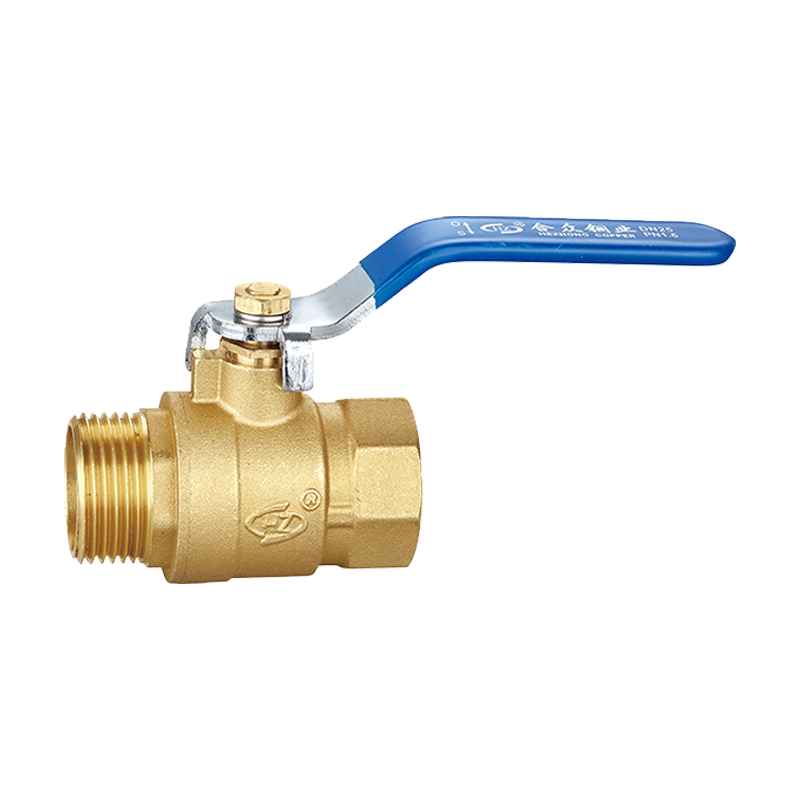 Male Thread Brass Ball Valve for Water & HVAC Systems
This male thread brass ball valve is made of national standard forged brass with RP male t...
-
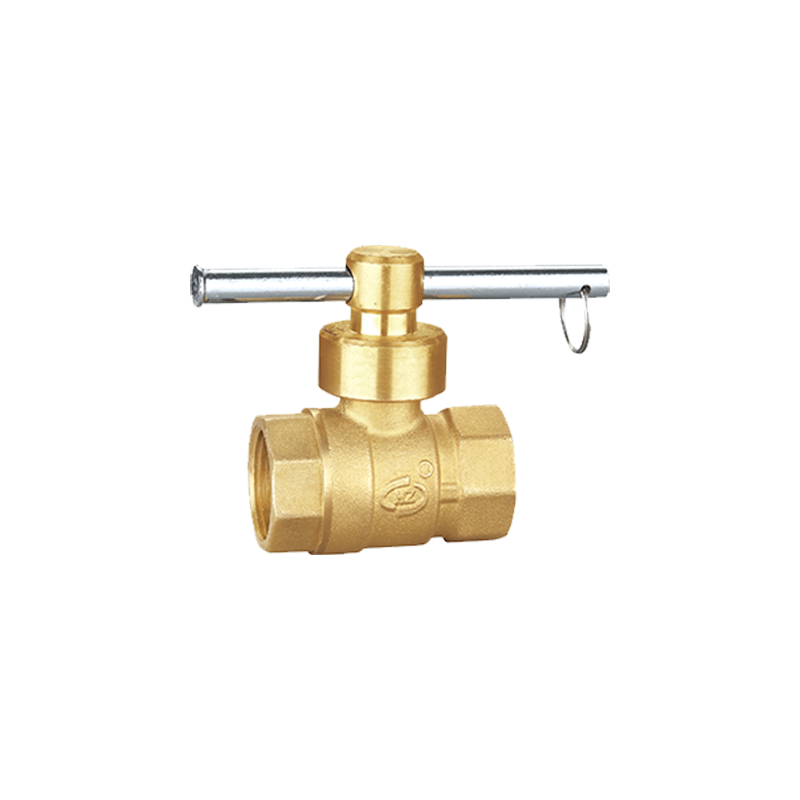 One‑Word Magnetic Lock-Off Ball Valve
This is One‑Word Magnetic Lock‑Off Ball Valve of the Water Utilities Series. It is integr...
-
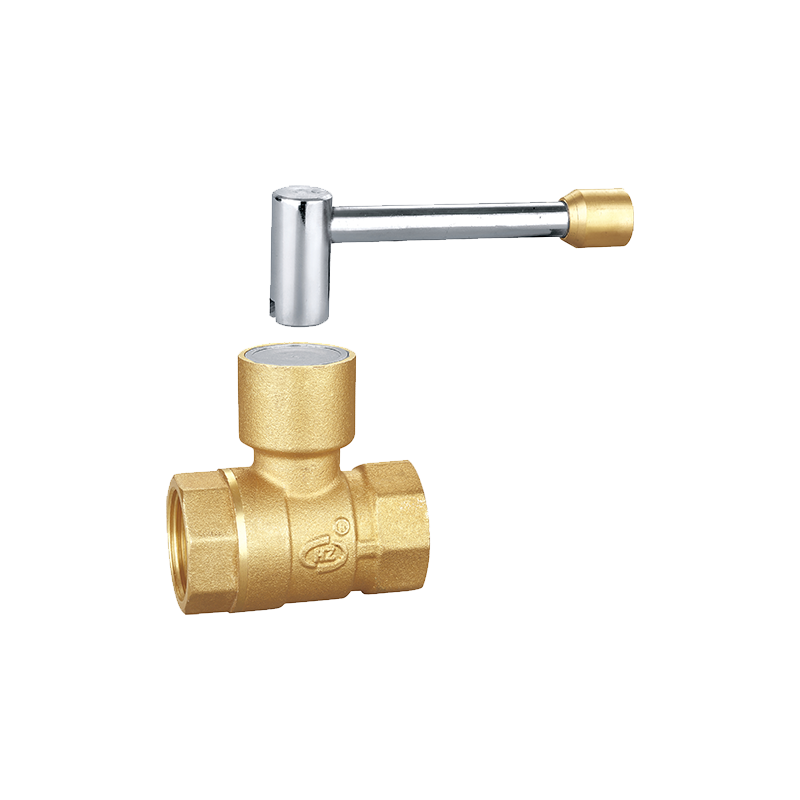 Brass Magnetic Lock-Off Ball
This brass magnetic lock‑off ball valve has a high‑quality forged brass valve body with st...
-
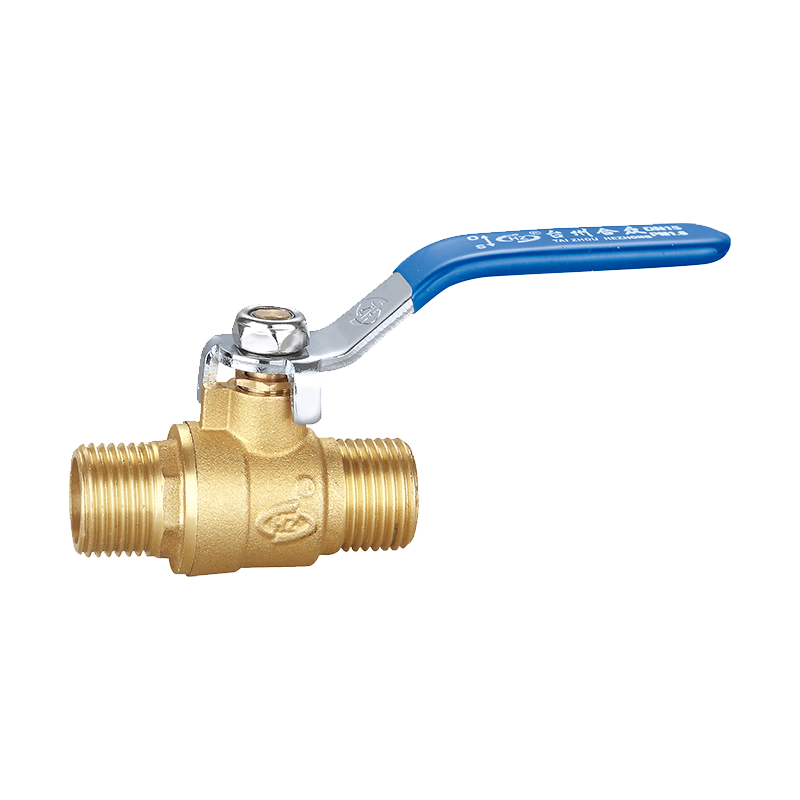 Double Male Brass Ball Valve for Water & HVAC Systems
Double male brass ball valve features male threads on both ends for direct in-line connect...
-
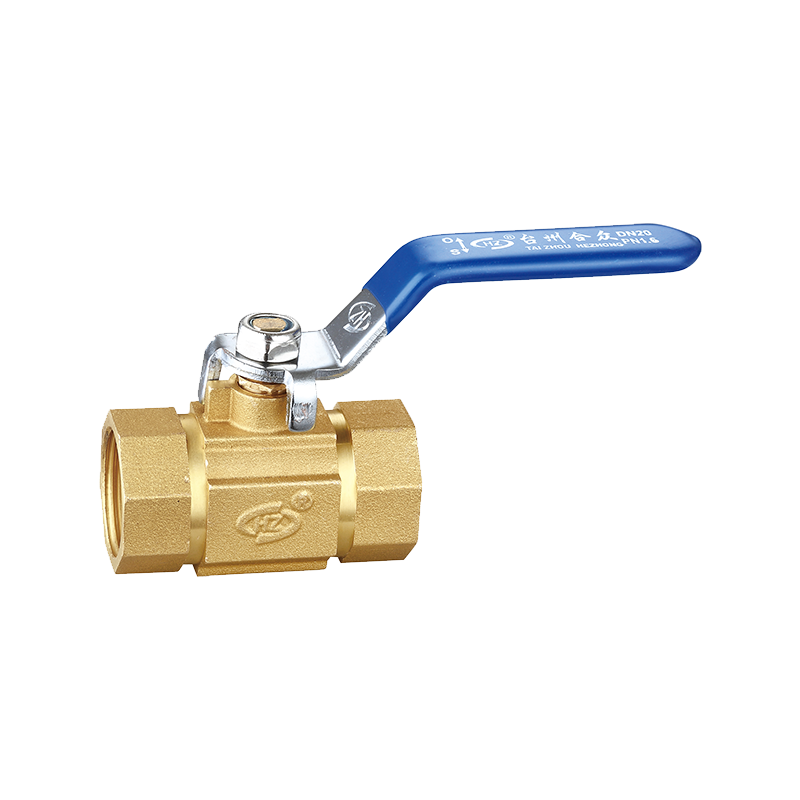 Square Body Ball Valve
This square body ball valve is integrally forged from high‑quality brass. Its square‑shape...
-
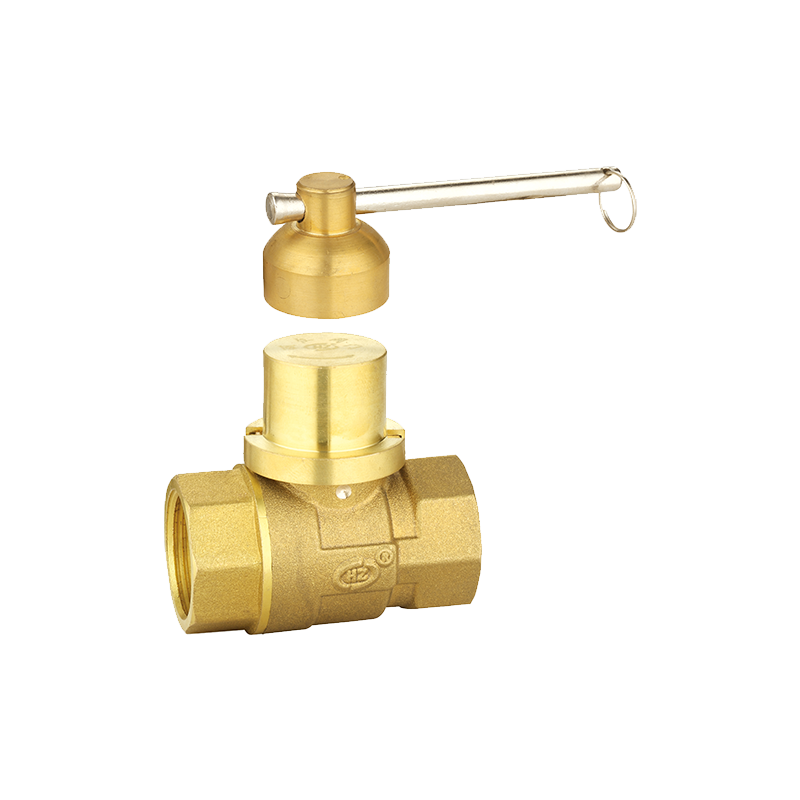 Magnetic Ball Valve for Front of Water Meter
Forged metal tee fitting with M30 loose nut for gas meter inlet connection, double 1/2" ma...
-
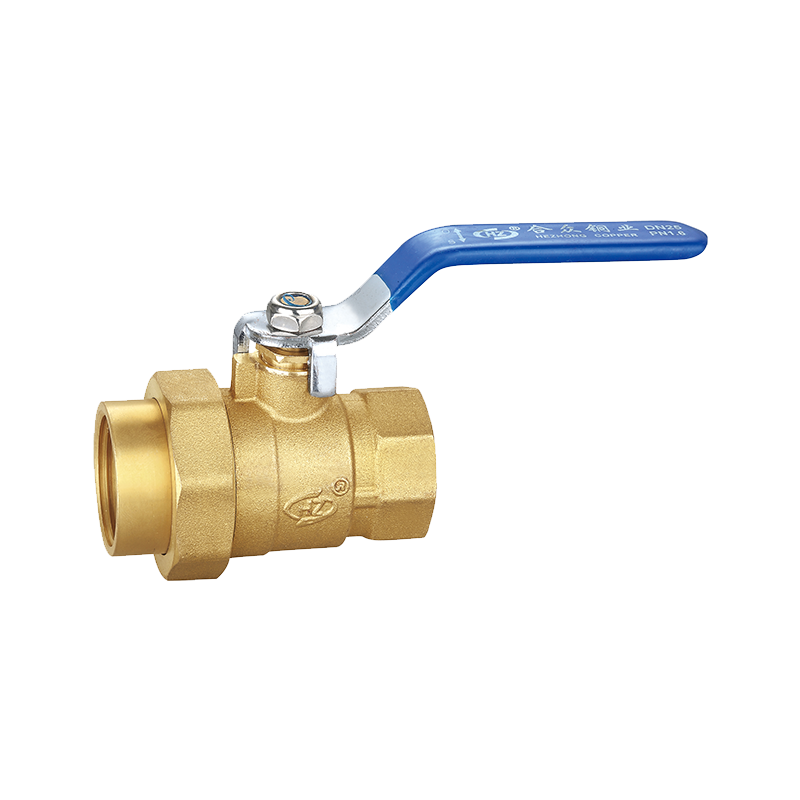 Female Thread Union Brass Ball Valve
This female thread union brass ball valve is made of high-quality brass. It has female thr...
-
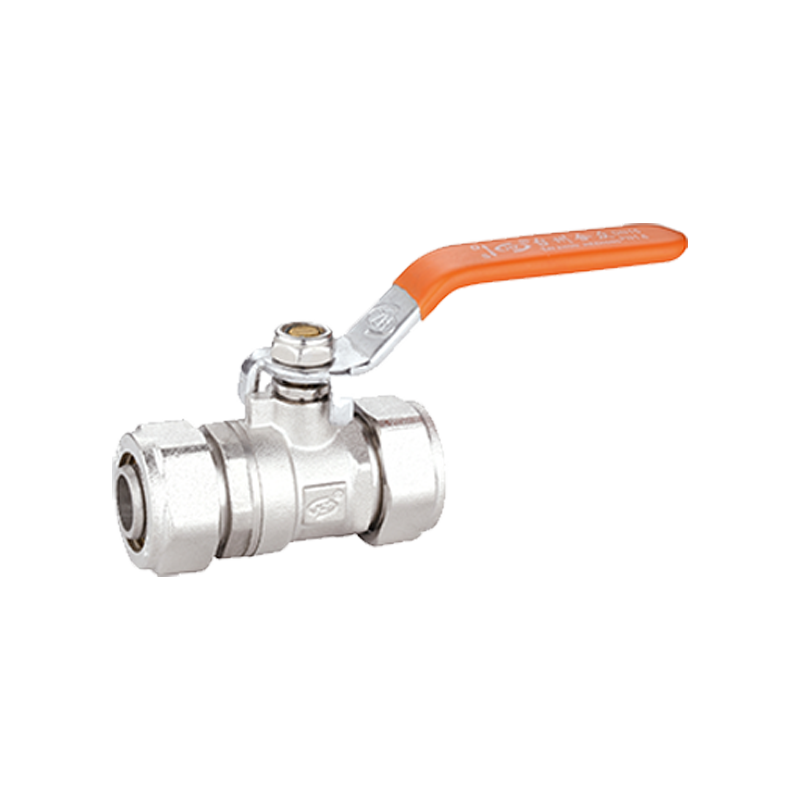 Brass Compression Ball Valve for PEX-AL-PEX Pipe
Brass Compression Ball Valve is forged from high‑quality brass, featuring high‑strength va...
-
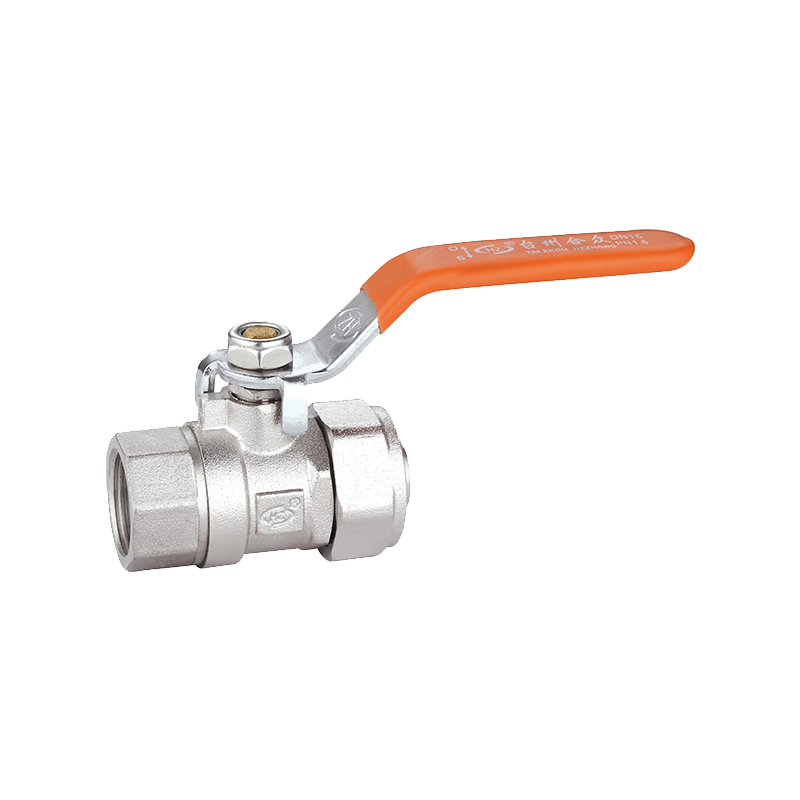 Female-Thread-Brass Compression Ball Valve for PEX-AL-PEX Pipe
This ball valve features a compression connection on one end and a female thread on the ot...
-
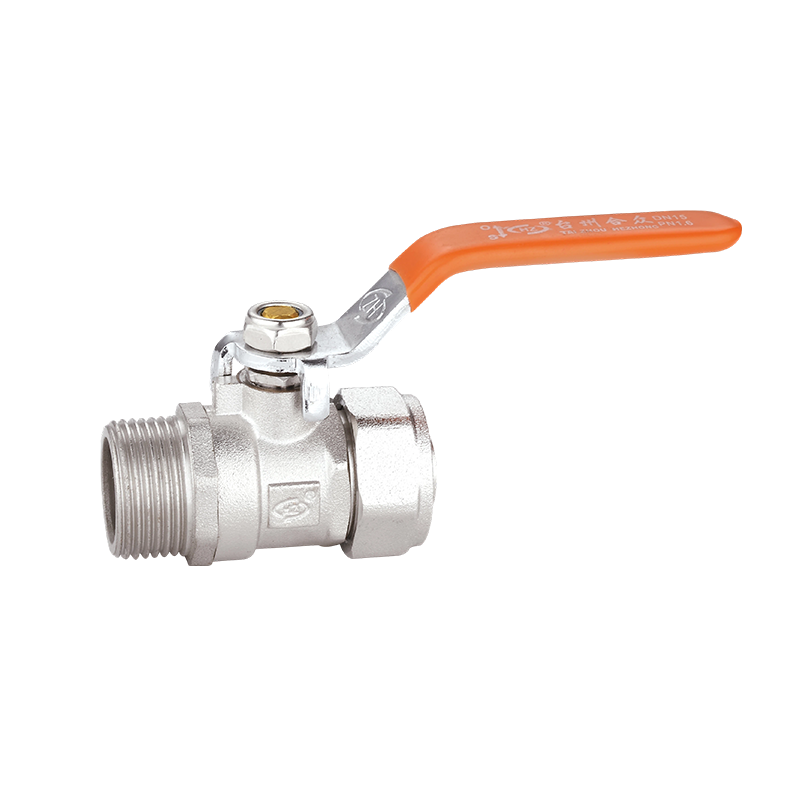 Male-Thread-Brass Compression Ball Valve for PEX-AL-PEX Pipe
This brass compression ball valve is made for PEX-AL-PEX pipe. Connecting different pipe m...
-
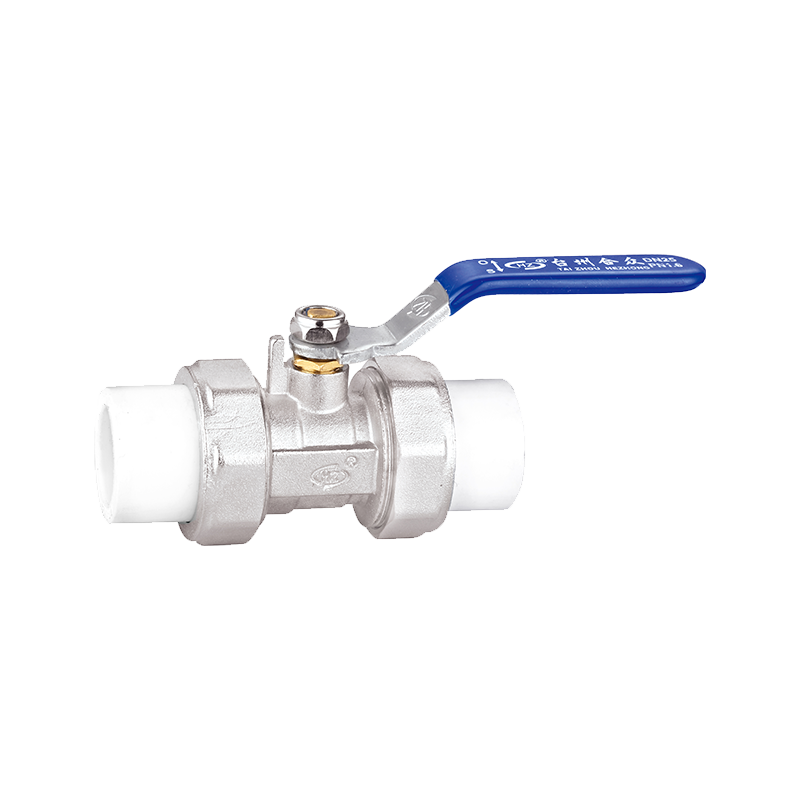 PPR Double Union Ball Valve
This PPR ball valve features a double‑union structure, compatible with hot‑melt connection...
CONTACT DETAILS
- TEL: +86-18158607688
- E-mail: [email protected]
- Address: Zhongshan Industrial Zone, Chumen Town, Yuhuan City, Taizhou, Zhejiang Province, China
