 EN
EN  English
 русский
 中文简体
中文简体
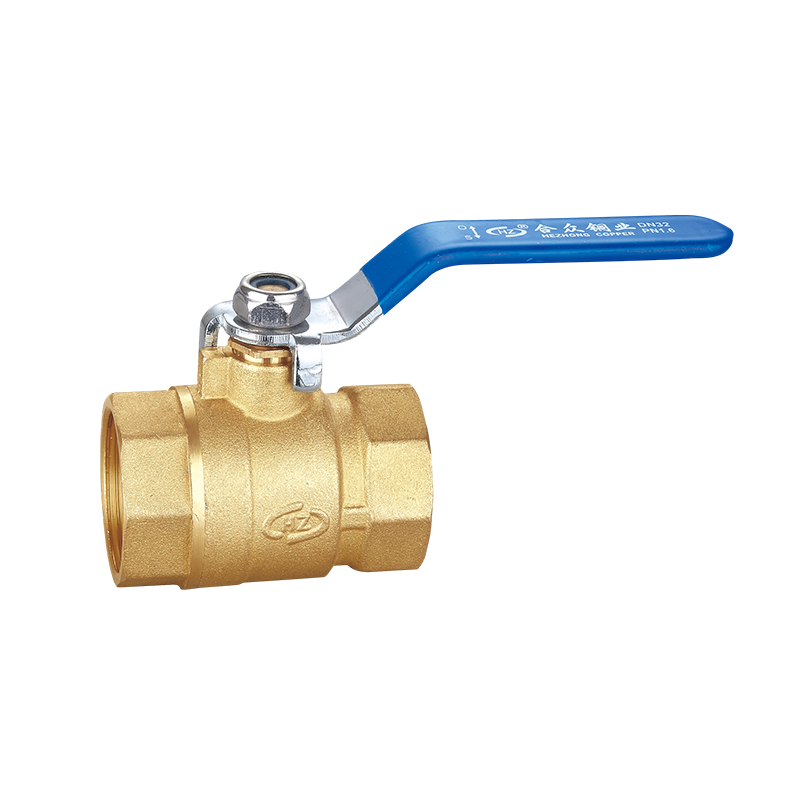
This brass ball valve is built for water lines, HVAC loops, and compressed air systems whe...


Application Industry
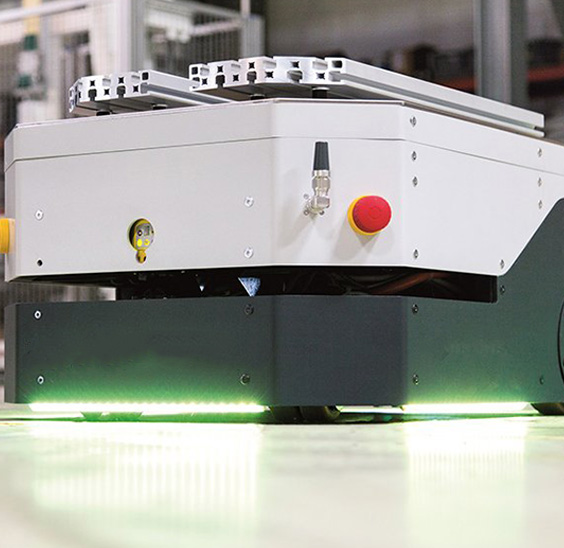
AGV

Automated robots
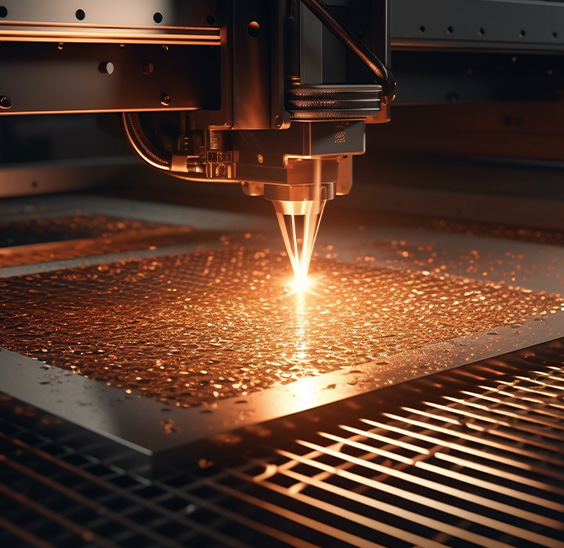
laser cutting

Logistics sorting

Photovoltaic power-station
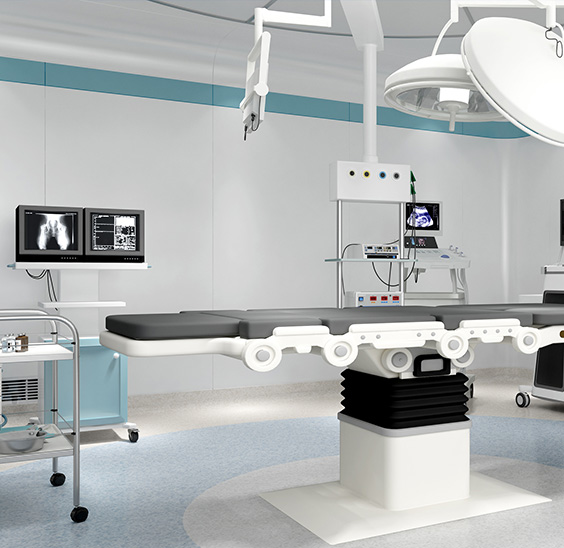
Medical devices
What Is Industrial Brass Ball Valve Used For in Piping Systems
Flow inside piping systems rarely behaves in a simple straight pattern for long periods, since liquid or gas movement often needs interruption, redirection, or full isolation depending on operational demand, and within that kind of environment the Industrial Brass Ball Valve becomes a compact control element that manages switching through a direct internal rotation structure rather than gradual multi-step adjustment.
A hollow ball sits inside the valve body, and once the handle rotates, the internal passage either aligns with the pipeline or shifts away from it, so flow either continues through a straight channel or becomes fully blocked, and the change happens in a single motion that keeps system response steady without extended transition phases.
How Flow Control Behavior Is Defined Inside Piping Networks
Flow control within pipelines depends heavily on how quickly and cleanly internal components can switch between open and closed states without disturbing surrounding pressure balance for longer than necessary, and the Industrial Brass Ball Valve achieves that through a quarter-turn motion that changes internal alignment in a short rotational path.
In practical operation, several behavior patterns appear repeatedly:
- fluid passes through a straight internal channel when alignment is matched with pipeline direction
- flow becomes fully restricted once the internal passage shifts away from alignment
- switching occurs in a single movement without intermediate holding positions
- system response remains consistent across repeated cycles
Because movement does not rely on multiple turns or gradual tightening, flow control becomes easier to predict during both routine operation and sudden shut-off conditions.
Why Industrial Brass Ball Valve Fits Different Flow Environments
Piping systems often carry different media such as water, air, or gas, and each medium behaves differently under pressure, yet the same valve structure can still function across these variations because the internal mechanism focuses on directional control rather than media-specific adjustment.
Typical working environments include:
- water distribution routes in building and plant systems
- gas and air transfer lines within sealed networks
- heating and cooling circulation paths in thermal systems
- general industrial fluid routing in mechanical setups
Across these conditions, the same rotation principle remains active, so operational behavior does not change significantly even when the transported medium varies.
How Internal Ball Structure Shapes Flow Stability
Inside the Industrial Brass Ball Valve, the hollow sphere forms the core flow channel, and when positioned in alignment with the pipeline, a continuous passage appears that allows fluid to move in a straight direction without interruption, reducing internal resistance along the way.
Flow characteristics during open state often include:
- straight passage with limited directional change
- reduced turbulence compared with partially obstructed channels
- steady movement through central cavity
- minimal disturbance to surrounding pipeline pressure
Once rotation begins, the passage gradually loses alignment, and even though transition occurs quickly, the internal space contains most of the disturbance, which prevents wider system disruption.
What Mechanical Design Elements Support Fast Operation
Operational speed in valve systems depends not on complex movement but on how efficiently a simple mechanical action produces a full state change, and in this structure the quarter-turn mechanism allows full opening or closing within a limited angular range.
Mechanical characteristics commonly observed include:
- rotation limited to a short angular movement for full switching
- low torque requirement during handle operation
- direct mechanical linkage between handle and internal ball
- immediate response once rotation begins
Because motion is simplified, control becomes suitable for situations where rapid isolation or reconnection of flow paths is required without extended adjustment.
How Brass Material Influences Long-Term Valve Behavior
Material selection affects stability inside piping systems, and brass provides a combination of structural strength and workable flexibility that supports repeated mechanical movement while maintaining resistance to environmental exposure inside fluid pathways.
Material behavior patterns include:
- resistance to corrosion in moisture and fluid contact conditions
- stable performance under temperature variation cycles
- mechanical strength suitable for repeated switching actions
- surface durability under continuous flow exposure
Over extended operation, brass maintains internal geometry stability, which supports consistent interaction between moving and sealing components without rapid degradation.
How Sealing Structure Affects Leakage Control and System Reliability
Sealing behavior determines how effectively a valve can isolate flow when closed, and inside the Industrial Brass Ball Valve, sealing occurs through contact between the internal ball surface and seat material, forming a tight interface that blocks fluid passage.
Sealing behavior typically involves:
- full contact between ball and seat at closed position
- reduction of small leakage pathways under pressure
- stable sealing force maintained during idle periods
- repeated sealing consistency across multiple cycles
| Valve Position | Internal State | Flow Behavior |
|---|---|---|
| Aligned | Open channel | Continuous flow |
| Partial rotation | Transition zone | Temporary disturbance |
| Fully closed | Sealed contact | Flow isolation |
Sealing performance depends heavily on contact precision, since even small misalignment may influence long-term leakage stability inside the system.
How Brass Ball Valve Factory Manufacturing Process Shapes Consistency
Production conditions strongly influence how each Industrial Brass Ball Valve behaves after installation, and controlled manufacturing within a Brass Ball Valve Factory focuses on maintaining alignment accuracy and surface quality so that repeated units respond in a similar way under identical pipeline conditions.
Key manufacturing focus areas include:
- precision alignment between internal ball and sealing seat
- smooth surface finishing to support stable fluid movement
- controlled assembly ensuring correct rotational fit
- repeated consistency across multiple production cycles
Small variations during production may affect sealing pressure or rotation smoothness, so controlled assembly becomes important for stable performance in real pipeline environments.
How Installation Environment Influences Operational Performance
Valve performance does not depend only on internal structure, since installation conditions also affect how movement and sealing behave during actual operation, especially when pipeline layout or surrounding pressure conditions introduce external influence.
Installation-related factors include:
- position within pipeline flow direction and layout
- pressure variation during opening and closing cycles
- temperature influence on material response over time
- available space affecting handle movement and alignment
When installation alignment remains stable, rotational movement stays smooth, and sealing contact remains consistent across repeated cycles of operation.
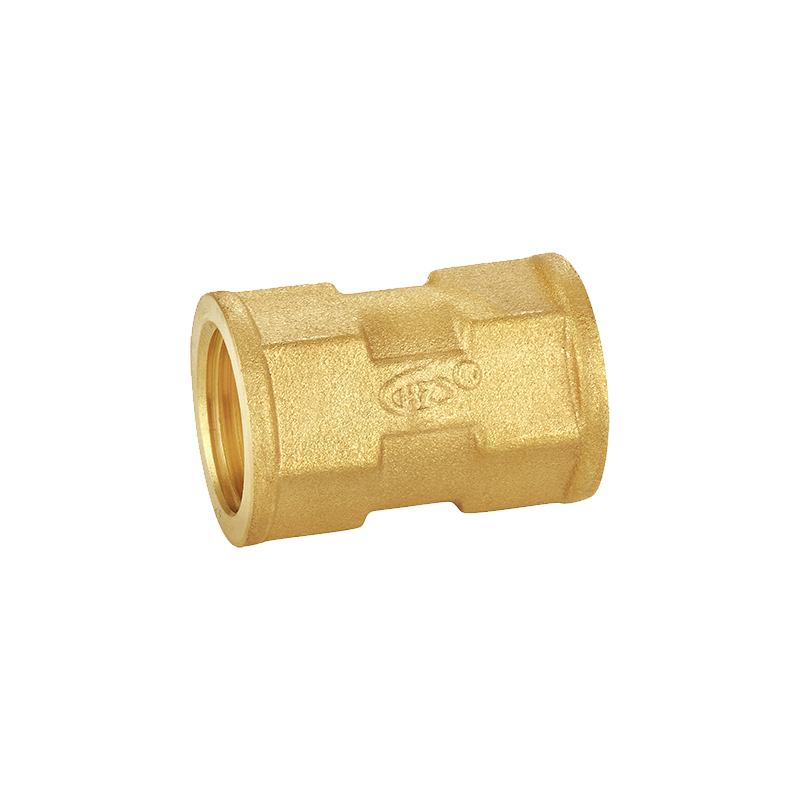
After long periods of service inside piping lines, an Industrial Brass Ball Valve tends to show changes that come more from repetition than from any sudden shift, since every open and close cycle adds a small mechanical trace, and those traces gradually shape how smooth or firm the movement feels while the core switching principle remains unchanged.
Flow systems rarely stop for inspection, so the valve continues working through pressure changes, temperature shifts, and constant fluid contact, and all of these conditions build up slowly around the same simple rotation structure that has been doing the same job since the first cycle.
How Long-Term Operation Affects Flow System Stability
Extended use inside pipelines does not usually alter the basic flow pattern, although internal surfaces adjust slightly under repeated contact, especially in areas where sealing pressure concentrates during closure and reopening.
What often becomes noticeable over time:
- contact surfaces becoming smoother from repeated seating
- handle movement feeling slightly more settled during rotation
- open flow remaining steady with minimal internal change
- closed position still holding separation between pipeline sections
Even with gradual surface adaptation, flow behavior stays familiar because the internal passage is still based on a straight channel when aligned.
How Wear Patterns Develop in Sealing Components
Sealing areas carry the most repeated pressure changes, since every cycle brings the ball surface into contact with the seat, and that repeated touch slowly reshapes how both surfaces sit against each other.
Wear usually develops in stages:
- early use leaves almost no visible change on sealing contact
- repeated cycles create light polishing where surfaces meet
- extended operation spreads contact pressure more evenly
- sealing remains functional as long as alignment stays stable
In many cases, this gradual smoothing does not disrupt function, since brass and seat material tend to settle into a consistent contact pattern instead of breaking down quickly.
How Rotation Mechanism Maintains Functional Consistency
The turning motion inside the valve does not vary in range, and that fixed movement distance helps keep operation predictable even when internal surfaces slowly age through use.
Typical rotational behavior across long cycles:
- same quarter-turn movement repeated every time
- handle response remains direct without extra steps
- internal ball follows identical alignment path
- switching motion stays stable across repeated operation
Because the movement is simple and repetitive, there is little room for irregular mechanical behavior to develop.
How Flow Behavior Remains Stable Across Repeated Cycles
Inside the valve, flow does not pass through changing shapes or adjustable channels, so the internal path stays consistent from the first use to later cycles, as long as alignment between ball and pipeline remains intact.
Flow behavior generally follows the same pattern:
- open state keeps a straight and clear passage
- transition stage creates brief internal disturbance
- closed state fully blocks movement without leakage path
- repeated operation does not change flow direction logic
| Position State | Internal Condition | Flow Result |
|---|---|---|
| Open | aligned channel | continuous movement |
| Moving | partial shift | short turbulence |
| Closed | sealed contact | no passage |
The simplicity of this structure is what allows long-term stability without complex adjustment needs.
How Brass Ball Valve Factory Consistency Influences Service Life
Production quality from a Brass Ball Valve Factory plays a quiet but important role in how valves behave after installation, since even small differences in machining or assembly can affect how sealing surfaces interact over time.
Key manufacturing influences include:
- uniform shaping of internal ball geometry
- steady surface finishing on sealing zones
- consistent alignment during assembly process
- repeatable structure across production batches
When production remains consistent, valves tend to wear in a more even pattern, which helps maintain stable movement and sealing behavior during long-term operation.
How Operating Conditions Shape Gradual Aging
Pipeline environments place constant pressure on internal components, not in sudden forceful ways, but through continuous exposure that slowly influences material and surface behavior.
Common conditions affecting aging:
- repeated pressure changes during switching cycles
- long exposure to flowing liquids or gases
- gradual temperature variation in system environment
- vibration transferred through connected pipe sections
These factors do not interrupt function directly, yet they influence how sealing surfaces settle and how rotation feels after many cycles of use.
How Functional Balance Is Preserved Over Time
Even after long operation periods, the Industrial Brass Ball Valve keeps its basic working balance because its design does not depend on complex internal adjustment, only on controlled rotation and stable contact between ball and seat.
Long-term balance shows through:
- continued ability to fully isolate flow when closed
- steady straight passage when fully open
- repeatable switching without structural change
- stable internal contact behavior within normal range
The valve continues performing its role because simplicity in structure limits the number of points where failure or distortion can develop.
Inside working pipelines, the Industrial Brass Ball Valve functions as a fixed switching point that keeps flow either moving or fully separated, depending on position, and over time its behavior becomes familiar through repetition rather than change.
Small surface adjustments and gradual wear are part of long use, yet they do not redefine the operation itself, since the internal structure remains centered on a single rotating movement that consistently controls flow direction.
In continuous systems, stability often depends less on complexity and more on repetition that behaves the same way every time, and that is where this type of valve maintains its role across long service cycles.
Related products
-
-
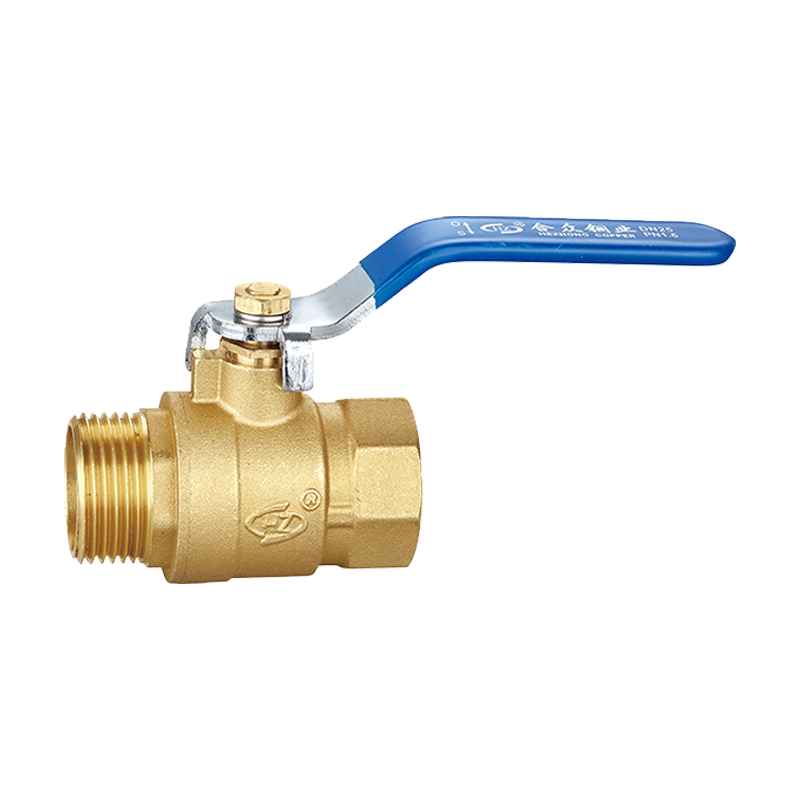 Male Thread Brass Ball Valve for Water & HVAC Systems
This male thread brass ball valve is made of national standard forged brass with RP male t...
-
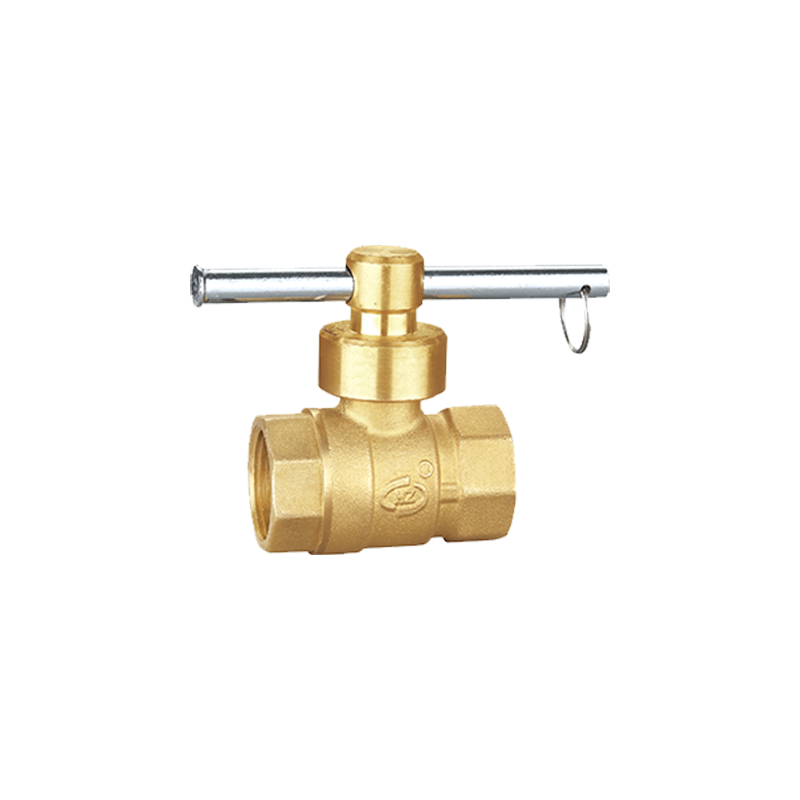 One‑Word Magnetic Lock-Off Ball Valve
This is One‑Word Magnetic Lock‑Off Ball Valve of the Water Utilities Series. It is integr...
-
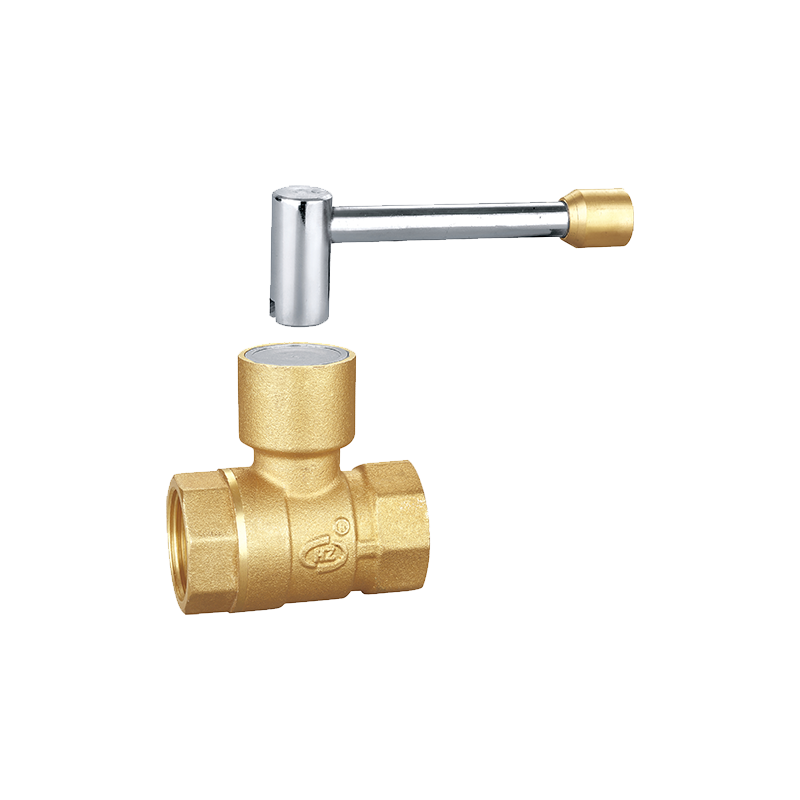 Brass Magnetic Lock-Off Ball
This brass magnetic lock‑off ball valve has a high‑quality forged brass valve body with st...
-
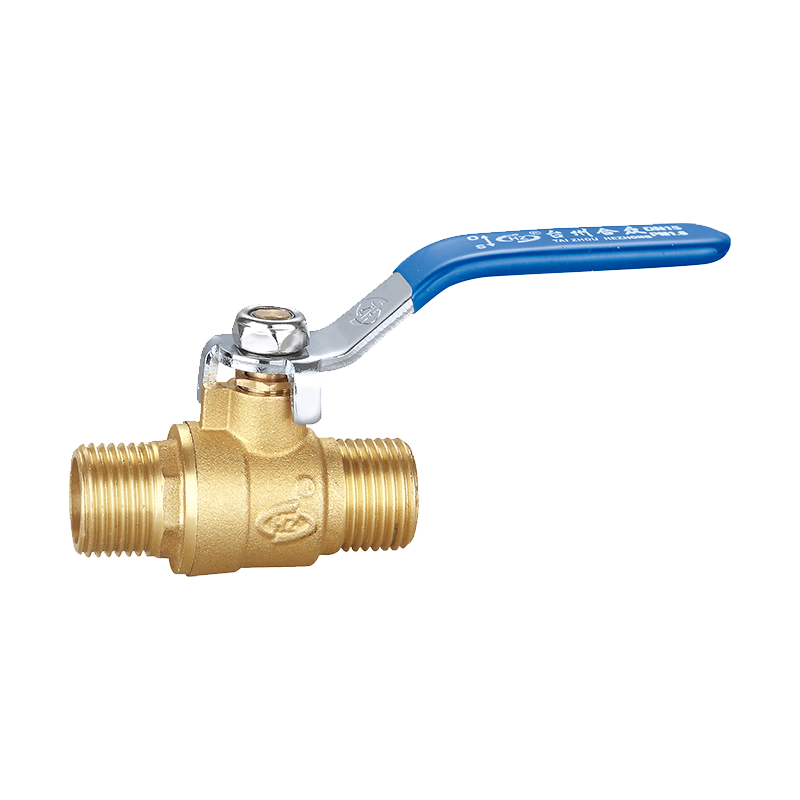 Double Male Brass Ball Valve for Water & HVAC Systems
Double male brass ball valve features male threads on both ends for direct in-line connect...
-
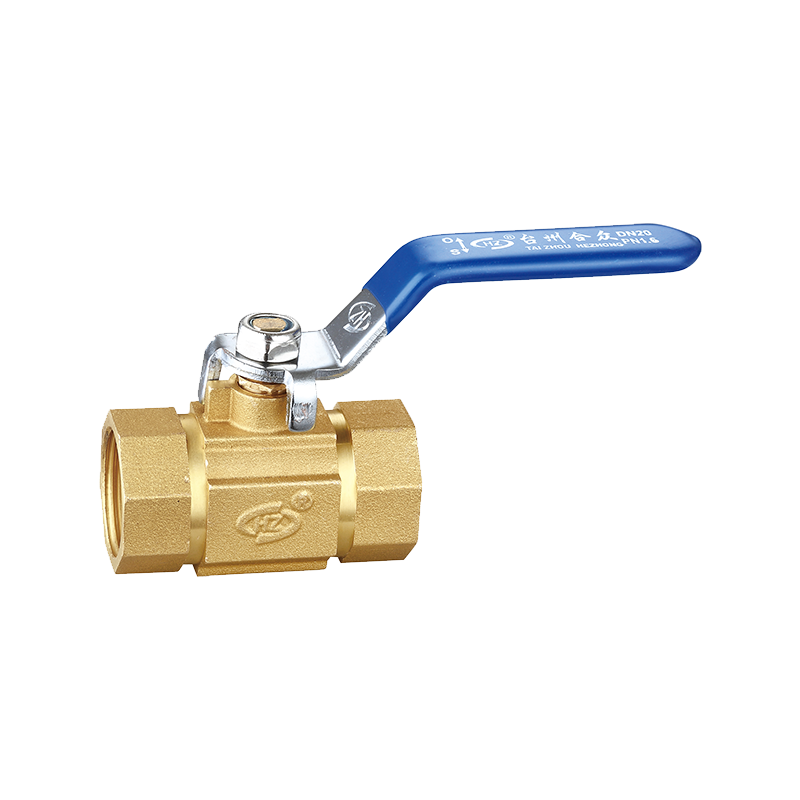 Square Body Ball Valve
This square body ball valve is integrally forged from high‑quality brass. Its square‑shape...
-
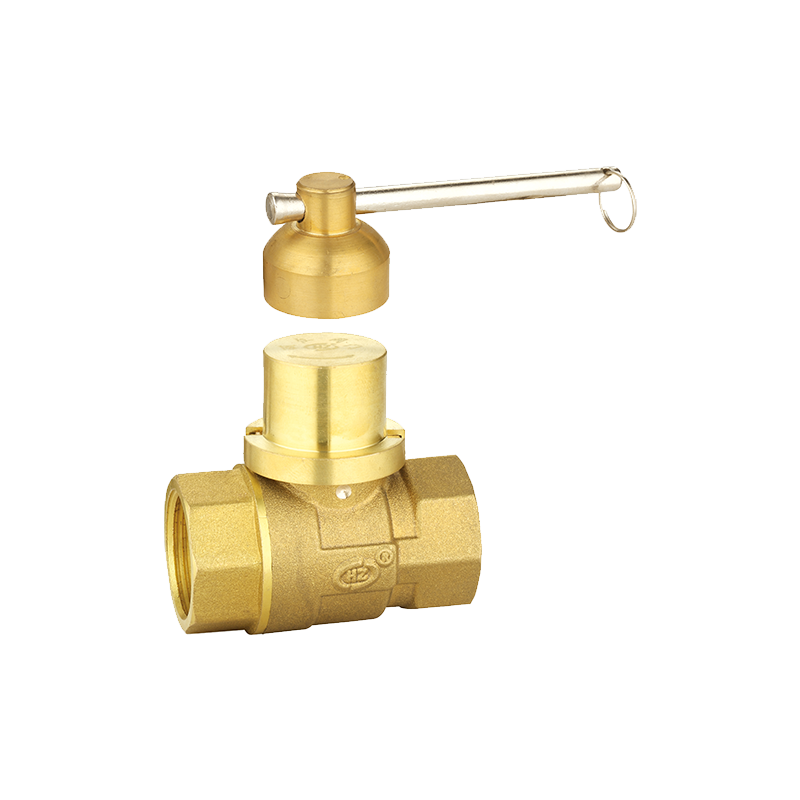 Magnetic Ball Valve for Front of Water Meter
Forged metal tee fitting with M30 loose nut for gas meter inlet connection, double 1/2" ma...
-
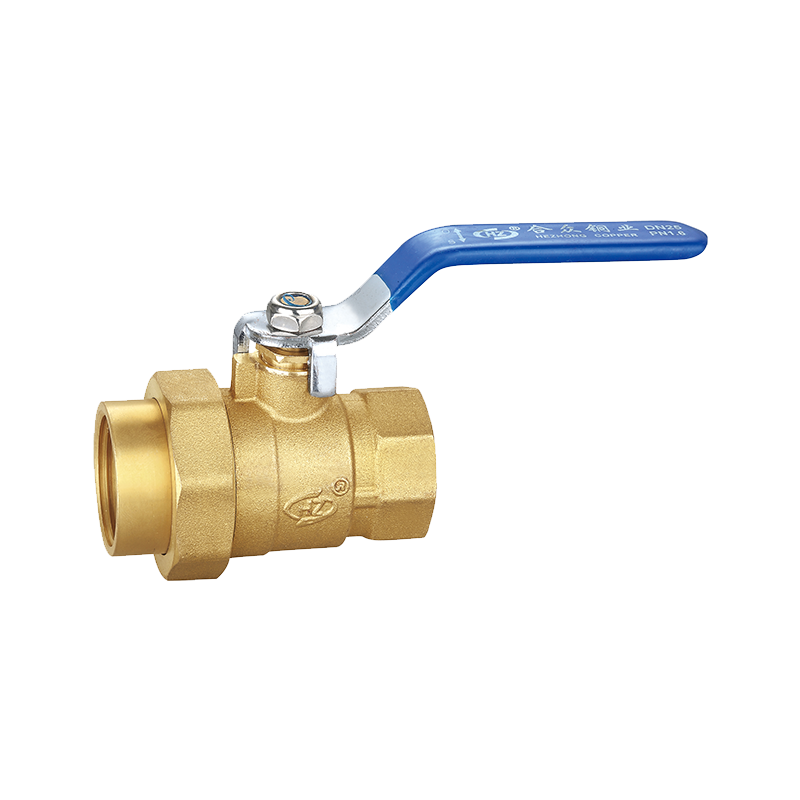 Female Thread Union Brass Ball Valve
This female thread union brass ball valve is made of high-quality brass. It has female thr...
-
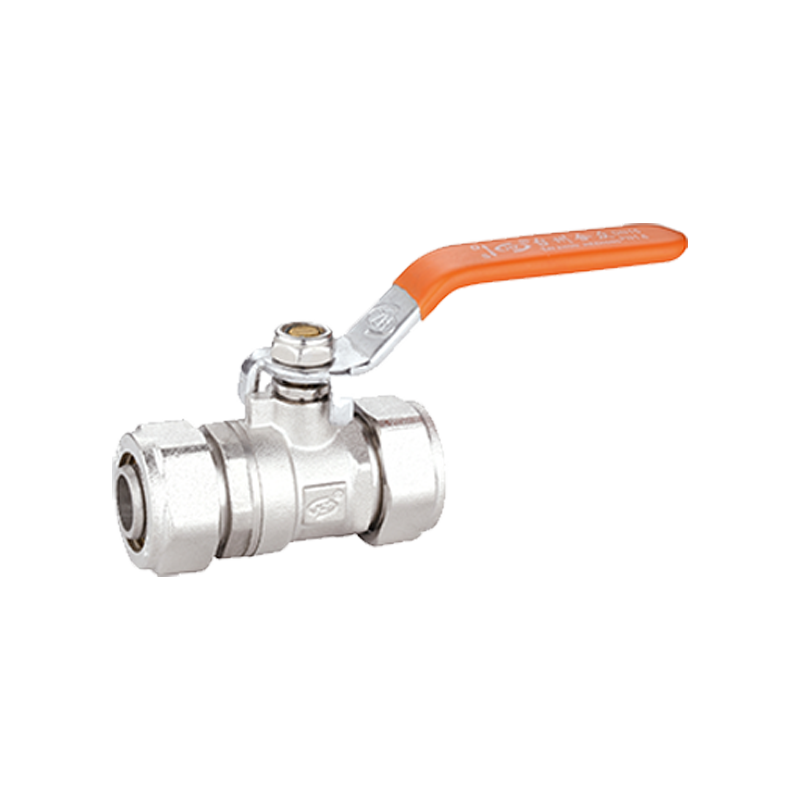 Brass Compression Ball Valve for PEX-AL-PEX Pipe
Brass Compression Ball Valve is forged from high‑quality brass, featuring high‑strength va...
-
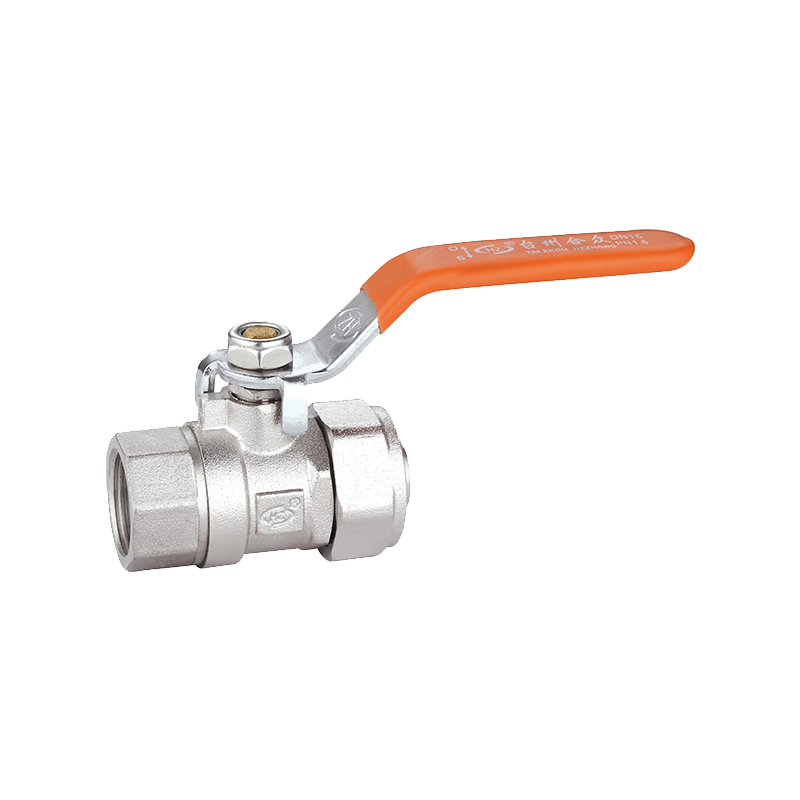 Female-Thread-Brass Compression Ball Valve for PEX-AL-PEX Pipe
This ball valve features a compression connection on one end and a female thread on the ot...
-
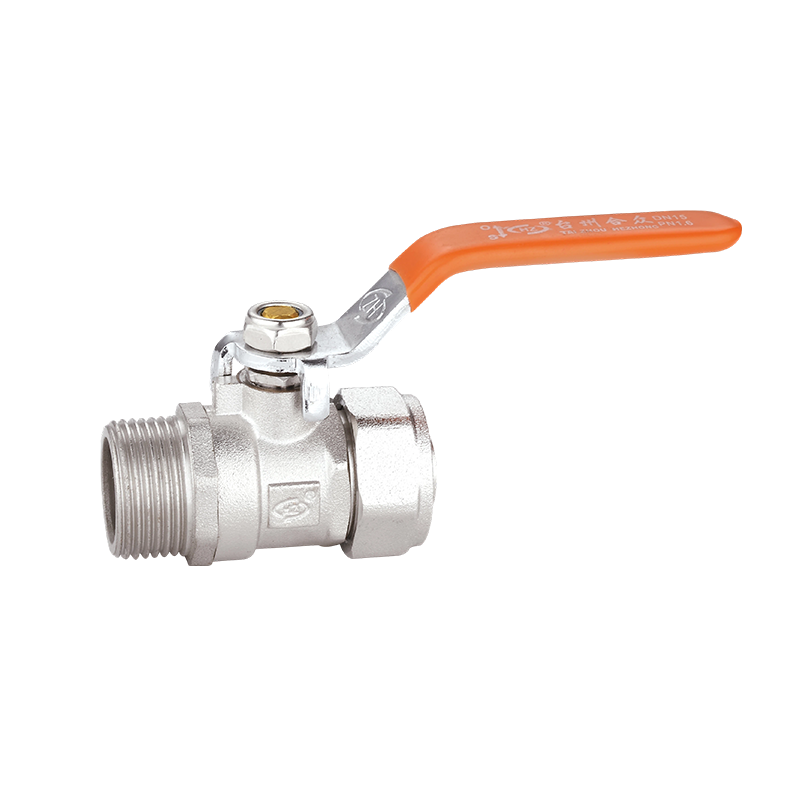 Male-Thread-Brass Compression Ball Valve for PEX-AL-PEX Pipe
This brass compression ball valve is made for PEX-AL-PEX pipe. Connecting different pipe m...
-
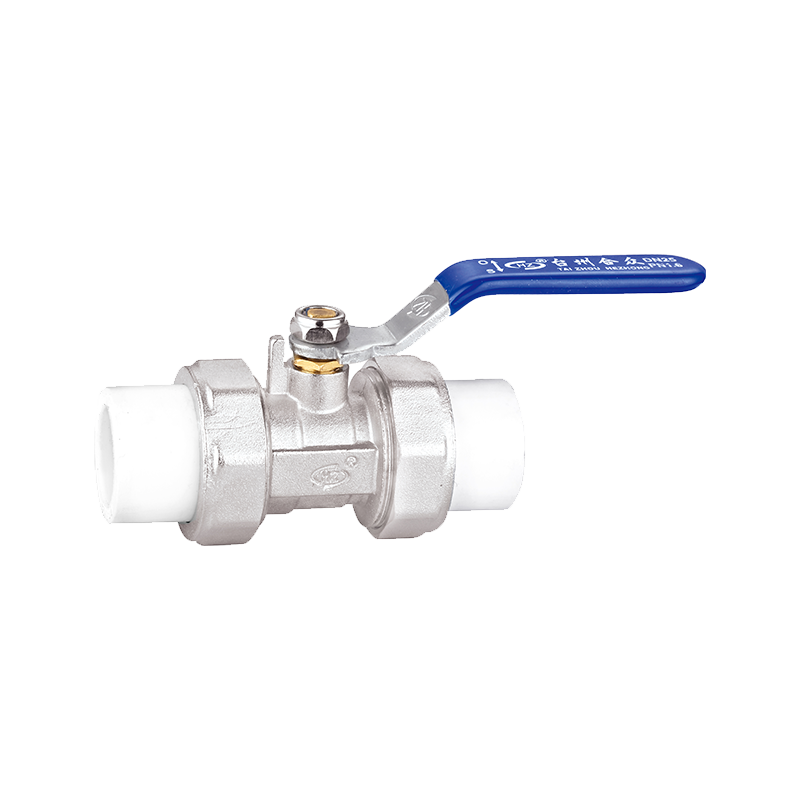 PPR Double Union Ball Valve
This PPR ball valve features a double‑union structure, compatible with hot‑melt connection...
CONTACT DETAILS
- TEL: +86-18158607688
- E-mail: [email protected]
- Address: Zhongshan Industrial Zone, Chumen Town, Yuhuan City, Taizhou, Zhejiang Province, China
