 EN
EN  English
 русский
 中文简体
中文简体
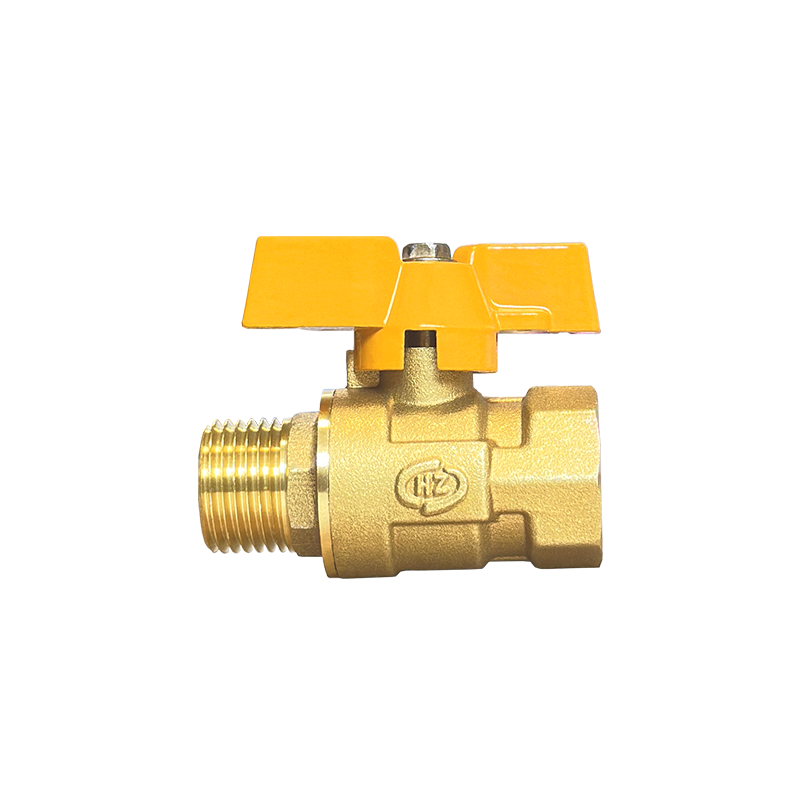
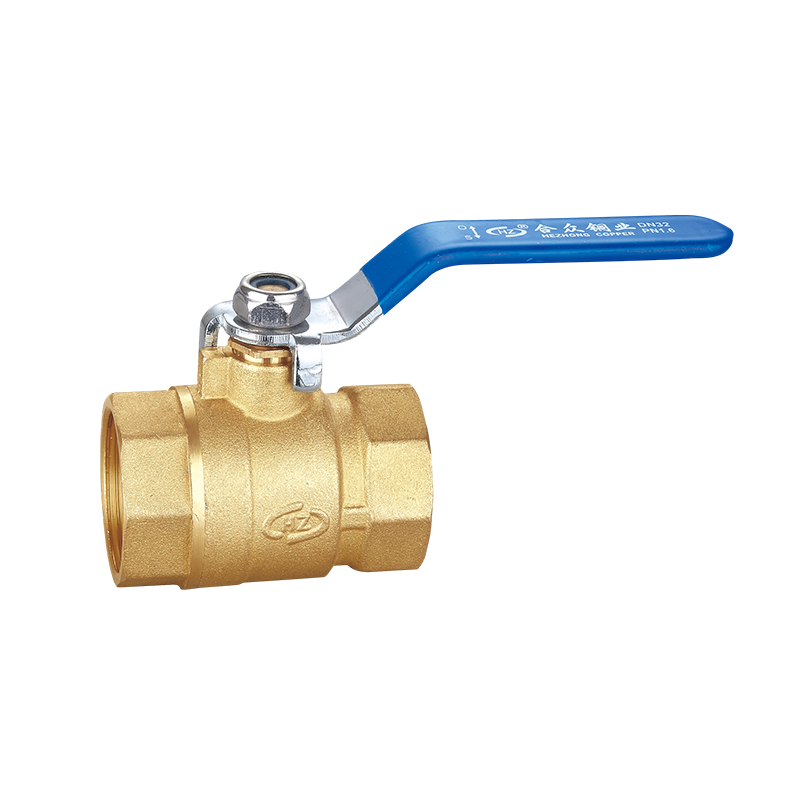
This brass ball valve is built for water lines, HVAC loops, and compressed air systems whe...


Application Industry
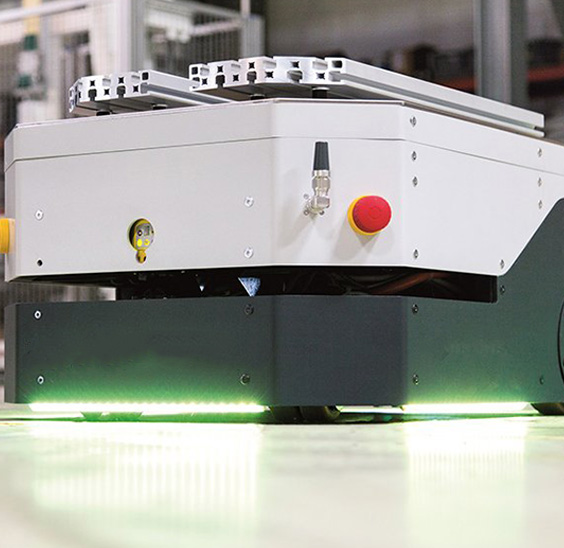
AGV

Automated robots
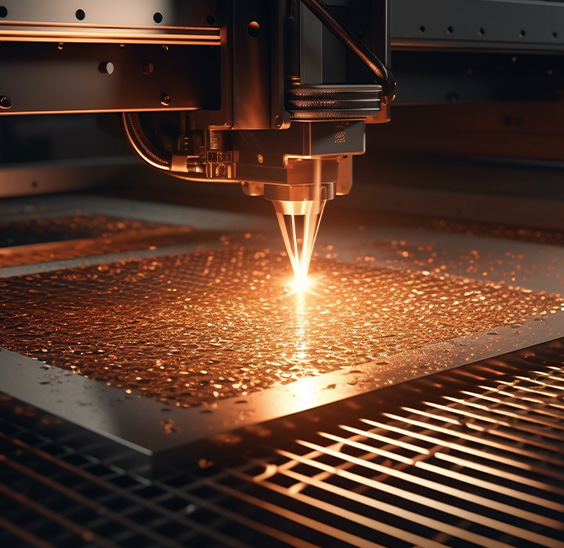
laser cutting

Logistics sorting

Photovoltaic power-station
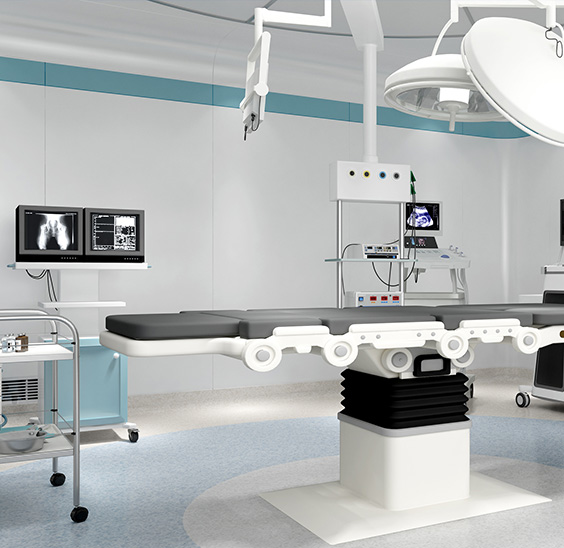
Medical devices
How to Choose Full Bore Brass Ball Valve for Industrial Use
In many pipeline setups used in industrial environments, flow conditions rarely stay completely steady. Movement inside the pipe can shift depending on pressure changes, operating rhythm, or even how frequently equipment is switched on and off during daily use. In such situations, the internal structure of the valve becomes more noticeable than the external shape.
Full Bore Brass Ball Valve is often placed in sections where flow needs to pass without frequent internal narrowing. When fluid enters a full bore structure, the passage inside feels closer to the pipeline itself, so the movement does not need to compress or redirect sharply inside the valve body. From a practical point of view, this tends to reduce sudden resistance points that usually appear when flow is forced through narrower internal paths.
In many working environments, especially where pipelines are connected in long sequences, operators tend to notice that smoother internal passage makes system behavior feel less interrupted during repeated switching cycles. The valve does not change the nature of the system, but it influences how fluid transitions from one section to another over time.
What Happens Inside a Full Bore Brass Ball Valve During Operation
Inside the valve body, the controlling element is a rotating ball that shifts position to open or close the internal passage. When the opening aligns with the pipeline, fluid passes through in a relatively direct line without strong internal restriction. When rotated, sealing surfaces gradually block the channel, stopping movement.
What is often overlooked is how internal contact behaves during repeated cycles. The ball does not simply rotate in empty space; it moves against sealing interfaces and housing surfaces that guide its position. Over time, small variations in contact feel may appear, especially in systems that operate frequently during daily production cycles.
Brass structure supports this movement in a relatively stable way, allowing internal components to maintain consistent interaction even after repeated use. In field conditions, this stability is usually noticed more in long operation periods rather than in short testing phases.
A simple internal comparison helps describe how different parts interact during use:
| Internal Part | What Happens During Operation | Practical Effect in Flow |
|---|---|---|
| Ball channel position | Shifts between open and closed alignment | Controls whether passage stays continuous |
| Brass housing surface | Supports rotation and contact movement | Affects smoothness over repeated cycles |
| Sealing contact zone | Engages during closure stages | Influences how tightly flow is blocked |
| Connection ends | Interface with pipeline sections | Affects alignment during installation |
In real systems, these elements do not act separately. They influence each other quietly during every switching cycle, and the combined behavior becomes more visible only after extended use.
How Flow Behavior Changes Inside Full Bore Structure
When fluid enters a full bore valve, it continues moving through a passage that does not narrow sharply inside the body. Instead of being forced through a reduced space, flow maintains a path closer to pipeline diameter, which changes how pressure feels inside the system.
In real operation, flow rarely remains steady for long periods. Pump activity, directional changes, and system adjustments all create small fluctuations. Inside a full bore structure, these variations tend to pass through more smoothly, without forming strong internal disturbance points.
From a field observation point of view, this does not eliminate variation, but it changes how variation travels through the valve section. The movement feels less interrupted, especially when multiple valves are placed along the same line.
Why Brass Material Is Used in Valve Construction
Brass is often selected for valve bodies because its internal structure behaves in a relatively stable way under continuous exposure to moving fluids. It does not shift abruptly when conditions change within normal industrial ranges, which helps maintain steady internal contact over time.
In daily use environments, valves may be exposed to long operation cycles where opening and closing occur repeatedly. Brass tends to respond in a gradual manner during these cycles, rather than showing sudden surface changes. This makes internal movement feel more predictable across extended operation periods.
Another point often noticed in field conditions is how brass interacts with sealing components. The contact remains relatively balanced during repeated closure cycles, which helps maintain consistent switching behavior without requiring frequent adjustment.
How Brass Ball Valve Factory Affects Structural Consistency
Inside a Brass Ball Valve Factory environment, production is not only about shaping metal into a final form, but also about controlling how internal components align with each other before the valve enters real use conditions.
During body formation, brass material is shaped into a cavity that will later guide the movement of the internal ball. Small differences at this stage can influence how smoothly the ball rotates later during operation. After forming, internal surfaces are prepared so that movement inside the cavity does not feel uneven or restricted.
Assembly stage becomes even more sensitive, since ball position, sealing interface, and housing alignment all need to match within a narrow working range. If alignment shifts even slightly, it may affect how rotation feels after installation.
Common production elements that influence final behavior include:
- consistency of body shaping during forming stage
- alignment of internal ball with housing cavity
- surface treatment inside contact areas
- sealing placement and compression balance
- final rotation check before system release
Each stage contributes to how the valve behaves once it is installed into an operating pipeline system, especially in environments where switching occurs frequently.
How Installation Environment Influences Real Performance
After installation, valve behavior is influenced not only by its internal structure but also by how it fits into the surrounding pipeline system. Alignment between connection points plays a role in how smoothly internal flow enters and exits the valve body.
If pipeline alignment is slightly off, internal stress can appear at connection zones, and over time this may influence how rotation feels during operation cycles. When alignment is stable, flow tends to pass through the valve section without noticeable interruption.
External conditions such as vibration from surrounding equipment or gradual temperature changes in the environment may also influence sealing behavior over long periods, especially in systems that operate continuously.
Why Flow Stability Is Considered in Industrial Selection
In many industrial pipeline systems, flow stability is often more important than how fast movement occurs. When flow becomes uneven, pressure differences can develop across connected sections, which may affect how downstream equipment behaves.
Full Bore Brass Ball Valve is often used in situations where maintaining steady passage is preferred. Instead of forcing fluid through restricted internal paths, the structure allows movement to continue through a wider opening, which reduces sudden internal resistance points.
Over time, systems that maintain more consistent flow behavior tend to show fewer interruptions during repeated operation cycles.
How Long-Term Operation Gradually Changes the Valve Feel
When Full Bore Brass Ball Valve stays in service for a long period, changes inside the valve do not show up in a clear or sudden way. It is more like a slow shift that comes from repeated turning of the handle and constant flow passing through the same internal path over and over again.
At the beginning, the rotation usually feels direct and clean, moving between open and closed positions without much variation. After many cycles, especially in systems that run every day without long stops, a slight difference can be felt in how the ball turns inside the body. It is not something that breaks function, more like the movement becoming familiar, almost adjusted to itself.
In real working sites, this kind of change is often noticed only when someone compares the present feel with how it was in earlier use. Otherwise, it blends into normal operation.
How Flow Behavior Feels in Continuous Use
Inside pipelines, flow rarely behaves in a completely stable way. Even when the system is designed for steady delivery, small changes in pressure and direction still appear during normal operation. Full bore structure allows that movement to pass without forcing it into a narrow space.
What operators often observe is that flow passing through the valve does not feel interrupted. Instead, it continues in a way that follows the pipeline more naturally. In longer systems where several valves are installed, movement between sections feels less broken at the valve points.
Over time, workers become used to the way fluid behaves through the valve, especially during switching cycles. The flow pattern becomes part of the system's daily rhythm rather than something that needs attention every time.
How Internal Contact Changes Slowly Over Time
Inside Brass Ball Valve, the real change happens at contact points that are not visible during normal operation. The ball surface and sealing areas are always in repeated interaction whenever the valve is turned.
Brass does not change suddenly under normal working conditions. Instead, the surface interaction slowly adjusts through repeated movement. This adjustment is not uniform everywhere inside the valve. Some contact areas feel smoother earlier, while others stay unchanged for longer periods depending on how pressure is applied.
In field observation, a few patterns often appear:
- turning motion becomes slightly more consistent after long use
- sealing contact feels less "sharp" compared to early operation
- internal movement follows a more predictable path
- resistance during switching becomes familiar rather than new
Nothing here happens in a dramatic way. It is gradual, almost unnoticed during daily work.
How Working Conditions Influence Real Behavior
Industrial environments never stay completely stable. Machines nearby create vibration, temperature changes happen through the day, and flow demand shifts depending on operation needs. All these factors reach the valve in some form.
When conditions stay steady, the valve tends to behave in a more predictable way. When conditions change more often, small differences in how the valve responds can be felt, especially during repeated switching.
Vibration from connected equipment can slowly transfer through pipe connections. It does not cause immediate change, but over long periods it becomes part of the background influence on how internal parts interact.
Temperature changes also affect how materials expand and settle, which may slightly influence sealing feel during operation, though usually not in a way that interrupts function.
How Factory Assembly Shows Its Effect Later in Use
Inside Brass Ball Valve Factory production, assembly is where many small details are set in place. The alignment between ball, housing, and sealing parts decides how smooth the valve will feel once it is installed in a real pipeline.
If the internal alignment is consistent during production, the valve usually keeps a steady rotation feel even after many cycles in the field. If there are small variations, they may not be visible at the beginning, but they can slowly show up after long use.
In practice, what comes from production is not only the valve itself, but also how stable its movement feels after repeated operation in real systems.
How Maintenance Changes Short-Term Behavior
Maintenance work on pipelines often involves cleaning, adjustment, or temporary disassembly. When Full Bore Brass Ball Valve is involved, the internal surfaces may feel slightly different right after maintenance is completed.
At first, rotation might feel a bit lighter or slightly different in resistance. After some operation cycles, the valve usually returns to a more familiar feel as surfaces settle again under flow and movement.
In many working environments, this cycle repeats naturally:
- change in feel after maintenance
- short adjustment period during use
- return to stable operating rhythm
It is not seen as a problem, more like part of normal system behavior.
How Full Bore Design Keeps Its Role Over Time
Even after long service, the full bore structure continues to influence how fluid moves through the valve. The internal passage remains relatively open compared with restricted designs, so flow does not face strong narrowing inside the body.
This becomes more noticeable in systems where flow changes often during daily operation. Instead of creating interruption points, the valve allows movement to pass through in a smoother way.
Over time, operators tend to rely on this behavior without thinking about it. It becomes part of how the system is expected to behave during normal operation cycles.
Looking at Full Bore Brass Ball Valve in long-term industrial use, performance is not defined by a single moment of operation. It is shaped slowly through repeated movement, changing conditions, and constant interaction between internal parts.
Brass structure, internal ball movement, factory assembly, and real working environment all contribute quietly to how the valve feels after long use. What remains is not a fixed behavior, but a working pattern that settles gradually inside the system.
Related products
-
-
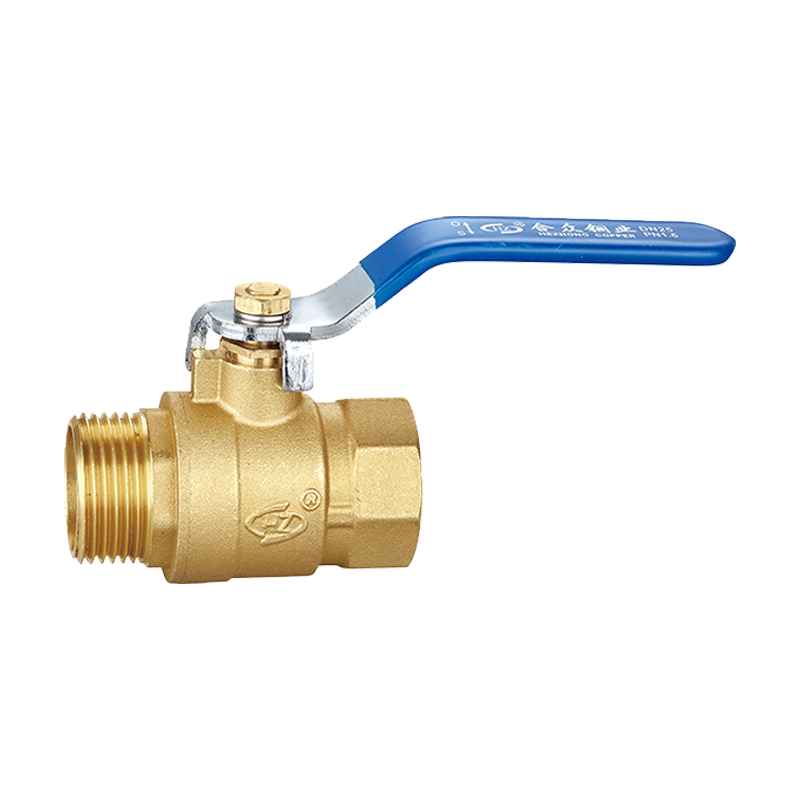 Male Thread Brass Ball Valve for Water & HVAC Systems
This male thread brass ball valve is made of national standard forged brass with RP male t...
-
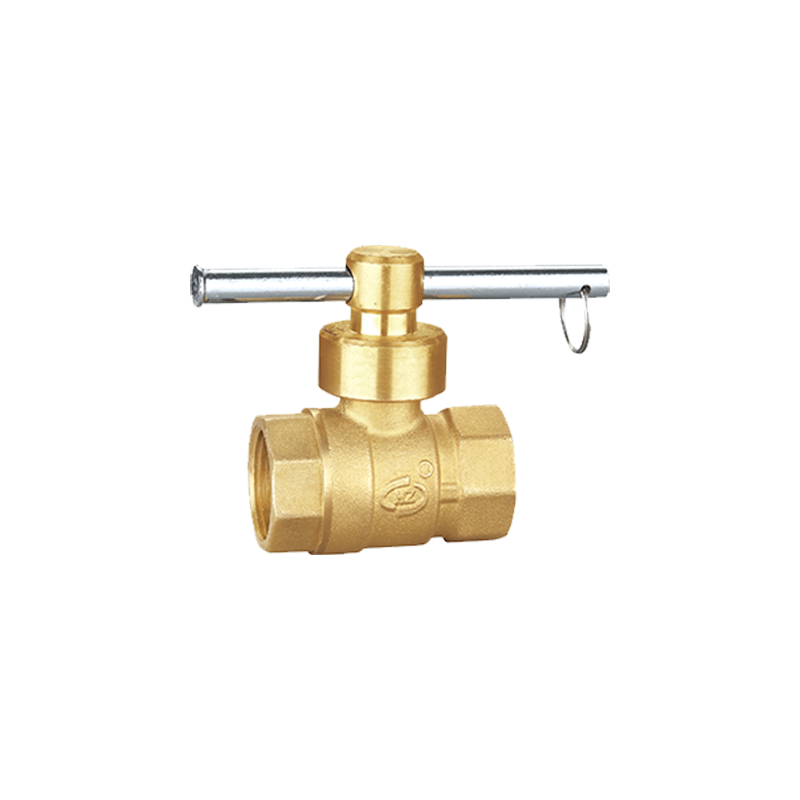 One‑Word Magnetic Lock-Off Ball Valve
This is One‑Word Magnetic Lock‑Off Ball Valve of the Water Utilities Series. It is integr...
-
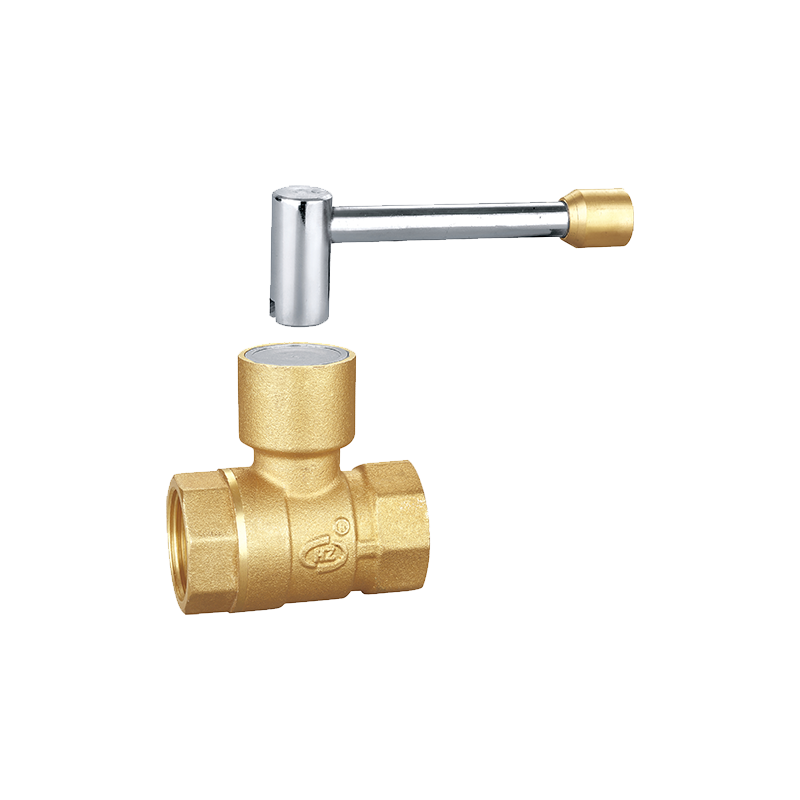 Brass Magnetic Lock-Off Ball
This brass magnetic lock‑off ball valve has a high‑quality forged brass valve body with st...
-
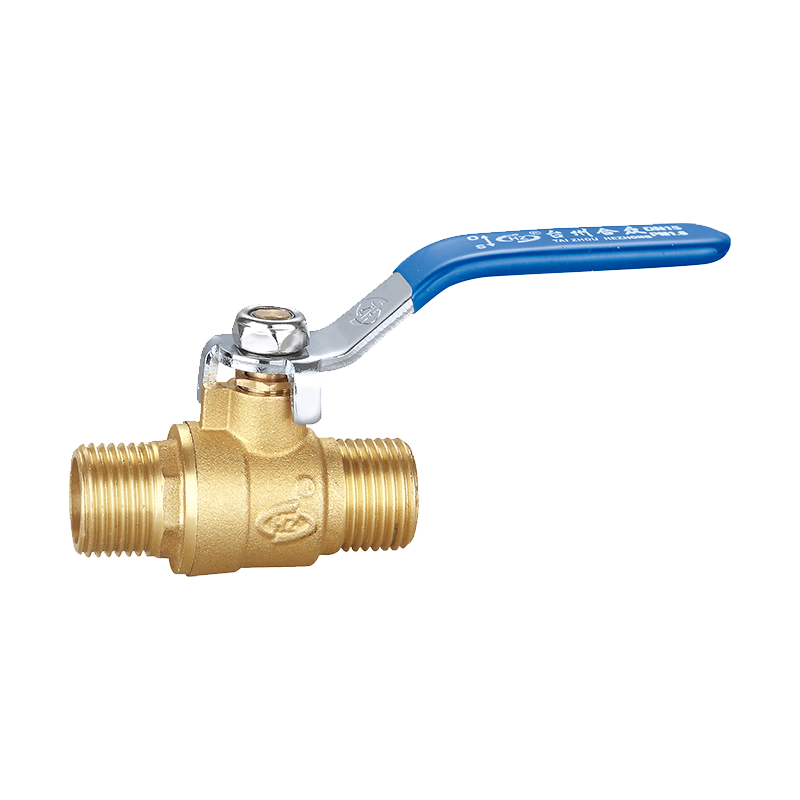 Double Male Brass Ball Valve for Water & HVAC Systems
Double male brass ball valve features male threads on both ends for direct in-line connect...
-
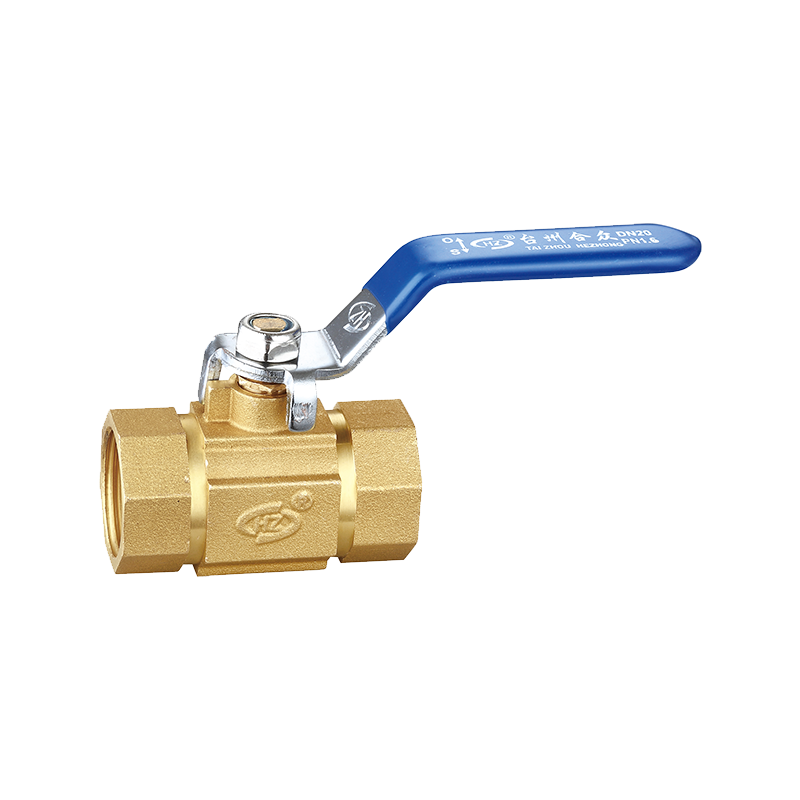 Square Body Ball Valve
This square body ball valve is integrally forged from high‑quality brass. Its square‑shape...
-
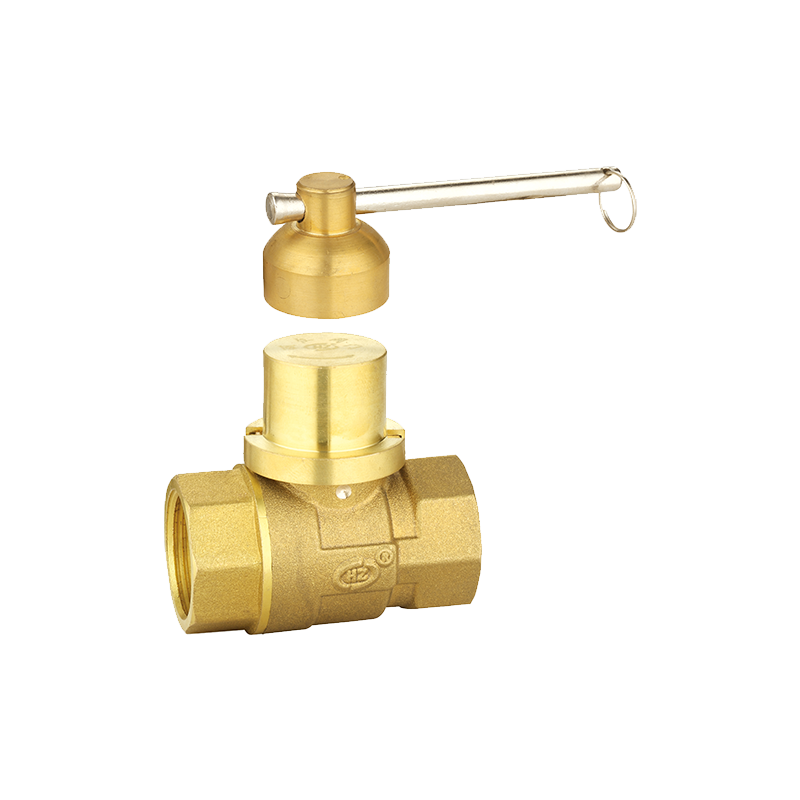 Magnetic Ball Valve for Front of Water Meter
Forged metal tee fitting with M30 loose nut for gas meter inlet connection, double 1/2" ma...
-
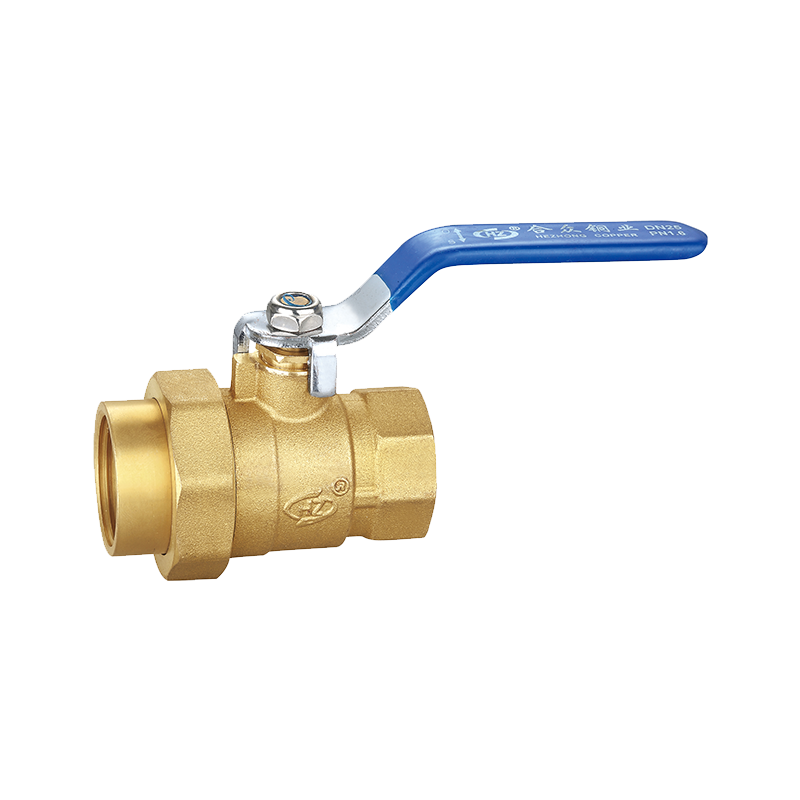 Female Thread Union Brass Ball Valve
This female thread union brass ball valve is made of high-quality brass. It has female thr...
-
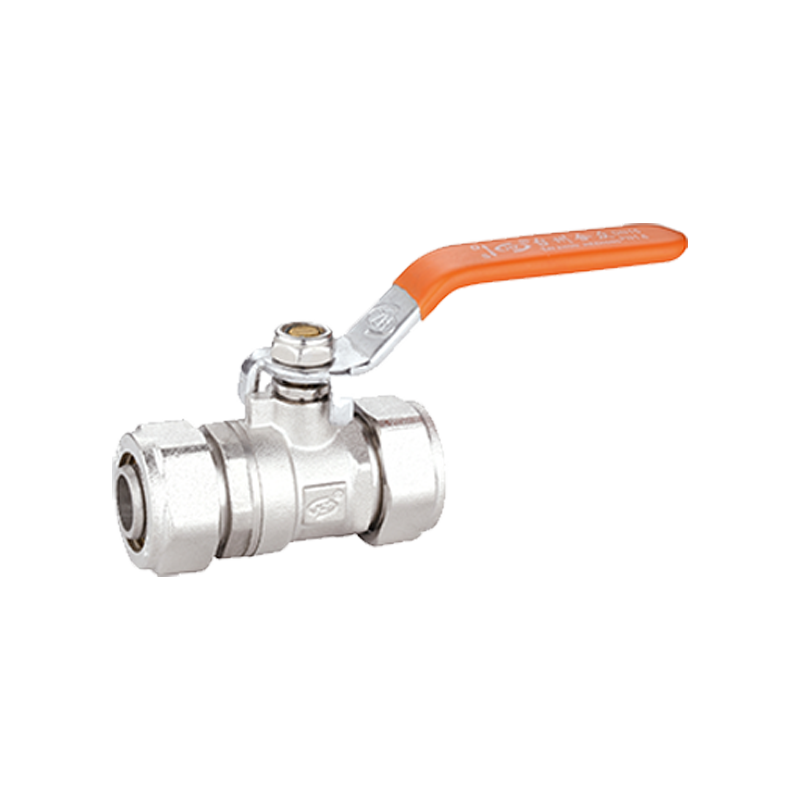 Brass Compression Ball Valve for PEX-AL-PEX Pipe
Brass Compression Ball Valve is forged from high‑quality brass, featuring high‑strength va...
-
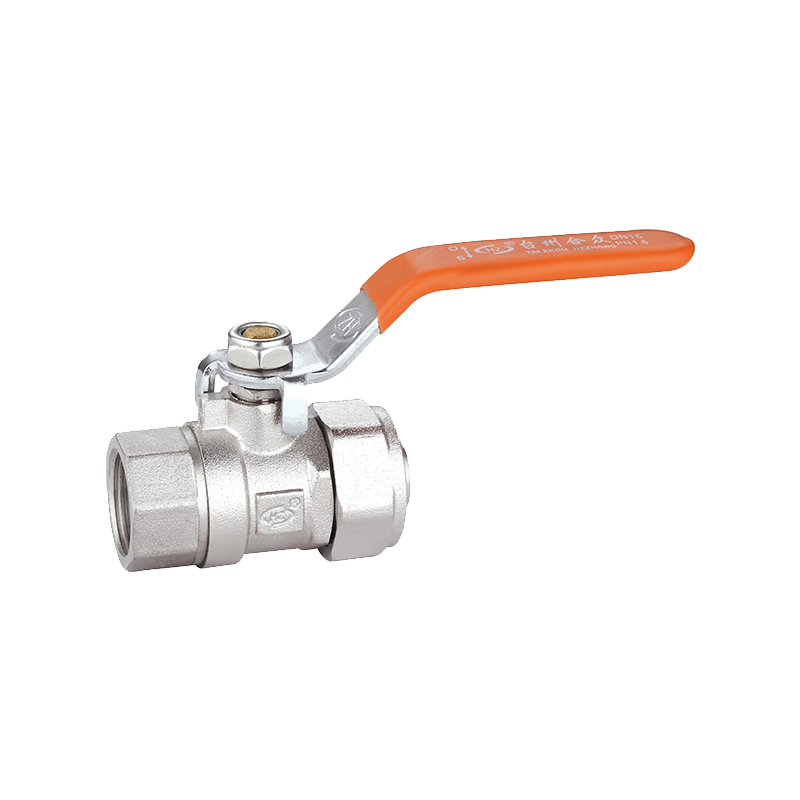 Female-Thread-Brass Compression Ball Valve for PEX-AL-PEX Pipe
This ball valve features a compression connection on one end and a female thread on the ot...
-
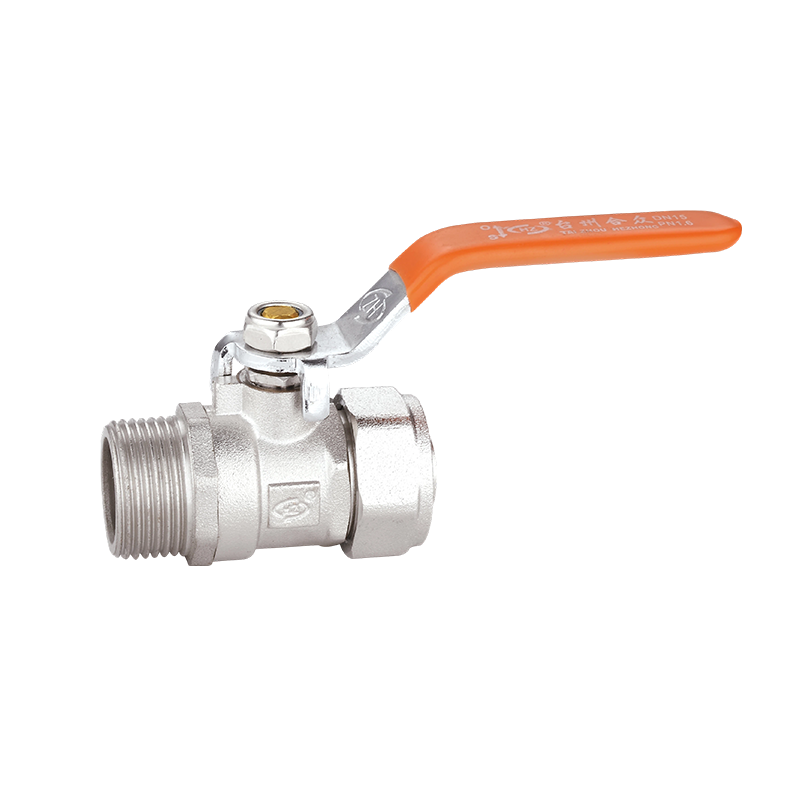 Male-Thread-Brass Compression Ball Valve for PEX-AL-PEX Pipe
This brass compression ball valve is made for PEX-AL-PEX pipe. Connecting different pipe m...
-
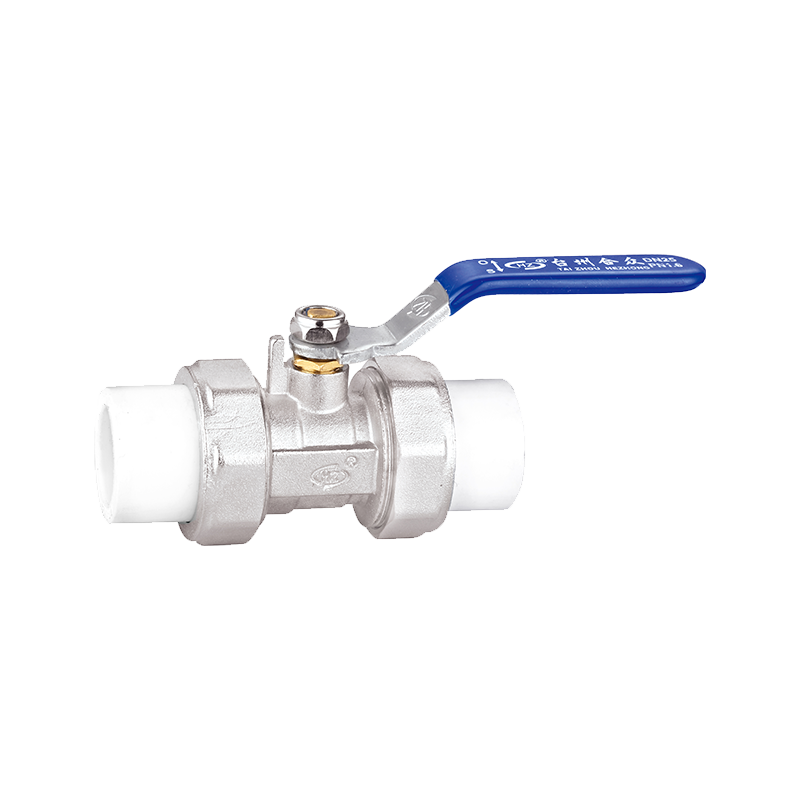 PPR Double Union Ball Valve
This PPR ball valve features a double‑union structure, compatible with hot‑melt connection...
CONTACT DETAILS
- TEL: +86-18158607688
- E-mail: [email protected]
- Address: Zhongshan Industrial Zone, Chumen Town, Yuhuan City, Taizhou, Zhejiang Province, China
