 EN
EN  English
 русский
 中文简体
中文简体
This brass ball valve is built for water lines, HVAC loops, and compressed air systems whe...


Application Industry
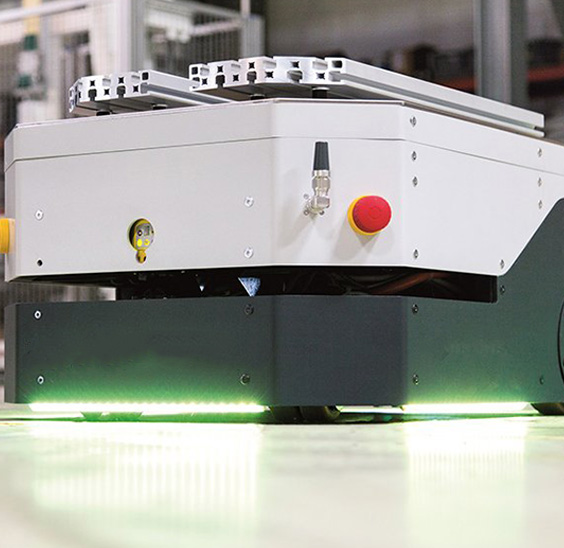
AGV

Automated robots
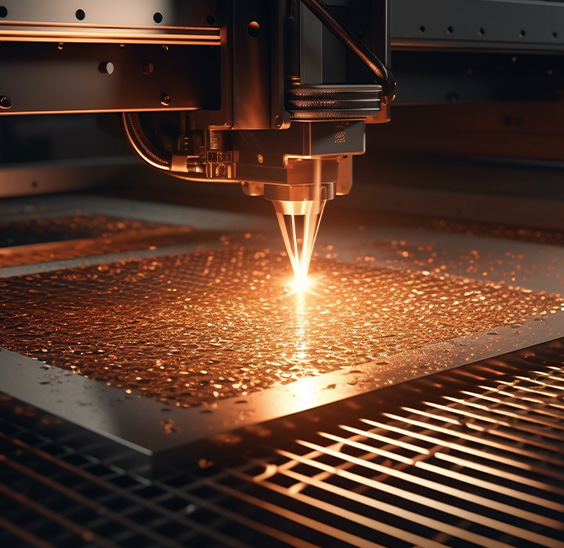
laser cutting
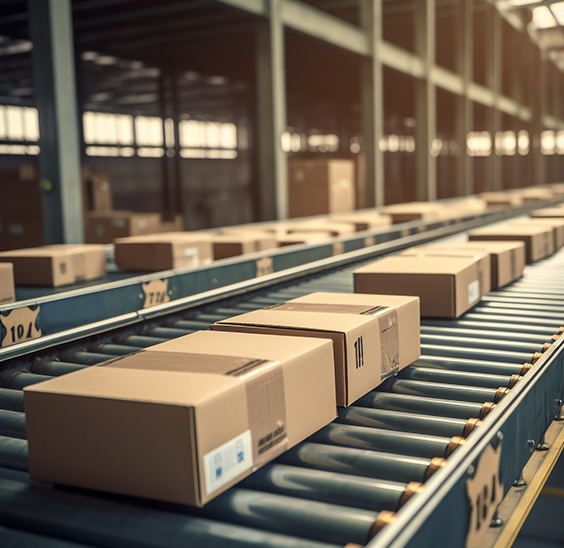
Logistics sorting

Photovoltaic power-station
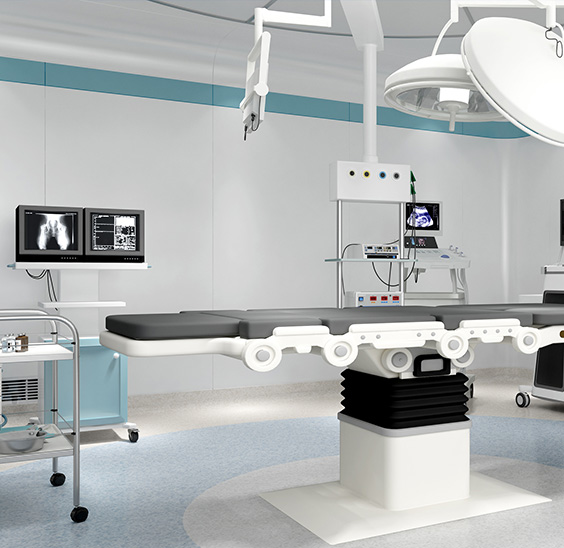
Medical devices
How Does Ball Valve For Gas Pipeline Improve Safety In Operation
Why Gas Pipeline Valve Design Follows Different Logic
Ball valves used in gas pipelines operate under conditions that feel similar on the surface to liquid systems, yet the internal behavior of the medium changes everything. Gas moves in a compressible form, expands easily, and reacts faster to pressure variation inside confined spaces. That alone changes how sealing, flow control, and safety expectations are defined.
A standard liquid ball valve works with a medium that stays relatively stable in volume. Gas does not behave in the same way. Small pressure shifts can change flow speed, density, and internal distribution. Because of that, Ball Valve for Gas Pipeline designs are built with tighter sealing expectations and more controlled internal contact between components.
In real pipeline environments, small leakage that might be acceptable in liquid systems becomes a much more sensitive issue in gas handling. Gas molecules escape more easily through micro gaps, which means sealing surfaces require closer precision and more stable long-term contact.
How Ball Valve For Gas Pipeline Works In Flow Control Systems
A ball valve uses a rotating sphere with a passage hole to control flow. Rotation aligns or blocks the passage inside the pipeline. In gas systems, that simple motion carries more responsibility because flow interruption must remain stable under variable pressure.
When the handle rotates, the internal ball shifts position. Gas passes through when alignment is open, and flow stops when the passage turns away from the pipeline direction. The movement remains a quarter-turn operation, yet the sealing behavior behind that motion becomes more critical.
Inside Ball Valve for Gas Pipeline systems, seat contact pressure plays a central role. The sealing ring presses against the ball surface to block gas movement. Even slight irregularities in that contact zone may affect performance over time.
Gas Rated Ball Valve systems are often designed with stronger sealing compression so the ball remains tightly seated even during pressure fluctuation.
What Structural Differences Exist Between Gas Rated Ball Valve And Standard Liquid Valve
At a structural level, both gas and liquid ball valves may appear similar from the outside. Differences become clearer inside the sealing system and stem area.
Gas-rated versions usually focus on three internal areas:
- seat design with stronger compression control
- stem sealing structure to reduce escape paths
- body reinforcement to handle pressure variation
Liquid valves allow more tolerance in sealing surfaces because liquid flow does not expand in the same way gas does. Gas systems require reduced micro-clearance inside contact zones.
A simple comparison helps clarify the difference:
| Feature Area | Gas Pipeline Ball Valve | Standard Liquid Ball Valve |
|---|---|---|
| Sealing behavior | tighter contact requirement | moderate sealing tolerance |
| Medium behavior | compressible flow | stable volume flow |
| Leakage sensitivity | very high | moderate |
| Seat pressure | stronger compression | standard compression |
| Structural focus | gas retention stability | flow control balance |
In real installation environments, gas-rated designs often feel more rigid in sealing action when operated manually because internal contact pressure is higher.
Why Gas Rated Ball Valve Requires Stronger Sealing Behavior
Gas movement inside pipelines creates continuous pressure variation. Even when the system appears stable externally, internal fluctuations occur during flow changes, temperature variation, and directional adjustments.
Sealing surfaces in Ball Valve for Gas Pipeline systems must stay in consistent contact across all conditions. Gas molecules are small enough to pass through microscopic gaps, so sealing precision becomes more important than simple closure force.
Seat materials in gas-rated systems are often selected based on elasticity and long-term shape retention. Once deformation appears, sealing reliability reduces gradually.
In real pipeline use, sealing performance depends on:
- consistent contact between ball and seat
- stable compression across operation cycles
- resistance to micro-gap formation
- recovery ability after repeated opening and closing
Gas Rated Ball Valve systems rely heavily on seat resilience. Without stable recovery behavior, sealing performance changes over time even if mechanical structure remains unchanged.
How Pressure Conditions Affect Gas Pipeline Valve Design
Gas pipelines operate under changing pressure conditions rather than fixed values. During flow start, stop, or redirection, pressure inside the valve body shifts quickly.
Inside a Ball Valve for Gas Pipeline system, pressure does not stay evenly distributed. It concentrates around sealing zones and stem entry points. That uneven distribution influences how components wear over time.
During opening, pressure balance shifts as gas enters the valve cavity. During closing, trapped gas compresses inside the chamber before full isolation occurs. That compression behavior affects how smoothly the valve rotates.
Gas Rated Ball Valve structures often account for:
- internal pressure fluctuation during operation
- stress concentration around sealing contact points
- repeated load cycles on stem and seat interface
Even small changes in pressure rhythm over time may influence sealing stability if material and structure do not respond evenly.
Material Selection Differences Between Gas And Liquid Ball Valves
Material choice plays a central role in separating gas pipeline valves from liquid systems. Gas environments are typically dry, yet more sensitive to leakage control and long-term sealing stability.
Metal body materials in Ball Valve for Gas Pipeline systems often focus on pressure stability and deformation resistance. The structure must remain stable even when internal pressure changes repeatedly.
Seat materials differ more clearly between gas and liquid applications. Gas systems often require materials that maintain elasticity while resisting gradual compression loss.
In liquid systems, minor seat deformation may still allow stable flow control. In gas systems, deformation directly influences leakage sensitivity.
Wear patterns also differ:
- gas systems: gradual sealing fatigue at micro-contact points
- liquid systems: surface erosion influenced by flow content
Gas Rated Ball Valve materials must therefore balance rigidity and long-term flexibility within sealing zones.
How Leakage Control Is Managed In Gas Pipeline Ball Valves
Leakage control defines the core difference between gas and liquid valve systems. In gas pipelines, leakage is not only a performance issue but also a functional safety concern.
Sealing surfaces must maintain continuous contact even during vibration or pressure fluctuation. Stem sealing design also becomes important since gas may escape through multiple internal paths.
In Ball Valve for Gas Pipeline systems, leakage control depends on:
- precision of ball surface finishing
- seat elasticity and recovery ability
- stem sealing alignment stability
- body integrity under pressure cycles
Gas Rated Ball Valve systems often include tighter machining tolerances in sealing areas. Even minor irregularities may influence long-term performance.
How Flow Behavior Differs Between Gas And Liquid Applications
Gas flow behaves differently due to compressibility. When entering a valve chamber, gas expands or compresses depending on pressure changes. Liquid flow remains more stable in volume and density.
Inside a Ball Valve for Gas Pipeline system, flow transition during opening is more sensitive. Small changes in valve angle can influence flow speed more noticeably compared with liquid systems.
Gas flow may also create localized turbulence inside the valve cavity during partial opening. That behavior influences internal pressure distribution and sealing load.
Gas Rated Ball Valve systems are designed to manage:
- pressure drop variation during opening
- flow turbulence inside cavity space
- response speed during shutoff
In liquid systems, these effects appear in a more predictable pattern, while gas systems require additional control at structural level.
What Safety Considerations Matter Most In Gas Pipeline Ball Valve Use?
Gas pipeline systems operate under a different level of sensitivity compared with liquid transport. Even a small change in sealing condition or connection tightness can influence overall system stability. For that reason, Ball Valve for Gas Pipeline design often places stronger focus on controlled shutoff behavior and stable isolation performance.
In daily operation, the valve is expected to respond in a predictable way during opening and closing cycles. Sudden variation in movement or uneven resistance during rotation may indicate internal wear or sealing pressure imbalance.
Gas Rated Ball Valve systems are usually expected to maintain consistent sealing even after repeated cycles. Repetition does not change external structure quickly, yet internal contact surfaces gradually adjust under pressure. That slow change becomes important in long-term gas handling.
Another safety-related aspect involves internal pressure retention after shutoff. Once flow is stopped, trapped gas remains under compression inside pipeline sections. Any weakness in sealing contact may allow gradual release. That behavior makes sealing reliability more critical than simple flow control ability.
How Installation Conditions Affect Gas Pipeline Valve Performance
Installation quality often determines long-term behavior more than material choice alone. In gas pipeline environments, alignment between pipe sections and valve body plays a direct role in sealing stability.
When a Ball Valve for Gas Pipeline is installed with slight misalignment, stress does not distribute evenly across sealing surfaces. Instead, pressure concentrates on one side of the seat area. Over time, that uneven contact may influence wear patterns and sealing consistency.
Pipeline vibration also affects installed valves. In gas transport systems, vibration is not always strong, yet it is continuous. That constant movement slowly shifts contact balance between internal components.
Gas Rated Ball Valve systems perform better when installation allows stable positioning without internal strain. Even small deviations during mounting may become noticeable after long operation cycles.
A few practical installation-related behaviors often observed in real systems:
- slight resistance during handle rotation after misalignment
- uneven sealing pressure across contact surface
- gradual change in shutoff feel over time
- increased wear near stem connection zones
These changes do not appear immediately, yet develop gradually during continuous operation.
How Maintenance Practices Differ For Gas Pipeline Ball Valves
Maintenance in gas pipeline systems focuses more on sealing condition and less on visible wear. External appearance may remain stable for long periods, while internal sealing surfaces slowly change due to repeated compression.
Ball Valve for Gas Pipeline maintenance usually includes inspection of sealing contact points and stem alignment. Even when valve operation feels normal, internal surfaces may experience gradual adjustment.
Cleaning processes also differ from liquid systems. Gas pipelines do not carry liquid residue, yet dust or micro-particles may still enter during installation or maintenance work. Those particles can influence sealing performance if they remain in contact zones.
Gas Rated Ball Valve maintenance often follows a pattern of:
- checking smoothness of rotation during operation
- observing sealing response during shutoff
- inspecting stem area for resistance changes
- monitoring long-term consistency of closure feel
Wear in gas systems usually appears as reduced sealing sharpness rather than visible damage.
Why Gas Rated Ball Valve Plays A Critical Role In Pipeline Systems
Gas distribution systems depend on controlled flow and stable isolation. Within that structure, Ball Valve for Gas Pipeline units serve as key control points between sections of the network.
One important function involves isolation during maintenance. Sections of pipeline may need to be separated for inspection or repair. In such cases, valve sealing must remain stable enough to prevent unintended flow movement between sections.
Another function involves flow regulation during system operation. Even though ball valves are primarily isolation devices, partial opening conditions may still occur in practical use. During those stages, internal flow behavior becomes sensitive to valve position.
Gas Rated Ball Valve systems also contribute to pressure management across different pipeline zones. When flow is redirected or stopped, pressure redistribution occurs across connected sections. Valve performance influences how smoothly that transition happens.
In real operational environments, reliability is often judged by consistency rather than complexity. A valve that behaves the same way across repeated cycles becomes more valuable in long pipeline systems.
How Long-Term Operation Changes Gas Pipeline Valve Behavior
Over extended use, Ball Valve for Gas Pipeline systems gradually show subtle changes in performance. These changes are not immediate failures, but slow adjustments in sealing and movement behavior.
One of the earliest signs appears in rotation feel. Handle movement may become slightly lighter or heavier depending on internal surface condition. That change often reflects seat contact evolution rather than external damage.
Sealing surfaces also experience slow adaptation. Repeated contact between ball and seat causes gradual surface polishing. In well-maintained systems, that polishing remains uniform. In less stable conditions, uneven wear may develop.
Gas Rated Ball Valve systems may also show:
- minor variation in shutoff feedback
- changes in sealing resistance during operation
- gradual adjustment of internal contact pressure
- subtle differences in response speed over long cycles
These changes usually develop slowly and become noticeable only after long periods of repeated operation.
Environmental exposure also influences long-term behavior. Even dry gas systems can be affected by external temperature variation. Expansion and contraction cycles influence internal alignment slightly over time.
Practical Comparison Between Gas And Liquid Ball Valve Behavior In Real Use
Although structural principles remain similar, real working behavior of gas and liquid valves differs in several practical aspects.
| Behavior Area | Gas Pipeline Ball Valve | Liquid Ball Valve |
|---|---|---|
| sealing sensitivity | very high due to leakage risk | moderate sensitivity |
| flow behavior | compressible and variable | stable and predictable |
| internal pressure response | rapid fluctuation | relatively steady |
| wear pattern | slow sealing fatigue | surface erosion from flow |
| maintenance focus | sealing integrity | flow passage condition |
| installation sensitivity | alignment critical | moderate tolerance |
In practical environments, Gas Rated Ball Valve systems demand more attention to sealing consistency and alignment stability, while liquid systems focus more on flow passage condition and internal cleanliness.
Real-World Operation Scenarios And Observed Behavior
In pipeline operation environments, valve behavior is often observed indirectly through system response rather than direct measurement. Operators may notice changes in pressure stability, flow consistency, or shutoff response.
During routine operation, Ball Valve for Gas Pipeline units usually perform repeated open-close cycles without visible change. Over time, however, small variations may appear in rotation resistance or sealing feel.
In systems with frequent cycling, internal contact surfaces adjust more quickly. In systems with stable long-term shutoff, sealing surfaces remain unchanged for longer periods, yet may require periodic verification.
Gas Rated Ball Valve performance in real use is often judged by:
- consistency of shutoff response across cycles
- absence of gradual leakage symptoms
- stable handling feel during operation
- predictable behavior under pressure variation
These practical indicators often matter more than theoretical specifications in long pipeline systems.
Ball Valve for Gas Pipeline systems operate in conditions where sealing stability and controlled flow response carry greater importance than simple mechanical movement. Gas behavior inside pipelines introduces sensitivity to pressure change, leakage risk, and flow variation.
Gas Rated Ball Valve design reflects those conditions through tighter sealing structure, stronger internal contact control, and careful material selection. Over time, real operation reveals that performance depends not only on design, but also on installation accuracy, maintenance habits, and environmental influence.
In practical pipeline use, consistency becomes the key expectation. When sealing response, movement feel, and pressure behavior remain stable across repeated cycles, gas pipeline systems maintain smoother operation across connected sections.
Related products
-
-
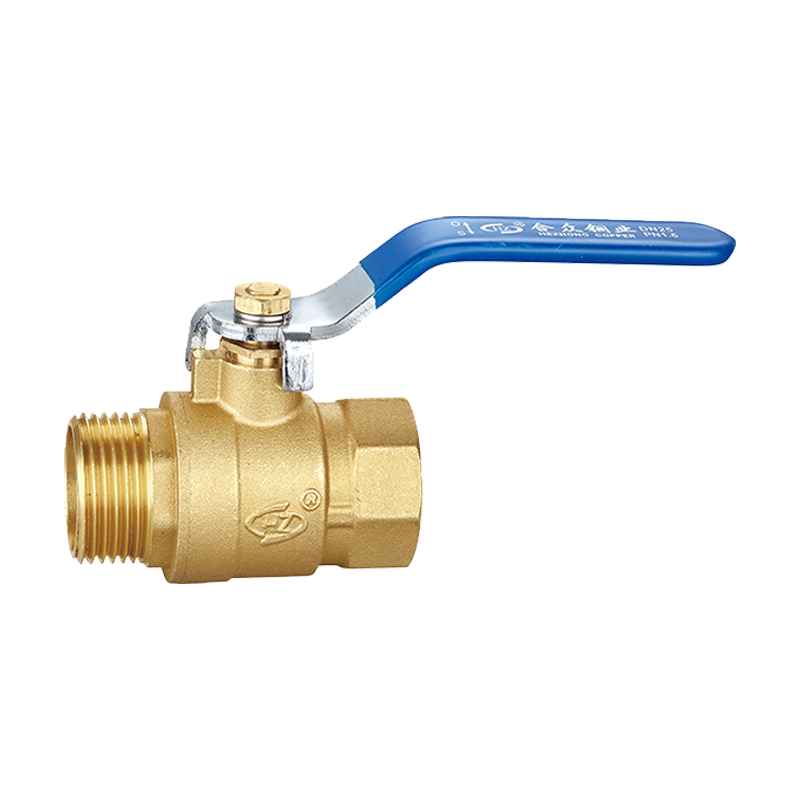 Male Thread Brass Ball Valve for Water & HVAC Systems
This male thread brass ball valve is made of national standard forged brass with RP male t...
-
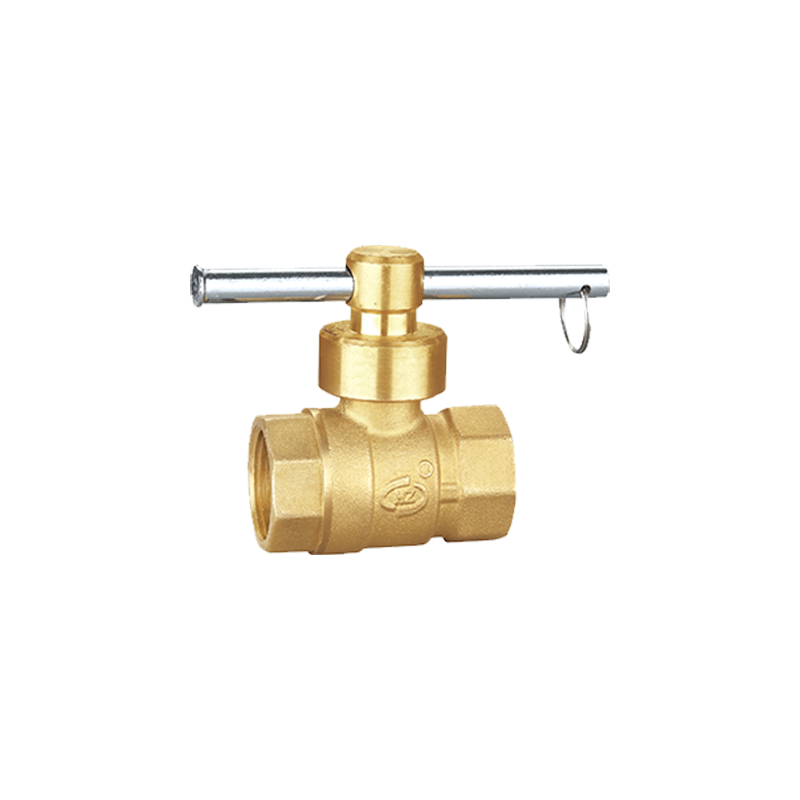 One‑Word Magnetic Lock-Off Ball Valve
This is One‑Word Magnetic Lock‑Off Ball Valve of the Water Utilities Series. It is integr...
-
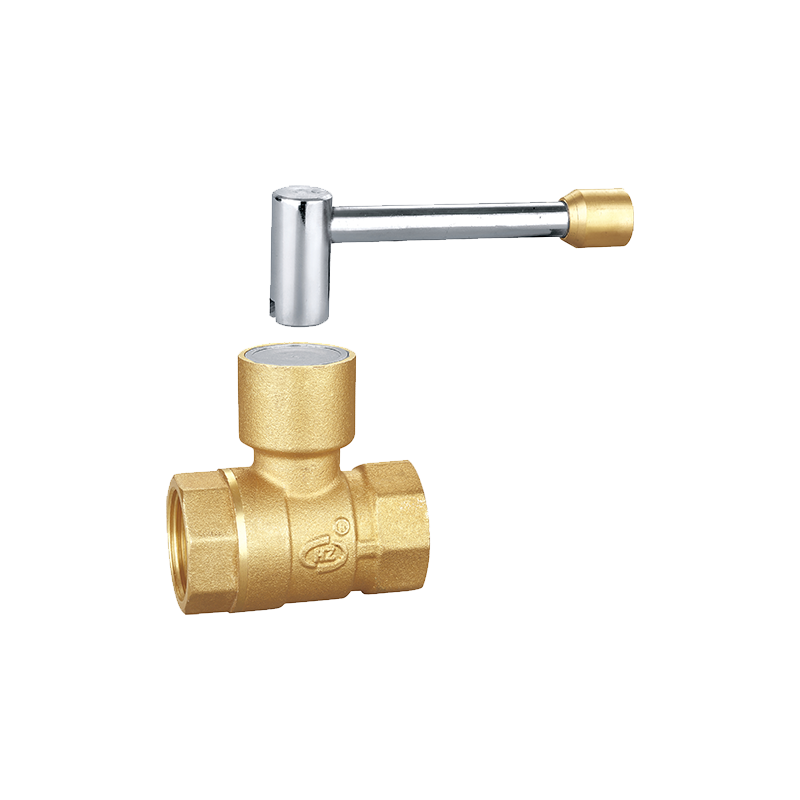 Brass Magnetic Lock-Off Ball
This brass magnetic lock‑off ball valve has a high‑quality forged brass valve body with st...
-
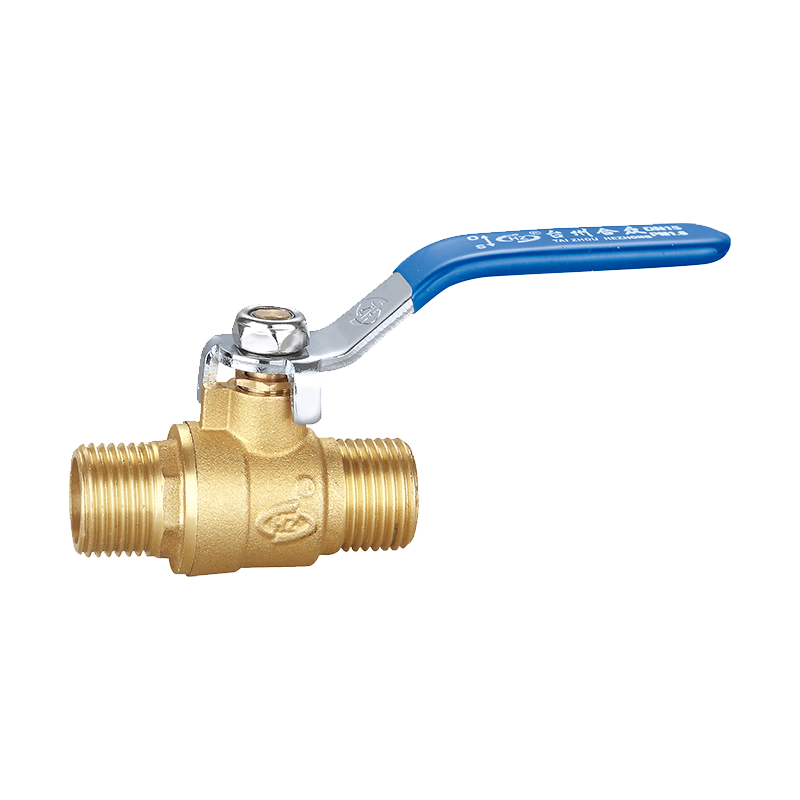 Double Male Brass Ball Valve for Water & HVAC Systems
Double male brass ball valve features male threads on both ends for direct in-line connect...
-
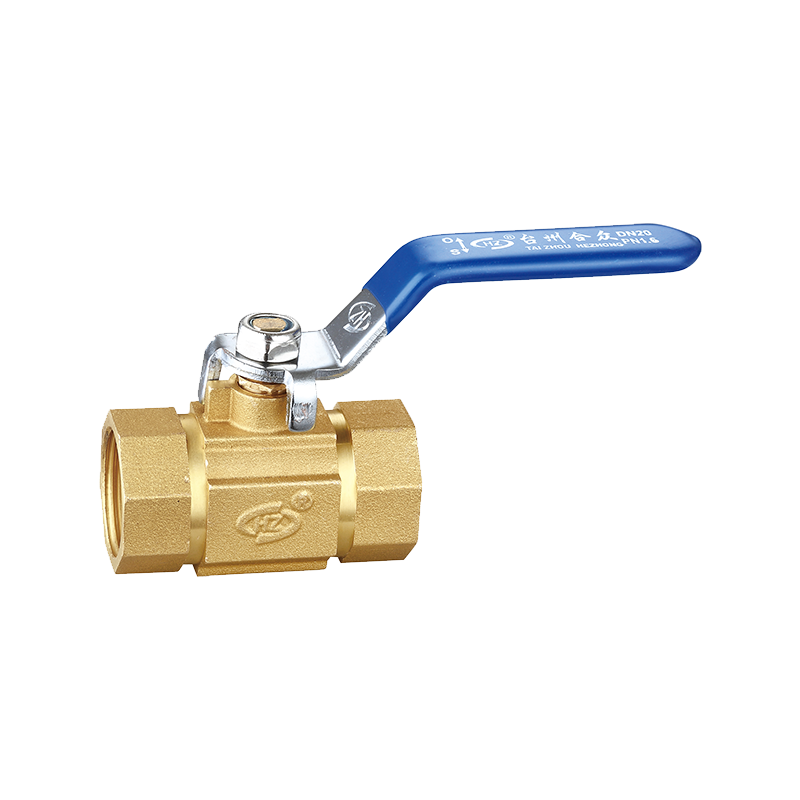 Square Body Ball Valve
This square body ball valve is integrally forged from high‑quality brass. Its square‑shape...
-
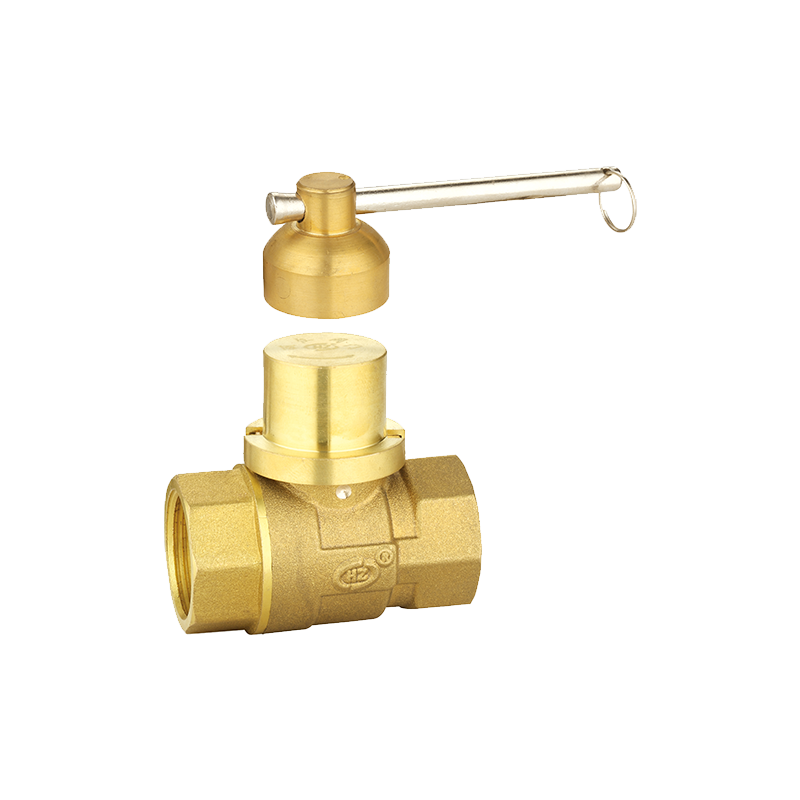 Magnetic Ball Valve for Front of Water Meter
Forged metal tee fitting with M30 loose nut for gas meter inlet connection, double 1/2" ma...
-
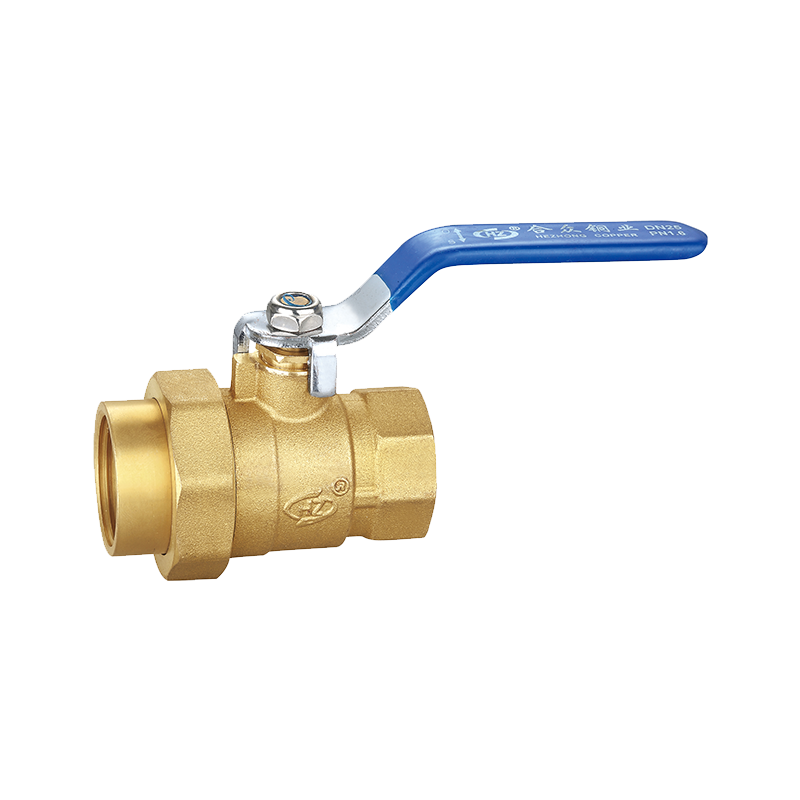 Female Thread Union Brass Ball Valve
This female thread union brass ball valve is made of high-quality brass. It has female thr...
-
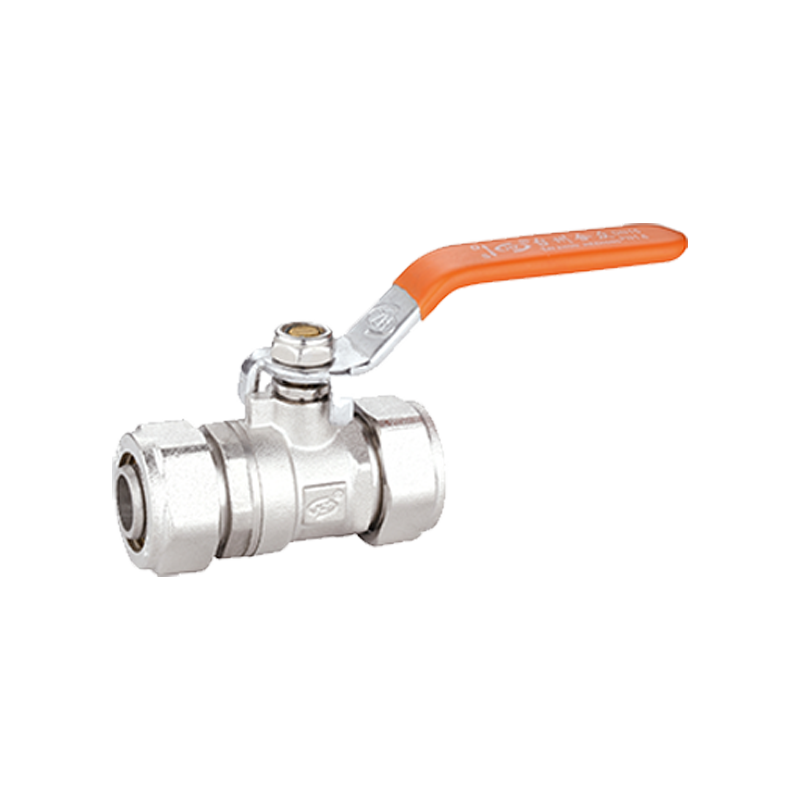 Brass Compression Ball Valve for PEX-AL-PEX Pipe
Brass Compression Ball Valve is forged from high‑quality brass, featuring high‑strength va...
-
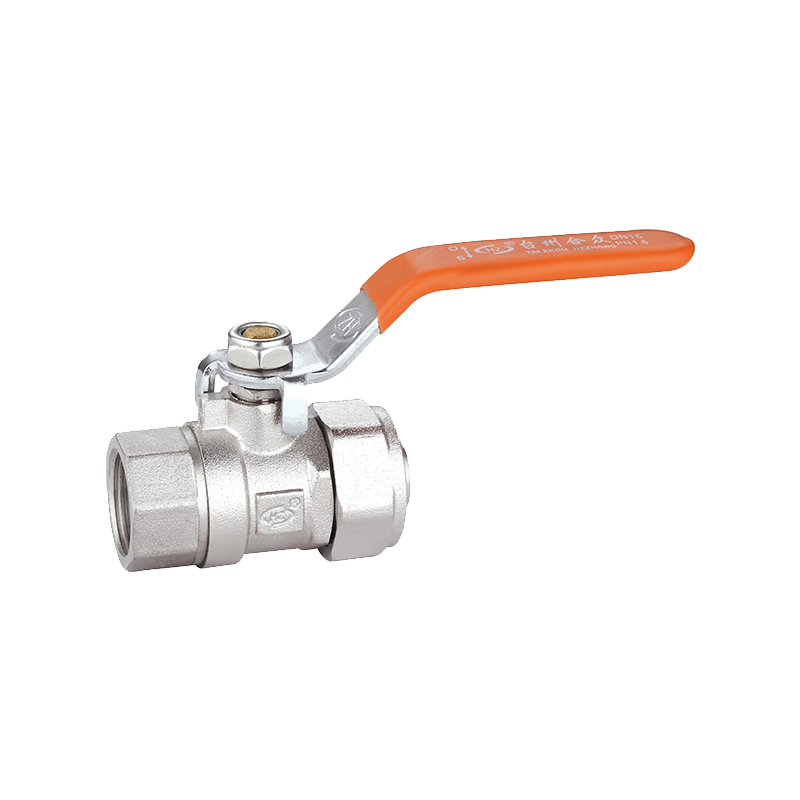 Female-Thread-Brass Compression Ball Valve for PEX-AL-PEX Pipe
This ball valve features a compression connection on one end and a female thread on the ot...
-
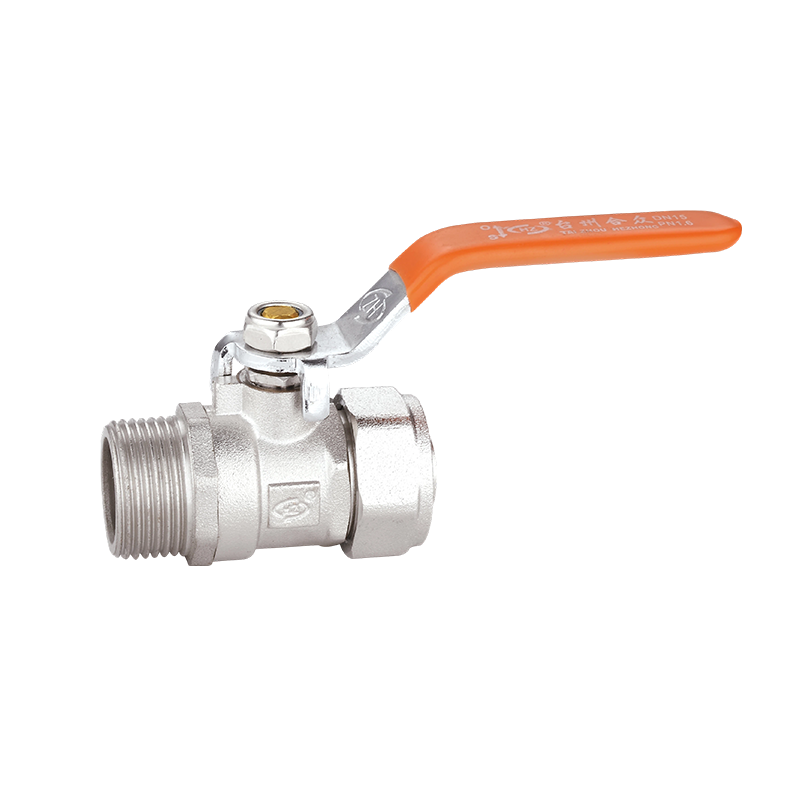 Male-Thread-Brass Compression Ball Valve for PEX-AL-PEX Pipe
This brass compression ball valve is made for PEX-AL-PEX pipe. Connecting different pipe m...
-
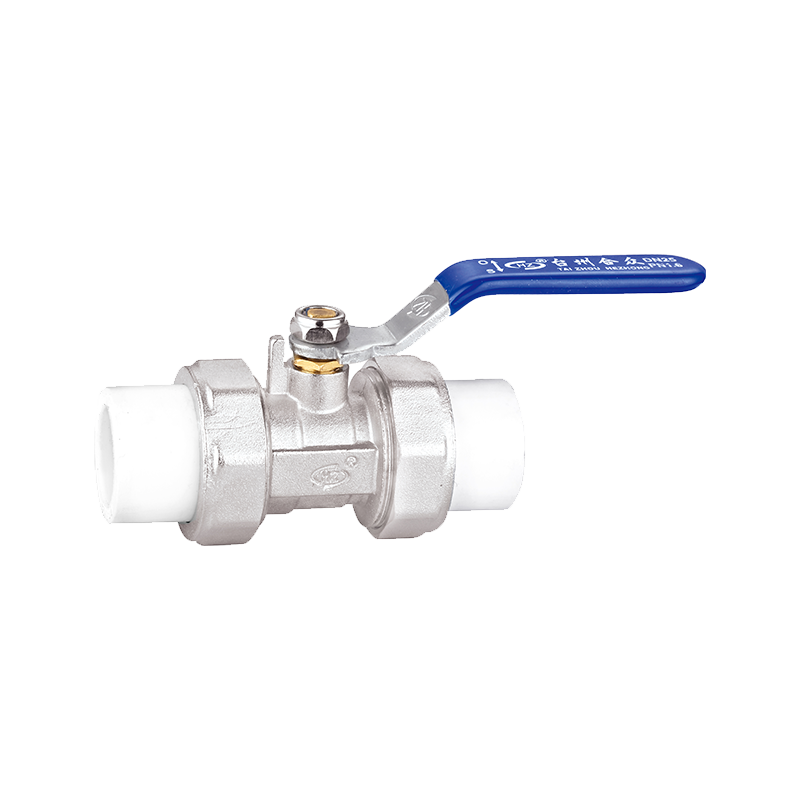 PPR Double Union Ball Valve
This PPR ball valve features a double‑union structure, compatible with hot‑melt connection...
CONTACT DETAILS
- TEL: +86-18158607688
- E-mail: [email protected]
- Address: Zhongshan Industrial Zone, Chumen Town, Yuhuan City, Taizhou, Zhejiang Province, China
