 EN
EN  English
 русский
 中文简体
中文简体
This brass ball valve is built for water lines, HVAC loops, and compressed air systems whe...


Application Industry
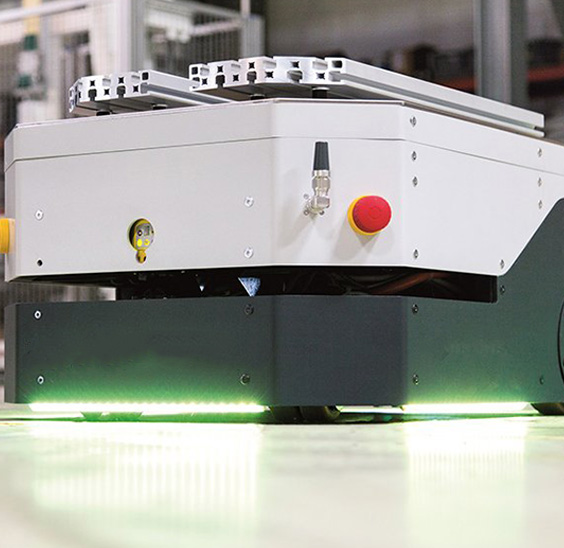
AGV

Automated robots

laser cutting

Logistics sorting

Photovoltaic power-station
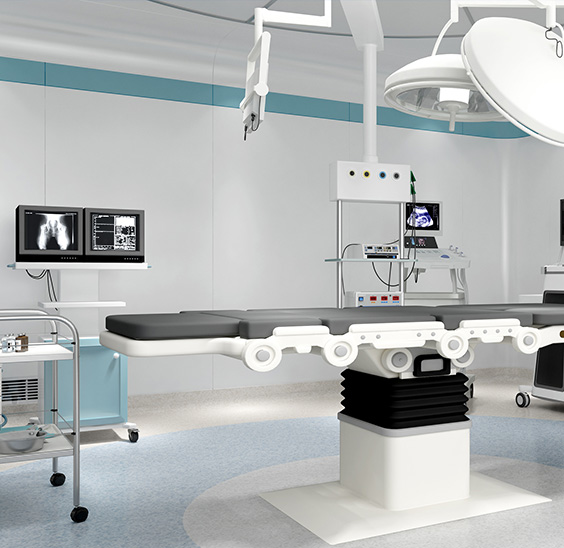
Medical devices
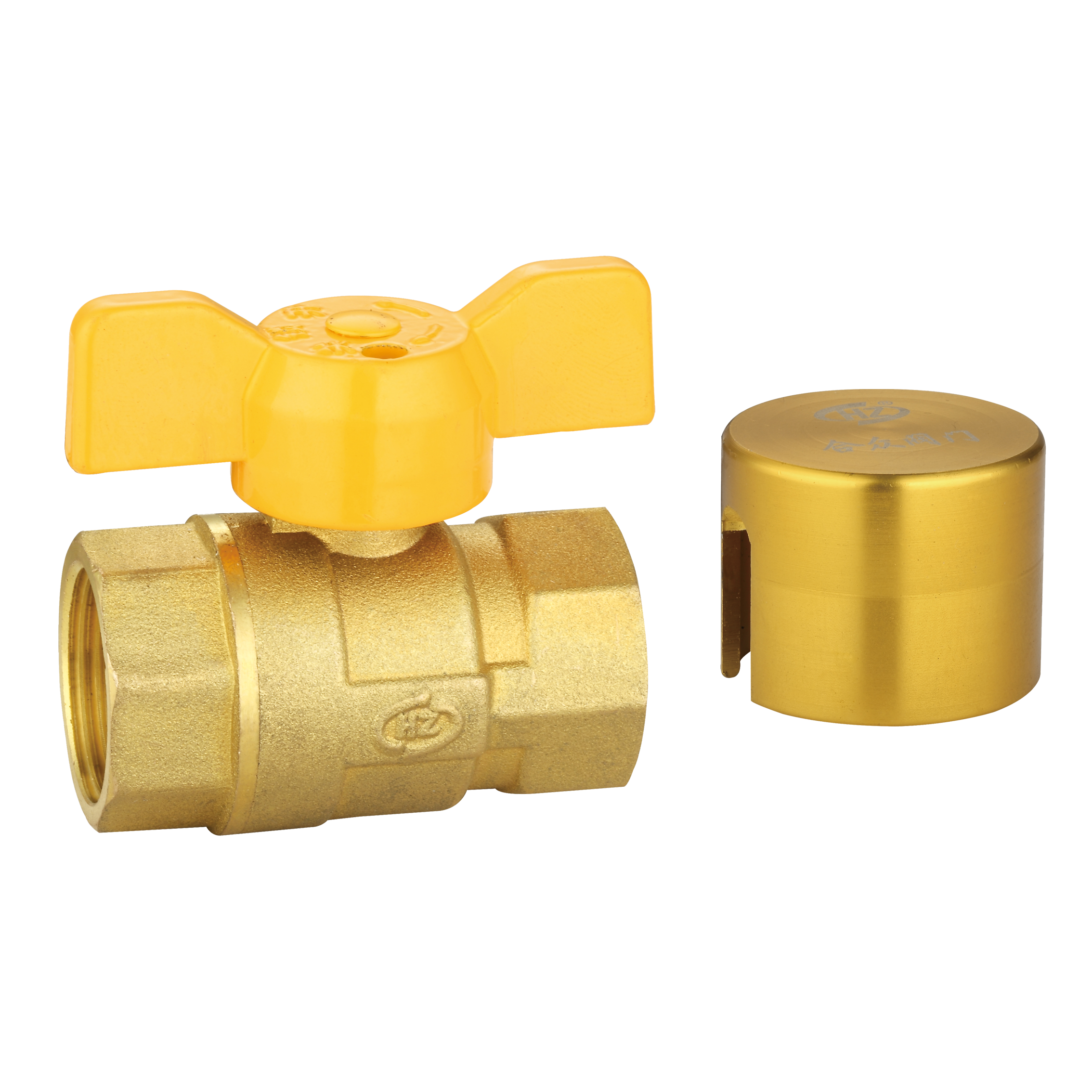
What Makes Yellow Handle Ball Valve Easy To Identify In System Layout
Why Visual Identification Matters In Complex System Layouts
Inside many pipeline systems, valves are placed close to each other and often surrounded by pipes, brackets, fittings, and protective covers. In real maintenance environments, workers do not always have enough time to stop and inspect every component carefully. Because of this, visual recognition becomes part of normal operational behavior.
A Yellow Handle Ball Valve is easier to notice during quick visual scanning because the handle color creates contrast against surrounding metal surfaces. In practical work situations, this matters more than people sometimes expect.
For example, during a routine inspection, a worker may walk through a narrow pipe area while checking several control points within a short period. In these situations, visual memory works faster than reading labels or checking small markings.
Daily maintenance pressure usually comes from:
- Large number of similar looking valves
- Limited visibility between connected pipes
- Dust or surface aging on surrounding equipment
- Repeated inspection work causing visual fatigue
A clear handle color reduces the time needed to identify operational points during these routines.
What Makes Yellow Handle Ball Valve Stand Out Inside Pipe Networks
In real installations, many pipeline components share similar surface colors. Pipes, brackets, connectors, and valve bodies are often dark, metallic, or neutral in appearance. A yellow handle interrupts this visual pattern.
The effect is simple but practical:
- The handle becomes visible from a longer distance
- Workers can separate the valve from nearby components faster
- The operating point is easier to recognize without touching it
- Visual focus moves naturally toward the handle area
This becomes more noticeable in crowded layouts where several valves are installed side by side.
In practical environments, workers often rely on quick recognition rather than detailed observation. A handle that visually separates itself from the background supports this kind of workflow naturally.
How Color Coding Supports Daily Operational Awareness
Color coding is commonly used because people respond to visual information quickly during repeated tasks. In daily valve operation, the handle color acts as a reference point rather than decoration.
During inspection routines, workers often develop scanning habits. Instead of reading every marking, they identify familiar shapes and colors while moving through the system.
A Yellow Handle Ball Valve supports this behavior by:
- Creating a recognizable visual pattern
- Helping workers remember valve positions more easily
- Reducing hesitation during operation checks
- Supporting faster orientation inside crowded systems
In real use, maintenance work is often repetitive. Small visual advantages become more valuable after repeated daily handling.
Why Yellow Handle Ball Valve Is Easier To Locate In Crowded Installations
Many industrial layouts are designed around limited space. Pipes cross each other, valves sit close together, and access areas may become narrow after installation is completed.
In these environments, identifying the correct valve quickly becomes important.
Common real situations include:
- Valves partially hidden behind pipe sections
- Overlapping installation lines reducing visibility
- Limited hand space during maintenance
- Workers needing to locate one control point among many similar parts
A visible handle color helps reduce searching time. Even when only part of the valve is visible, the handle often remains the easiest section to recognize.
This becomes especially practical during situations where workers are carrying tools or moving through tight maintenance areas.
How Workers Use Yellow Handle Ball Valve During Routine Inspection
Routine inspection usually follows repeated movement patterns. Workers walk through the same layouts regularly, checking operational condition, connection stability, or valve position.
In practice, the process is often fast and based on visual confirmation.
- Typical inspection behavior includes:
- Looking at handle direction before touching the valve
- Confirming valve position while walking past
- Comparing handle orientation between nearby valves
- Identifying unusual position changes quickly
The handle becomes part of the visual language of the system.
A simple comparison of inspection behavior:
| Inspection Situation | Visual Action | Practical Effect |
|---|---|---|
| Walking inspection | Quick handle scan | Faster identification |
| Tight maintenance area | Partial visual check | Reduced searching |
| Repeated route inspection | Position memory | Easier workflow |
| Multiple nearby valves | Color separation | Less confusion |
In real environments, this type of recognition saves small amounts of time repeatedly throughout the workday.
How Lighting Conditions Affect Valve Recognition In Daily Work
Lighting inside mechanical spaces is not always stable. Some installations have shadows caused by pipe arrangements, while outdoor systems may experience changing daylight conditions during the day.
Under these conditions, darker valve components can blend into the background more easily.
A Yellow Handle Ball Valve remains easier to notice because the handle reflects visual contrast differently than surrounding metal surfaces.
Real examples include:
- Indoor utility rooms with uneven lighting
- Outdoor pipeline sections during cloudy conditions
- Dust covered systems where metal surfaces become dull
- Maintenance areas with limited direct visibility
In these environments, workers often rely on broad visual recognition rather than detailed reading. A bright handle color supports this natural behavior.
What Practical Problems Happen When Valve Identification Is Unclear
When valves are difficult to identify visually, maintenance work tends to slow down. Workers may spend extra time checking labels or tracing pipe direction before operating the correct component.
In practical situations, unclear identification can lead to:
- Delayed maintenance procedures
- Confusion between nearby valves
- Extra movement inside restricted spaces
- Increased attention pressure during inspections
This does not always create major operational problems, but it increases mental workload during repeated tasks.
Over time, systems that are easier to read visually tend to support smoother daily operation behavior.
How Yellow Handle Ball Valve Supports Faster Maintenance Workflow
In many maintenance environments, workers move from one inspection point to another without stopping for long periods. Because of this, visual clarity becomes part of work efficiency in a very practical way.
A Yellow Handle Ball Valve helps simplify workflow because workers can identify operating points while already moving through the area. The handle acts as a visible marker inside systems that may otherwise look visually repetitive.
In real maintenance routines, this affects small actions such as:
- Locating the correct valve without tracing the full pipe line
- Confirming handle position before using tools
- Explaining valve location to another worker nearby
- Returning to the same control point during repeated checks
These are small details, but they happen many times during daily work.
In busy maintenance environments, reducing repeated searching helps work feel more stable and less interrupted.
How Handle Shape And Color Work Together During Operation
The handle is not only a moving part. It is also the visual center of the valve during operation.
In practical use, workers usually look at the handle before touching the valve body itself. The combination of visible color and clear handle shape helps people judge orientation quickly.
This becomes useful when:
- Checking whether the valve is open or closed
- Working in narrow spaces with limited movement
- Looking at valves from an angle rather than directly in front
- Comparing handle direction across several nearby valves
The color attracts attention first, while the handle shape helps confirm operational position.
In real situations, people rarely stop to study the valve carefully. Recognition happens through quick visual interpretation built from repeated exposure.
Why Yellow Handle Ball Valve Fits Maintenance Heavy Environments
Some systems require more frequent manual inspection than others. In these environments, visibility becomes part of normal maintenance planning rather than just appearance.
Practical examples include:
- Utility rooms with repeated daily access
- Pipeline sections requiring regular operational checks
- Systems where valves are adjusted during maintenance routines
- Layouts involving multiple control points in the same area
When workers interact with the same equipment repeatedly, recognizable visual patterns reduce mental effort over time.
The yellow handle becomes part of how workers remember the layout itself.
How System Layout Influences Valve Visibility In Practice
Even a clearly colored handle can become difficult to notice if the surrounding layout is crowded or poorly arranged.
In real systems, visibility depends on several physical conditions:
- Pipe height and viewing angle
- Distance between nearby valves
- Position of support structures or brackets
- Amount of open space around operating areas
For example, a valve placed behind crossing pipes may only expose part of the handle. In these situations, strong visual contrast becomes more useful because workers can recognize the valve even from partial visibility.
Layout design and handle visibility work together rather than separately.
How Workers Build Visual Memory Around Valve Positions
In repeated maintenance work, people rarely think about every valve individually. Instead, they build visual memory patterns linked to handle color, orientation, and surrounding pipe arrangement.
Over time, workers begin to remember:
- Which valve appears near certain pipe turns
- Which handle direction matches normal operating condition
- Which locations require regular adjustment
- Which sections contain closely grouped controls
This process happens naturally through repetition.
A Yellow Handle Ball Valve supports this memory process because the handle becomes easier to separate visually from surrounding equipment.
How Daily Wear Changes Visibility Over Time
Long term use changes the appearance of all mechanical components. Dust, moisture, repeated handling, and environmental exposure gradually affect surface condition.
In real environments, common long term changes include:
- Dust collecting around handle edges
- Surface dullness caused by repeated contact
- Minor fading from outdoor exposure
- Grease or residue reducing color clarity
These changes do not usually remove visibility completely, but they can reduce contrast over time if maintenance is ignored.
A practical comparison:
| Long Term Condition | Visual Effect | Maintenance Response |
|---|---|---|
| Dust buildup | Reduced brightness | Basic cleaning |
| Repeated handling | Surface wear | Routine inspection |
| Outdoor exposure | Color dullness | Periodic checking |
| Grease accumulation | Lower visibility | Surface wiping |
In daily maintenance culture, visual cleanliness often supports faster recognition.
Why Simple Visual Recognition Reduces Daily Work Pressure
Mechanical systems can become mentally tiring when layouts are crowded or repetitive. Workers constantly process visual information while moving between inspection points.
In this kind of environment, even small recognition advantages matter.
A visible handle color helps reduce:
- Hesitation during valve selection
- Time spent double checking positions
- Confusion in closely packed systems
- Visual fatigue during long inspection routes
The effect is not dramatic in a single moment, but it becomes noticeable over long periods of repeated work.
Workers often prefer systems that feel easier to "read" visually during movement.
How Yellow Handle Ball Valve Becomes Part Of Organized System Management
Over time, visible valve handles contribute to overall system organization. Workers begin using them as reference markers inside larger layouts.
In practical operation, this supports:
- Faster communication during repair work
- Easier explanation of maintenance locations
- More stable inspection routines
- Better orientation for newer workers entering the system
The handle becomes more than a moving component. It becomes part of the visual structure of the workspace itself.
In real daily operation, systems that are easier to recognize visually often support smoother maintenance behavior over time.
Related products
-
-
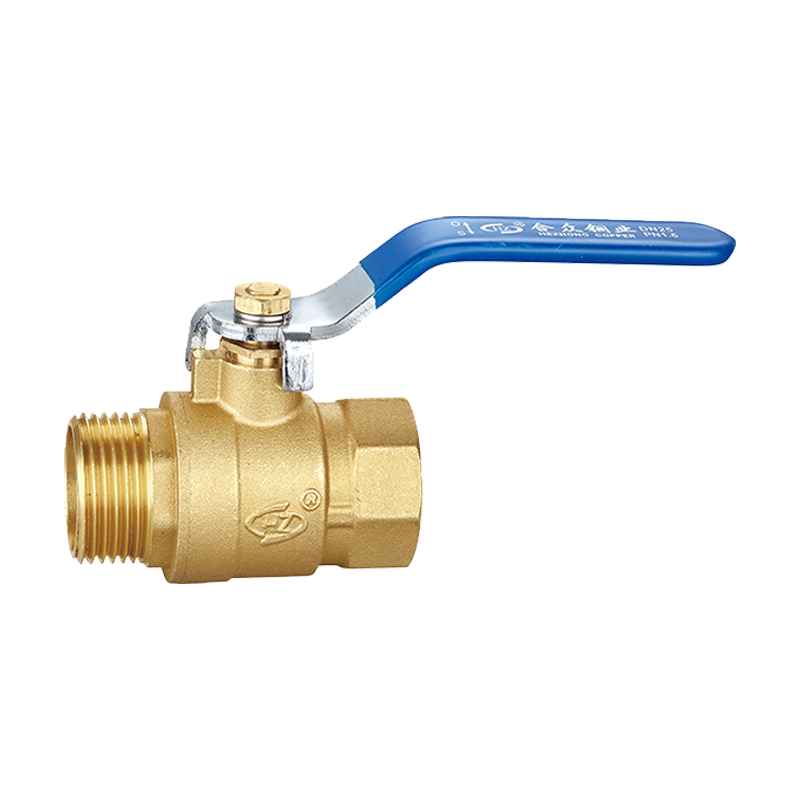 Male Thread Brass Ball Valve for Water & HVAC Systems
This male thread brass ball valve is made of national standard forged brass with RP male t...
-
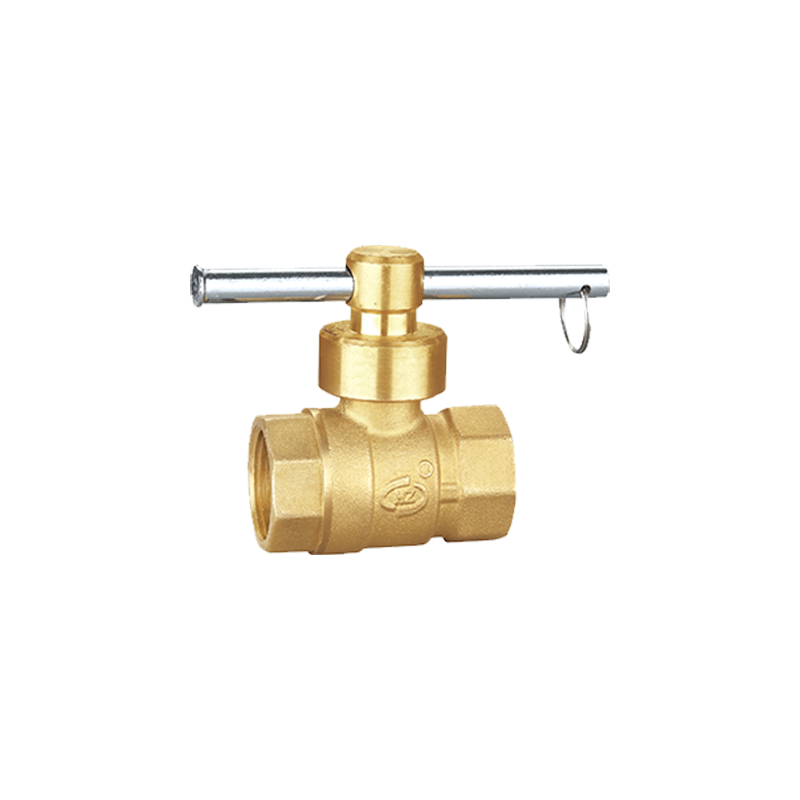 One‑Word Magnetic Lock-Off Ball Valve
This is One‑Word Magnetic Lock‑Off Ball Valve of the Water Utilities Series. It is integr...
-
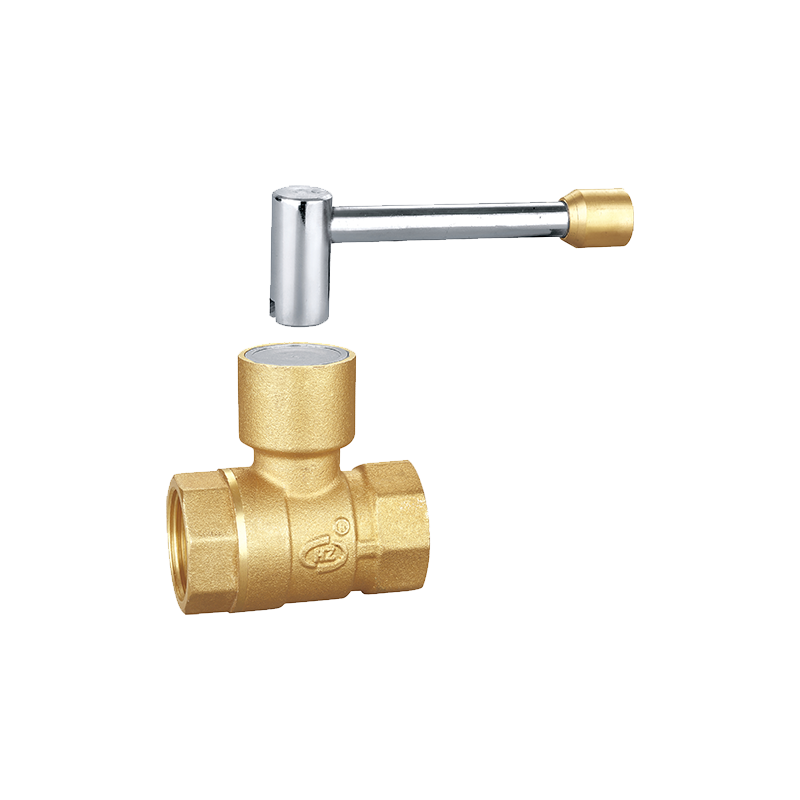 Brass Magnetic Lock-Off Ball
This brass magnetic lock‑off ball valve has a high‑quality forged brass valve body with st...
-
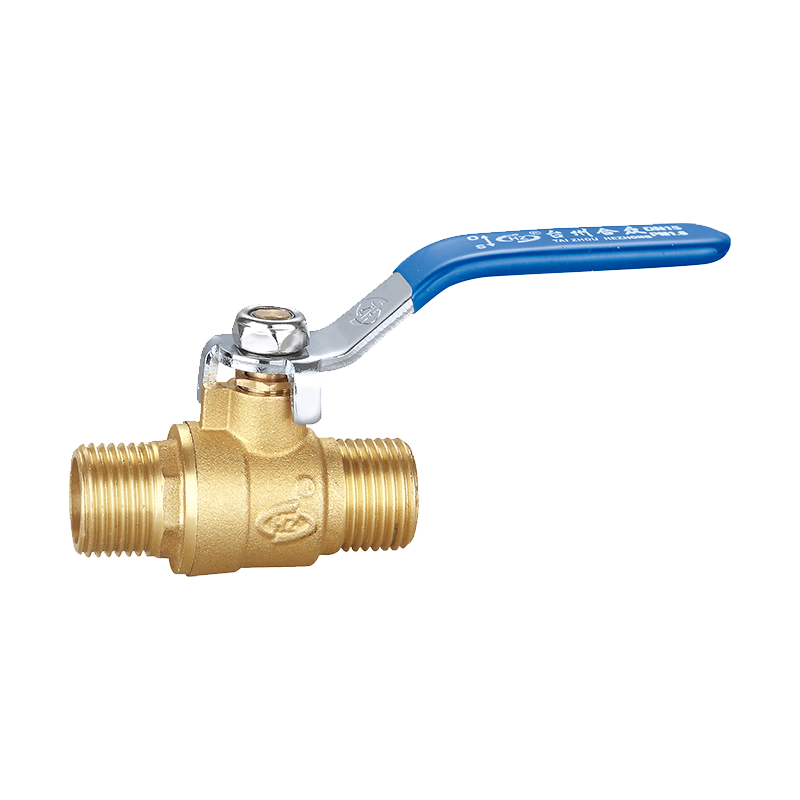 Double Male Brass Ball Valve for Water & HVAC Systems
Double male brass ball valve features male threads on both ends for direct in-line connect...
-
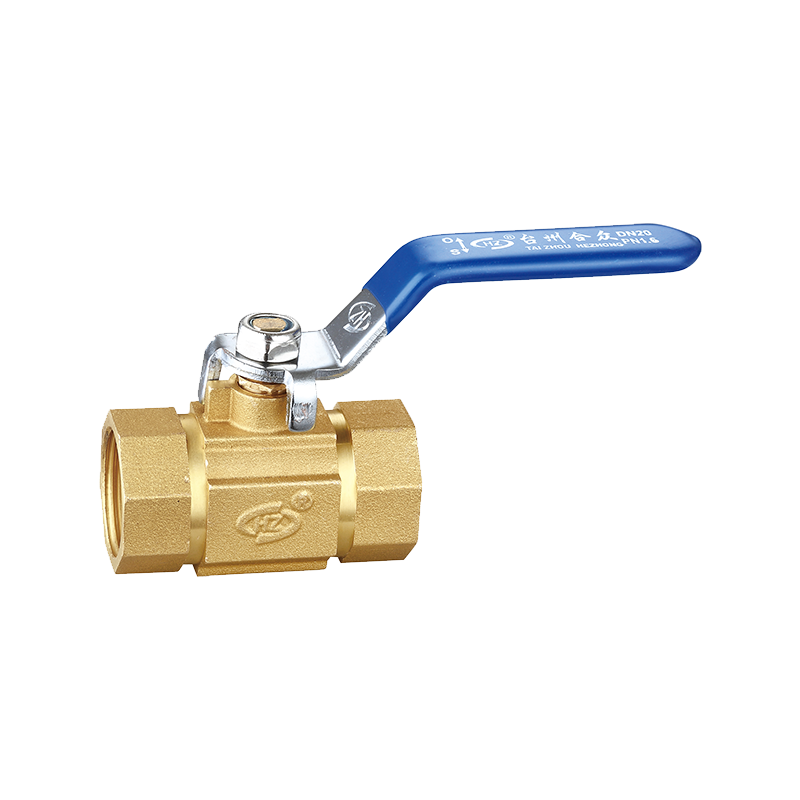 Square Body Ball Valve
This square body ball valve is integrally forged from high‑quality brass. Its square‑shape...
-
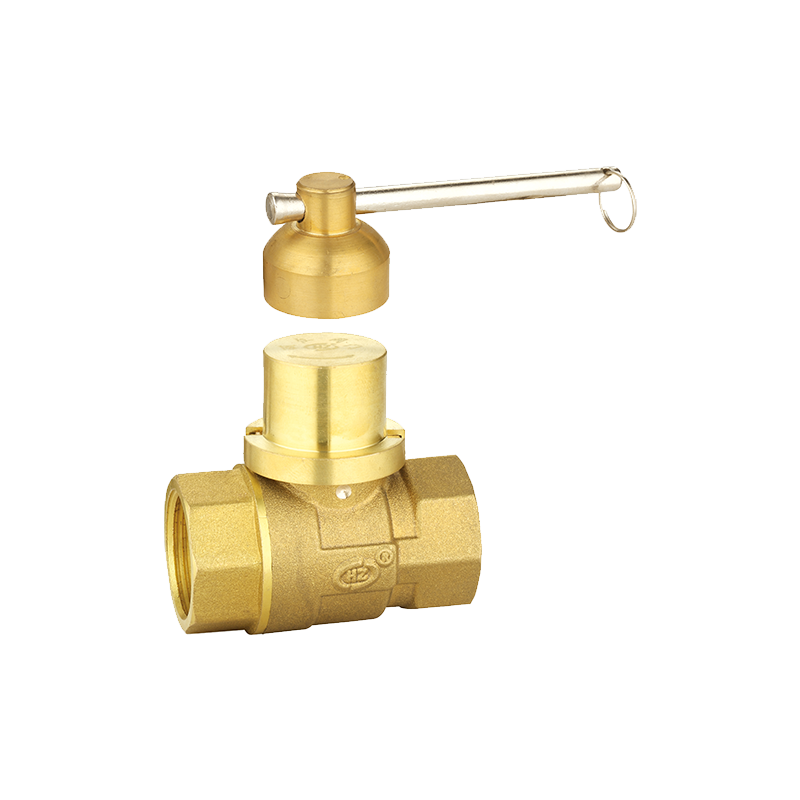 Magnetic Ball Valve for Front of Water Meter
Forged metal tee fitting with M30 loose nut for gas meter inlet connection, double 1/2" ma...
-
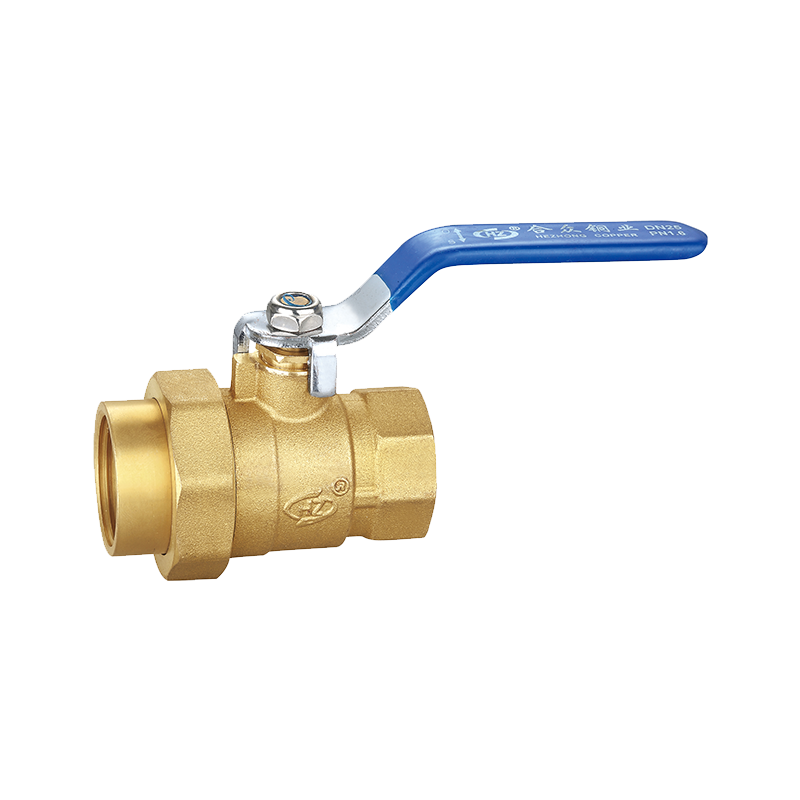 Female Thread Union Brass Ball Valve
This female thread union brass ball valve is made of high-quality brass. It has female thr...
-
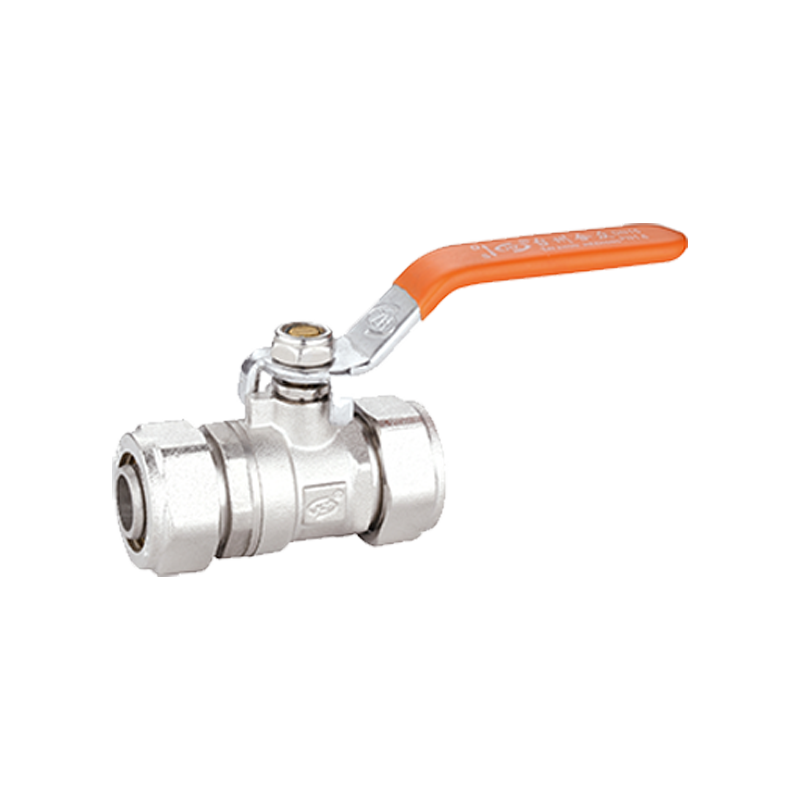 Brass Compression Ball Valve for PEX-AL-PEX Pipe
Brass Compression Ball Valve is forged from high‑quality brass, featuring high‑strength va...
-
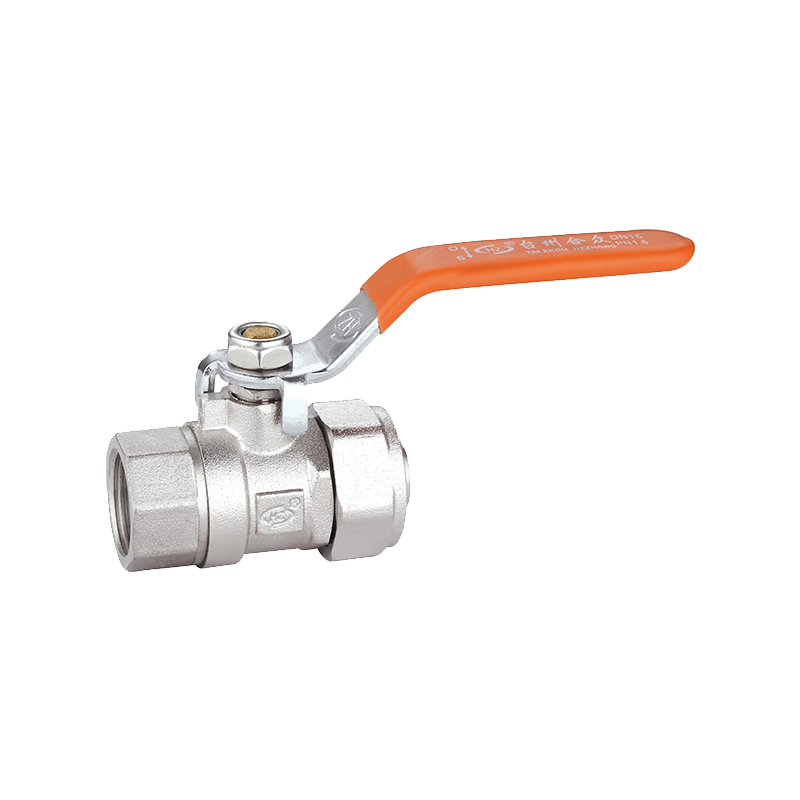 Female-Thread-Brass Compression Ball Valve for PEX-AL-PEX Pipe
This ball valve features a compression connection on one end and a female thread on the ot...
-
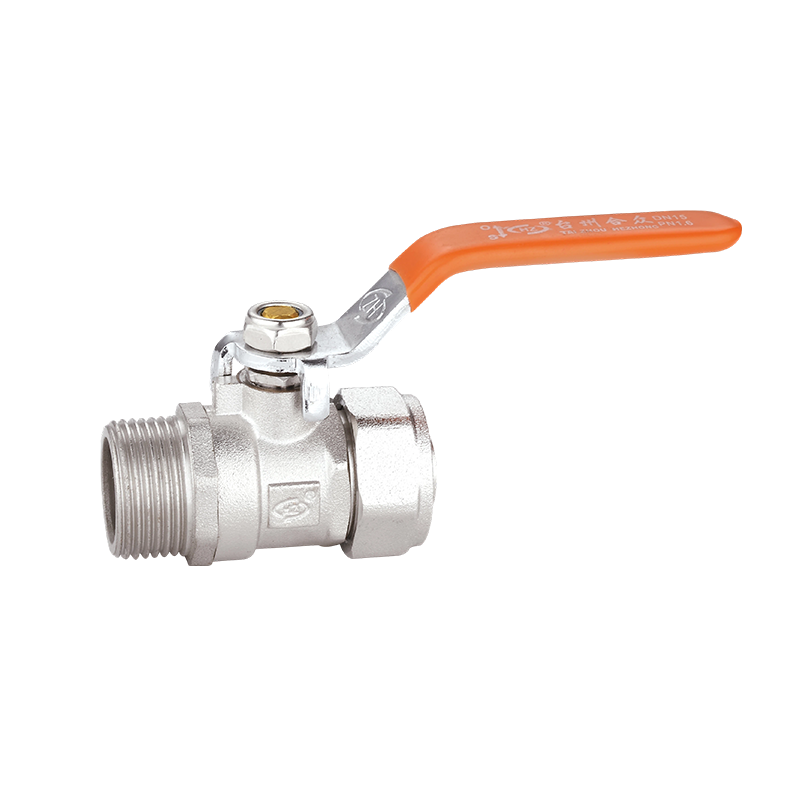 Male-Thread-Brass Compression Ball Valve for PEX-AL-PEX Pipe
This brass compression ball valve is made for PEX-AL-PEX pipe. Connecting different pipe m...
-
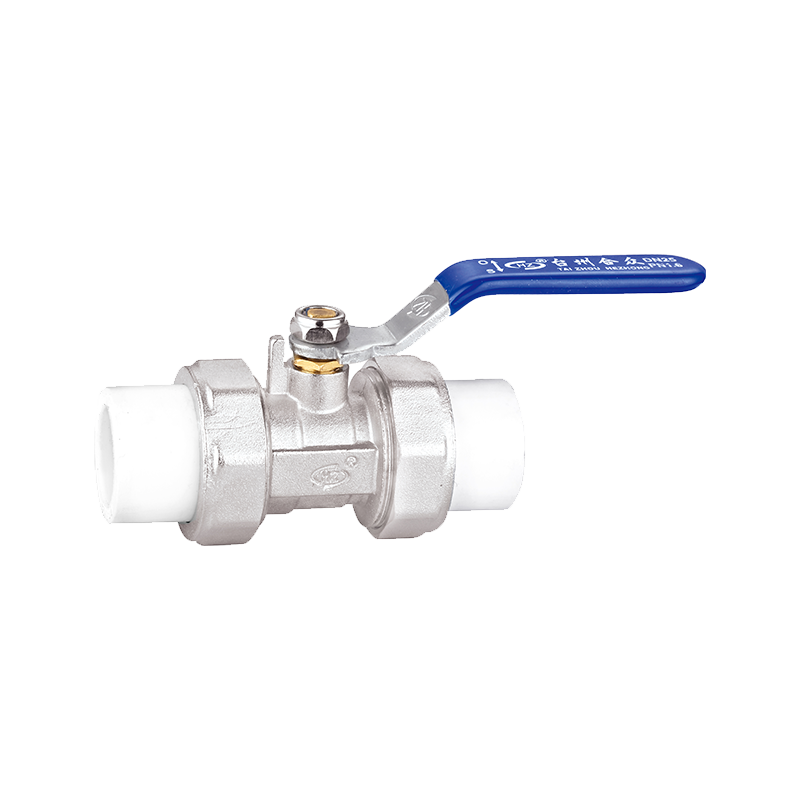 PPR Double Union Ball Valve
This PPR ball valve features a double‑union structure, compatible with hot‑melt connection...
CONTACT DETAILS
- TEL: +86-18158607688
- E-mail: [email protected]
- Address: Zhongshan Industrial Zone, Chumen Town, Yuhuan City, Taizhou, Zhejiang Province, China
