 EN
EN  English
 русский
 中文简体
中文简体
This brass ball valve is built for water lines, HVAC loops, and compressed air systems whe...
Home / News / Industry News / What Role Does Red Handle Gas Valve And Yellow Handle Gas Valve Color Coding Play



AGV

Automated robots

laser cutting

Logistics sorting

Photovoltaic power-station

Medical devices
Walk into almost any utility room and one thing stands out quickly. Before people notice model numbers, pipe markings, or small labels, they usually notice color first. A handle painted red or yellow catches the eye much faster than printed text on metal parts. Over time, this simple visual habit slowly became part of how gas systems are organized.
In discussions connected with industrial accessories and visual identification products, Zhejiang Qixiang Valve Co., Ltd. is sometimes referenced when people talk about manufacturing chains related to structured utility components and appearance based identification systems.
In real working environments, pipes are often installed close together. Some run overhead, some disappear behind equipment, and some cross through narrow spaces where visibility is limited. Workers do not always have time to stop and read every small marking. Because of that, handle color became a practical shortcut for recognition.
Red Handle Gas Valve and Yellow Handle Gas Valve are both connected with this kind of visual identification. Even though the valve function may be similar, the color changes how people react to the equipment around them.
Purpose Of Visual Differentiation In Valve Systems
Many valve systems look nearly identical at first glance. Metal bodies, pipe joints, and connectors often blend together visually, especially inside mechanical rooms filled with equipment. Without some kind of quick distinction, finding the correct valve can take longer than expected.
Color coding helps simplify that process.
Instead of relying completely on labels or engraved markings, workers can identify valve groups visually. This becomes useful during inspection work, repairs, or routine operation when attention is divided between multiple tasks.
In practice, color coding often helps with:
Even a small color difference can change how quickly someone identifies the correct component.
Labels usually need close viewing. Sometimes lighting is weak, surfaces become dusty, or labels are partly hidden behind pipes. Color works differently because it can often be recognized from a distance without slowing movement.
A person walking through a mechanical area may recognize a yellow or red handle almost automatically. The reaction happens before reading.
Over time, workers develop habits around these visual signals:
That is why color coding remains common even when written identification is already present elsewhere in the system.
Common Situations Where Red Handle Gas Valve Appears
Red Handle Gas Valve is often used in locations where visibility matters during operation. In busy utility layouts, a red handle stands apart more easily from metallic surroundings and darker equipment surfaces.
It is commonly seen in:
The color itself does not change how the valve functions mechanically, but it changes how quickly people notice it.
Red naturally attracts attention faster than many softer or neutral colors. In industrial environments filled with gray metal, concrete, and dark equipment surfaces, a red handle becomes visually noticeable without extra effort.
This matters during:
People also connect red with caution or awareness because of repeated exposure in daily surroundings. Even without conscious thinking, the color may encourage quicker reaction when someone searches for a control point.
The usefulness of a red handle depends on more than paint alone. If the coating fades after long handling or if the grip shape becomes difficult to use, visibility may no longer support smooth operation.
Because of this, manufacturers often consider:
In some installations, valves are partially hidden behind machinery or placed close together, making handle shape just as important as color.
Common Usage Situations For Yellow Handle Gas Valve
Yellow Handle Gas Valve is strongly connected with gas line recognition in many environments. Workers often associate yellow with gas related systems because the color has been used repeatedly in utility layouts over time.
It commonly appears in:
Because the association is already familiar to many workers, identification becomes faster during routine tasks.
Yellow creates a clear contrast in many utility environments. Against steel pipes, dark backgrounds, or unfinished walls, the color stays visible without requiring extra markings.
Another reason is consistency. When workers repeatedly see yellow handles connected with gas systems, visual memory becomes stronger.
This supports:
Simple visual consistency often reduces hesitation during inspection or operational work.
Handle visibility changes depending on environment. Lighting, dust, surface wear, and surrounding materials all affect how clearly a yellow handle can be seen after long use.
Because of this, practical design often focuses on:
A handle that stays visually clear over time supports easier identification during daily operation.
| Aspect | Red Handle Gas Valve | Yellow Handle Gas Valve |
|---|---|---|
| Main Visual Effect | Draws attention quickly | Supports gas system recognition |
| Common Use Area | Manual control points | Gas pipeline layouts |
| User Response | Immediate awareness | System category recognition |
| Visual Contrast | Strong against metal surfaces | Clear in mixed utility systems |
| Operational Purpose | Fast visual location | Organized system identification |
In many workplaces, people often describe valves by color before using technical names. Someone may say "check the yellow handle near the pipeline" instead of referring to a long component description.
This kind of communication feels simple, but it speeds up coordination during daily work.
Color coding often helps with:
In larger utility systems, these small visual habits can make routine operation feel more organized and easier to follow.
People usually react to color before they react to written information. In working environments filled with pipes, connectors, and mechanical parts, visual signals help the brain sort information quickly without requiring much attention.
That is one reason handle colors remain useful even when systems already include labels and technical markings.
A worker entering a utility area may not immediately read printed text on every component, but a colored handle is often noticed right away. The reaction happens naturally because the human eye separates strong color contrast faster than detailed shapes or letters.
Over time, repeated exposure creates habits:
This process is less about formal training and more about repeated visual experience during daily work.
Consistency plays an important role in visual identification. If the same type of valve appears in many different colors without a clear reason, recognition becomes slower and confusion increases.
In practical environments, workers often depend on repeated visual patterns:
When visual consistency is maintained, workers spend less time interpreting what they are looking at. The environment feels easier to navigate because recognition becomes part of routine memory.
This matters even more in places where many systems operate close together. Pipes carrying different materials may run side by side, and a quick visual difference helps reduce mistakes during operation or maintenance.
Material And Coating Selection
Handle color may look simple from the outside, but keeping that appearance stable over time requires attention during production.
Gas valves are often handled repeatedly. Hands, tools, moisture, dust, and surrounding conditions gradually affect the surface. If coating quality is weak, colors may fade or become uneven after long use.
Because of this, manufacturers usually consider:
A handle that loses visibility over time becomes less useful for quick recognition.
Color supports identification, but physical shape affects operation itself. If a handle is difficult to grip or turn, visibility alone cannot improve usability.
Practical handle design often focuses on:
In crowded utility layouts, workers sometimes operate valves while wearing gloves or while reaching through limited spaces. Because of this, shape and color usually work together rather than separately.
In manufacturing environments, consistency between batches also matters. If the shade of yellow or red changes too much between products, visual recognition becomes less reliable.
Even small appearance differences can affect how organized a system feels once multiple valves are installed together.
Production control often involves:
A more consistent appearance supports clearer identification after installation.
How Color Coding Helps Separate Different Pipelines
Inside larger utility systems, pipelines may carry different materials while sharing the same physical space. Without visual separation, workers may need extra time identifying which line belongs to which function.
Handle color helps organize these systems visually.
For example:
The benefit becomes more noticeable in compact layouts where pipes cross closely together.
The usefulness of handle color also depends on where the valve is installed. A brightly colored handle hidden behind equipment may still be difficult to locate.
Because of this, placement and visibility often influence each other.
Important practical considerations include:
In some spaces, even a small adjustment in installation angle improves visibility noticeably.
How Handle Colors Change Over Time
Valve handles are exposed to regular contact and environmental conditions. Over time, the surface may slowly change because of friction, dust buildup, moisture, or repeated cleaning.
Common long-term changes include:
These changes may seem minor at first, but they can reduce recognition speed during daily use.
Visual identification only works well when the handle remains easy to recognize. If dirt, damage, or fading covers the original color, workers may need to rely more heavily on labels or close inspection.
Routine maintenance sometimes includes:
This helps maintain operational clarity over long periods of use.
Different workers rely on visual systems in different ways. Someone who works around valves every day may identify systems almost instantly through color and placement alone. Occasional users, however, may depend more heavily on visible contrast and simple recognition.
That difference explains why color coding continues to appear in many utility systems even as digital identification methods become more common.
Simple visual organization still offers practical advantages:
In busy environments, small details like handle color often influence workflow more than people notice at first glance.
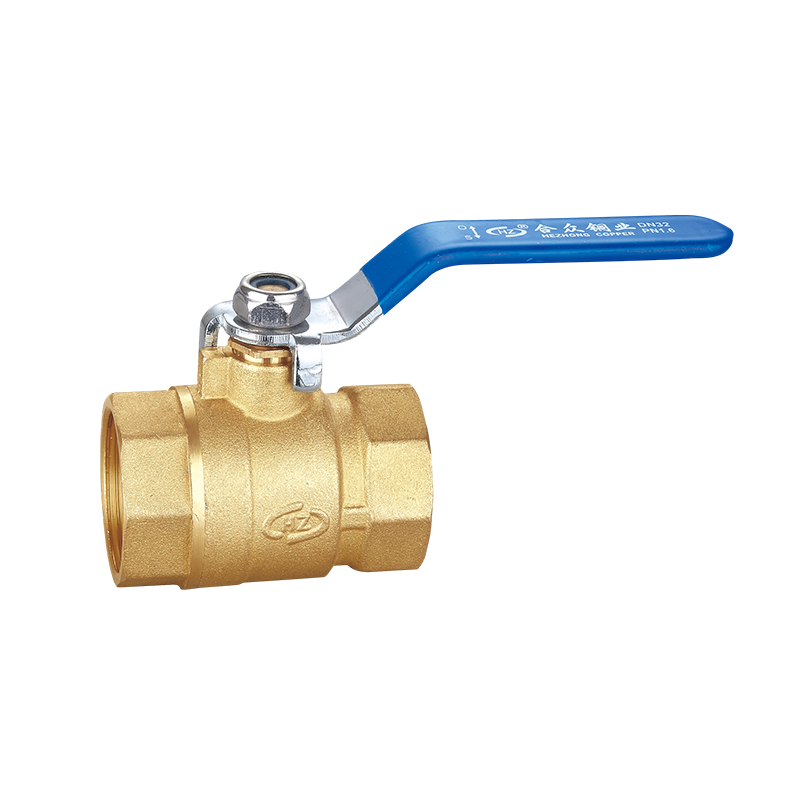
This brass ball valve is built for water lines, HVAC loops, and compressed air systems whe...

This male thread brass ball valve is made of national standard forged brass with RP male t...
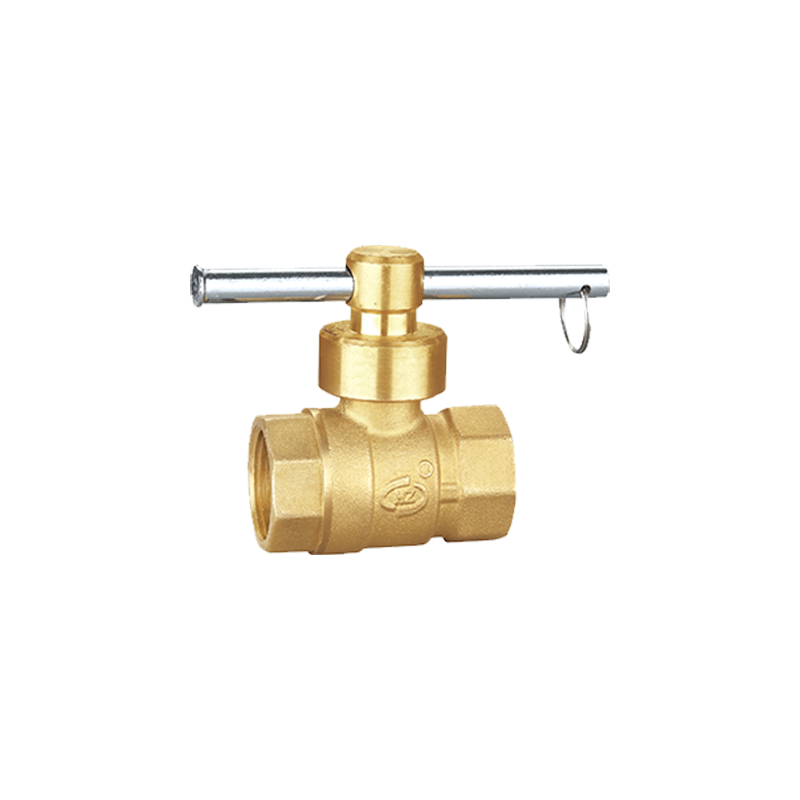
This is One‑Word Magnetic Lock‑Off Ball Valve of the Water Utilities Series. It is integr...
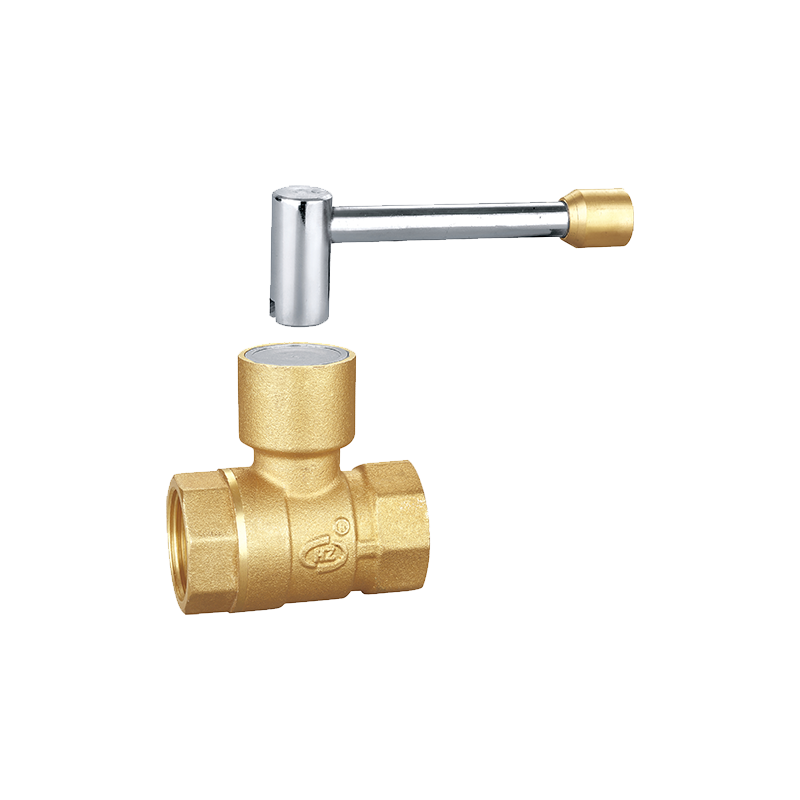
This brass magnetic lock‑off ball valve has a high‑quality forged brass valve body with st...
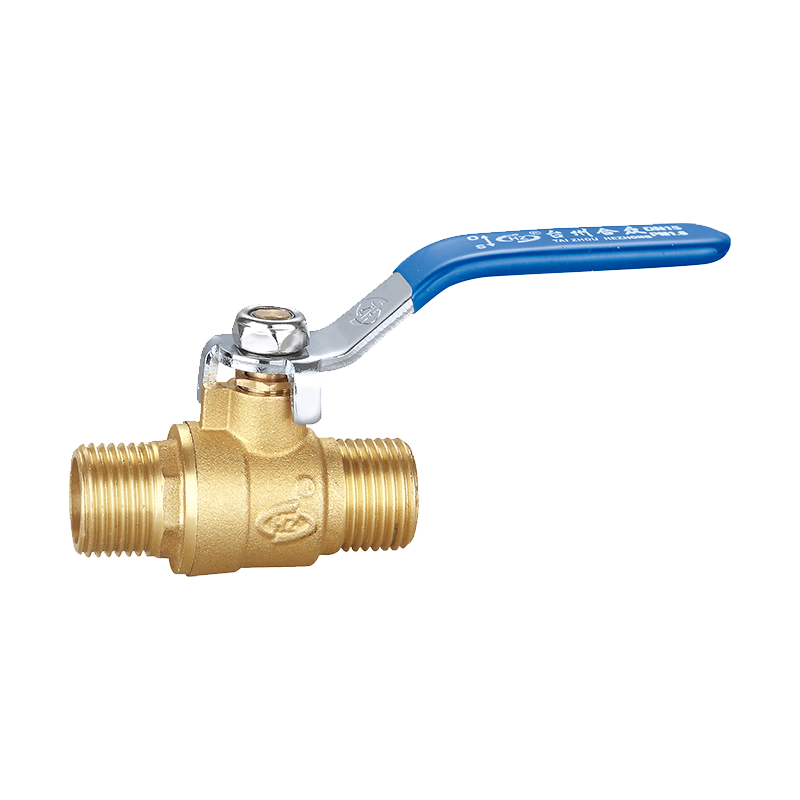
Double male brass ball valve features male threads on both ends for direct in-line connect...
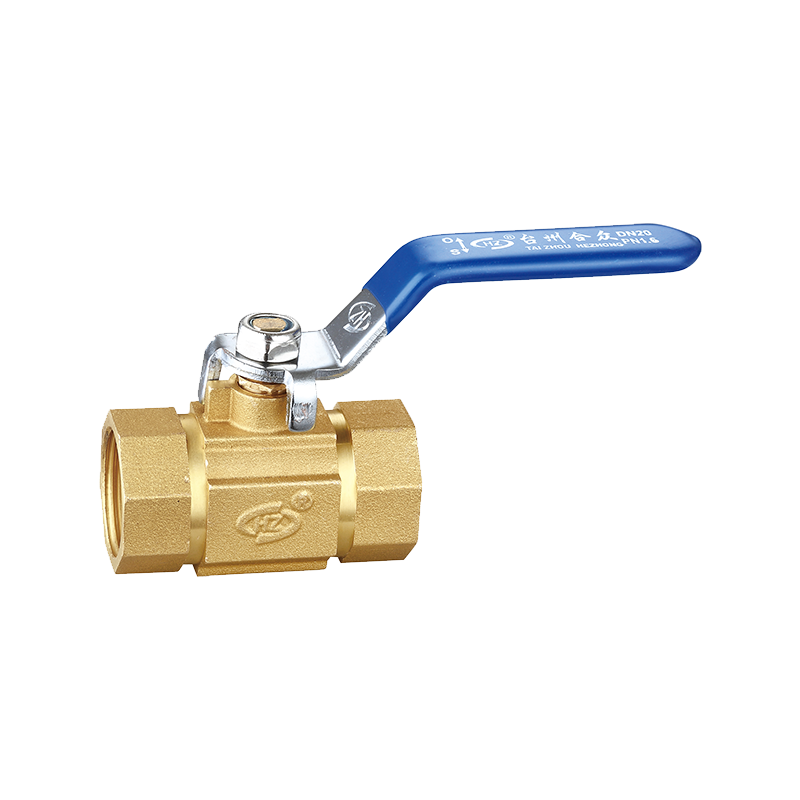
This square body ball valve is integrally forged from high‑quality brass. Its square‑shape...
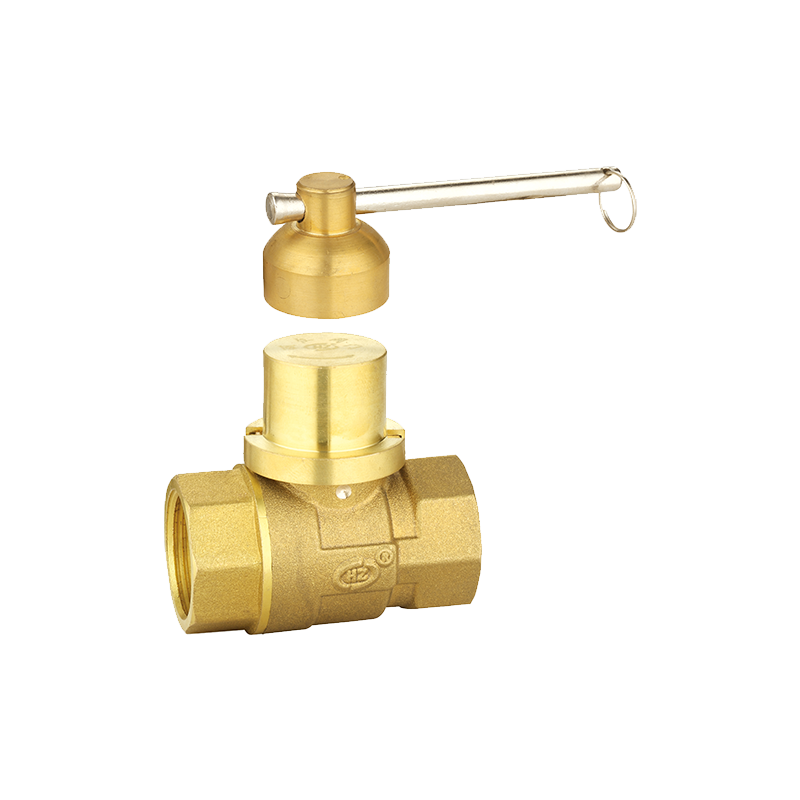
Forged metal tee fitting with M30 loose nut for gas meter inlet connection, double 1/2" ma...
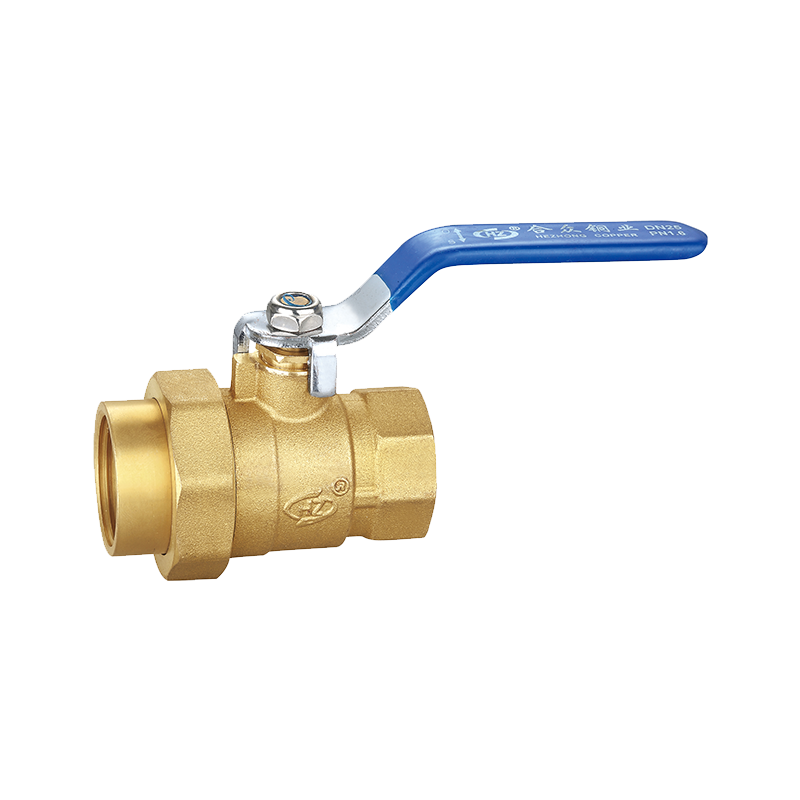
This female thread union brass ball valve is made of high-quality brass. It has female thr...
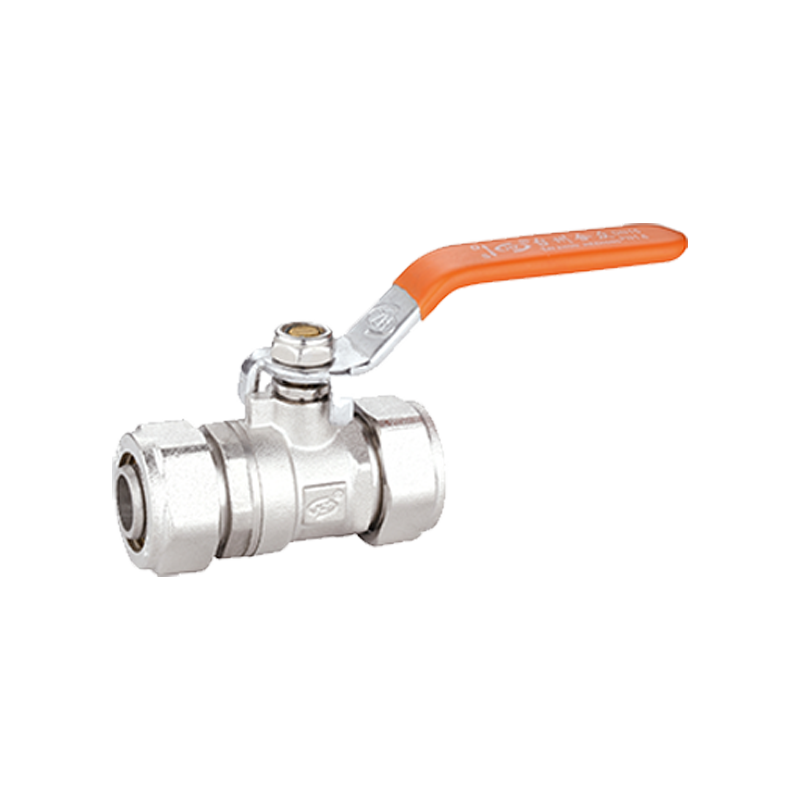
Brass Compression Ball Valve is forged from high‑quality brass, featuring high‑strength va...
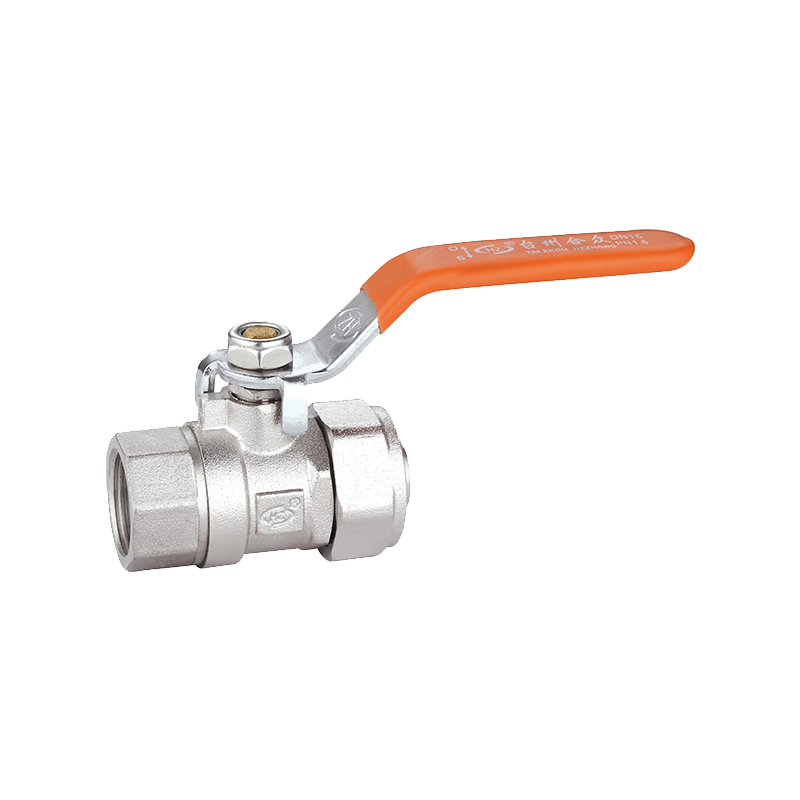
This ball valve features a compression connection on one end and a female thread on the ot...
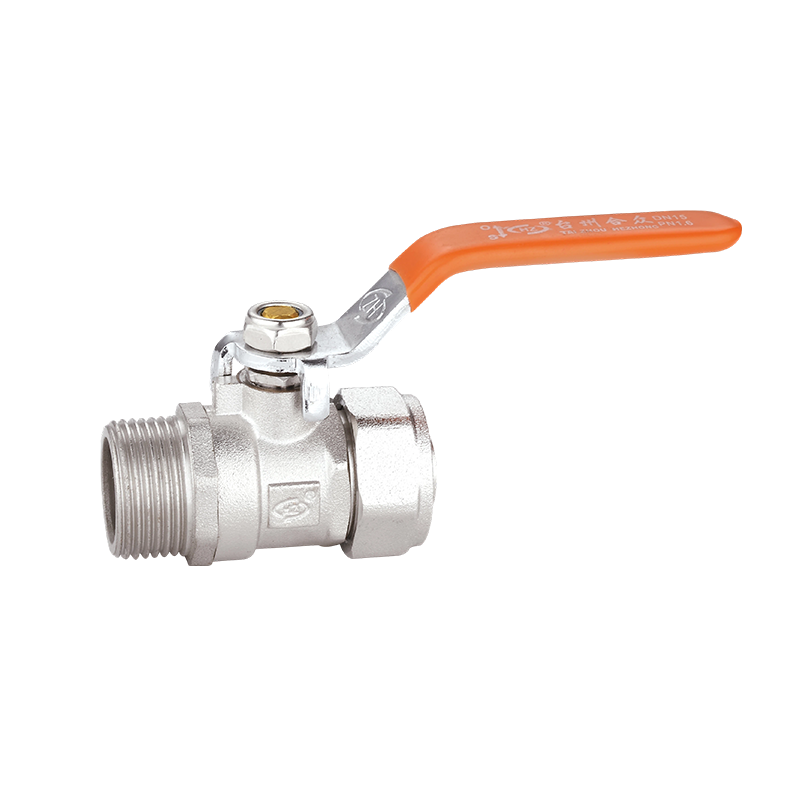
This brass compression ball valve is made for PEX-AL-PEX pipe. Connecting different pipe m...
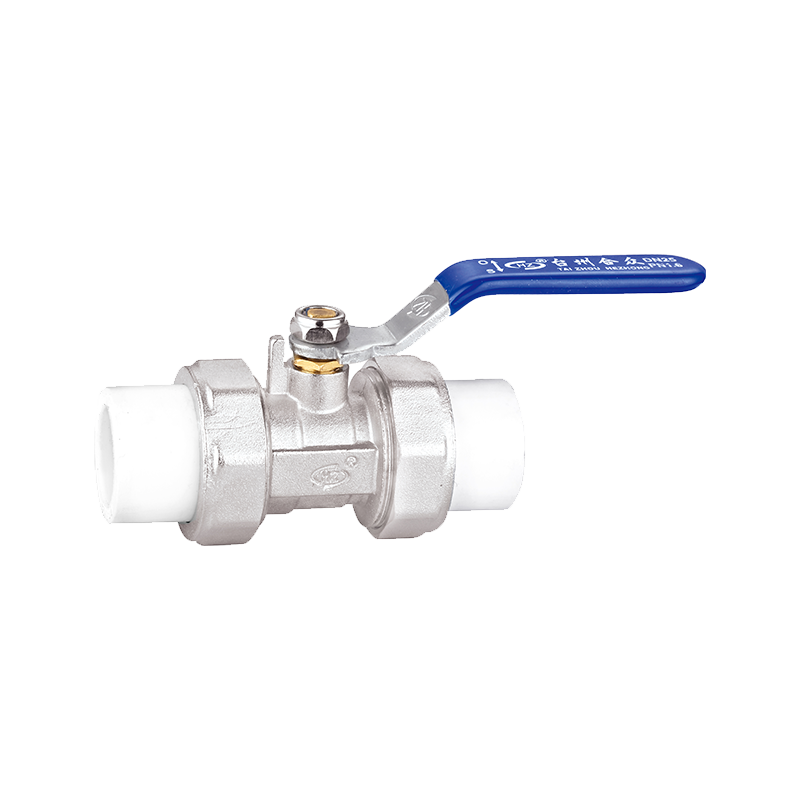
This PPR ball valve features a double‑union structure, compatible with hot‑melt connection...
