 EN
EN  English
 русский
 中文简体
中文简体
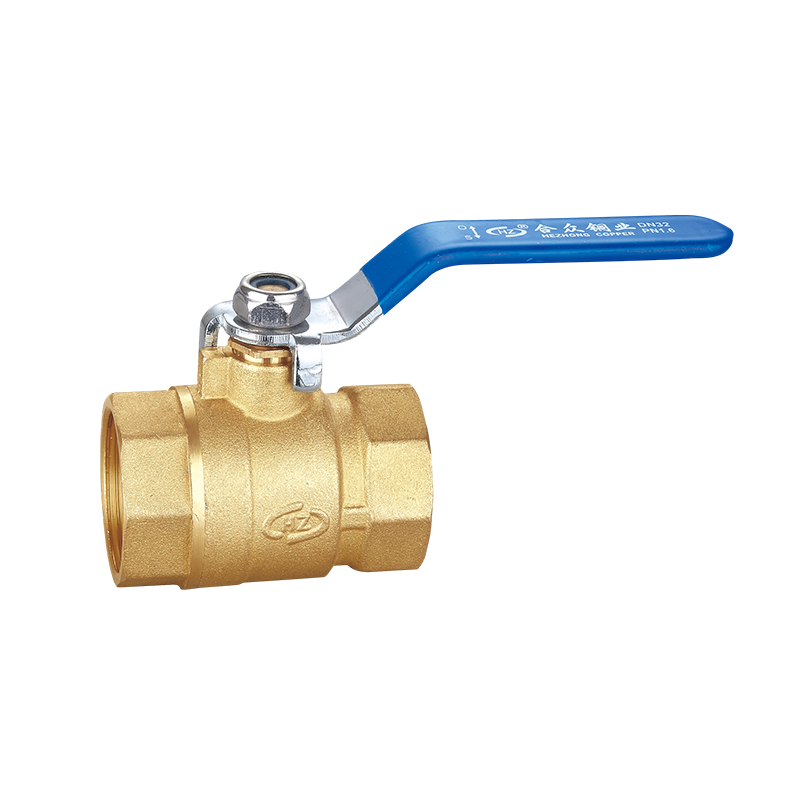
This brass ball valve is built for water lines, HVAC loops, and compressed air systems whe...


Application Industry
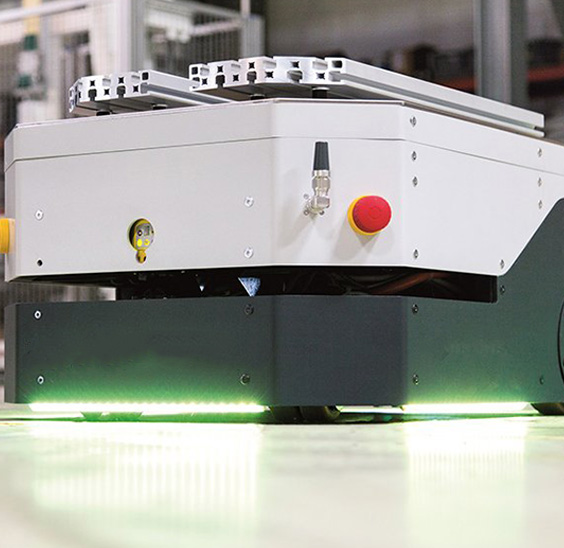
AGV

Automated robots
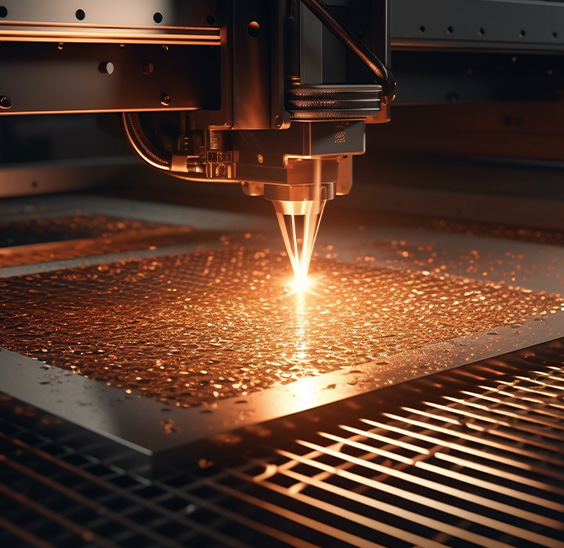
laser cutting

Logistics sorting

Photovoltaic power-station

Medical devices
HVAC Valves: Core Components for Efficient Climate Control Systems
HVAC valves look like tiny parts, but they' re actually critical in any heating, ventilation, or air conditioning setup. They control hot or chilled water flow, manage room temperatures, and keep the whole system running efficiently without wasting energy. In houses, offices, hotels, or factories, these valves directly affect how comfortable a space feels and what your utility bills end up being.
Energy prices keep climbing and efficiency rules are getting tighter, so folks are paying more attention to the valves they pick. Whether you' re a homeowner swapping out old ones, a contractor on a new build, or managing a big building, knowing the different HVAC valve types really matters for performance and reliability down the road.
What HVAC Valves Actually Do
Basically, HVAC valves open, close, or throttle the flow of heating or cooling fluid-usually water or a water-glycol mix-through the pipes. Some you operate by hand, others react automatically to temperature shifts. Good ones seal tight to stop leaks, handle hot and cold swings without breaking, and keep pressure drop low so pumps don' t have to work extra hard.
Most solid residential and light commercial valves are made from brass, often lead-free or DZR (dezincification-resistant) brass. It deals well with water, resists corrosion, and moves heat effectively. Inside you' ll see balls, discs, or wax elements doing the actual control work.
Common Types of HVAC Valves and Where They' re Used
These are the ones you see most in real jobs:
Thermostatic Radiator Valves (TRVs) and Thermostatic Control Valves
They automatically tweak flow according to room temperature. You dial in your comfort setting, and the valve opens or closes as the room heats up or cools down. Super common on old-school radiators and modern underfloor heating manifolds. In offices and commercial spots, they show up in zoned systems where rooms need different temps. They save energy by keeping rooms from getting too hot when nobody needs it.
Brass HVAC Ball Valves
Straightforward on/off valves. Quarter-turn the handle and flow is fully open or closed. Great seal, almost no pressure drop with full-port design, and they hold up for years even if you use them a lot. You' ll spot them on boiler supply/return lines, chilled water loops in AC systems, and anywhere you need isolation. Simple, tough, and cheap-favorite for homes and small commercial work.
Angle Filter Valves (Y-Strainer Style)
Big with wall-hung boilers. They combine a shut-off valve with a built-in strainer that catches dirt, rust, and debris before it hits sensitive parts like heat exchangers or pumps. Put one on the boiler return line and you prevent clogs and make the whole system last longer. Lots of installers now make these standard on new boiler installs.
Three-Way HVAC Valves
Used when you need to mix hot and cold water or send flow in different directions. Common in bigger commercial AC systems, fan coil units, and some underfloor setups that need exact temperature mixing. Available in mixing or diverting types depending on the job.
PPR and Ferrule-Type Connection Valves
New homes often run PPR, PEX, or multilayer pipe. These valves have fusion sockets or compression ferrules so you connect them fast without soldering. Quick install, leak-free, and popular in fresh residential builds where speed counts.
Ball Valves vs Thermostatic Valves vs Three-Way Valves – Practical Comparison
- Brass ball valves win when you just need reliable on/off or isolation. Fast operation, minimal flow restriction, built tough. Downside: they don' t self-adjust flow.
- Thermostatic valves are great for comfort. They handle flow automatically, boost efficiency, and hold steady temperatures. Cost more than basic ball valves but save money on heating bills over time.
- Three-way valves handle complex jobs like blending or redirecting flow. Useful in large commercial systems, but they add cost and complexity-rarely needed in regular homes.
Best setups mix them: ball valves for isolation and service points, thermostatic ones for zone comfort, and a filter valve to guard the boiler.
How to Choose the Right HVAC Valve for Your System
Wrong valve means bad flow, leaks, noise, or early failures. Here' s what pros actually check:
- Material and Build Quality - Pick lead-free or DZR brass for water systems. It fights corrosion better, especially with hard water or glycol.
- Size and Connection Type - Match pipe diameter and connection (threaded, PPR fusion, compression ferrule) exactly. Mismatches cause most leaks and headaches.
- Pressure and Temperature Rating - Homes run lower pressure, but boilers and commercial loops get hotter and higher pressure. Always verify specs against your system.
- Function Matches the Need - Want automatic room control? Thermostatic. Simple shut-off? Ball valve. Protect equipment? Filter valve. Complex zoning? Three-way.
- Certifications and Standards - Make sure they meet local codes-pressure ratings, material certs, lead-free approvals in North America and Europe.
Consider the location too: damp basements or outdoor rooms need extra corrosion resistance. Underfloor or boiler-specific valves usually outperform generic ones.
Final Tips for Long-Term HVAC Performance
A good HVAC valve does more than open and close. It keeps the system smooth, cuts energy waste, and reduces headaches for years. Whether it' s a basic home radiator, full underfloor heating, or big commercial chilled water setup, matching the valve type, material, and connection right pays off big in comfort and reliability.
When replacing old valves or doing a new install, stick with solid brass, correct sizing, and the right function. Smart picks here can keep your HVAC running strong for the next 10–20 years.
Related products
-
-
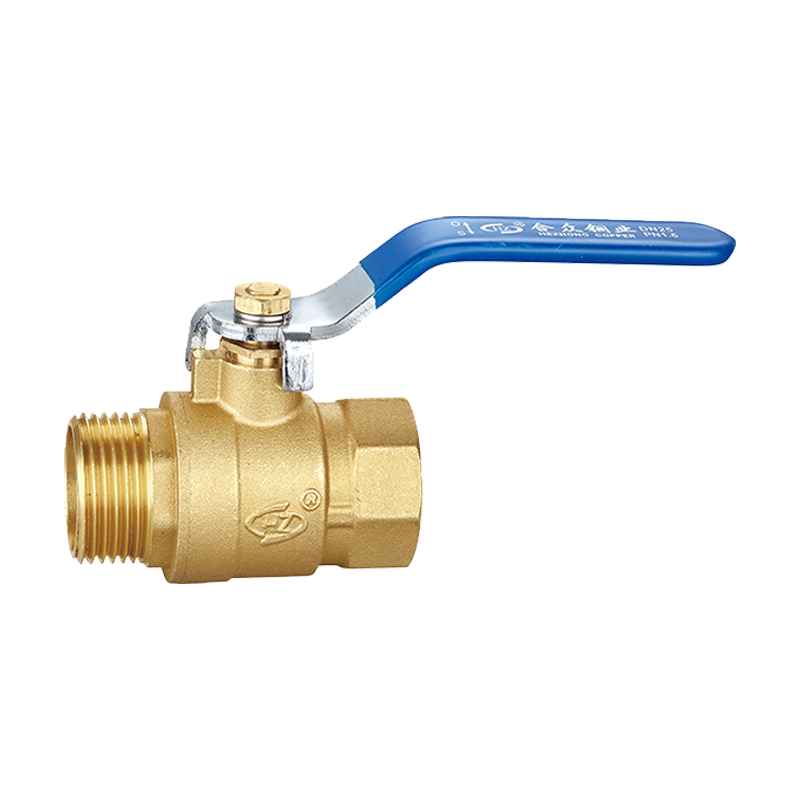 Male Thread Brass Ball Valve for Water & HVAC Systems
This male thread brass ball valve is made of national standard forged brass with RP male t...
-
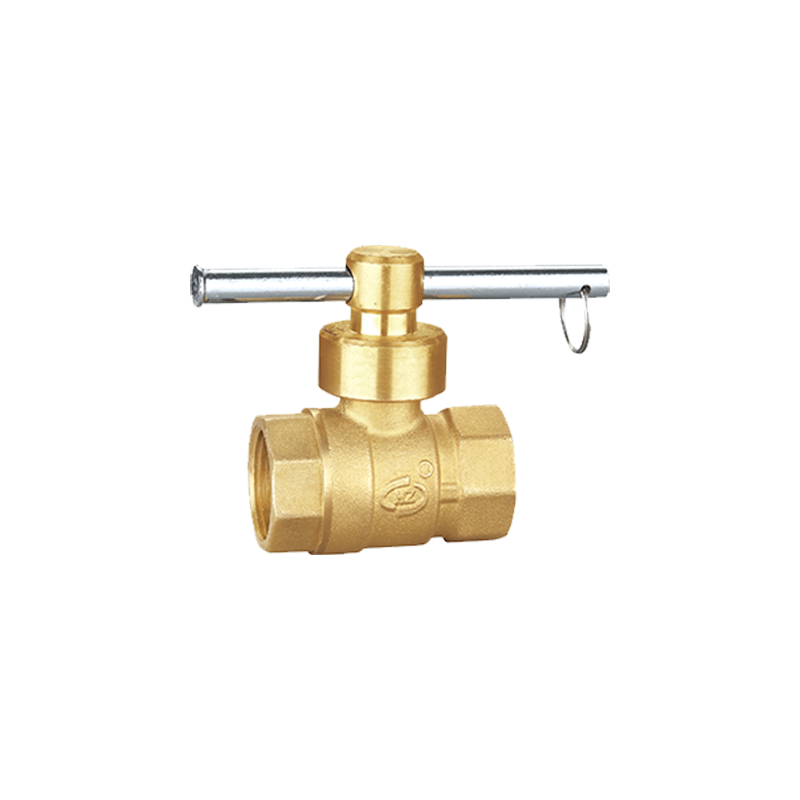 One‑Word Magnetic Lock-Off Ball Valve
This is One‑Word Magnetic Lock‑Off Ball Valve of the Water Utilities Series. It is integr...
-
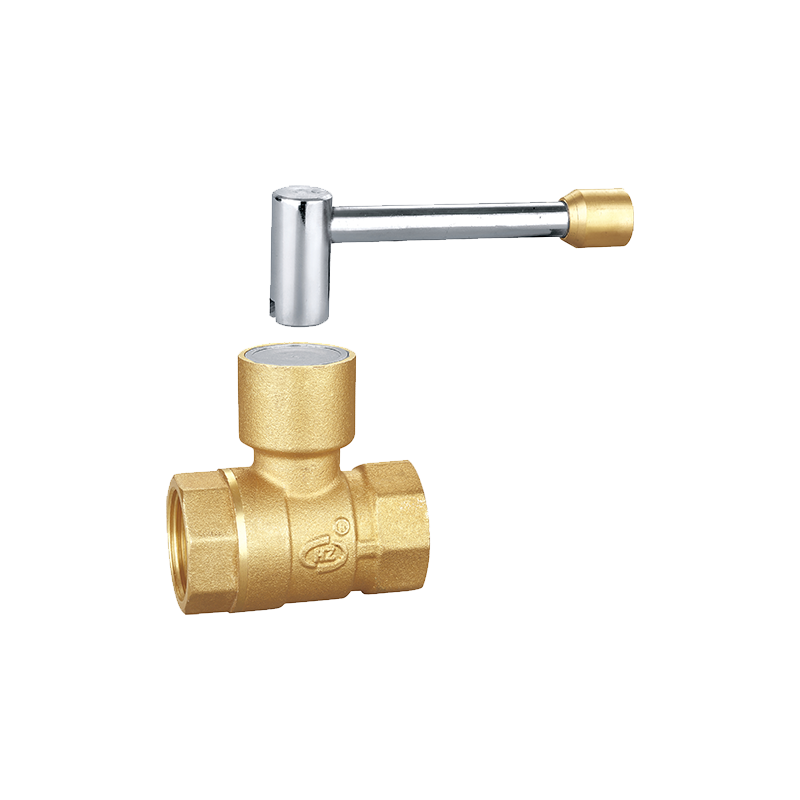 Brass Magnetic Lock-Off Ball
This brass magnetic lock‑off ball valve has a high‑quality forged brass valve body with st...
-
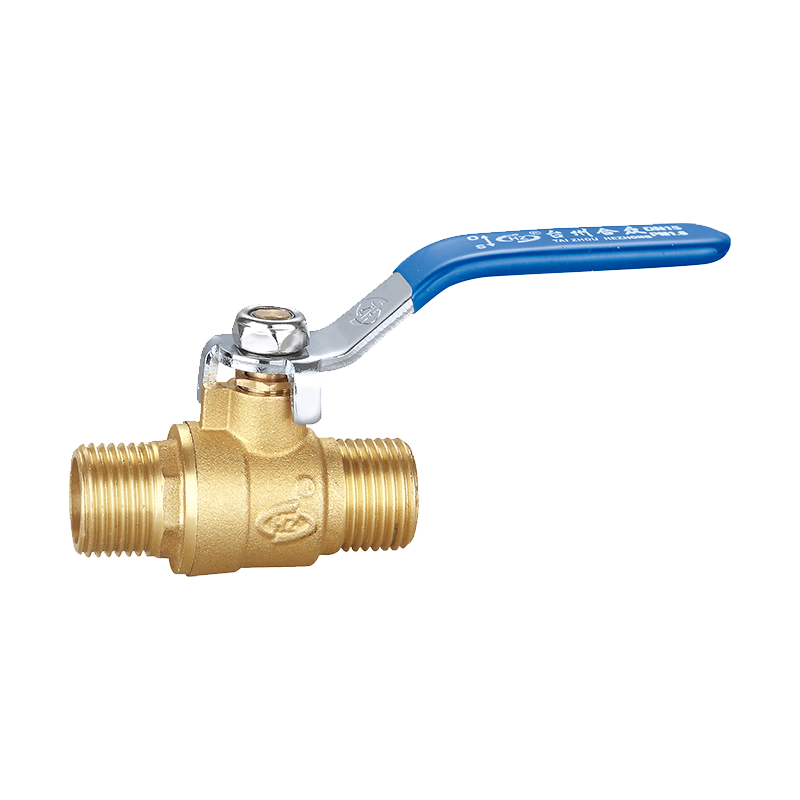 Double Male Brass Ball Valve for Water & HVAC Systems
Double male brass ball valve features male threads on both ends for direct in-line connect...
-
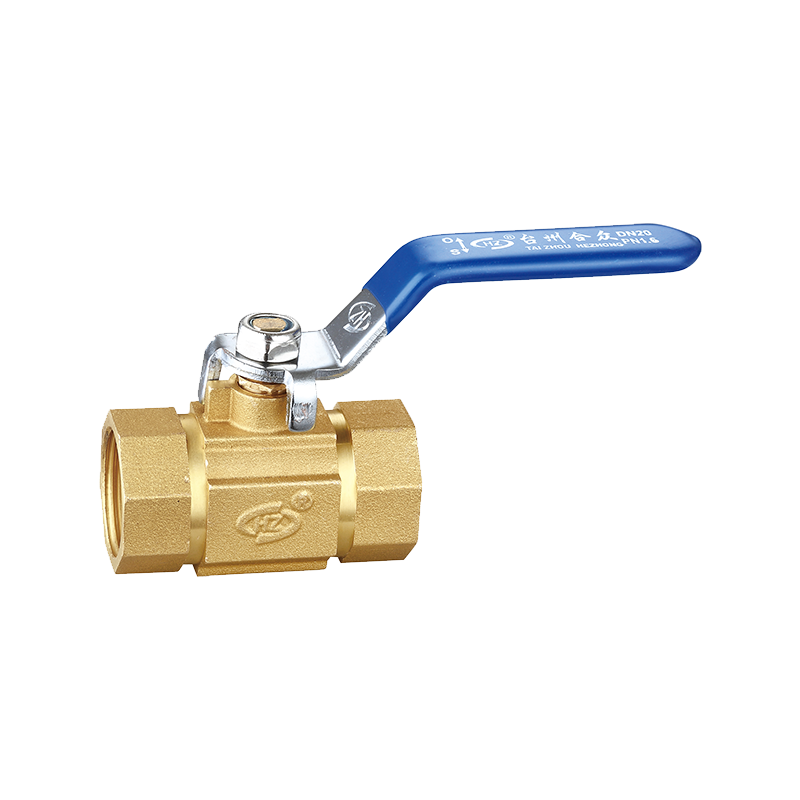 Square Body Ball Valve
This square body ball valve is integrally forged from high‑quality brass. Its square‑shape...
-
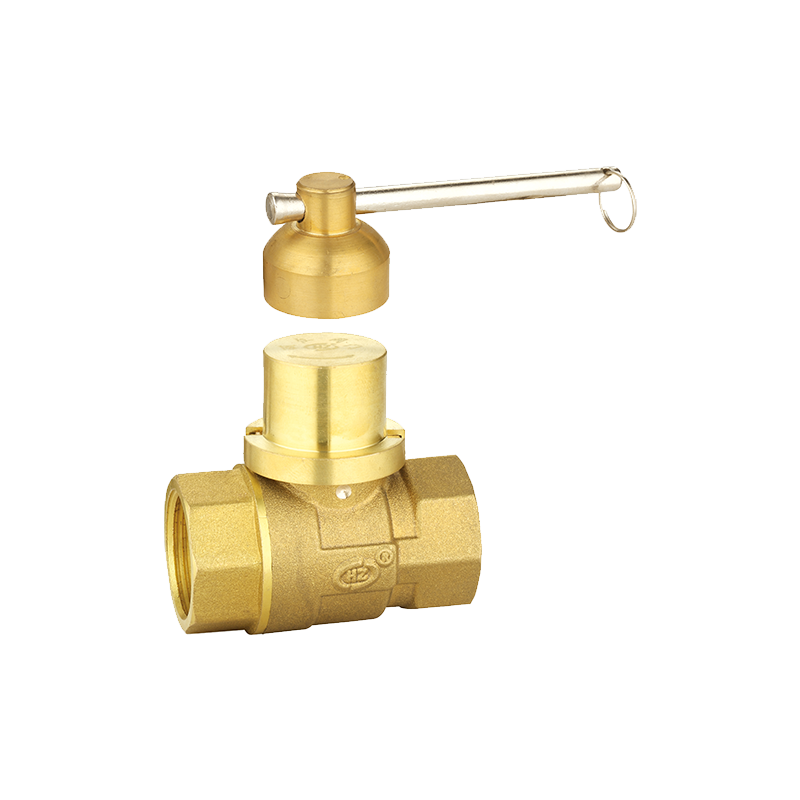 Magnetic Ball Valve for Front of Water Meter
Forged metal tee fitting with M30 loose nut for gas meter inlet connection, double 1/2" ma...
-
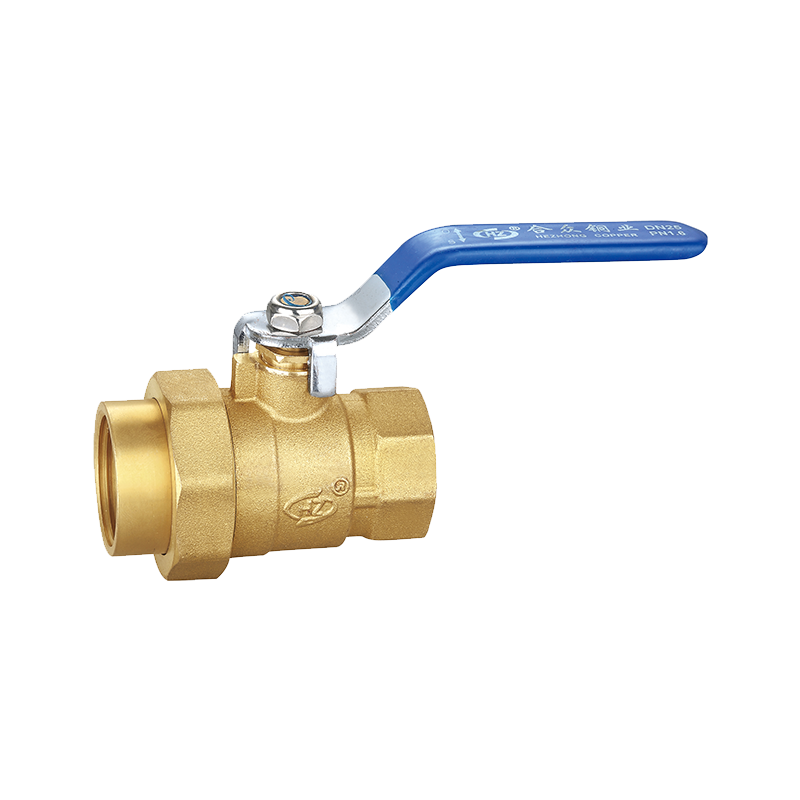 Female Thread Union Brass Ball Valve
This female thread union brass ball valve is made of high-quality brass. It has female thr...
-
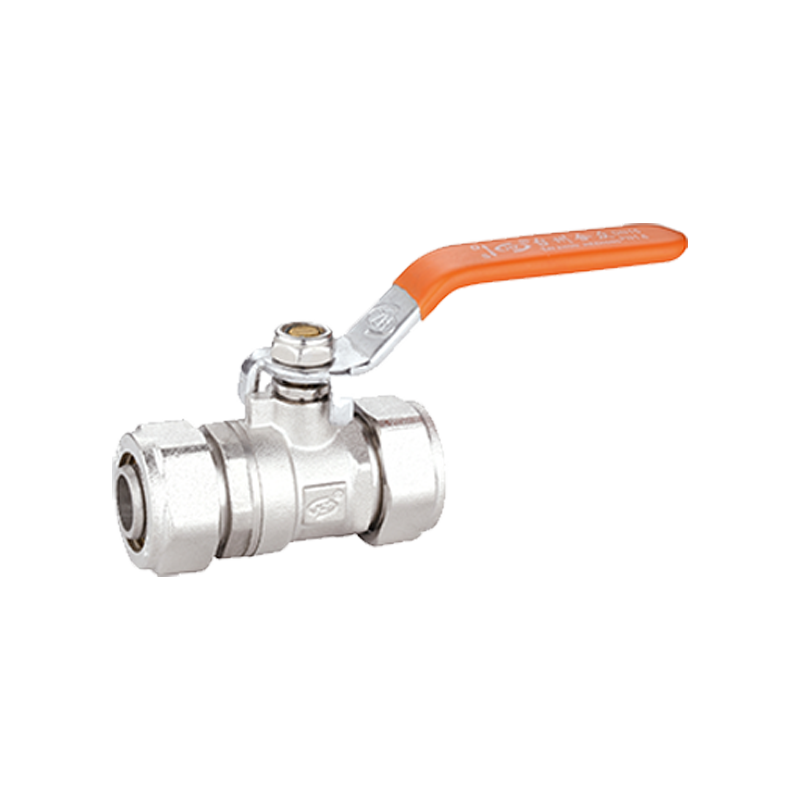 Brass Compression Ball Valve for PEX-AL-PEX Pipe
Brass Compression Ball Valve is forged from high‑quality brass, featuring high‑strength va...
-
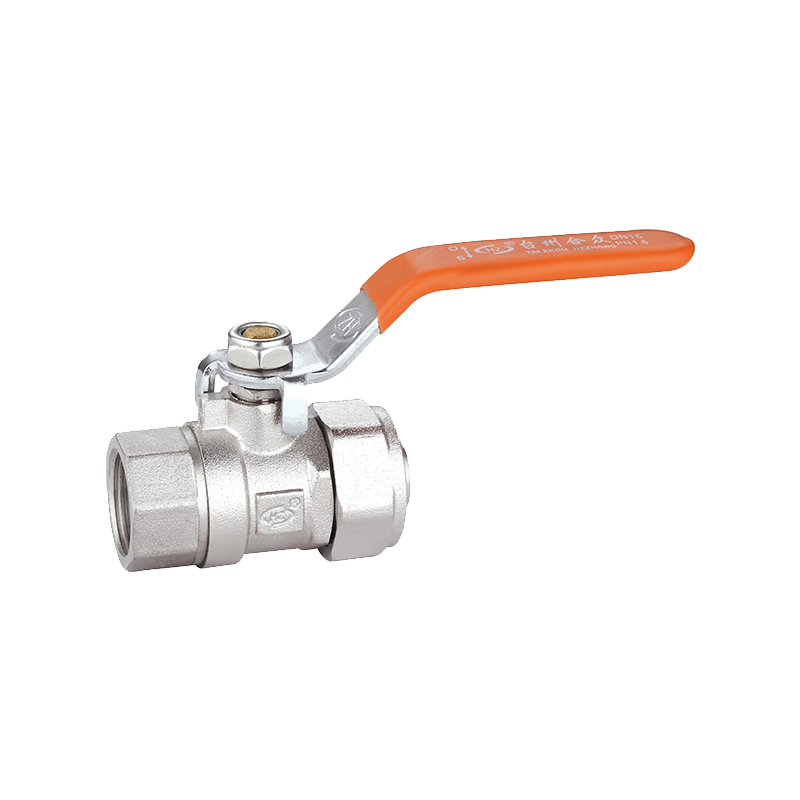 Female-Thread-Brass Compression Ball Valve for PEX-AL-PEX Pipe
This ball valve features a compression connection on one end and a female thread on the ot...
-
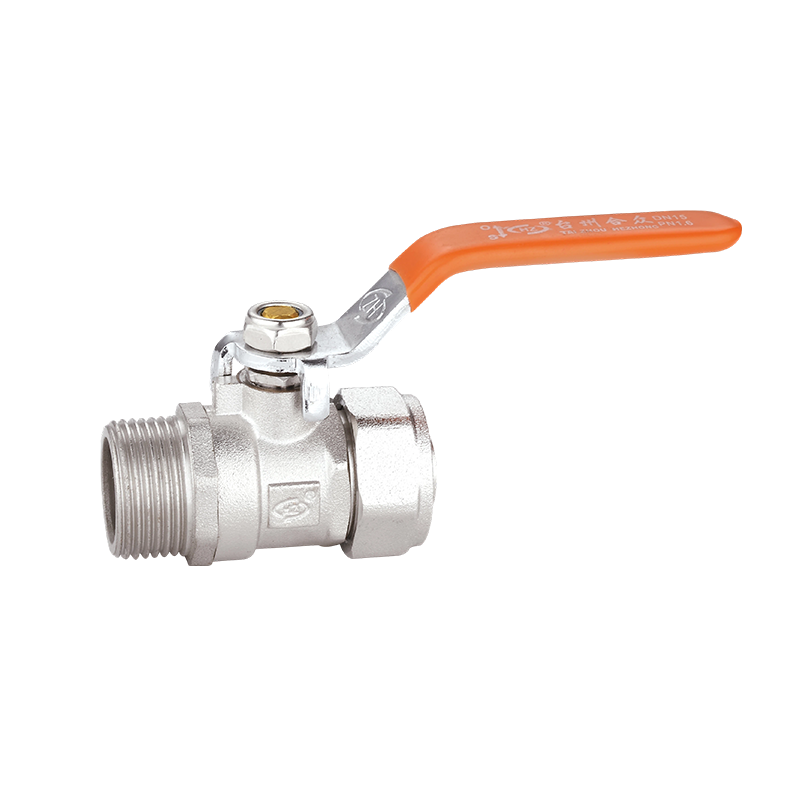 Male-Thread-Brass Compression Ball Valve for PEX-AL-PEX Pipe
This brass compression ball valve is made for PEX-AL-PEX pipe. Connecting different pipe m...
-
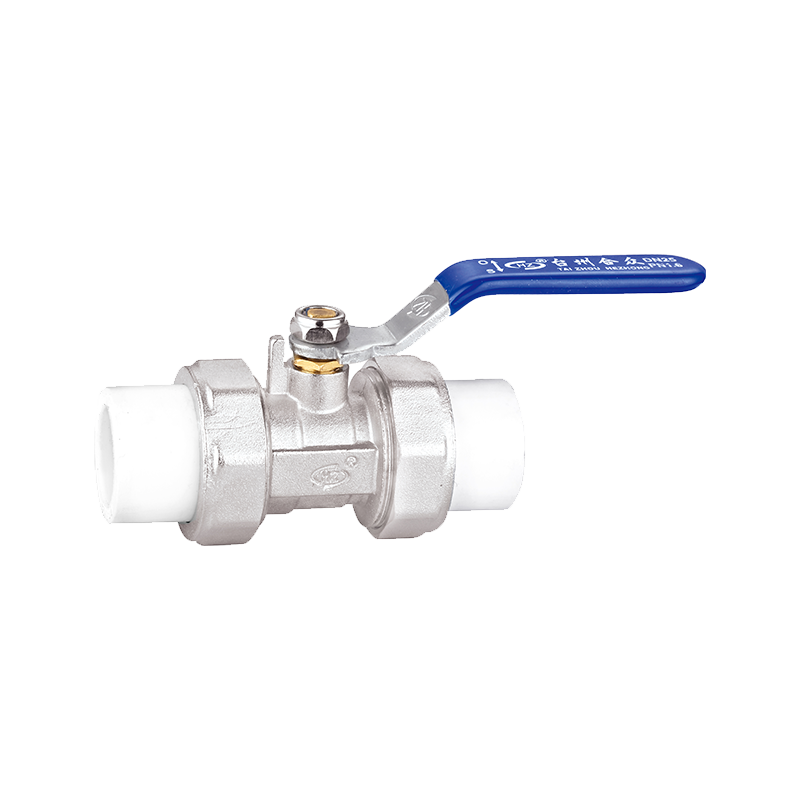 PPR Double Union Ball Valve
This PPR ball valve features a double‑union structure, compatible with hot‑melt connection...
CONTACT DETAILS
- TEL: +86-18158607688
- E-mail: [email protected]
- Address: Zhongshan Industrial Zone, Chumen Town, Yuhuan City, Taizhou, Zhejiang Province, China
