 EN
EN  English
 русский
 中文简体
中文简体
This brass ball valve is built for water lines, HVAC loops, and compressed air systems whe...


Application Industry
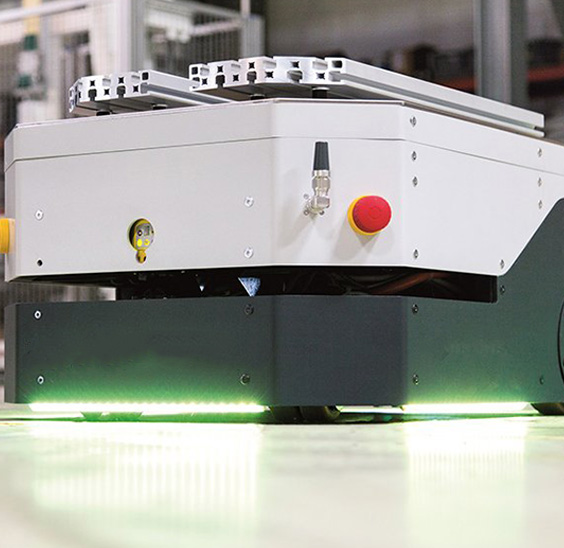
AGV

Automated robots

laser cutting

Logistics sorting

Photovoltaic power-station

Medical devices
Gas Valves Explained Types Uses And How To Choose Right One
Gas valves are basically the safety gatekeepers in any gas piping system. They control the flow of natural gas or propane (LPG), let you shut things off quickly when needed, and play a huge part in preventing accidents. In homes, restaurants, small factories, or apartment buildings, these valves sit quietly in the background until you need them - whether it's turning off the supply for maintenance or cutting gas in an emergency.
Over the past few years, as safety rules have gotten stricter and people pay more attention to energy efficiency, the demand for good, reliable gas valves has gone up noticeably. Plumbers, installers, facility managers, and even homeowners who do their own small projects all benefit from understanding the basics. Getting the right valve isn't just about matching sizes - it's about matching the valve to how the system actually runs day to day.
What Gas Valves Actually Do and How They Work
At the simplest level, a gas valve opens or closes the path that gas travels through. Most everyday ones use a ball inside the body. You give the handle a quick quarter-turn, and the ball either lines up to let gas flow freely or blocks it completely. That fast action is one reason ball valves are so popular - no struggling with multiple turns like older gate-style valves.
Inside a quality brass gas ball valve, you'll usually find a full-port design. That means the opening inside is almost as wide as the pipe itself, so gas moves through with very little resistance or pressure drop. The sealing comes from PTFE seats and often double O-rings around the stem, plus a blow-out-proof stem that keeps everything secure even if pressure spikes.
For automatic safety, self-closing valves work differently. They monitor pressure and flow on their own. If they sense a sudden drop (like a broken pipe) or abnormal high pressure, they snap shut without anyone touching them. Many residential codes now recommend or require these as the first valve right after the gas meter.
Common Types and Where You' ll Actually See Them
The two types most people run into are brass gas ball valves and gas self-closing valves.
Brass ball valves are the workhorse for most homes and small commercial setups. You' ll find them connected to gas water heaters, kitchen stoves, fireplaces, clothes dryers, and the main line coming into the house. They' re simple, tough, and the yellow handle (or yellow marking) tells everyone it' s for gas - not water. Because they only need a quarter turn, they' re fast to operate in an emergency.
Self-closing valves shine in safety-focused spots. A lot of new homes and apartment buildings install them right at the inlet pipe. They automatically cut the gas if pressure goes too high or too low, or if they detect a leak. They cost a bit more, but that built-in protection gives real peace of mind, especially in households with kids or elderly people.
In hydronic heating systems or underfloor heating, you sometimes need valves that handle temperature swings without leaking over time. Here, a good full-port brass ball valve still does the job well because it keeps flow smooth and pressure loss low.
You' ll also see them in commercial kitchens on big ranges or boilers, and in light industrial lines where the system runs more hours per day.
Ball Valves vs Self-Closing Valves – Practical Differences
If you' re trying to decide between them, think about your daily needs:
- Brass ball valves win for quick manual control. They' re affordable, easy to install, and give a tight seal that holds up for years. The full-port style means almost no drop in gas pressure, which is important for appliances that need good flow.
- Self-closing valves add that extra automatic layer. They don' t replace the manual ball valve - many pros install both. Use the ball valve for normal on/off, and the self-closing one as the main safety shut-off.
Gate valves are another older option some people still see. They can throttle flow more gradually, but they take many turns to open or close and don' t seal as reliably for gas over the long run. That' s why most modern installations have moved away from them for gas service.
In short, for 90% of residential and light commercial jobs, a properly certified brass ball valve is the practical choice. Add a self-closing valve at the main inlet if you want maximum safety.
How to Choose the Right Gas Valve Without Guessing
Picking the wrong valve can lead to leaks, poor flow, or failing an inspection. Here' s what actually matters when you' re standing in the supply house or ordering online:
- Material - Look for dezincification-resistant brass (often marked DZR or CW617N). It handles moisture and gas without corroding quickly. Avoid cheap no-name valves that don' t list the material clearly.
- Certification - Check for proper marks like CSA, AGA, CE, or UL depending on your country or region. If it doesn' t have them, don' t use it for gas.
- Size and Connections - Match the inlet and outlet exactly to your pipe. Common residential sizes are ½ inch and ¾ inch. Thread type matters too - NPT in North America, BSP in many other places.
- Pressure Rating - Most home systems run under 5–10 psi, but commercial lines can be higher. Make sure the valve is rated for your actual working pressure.
- Handle and Marking - Yellow handle or clear "Gas" marking helps everyone identify it later.
Also think about the environment. If the valve will be in a damp basement or outdoor enclosure, make sure the finish can handle it. For systems with big temperature changes (like boilers or underfloor heating), choose one that' s known for staying tight through expansion and contraction cycles.
Final Thoughts on Gas Valve Selection
Getting the right gas valve comes down to matching it to the real conditions it will face - pipe size, pressure, how often it gets used, and the level of safety your setup needs. A well-chosen brass ball valve can quietly do its job for 15–20 years with almost no maintenance. Adding the right safety features, like a self-closing valve where codes or common sense call for it, just makes the whole system smarter and safer.
Whether you' re replacing an old valve in your basement, planning a new kitchen fit-out, or working on a small commercial project, taking a few minutes to understand these basics saves headaches later. Safe installation, proper sizing, and regular visual checks go a long way toward keeping gas systems reliable and worry-free for the long haul.
Related products
-
-
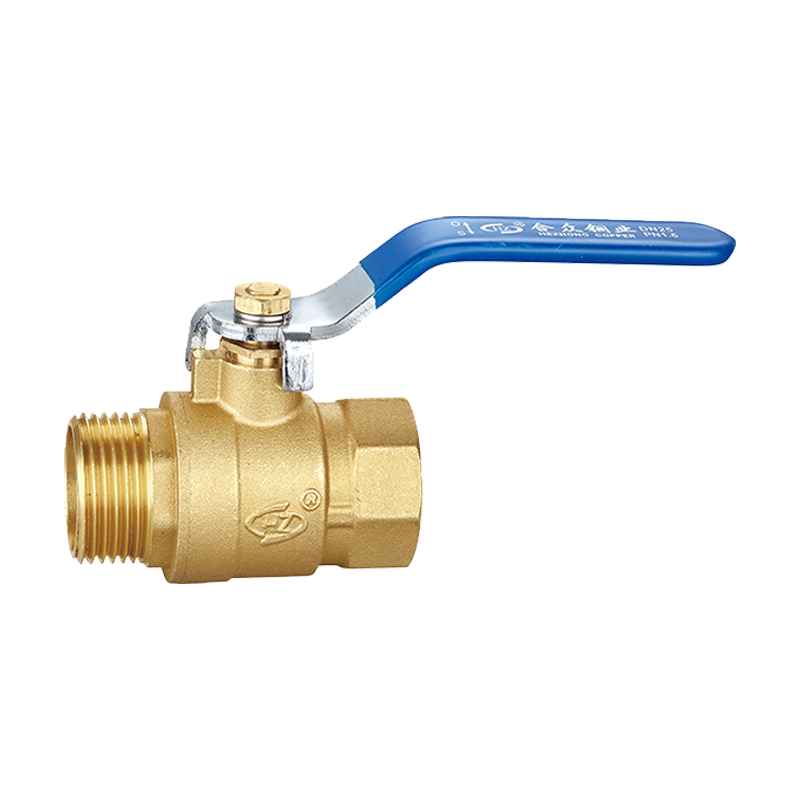 Male Thread Brass Ball Valve for Water & HVAC Systems
This male thread brass ball valve is made of national standard forged brass with RP male t...
-
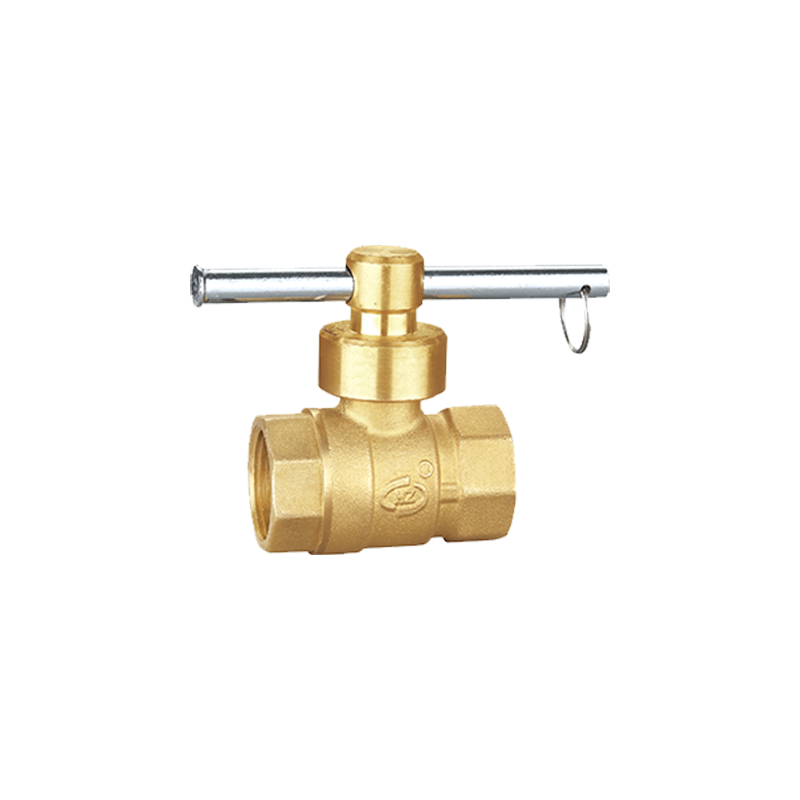 One‑Word Magnetic Lock-Off Ball Valve
This is One‑Word Magnetic Lock‑Off Ball Valve of the Water Utilities Series. It is integr...
-
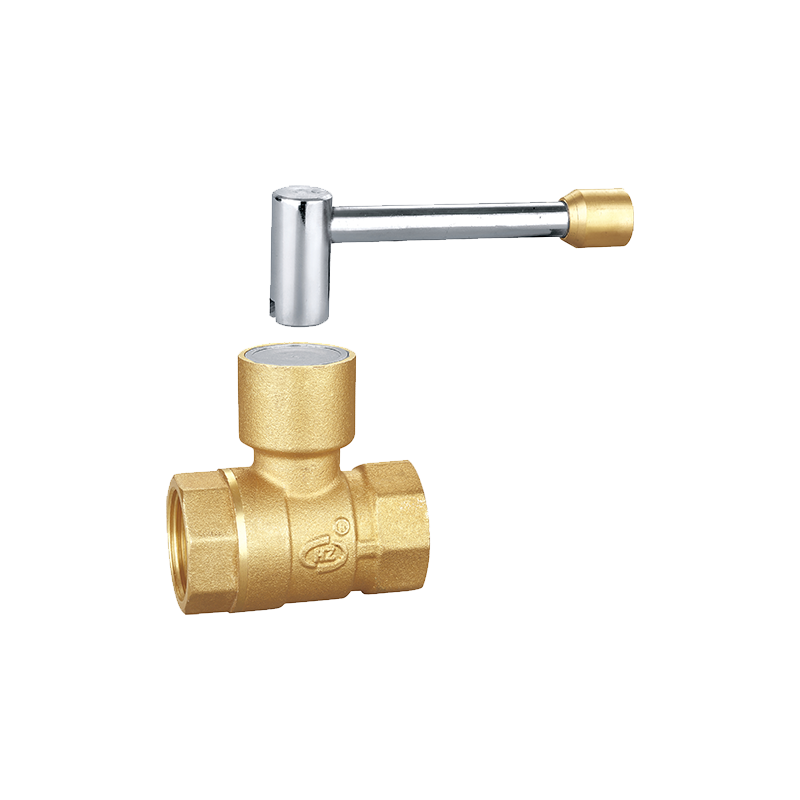 Brass Magnetic Lock-Off Ball
This brass magnetic lock‑off ball valve has a high‑quality forged brass valve body with st...
-
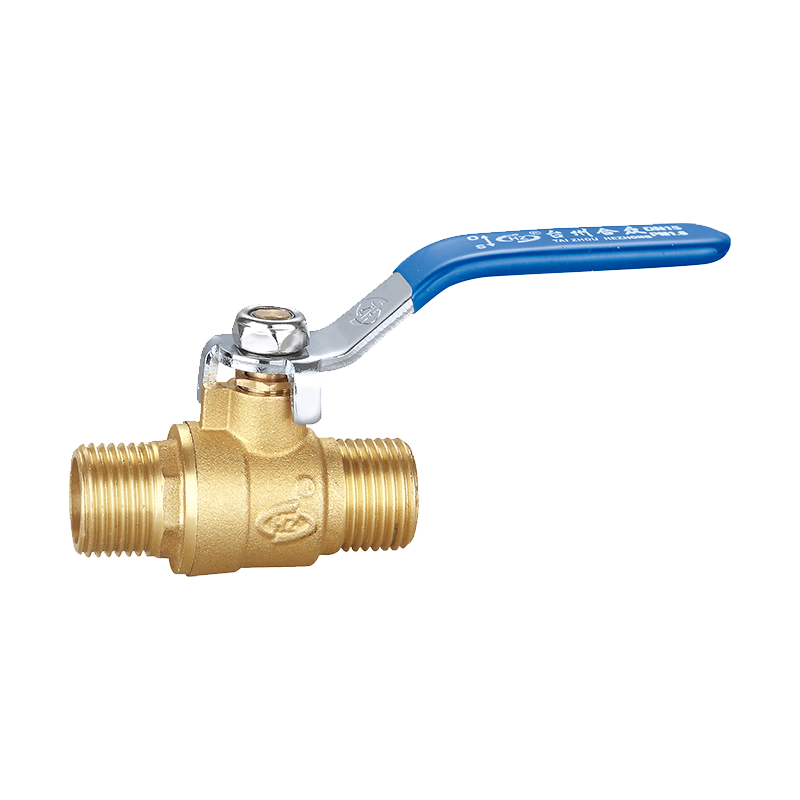 Double Male Brass Ball Valve for Water & HVAC Systems
Double male brass ball valve features male threads on both ends for direct in-line connect...
-
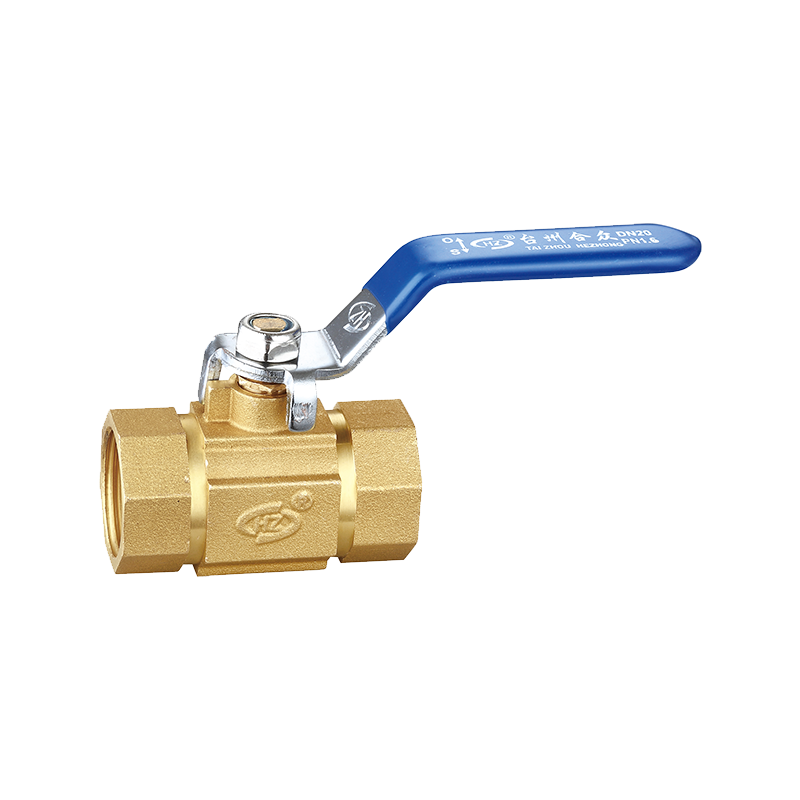 Square Body Ball Valve
This square body ball valve is integrally forged from high‑quality brass. Its square‑shape...
-
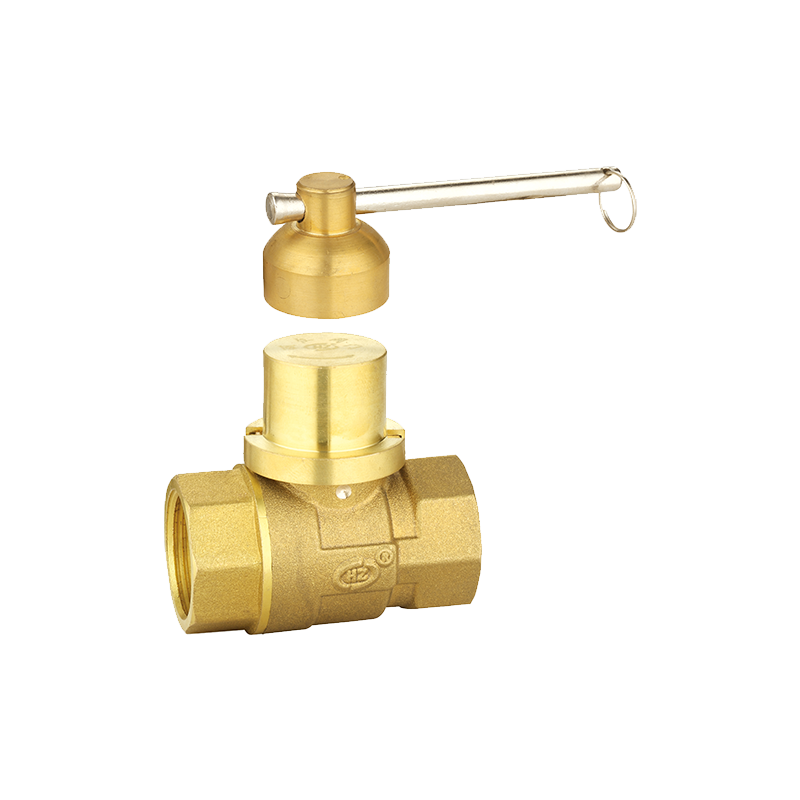 Magnetic Ball Valve for Front of Water Meter
Forged metal tee fitting with M30 loose nut for gas meter inlet connection, double 1/2" ma...
-
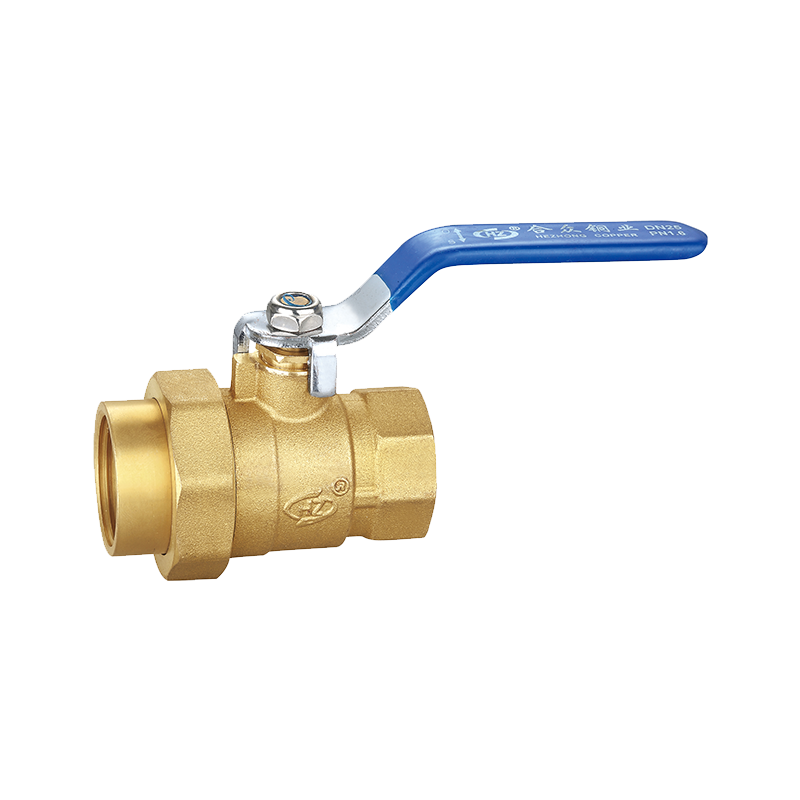 Female Thread Union Brass Ball Valve
This female thread union brass ball valve is made of high-quality brass. It has female thr...
-
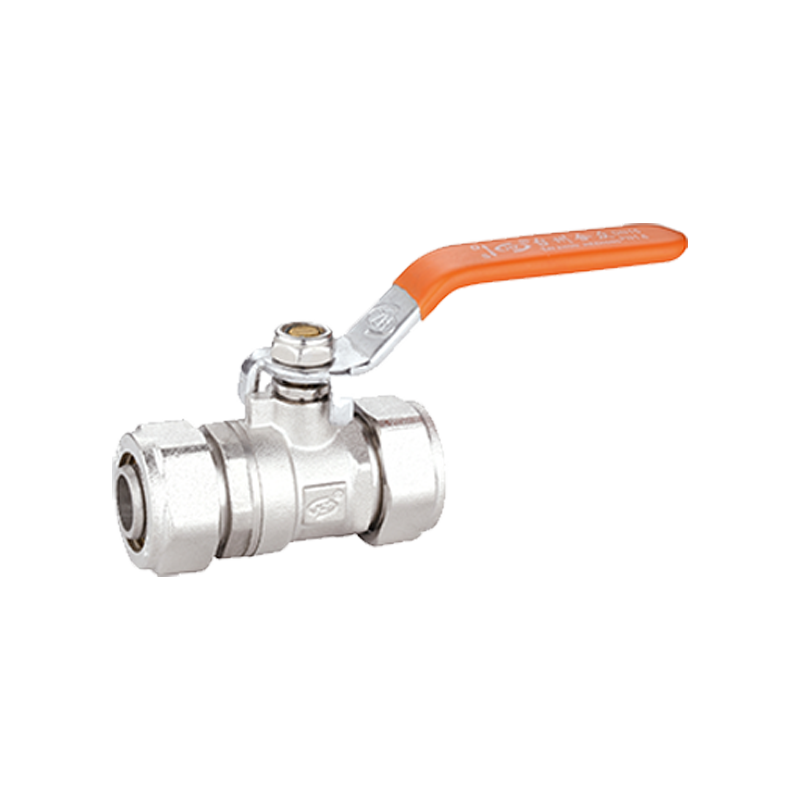 Brass Compression Ball Valve for PEX-AL-PEX Pipe
Brass Compression Ball Valve is forged from high‑quality brass, featuring high‑strength va...
-
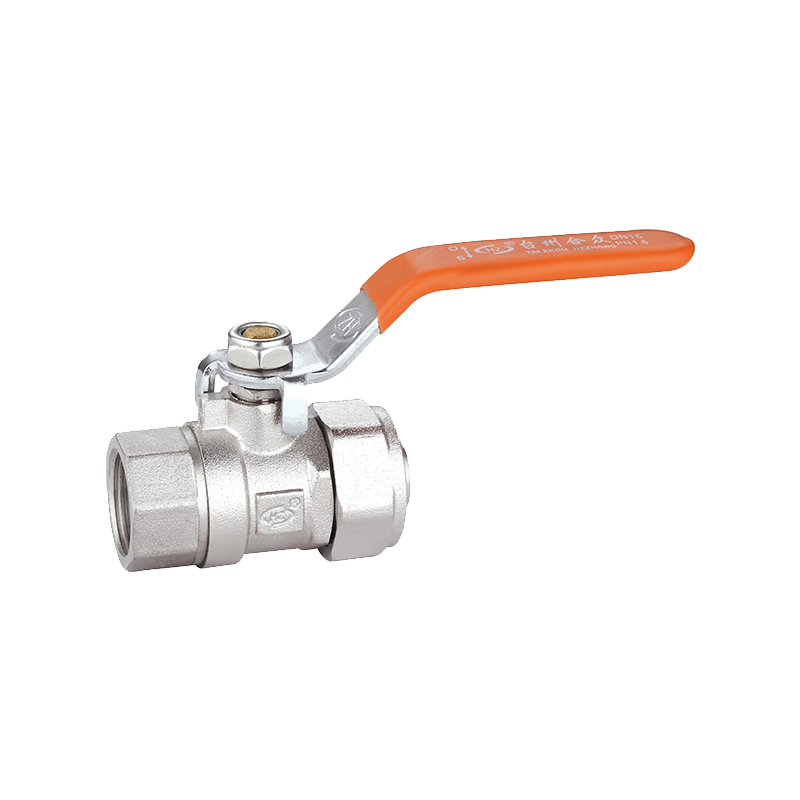 Female-Thread-Brass Compression Ball Valve for PEX-AL-PEX Pipe
This ball valve features a compression connection on one end and a female thread on the ot...
-
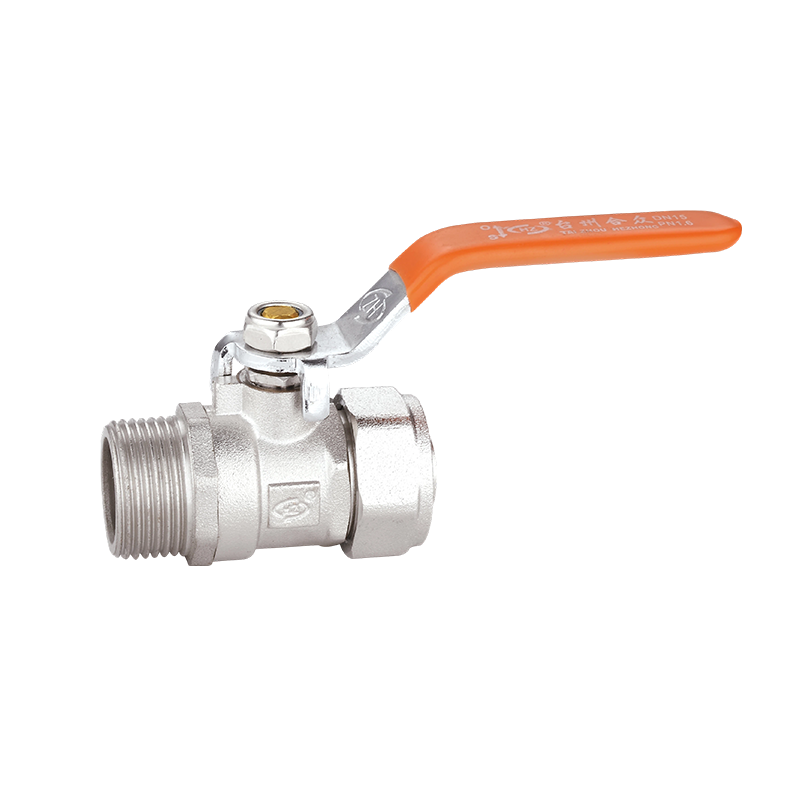 Male-Thread-Brass Compression Ball Valve for PEX-AL-PEX Pipe
This brass compression ball valve is made for PEX-AL-PEX pipe. Connecting different pipe m...
-
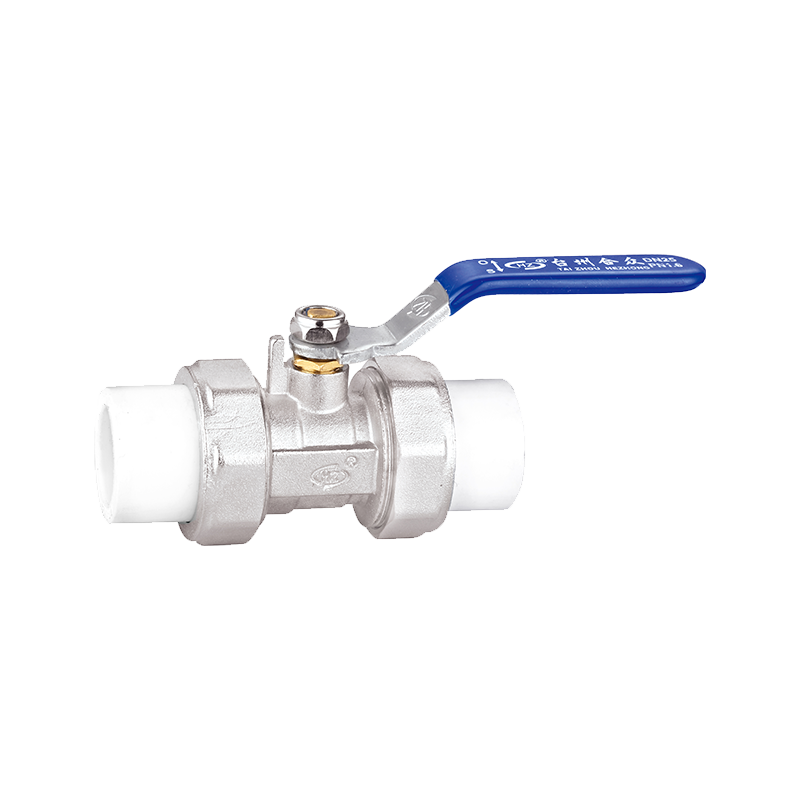 PPR Double Union Ball Valve
This PPR ball valve features a double‑union structure, compatible with hot‑melt connection...
CONTACT DETAILS
- TEL: +86-18158607688
- E-mail: [email protected]
- Address: Zhongshan Industrial Zone, Chumen Town, Yuhuan City, Taizhou, Zhejiang Province, China
