 EN
EN  English
 русский
 中文简体
中文简体
This brass ball valve is built for water lines, HVAC loops, and compressed air systems whe...


Application Industry
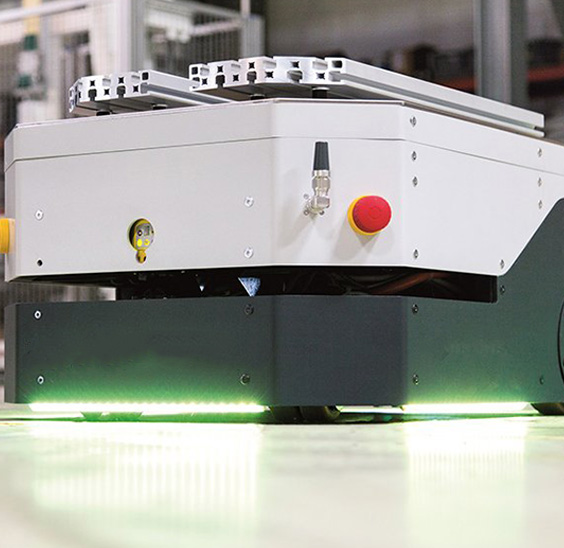
AGV

Automated robots

laser cutting

Logistics sorting

Photovoltaic power-station
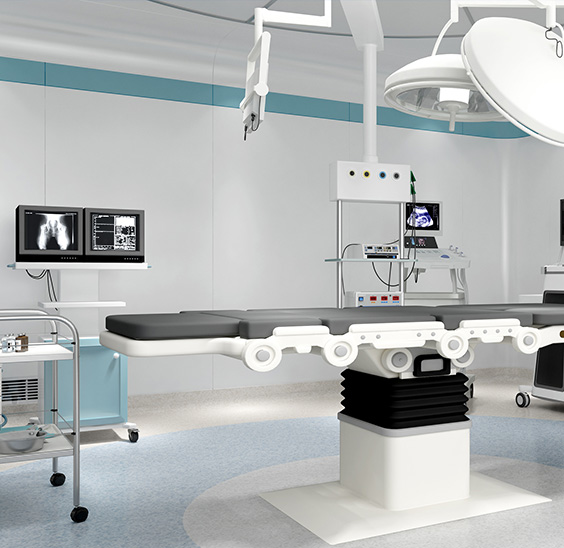
Medical devices
What Makes Low Pressure Gas Valve Suitable for Gas Systems
Gas systems depend on steady flow control from the source to the equipment that uses it. In homes, commercial kitchens, heating equipment, and industrial lines, gas has to move in a way that stays suitable for daily operation. Once flow becomes unstable, connected equipment may not respond in the way expected, and the whole system can become harder to manage.
A valve sits in the middle of that process. It connects the pipeline with the equipment and gives users a way to start, reduce, or stop gas movement when needed. In practical use, the valve is not treated as a separate part. It works together with pipes, connectors, regulators, and the equipment at the end of the line.
A Low Pressure Gas Valve is usually considered when the system works under controlled pressure conditions and needs a dependable way to manage flow. Choosing the right valve involves more than checking the size or the shape. Connection method, material choice, installation space, and maintenance planning all influence whether the valve fits the system.
Manufacturing also plays a part in how well a valve performs after installation. A Brass Gas Valve Factory has to manage material preparation, machining, assembly, and inspection so the final product can work in a gas system without creating unnecessary trouble later on.
Before making a choice, buyers usually pay attention to several practical points:
- connection compatibility
- operating environment
- material condition
- maintenance access
- daily usage pattern
Selection becomes easier when the valve is matched with real working conditions rather than appearance alone.
How Does A Low Pressure Gas Valve Work In Gas Systems
A gas valve controls how gas passes through a pipeline. When the valve opens, gas can move toward connected equipment. When the valve closes or changes position, flow is reduced or stopped. That simple action is what makes the valve useful in everyday system operation.
Inside the valve, internal parts shift to change the opening size of the passage. The result is a change in gas movement. In normal use, that allows equipment to receive gas in a controlled way rather than through an open and unregulated line.
Users may need to adjust valves during start-up, shutdown, or equipment maintenance. In some systems, the valve stays in one position for long periods. In others, it is adjusted more often according to operating needs. Either way, the valve has to match the system arrangement and the way the equipment is used.
Several basic functions are connected with valve operation:
- controlling gas passage
- supporting equipment connection
- allowing adjustment during use
- helping with maintenance work
A Low Pressure Gas Valve should fit the requirements of the connected equipment and the surrounding installation area. A valve used in a clean indoor location may face different conditions from one placed in a humid or changing environment. That difference often affects material choice and inspection habits.
Checking the valve from time to time also helps keep the system in normal condition. Visible wear, loose connection points, and changes in the surrounding area may give early signs that attention is needed.
Why Is Pressure Control Important For Gas Equipment Operation
Gas equipment depends on stable pressure to work in a way that matches its design. When pressure changes too much, the equipment may respond differently, and the connection between supply and use becomes less predictable.
Different gas systems need different operating conditions. A kitchen appliance, a heating line, and an industrial gas setup may all require separate control arrangements even if they use similar connection methods. That is why pressure control cannot be separated from the whole system design.
| Consideration | Practical Meaning |
|---|---|
| Gas flow condition | Supports normal equipment operation |
| Equipment compatibility | Matches system requirements |
| Valve adjustment | Allows convenient control |
| Maintenance access | Helps inspection work |
A valve that fits the system makes daily operation easier to manage. When pressure and connection conditions are well matched, equipment usually needs fewer adjustments during normal use.
Pressure control also affects maintenance planning. A system that works under the right conditions is easier to inspect and easier to keep in service. That is one reason buyers usually look at the full gas system rather than choosing one part on its own.
What Factors Affect Low Pressure Gas Valve Performance
Several conditions influence how a gas valve performs after installation. Material selection, production method, and installation environment all have a role in how the valve behaves during service.
Material Selection
Materials used for gas valves need to suit the surrounding conditions. Temperature changes, moisture, and repeated use can influence whether a material remains suitable over time. Brass is often used in valve production because it can be processed in a practical way and fits many common gas system requirements.
Manufacturing Process
A Brass Gas Valve Factory has to keep control over different production stages. Material preparation, machining, assembly, and inspection all affect the final valve condition. Small changes during production may later show up in the way the valve fits or operates.
Installation Environment
The location where a valve is installed can affect how it performs during daily use. Indoor spaces, outdoor sections, humid areas, and industrial surroundings each create different maintenance needs.
Before installation, buyers may look at:
- temperature changes
- moisture exposure
- available space
- connection conditions
A valve that matches its environment usually stays easier to manage. If the surrounding condition changes often, maintenance checks may need to happen more regularly.
The valve itself is only one part of the system, though. Pipe arrangement, connection quality, and operating habits all influence performance after installation.
Why Is Brass Commonly Considered For Gas Valve Manufacturing
A gas valve generally needs to work in conditions where both material stability and processing quality matter quite a bit. During manufacturing, the chosen material tends to affect not just how a valve gets formed but also how well it connects with the requirements of a gas system once installed.
Brass tends to get considered for valve production because it can be shaped into different components while holding onto reasonable strength for regular use. Valve parts often require fairly accurate processing, and material characteristics tend to influence how difficult manufacturing and later assembly turn out to be.
Material choice tends to connect fairly closely with where the valve will actually be used. A valve installed inside a controlled environment may face fewer outside influences, while equipment placed near moisture, dust, or shifting temperatures may need more attention during selection.
A few points usually come up when evaluating valve materials:
- Ability to handle normal working conditions
- Compatibility with production methods
- Surface condition during long-term use
- Convenience during inspection and maintenance
Material alone doesn't really decide how a valve performs. How parts get processed, assembled, and installed also tends to affect the final result. A workable combination of material and manufacturing method tends to let the valve fit the intended gas system a bit more naturally.
For buyers, material information tends to be useful since it gives a better sense of whether a valve suits the application environment. The key point generally isn't picking one material for every situation, but finding something that fits the actual working conditions at hand.
How Does A Brass Gas Valve Factory Support Production Requirements
Valve production tends to involve quite a few connected steps, and each step can influence the condition of the finished component in some way. From preparing raw materials to checking assembled valves, manufacturers generally need to keep an eye on details throughout the process.
A Brass Gas Valve Factory usually handles several production stages. Material preparation lays the groundwork for processing, while machining shapes individual parts according to the required structure. Connection areas and internal components tend to need careful handling, since small differences may affect installation later on.
Assembly is another stage worth attention. Different parts need to work together as one unit, so manufacturers generally check whether components fit correctly as production moves along.
Inspection tends to help catch possible issues before valves go into gas systems. Checking appearance, connections, and operating movement gives manufacturers a decent read on product condition.
| Production Stage | Main Purpose |
|---|---|
| Material preparation | Preparing materials for valve production |
| Part processing | Forming individual components |
| Assembly | Combining parts into a complete valve |
| Inspection | Checking overall product condition |
Production decisions tend to connect fairly closely with application needs. A valve used in one type of gas system may face different conditions than another application would. Because of that, manufacturers often need some information about installation methods and working environments up front.
For purchasing teams, understanding production steps tends to make supplier discussions more practical. Clear communication about usage conditions generally lets manufacturers factor in requirements before production even begins.
How Should Users Select A Suitable Low Pressure Gas Valve
Selecting a valve generally starts with understanding the system it'll be installed into. A gas valve connects with pipelines and equipment, so choosing something suitable tends to require looking at the whole arrangement rather than just the valve itself.
Connection compatibility is usually one of the main things to check. A valve generally needs to fit existing system connections so installation and later maintenance can go a bit more smoothly.
The working environment deserves some thought too. Indoor locations, outdoor areas, and industrial spaces may create fairly different conditions for valve use. Temperature changes, moisture, and available installation space can all play into the selection process.
Before purchase, users may want to review a few practical details:
- Connection requirements
- Installation location
- Operating frequency
- Maintenance access
- Equipment compatibility
| Selection Area | Practical Question |
|---|---|
| Material | Does it suit the working environment? |
| Connection | Does it match the existing system? |
| Operation | Is daily adjustment convenient? |
| Maintenance | Can inspections be performed easily? |
A suitable Low Pressure Gas Valve generally works best when it fits the way the gas system actually operates. A valve used frequently may call for somewhat different considerations compared with one that stays in a fixed position for long stretches.
Looking at actual working conditions before purchase tends to reduce unnecessary replacement or adjustment later on. The selection process tends to get clearer when users think about installation, operation, and maintenance together rather than one at a time.
What Maintenance Practices Help Keep Gas Valves Working Properly
Gas valve maintenance usually comes down to regular observation and careful handling more than anything complicated. Small changes around the valve can sometimes offer useful information about the condition of the system overall.
Visual checks tend to be part of routine inspection. Users may look over connection areas, external surfaces, and the surrounding space to catch anything unusual.
Keeping the area around the valve reasonably clean also tends to support easier inspection. Dust, moisture, or residue can affect visibility and make it harder to notice small changes when they show up.
Common maintenance actions tend to include:
- Checking visible connection points
- Keeping the installation area clean
- Observing changes during operation
- Avoiding unnecessary force during adjustment
- Arranging professional checks when required
Handling methods can influence valve condition over time. Sudden movement or unsuitable operation may add extra stress to internal components without much warning.
Recording inspection results can also support future maintenance planning. Simple notes about adjustments or unusual observations tend to help users compare conditions during later checks.
How Gas Valve Manufacturing Develops With Industry Needs
Gas system requirements keep shifting as different applications create new demands for equipment design and production management. Valve manufacturing tends to need practical thinking that runs from material selection all the way through to final inspection.
Manufacturers often pay attention to:
- Production consistency
- Material suitability
- Application conditions
- Inspection procedures
A valve tends to connect with many parts of a gas system rather than standing alone. Pipeline layout, equipment requirements, and maintenance habits all tend to influence how the valve gets used after installation.
When buyers communicate with a Brass Gas Valve Factory, providing information about the working environment tends to make discussions run a bit more efficiently. Details about installation location, operating conditions, and maintenance plans generally let both sides work toward a suitable solution together.
Choosing a gas valve tends to relate to the entire system rather than just one individual component. Flow control, material selection, manufacturing methods, and daily maintenance all tend to work together in shaping how things run day to day.
Related products
-
-
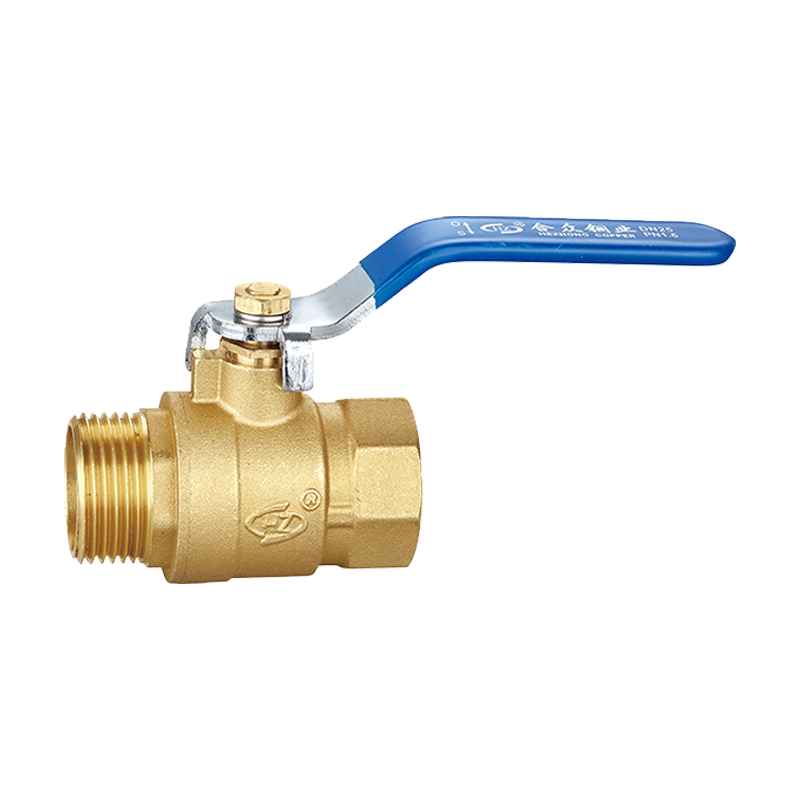 Male Thread Brass Ball Valve for Water & HVAC Systems
This male thread brass ball valve is made of national standard forged brass with RP male t...
-
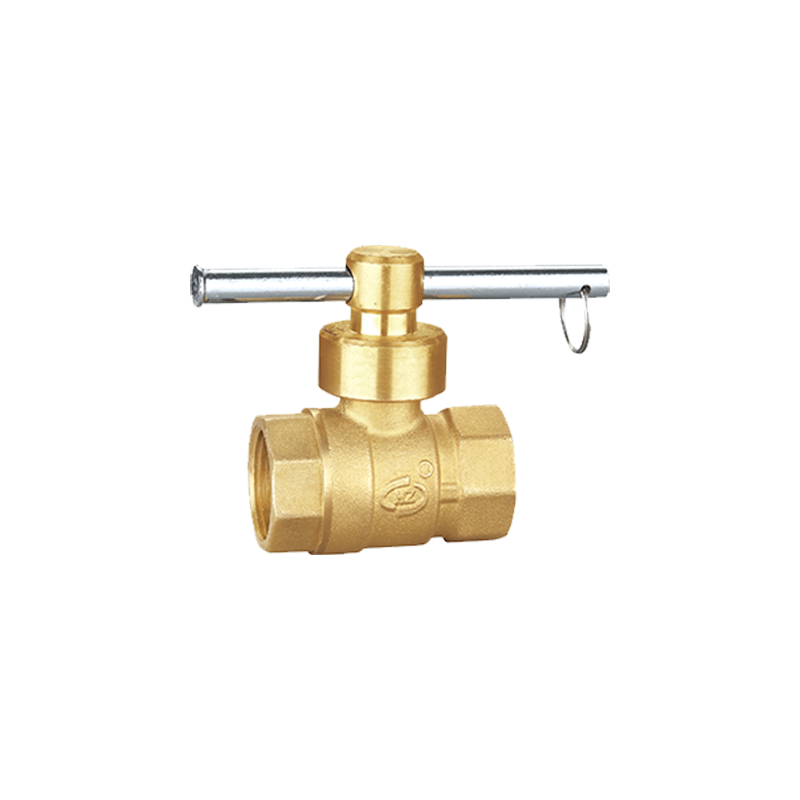 One‑Word Magnetic Lock-Off Ball Valve
This is One‑Word Magnetic Lock‑Off Ball Valve of the Water Utilities Series. It is integr...
-
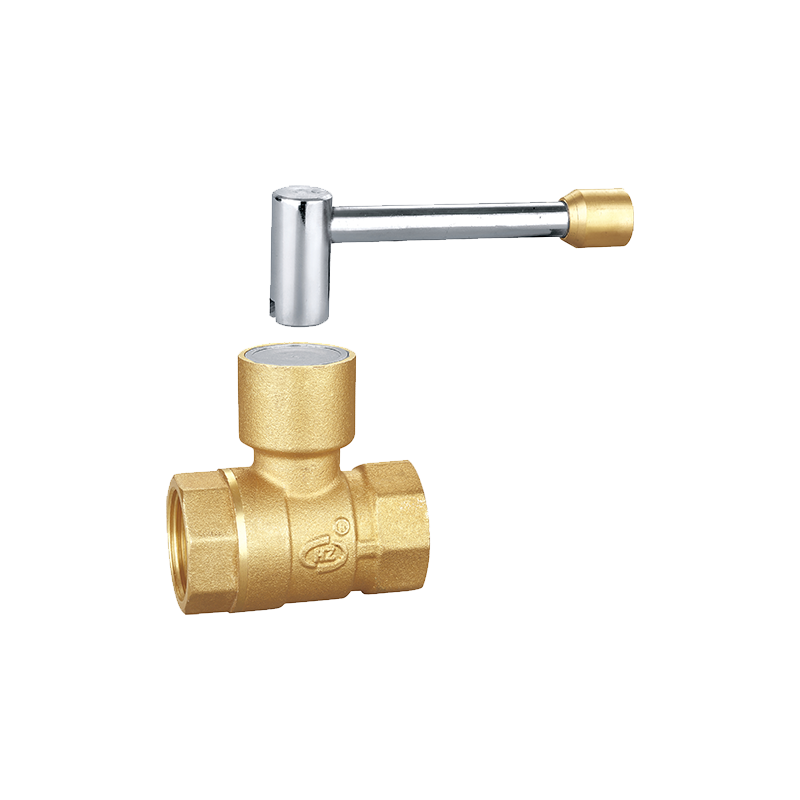 Brass Magnetic Lock-Off Ball
This brass magnetic lock‑off ball valve has a high‑quality forged brass valve body with st...
-
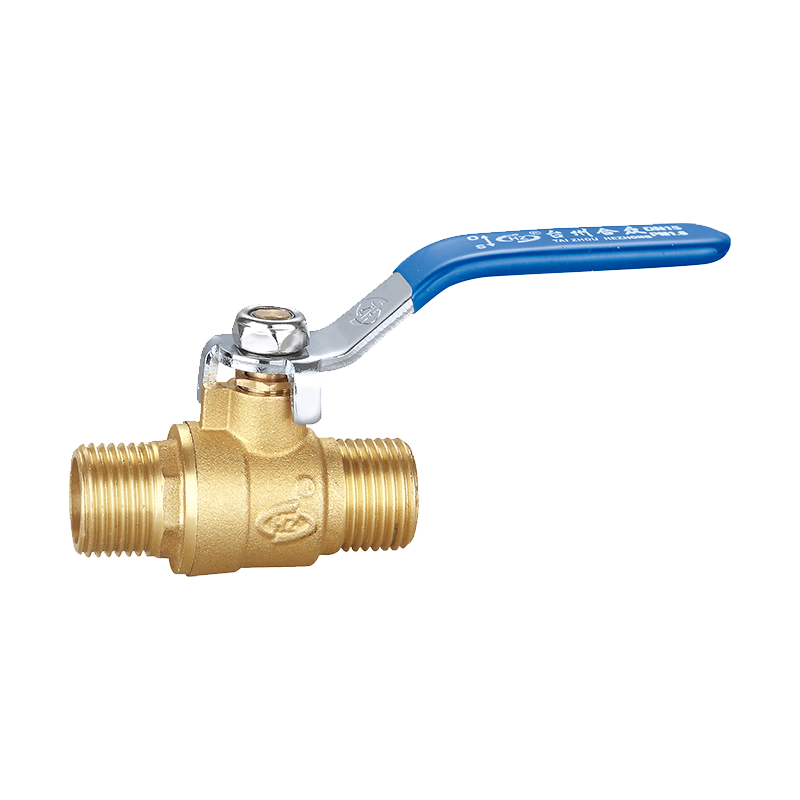 Double Male Brass Ball Valve for Water & HVAC Systems
Double male brass ball valve features male threads on both ends for direct in-line connect...
-
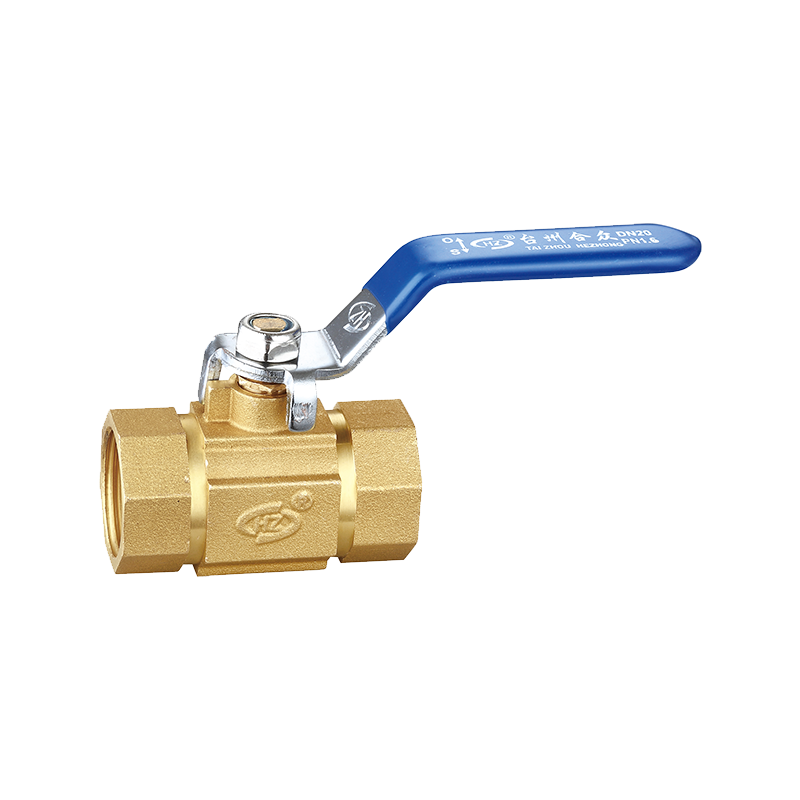 Square Body Ball Valve
This square body ball valve is integrally forged from high‑quality brass. Its square‑shape...
-
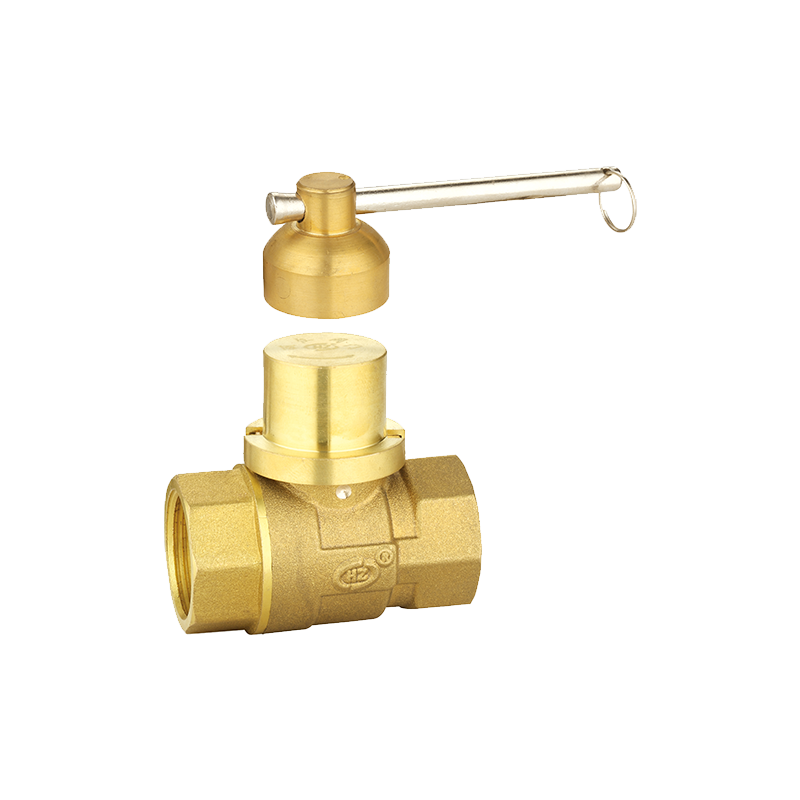 Magnetic Ball Valve for Front of Water Meter
Forged metal tee fitting with M30 loose nut for gas meter inlet connection, double 1/2" ma...
-
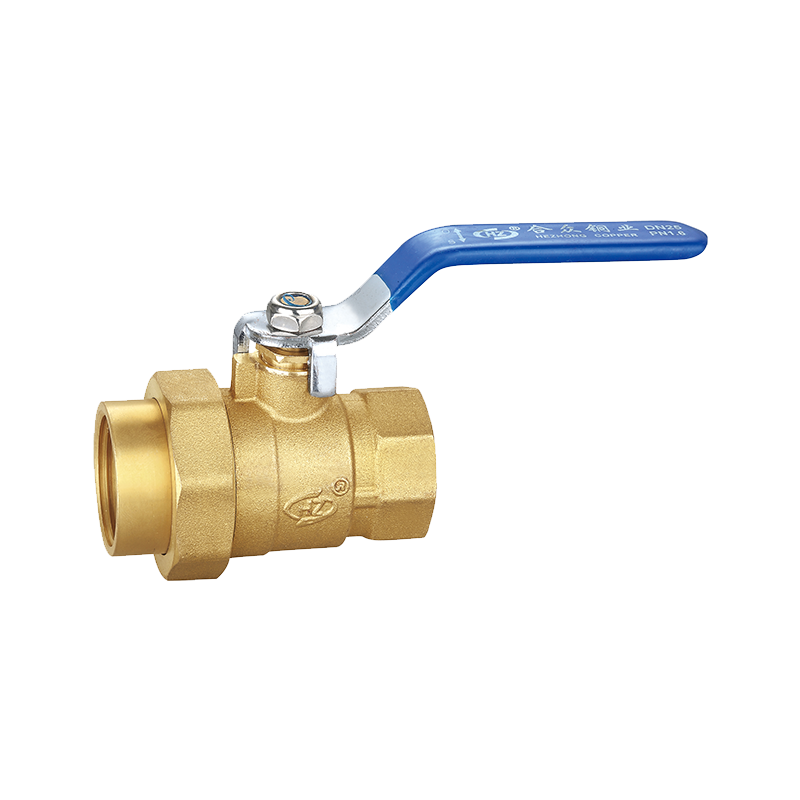 Female Thread Union Brass Ball Valve
This female thread union brass ball valve is made of high-quality brass. It has female thr...
-
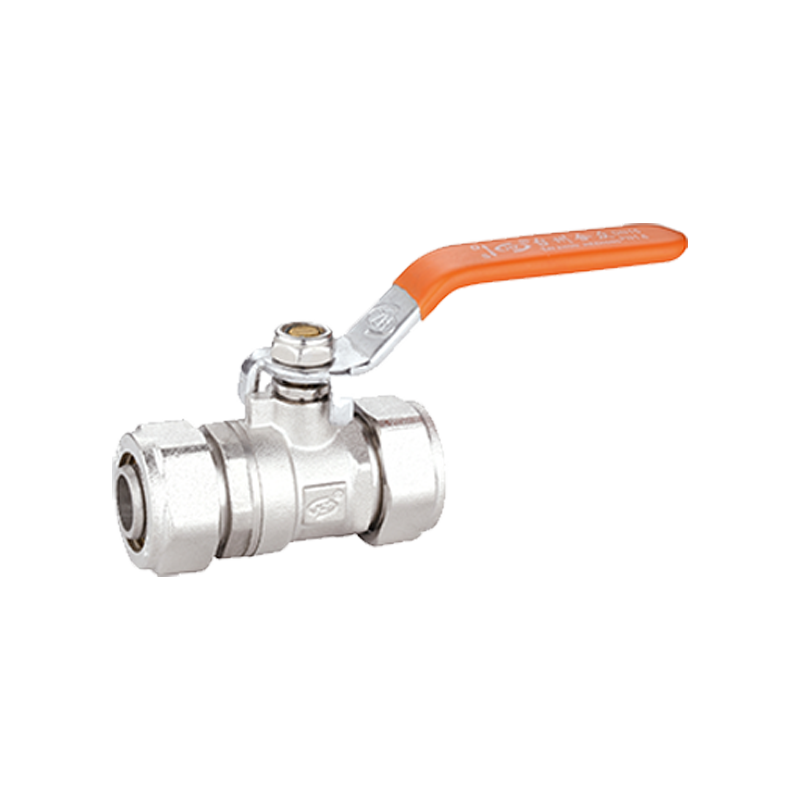 Brass Compression Ball Valve for PEX-AL-PEX Pipe
Brass Compression Ball Valve is forged from high‑quality brass, featuring high‑strength va...
-
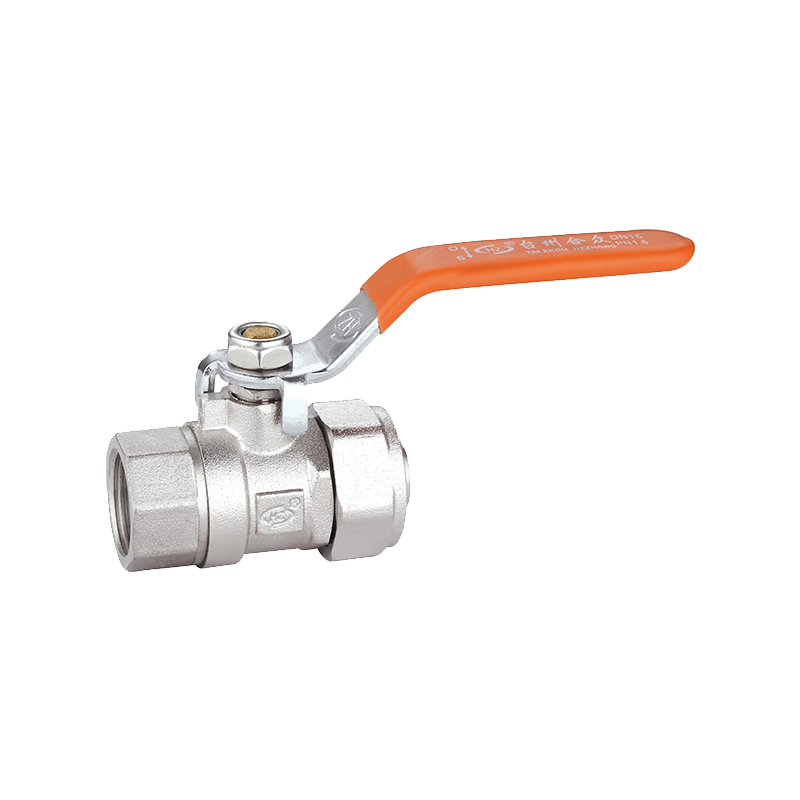 Female-Thread-Brass Compression Ball Valve for PEX-AL-PEX Pipe
This ball valve features a compression connection on one end and a female thread on the ot...
-
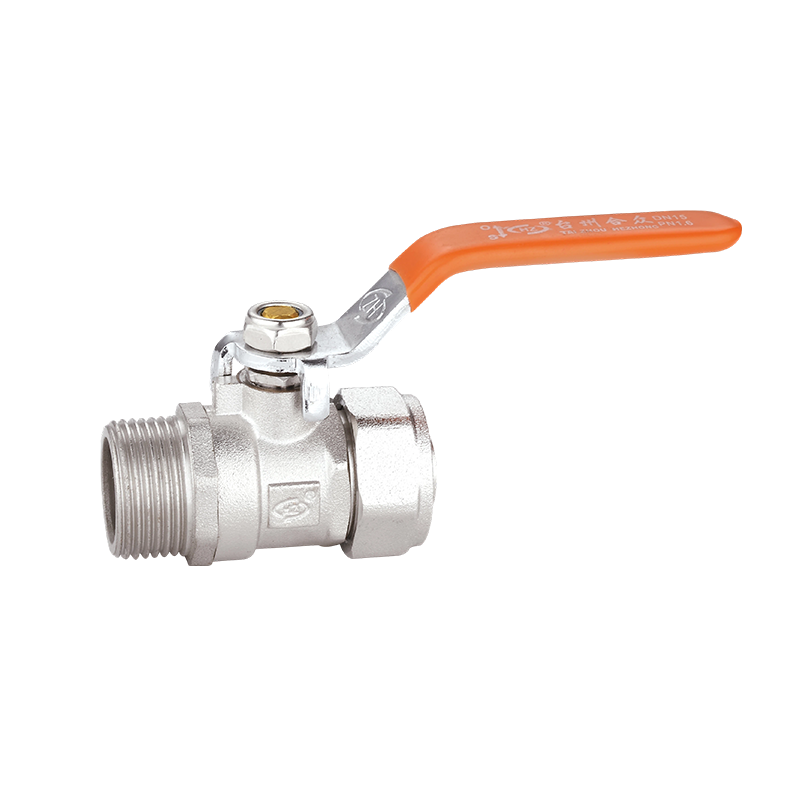 Male-Thread-Brass Compression Ball Valve for PEX-AL-PEX Pipe
This brass compression ball valve is made for PEX-AL-PEX pipe. Connecting different pipe m...
-
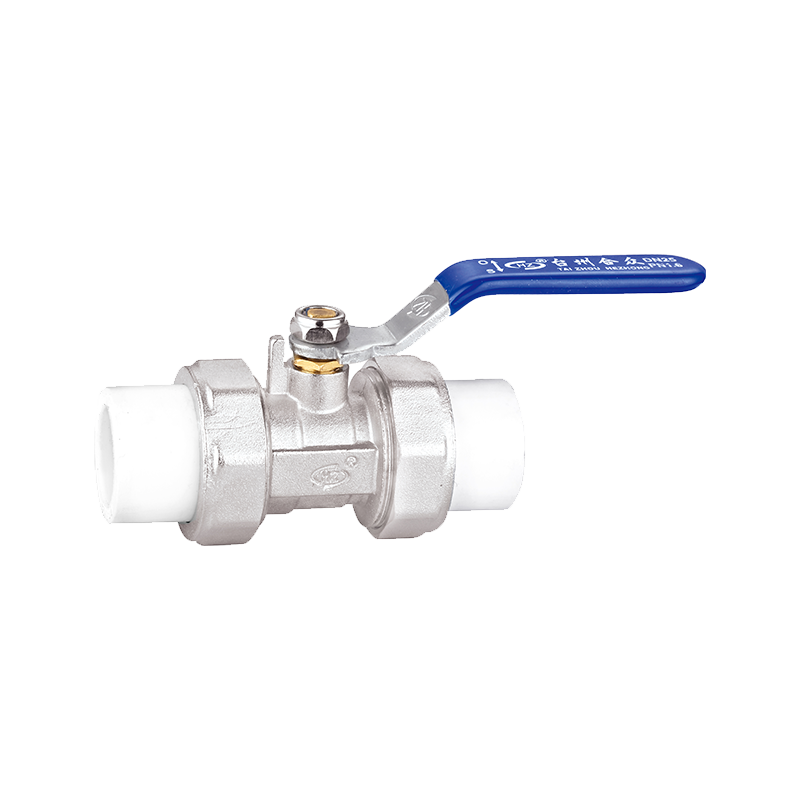 PPR Double Union Ball Valve
This PPR ball valve features a double‑union structure, compatible with hot‑melt connection...
CONTACT DETAILS
- TEL: +86-18158607688
- E-mail: [email protected]
- Address: Zhongshan Industrial Zone, Chumen Town, Yuhuan City, Taizhou, Zhejiang Province, China
