 EN
EN  English
 русский
 中文简体
中文简体
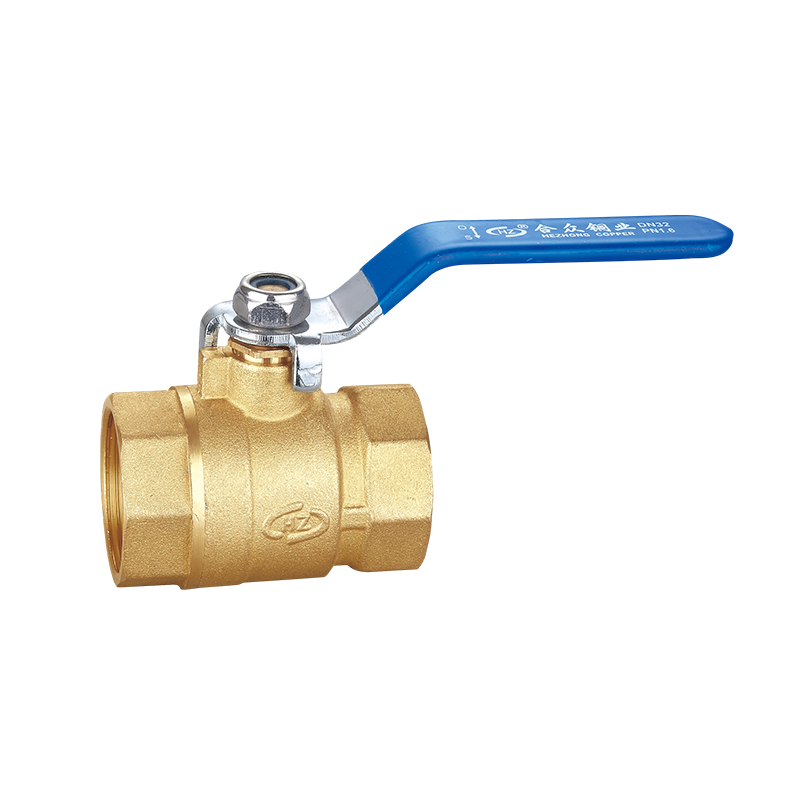
This brass ball valve is built for water lines, HVAC loops, and compressed air systems whe...


Application Industry
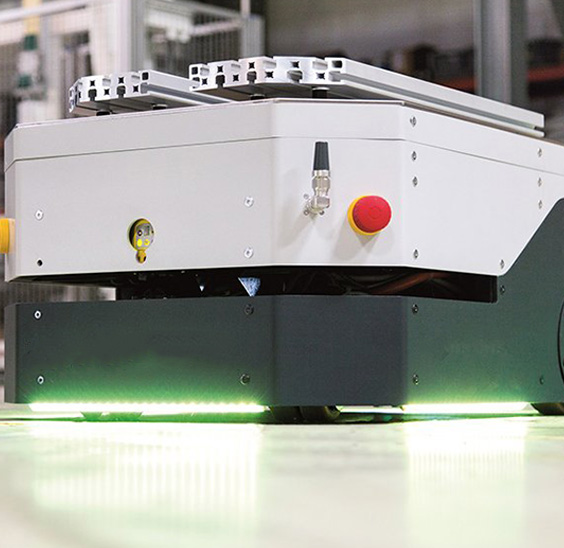
AGV

Automated robots
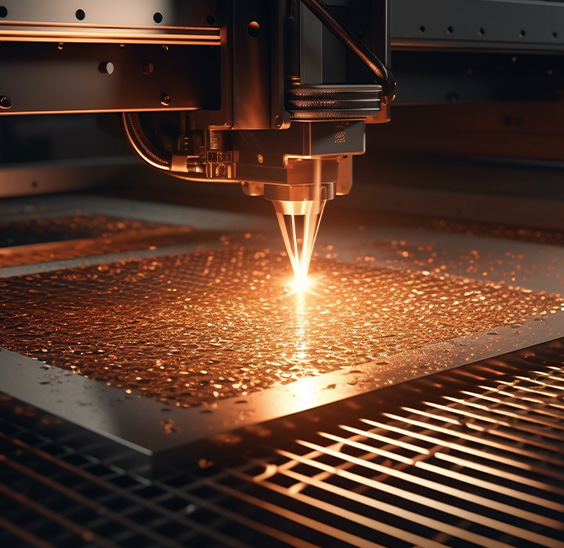
laser cutting

Logistics sorting

Photovoltaic power-station
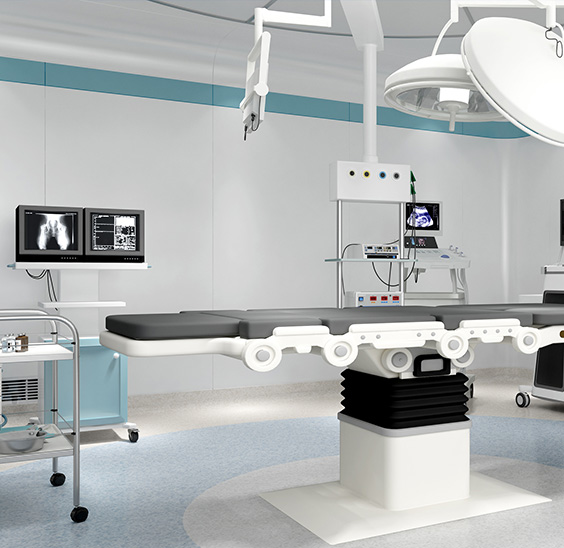
Medical devices
What Makes Thermostatic Heating Valve Control Temperature
Heat demand almost never stays constant throughout a day. Room size, sunlight, insulation, and how many people are actually using a space all pull heating needs in different directions at different times. A system that only puts out a fixed amount of heat tends to leave some areas too warm and others falling short.
Temperature control components step in here, adjusting heat distribution based on what's actually happening in a room rather than what a schedule assumes. Rather than leaning entirely on manual adjustments, most modern heating setups now use some form of automatic regulation to keep indoor conditions more stable without someone constantly fiddling with dials.
A Thermostatic Heating Valve fits into this picture by controlling how much hot water flows into a radiator or heating unit. As room conditions shift, the valve reacts and adjusts heat output on its own, letting the system adapt without needing someone to step in every time.
This kind of regulation matters even more in buildings where rooms serve different purposes. A bedroom, an office, a storage area, and a meeting room rarely need the same amount of heat — each one gets used differently, so a flexible control method lets every space land somewhere closer to what actually suits it.
A few things tend to shape heating control in practice:
- Room conditions — sunlight, ventilation, and occupancy all shift what a space actually needs
- Heating system structure — pipe layout and equipment type affect how heat moves through a building
- User requirements — different spaces often call for different temperature settings depending on how they're used
Manual adjustment can work fine for basic control, but constantly tweaking it gets old fast in daily life. Automatic regulation cuts down on that back-and-forth and generally keeps the whole heating process running a bit more evenly.
How Does a Thermostatic Heating Valve Regulate Temperature?
A valve keeps tabs on temperature by reacting to changes happening right around the heating unit. Inside, a sensing element responds as the surrounding air warms up or cools down, and based on that shift, the valve adjusts how much hot water flows into the radiator.
When a room warms up, the sensing element expands and shifts the internal mechanism, cutting back on hot water flow. When the room cools, the element contracts and lets more heat through the radiator. Repeat that cycle over and over, and heating output ends up tracking whatever's happening in the room fairly closely.
A few connected steps make up the regulation process:
- Temperature detection — the sensing component picks up on shifts in surrounding air
- Mechanical response — internal parts move in response to whatever change gets detected
- Flow adjustment — the valve changes how much hot water passes through the heating unit
- Heat balance adjustment — room temperature gradually drifts toward the chosen setting
The valve itself isn't a heat source — it's more of a traffic controller for heat that's already being generated elsewhere in the system. That distinction matters because it's what lets different rooms end up with different heating levels depending on what each one actually needs.
How well this all works comes down to how the sensing elements, adjustment structures, and valve body cooperate with each other. Each part has to pull its weight for the whole thing to hold steady.
What Components Affect Thermostatic Heating Valve Performance?
The valve body forms the main passage heating water travels through. Its internal structure shapes how smoothly water moves, and material choice along with manufacturing precision can influence how well it holds up over years of use.
The sensing element handles detecting temperature shifts. Different sensing materials respond a bit differently to environmental changes, which ends up affecting how quickly the valve reacts once conditions shift.
The adjustment mechanism gives users a way to set the temperature they actually want. A well-thought-out mechanism here makes it easier to dial in heating levels that fit a room's actual needs.
Connection parts matter too, since they determine how the valve fits into whatever heating system it's joining. Getting the valve properly matched to the existing installation goes a long way toward keeping operation stable.
| Component | Main Function |
|---|---|
| Valve Body | Controls heating water flow through the system |
| Sensing Element | Detects surrounding temperature changes |
| Adjustment Mechanism | Allows temperature setting adjustment |
| Connection Parts | Supports installation compatibility |
Manufacturers weigh material properties, structural design, and production methods when building valves for different heating setups. Getting the components to work well together tends to be what makes for a stable control system in the end.
How Does a Thermostatic Heating Valve Improve Heating Efficiency?
Heating efficiency really comes down to how closely heat output tracks actual demand. Pump more heat into a room than it needs, and that extra energy doesn't really buy any more comfort. Fall short, and the space just never quite gets there.
A thermostatic heating valve helps close that gap by controlling water flow through the heating unit. As room temperature shifts, the valve adjusts heat supply to match, rather than sticking to one fixed level regardless of conditions.
That kind of adjustment supports more balanced heating across a building. A room that gets a lot of sun during the day might need less heating than usual, while a colder, north-facing room might need a bit more flow to keep pace.
A few benefits tend to come out of this kind of regulation:
- Cutting back on heat supplied where it isn't needed
- Supporting more balanced temperatures room to room
- Letting different areas run on different settings
- Giving more direct control over how heating actually operates
Heating management ends up more flexible once each room can respond to its own conditions instead of everything running off one fixed setting. Individual areas adjust based on how they're actually being used, rather than following a single blanket approach across the whole building.
What Factors Influence Thermostatic Heating Valve Selection?
Picking the right temperature control valve isn't just a matter of grabbing whatever's on the shelf — it means weighing the heating system, installation conditions, and how the space actually gets used. Buildings rarely share the exact same heating layout, so valve selection generally needs to line up with each system's structure and how it's expected to run.
System compatibility sits near the top of that list. The valve has to connect properly with whatever heating equipment is already in place and allow water flow to be regulated smoothly. Connection size, where it gets installed, and how the overall system is laid out all play into whether a valve can actually pull its weight in a specific setup.
Material choice matters here too. Heating systems don't all run under the same conditions, and materials need to hold up against water quality, temperature swings, and whatever demands long-term use brings. Get the material right, and the valve tends to keep operating smoothly through regular heating cycles without much drama.
Room usage feeds into this as well. A residential space, an office, a hotel, and a public building rarely share the same temperature control needs — people use each of these environments quite differently.
A few factors worth keeping in mind during selection:
- Heating system compatibility — the valve structure needs to match existing equipment and connection methods
- Installation environment — space limitations and pipe arrangement can shape which valve actually fits
- Material characteristics — materials should suit the operating conditions of the heating system
- Control requirements — different rooms may call for different temperature adjustment approaches
A solid selection process really comes down to how the valve relates to the complete heating system. Focusing only on individual specs in isolation tends to miss what actually matters for the application.
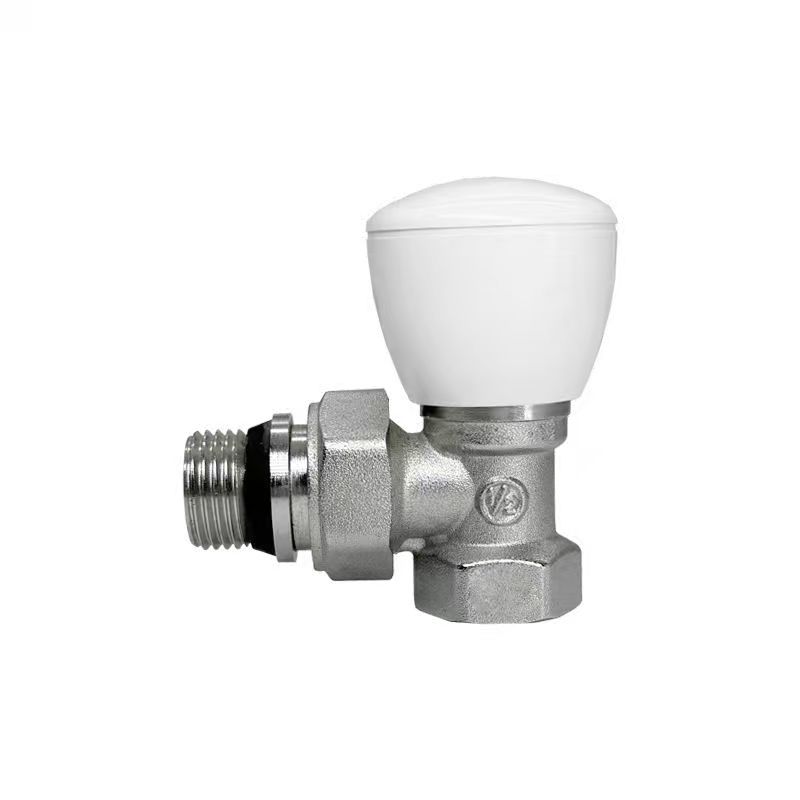
How Are Valve Used in Different Applications?
Valve show up in a wide range of environments wherever temperature adjustment is needed. The basic working principle stays fairly consistent across all of them, but what each application actually demands can shift quite a bit depending on building type and heating purpose.
In residential buildings, temperature control usually ties back to personal comfort and how each room gets used. A bedroom, living room, and kitchen rarely need the same heating — people move through and use these spaces differently — so adjustable valves let residents manage heat distribution room by room.
Office buildings often need more flexible temperature management, since occupancy can vary a lot from one area to the next. Meeting rooms, workspaces, and storage areas probably don't need the same amount of heating running all day long.
Hotels and public facilities lean on temperature control too, managing a mix of individual rooms and shared spaces. Guest rooms, lobbies, and service areas typically come with their own requirements based on how they function.
Industrial settings tend to involve larger heating systems, where temperature regulation has to work in step with broader equipment operation. Valve design and installation methods generally need to match whatever heating structure is already in place.
| Application | Temperature Control Consideration |
|---|---|
| Residential Buildings | Personal comfort and room-by-room adjustment |
| Office Spaces | Different usage times and occupancy conditions |
| Hotels | Individual room and shared area management |
| Industrial Facilities | System coordination and operating conditions |
The differences across these applications say a lot about why temperature control components need flexible designs. A valve sitting in a small bedroom probably has different demands placed on it than one installed in a much larger building-wide system.
Production usually kicks off with material processing. Valve bodies and internal components need manufacturing methods precise enough to get shapes and connections right — even small dimensional differences can throw off assembly or operation later.
Assembly is another stage that carries real weight. Internal parts like sensing elements and adjustment mechanisms need to work together smoothly, and careful assembly here helps keep movement steady once the valve is actually regulating temperature.
Once assembly wraps up, inspection helps catch potential issues tied to structure, connections, or how the valve operates. Manufacturers typically check different things depending on what the product needs to do and where it's headed.
Production control generally covers:
- Material inspection before manufacturing begins
- Component processing and assembly management
- Structural and functional checks
- Adjusting production methods as requirements shift
A stable manufacturing process comes down to how well design, equipment, and quality management work together. Every stage adds something to the final condition of the valve.
Manufacturers keep refining production methods to keep pace with changing heating system requirements. Paying close attention to how components coordinate and how precisely things get processed tends to be what produces valves that actually fit different application environments.
How Is Thermostatic Heating Valve Technology Developing?
Heating systems keep changing as buildings ask for more flexible temperature management, and thermostatic heating valve development has been drifting toward better adaptability, easier installation, and closer cooperation with modern heating systems.
One clear direction is improving temperature response. A valve that reacts well to environmental shifts helps the whole heating system adjust more naturally to whatever's happening in a room.
Design flexibility matters more too. Buildings vary a lot in pipe layout and installation setup, so manufacturers generally need to account for a range of application conditions during development rather than designing around just one scenario.
Maintenance convenience gets attention as well. Heating components are usually expected to run for years, so how easy they are to inspect and replace tends to matter quite a bit in overall system planning.
Modern heating management has also been pulling temperature control components closer to building systems overall. Valves increasingly need to work alongside other heating equipment to support more coordinated temperature management across a whole building.
A few directions likely to shape where this goes:
- More adaptable valve structures
- Easier installation methods
- Improved temperature response control
- Better compatibility across different heating systems
A Thermostatic Heating Valve stays closely tied to efficient heat distribution and room temperature management, with its operation resting on how sensing elements, mechanical structures, and the broader heating system all interact.
Temperature control in heating systems goes beyond just adjusting heat output — it also involves understanding room conditions, equipment structure, and what users actually need. Through thoughtful design and careful manufacturing, valves keep supporting more flexible heating management across a pretty wide range of applications.
Related products
-
-
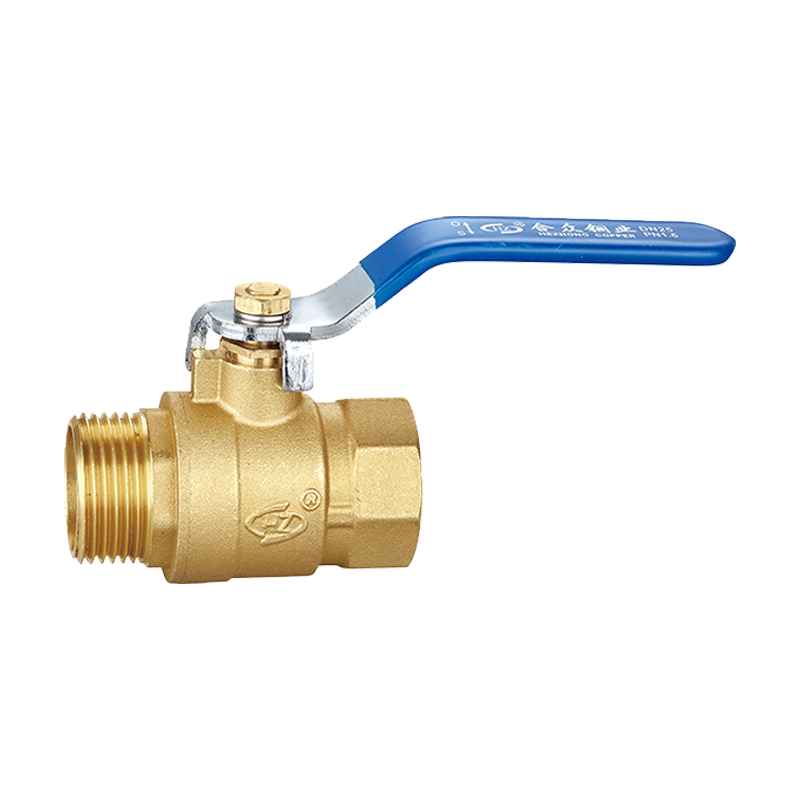 Male Thread Brass Ball Valve for Water & HVAC Systems
This male thread brass ball valve is made of national standard forged brass with RP male t...
-
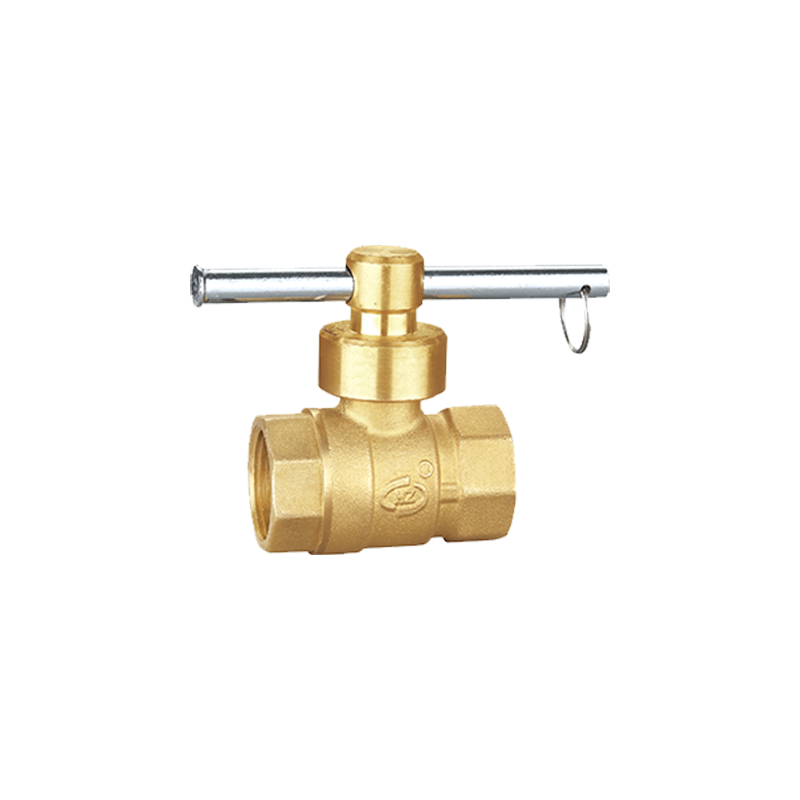 One‑Word Magnetic Lock-Off Ball Valve
This is One‑Word Magnetic Lock‑Off Ball Valve of the Water Utilities Series. It is integr...
-
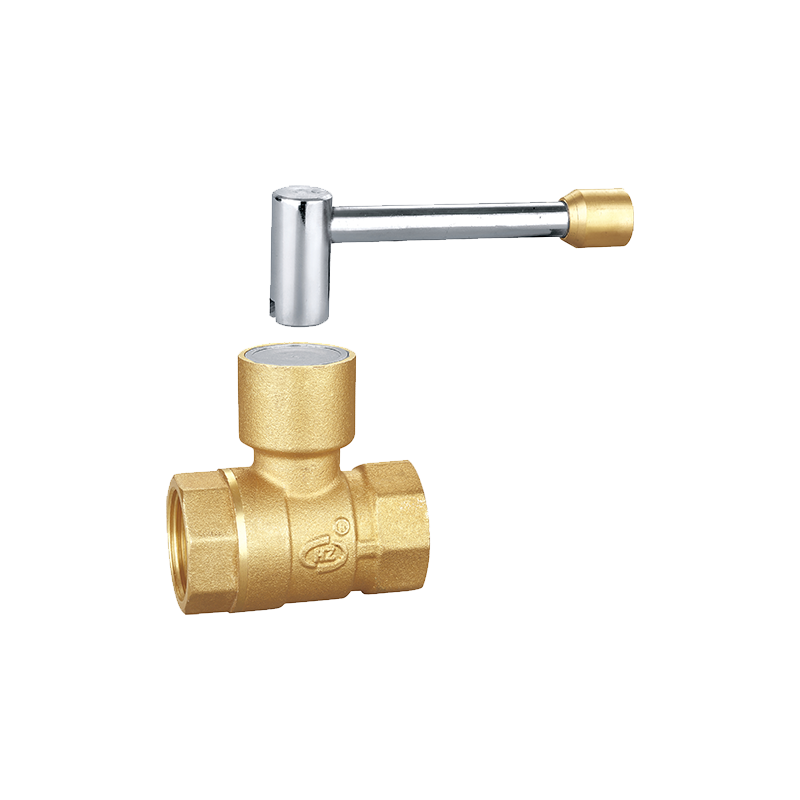 Brass Magnetic Lock-Off Ball
This brass magnetic lock‑off ball valve has a high‑quality forged brass valve body with st...
-
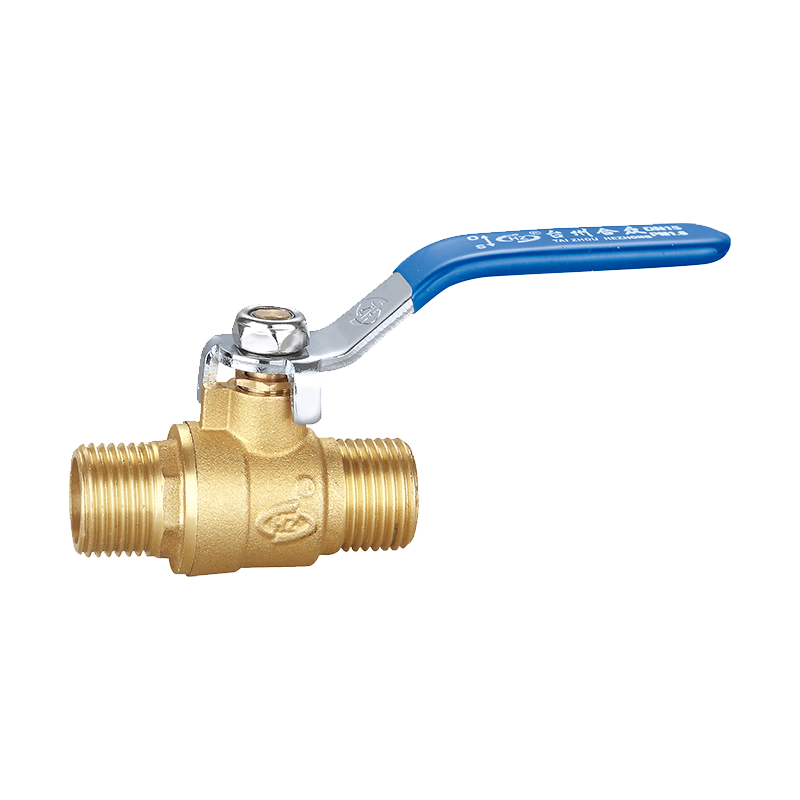 Double Male Brass Ball Valve for Water & HVAC Systems
Double male brass ball valve features male threads on both ends for direct in-line connect...
-
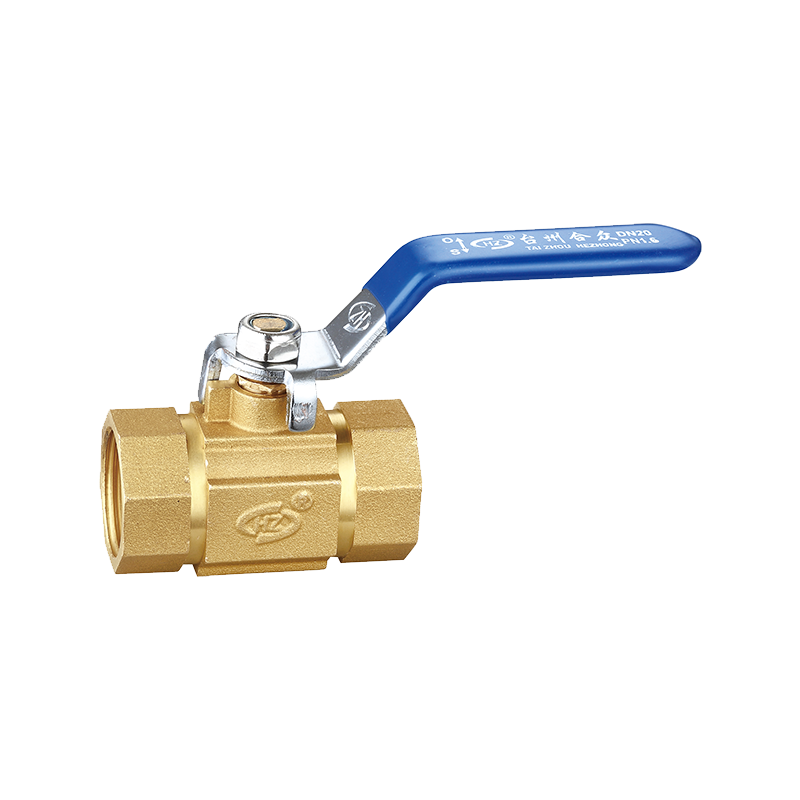 Square Body Ball Valve
This square body ball valve is integrally forged from high‑quality brass. Its square‑shape...
-
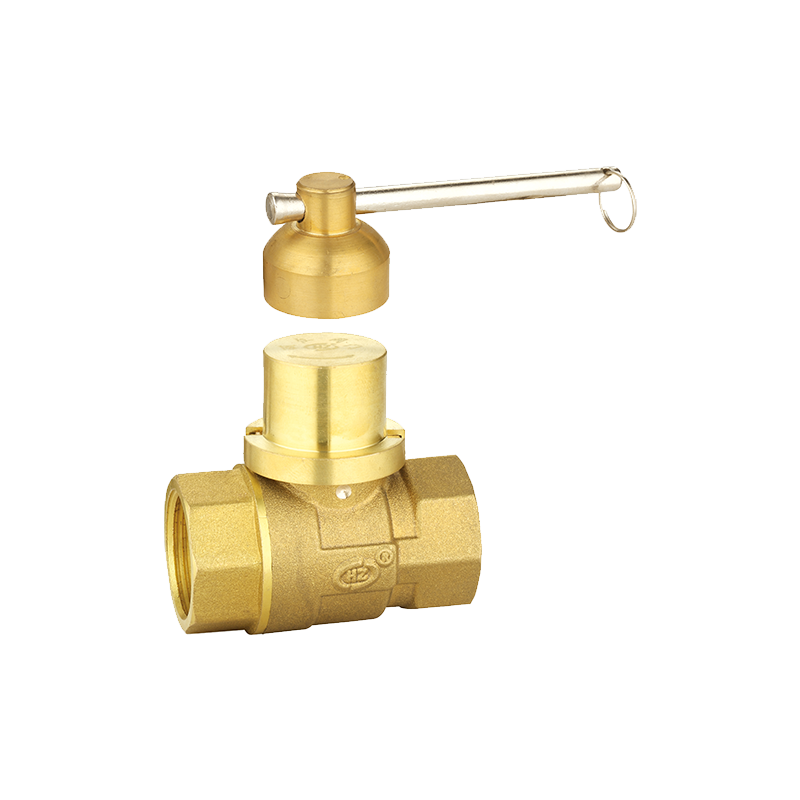 Magnetic Ball Valve for Front of Water Meter
Forged metal tee fitting with M30 loose nut for gas meter inlet connection, double 1/2" ma...
-
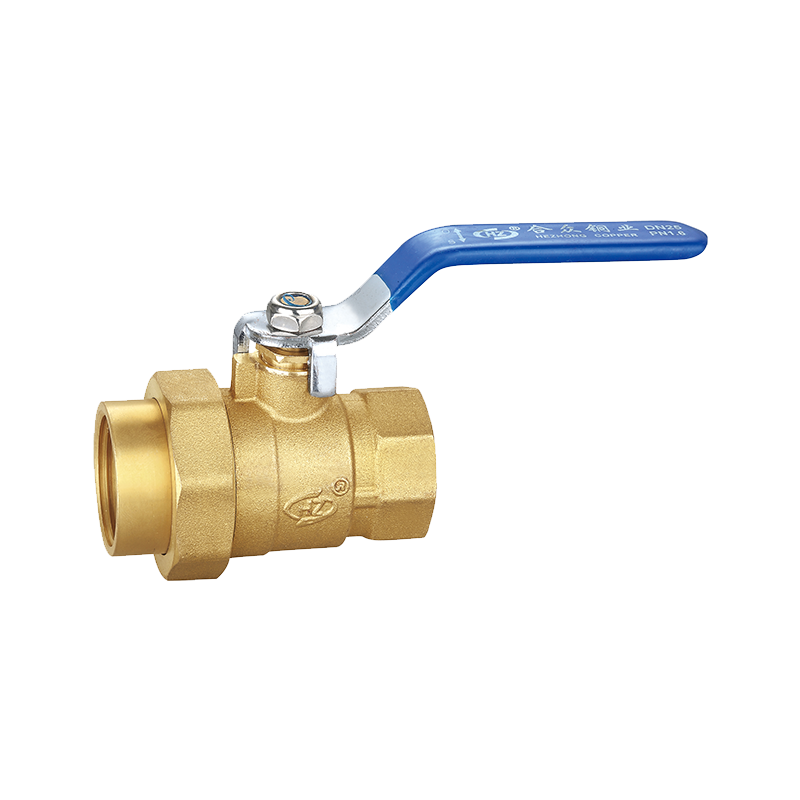 Female Thread Union Brass Ball Valve
This female thread union brass ball valve is made of high-quality brass. It has female thr...
-
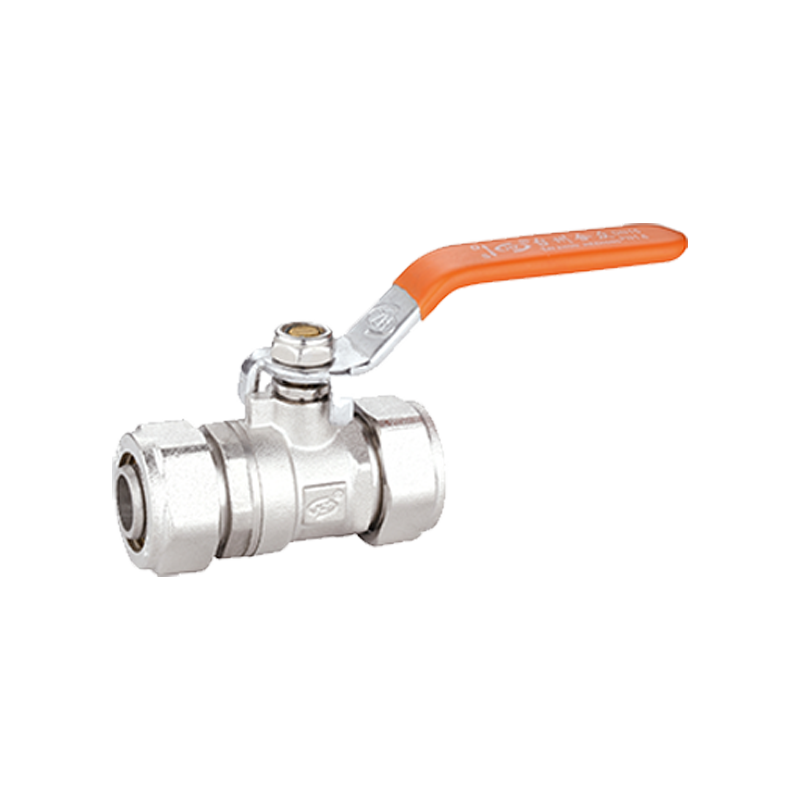 Brass Compression Ball Valve for PEX-AL-PEX Pipe
Brass Compression Ball Valve is forged from high‑quality brass, featuring high‑strength va...
-
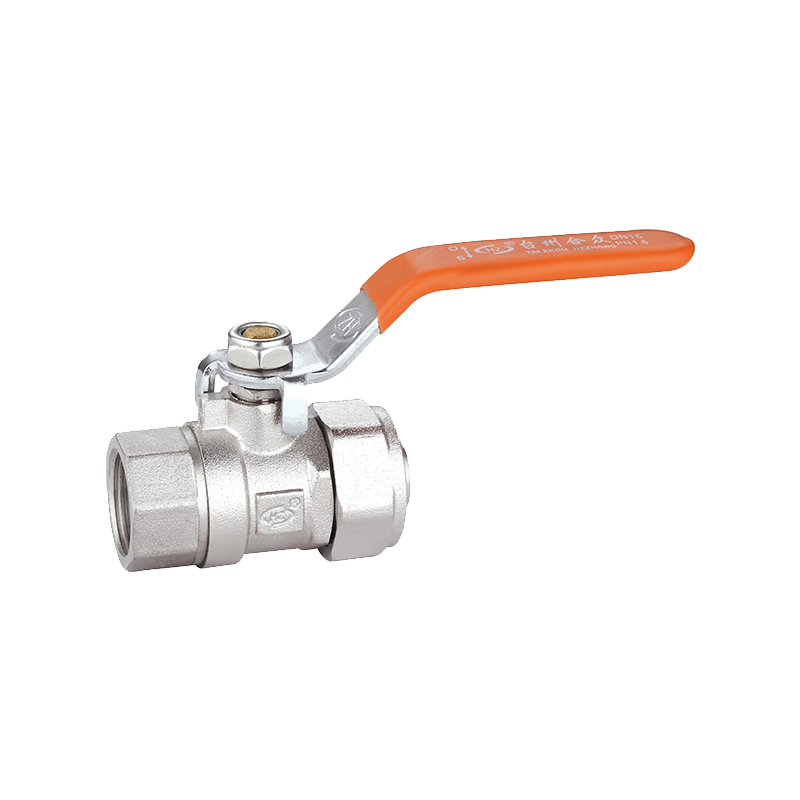 Female-Thread-Brass Compression Ball Valve for PEX-AL-PEX Pipe
This ball valve features a compression connection on one end and a female thread on the ot...
-
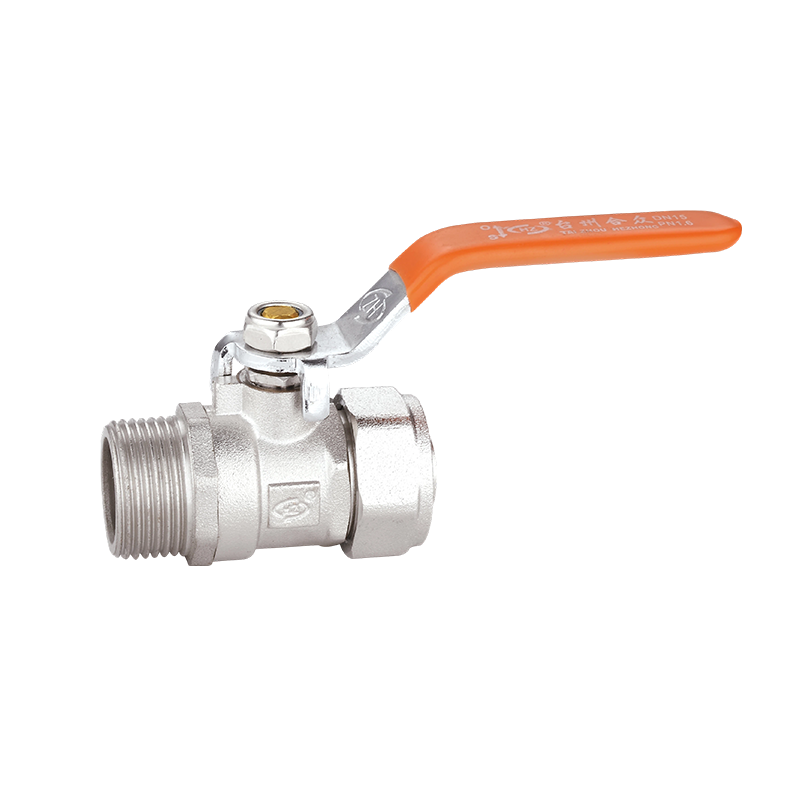 Male-Thread-Brass Compression Ball Valve for PEX-AL-PEX Pipe
This brass compression ball valve is made for PEX-AL-PEX pipe. Connecting different pipe m...
-
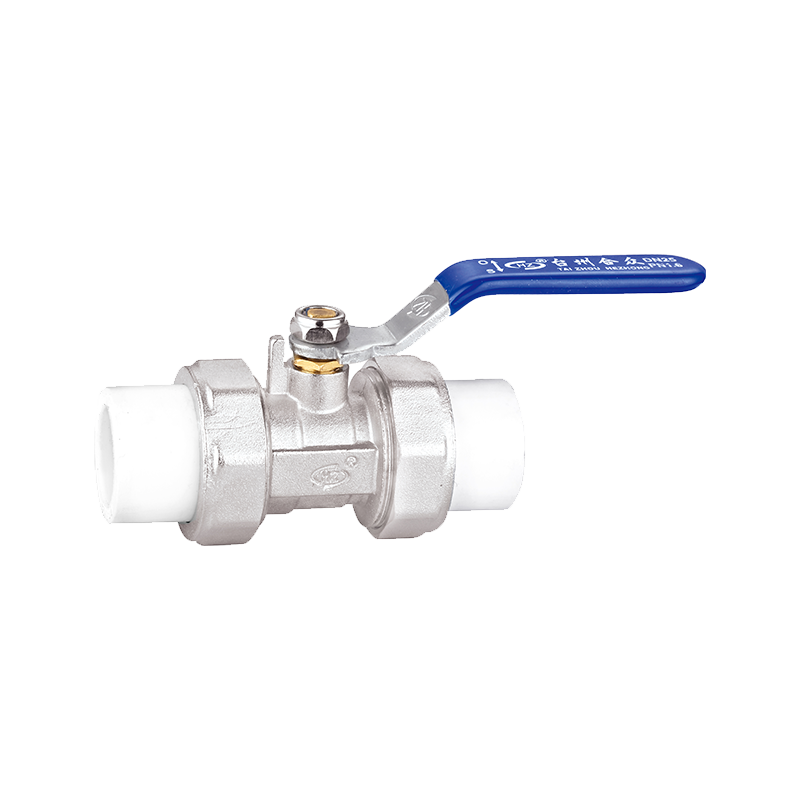 PPR Double Union Ball Valve
This PPR ball valve features a double‑union structure, compatible with hot‑melt connection...
CONTACT DETAILS
- TEL: +86-18158607688
- E-mail: [email protected]
- Address: Zhongshan Industrial Zone, Chumen Town, Yuhuan City, Taizhou, Zhejiang Province, China
