 EN
EN  English
 русский
 中文简体
中文简体
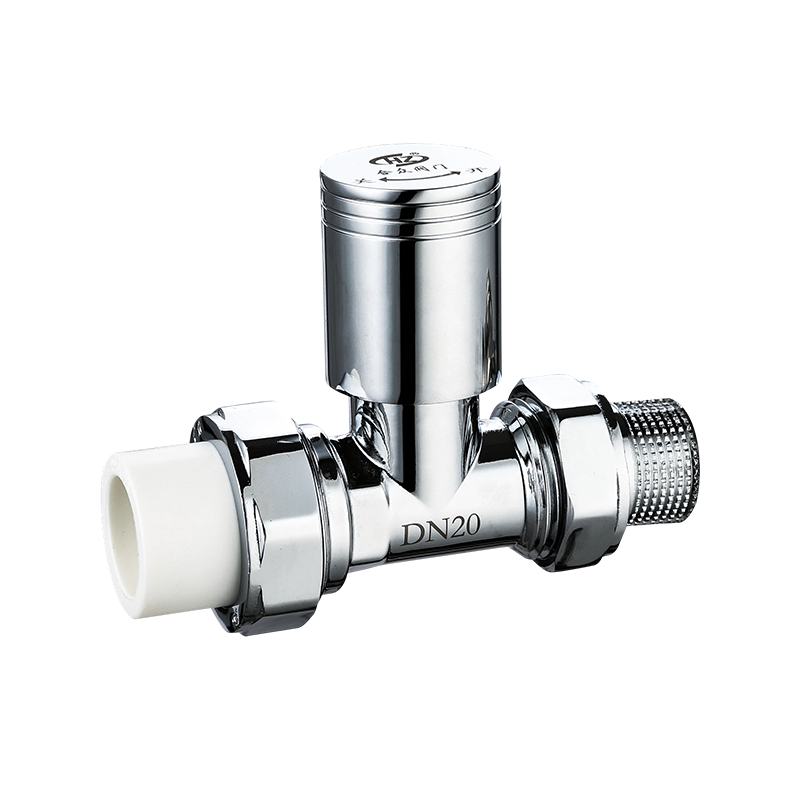
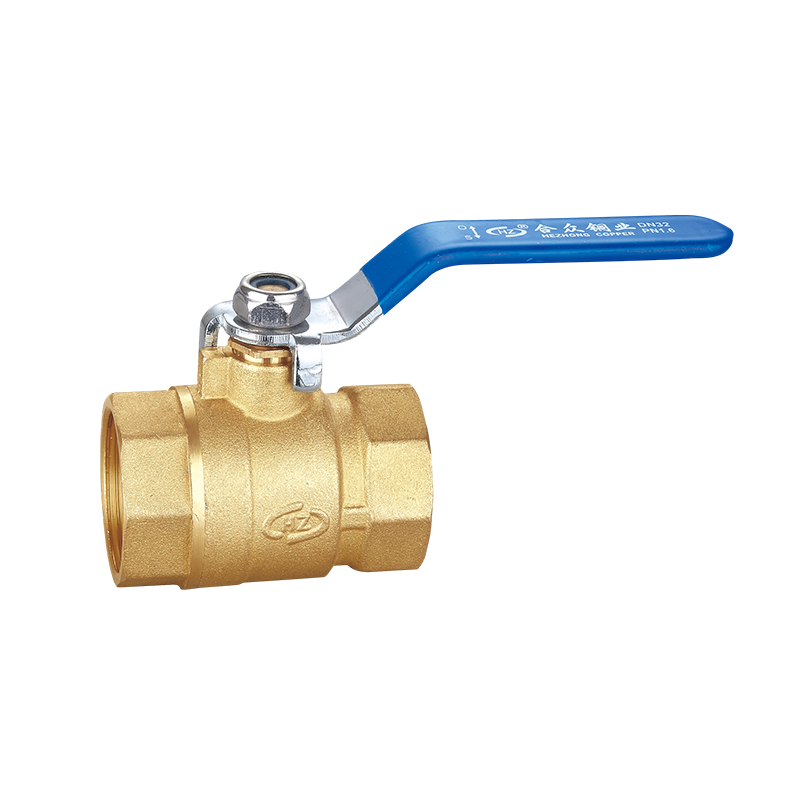
This brass ball valve is built for water lines, HVAC loops, and compressed air systems whe...


Application Industry
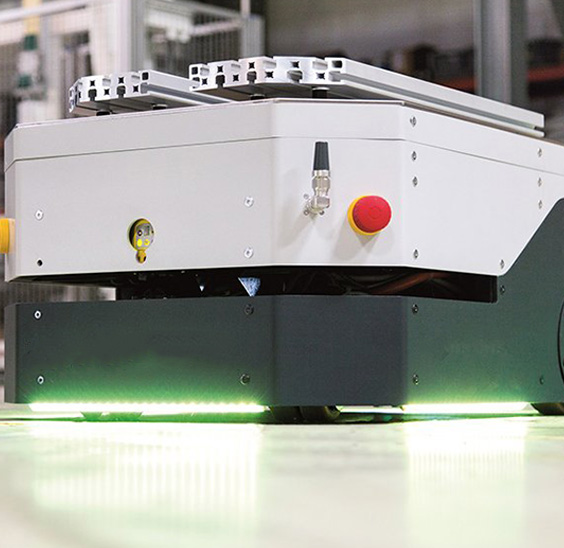
AGV

Automated robots
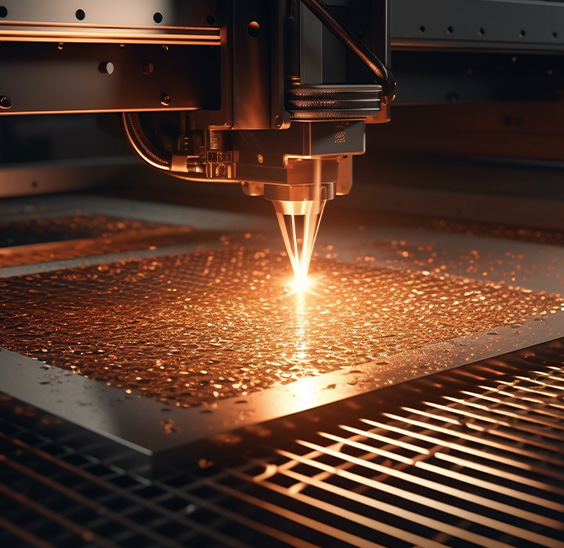
laser cutting

Logistics sorting

Photovoltaic power-station
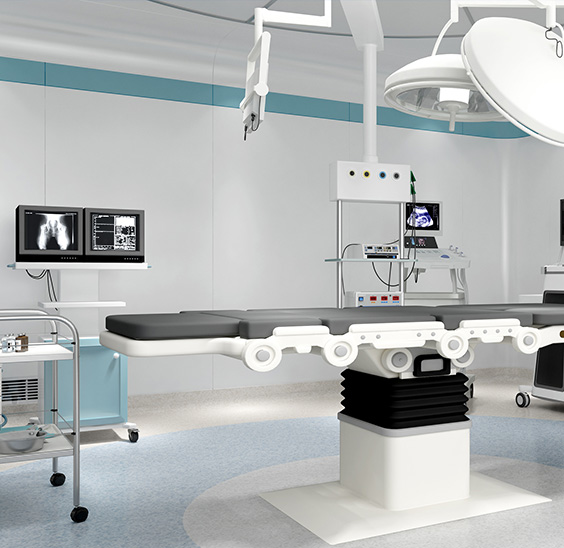
Medical devices
How Thermostatic Heating Valve Supports Energy Control
Heating really does eat up a substantial chunk of energy consumption across a lot of buildings. Warming spaces alone can account for a genuinely significant share of operating costs, and uncontrolled heating just throws that energy away when it could've been conserved instead.
Heating and overall energy consumption tie together pretty tightly here. A building heated efficiently burns through noticeably less energy, while one heated poorly wastes it steadily over time. What separates the two usually comes down to the quality of the heating control system running behind the scenes.
Uncontrolled heating wastes energy in a handful of predictable ways. Rooms end up heated while sitting empty. Spaces get pushed to temperatures well past comfortable or necessary. Heat keeps flowing even when the building's already picked up plenty of warmth from other sources nearby.
Control systems really are essential for efficient heating operation. A system that actually responds to real conditions burns through less energy than one that just runs nonstop regardless of need. That control system decides when heat shows up and how much of it arrives, and the quality of that control shapes both comfort and energy use together.
What Does a Thermostatic Heating Valve Do in a Heating System?
A thermostatic heating valve regulates how hot water flows through a radiator or similar heating device. The valve adjusts that flow based directly on room temperature, keeping the space hovering near whatever temperature's actually desired.
The valve's basic job comes down to controlling heat output. When a room turns cold, the valve lets more hot water flow through the radiator. When the room warms up, the valve pinches that flow back. It really just responds to temperature shifts to keep things comfortable without anyone touching a dial.
The valve senses those temperature changes through a built‑in mechanism. A temperature‑sensitive element inside expands or contracts as conditions shift, and that movement positions the valve opening directly, which in turn controls how much hot water actually gets through.
This valve really stands as a key piece of the heating system precisely because it delivers local control. Each valve handles its own room independently, and the system as a whole benefits enormously from that room‑by‑room control working in parallel rather than everything running off one central switch.
How Does the Valve Sense and Respond to Room Temperature?
The sensing mechanism inside typically relies on a temperature‑sensitive element. This element might hold wax, liquid, or gas that expands as temperature climbs, and that expansion moves a small piston that opens or closes the valve accordingly.
Temperature shifts trigger valve adjustment through that expansion and contraction cycle. A rise in temperature makes the element expand, closing the valve down. A drop makes it contract, opening the valve back up. The valve really does respond continuously as conditions shift, not just at set intervals.
Sensed temperature and valve position track together pretty directly. A warmer room nudges the valve toward closed. A cooler room nudges it toward open. Valve position ends up matching heating demand in near real time.
Accurate sensing really matters for effective control here. A valve that reads temperature well adjusts flow appropriately, while one that senses poorly just can't deliver good control no matter how well‑built the rest of it is. Sensing quality really does shape the valve's overall performance.
What Role Does the Valve Play in Maintaining Desired Room Temperatures?
The valve keeps room temperature hovering near the set point by adjusting heat output continuously. The set point is simply whatever temperature the user's chosen, and the valve works to hold the room as close to that number as it reasonably can.
The valve responds to temperature swings by adjusting hot water flow accordingly. A room running too warm gets less heat. One running too cool gets more. The valve keeps making these small adjustments continuously rather than waiting for big swings to correct.
On‑off control and modulating control really do differ in meaningful ways. An on‑off valve sits either fully open or fully closed, nothing in between. A modulating valve can sit partially open, which gives it a lot more precision in maintaining temperature.
Consistent temperature really does matter for comfort. A room that swings around in temperature feels uncomfortable to be in. One that stays close to the set point feels genuinely comfortable. The valve helps hold that consistency steady throughout the day.
How Does the Valve Reduce Energy Waste in Heating Systems?
The valve heads off overheating by cutting heat output once it's no longer needed. A room that's already hit the set point doesn't need more heat pouring in, so the valve restricts flow to keep the room from climbing warmer than necessary.
The valve also responds when rooms sit unoccupied or unused. A room nobody's in doesn't need full heating running through it, so the valve can dial back heat to those unused spaces, and that reduction really does save energy over time.
Valve operation and energy savings connect pretty directly here. A valve delivering heat only when it's actually needed burns through less energy overall. One delivering heat continuously wastes it steadily. How the valve responds to real conditions really does determine energy use across the whole system.
| Control Aspect | How Thermostatic Valve Supports Energy Control |
|---|---|
| Temperature sensing | Detects room temperature and signals adjustment |
| Valve positioning | Modulates flow to match heating demand |
| Set point maintenance | Keeps room temperature near desired level |
| Overheat prevention | Reduces flow when rooms are warm enough |
| Unoccupied response | Cuts heat when rooms are not in use |
Reducing waste really stands as a core function of the valve, especially given how heating tends to be a genuinely major energy expense for most buildings. A valve that cuts down on waste saves energy and lowers operating costs together, and the savings from better control often end up outweighing what the valve itself costs to install.
How Does the Valve Interact with Other Heating System Components?
A heating system really comes together as a collection of parts that need to work in concert. The valve links up with the heat source, the radiators, and the broader controls, and how well these pieces interact shapes overall system performance more than any single component could on its own.
The valve and the boiler tie together in a genuinely practical way. The boiler supplies hot water into the system, while the valves decide how that hot water actually gets distributed. A valve restricting flow can end up affecting boiler operation too, which means system design really has to account for that interaction rather than treating each part in isolation.
The valve works hand in hand with radiators or whatever heat emitters the system uses. The radiator releases heat from hot water into the room, and the valve controls how much hot water actually reaches it. Together, valve and radiator determine the heat output the room actually experiences.
Multiple valves interacting within one system matters quite a bit too. Each valve handles a different radiator on its own, working independently, yet still shaping the system as a whole. A setup running many valves tends to behave pretty differently from one running just a handful.
Component coordination really does drive overall system performance. A system with well‑coordinated parts runs efficiently. One with poorly coordinated parts wastes energy steadily. The valve genuinely needs to stay compatible with everything else in the system for any of this to work smoothly.
What Installation Considerations Affect Valve Performance?
Proper valve placement really is essential for reliable operation. The valve needs to sit somewhere it can sense room temperature accurately, since a poorly placed valve just won't deliver good control no matter how well it's built.
Installation shapes valve operation in genuinely practical ways. A valve installed correctly works exactly as intended. One installed poorly might not function properly at all. Installation quality really does determine how well the valve performs day to day.
System design plays into valve performance too. A system designed with the valve's needs in mind tends to work well. One designed without considering the valve can run into real problems down the line. The system genuinely needs to support the valve's operation rather than working against it.
A handful of installation considerations deserve attention:
- Valve must be positioned away from heat sources that could affect sensing
- The temperature sensing element should be exposed to room air
- The valve should be accessible for adjustment and maintenance
- The system should be balanced to allow proper valve operation
Installation quality really does matter for energy control here. A well‑installed Thermostatic Heating Valve delivers consistent control, while a poorly installed one might never actually save the energy it's supposed to.
How Does the Valve Respond to External Factors?
External factors shape how the valve actually performs day to day. Solar gain through windows can warm a room without any heating involved. Occupancy patterns shift heat demand around. Weather changes affect how much heat the building loses to begin with.
Solar gain influences valve operation in a specific way. A room catching sunlight can warm up noticeably during the day, and the valve responds by dialing back heat output, which keeps the room from overheating on its own.
Occupancy patterns shape valve response too. A room in use needs heat flowing. An empty one doesn't need nearly as much. The valve can adjust to match these occupancy patterns without anyone manually intervening.
Weather changes shape valve performance as well. Cold weather drives up heat loss from the building, so the valve responds by pushing more heat through. Mild weather cuts that need down considerably.
What Maintenance Practices Support Valve Performance?
Regular checks really do matter for reliable valve operation over time. The valve deserves periodic inspection just to confirm it's still working correctly.
The valve mechanism can need occasional attention too. The sensing element should stay clean and free of obstructions. The valve should move freely through its full range of motion, since a sticking valve just can't deliver good control anymore.
System cleanliness feeds into valve function directly. Dirt and debris can block the valve mechanism entirely. A blocked valve might not close all the way. It might not open properly either.
A handful of maintenance practices really support solid valve performance:
- Checking the valve for any visible damage or corrosion
- Ensuring the temperature sensor is not blocked or covered
- Verifying that the valve opens and closes through its full range
- Keeping the system water clean and free from debris
- Testing the valve response to temperature changes periodically
Maintenance really does support consistent energy control here. A valve that's properly maintained performs reliably for years. One that's neglected tends to fail eventually.
What Factors Should Be Considered When Selecting a Thermostatic Valve?
Selecting a valve really does demand attention to several specifications at once. The valve needs to match the heating system's actual operating characteristics, since the right valve genuinely supports effective energy control while the wrong one just underperforms.
Specifications that shape valve performance include temperature range, flow capacity, and response time. The valve needs to suit the system's actual conditions, because a valve that isn't suitable simply won't control well no matter how well‑made it is.
System characteristics really do guide valve selection here. System pressure, temperature, flow rate — all of it feeds into which valve actually fits. The valve genuinely needs compatibility with the system it's going into.
Matching the valve to its application matters a great deal. A valve chosen by a Radiator Valve Manufacturer based on the specific application tends to perform reliably over time. One properly matched to the system delivers genuinely good control.
Key factors worth considering during selection:
- The temperature range required for the application
- The flow capacity needed for the radiator size
- The response time required for the control application
- The system pressure and temperature conditions
- The installation constraints and space available
The right valve really does support effective energy control. A Thermostatic Heating Valve properly selected cuts energy waste while maintaining comfort, and that selection process really should center on the specific application's actual requirements rather than generic assumptions.
For specialized applications, a Radiator Valve Manufacturer can offer real guidance on valve selection and system integration. That manufacturer expertise really does help ensure the valve suits the heating system and delivers the energy control benefits it's meant to provide.
Related products
-
-
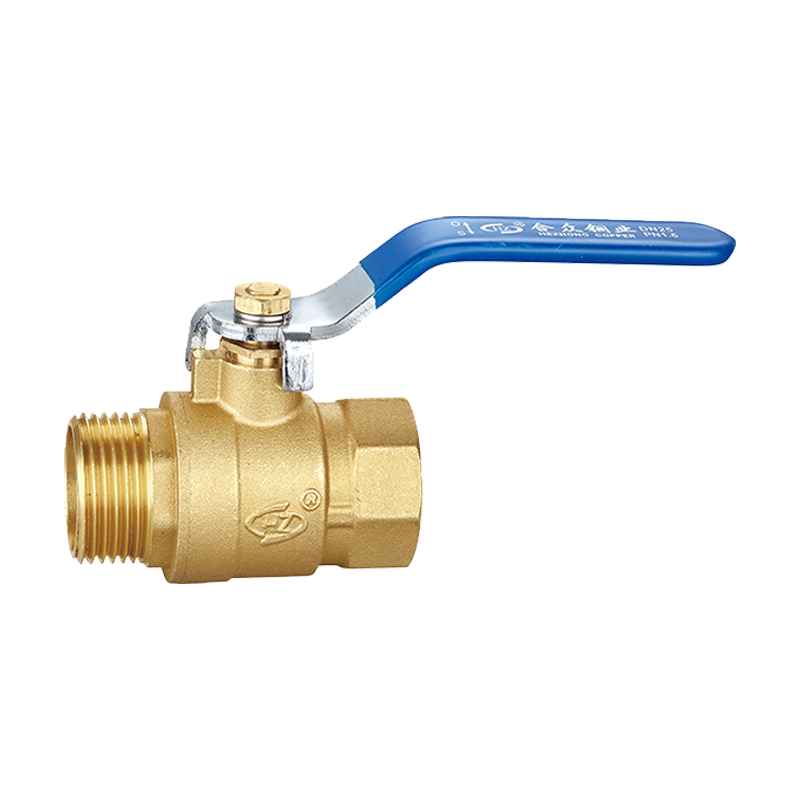 Male Thread Brass Ball Valve for Water & HVAC Systems
This male thread brass ball valve is made of national standard forged brass with RP male t...
-
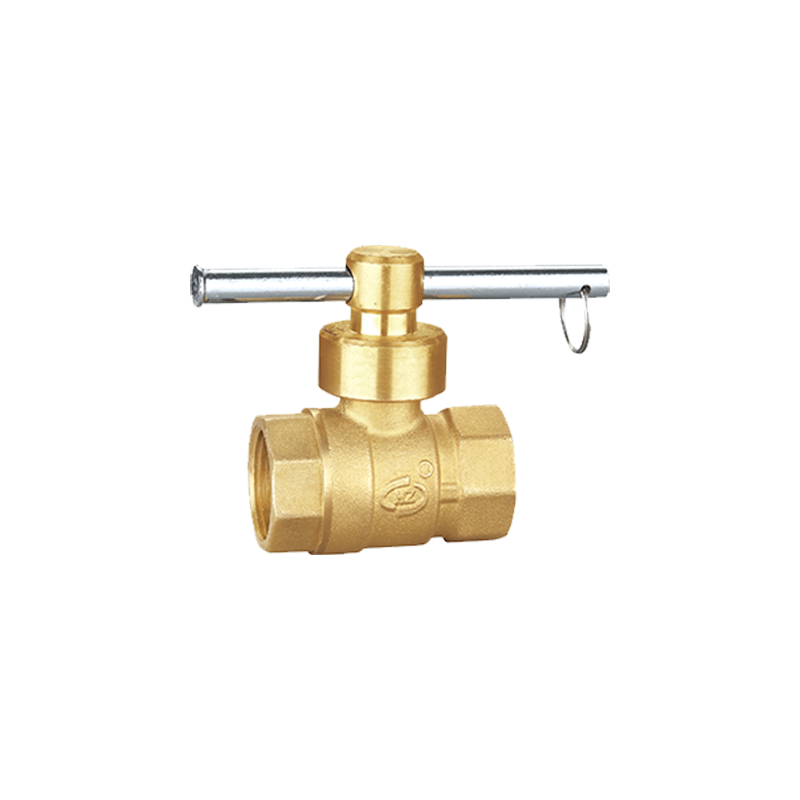 One‑Word Magnetic Lock-Off Ball Valve
This is One‑Word Magnetic Lock‑Off Ball Valve of the Water Utilities Series. It is integr...
-
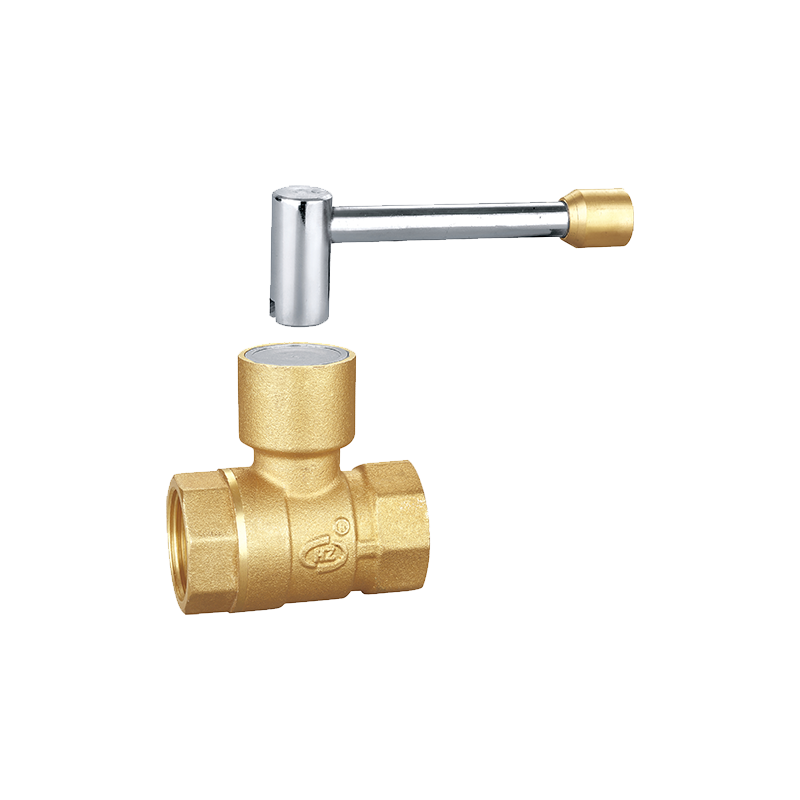 Brass Magnetic Lock-Off Ball
This brass magnetic lock‑off ball valve has a high‑quality forged brass valve body with st...
-
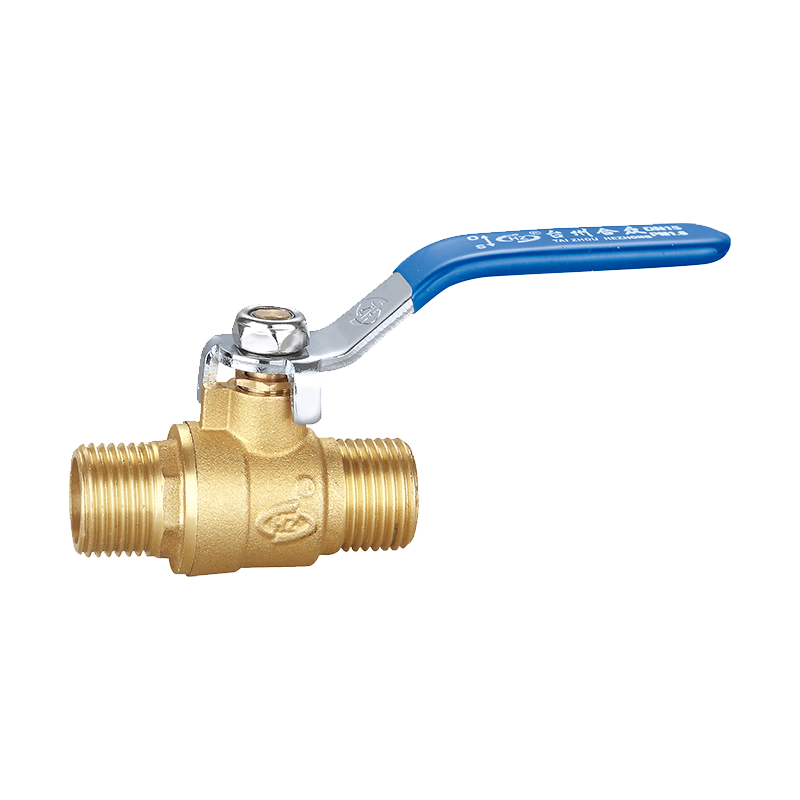 Double Male Brass Ball Valve for Water & HVAC Systems
Double male brass ball valve features male threads on both ends for direct in-line connect...
-
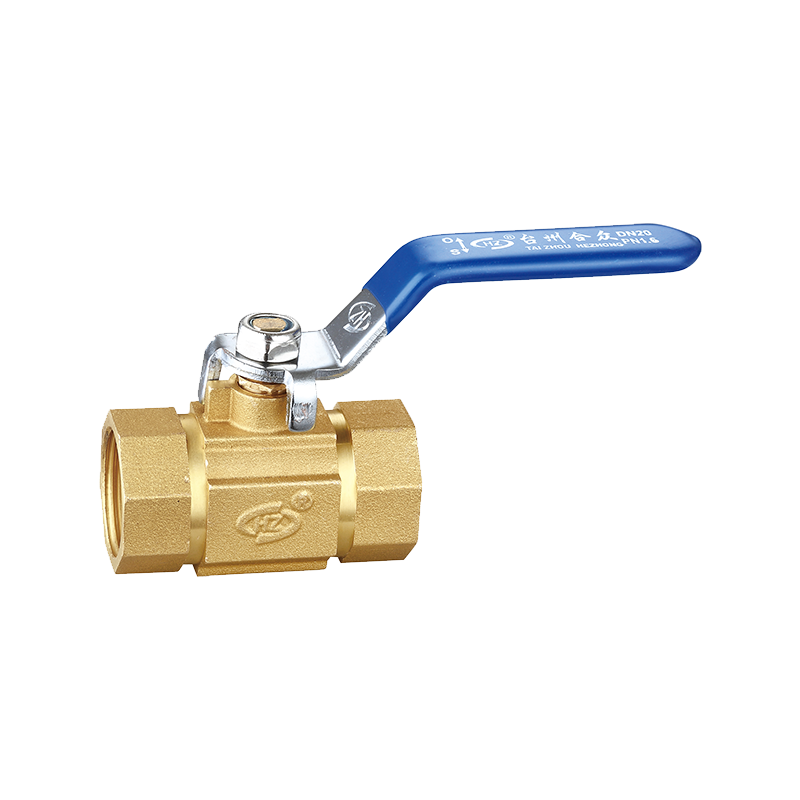 Square Body Ball Valve
This square body ball valve is integrally forged from high‑quality brass. Its square‑shape...
-
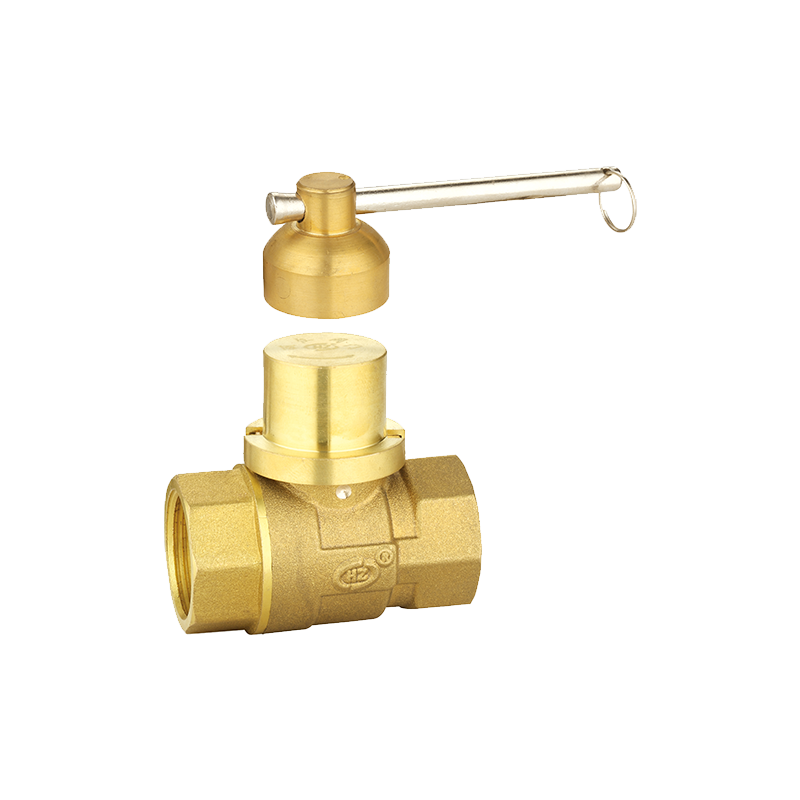 Magnetic Ball Valve for Front of Water Meter
Forged metal tee fitting with M30 loose nut for gas meter inlet connection, double 1/2" ma...
-
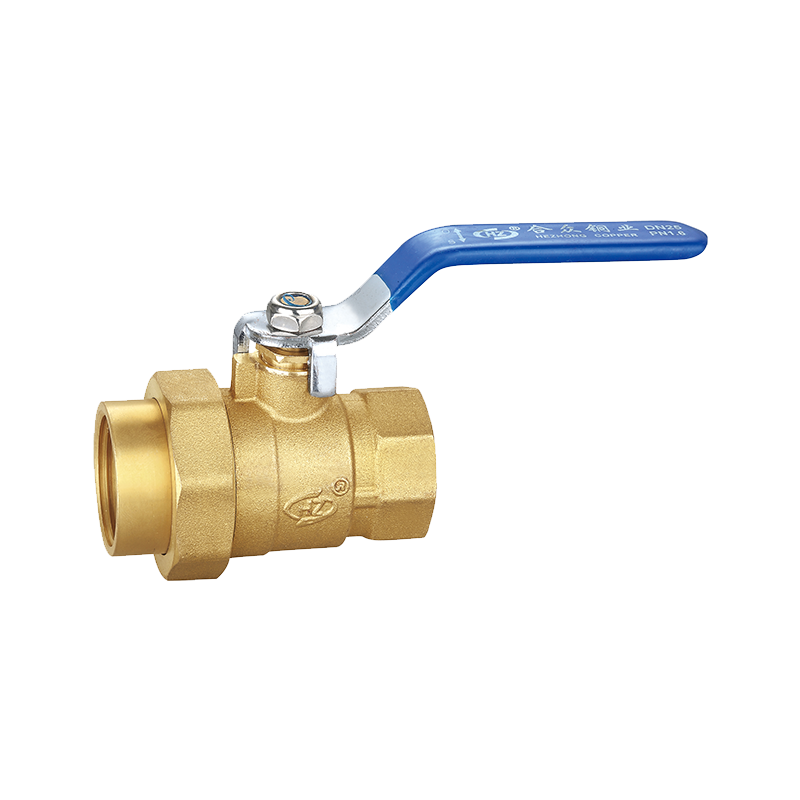 Female Thread Union Brass Ball Valve
This female thread union brass ball valve is made of high-quality brass. It has female thr...
-
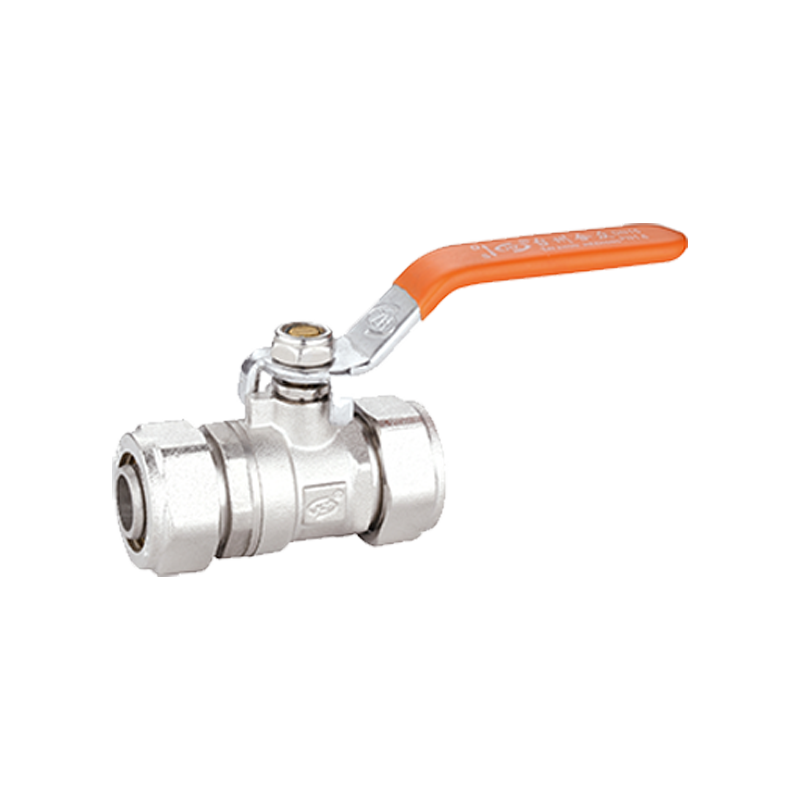 Brass Compression Ball Valve for PEX-AL-PEX Pipe
Brass Compression Ball Valve is forged from high‑quality brass, featuring high‑strength va...
-
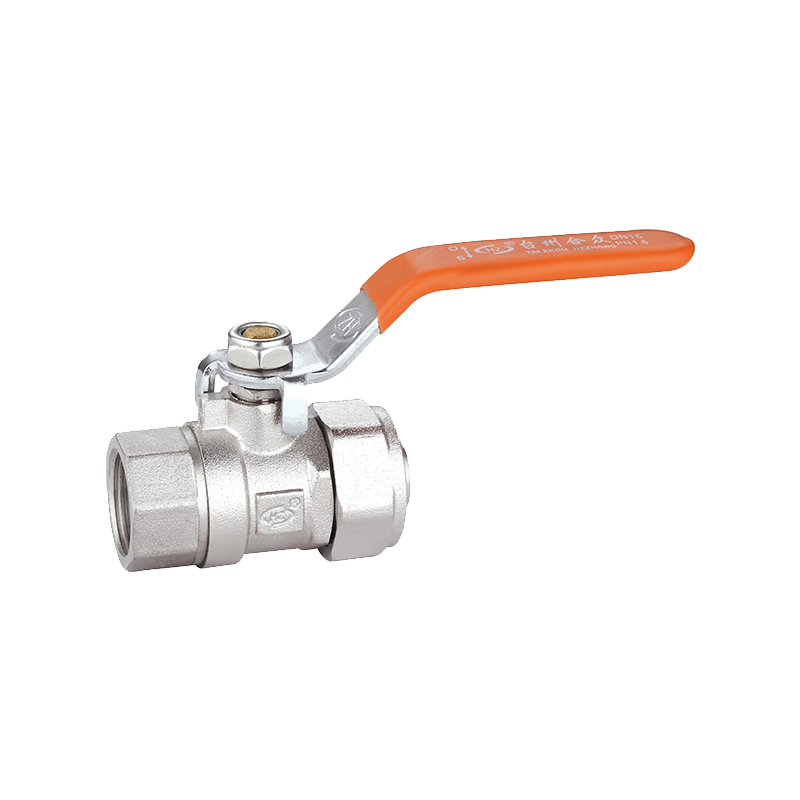 Female-Thread-Brass Compression Ball Valve for PEX-AL-PEX Pipe
This ball valve features a compression connection on one end and a female thread on the ot...
-
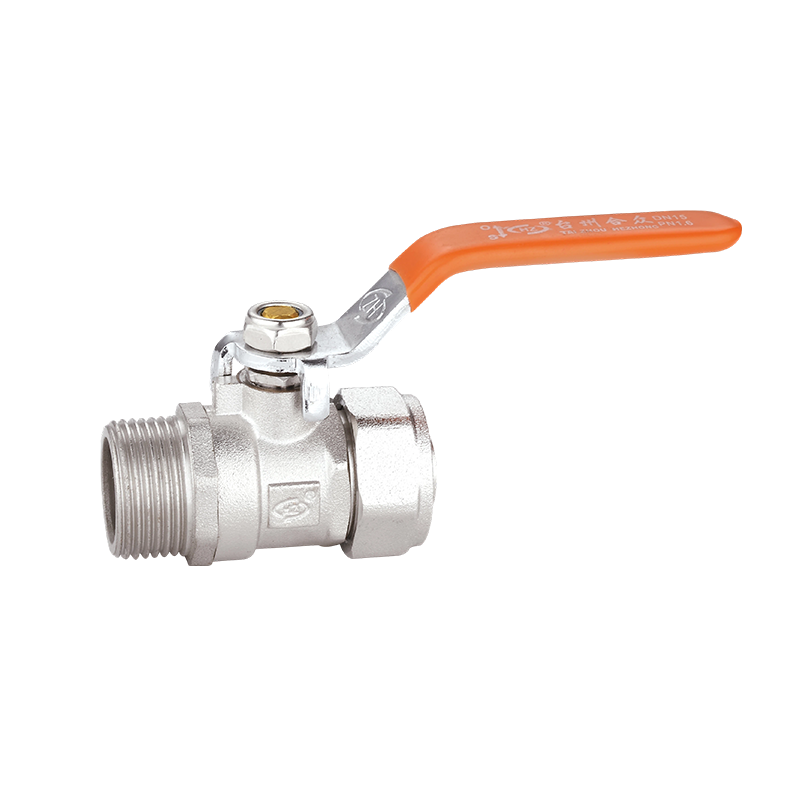 Male-Thread-Brass Compression Ball Valve for PEX-AL-PEX Pipe
This brass compression ball valve is made for PEX-AL-PEX pipe. Connecting different pipe m...
-
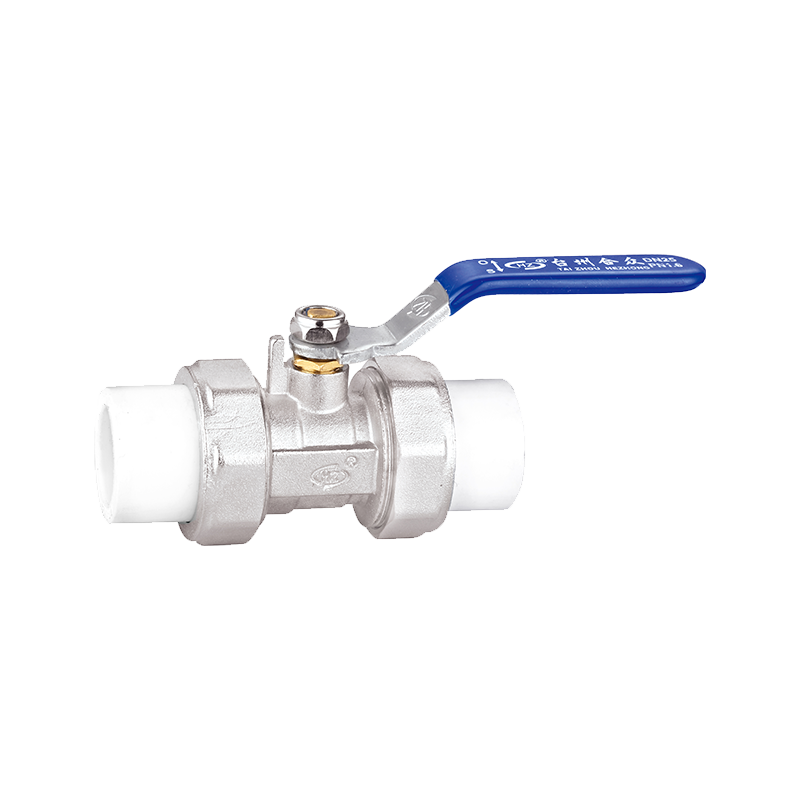 PPR Double Union Ball Valve
This PPR ball valve features a double‑union structure, compatible with hot‑melt connection...
CONTACT DETAILS
- TEL: +86-18158607688
- E-mail: [email protected]
- Address: Zhongshan Industrial Zone, Chumen Town, Yuhuan City, Taizhou, Zhejiang Province, China
