 EN
EN  English
 русский
 中文简体
中文简体
This brass ball valve is built for water lines, HVAC loops, and compressed air systems whe...
Home / News / Industry News / What Is the Difference Between a Thermostatic Heating Valve and Gas Valve


AGV

Automated robots
laser cutting

Logistics sorting

Photovoltaic power-station
Medical devices
Valves used around heating equipment can look similar from the outside, yet their jobs may be quite different. One controls fuel entering a heating appliance, while another regulates heated water moving through a heating circuit. Similar shapes can therefore create confusion during selection or replacement.
A gas valve deals with a combustible gas flow. Its task is connected with starting, stopping, or controlling fuel supply before combustion takes place. A heating valve works with water or another heating medium and helps adjust how much heat reaches a particular area.
Understanding the difference starts with the material moving through each valve. Gas and heated water create different working conditions, so internal parts, seals, connections, and pressure requirements need to match their intended use.
A simple comparison helps:
For household and building heating systems, both functions can appear within one installation, which makes clear identification useful during equipment selection and maintenance.
A gas valve manages the movement of fuel toward a burner. Opening the passage allows gas to reach the combustion area, while closing it stops that supply. Depending on system design, control can also adjust how much gas passes through during operation.
Gas pressure has an important role because burners need a suitable supply condition for stable operation. A valve therefore needs to correspond with the gas system rather than simply fitting the connection size.
A Low Pressure Gas Valve is designed for applications where gas moves under relatively low pressure conditions. Its function remains focused on controlling fuel flow, rather than regulating heated water.
Several factors influence gas valve selection:
Gas components also need careful installation because incorrect handling can create safety concerns. Selection should follow equipment requirements and applicable installation rules rather than relying on appearance alone.
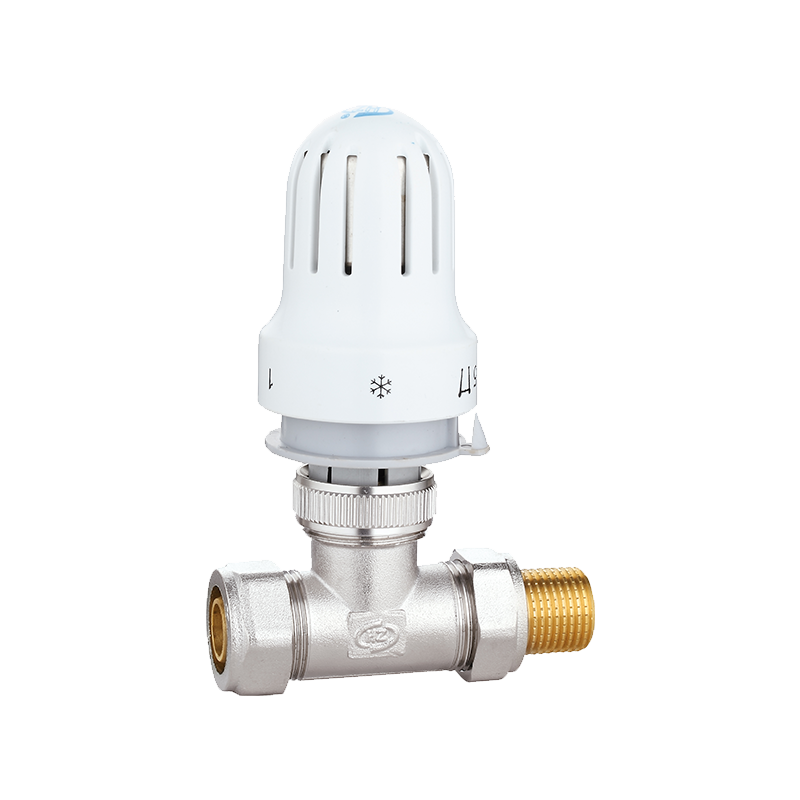
A Thermostatic Heating Valve has a different purpose. Rather than controlling fuel entering a burner, it regulates the flow of heated water or another heating medium according to temperature.
A temperature-sensitive element reacts as surrounding conditions change. When the sensed temperature rises, valve movement can reduce heating-medium flow. When temperature falls, greater flow can be allowed, depending on valve design.
Such adjustment helps regulate heat distribution without requiring constant manual movement of the valve.
For example, a radiator may receive less heated water after a room becomes warmer. When room conditions become cooler, the valve can respond by allowing additional flow. Heat output therefore changes according to temperature conditions.
Several parts work together within a typical thermostatic arrangement:
Unlike a gas valve, a Thermostatic Heating Valve does not exist primarily to control fuel entering a burner. Its role comes later in the heating process, where heat needs to be distributed through a building or individual room.
Working medium creates one of the clearest differences between both valve types. Gas valves are made for fuel gas, while heating valves handle water or another heating fluid.
Different fluids create different demands on internal surfaces and sealing components. Gas needs controlled containment because leakage can create a serious hazard. Heating water brings another set of concerns, including temperature, pressure, corrosion, and long-term contact with internal materials.
A valve designed for water should not be treated as suitable for gas simply because its body looks similar. Likewise, a gas valve should not be selected for a heating-water circuit without confirming that its construction and operating conditions match.
| Feature | Gas Valve | Heating Valve |
|---|---|---|
| Main medium | Fuel gas | Heated water or heating fluid |
| Main function | Controls fuel supply | Regulates heat flow |
| Control concern | Gas flow and pressure | Temperature and fluid flow |
| Typical position | Gas supply or burner section | Heating circuit |
| Selection focus | Gas system requirements | Heating system requirements |
Material compatibility also matters. Internal seals, body materials, and moving parts need to remain suitable for the medium and operating environment.
A Low Pressure Gas Valve controls gas movement under a low-pressure supply condition. In a heating system, gas travels toward a burner, where controlled combustion produces heat.
Valve operation needs to remain connected with burner requirements. Too much gas flow can affect combustion behavior, while insufficient flow can prevent the appliance from operating as intended.
Gas flow control can involve several stages:
A valve therefore forms part of a larger system rather than functioning as an isolated component.
Pressure conditions also influence selection. A valve intended for one supply condition may not be appropriate for another. Connection type alone cannot confirm compatibility.
Routine inspection is also relevant because gas-related components need secure connections and suitable seals. Any suspected gas leakage should be handled according to professional safety procedures rather than through improvised adjustment.
Temperature response is central to a Thermostatic Heating Valve. A sensing element changes its position as surrounding temperature changes, causing the valve opening to adjust.
During warmer conditions, reduced heating-medium flow can help prevent unnecessary heat delivery. During cooler conditions, increased flow can allow additional heat into the room.
Such operation differs from manually opening or closing a simple valve. Temperature becomes part of the control process, allowing heating output to respond to changing room conditions.
A typical sequence can be viewed as:
Different valve designs may respond in different ways, so actual adjustment behavior depends on the selected heating system.
For building heating, temperature control also depends on room location, heat loss, insulation, radiator size, and system layout. A valve can regulate flow, yet overall room comfort depends on many connected factors.
Material selection affects how a valve handles its working environment. Gas valves and heating valves can face different combinations of pressure, temperature, fluid contact, and mechanical movement.
Brass is commonly used for valve bodies because it can provide a combination of mechanical strength, machinability, and resistance to many service environments. Internal components may use other materials according to their specific function.
A Brass Gas Valve Factory therefore needs to consider more than body shape during production. Body machining, internal passages, sealing surfaces, assembly, and inspection all influence how a finished valve fits its intended application.
Material choice should always follow the medium and operating conditions. A material that works well in one heating application may require different treatment or construction in another.
For buyers, useful checks include:
Correct matching helps separate gas control from heating-fluid control and reduces confusion when different valve types appear within the same heating installation.
Gas control and heat distribution usually appear at different stages of a heating process. Fuel needs to reach a burner before heat can be produced, while a heating valve manages where generated heat is sent afterward.
A simple system may therefore contain several control points, each serving a different purpose. Treating all valves as interchangeable can create problems during selection, especially when external shapes appear similar.
A gas valve may sit close to the fuel supply or heating appliance, where its role involves controlling gas movement. A heating valve can be located around a radiator or heating circuit, where its job concerns the movement of heated water.
Such differences can be seen through everyday operation:
Recognizing where a valve sits within the system often makes identification easier.
Valve bodies can share similar forms even when their internal purposes are unrelated. A compact metal body with threaded connections may be used for several types of fluid control, so appearance alone provides limited information.
Connection size also does not prove compatibility. A valve may physically connect to a pipe while still having unsuitable pressure, temperature, sealing, or fluid requirements.
For heating equipment, checking the intended medium should come before considering appearance. Gas, water, and other heating fluids place different demands on internal components.
A useful selection process can begin with a few basic questions:
Such checks can prevent a visually similar component from being treated as a suitable replacement without proper confirmation.
A Low Pressure Gas Valve and a heating valve can both control flow, yet their working conditions remain different.
Gas control focuses on fuel delivery toward combustion equipment. Pressure, shutoff behavior, sealing, and compatibility with the fuel system are central considerations.
Heating control focuses on moving heated water or another heating medium. Temperature response, flow adjustment, connection with radiators or heating circuits, and heat distribution become more relevant.
| Selection Point | Gas Flow Control | Heating Flow Control |
|---|---|---|
| Medium | Fuel gas | Heated water or heating fluid |
| Main purpose | Control fuel supply | Adjust heat distribution |
| Key operating factor | Gas pressure and supply | Temperature and fluid movement |
| Common concern | Secure gas containment | Stable heating regulation |
| Installation context | Burner or gas line | Heating circuit or radiator |
A valve should therefore be selected according to its actual operating environment rather than its external appearance.
Manufacturing conditions influence how valves are prepared for their intended use. A Brass Gas Valve Factory may work with body machining, internal passage formation, sealing surfaces, assembly, and inspection as connected stages.
Brass body production requires attention to the shape and condition of internal passages. Small changes in machining can affect how components fit together, while sealing surfaces need to remain suitable for their intended application.
Assembly also matters because a valve contains several interacting parts. Moving components need suitable positioning, while seals need to sit correctly within their designated areas.
Inspection can cover areas such as:
Production control should correspond with the application for which a valve is intended. Gas service requires particular attention to containment and connection security, while heating-water applications place different demands on material and temperature compatibility.
Heating valves are often selected according to how the heating system manages room temperature. A thermostatic design responds to changes around its sensing element, allowing flow to change without constant manual adjustment.
Room conditions can vary because of sunlight, ventilation, doors opening, occupancy, or heat from nearby equipment. Automatic flow adjustment can respond to such changes within the limits of the heating system.
A Thermostatic Heating Valve is therefore connected with temperature regulation rather than fuel control. Its role starts after heat has already been generated.
Several factors can influence its operation:
Correct placement matters because the sensing element needs to respond to representative room conditions. A poor location may cause the valve to react to a local heat source rather than the general room environment.
Using a valve outside its intended application can affect system operation and may create safety concerns. Gas-related equipment requires particular care because uncontrolled fuel release can present serious hazards.
A water valve used in a gas line may have unsuitable seals or construction. A gas valve used for heating water may also have operating characteristics that do not match the heating circuit.
Other problems can come from mismatched pressure or temperature conditions. A valve may connect physically while failing to suit the actual working environment.
Possible signs of an unsuitable selection can include:
Gas-related installation and repair should be handled according to applicable safety requirements and by appropriately qualified personnel. Improvised replacement is not a suitable approach for fuel-control components.
Selection becomes clearer when application requirements are written down before purchasing. Rather than starting with appearance, buyers can begin with the working conditions.
For a gas valve, relevant information includes the fuel type, supply pressure, connection arrangement, operating temperature, and appliance requirements.
For a heating valve, attention can shift toward the heating medium, temperature range, flow path, connection style, and control method.
A practical checklist includes:
For gas applications, safety requirements should also be reviewed before installation or replacement.
Heating systems contain several separate control tasks, so valve design increasingly follows the specific job performed within a system. Fuel control, temperature regulation, pressure management, and heat distribution may each require different components.
Such separation can make system planning easier because each valve has a defined role. A gas valve handles fuel movement, while a heating valve manages the flow of heated medium.
Material selection also follows application needs. Brass may be used for valve bodies in various heating applications, while seals and internal parts can be selected according to the fluid, temperature, and pressure involved.
Clear product identification remains important for manufacturers, installers, and buyers. Product descriptions should state the intended medium and operating conditions rather than relying on general terms such as heating valve or gas valve alone.
Understanding the location and purpose of each component helps reduce confusion. Gas supply control belongs to the fuel side of a heating system, while thermostatic regulation belongs to the heat distribution side. Different jobs require different valve characteristics, even when external forms appear similar.
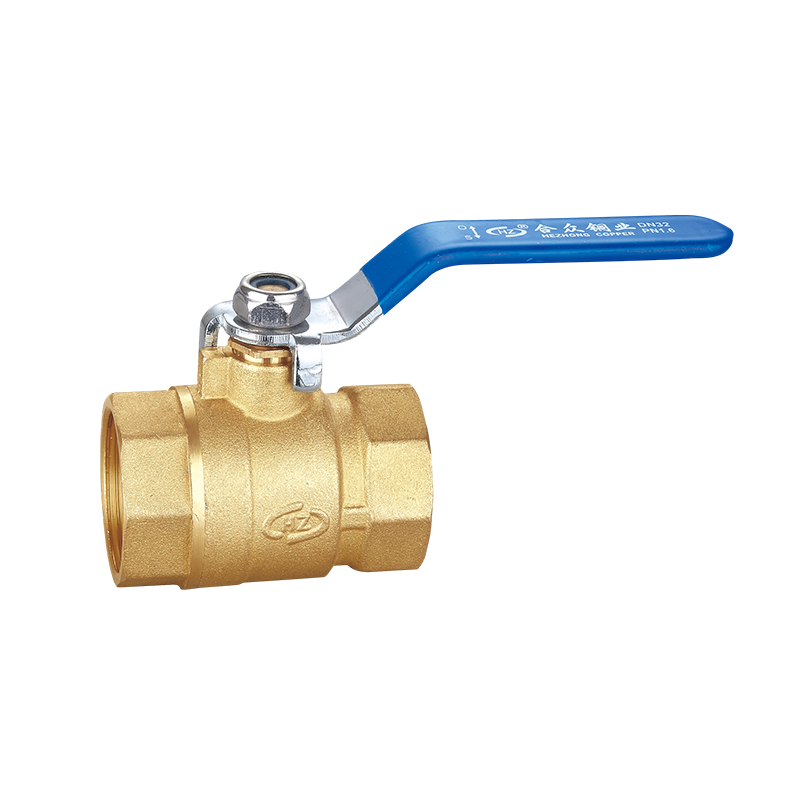
This brass ball valve is built for water lines, HVAC loops, and compressed air systems whe...
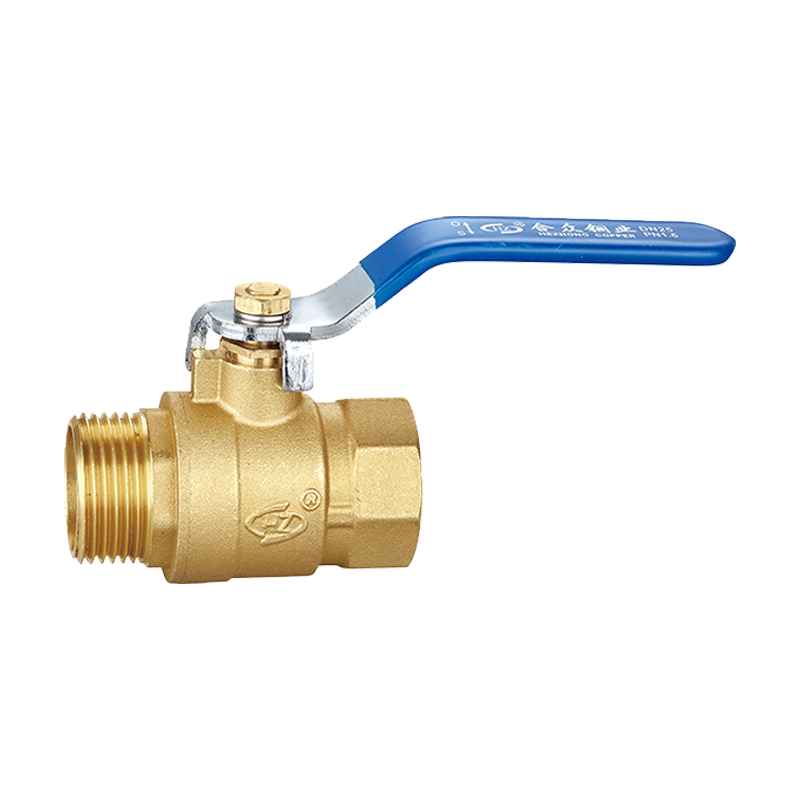
This male thread brass ball valve is made of national standard forged brass with RP male t...
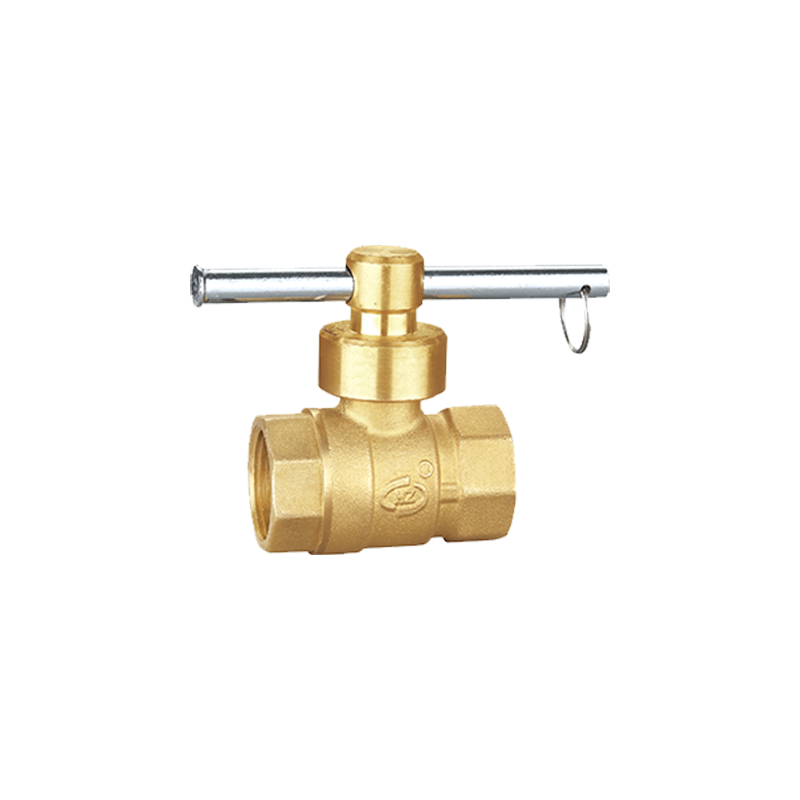
This is One‑Word Magnetic Lock‑Off Ball Valve of the Water Utilities Series. It is integr...
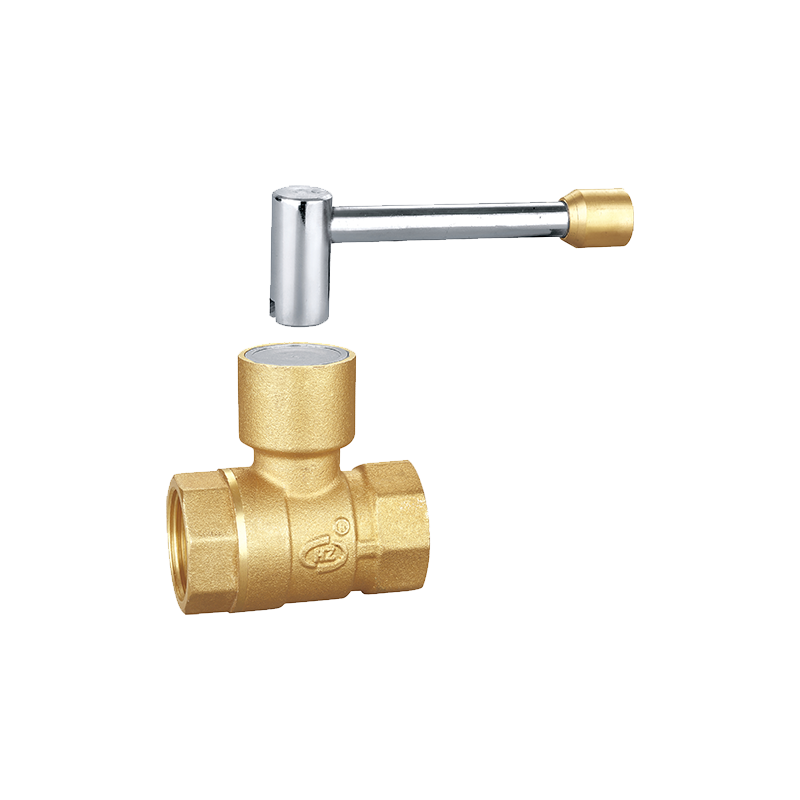
This brass magnetic lock‑off ball valve has a high‑quality forged brass valve body with st...
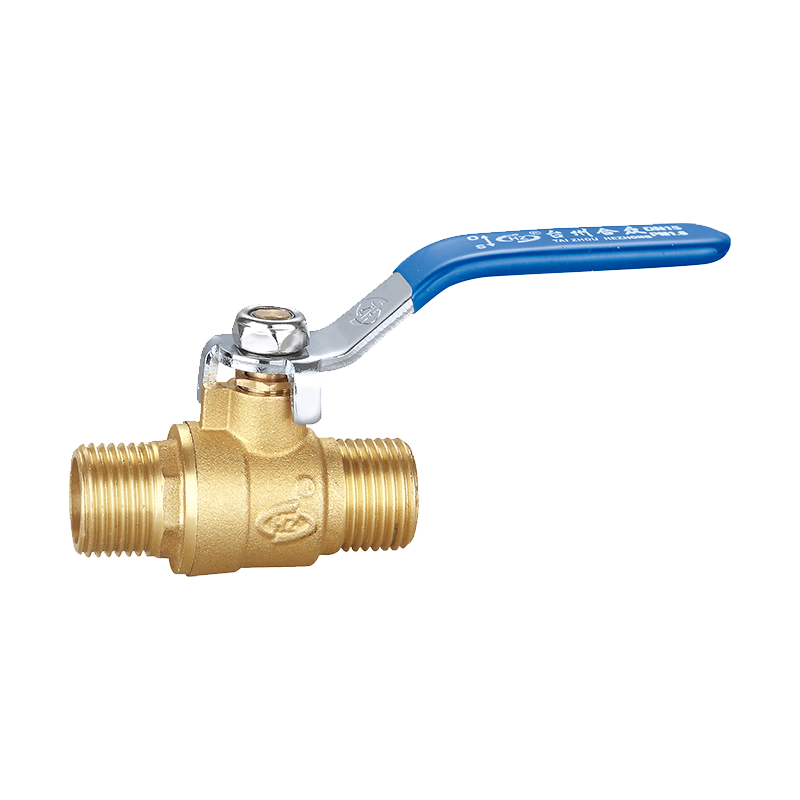
Double male brass ball valve features male threads on both ends for direct in-line connect...
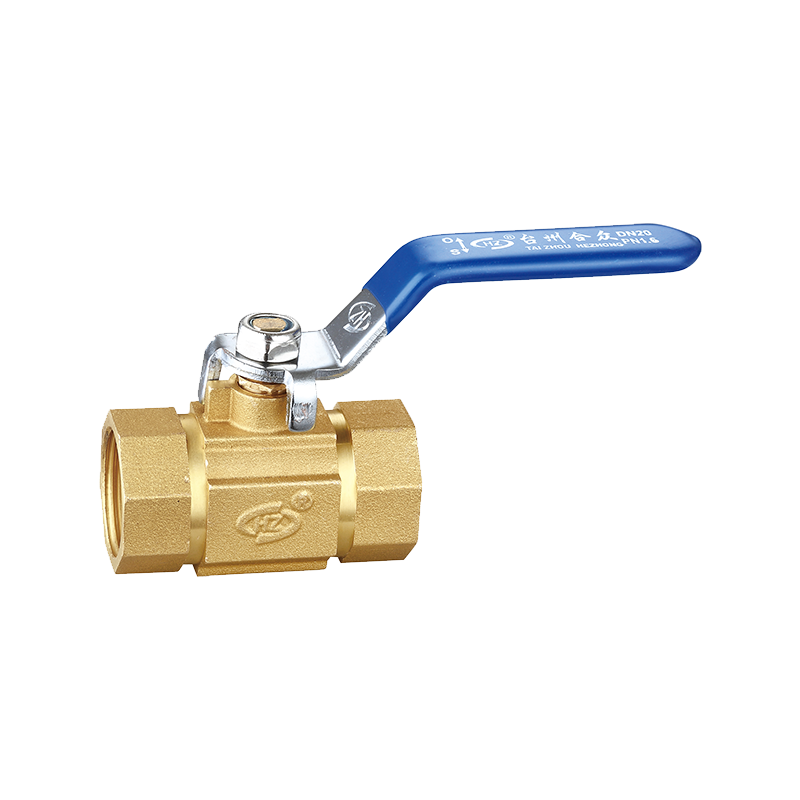
This square body ball valve is integrally forged from high‑quality brass. Its square‑shape...
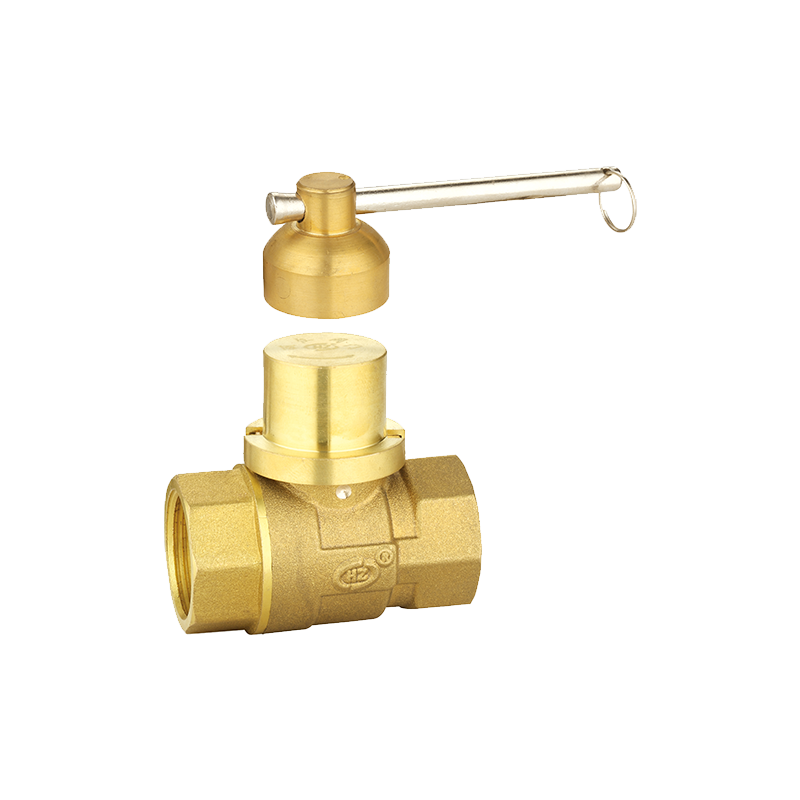
Forged metal tee fitting with M30 loose nut for gas meter inlet connection, double 1/2" ma...
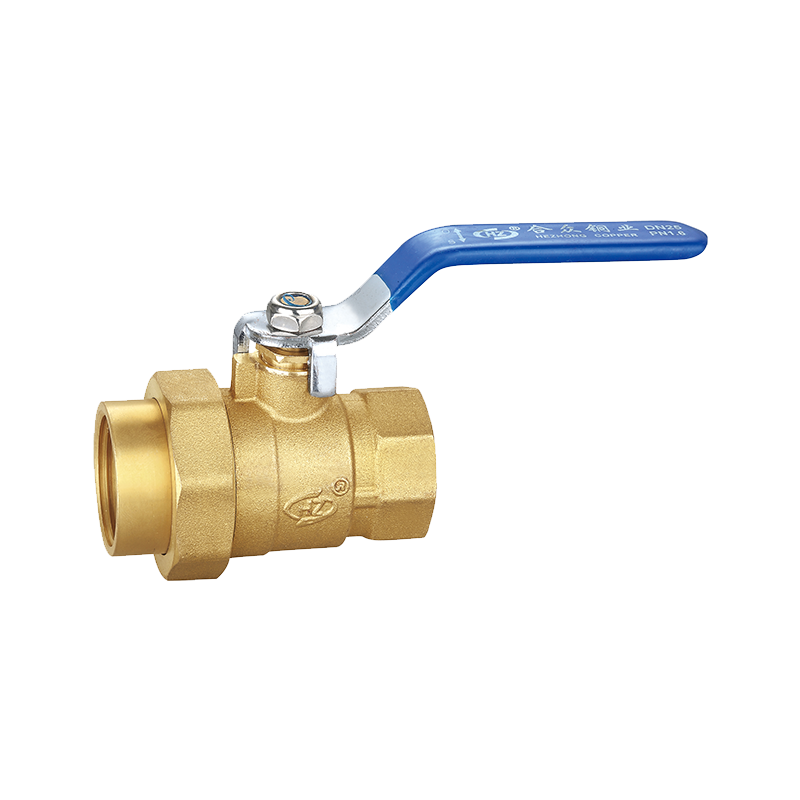
This female thread union brass ball valve is made of high-quality brass. It has female thr...
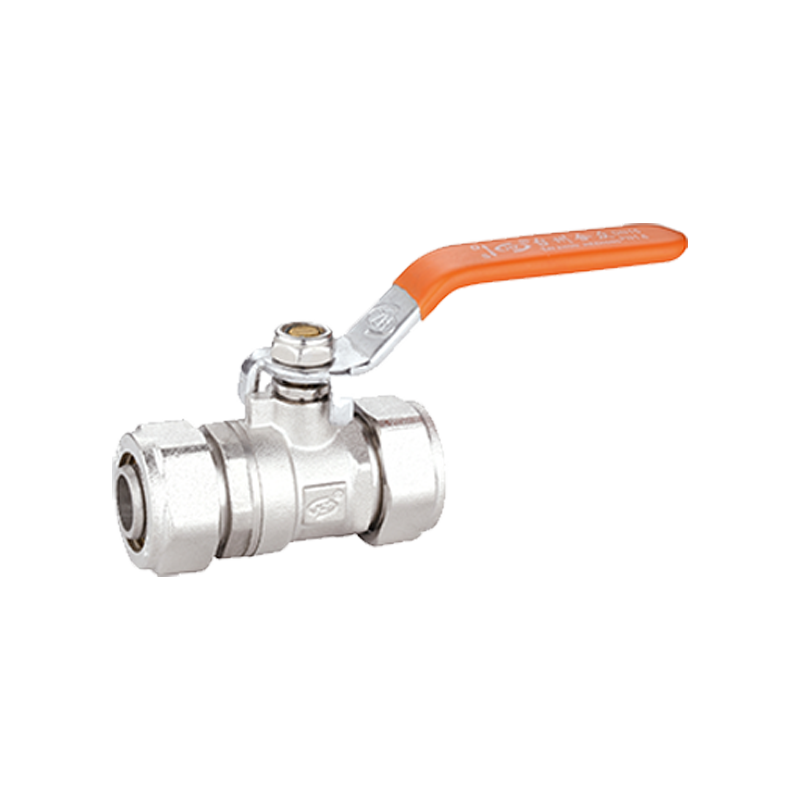
Brass Compression Ball Valve is forged from high‑quality brass, featuring high‑strength va...
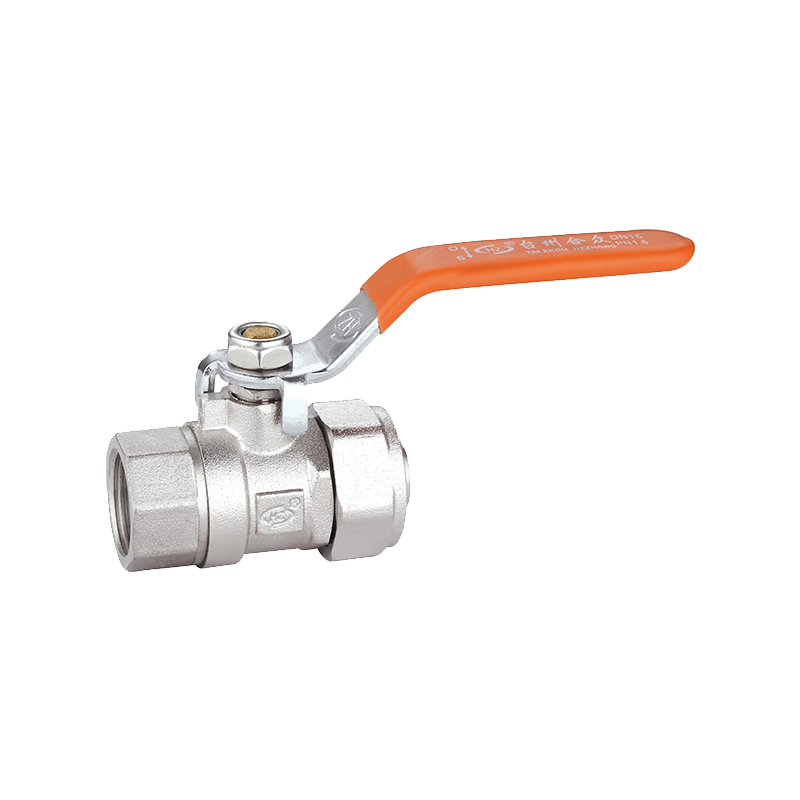
This ball valve features a compression connection on one end and a female thread on the ot...
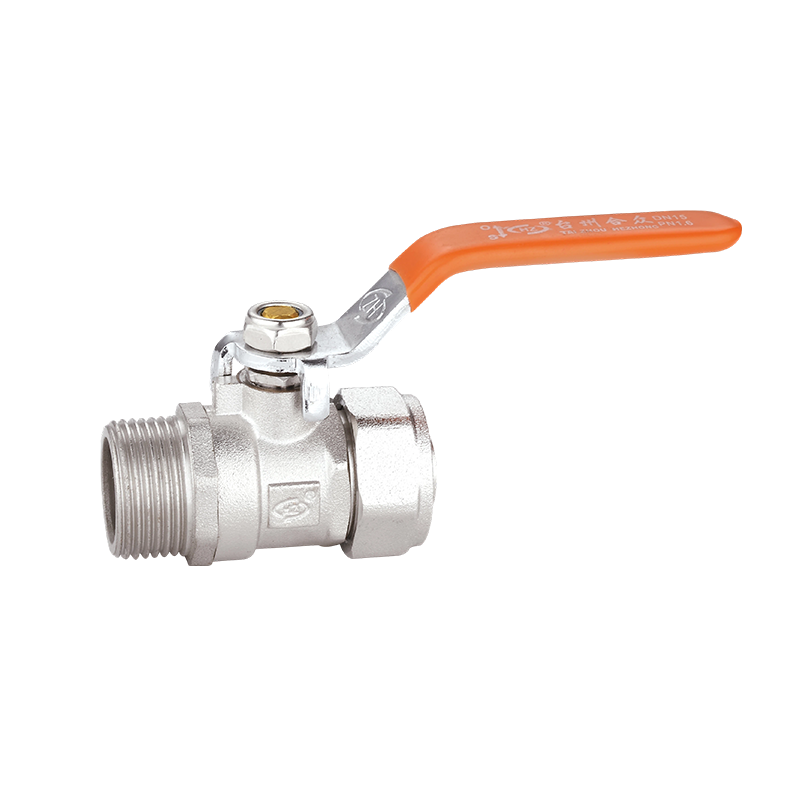
This brass compression ball valve is made for PEX-AL-PEX pipe. Connecting different pipe m...
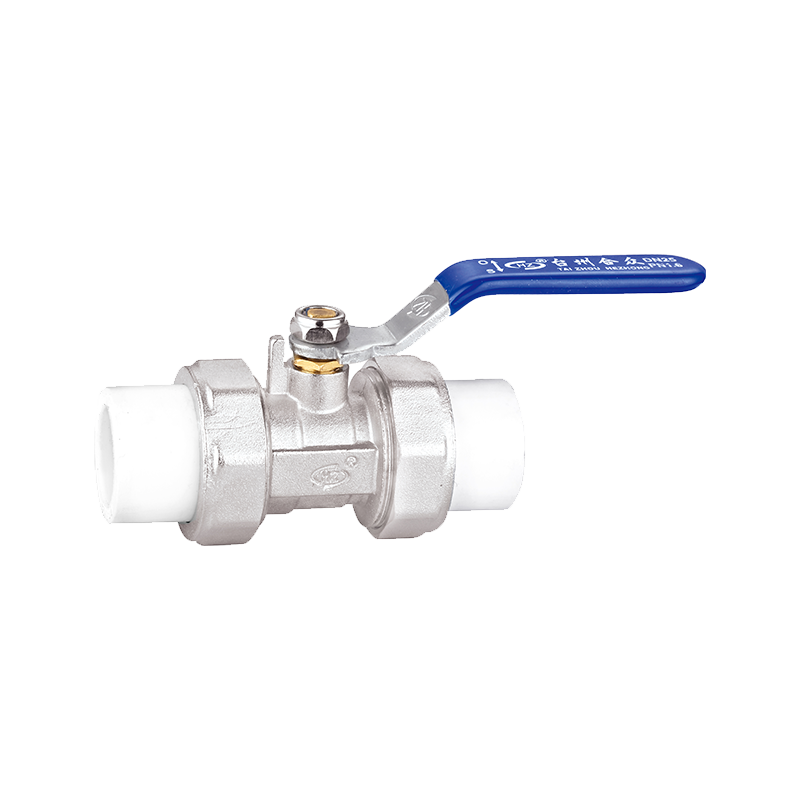
This PPR ball valve features a double‑union structure, compatible with hot‑melt connection...
