 EN
EN  English
 русский
 中文简体
中文简体
This brass ball valve is built for water lines, HVAC loops, and compressed air systems whe...


Application Industry
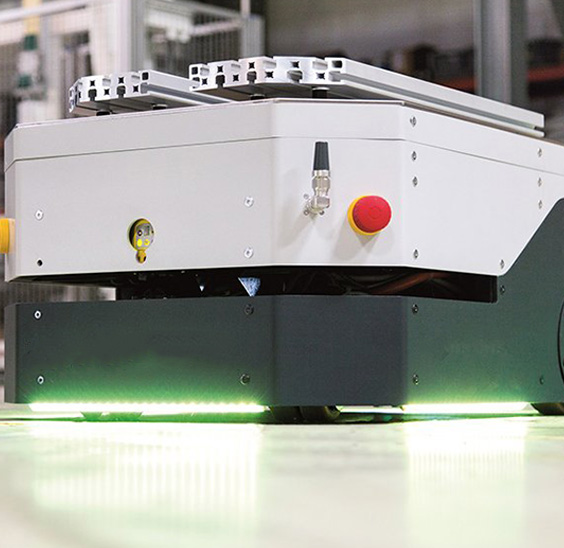
AGV

Automated robots
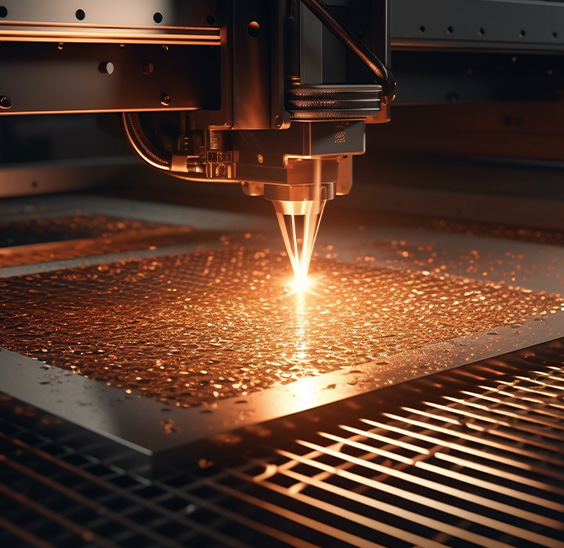
laser cutting

Logistics sorting

Photovoltaic power-station

Medical devices
Which Materials Fit Low Pressure Gas Valve Production
Material selection has a direct connection with how a gas valve handles its working environment. A valve body needs to contain the gas, support internal parts, maintain suitable sealing surfaces, and remain stable during repeated operation. Material choice therefore cannot be separated from the gas type, pressure condition, temperature, installation location, and expected contact with moisture or other substances.
A Low Pressure Gas Valve may use several materials within one assembly rather than relying on a single metal throughout. Brass can be used for the body, stainless steel may suit certain environmental conditions, while seats and seals often require different materials according to the gas and temperature involved. Guidance on gas compatibility recognizes brass, stainless steel, carbon steel, nickel alloys, and other metals as possible materials for valve bodies and gas‑contacting components, with suitability depending on the particular gas service.
Material selection therefore starts with the service conditions rather than appearance or manufacturing convenience. A material that works well in one gas system may require a different evaluation in another.
How Does Valve Body Material Affect Gas Valve Production
A valve body provides the main enclosure for internal components and creates the connection between the valve and the surrounding pipe system. Machining quality, surface condition, corrosion behavior, and compatibility with the gas all influence how the finished assembly performs.
Brass is frequently considered for gas valve production because it can be machined into threaded connections, valve passages, and other shaped sections with relative ease. Suitable brass alloys are used in gas‑related valve applications, while material requirements may include controls on porosity, cracking, surface defects, and resistance to conditions that could affect sealing or structural integrity.
Stainless steel provides another material route. Its resistance to corrosion can be useful where moisture or a more demanding surrounding environment is involved. Material compatibility still needs to be checked against the actual gas, since corrosion resistance in the surrounding atmosphere does not automatically mean compatibility with every gas.
A practical selection process can consider:
- Gas composition
- Operating pressure
- Temperature conditions
- Moisture exposure
- External environment
- Required connection method
- Manufacturing process
- Internal sealing materials
Such factors help connect material choice with actual service requirements rather than treating body material as an isolated decision.
Why Is Brass Commonly Used in Low Pressure Gas Valves
Brass has a useful combination of machinability, mechanical properties, and resistance to corrosion in suitable applications. Its relatively workable nature makes production of threaded sections, passages, seats, and other valve features more manageable.
For a Low Pressure Gas Valve, threaded connections and accurately formed internal surfaces need consistent machining because small changes can affect assembly and sealing. Brass can support these manufacturing requirements while allowing different valve shapes to be produced through machining and forming processes.
Material grade still matters. Brass is not a single uniform material category, and different compositions can behave differently during machining and service. Gas compatibility needs to be checked before a particular alloy is selected.
A Brass Gas Valve Factory therefore needs to consider more than the general label of brass. Raw material condition, alloy selection, machining behavior, surface quality, and inspection all form part of production control. Requirements for gas‑contacting materials can vary according to the medium, with compatibility guidance identifying situations where certain copper‑based alloys require additional consideration.
Manufacturing conditions can influence the finished valve as well. Internal porosity, cracks, or surface defects may affect sealing or structural performance, which is why material processing and inspection remain closely connected. Requirements for LPG‑related valve components, for example, place attention on brass quality, internal defects, and resistance to cracking during service.
When Is Stainless Steel a Suitable Material Choice
Stainless steel can become relevant when the surrounding environment places greater demands on corrosion resistance or when gas compatibility calls for a different material combination. Outdoor installation, persistent moisture, or contact with certain gases may lead designers to consider stainless steel for the body or selected internal components.
Material selection should still begin with compatibility rather than assuming that stainless steel fits every demanding application. Different stainless steel grades have different properties, and internal parts may experience conditions that differ from those affecting the outer body.
Gas compatibility references list stainless steel alongside brass and other metals as possible materials for gas‑contacting valve components. Suitability depends on the gas and the particular conditions under which the valve operates.
For production planning, a useful distinction can be made between body material and internal material. A valve may use a metal body with separate seat, seal, stem, or packing materials selected for their own service requirements. Such combinations allow each component to perform its intended function without forcing one material to meet every requirement.
How Do Sealing Materials Influence Valve Material Selection
Gas tightness depends on more than the metal body. Seats, seals, packing, and other non‑metallic parts come into direct contact with gas or help maintain the boundary between the gas passage and surrounding environment.
Compatibility becomes especially important for elastomeric materials. Gas composition, temperature, moisture, and contact time can affect how a seal behaves. Requirements for LPG valve components state that non‑metallic materials contacting the gas should remain physically and chemically compatible under their intended operating conditions.
A suitable body combined with an unsuitable seal can therefore create a material mismatch. Selection needs to consider the complete material combination rather than focusing only on brass or stainless steel.
For production, several questions can guide material review:
- Does the body suit the intended gas?
- Can internal metals tolerate the service environment?
- Is the seat material compatible with the gas?
- Can seals maintain their intended condition under operating temperatures?
- Are lubricants or assembly materials compatible with the service?
Such checks help connect material selection with the complete valve structure and reduce the chance of treating body material as the only factor affecting gas service.
What Should a Brass Gas Valve Factory Consider During Production
Material selection continues into machining and assembly, since suitable raw material alone does not determine the condition of a finished valve. A Brass Gas Valve Factory needs to keep material identification connected with machining, cleaning, assembly, sealing, and inspection.
Machining affects threads, gas passages, contact surfaces, and areas where seals are fitted. Poorly formed surfaces can make assembly difficult or create an uneven sealing condition. Excessive machining marks, burrs, or contamination may interfere with component fit, so surface preparation remains part of production control.
Material handling deserves similar attention. Brass components should remain protected from contamination during storage and machining, while sealing materials need storage conditions suited to their own properties. Mixing components from different material grades without clear identification can create uncertainty during later inspection.
Assembly requires compatibility between connected parts. A metal seat, elastomeric seal, stem, spring, and body may each respond differently to the working environment. A change to one component can therefore affect the behavior of the assembled valve.
Production checks can focus on several areas:
- Raw material identification
- Machined surface condition
- Thread and connection quality
- Internal cleanliness
- Seal installation
- Component fit
- Final leakage inspection
Leak testing has a direct relationship with gas valve production because visual inspection alone cannot confirm that a completed assembly remains gas tight. Testing methods need to suit the valve design and applicable production requirements.
How Should Materials Be Matched With Gas Service
Material selection becomes clearer when gas service is considered before production begins. Different gases can interact with metals and sealing materials in different ways, so a valve intended for one service should not automatically be treated as suitable for another.
| Material or Component | Main Consideration | Suitable Direction |
|---|---|---|
| Brass Body | Machinability and gas compatibility | Suitable gas service |
| Stainless Steel Body | Corrosion and environmental conditions | Moist or demanding surroundings |
| Valve Seat | Gas and temperature compatibility | Match the service condition |
| Seal Material | Chemical and thermal compatibility | Select according to the medium |
| Internal Metal Parts | Gas contact and operating conditions | Check material compatibility |
Brass remains relevant where machining requirements, connection design, and gas compatibility align. Stainless steel can be considered where environmental exposure creates different material requirements. Neither choice removes the need to evaluate seals and internal parts separately.
For a Low Pressure Gas Valve, pressure alone does not determine material suitability. Temperature, gas composition, moisture, installation surroundings, and operating frequency can change the demands placed on the assembly. Material guidance for gas service similarly treats compatibility as a condition‑specific issue rather than assigning one material to every application.
How Can Material Selection Support Consistent Production
Consistent production begins with a clear connection between application requirements and material selection. Once a suitable combination has been established, changes in raw materials, seals, machining methods, or assembly conditions need careful evaluation.
Substituting one brass grade for another, for example, may change machining behavior or surface characteristics. Replacing a sealing material may alter gas compatibility or the way the valve closes. A different surface treatment can change contact conditions between components.
Production review can therefore follow the complete path from material receipt to finished inspection:
Material selection → machining → cleaning → component assembly → sealing → leakage inspection
Each stage can influence the condition of the next. Clean machining surfaces support proper assembly, suitable seals help maintain gas tightness, and appropriate inspection provides a way to identify problems before the valve enters service.
For a Brass Gas Valve Factory, application requirements provide a useful starting point for deciding which materials deserve consideration. Production control then turns that selection into a finished assembly through controlled machining, careful handling, suitable sealing materials, and inspection.
Material choice in gas valve production is consequently a combined process rather than a decision based on body material alone. Brass, stainless steel, sealing compounds, and internal components each have separate roles, while compatibility between those parts determines whether the assembled valve fits the intended service conditions.
Related products
-
-
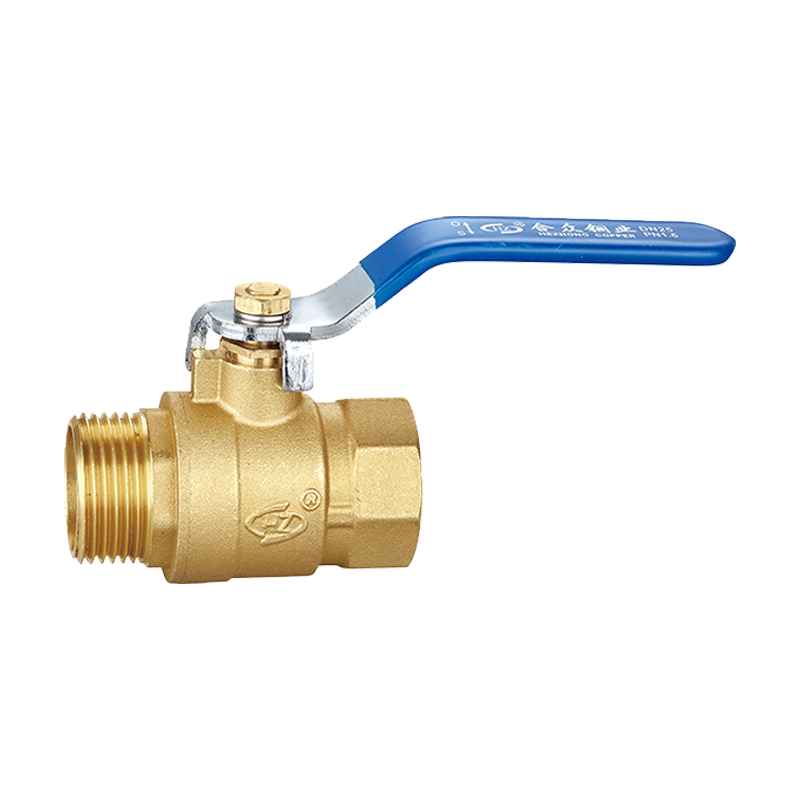 Male Thread Brass Ball Valve for Water & HVAC Systems
This male thread brass ball valve is made of national standard forged brass with RP male t...
-
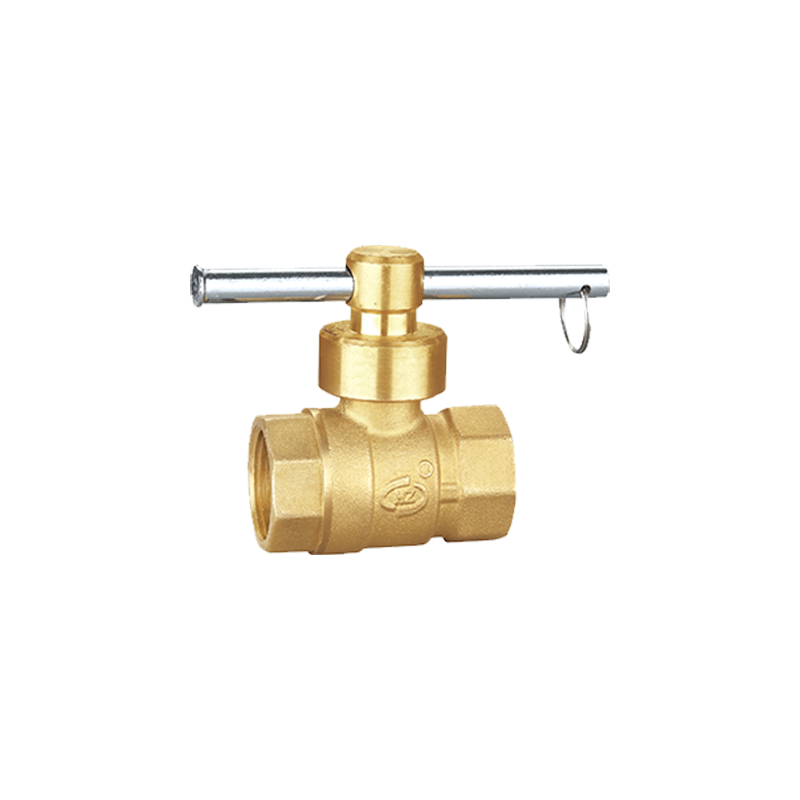 One‑Word Magnetic Lock-Off Ball Valve
This is One‑Word Magnetic Lock‑Off Ball Valve of the Water Utilities Series. It is integr...
-
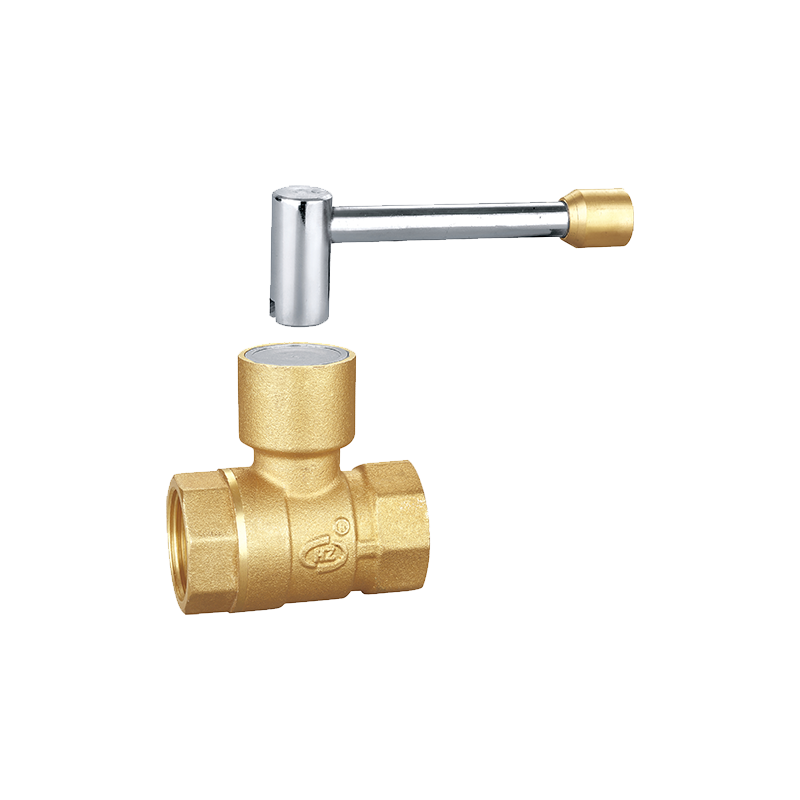 Brass Magnetic Lock-Off Ball
This brass magnetic lock‑off ball valve has a high‑quality forged brass valve body with st...
-
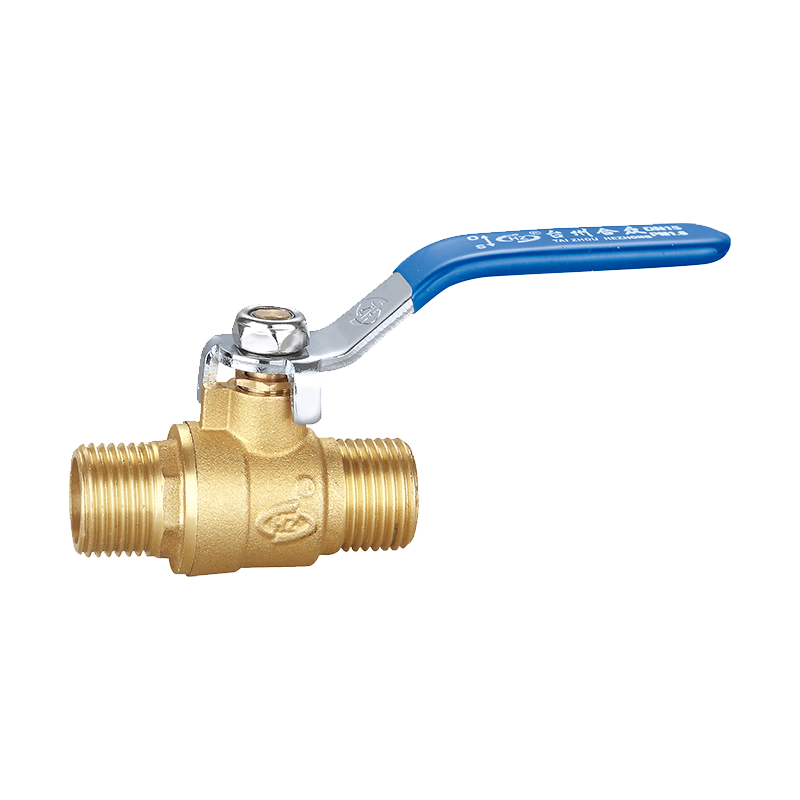 Double Male Brass Ball Valve for Water & HVAC Systems
Double male brass ball valve features male threads on both ends for direct in-line connect...
-
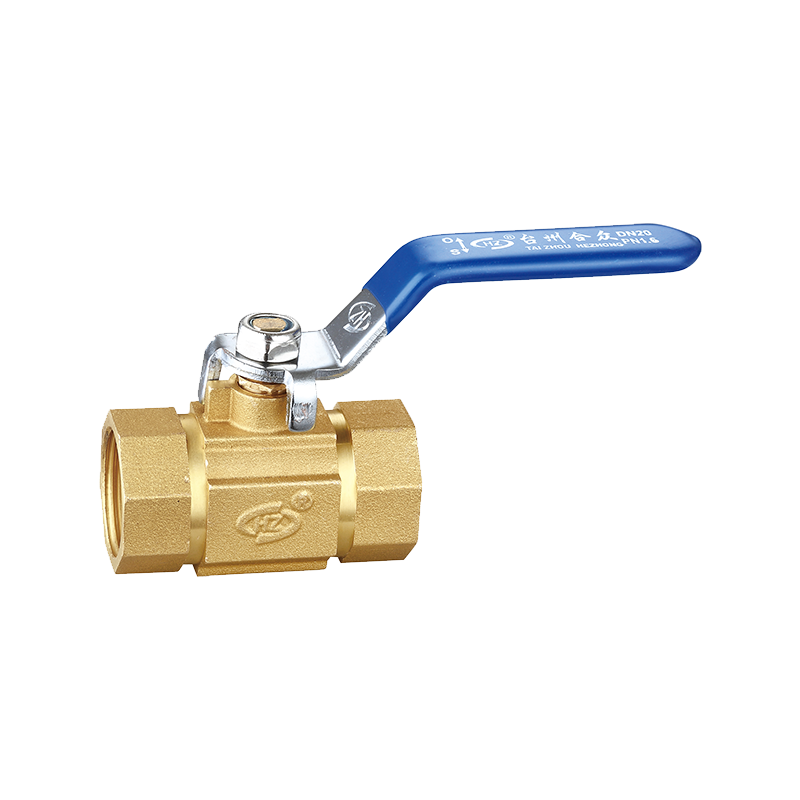 Square Body Ball Valve
This square body ball valve is integrally forged from high‑quality brass. Its square‑shape...
-
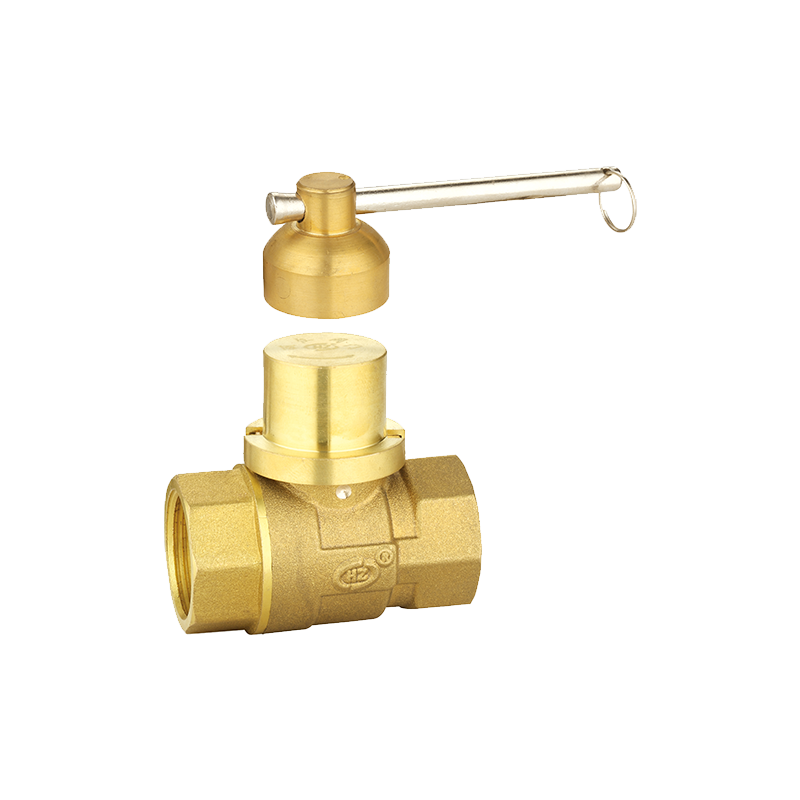 Magnetic Ball Valve for Front of Water Meter
Forged metal tee fitting with M30 loose nut for gas meter inlet connection, double 1/2" ma...
-
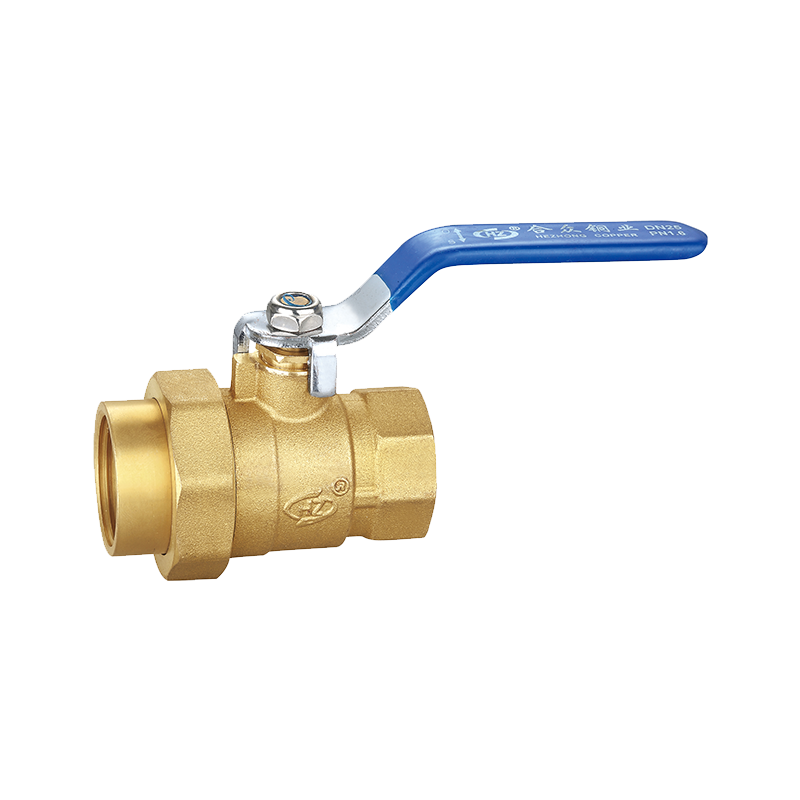 Female Thread Union Brass Ball Valve
This female thread union brass ball valve is made of high-quality brass. It has female thr...
-
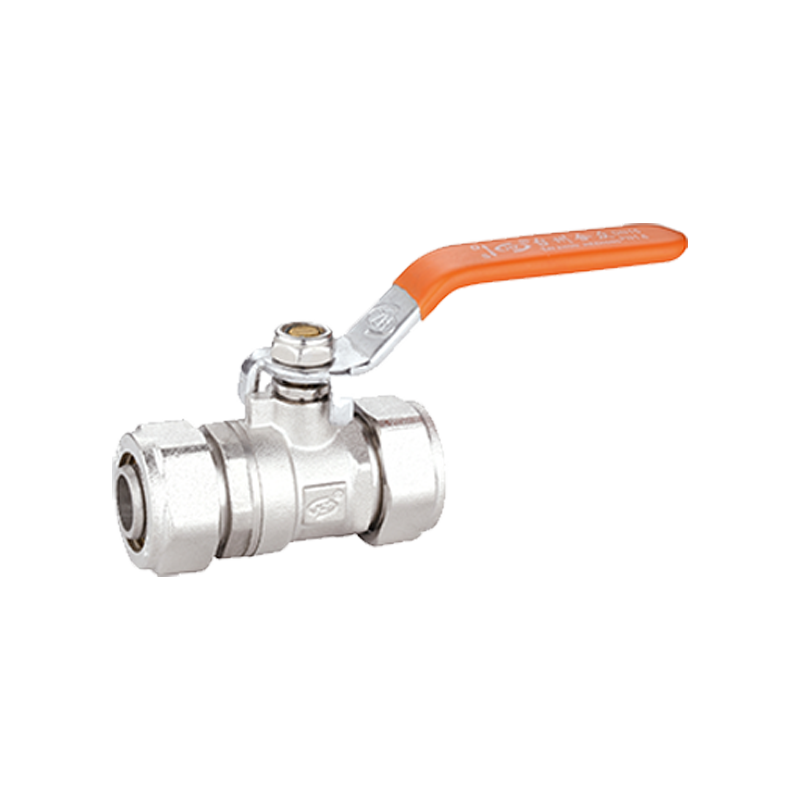 Brass Compression Ball Valve for PEX-AL-PEX Pipe
Brass Compression Ball Valve is forged from high‑quality brass, featuring high‑strength va...
-
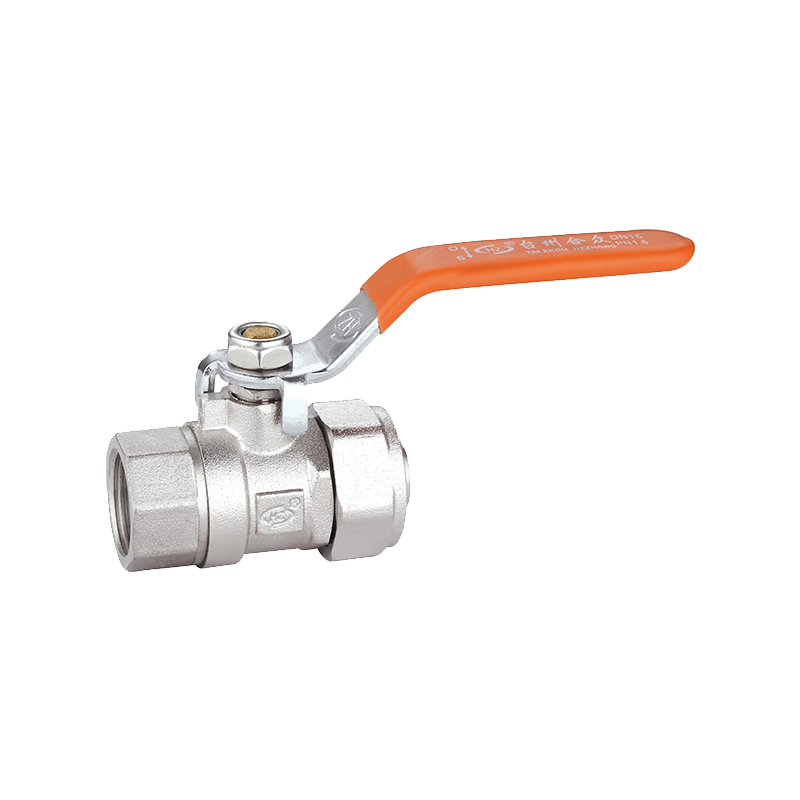 Female-Thread-Brass Compression Ball Valve for PEX-AL-PEX Pipe
This ball valve features a compression connection on one end and a female thread on the ot...
-
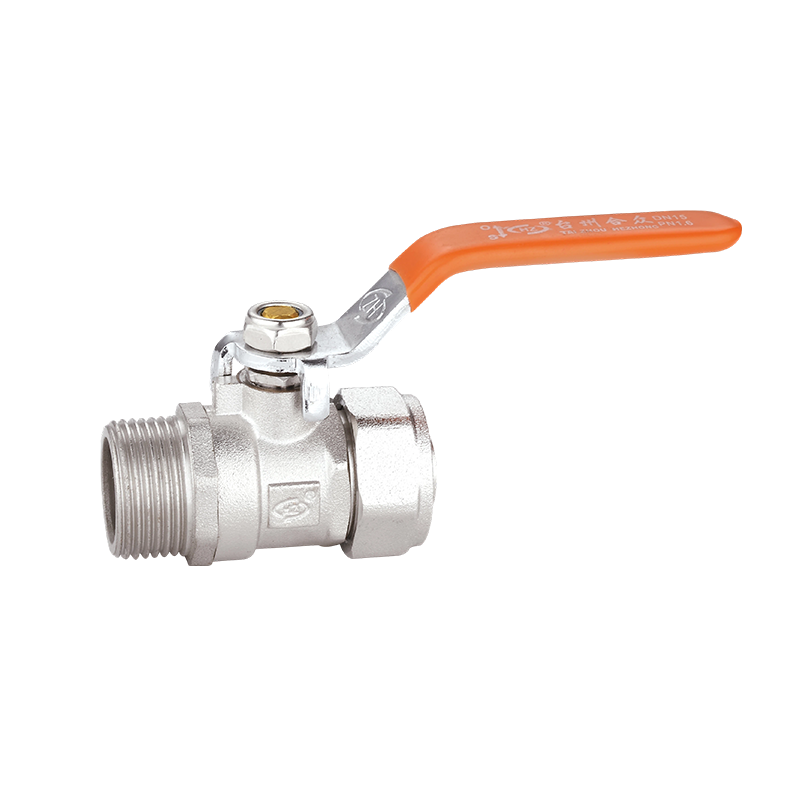 Male-Thread-Brass Compression Ball Valve for PEX-AL-PEX Pipe
This brass compression ball valve is made for PEX-AL-PEX pipe. Connecting different pipe m...
-
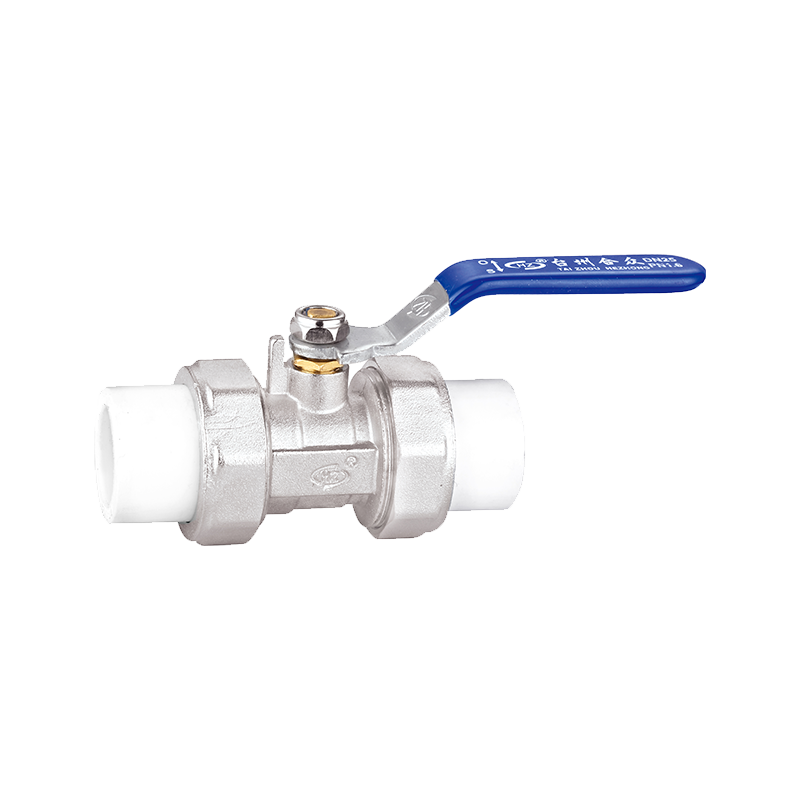 PPR Double Union Ball Valve
This PPR ball valve features a double‑union structure, compatible with hot‑melt connection...
CONTACT DETAILS
- TEL: +86-18158607688
- E-mail: [email protected]
- Address: Zhongshan Industrial Zone, Chumen Town, Yuhuan City, Taizhou, Zhejiang Province, China
