 EN
EN  English
 русский
 中文简体
中文简体
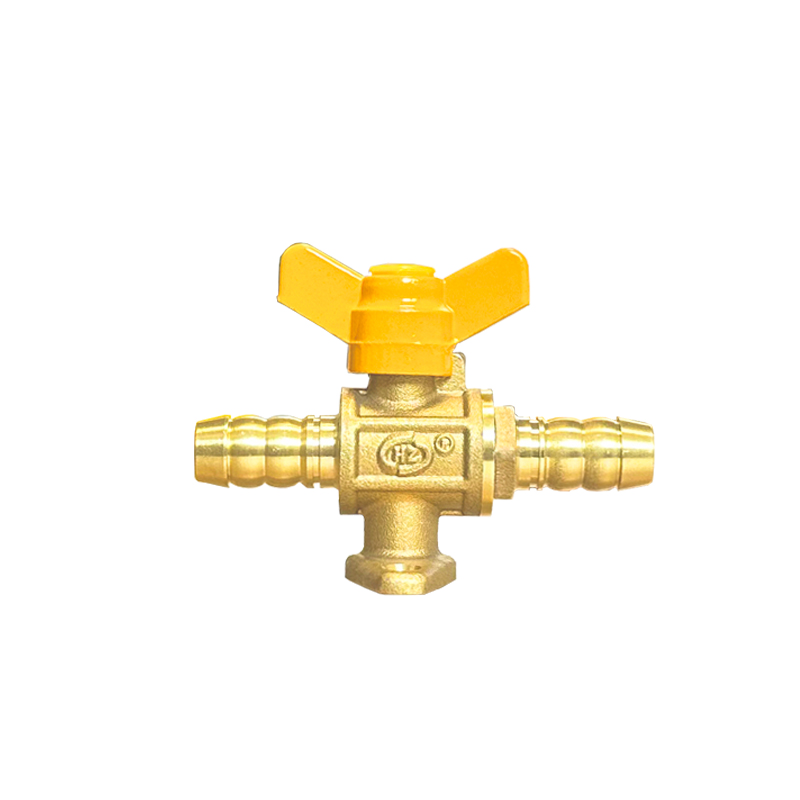
This brass ball valve is built for water lines, HVAC loops, and compressed air systems whe...


Application Industry

AGV

Automated robots

laser cutting

Logistics sorting

Photovoltaic power-station

Medical devices
What Tips Help Maintain Low Pressure Gas Valve
Gas control equipment may look simple from outside, yet reliable operation depends on several small parts working together. A valve controls the movement of gas through a pipe, so changes in its condition can affect flow control, sealing, and daily operation.
Lower operating pressure does not mean maintenance can be ignored. Dust, moisture, corrosion, mechanical stress, and long periods without movement can gradually change how a valve behaves. A handle that once moved smoothly may become stiff, while a connection that looked unchanged may develop signs of wear.
Routine care is mainly about noticing changes early. Visual checks and simple operating observations can reveal conditions that deserve professional attention before a small problem becomes harder to manage.
A practical maintenance habit can include:
- Checking the outside surface regularly
- Looking around connection points
- Observing handle movement
- Keeping nearby areas clean
- Watching for unusual smells or sounds
- Recording noticeable changes
A Low Pressure Gas Valve should always be treated as part of a complete gas installation rather than as an isolated component. Pipe condition, surrounding temperature, gas quality, installation position, and operating habits can all influence service behavior.
Gas‑related inspection and repair should be handled by qualified personnel according to local safety requirements. Ordinary cleaning or visual observation should never turn into unplanned disassembly.
What Should Be Checked During A Routine Visual Inspection
A visual inspection provides a simple way to notice changes without disturbing the gas connection. Surface condition, connection areas, operating parts, and nearby pipe sections deserve attention.
Start with the valve body and exposed metal surfaces. Rust, discoloration, cracks, dents, or unusual marks may indicate environmental exposure or mechanical stress. Minor surface dirt can usually be removed with a suitable cleaning method, allowing changes in condition to remain visible.
Connection areas need similar attention. Signs of movement, damaged threads, unusual gaps, or contamination around joints may suggest that further inspection is needed. A connection should not be tightened simply because it looks unusual, since excessive force can create another problem.
Operating parts can provide useful information as well. A handle that becomes unusually stiff, loose, or difficult to move may indicate internal friction, corrosion, deposits, or a problem with surrounding components.
| Inspection Area | Useful Observation |
|---|---|
| Valve body | Corrosion, cracks, dents, surface changes |
| Connections | Damage, movement, contamination |
| Operating handle | Smoothness, looseness, unusual resistance |
| Nearby pipe | Corrosion, physical stress, visible damage |
| Surrounding area | Moisture, dust, heat, corrosive exposure |
Regular observation works best when changes are compared with earlier conditions. A single mark may not reveal much, while a gradual change in appearance or movement can provide a clearer reason for investigation.
How Can Cleanliness Affect Valve Operation
Clean surroundings make inspection easier and can reduce the chance of dirt reaching exposed operating areas. Dust and moisture may collect around handles, joints, and other accessible sections, particularly in workshops, outdoor installations, storage areas, or places with frequent mechanical activity.
Cleaning should focus on removing surface contamination without introducing new risks. A cloth or cleaning method suitable for the valve material may be appropriate for external areas, while internal cleaning requires a procedure suited to the gas service and equipment design.
Grease deserves particular care. Adding lubricant to an exposed part may appear helpful when movement becomes stiff, yet an unsuitable substance can damage sealing materials, attract dust, or interfere with normal operation.
For gas equipment, improvised cleaning solutions are not a good substitute for product‑specific maintenance instructions. Chemical compatibility matters because different materials can react differently to cleaning agents or lubricants.
External cleaning can follow a simple sequence:
- Make sure the area is suitable for safe inspection.
- Remove loose dust and visible contamination.
- Check the surface for corrosion or damage.
- Inspect accessible operating parts.
- Look again at connection areas after cleaning.
Internal parts should not be disturbed merely as part of routine cleaning. A qualified technician should determine when deeper maintenance is necessary.
Cleanliness is therefore not only a matter of appearance. A clean surface makes small changes easier to notice, while suitable maintenance methods help preserve the condition of exposed components.
How Should Valve Connections Be Protected
Gas valve connections require careful attention because a sound valve still depends on properly maintained joints. Threaded connections, flanged arrangements, and other connection types can respond differently to vibration, temperature changes, mechanical loading, and installation conditions.
Pipe stress can gradually affect a connection. Heavy pipe sections, poor support, accidental impact, or movement near the joint may transfer force toward the valve. Such stress can make inspection more important even when no visible leakage has appeared.
Connection areas should be checked for:
- Damaged threads or joint surfaces
- Corrosion
- Unusual movement
- Visible contamination
- Signs of mechanical stress
- Changes around sealing areas
Loose components should not automatically be tightened with extra force. Correct tightening depends on the connection design and installation requirements, while excessive force may damage threads or sealing surfaces.
Support around the pipeline also matters. A valve should not be expected to carry unnecessary mechanical loads from an unsupported or poorly positioned pipe. Proper installation keeps forces directed through the intended structural path.
For routine care, keeping connection areas accessible can make inspection easier. Paint, dirt, insulation, or other coverings should not prevent qualified personnel from checking relevant areas when inspection is required.
Gas systems require particular caution during connection work. Any repair, adjustment, or joint replacement should follow suitable isolation and safety procedures rather than being treated as ordinary plumbing maintenance.
What Role Does Smooth Valve Movement Play In Maintenance
Operating movement can provide useful information about internal condition. A valve that changes from smooth movement to noticeable resistance may be showing an early sign of wear, contamination, corrosion, or another mechanical change.
A change in resistance should be observed rather than overcome through greater force. Repeatedly pushing a stiff handle can place additional stress on the operating mechanism and may damage parts that were still serviceable.
Long periods without movement can contribute to sticking. Deposits or surface changes may develop while components remain stationary, especially in environments containing moisture or dust. Frequent operation can create a different maintenance concern because repeated movement gradually affects mechanical surfaces.
Operating behavior can be considered from several angles:
- Has resistance increased gradually?
- Does movement remain smooth throughout the operating range?
- Does stiffness appear in one direction?
- Has the valve remained unused for an extended period?
- Did the change appear after nearby maintenance?
- Has the surrounding environment changed?
Answers to such questions can help qualified personnel decide where to investigate.
A valve should not be forced simply to confirm that it can still move. When abnormal resistance appears, stopping unnecessary operation and arranging an appropriate inspection can prevent additional mechanical stress.
For equipment used regularly, recording noticeable changes in movement can be useful. A maintenance note such as "movement becoming harder" may seem simple, yet repeated observations can reveal a developing pattern that is difficult to recognize from memory alone.
How Do Temperature And Surrounding Conditions Affect Valve Care
Environmental conditions can influence valve materials and operating parts over time. Heat, cold, moisture, dust, vibration, and corrosive surroundings may each create different maintenance concerns.
Outdoor equipment can face moisture from rain or condensation, while indoor installations may be exposed to cleaning chemicals, dust, or nearby heat sources. A valve installed close to machinery may experience vibration or temperature changes that are less common in a sheltered pipe area.
Material condition should therefore be viewed together with the installation environment. Corrosion around an exposed operating part may point toward moisture exposure, while discoloration near a hot area may require investigation into surrounding temperature conditions.
Temperature changes can also influence sealing materials and mechanical clearances. A component may behave differently under changing conditions, so maintenance personnel should consider normal service conditions when evaluating unusual movement or visible changes.
A simple environmental review can ask:
- Is the valve exposed to moisture?
- Can dust or particles reach the operating area?
- Is a heat source located nearby?
- Could vibration reach the connection?
- Are corrosive substances used or stored nearby?
Answers help place valve condition into the right context.
A Brass Gas Valve Factory may provide material and application information relevant to the intended service environment, while installers and maintenance personnel need to compare such information with actual site conditions. Material selection alone cannot compensate for unsuitable installation surroundings.
Environmental care should therefore form part of regular inspection rather than being considered only after corrosion or operating problems become visible.
How Can Leak Signs Be Identified Safely
Gas leakage requires careful handling because visual inspection alone cannot confirm every leakage condition. A smell, unusual sound, damaged connection, or visible change near a joint may indicate that further checking is needed.
Some gas supplies contain an odorant that makes leakage easier to notice. An unusual smell around a valve or pipe should never be ignored. Sound can provide another clue, especially where gas escapes through a small opening under pressure.
Open flames should never be used as a method for locating a suspected leak. Such a practice can create a serious ignition hazard. Electrical equipment that may produce a spark should also be considered carefully during an emergency response.
When leakage is suspected, normal operation should stop and the area should be handled according to the applicable gas safety procedure. Qualified personnel can then isolate the affected section and carry out an appropriate inspection.
Routine checks can focus on:
- Unusual odor around joints
- Hissing or abnormal sound
- Visible damage near connections
- Corrosion around exposed surfaces
- Unexpected changes in gas flow
- Signs of mechanical disturbance
Leak detection methods depend on the gas service, installation design, and applicable safety requirements. A visual check can provide an early indication, while professional testing may be required to confirm the actual condition.
A Low Pressure Gas Valve should never be judged safe simply because no visible damage appears on its surface. Leakage can originate from a connection, sealing area, pipe section, or another component nearby, so the complete installation needs to be considered during investigation.
What Maintenance Practices Should Be Avoided
Routine maintenance can prevent many avoidable problems, while unsuitable maintenance methods may introduce additional risks. Gas equipment should not be treated in the same way as ordinary household hardware.
Forcing a stiff handle is one practice worth avoiding. Increased resistance may have an underlying mechanical cause, and extra force can damage the operating mechanism or sealing components.
Random lubrication can create another problem. Not every lubricant is compatible with gas service, sealing materials, or valve construction. A substance that appears harmless may soften a seal, collect dust, or alter movement.
Disassembly also requires caution. Opening a valve without proper isolation can expose personnel to stored pressure or gas. Internal inspection should follow suitable procedures and be performed by qualified workers.
Several practices should therefore be avoided:
- Using excessive force on a stiff handle
- Applying an unapproved lubricant
- Disassembling the valve without proper isolation
- Using open flames to search for leakage
- Ignoring corrosion around connections
- Covering visible damage with paint or temporary material
- Modifying internal parts without suitable technical information
Cleaning should not become an excuse for unnecessary adjustment. A valve that operates normally does not need random changes simply because maintenance is being performed.
Replacement parts require similar care. Components should correspond with the valve design and intended service. Improvised parts may change dimensions, sealing behavior, or operating characteristics.
A sensible maintenance approach separates observation from intervention. Inspection can identify a change, while qualified technical personnel determine whether adjustment, repair, or replacement is appropriate.
How Can A Brass Gas Valve Factory Support Long Term Maintenance
Technical information from a Brass Gas Valve Factory can help connect product design with practical maintenance requirements. Valve construction, material selection, connection style, intended gas service, and operating conditions all influence suitable maintenance methods.
Clear product information is particularly useful when installation and servicing are handled by different teams. Maintenance personnel may need information about connection requirements, compatible components, operating conditions, and inspection procedures before work begins.
Application details also matter. A valve installed indoors under stable conditions may face different maintenance concerns from one placed outdoors near moisture, dust, or corrosive substances.
A useful technical information set can cover:
| Information | Maintenance Value |
|---|---|
| Material information | Helps assess environmental compatibility |
| Connection design | Supports correct installation inspection |
| Operating conditions | Provides a basis for service assessment |
| Sealing information | Helps guide suitable maintenance |
| Operating method | Helps identify abnormal movement |
| Replacement guidance | Reduces unsuitable component selection |
Manufacturer information should support, rather than replace, site inspection. Actual installation conditions can differ from the conditions considered during product selection, making local assessment necessary.
Communication also becomes useful when unusual operating behavior appears. Information about when the problem started, how movement changed, and whether the surrounding conditions changed can help technical personnel narrow down possible causes.
For maintenance teams, accurate records and clear product information create a practical connection between equipment design and field conditions. Such communication can reduce guesswork during inspection and help prevent unsuitable maintenance actions.
What Should Be Recorded During Valve Maintenance
Maintenance records can turn individual observations into useful long‑term information. A small change in handle movement may seem insignificant during one inspection, while repeated records can reveal a gradual change in operating condition.
Basic records do not need complicated formatting. Information about visible condition, connection areas, operating movement, cleaning, suspected leakage, and maintenance actions can provide a useful reference.
A simple record may include:
- Valve location
- Installation condition
- External surface condition
- Connection condition
- Handle movement
- Leakage observations
- Environmental changes
- Cleaning performed
- Repairs or adjustments
- Follow‑up inspection needs
Recording operating movement can be particularly helpful. A note indicating that movement has become harder during closing provides more useful information than a general statement that the valve was inspected.
Environmental observations should be recorded alongside mechanical observations. Corrosion appearing after prolonged moisture exposure, for example, gives different information from corrosion found in a dry indoor location.
Maintenance records can also help distinguish recurring problems from isolated conditions. Repeated stiffness around the same operating stage may suggest a mechanical concern, while changes appearing after pipeline work may point toward installation‑related factors.
How Can Routine Care Reduce Unnecessary Valve Problems
Routine care works best when inspection, cleaning, environmental observation, and operating checks are treated as connected activities. Each task provides a different type of information about equipment condition.
A practical maintenance sequence can follow a simple path:
Visual Check → Clean Accessible Areas → Inspect Connections → Observe Movement → Review Environment → Record Changes
Visual inspection provides an initial condition check. Cleaning can make surface defects easier to see, while connection inspection focuses attention on areas affected by mechanical stress or corrosion.
Movement should be observed without forcing the operating mechanism. Any unusual resistance can then be recorded and passed to qualified personnel for further assessment.
Environmental review adds another layer of information. Moisture, heat, dust, vibration, and corrosive surroundings can explain why a valve condition changes even when operating habits remain unchanged.
Records complete the process by preserving useful observations for later inspections. A maintenance history can show whether a condition is stable, improving, or gradually changing.
For a Low Pressure Gas Valve, maintenance should remain closely connected with actual service conditions. Lower pressure does not remove the need for proper inspection, suitable cleaning, safe leak response, and careful handling of connections.
A Brass Gas Valve Factory can provide product‑related technical information, while installation personnel and maintenance teams assess the real operating environment. Combining accurate equipment information with careful field observation creates a clearer basis for routine gas valve care.
Safe maintenance depends on appropriate isolation, qualified personnel, suitable procedures, and respect for the properties of the gas system. Simple habits such as checking surfaces, observing movement, keeping records, and responding promptly to unusual conditions can support more controlled valve operation without unnecessary adjustment or intervention.
Related products
-
-
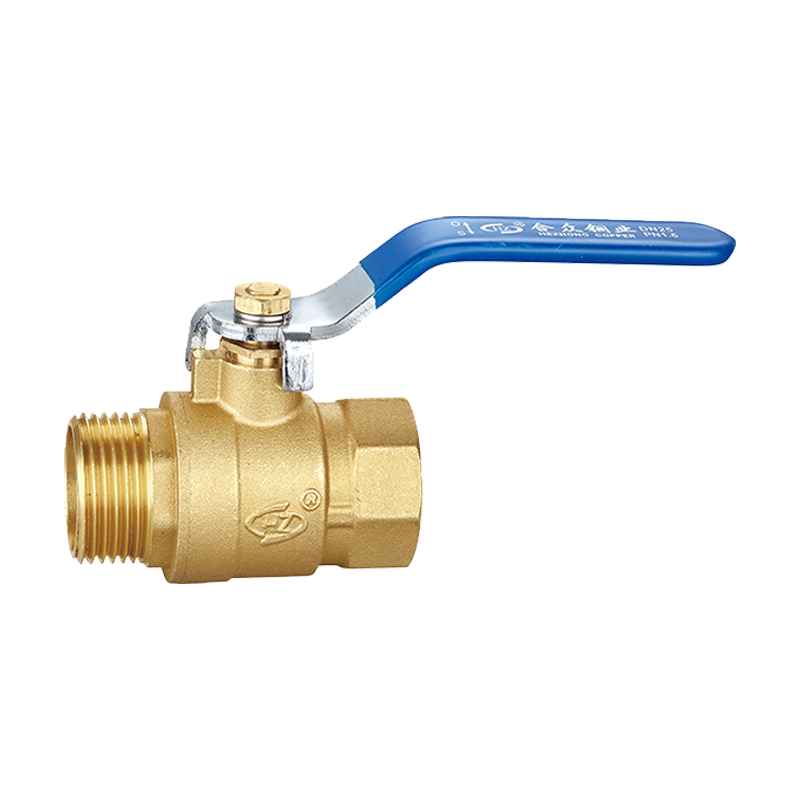 Male Thread Brass Ball Valve for Water & HVAC Systems
This male thread brass ball valve is made of national standard forged brass with RP male t...
-
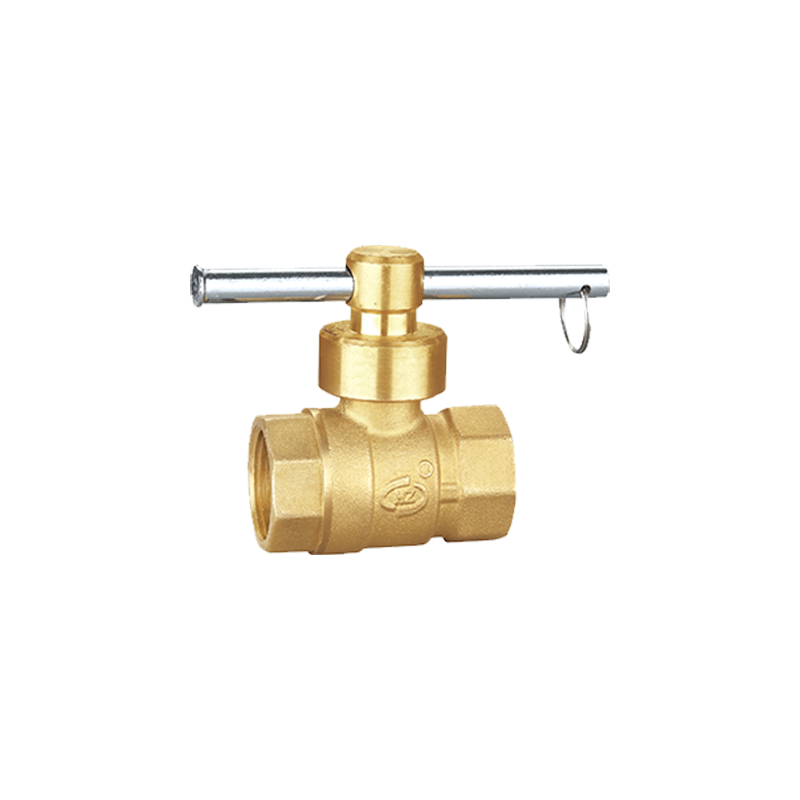 One‑Word Magnetic Lock-Off Ball Valve
This is One‑Word Magnetic Lock‑Off Ball Valve of the Water Utilities Series. It is integr...
-
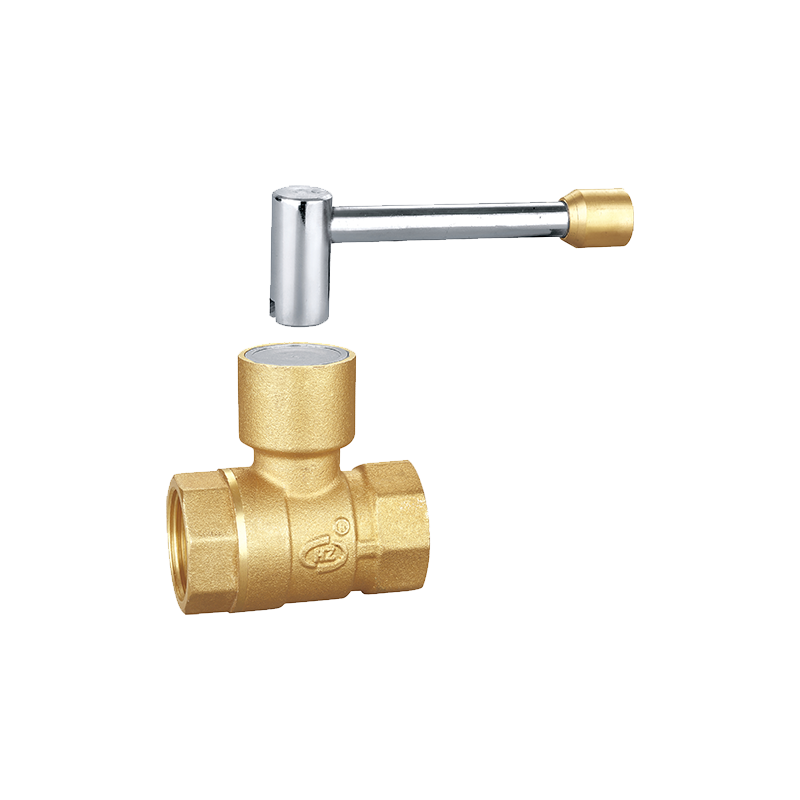 Brass Magnetic Lock-Off Ball
This brass magnetic lock‑off ball valve has a high‑quality forged brass valve body with st...
-
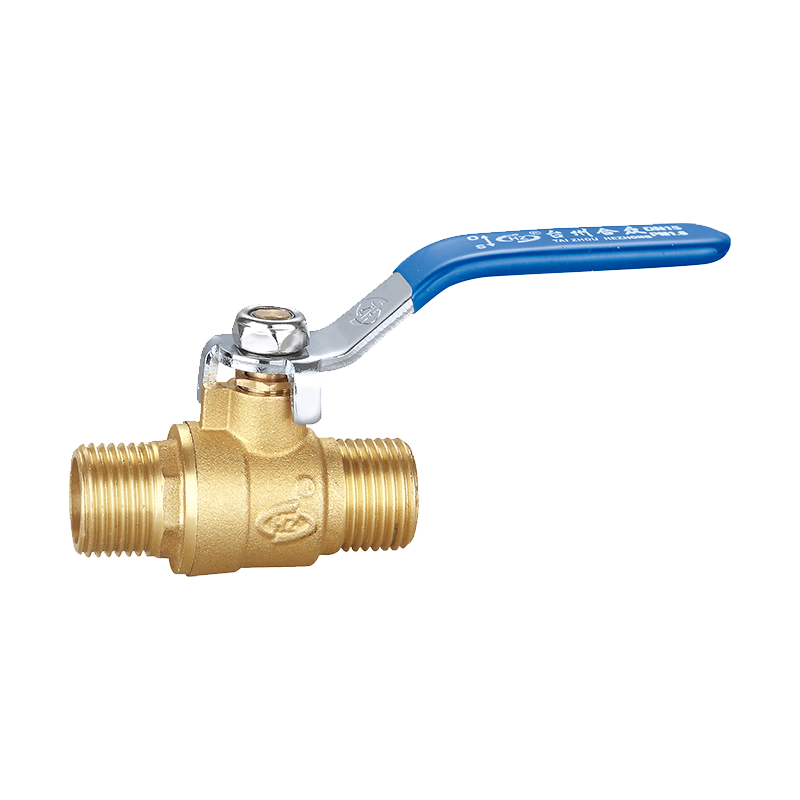 Double Male Brass Ball Valve for Water & HVAC Systems
Double male brass ball valve features male threads on both ends for direct in-line connect...
-
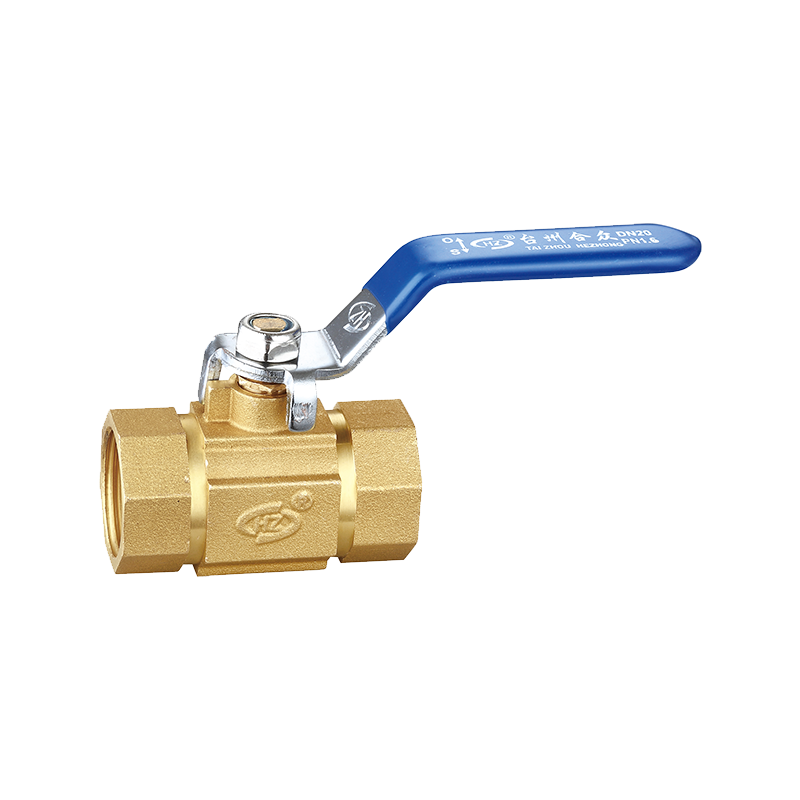 Square Body Ball Valve
This square body ball valve is integrally forged from high‑quality brass. Its square‑shape...
-
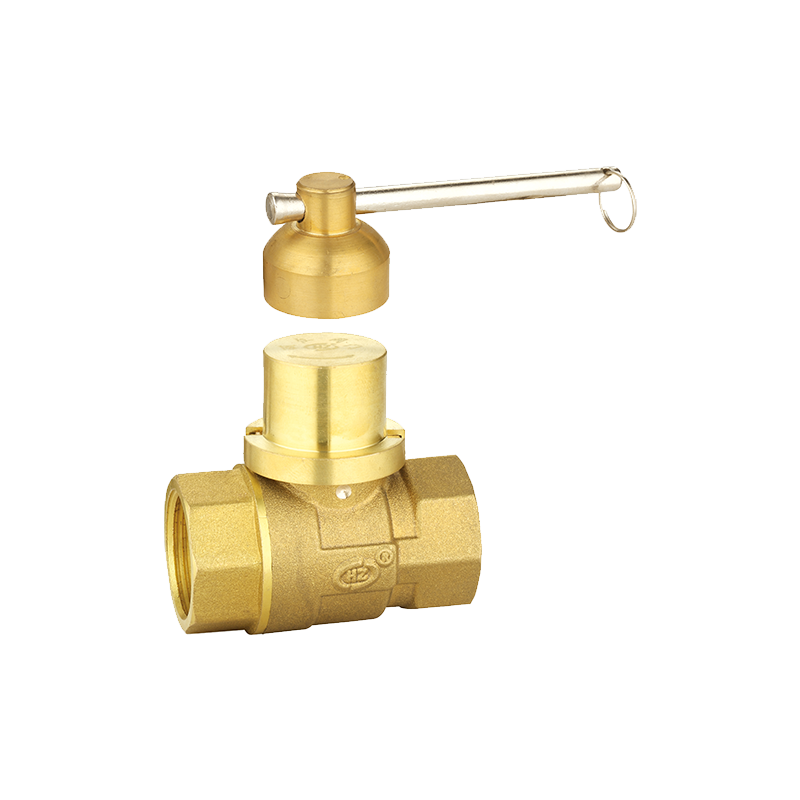 Magnetic Ball Valve for Front of Water Meter
Forged metal tee fitting with M30 loose nut for gas meter inlet connection, double 1/2" ma...
-
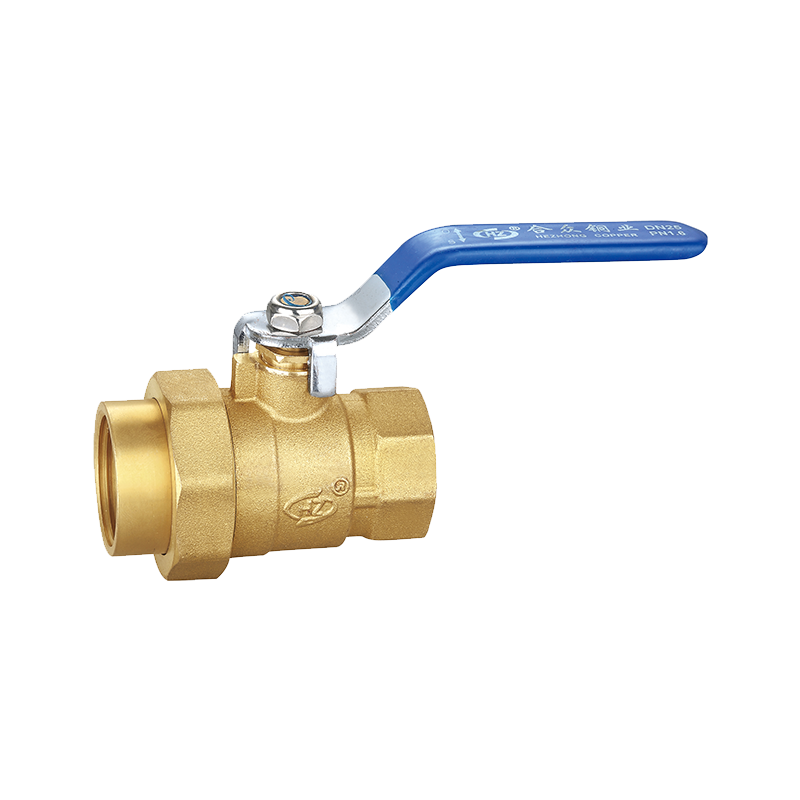 Female Thread Union Brass Ball Valve
This female thread union brass ball valve is made of high-quality brass. It has female thr...
-
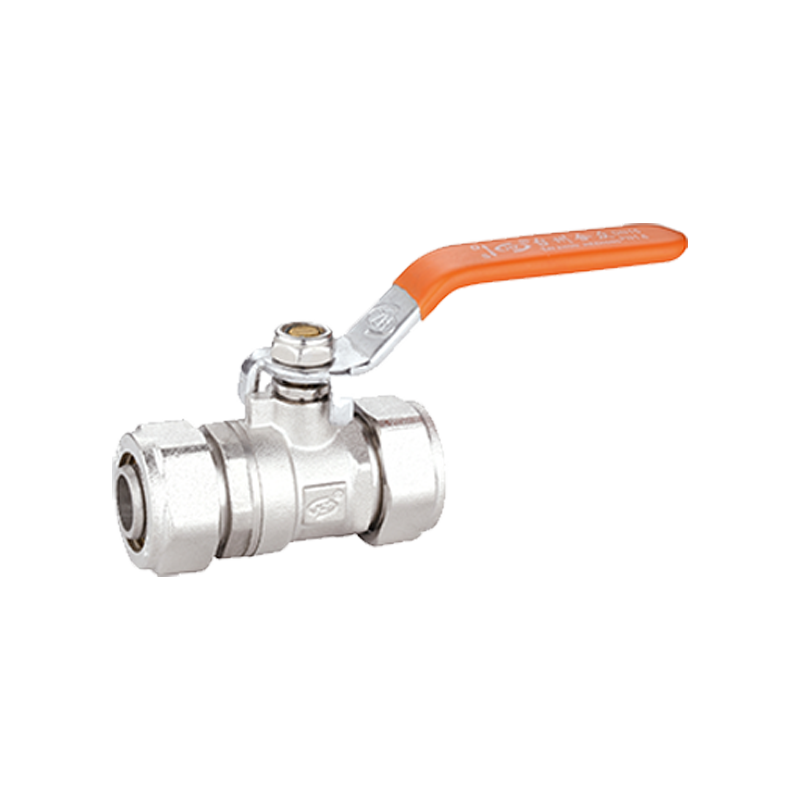 Brass Compression Ball Valve for PEX-AL-PEX Pipe
Brass Compression Ball Valve is forged from high‑quality brass, featuring high‑strength va...
-
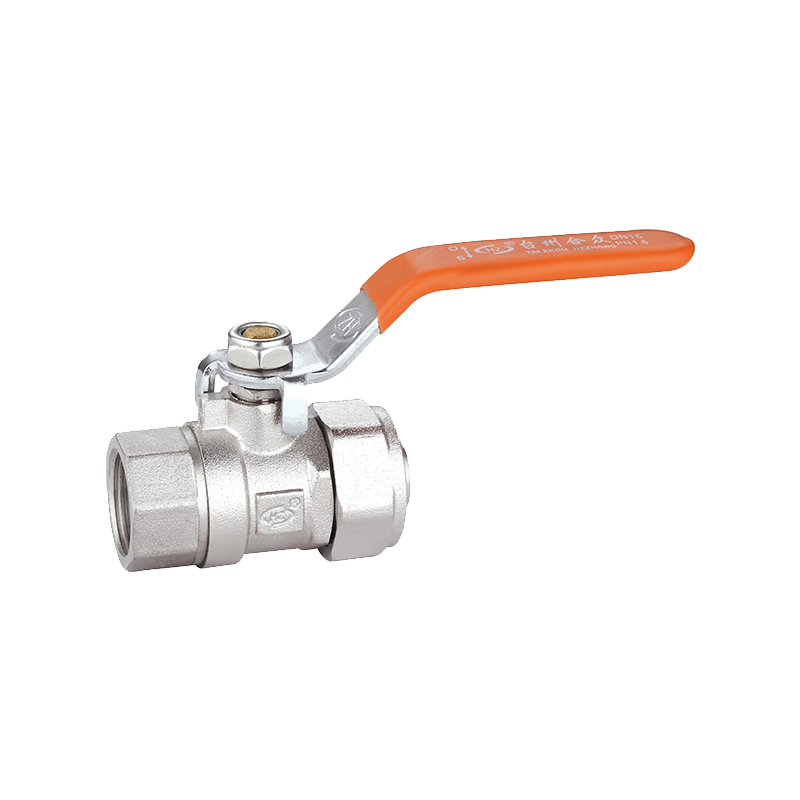 Female-Thread-Brass Compression Ball Valve for PEX-AL-PEX Pipe
This ball valve features a compression connection on one end and a female thread on the ot...
-
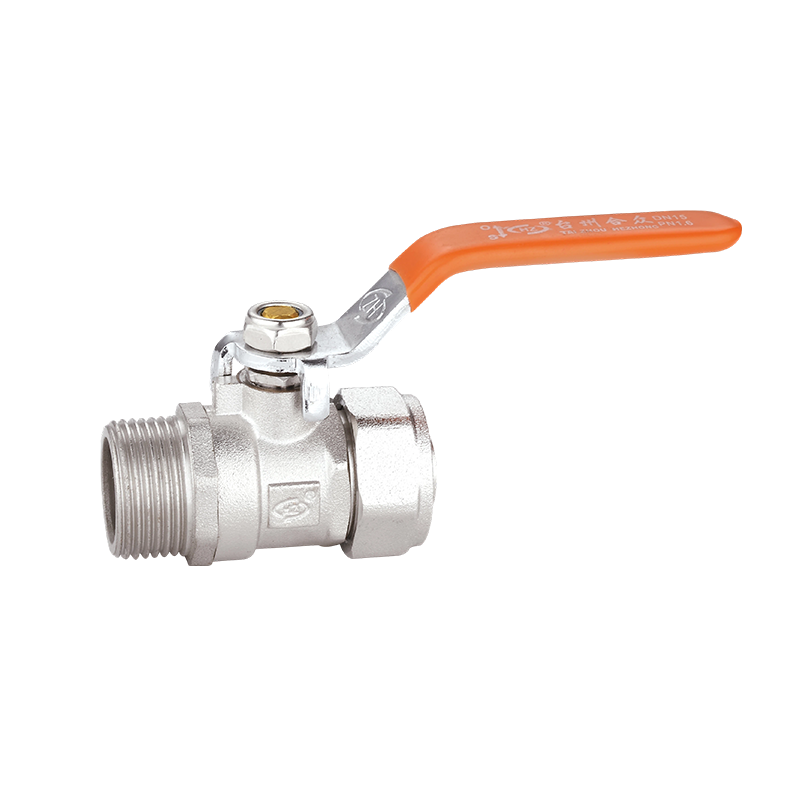 Male-Thread-Brass Compression Ball Valve for PEX-AL-PEX Pipe
This brass compression ball valve is made for PEX-AL-PEX pipe. Connecting different pipe m...
-
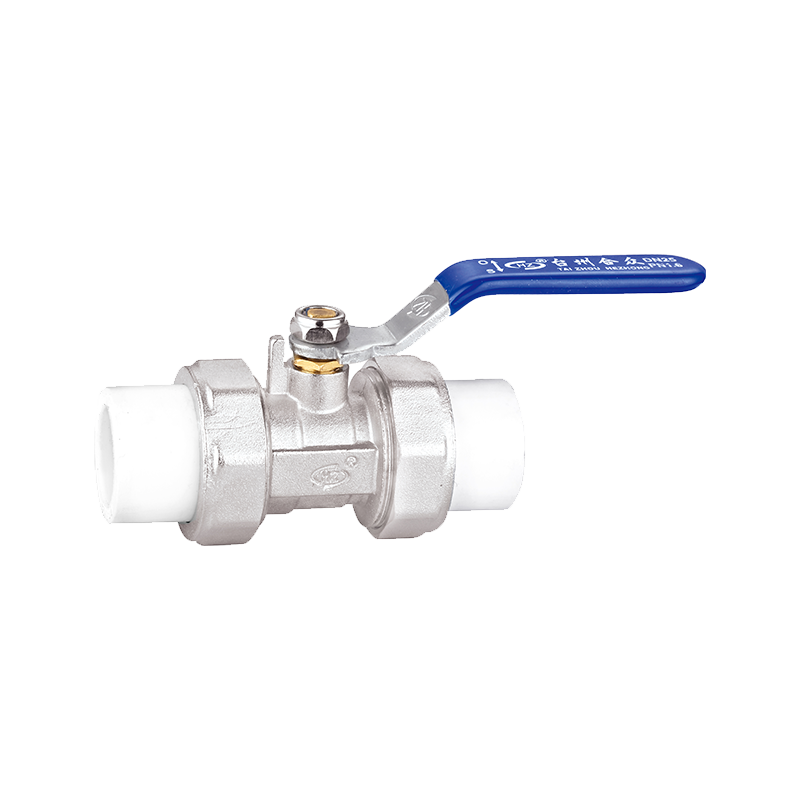 PPR Double Union Ball Valve
This PPR ball valve features a double‑union structure, compatible with hot‑melt connection...
CONTACT DETAILS
- TEL: +86-18158607688
- E-mail: [email protected]
- Address: Zhongshan Industrial Zone, Chumen Town, Yuhuan City, Taizhou, Zhejiang Province, China
