 EN
EN  English
 русский
 中文简体
中文简体
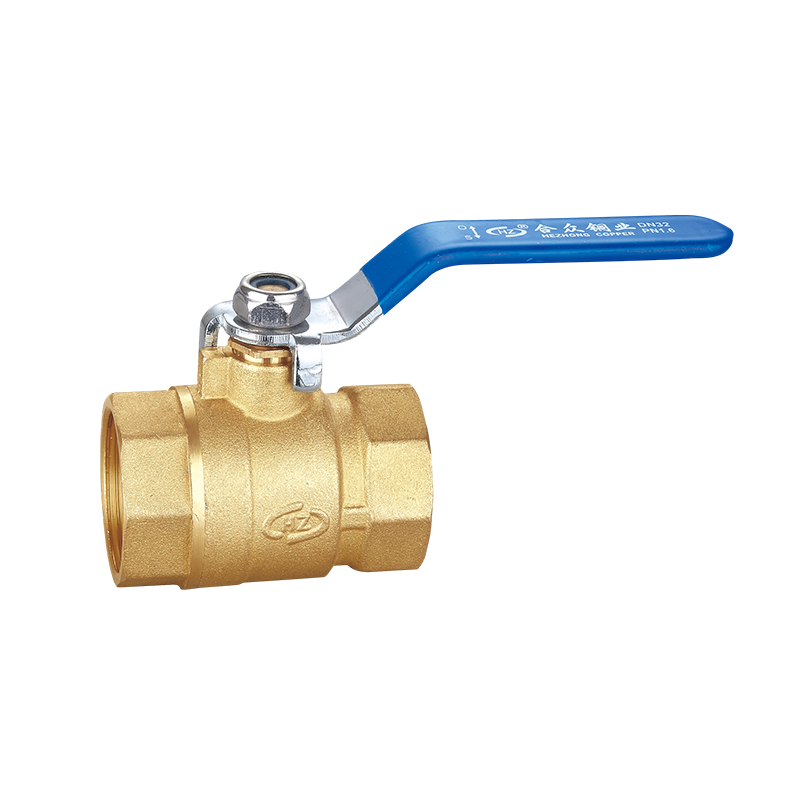
This brass ball valve is built for water lines, HVAC loops, and compressed air systems whe...


Application Industry
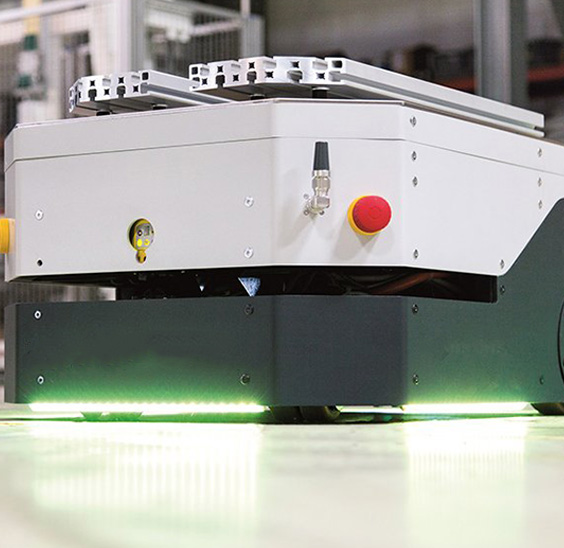
AGV

Automated robots
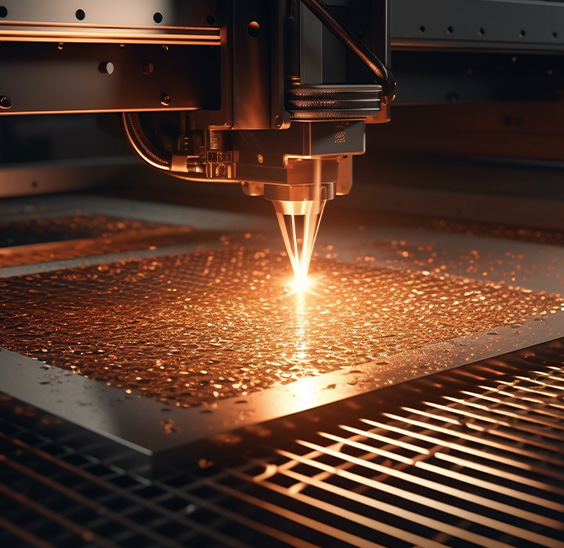
laser cutting

Logistics sorting

Photovoltaic power-station
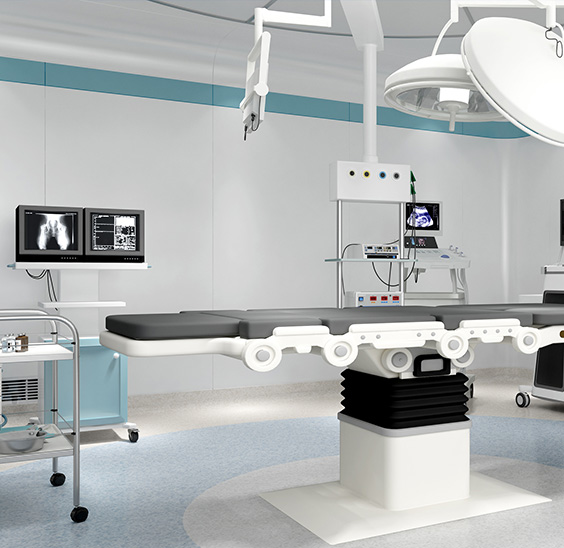
Medical devices
Why Low Pressure Gas Valve Needs Proper Installation
A gas valve may look like a small part of a larger piping system, yet its position and connection can affect how the system is used and checked. A Low Pressure Gas Valve is commonly placed where gas flow needs to be controlled, so a stable connection and suitable installation position matter during everyday operation.
Proper installation is not simply a matter of making a valve fit onto a pipe. Connection condition, valve direction, surrounding space, sealing, and operating access all need to work together. A valve that has been installed under unnecessary stress may develop problems around its connection even when the valve itself appears normal.
Installation also influences later inspection. A valve placed in an accessible location can be checked more easily, while a poorly positioned valve may be difficult to operate or inspect. Limited space can also make routine maintenance less convenient.
Several basic considerations are closely related to installation:
- Correct connection between valve and pipe
- Suitable installation direction
- Stable support around the connection
- Appropriate sealing treatment
- Enough room for operation and inspection
Gas systems require careful handling because leakage can create serious risks. Installation work should therefore follow applicable safety requirements and be carried out by qualified personnel where required. A product's intended use and installation instructions should also be checked before work begins.
What Should Be Checked Before Installing a Low Pressure Gas Valve
Preparation can prevent many avoidable installation problems. Before a valve is connected to a pipe, its condition and intended use should be checked rather than moving directly into installation.
Start with a visual inspection. Look for visible damage around the valve body, connection area, and operating part. A damaged component should not be placed into service without suitable assessment.
Connection compatibility also needs attention. Pipe size, connection form, and valve design should correspond with one another. Forcing two parts together because their general appearance seems similar can place unnecessary stress on the connection.
Pipe cleanliness deserves consideration as well. Dirt, loose particles, or other unwanted material inside a pipe can interfere with the normal operation of connected components. Cleaning and preparation should follow the requirements of the gas system and applicable installation guidance.
Installation location is another practical concern. A valve should remain accessible enough for normal operation and inspection. Placing it behind fixed equipment, inside a crowded space, or close to an area where it may be struck can make later handling more difficult.
Before installation, a basic check can cover:
- Valve condition
- Pipe and connection compatibility
- Pipe cleanliness
- Installation direction
- Available operating space
- Applicable safety requirements
Taking time to check each point gives installers a clearer picture of the work before a connection is made. Any uncertainty about compatibility or installation requirements should be referred to the relevant product documentation or a qualified professional.
How Should the Installation Position Be Selected
A suitable position allows the valve to perform its intended function while remaining easy to access. Location should therefore be considered together with operation, inspection, surrounding equipment, and pipe arrangement.
Valve direction deserves attention during installation. Gas needs to travel through the system in the intended direction, and some valve designs include markings that help indicate flow direction. Ignoring such markings may result in an unsuitable installation arrangement.
Operating space also matters. A handle or control part needs enough room for normal movement. Crowded surroundings can make opening or closing difficult, especially when nearby pipes, walls, equipment, or storage items restrict access.
Physical protection is another consideration. A valve positioned where tools, equipment, or moving objects can hit it may experience unnecessary stress. Repeated contact can affect both the valve body and its connection with the pipe.
Environmental conditions should also be considered. Excessive moisture, dirt, heat, or other surrounding conditions may affect exposed components over time, depending on the valve material and intended application.
A practical installation location should therefore provide:
- Clear access for operation
- Enough room for inspection
- Protection from avoidable impact
- A suitable pipe arrangement
- Conditions consistent with the product requirements
Good positioning also helps later maintenance. When a valve can be clearly seen and reached, checking its condition becomes less difficult, and abnormal conditions are easier to notice during routine inspection.
How Does Pipe Connection Affect Gas Valve Installation
Connection quality has a direct relationship with installation stability. A valve should connect with the pipe in a way that avoids unnecessary bending, twisting, or external force around the connection area.
Pipe alignment deserves attention before tightening or securing a connection. A pipe that does not naturally line up with the valve may tempt an installer to pull or push the components into position. Such force can remain around the connection after installation, creating unnecessary stress.
Different connection designs require different installation practices. Threaded connections, for example, need suitable matching parts and proper sealing treatment, while other connection forms follow their own installation requirements. Instructions supplied for the specific product should take priority over general assumptions.
Connection work should also avoid damage to the valve body or connection surface. Excessive force can affect a component even when no obvious damage appears immediately.
After connection, visual checks can help identify problems such as:
- Misalignment between pipe and valve
- Visible damage around the connection
- Unusual movement
- Gaps or other signs of poor fitting
- Stress caused by surrounding pipework
A stable pipe arrangement allows the valve to remain in its intended position during normal use. Supporting nearby pipework where required can also reduce unnecessary force on the valve connection.
For a gas installation, uncertainty should not be handled through trial and error. A qualified installer should assess unclear connection conditions rather than forcing components into place.
Why Is Sealing Important During Installation
Sealing helps prevent unwanted gas from escaping through a connection. A valve can have a sound body and still present a problem when its connection with the pipe has not been sealed or assembled correctly.
Suitable sealing material depends on the connection design and the conditions under which the valve will operate. Using an unsuitable material may affect the connection or create problems during later inspection and maintenance.
Too much sealing material can also be unhelpful. Material that enters an internal passage may interfere with the valve or gas path, depending on the connection arrangement. For that reason, sealing should follow the applicable installation instructions rather than relying on a general rule for every type of connection.
Once the connection has been completed, relying only on visual appearance is not enough to establish that a gas connection is safe. Appropriate leak checking should be carried out using approved procedures and suitable equipment by qualified personnel.
A few points deserve particular attention:
| Installation Point | Reason for Attention |
|---|---|
| Matching connection | Helps avoid poor fitting and unnecessary stress |
| Suitable sealing | Helps control leakage around the connection |
| Correct alignment | Reduces unwanted force on connected parts |
| Accessible position | Makes operation and inspection easier |
| Post‑installation checking | Helps identify connection problems before normal use |
Sealing should therefore be viewed as part of the complete connection process rather than as a separate finishing step. Correct valve selection, proper pipe alignment, suitable sealing, and appropriate inspection all contribute to a stable installation.
For any suspected gas leak, unusual smell, damaged component, or uncertain connection, normal use should be stopped and the situation handled according to local safety procedures by qualified personnel.
What Installation Mistakes Can Affect a Low Pressure Gas Valve
Installation mistakes do not always create an obvious problem at the moment a valve is fitted. Some issues may only become noticeable during operation or later inspection, which makes careful installation important from the beginning.
One common concern is incorrect valve direction. A valve may have markings that indicate how it should be positioned in relation to gas flow. Ignoring the markings can place the component in an unsuitable arrangement, depending on its design.
Connection stress is another concern. Pipes should not need to be forced into position to connect with a valve. Pulling, bending, or twisting pipework during installation can place pressure on the connection area. Such stress may remain after installation and affect the stability of the system.
Sealing mistakes can also create problems. Too little suitable sealing may leave a connection vulnerable to leakage, while excessive or poorly placed sealing material can interfere with the connection or internal passage.
Limited installation space presents a different challenge. A valve installed behind equipment or in a narrow area may be difficult to operate and inspect. Lack of access can become especially inconvenient when the valve needs to be checked or closed.
Damage during installation should not be overlooked either. Tools or excessive force may mark, deform, or otherwise affect a component. Visible damage around the body or connection should be assessed before the valve is placed into normal use.
Common areas requiring attention include:
- Valve direction
- Pipe alignment
- Connection force
- Sealing condition
- Operating access
- Physical condition after installation
Avoiding such problems does not require complicated procedures. Careful preparation, suitable components, and adherence to the relevant installation instructions can reduce unnecessary risks.
How Can Installation Be Checked Before Gas Is Used
An installation should be checked before normal gas use begins. Inspection provides an opportunity to identify connection problems while the system is still being prepared rather than waiting for an operating issue to appear.
Valve position should be checked first. The operating part needs to be accessible, and its position should correspond with the intended operating state. Nearby equipment should not prevent normal movement.
Connection areas also need attention. Pipework should remain properly aligned, with no obvious movement, damage, or unusual stress around the valve. A connection that appears uneven or has been forced into position deserves further assessment.
Leak checking is particularly important for gas systems. Visual inspection alone cannot confirm that a connection is free from leakage. Appropriate checking methods should be selected according to the installation requirements and carried out by qualified personnel.
A simple inspection sequence can include:
- Check the valve and surrounding parts for visible damage.
- Confirm the valve position and operating access.
- Inspect connected pipework for alignment and stability.
- Check connection areas using an approved leak‑checking procedure.
- Confirm that abnormal conditions have been addressed before use.
Gas should not be introduced into a system simply to see whether a connection appears to work. Ignition, smell, or other informal methods should never replace an appropriate leak inspection.
When an unusual smell, damaged connection, or suspected leak is noticed, the area should be handled according to applicable safety procedures. Qualified personnel should assess the installation before normal operation continues.
What Should a Brass Gas Valve Supplier Consider for Installation
A Brass Gas Valve Supplier has an important role in providing product information that supports correct installation. Product selection does not end with choosing a valve body or connection size. Installers also need clear information about how the component is intended to be fitted and used.
Connection design should be easy to identify. Product information can clearly state the suitable connection form, compatible pipe arrangement, flow direction where relevant, and operating conditions. Clear instructions reduce the chance of installers relying on assumptions.
Physical design also affects installation. A valve with an accessible operating part can be easier to inspect and use, while a crowded structure may create difficulties when installed in a confined area.
Material information can also help with application decisions. Brass is used in various gas‑related components, yet suitability still depends on the specific product, surrounding conditions, and applicable requirements. Material alone should not be treated as proof that a valve fits every gas system.
Installation information should cover practical points such as:
- Connection requirements
- Valve direction
- Suitable installation conditions
- Sealing considerations
- Inspection guidance
- Operating precautions
Clear product information is useful for both purchasing teams and installers. Buyers can compare products according to actual requirements, while installation personnel can refer to the relevant instructions during setup.
A supplier should also avoid presenting general guidance as a replacement for local requirements. Gas installation rules can vary according to location and application, so professional installation and applicable regulations remain important parts of the process.
Why Does Proper Installation Support Long Term Use
A valve remains connected to pipework during normal service, so installation condition can influence how the component experiences everyday use. A stable connection reduces unnecessary movement around the valve and helps keep the system arranged as intended.
Pipe stress is particularly relevant. When surrounding pipework places continuous pressure on a valve connection, normal changes in movement or environmental conditions may add further strain. Suitable installation helps avoid creating such conditions from the beginning.
Accessibility also supports continued use. A valve that can be reached and observed more easily is simpler to inspect. Problems such as visible damage, unusual movement, or changes around the connection can receive attention sooner.
Cleaning and surrounding conditions matter as well. Dirt, moisture, physical impact, and unsuitable storage or installation environments may affect exposed components depending on the application. Keeping the area reasonably accessible can make routine checks easier.
Proper installation does not remove the need for maintenance. A gas system still requires inspection and care according to its application and relevant safety requirements. Installation simply establishes a suitable starting condition for later operation.
For routine management, attention can remain on:
- Connection stability
- Valve accessibility
- Visible condition
- Surrounding pipe support
- Changes noticed during inspection
A small installation problem can become harder to address once equipment has been placed around the valve. Considering future access during the initial installation can therefore make later inspection and servicing more practical.
How Can Installation Practices Improve Gas System Safety
Safe installation begins with preparation rather than with the physical act of connecting a valve. Product condition, pipe compatibility, installation location, connection method, sealing, and inspection all form part of one process.
A Low Pressure Gas Valve should be selected according to the intended gas system and installed according to the applicable product instructions and safety requirements. The valve needs to fit the surrounding pipework without being forced into position, while its operating area should remain accessible for inspection.
A useful working sequence is:
Check → Position → Connect → Seal → Inspect → Test
Each stage has a separate purpose. Checking helps identify unsuitable components or visible damage. Positioning creates suitable access. Connection brings the valve and pipework together without unnecessary stress. Sealing addresses the connection condition, while inspection and approved testing provide an opportunity to identify problems before normal use.
Material selection also forms part of the wider decision. A Brass Gas Valve Supplier may provide products for different applications, yet the appropriate choice depends on compatibility, installation conditions, and system requirements rather than material name alone.
Good installation practice also requires restraint. When a connection does not fit as expected, forcing it into place can create additional problems. Stopping the work and asking qualified personnel to assess the situation is safer than trying repeated adjustments without suitable guidance.
Gas valve installation is therefore closely connected with the condition of the entire piping arrangement. A valve, pipe, seal, operating space, and surrounding environment all contribute to how the system functions during normal use.
Careful preparation and appropriate professional checks can help keep installation work orderly, reduce avoidable connection problems, and provide a more suitable foundation for later inspection and operation.
Related products
-
-
 Male Thread Brass Ball Valve for Water & HVAC Systems
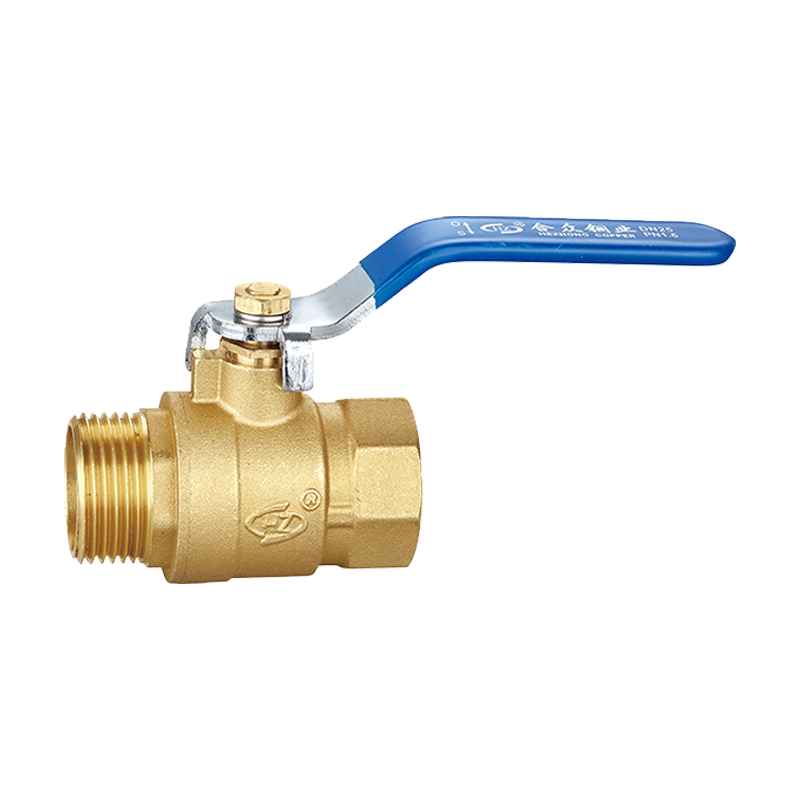
This male thread brass ball valve is made of national standard forged brass with RP male t...
-
 One‑Word Magnetic Lock-Off Ball Valve
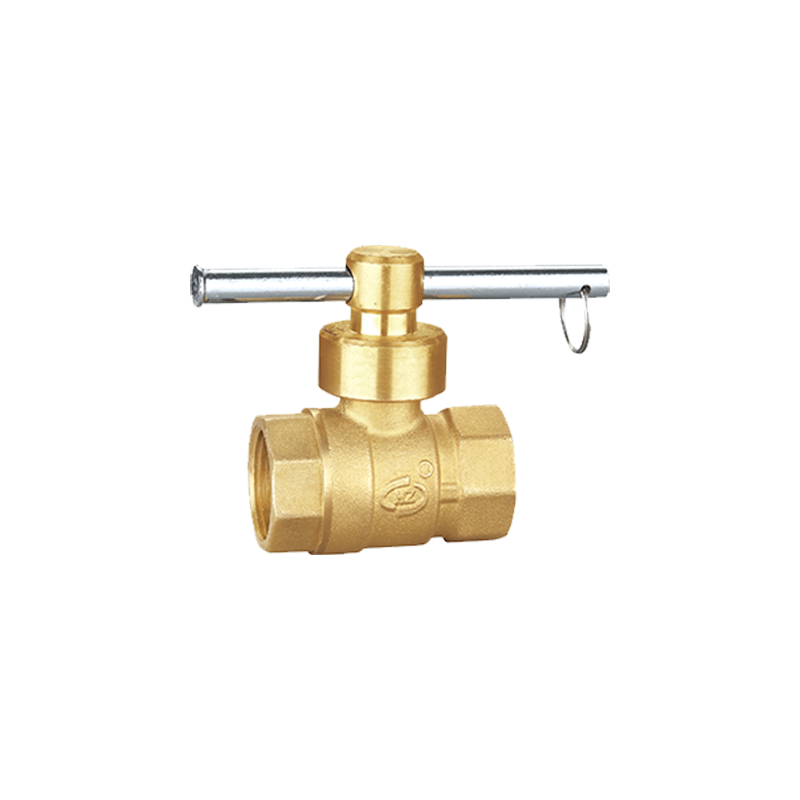
This is One‑Word Magnetic Lock‑Off Ball Valve of the Water Utilities Series. It is integr...
-
 Brass Magnetic Lock-Off Ball
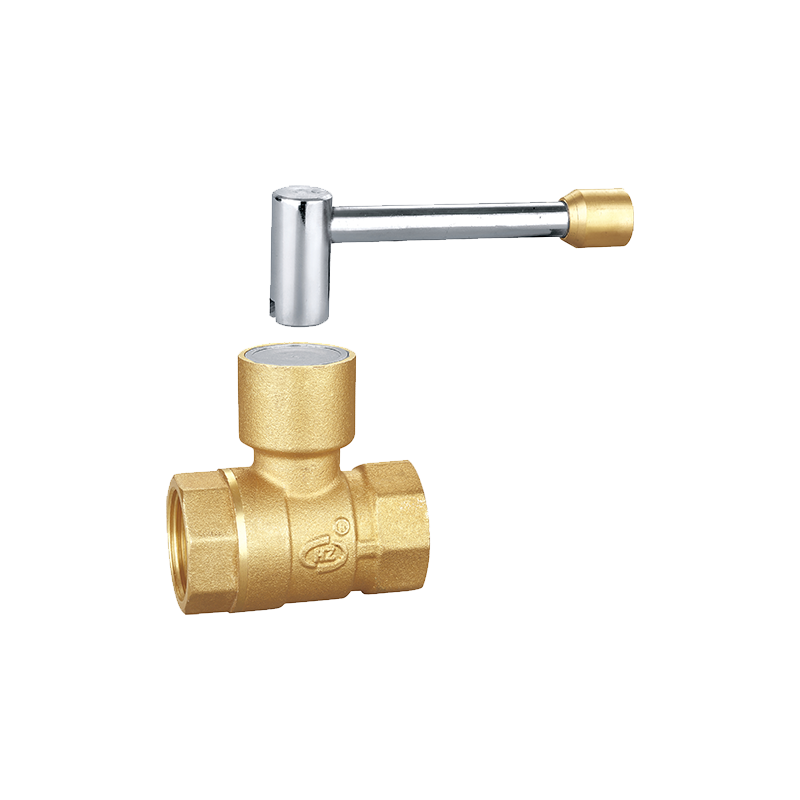
This brass magnetic lock‑off ball valve has a high‑quality forged brass valve body with st...
-
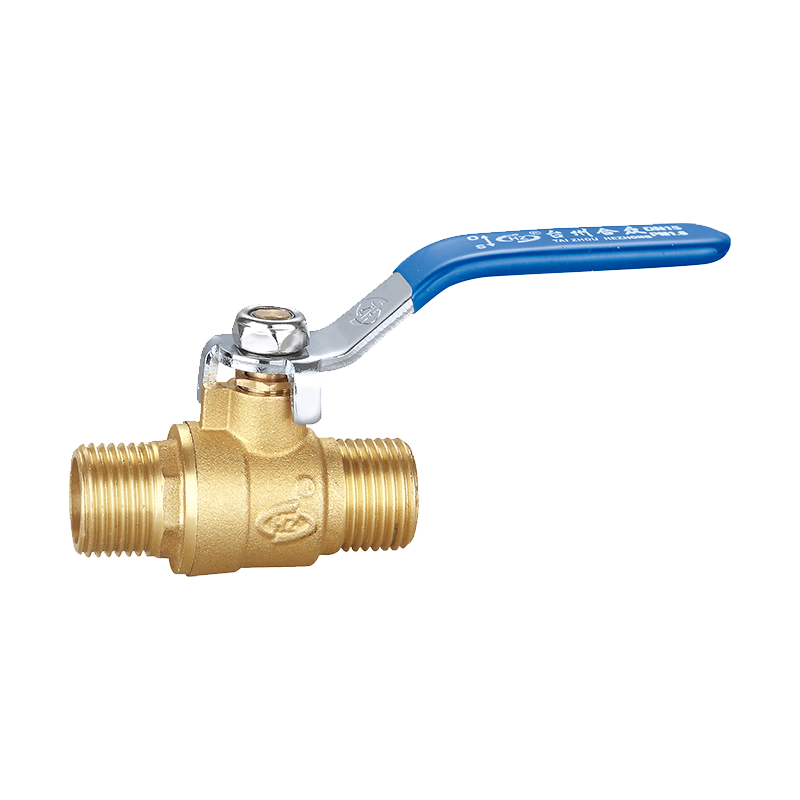 Double Male Brass Ball Valve for Water & HVAC Systems
Double male brass ball valve features male threads on both ends for direct in-line connect...
-
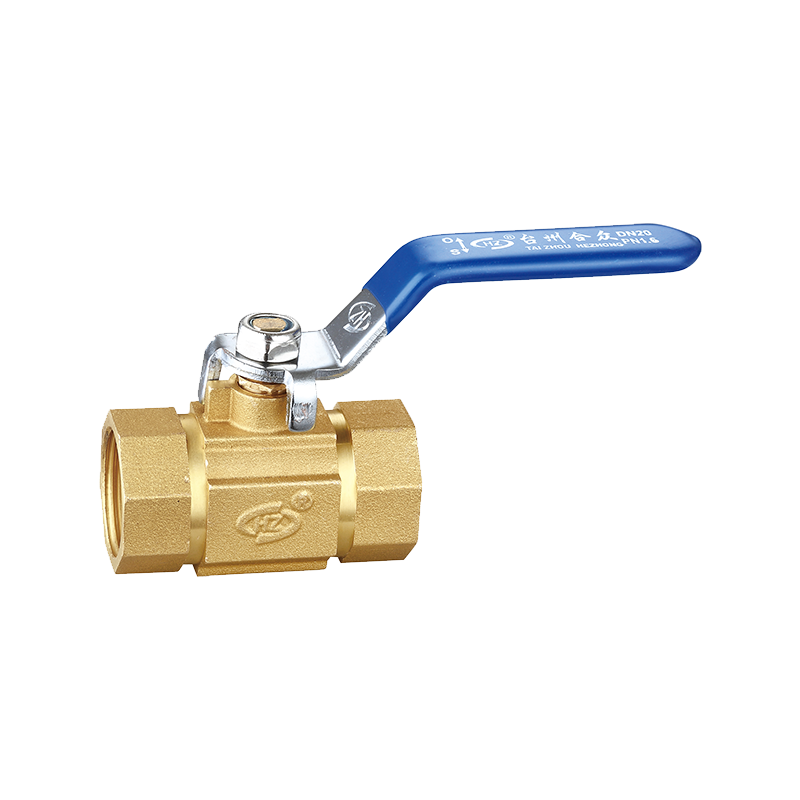 Square Body Ball Valve
This square body ball valve is integrally forged from high‑quality brass. Its square‑shape...
-
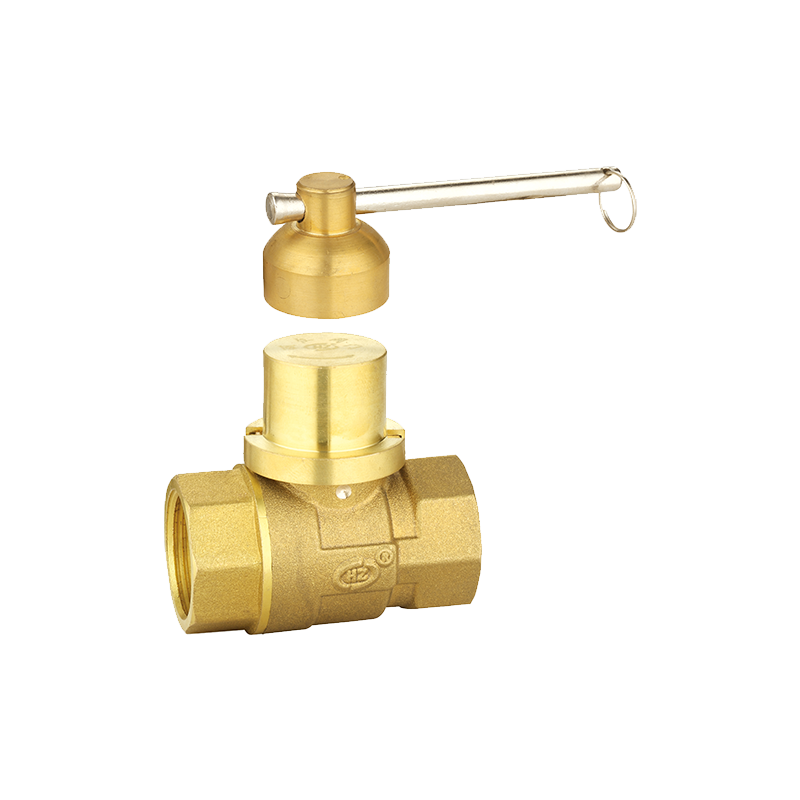 Magnetic Ball Valve for Front of Water Meter
Forged metal tee fitting with M30 loose nut for gas meter inlet connection, double 1/2" ma...
-
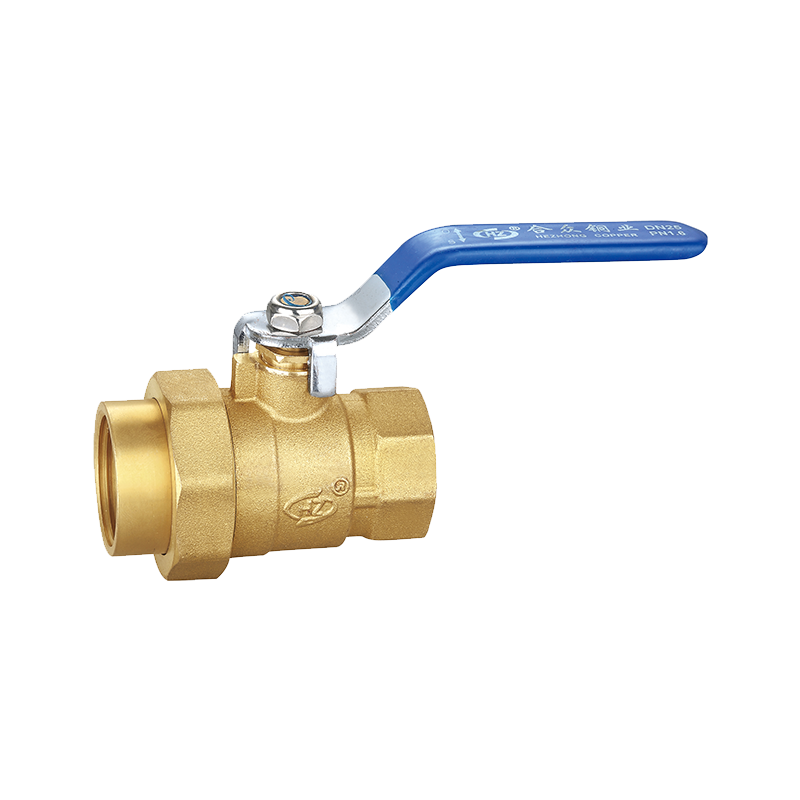 Female Thread Union Brass Ball Valve
This female thread union brass ball valve is made of high-quality brass. It has female thr...
-
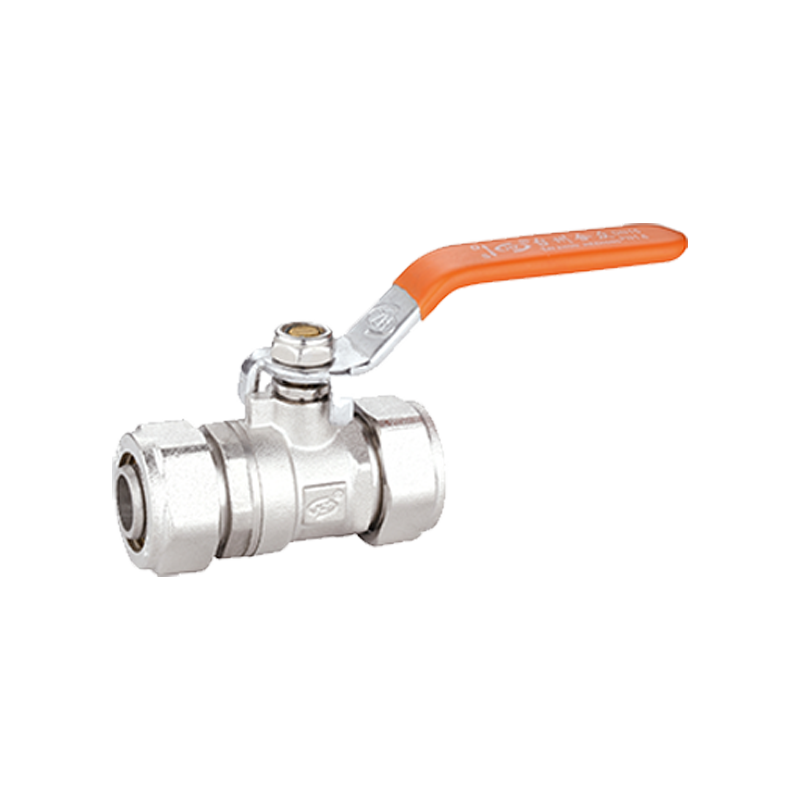 Brass Compression Ball Valve for PEX-AL-PEX Pipe
Brass Compression Ball Valve is forged from high‑quality brass, featuring high‑strength va...
-
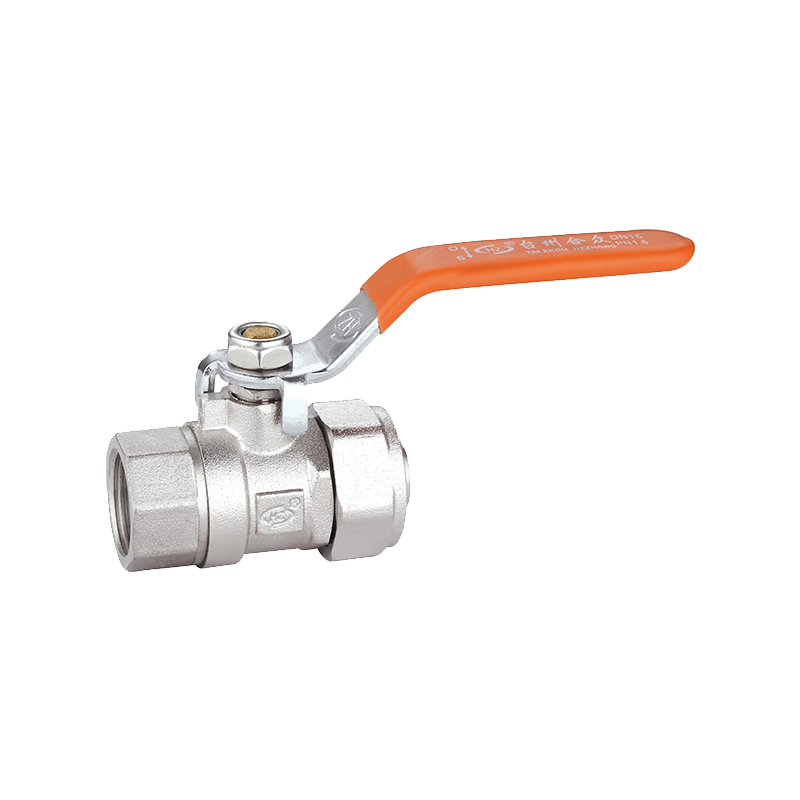 Female-Thread-Brass Compression Ball Valve for PEX-AL-PEX Pipe
This ball valve features a compression connection on one end and a female thread on the ot...
-
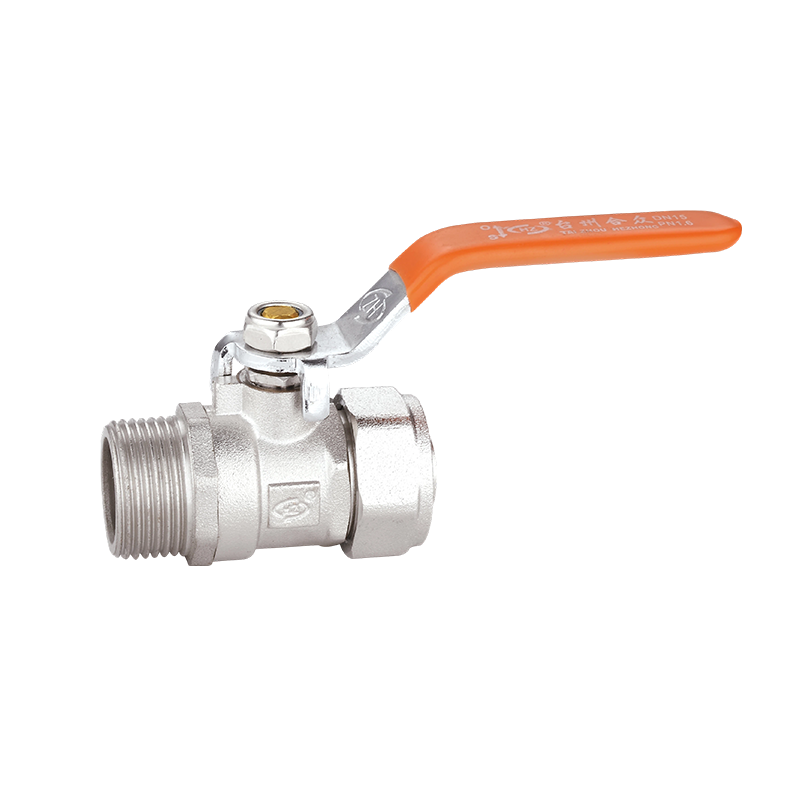 Male-Thread-Brass Compression Ball Valve for PEX-AL-PEX Pipe
This brass compression ball valve is made for PEX-AL-PEX pipe. Connecting different pipe m...
-
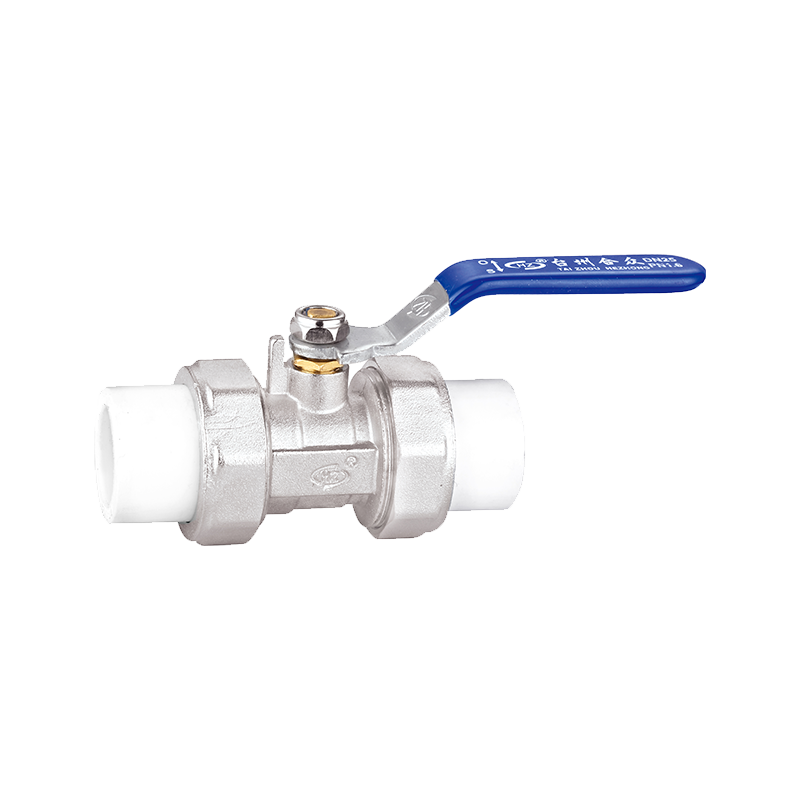 PPR Double Union Ball Valve
This PPR ball valve features a double‑union structure, compatible with hot‑melt connection...
CONTACT DETAILS
- TEL: +86-18158607688
- E-mail: [email protected]
- Address: Zhongshan Industrial Zone, Chumen Town, Yuhuan City, Taizhou, Zhejiang Province, China
