 EN
EN  English
 русский
 中文简体
中文简体
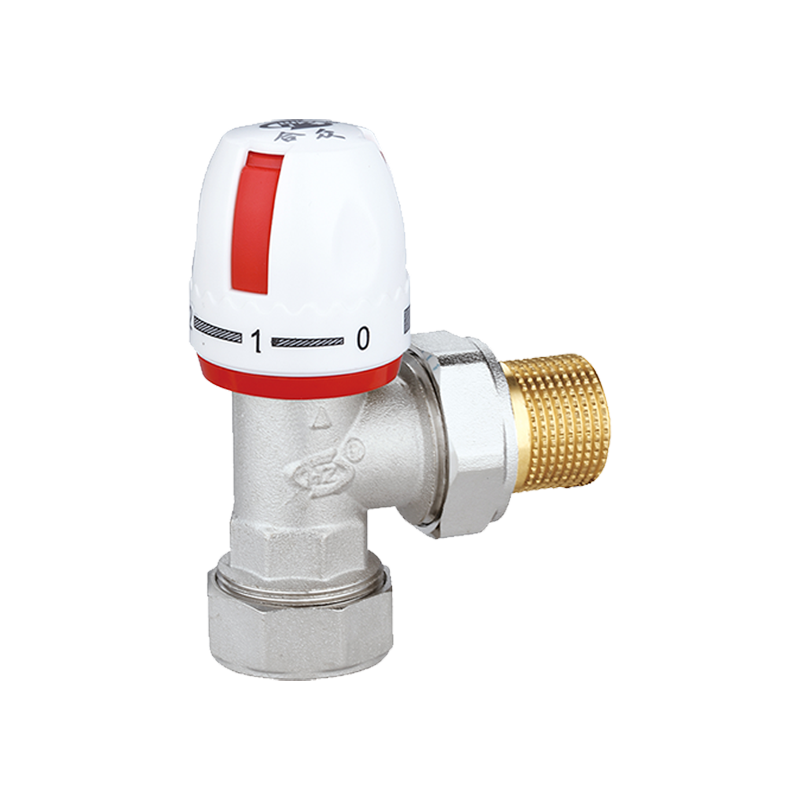
This brass ball valve is built for water lines, HVAC loops, and compressed air systems whe...


Application Industry
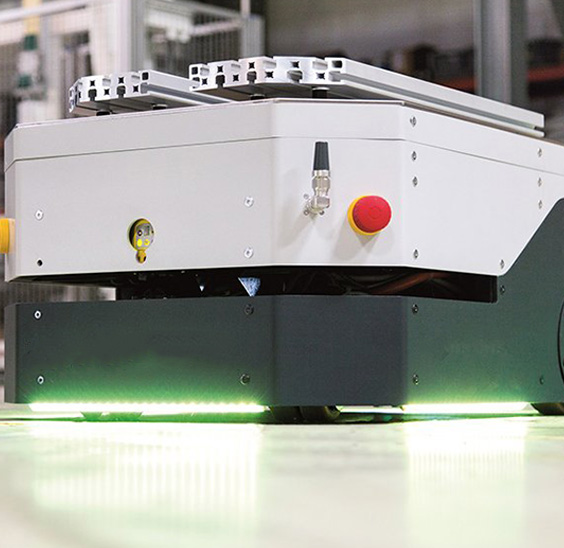
AGV

Automated robots
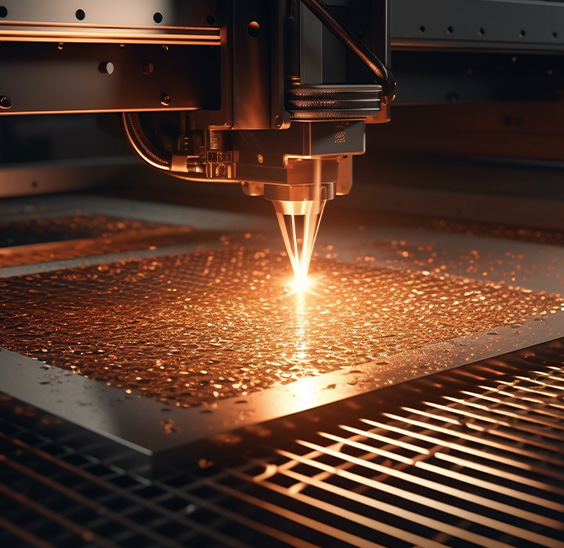
laser cutting

Logistics sorting

Photovoltaic power-station

Medical devices
Compression Angle Thermostatic Radiator Valve
Product Description
This compression angle thermostatic radiator valve is made of high-quality metal material, with a compression connection structure for easy installation and strong sealing, suitable for various pipe specifications. The angle design fits radiator installation scenarios, and the thermostatic head can accurately adjust the flow of the heating system to realize automatic constant temperature control of the room, which is energy-saving and efficient. Available in sizes 1216×1/2", 1620×1/2", 1620×3/4", 2025×3/4", it is suitable for heating systems such as floor heating and radiators, with strong corrosion resistance and durability, making it an ideal accessory for HVAC projects and home heating.
Related products
-
-
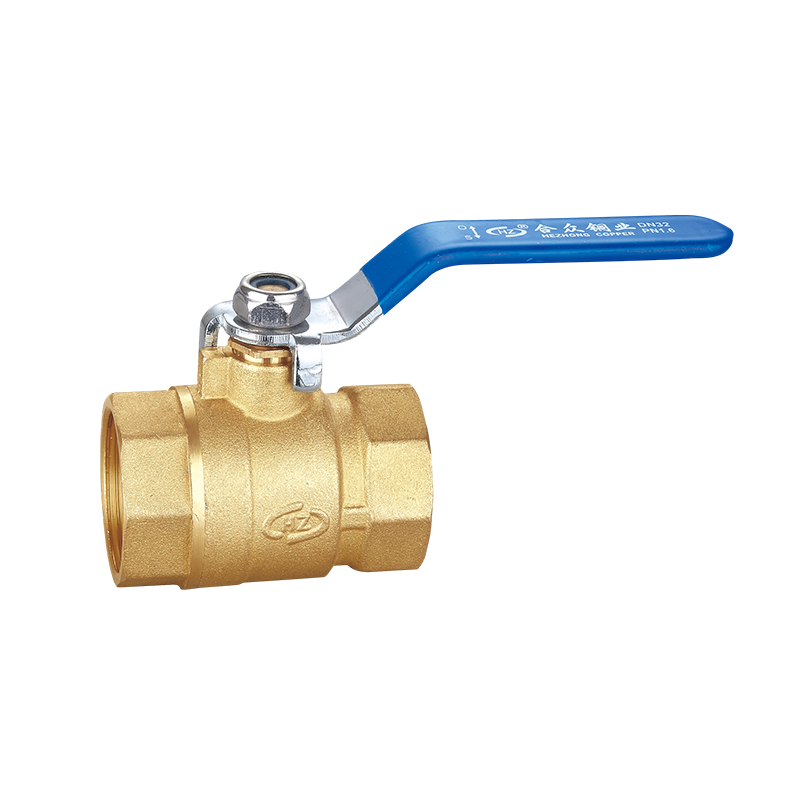
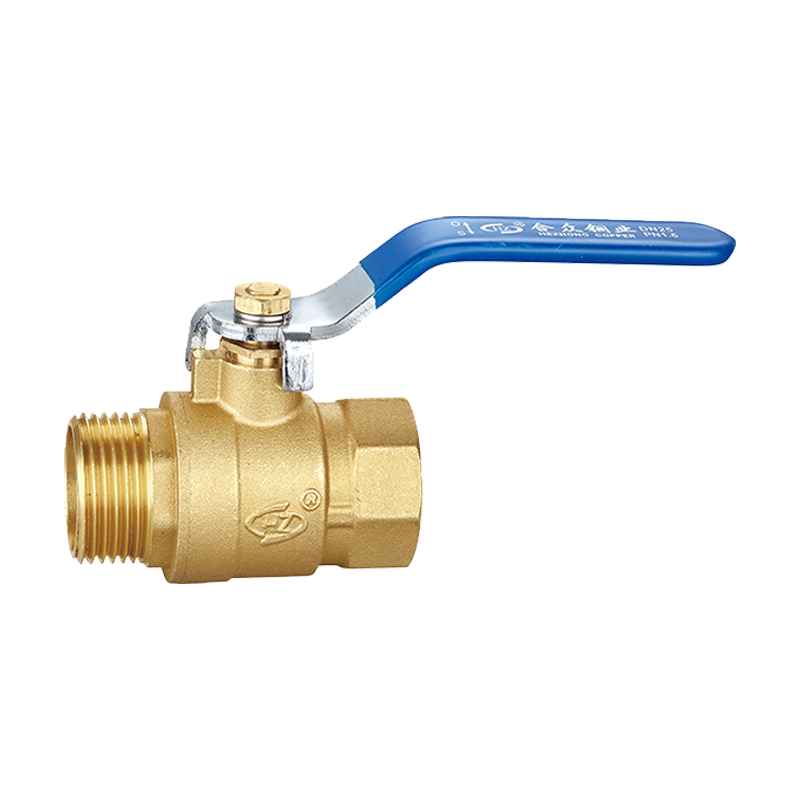 Male Thread Brass Ball Valve for Water & HVAC Systems
This male thread brass ball valve is made of national standard forged brass with RP male t...
-
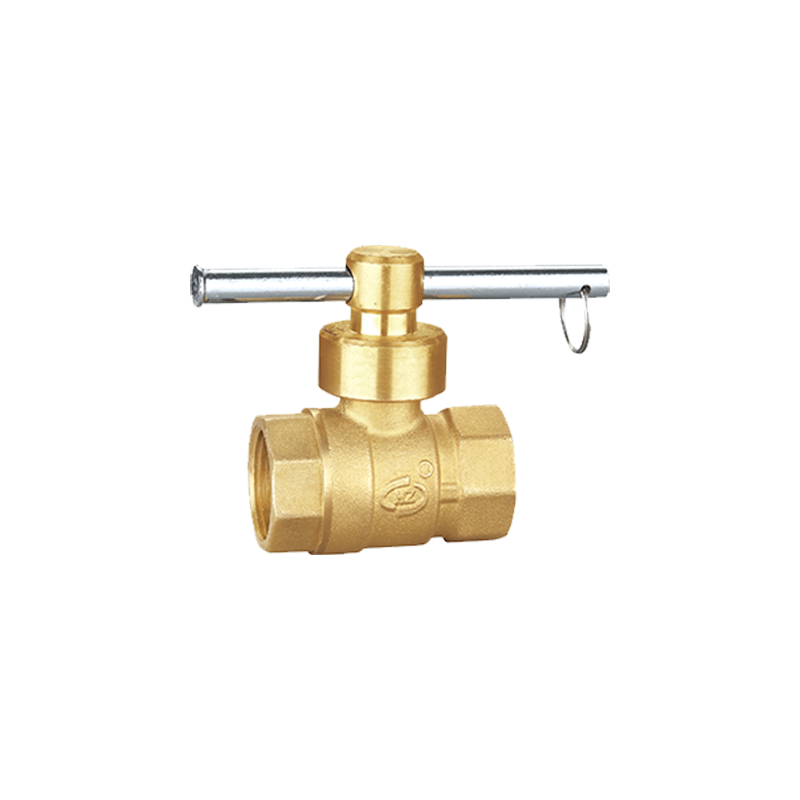 One‑Word Magnetic Lock-Off Ball Valve
This is One‑Word Magnetic Lock‑Off Ball Valve of the Water Utilities Series. It is integr...
-
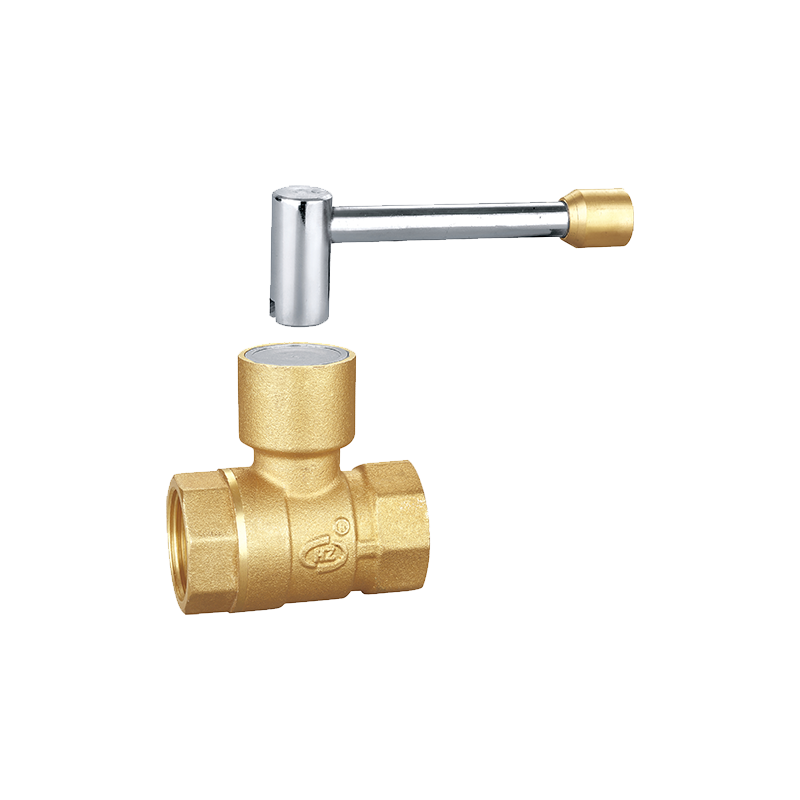 Brass Magnetic Lock-Off Ball
This brass magnetic lock‑off ball valve has a high‑quality forged brass valve body with st...
-
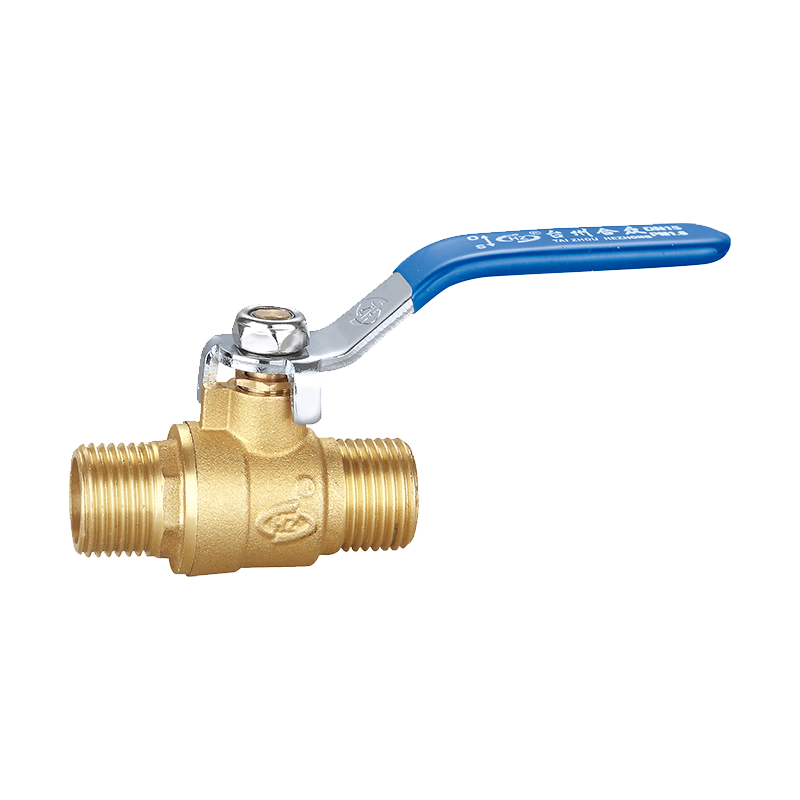 Double Male Brass Ball Valve for Water & HVAC Systems
Double male brass ball valve features male threads on both ends for direct in-line connect...
-
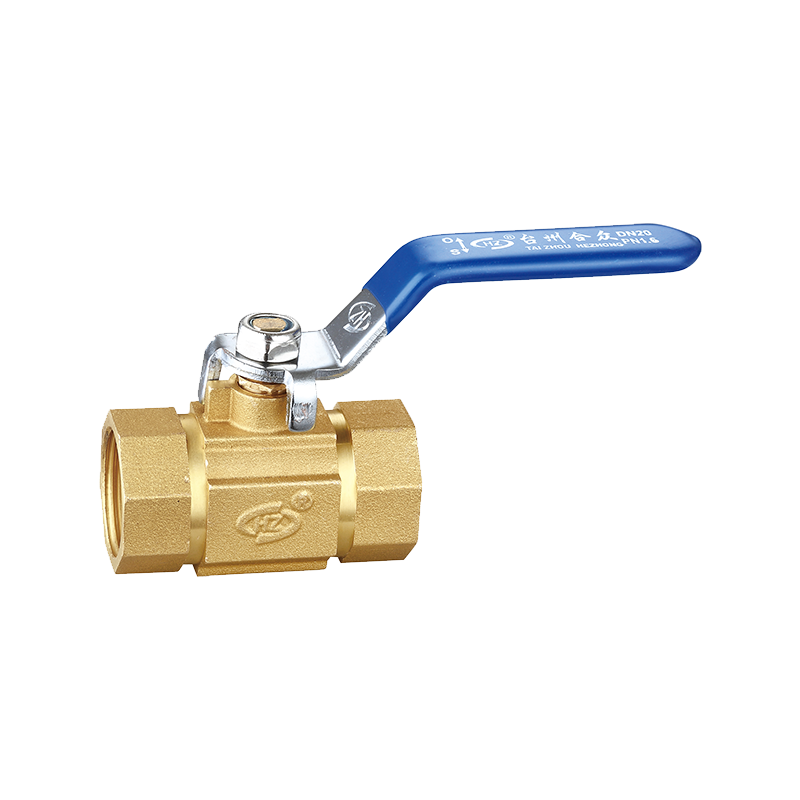 Square Body Ball Valve
This square body ball valve is integrally forged from high‑quality brass. Its square‑shape...
-
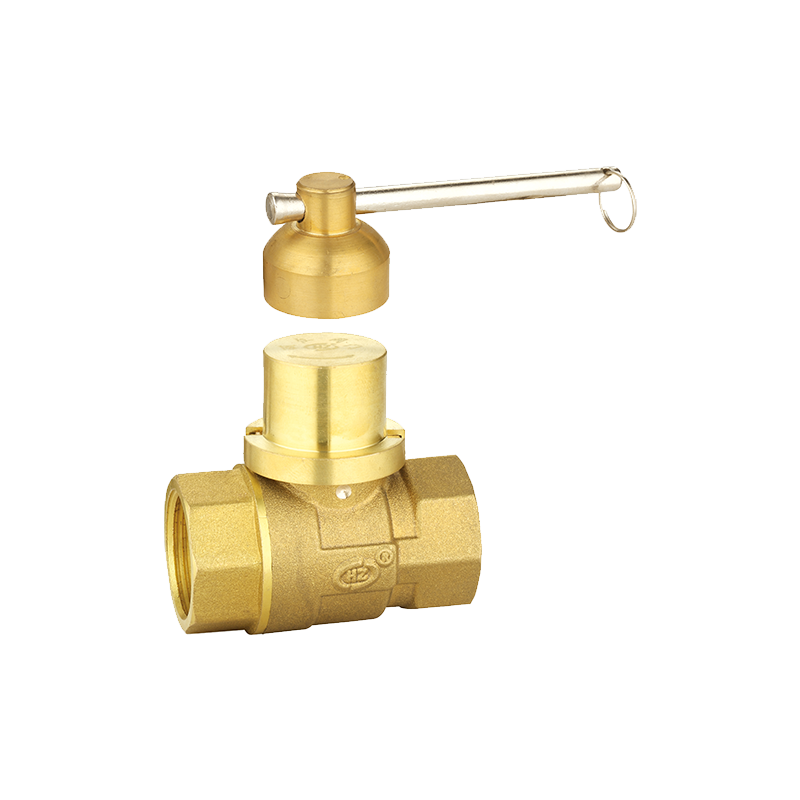 Magnetic Ball Valve for Front of Water Meter
Forged metal tee fitting with M30 loose nut for gas meter inlet connection, double 1/2" ma...
-
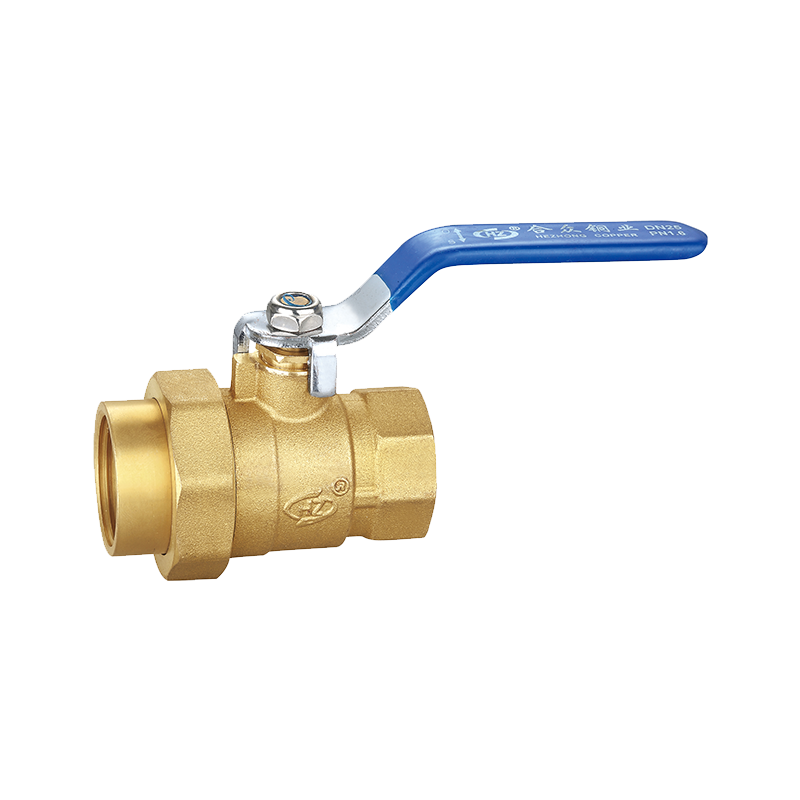 Female Thread Union Brass Ball Valve
This female thread union brass ball valve is made of high-quality brass. It has female thr...
-
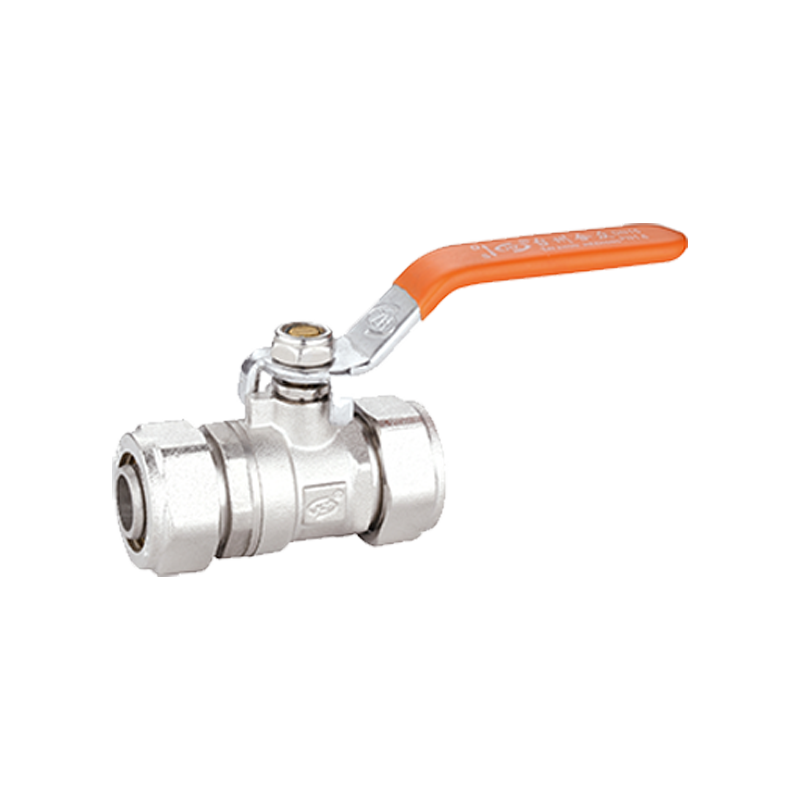 Brass Compression Ball Valve for PEX-AL-PEX Pipe
Brass Compression Ball Valve is forged from high‑quality brass, featuring high‑strength va...
-
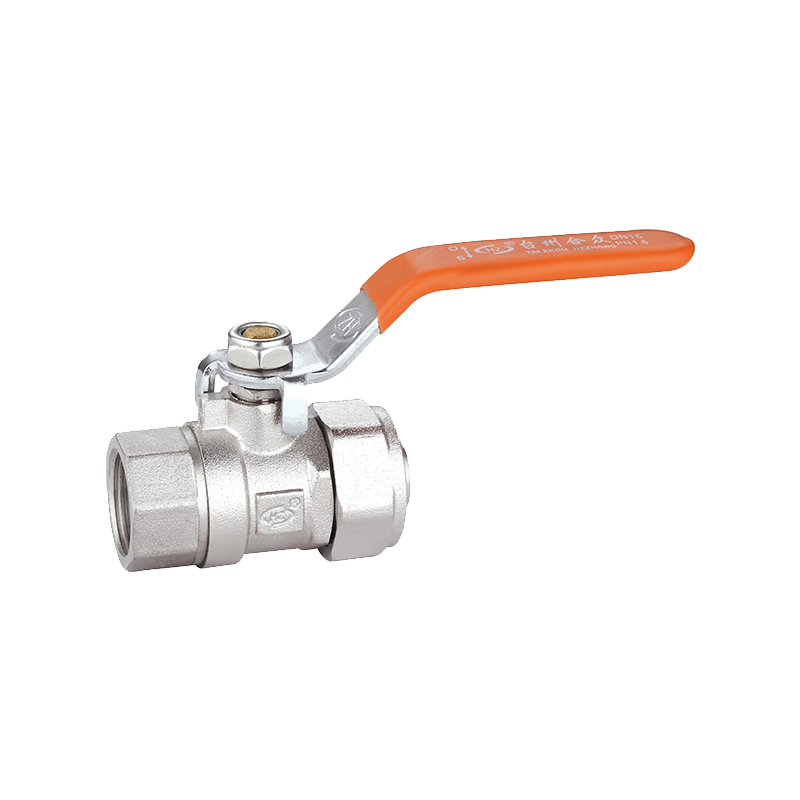 Female-Thread-Brass Compression Ball Valve for PEX-AL-PEX Pipe
This ball valve features a compression connection on one end and a female thread on the ot...
-
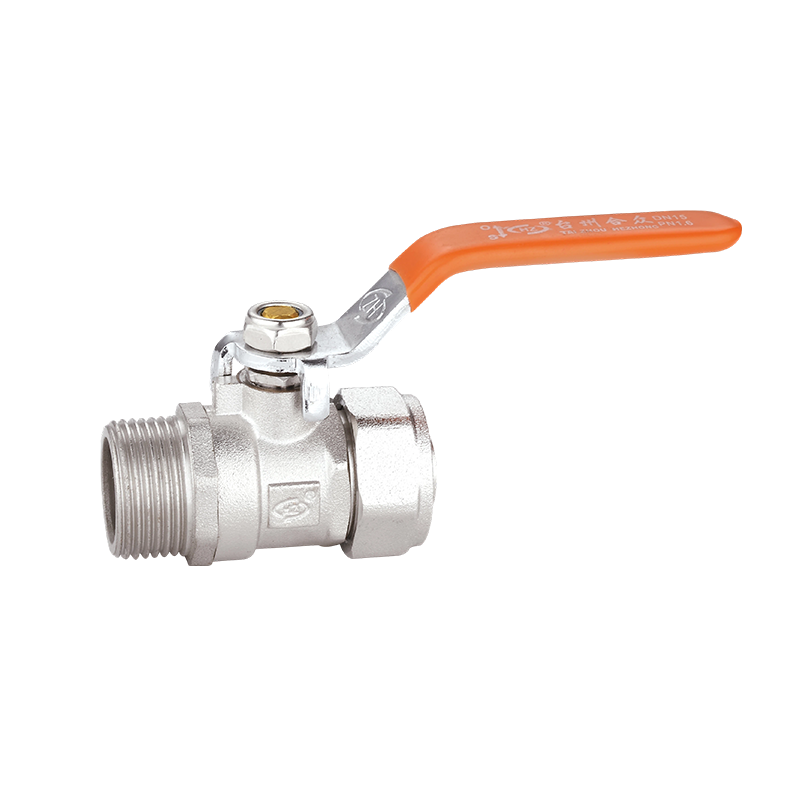 Male-Thread-Brass Compression Ball Valve for PEX-AL-PEX Pipe
This brass compression ball valve is made for PEX-AL-PEX pipe. Connecting different pipe m...
-
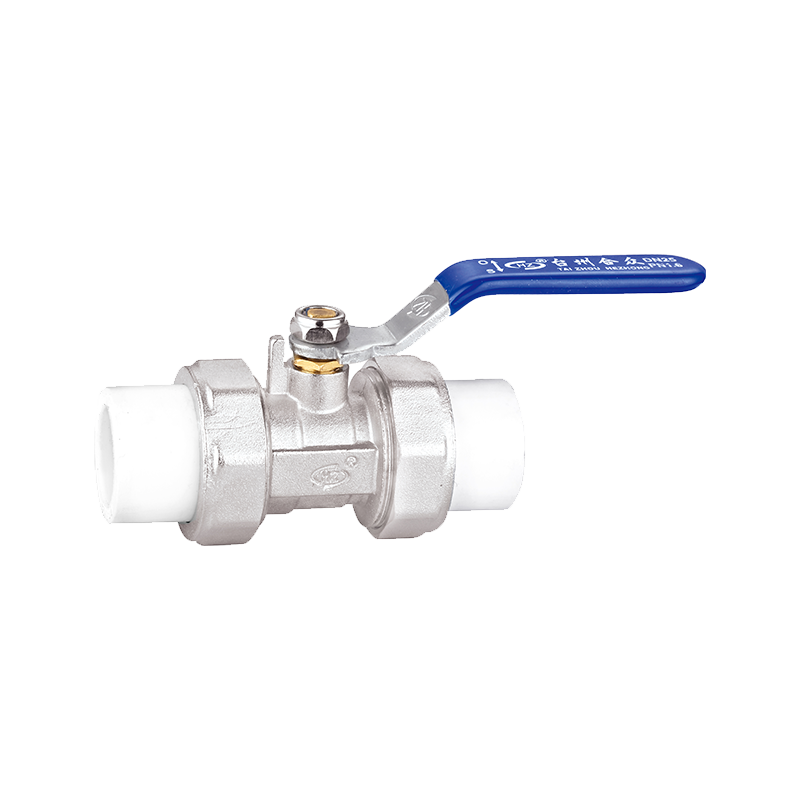 PPR Double Union Ball Valve
This PPR ball valve features a double‑union structure, compatible with hot‑melt connection...
About Us
Zhejiang Qixiang Valve Co., Ltd.
Zhejiang Qixiang Valves specializes in the production of gas valves, thermostatic valves, gate valves, globe valves, copper ball valves, plumbing fittings, and other related products. Its service network covers the whole country. Guided by market demand, the company adheres to the principles of professionalism and standardization, keeps innovating, and strives to build a diversified development model in line with industry trends.
News
-
A handle ball valve is usually pretty simple to use. Turn the handle a quarter turn, and the valve opens or closes. You shouldn't need to put your whole body into it. So when a valve that used to turn...
READ MORE -
Gas systems in homes depend on many connected parts working together quietly behind a wall or under a stove. A valve may look like a small component within the system, but its role becomes genuinely i...
READ MORE -
A gas valve should be selected according to the system in which it will operate rather than by appearance alone. A compact valve may suit one installation while creating problems in another because th...
READ MORE -
Room comfort is closely connected with how evenly heat is distributed and adjusted throughout a space. A heating system may continue supplying warmth, yet the feeling inside a room can change as sunli...
READ MORE -
A heating valve may look like a small part of a heating system, yet its installation position and connection condition can affect how comfortably the system operates. A Thermostatic Heating Valve need...
READ MORE -
A gas valve may look like a small part of a larger piping system, yet its position and connection can affect how the system is used and checked. A Low Pressure Gas Valve is commonly placed where gas f...
READ MORE -
Gas control equipment may look simple from outside, yet reliable operation depends on several small parts working together. A valve controls the movement of gas through a pipe, so changes in its condi...
READ MORE -
Material selection has a direct connection with how a gas valve handles its working environment. A valve body needs to contain the gas, support internal parts, maintain suitable sealing surfaces, and ...
READ MORE -
Valves used around heating equipment can look similar from the outside, yet their jobs may be quite different. One controls fuel entering a heating appliance, while another regulates heated water movi...
READ MORE -
Heating really does eat up a substantial chunk of energy consumption across a lot of buildings. Warming spaces alone can account for a genuinely significant share of operating costs, and uncontrolled ...
READ MORE -
Heat demand almost never stays constant throughout a day. Room size, sunlight, insulation, and how many people are actually using a space all pull heating needs in different directions at different ti...
READ MORE -
Gas systems depend on steady flow control from the source to the equipment that uses it. In homes, commercial kitchens, heating equipment, and industrial lines, gas has to move in a way that stays sui...
READ MORE
Message Feedback
Choosing and Using Valves and Fittings for Reliable HVAC, Plumbing, and Gas Systems
Valves and Fittings in HVAC, Plumbing, and Gas Systems
Brass Exposed Shower Valve and fittings are the parts that actually make HVAC, plumbing, and gas systems work day in and day out. They control the movement of water, glycol, and gas through pipes, let you shut off sections for repairs, and help everything run safely without burning through extra energy. Whether it' s a simple home boiler or a big commercial chilled water loop, picking the right HVAC ball valves and good plumbing fittings supplier options can mean the difference between a system that just works and one that keeps needing fixes.
How Valves and Fittings Actually Work
HVAC ball valves are the ones most plumbers grab when they need quick on/off control. You turn the handle a quarter turn and you' ve got full flow or a solid shut-off with almost no pressure loss. They' re ideal for isolating boilers or pipe runs during service. Thermostatic radiator valves do the job automatically - a small element inside reacts to room temperature and slowly opens or closes to keep things comfortable without anyone having to adjust anything. Brass angle valves are great in cramped spots because they change the direction of flow right at the connection and many come with built-in strainers to trap dirt and rust. Gas safety valves kick in during problems by cutting off the supply if pressure spikes or a leak shows up. Plumbing fittings like elbows, tees, reducers, and compression types connect pipes cleanly, whether you' re using copper, PEX, or PPR. Heating system control valves and residential and commercial water valves take care of the daily regulation that keeps boilers, radiators, and fan coils running properly.
Real-World Uses Across Homes, Offices, and Industrial Sites
In regular houses, HVAC ball valves usually sit on boiler supply and return lines, while thermostatic radiator valves go on each radiator or underfloor heating manifold so rooms don' t overheat. Homeowners updating older systems often add them for better zone control and noticeably lower heating bills. New construction jobs lean on brass angle valves behind wall-hung boilers and solid plumbing fittings supplier parts for quick, leak-free installs. In offices, hotels, and schools, you' ll see heating system control valves and residential and commercial water valves spread through chilled water loops and zoned systems so each area stays comfortable without pushing the whole plant hard. Gas safety valves are required on pretty much any gas equipment to meet safety codes. On the industrial side, industrial fluid control valves handle heavier conditions in process cooling or high-pressure lines where you can' t afford downtime. The best setups mix them - HVAC ball valves for isolation, thermostatic radiator valves for comfort, brass angle valves for protection, and reliable plumbing fittings supplier products to tie it all together.
Comparing Valve Types and Materials – What Really Matters on the Job
Brass is still the favorite for most HVAC ball valves, brass angle valves, and heating system control valves. Lead-free DZR brass stands up well to hard water and glycol mixes and can easily last 15 to 25 years with almost no upkeep. Plastic versions are lighter and cheaper for cold water lines, but they don' t hold up as well when things get hot. Stainless steel offers extra toughness for tough jobs, though you pay more for it.
Here' s how the main types stack up:
- HVAC ball valves are best when you need fast, reliable shut-off and isolation.
- Thermostatic radiator valves give automatic temperature control and help cut energy use in zoned residential and commercial water valves setups.
- Brass angle valves handle tight spaces well and protect the rest of the system with their built-in filters.
- Gas safety valves focus on keeping things safe and meeting code requirements in gas lines.
- Industrial fluid control valves are built for heavier duty and more aggressive fluids.
Most solid installations use a smart combination: HVAC ball valves at every service point, thermostatic radiator valves where comfort matters, brass angle valves on returns to catch debris, and quality plumbing fittings supplier connections throughout. Getting the size, pressure rating, and connection style (threaded, compression, or fusion) right for your pipes keeps leaks away and stops pumps from working harder than they need to.
Choosing the right valves and fittings isn' t the exciting part of any job, but it' s one of the smartest things you can do. Whether you' re a homeowner fixing up a small system, a contractor buying from a trusted plumbing fittings supplier, or looking after a bigger property, going with quality HVAC ball valves, gas safety valves, brass angle valves, thermostatic radiator valves, and the right supporting parts means lower energy bills, fewer emergency calls, and a system that keeps running quietly for the next 15–20 years.
CONTACT DETAILS
- TEL: +86-18158607688
- E-mail: [email protected]
- Address: Zhongshan Industrial Zone, Chumen Town, Yuhuan City, Taizhou, Zhejiang Province, China
