 EN
EN  English
 русский
 中文简体
中文简体
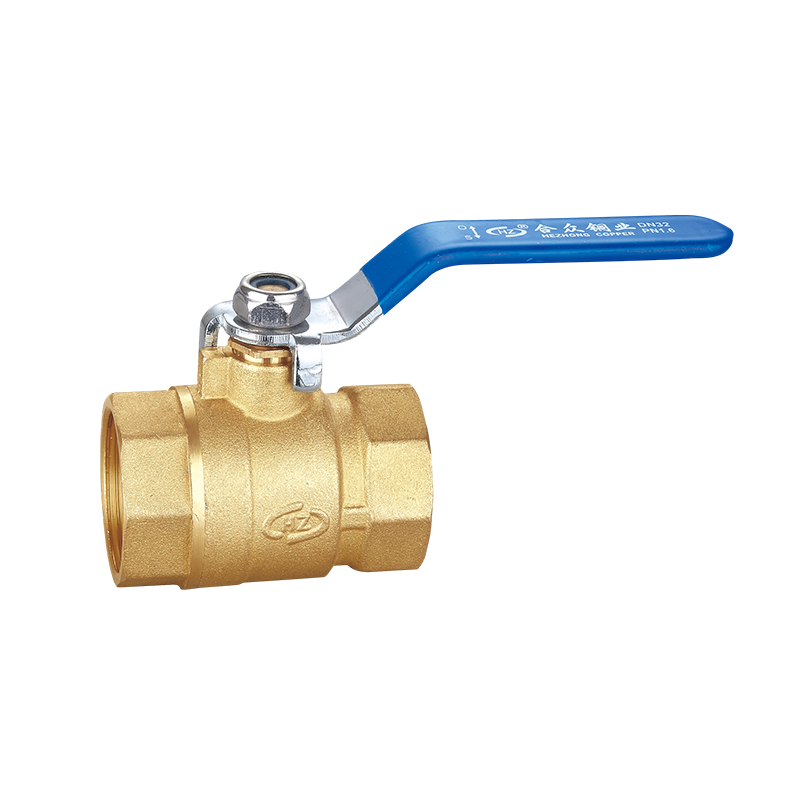
This brass ball valve is built for water lines, HVAC loops, and compressed air systems whe...


Application Industry
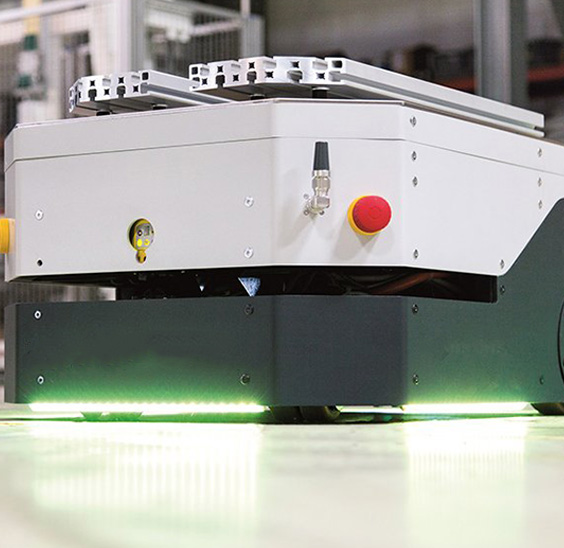
AGV

Automated robots
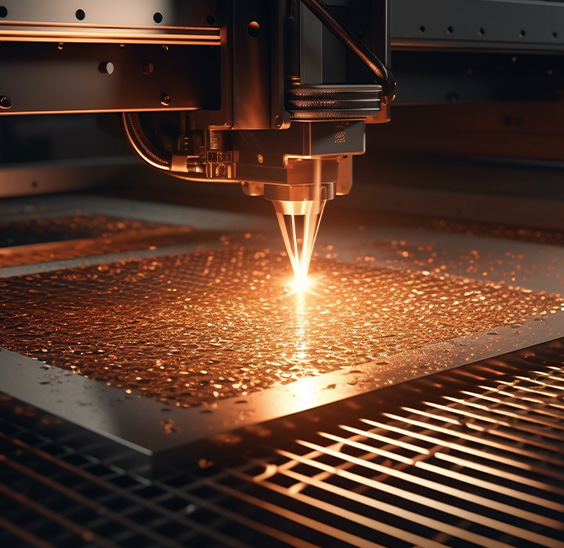
laser cutting

Logistics sorting

Photovoltaic power-station
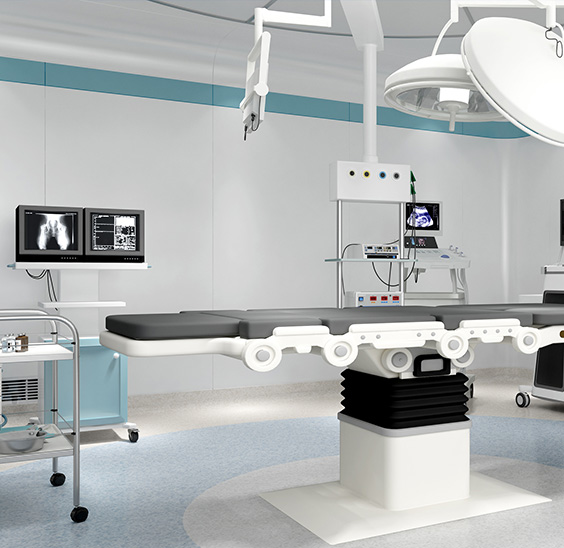
Medical devices
How Thermostatic Heating Valve Improves Room Comfort
Room comfort is closely connected with how evenly heat is distributed and adjusted throughout a space. A heating system may continue supplying warmth, yet the feeling inside a room can change as sunlight enters through a window, a door opens, or people move in and out. Such changes make temperature control more complicated than simply turning a heating system on or off.
A Thermostatic Heating Valve provides a way to adjust heat output according to changes around the radiator. Rather than keeping the heating flow at one fixed level, the valve can respond as the room becomes warmer or cooler. The adjustment helps match heat supply with changing room conditions and can reduce the need for frequent manual changes.
Comfort therefore depends not only on producing heat, but also on how that heat is controlled during everyday use.
Why Does Room Temperature Change During Heating?
Room temperature is affected by many conditions outside the heating equipment itself. A room facing a sunny window may receive additional warmth during part of the day, while a shaded room may continue to depend more heavily on the heating system. Opening a door or window can also change the indoor environment within a short period.
People and household activities contribute to these changes as well. A room may feel different when several people are present compared with when it is empty. Cooking, using electrical equipment, or allowing fresh air into the room can also influence the amount of heat needed.
The building itself plays a role. Windows, walls, doors, and insulation affect how quickly warmth moves between the indoor and outdoor environment. Even rooms within the same building can therefore require different heating responses.
A fixed heating output does not necessarily follow these changes. When the heat supply remains unchanged while the room becomes warmer, the space may gradually feel too warm. When the surrounding conditions become cooler, the same output may not provide the same level of comfort.
Several everyday conditions can alter heating demand:
- Sunlight entering through windows
- Doors opening and closing
- Changes in room occupancy
- Air movement around the room
- Cooking or other indoor activities
- Differences in insulation and window conditions
- Changes in outdoor temperature
These factors do not occur separately from the heating system. They interact with it throughout the day. A room can therefore move between different heating needs without any deliberate change to the heating equipment.
That is where automatic temperature‑based adjustment becomes useful. Instead of relying entirely on manual operation, the heating control can respond to the conditions around the radiator.
How Does a Thermostatic Heating Valve Respond to Room Temperature?
A Thermostatic Heating Valve works by responding to the temperature around the valve and adjusting the amount of hot water entering the radiator. As the surrounding room becomes warmer, the valve can reduce the flow. When the room becomes cooler, it can allow more heat to pass through the radiator.
The process creates a closer relationship between room conditions and heat output. When extra warmth enters the room from sunlight or other sources, the radiator does not need to continue releasing heat at the same level. The valve can gradually reduce the flow as the surrounding temperature rises.
When those additional sources of warmth disappear, the room may begin to cool. The valve can then adjust in the opposite direction, allowing the radiator to provide more heat.
This response is different from simple manual control because the adjustment does not depend on someone noticing every temperature change. The valve works around the conditions present near the radiator.
| Room Condition | Valve Response | Heating Effect |
|---|---|---|
| Room becomes cooler | Allows more heating flow | More warmth enters the room |
| Room temperature rises | Reduces heating flow | Heat output decreases |
| External warmth increases | Limits unnecessary flow | Additional heating is reduced |
| External warmth decreases | Adjusts toward greater flow | Heating support increases |
The purpose is not to keep the radiator at one fixed operating level. Instead, the output changes as the room environment changes.
The location of the valve matters because it responds to the temperature around it. Air circulation, nearby furniture, curtains, or another heat source can influence the conditions detected by the control. Proper placement allows the valve to respond more naturally to the room rather than to an unusual local condition.
This relationship between temperature and heat flow also affects how a room feels over time. Rather than treating heating as a constant process, the system can react to changing demand.
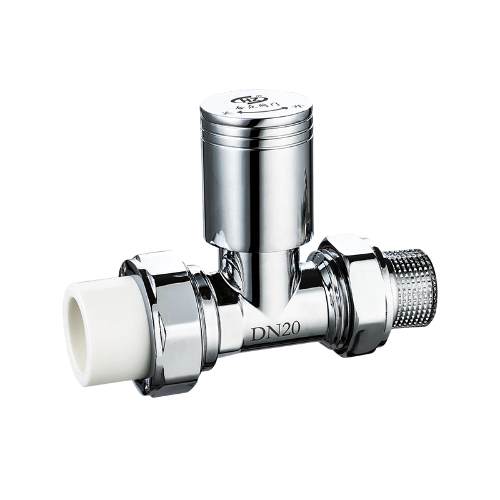
How Can Heat Output Be Matched With Room Conditions?
Heat demand is rarely identical throughout the day. A room may require more warmth after becoming cooler and less heat after receiving warmth from sunlight or indoor activity. Matching the heating output with these changing conditions can help create a steadier indoor environment.
A radiator releases heat into the surrounding space, while the valve controls how much hot water reaches it. When the room is already warm enough, continued high heat flow may add warmth that is no longer needed. Reducing the flow allows the radiator output to respond to the lower demand.
The opposite situation can occur when a room loses heat. Cold air entering through an opened window or door may lower the surrounding temperature. As the room cools, the valve can allow more heating flow, giving the radiator a greater role in restoring warmth.
The process is gradual rather than a simple switch between heating and no heating. That distinction matters for comfort because abrupt changes can make indoor conditions feel inconsistent.
Room layout also influences how heat is perceived. A radiator placed beneath a window may interact with cooler air near the glass, while furniture placed close to the radiator can affect air movement around it. The valve responds to its immediate surroundings, so the surrounding layout needs to allow air to move naturally.
Several practical conditions can influence how well heat output matches room demand:
- The position of the radiator
- Air circulation around the valve
- Distance between the radiator and nearby furniture
- Changes in sunlight
- Door and window use
- The insulation condition of the room
Matching heat output does not mean every part of a room will have exactly the same temperature. Air movement, wall surfaces, windows, and furniture can create small differences within the same space.
The role of temperature control is to respond to these changing conditions in a practical way. A suitable adjustment can prevent the radiator from continuing to provide the same amount of heat when the room has already gained warmth from another source.
As the heat supply becomes more closely related to room conditions, another part of comfort becomes important: how stable the temperature feels during normal use.
Why Does Temperature Stability Affect Room Comfort?
People generally notice changes in indoor temperature through everyday sensations. A room that becomes warm very quickly may feel uncomfortable even when the temperature later settles. Likewise, a space that cools noticeably before the heating responds can feel less comfortable during that period.
Comfort is therefore connected with the way temperature changes, not only with a single temperature setting.
A heating system that supplies heat continuously without responding to changing room conditions can create periods of unnecessary warmth. Manual adjustment can address the problem, yet it requires someone to notice the change and make a correction.
Automatic adjustment changes the process. As room conditions shift, the heating flow can change along with them. The radiator may receive less hot water when the surrounding space becomes warmer and more when additional heating is needed.
This gradual response can make the heating experience feel less dependent on repeated manual intervention. It also allows different rooms to respond to their own local conditions instead of treating the entire building as one uniform space.
For example, a room receiving strong sunlight may need less radiator heat for part of the day, while a shaded room may continue to require heating. Treating both spaces in exactly the same way does not account for their different conditions.
Comfort can also be influenced by how quickly a room responds after a change. A control system that adjusts gradually can avoid unnecessary swings between heating and reduced heating.
The connection can be understood through several aspects:
- Stable warmth: heat output follows changes in room conditions.
- Reduced overheating: heating flow can decrease as the surrounding space becomes warmer.
- Responsive heating: additional heat can become available as the room cools.
- Less manual adjustment: temperature changes do not always require direct intervention.
These factors become more relevant when different rooms are used in different ways. A bedroom may have a different heating pattern from a living area, while an office may experience temperature changes as people arrive, leave, or open doors and windows.
The next consideration is therefore not simply how a valve responds, but how different rooms create different heating requirements. Once the control process is viewed at room level, the relationship between heating adjustment and everyday use becomes easier to see.
How Do Different Rooms Require Different Heating Control?
Not every room responds to heating in the same way. The amount of warmth needed can change with room size, window position, daily activity, and how often the space is occupied. A living room used throughout the day may have a different heating pattern from a bedroom used mainly during certain hours.
Sunlight is another factor. A room with large windows can gain warmth when sunlight enters, while a room with limited natural light may depend more consistently on the heating system. Doors and windows can create further changes as people move through the space.
Furniture placement can also affect how warmth travels. A large item placed close to a radiator may restrict air movement around it, changing how heat spreads through the room. Curtains can have a similar effect when they cover part of the radiator.
For these reasons, room‑by‑room control can be useful in buildings where different spaces have different conditions. Instead of applying one fixed heating setting throughout an entire property, each radiator can respond to the environment around it.
A Thermostatic Heating Valve supports this type of control by allowing the heating flow to change according to the temperature near each radiator. One room may reduce its heating flow as sunlight raises the surrounding temperature, while another can continue receiving heat because its conditions remain cooler.
The difference becomes particularly noticeable in spaces with changing occupancy. A meeting room, guest room, or bedroom may not need the same heating response throughout the day. Automatic adjustment allows the heat supply to react to those changes without requiring constant manual operation.
Room‑specific heating control can therefore take into account:
- How often the room is occupied
- Exposure to sunlight
- Window and door use
- Furniture arrangement
- Air movement
- The position of the radiator
- Changes in daily activity
The goal is not to make every room operate in exactly the same way. Instead, heating control can reflect the conditions found in each space.
How Does Valve Adjustment Affect Daily Heating Use?
Heating control becomes part of everyday life through small changes that may otherwise go unnoticed. A room warms after receiving sunlight, becomes cooler when a door remains open, or loses heat as fresh air enters. Each situation changes the amount of warmth required from the radiator.
Without automatic adjustment, someone may need to change the heating setting whenever these conditions occur. That approach can work in a simple environment, yet it becomes less convenient when temperature conditions change repeatedly.
Automatic valve adjustment provides a different way of handling these changes. As the surrounding temperature rises, the valve can reduce the flow of hot water. When the room cools, the flow can increase again. The process takes place alongside normal room use.
This does not mean the valve replaces the entire heating system. The heat source, radiator, pipework, room insulation, and control setting all continue to affect the indoor environment. The valve works as part of that wider arrangement.
Daily use can involve many small temperature changes:
- A window is opened for ventilation.
- Sunlight reaches the room during part of the day.
- Several people enter the space.
- A room becomes empty for a period.
- An internal door remains open between two spaces.
- Furniture is moved closer to or farther from a radiator.
Each condition can change the local demand for heat. A responsive valve can adjust the radiator's contribution instead of keeping the flow at one unchanged level.
There is also a practical difference between heating a room and maintaining a comfortable environment. Continuous heat output does not necessarily mean that the room will feel consistently comfortable. When conditions change, the heating response needs to change with them.
This is why temperature‑based adjustment can become useful in everyday operation. It allows the heating system to react to the room rather than requiring every adjustment to come from the person using the space.
What Factors Can Influence Heating Valve Performance?
The way a heating valve performs depends on more than the valve itself. Its surroundings can affect the temperature it detects, while the radiator and wider heating system determine how the adjustment translates into actual heat output.
Location is particularly important. The control needs to sense room air rather than being strongly affected by another nearby heat source. If furniture, curtains, or an enclosed space restrict air movement around the valve, the temperature around the control may not represent the wider room very well.
Radiator condition also matters. A valve can adjust the heating flow, yet the radiator still needs to transfer that heat into the room. Dust, restricted airflow, or objects placed directly against the radiator can affect heat movement.
Room insulation creates another influence. A well‑insulated space may retain warmth for longer after the heating flow is reduced, while a room with greater heat loss may cool more quickly.
Several surrounding conditions deserve attention when considering heating control:
- Valve position — the control should have access to room air rather than being enclosed.
- Radiator surroundings — furniture and curtains should not unnecessarily restrict air movement.
- Room insulation — walls, windows, and doors affect how quickly heat leaves the space.
- Ventilation — fresh air entering the room can change the local temperature.
- Heating system condition — the radiator and related components need to operate as intended.
Temperature control also works within the limits of the overall heating arrangement. If a heating system cannot provide enough heat to a room, changing the valve setting alone cannot create additional heat. Likewise, a well‑functioning valve cannot fully compensate for blocked airflow or unsuitable radiator placement.
The surrounding environment should therefore be considered whenever room comfort is being evaluated. A control component may adjust correctly while other conditions prevent the room from responding as expected.
This broader view helps connect temperature regulation with the actual layout and use of a building.
Where Can Thermostatic Heating Valve Support Room Comfort?
Room‑based heating control can be useful in residential spaces, offices, and other buildings where different areas experience different temperature conditions. The need for adjustment may come from sunlight, occupancy, ventilation, room location, or changes in daily activity.
In a home, bedrooms and living areas may follow different patterns. A bedroom may remain unused for part of the day, while a living room can have regular activity and changing heat from people and equipment. Separate adjustment allows each space to respond to its own conditions.
Office environments can have similar differences. A room near a window may warm differently from an interior workspace, while meeting rooms can experience rapid changes when people enter and leave. Local heating control can respond to these differences without requiring the same setting throughout the building.
Other indoor spaces can also benefit from room‑specific adjustment when their heating needs change according to use. The principle remains the same: heat output should correspond with the conditions around the radiator.
A Thermostatic Heating Valve can support that process by connecting radiator heat flow with changes in surrounding temperature. Its role is relatively focused, yet its effect on everyday comfort depends on how it works together with the radiator, room layout, insulation, and heating system.
The practical relationship can be seen across several situations:
- A sunny room may need less radiator heat as natural warmth increases.
- A shaded room may continue to require heating for longer.
- An occupied space can gain additional warmth from normal activity.
- An unused room may have a different heating demand.
- Opening a window can temporarily change the surrounding temperature.
- Furniture placement can influence air movement around the radiator.
Room comfort is therefore shaped by a combination of heating supply and changing indoor conditions. Temperature control becomes useful when it can respond to those changes without requiring constant manual intervention.
A room does not remain in one fixed state throughout the day. Its heating needs move with sunlight, occupancy, ventilation, furniture arrangement, and the way the space is used. Connecting radiator output with these changes allows heating control to follow the room more naturally, which is where the role of the Thermostatic Heating Valve becomes relevant in everyday indoor comfort.
Related products
-
-
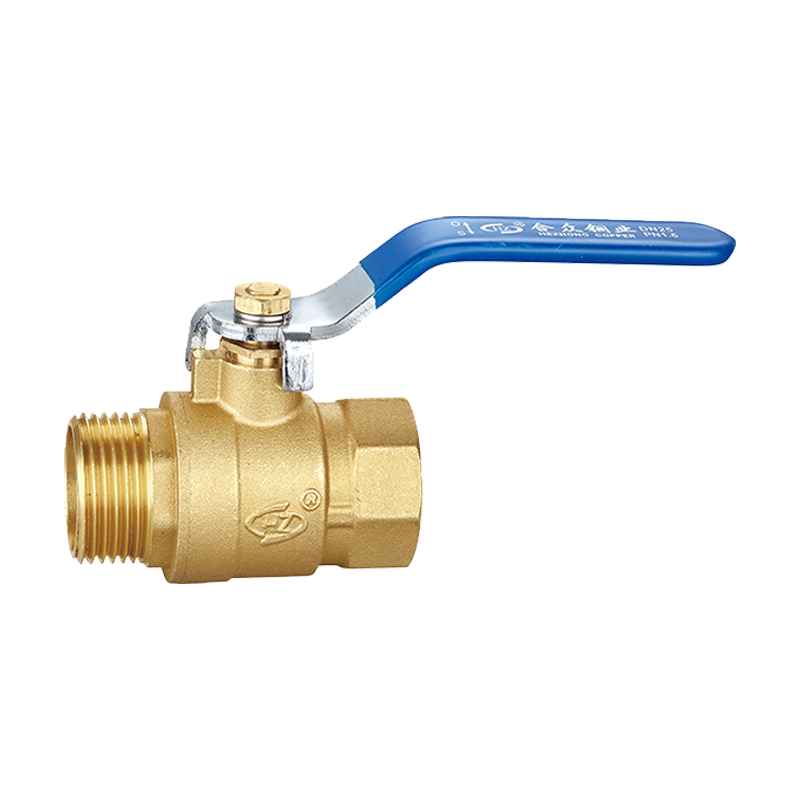 Male Thread Brass Ball Valve for Water & HVAC Systems
This male thread brass ball valve is made of national standard forged brass with RP male t...
-
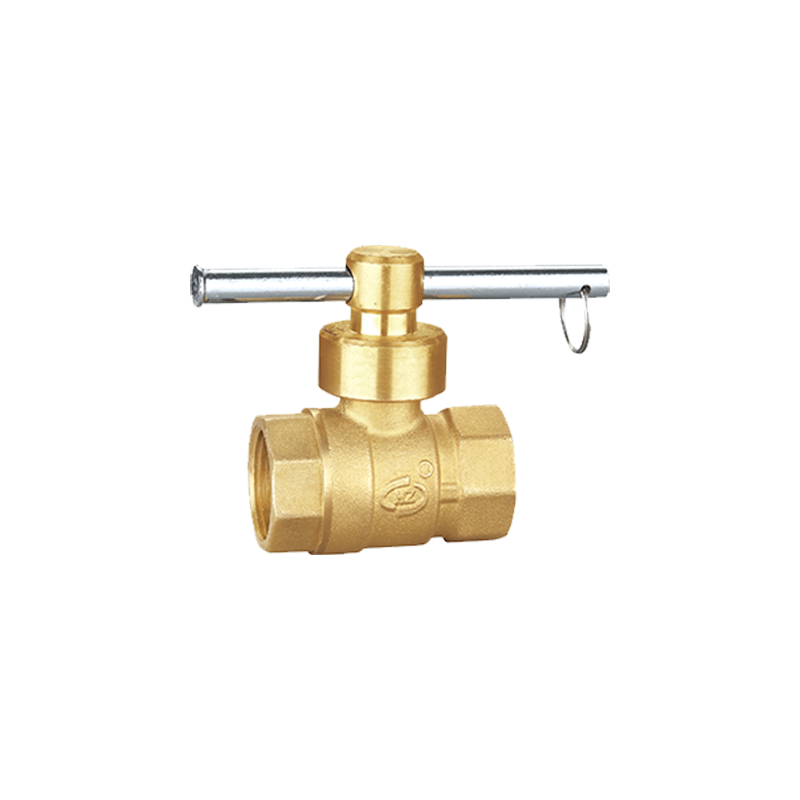 One‑Word Magnetic Lock-Off Ball Valve
This is One‑Word Magnetic Lock‑Off Ball Valve of the Water Utilities Series. It is integr...
-
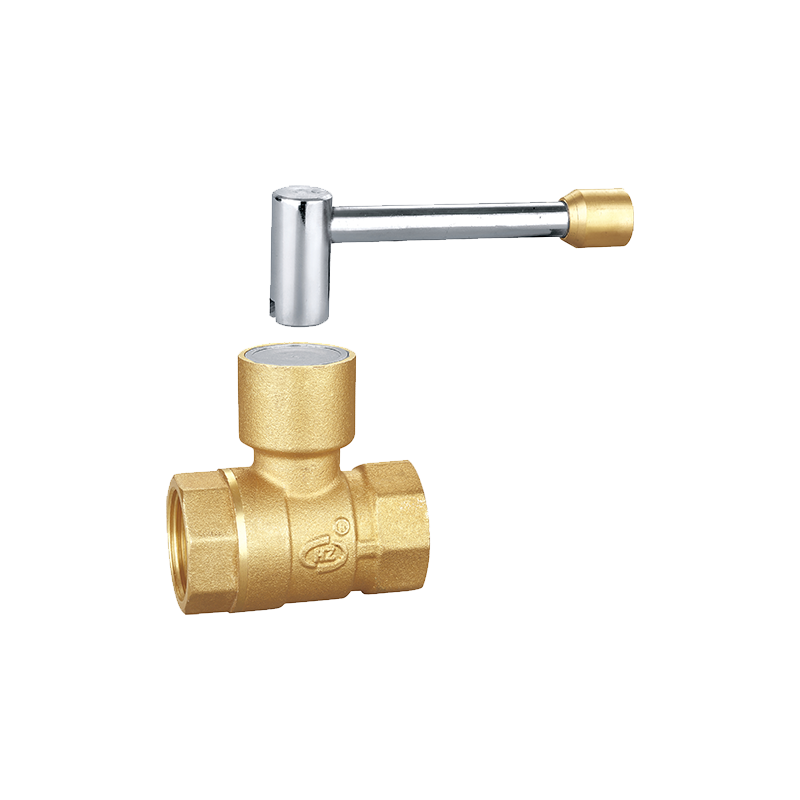 Brass Magnetic Lock-Off Ball
This brass magnetic lock‑off ball valve has a high‑quality forged brass valve body with st...
-
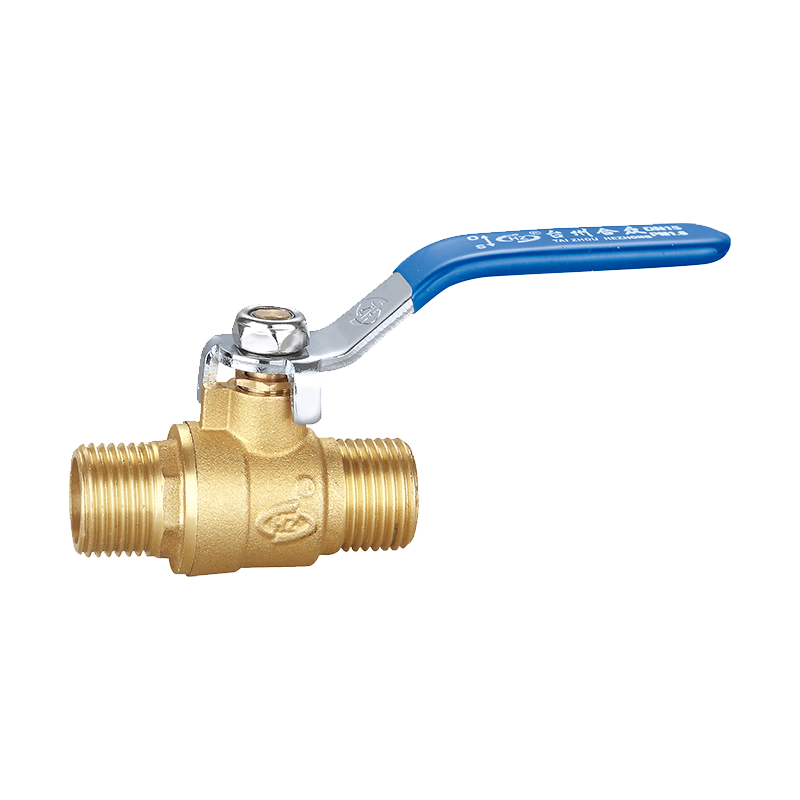 Double Male Brass Ball Valve for Water & HVAC Systems
Double male brass ball valve features male threads on both ends for direct in-line connect...
-
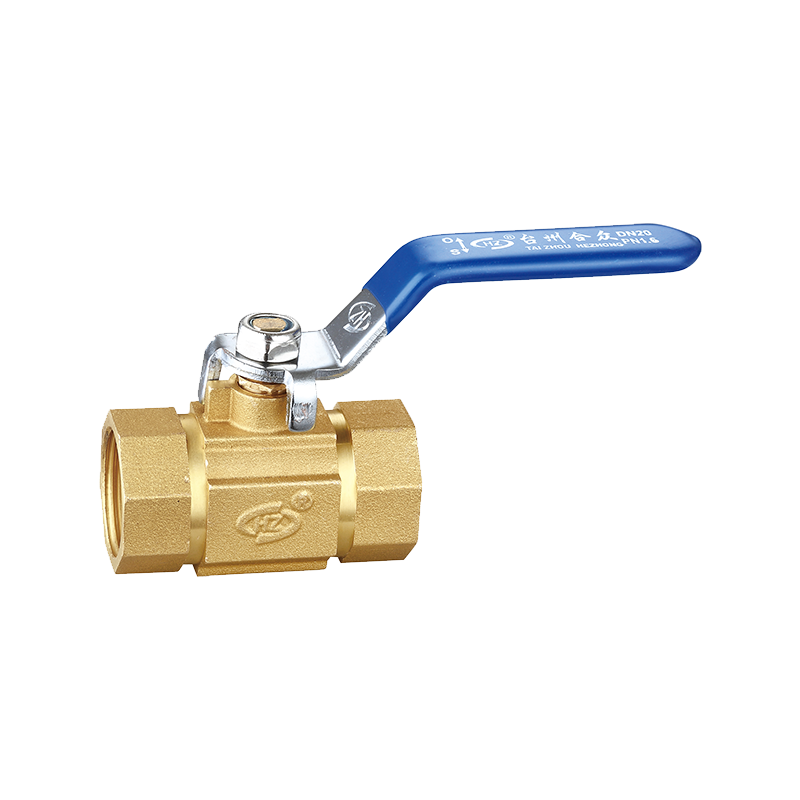 Square Body Ball Valve
This square body ball valve is integrally forged from high‑quality brass. Its square‑shape...
-
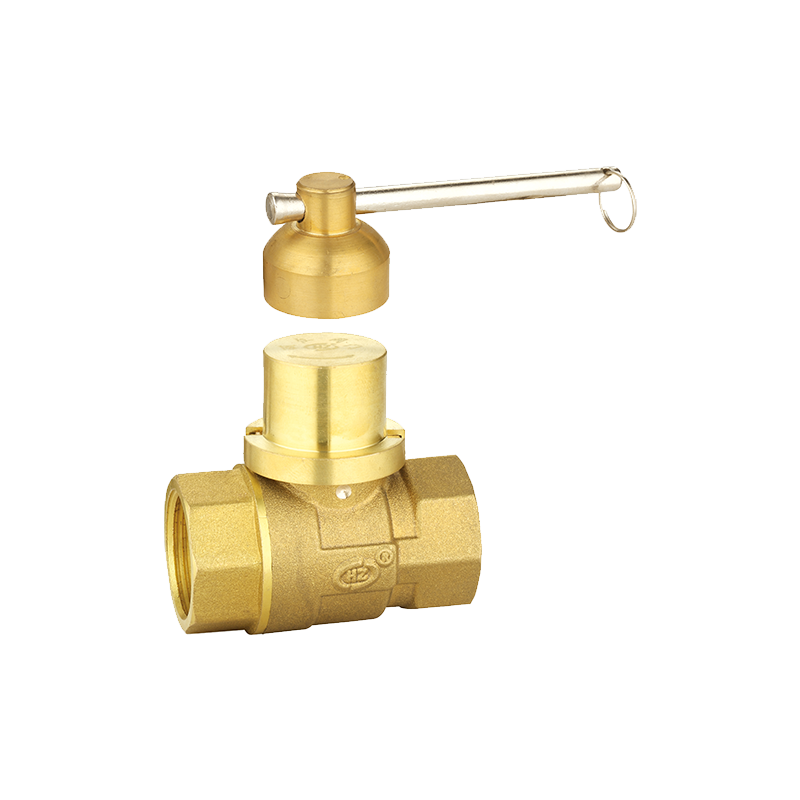 Magnetic Ball Valve for Front of Water Meter
Forged metal tee fitting with M30 loose nut for gas meter inlet connection, double 1/2" ma...
-
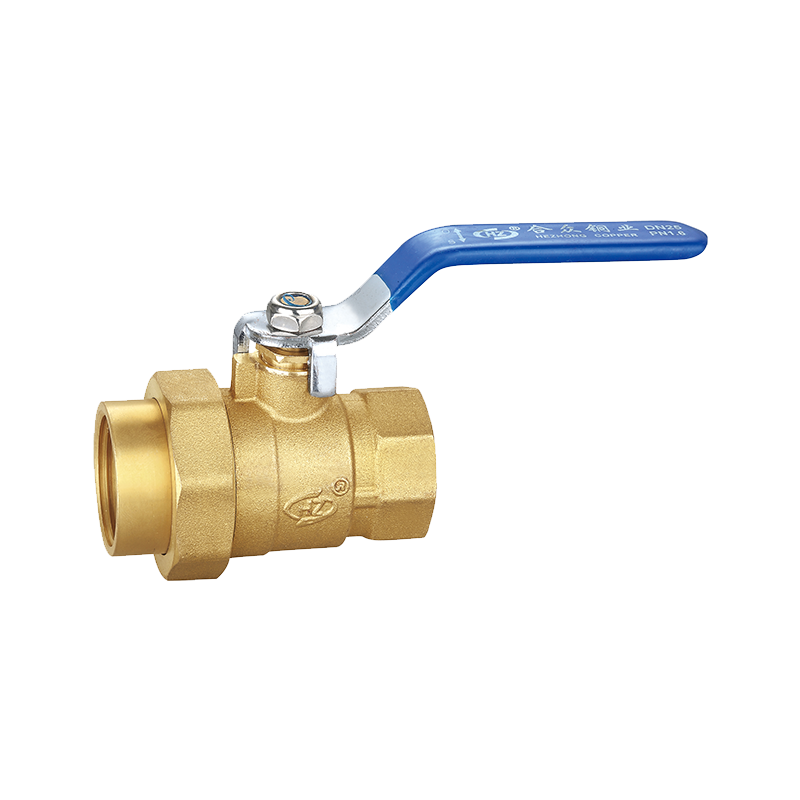 Female Thread Union Brass Ball Valve
This female thread union brass ball valve is made of high-quality brass. It has female thr...
-
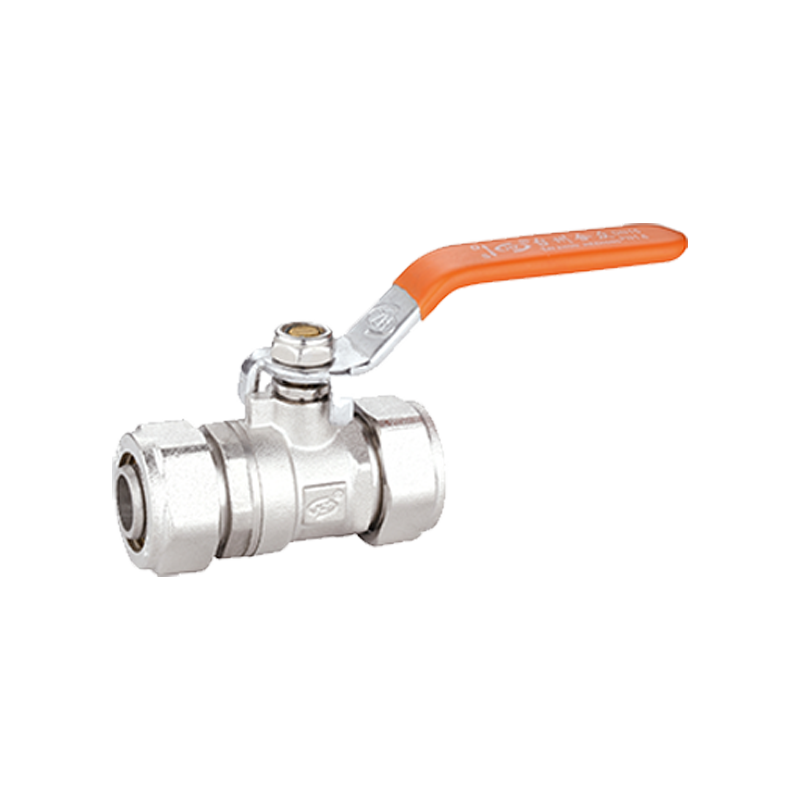 Brass Compression Ball Valve for PEX-AL-PEX Pipe
Brass Compression Ball Valve is forged from high‑quality brass, featuring high‑strength va...
-
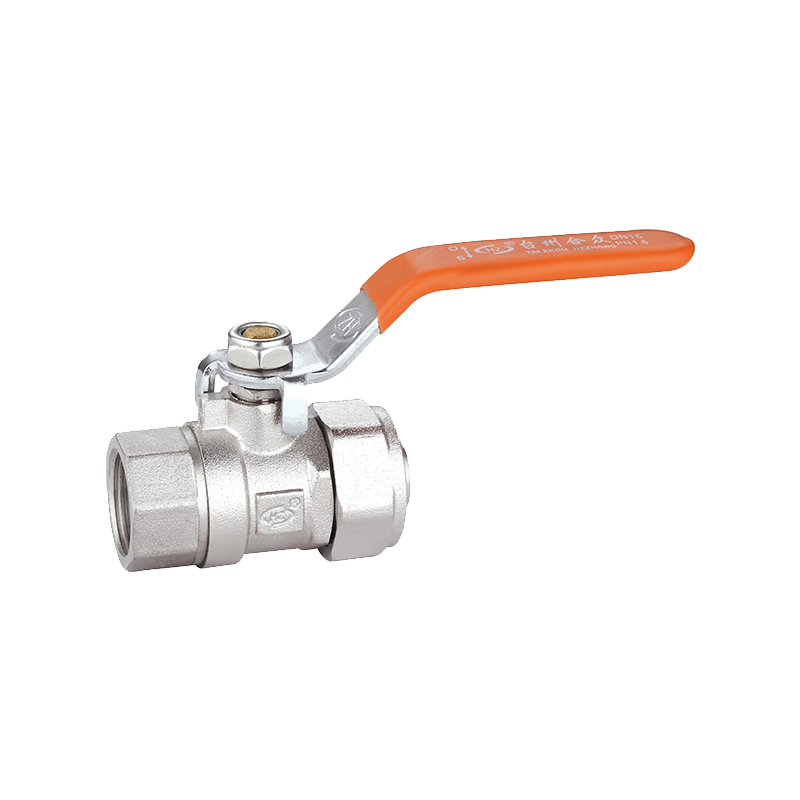 Female-Thread-Brass Compression Ball Valve for PEX-AL-PEX Pipe
This ball valve features a compression connection on one end and a female thread on the ot...
-
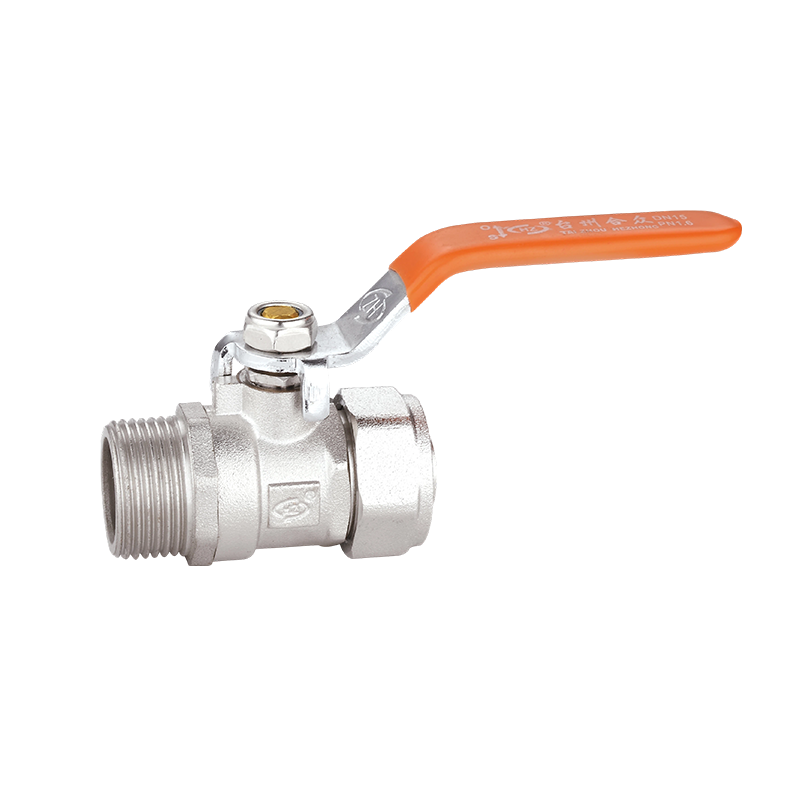 Male-Thread-Brass Compression Ball Valve for PEX-AL-PEX Pipe
This brass compression ball valve is made for PEX-AL-PEX pipe. Connecting different pipe m...
-
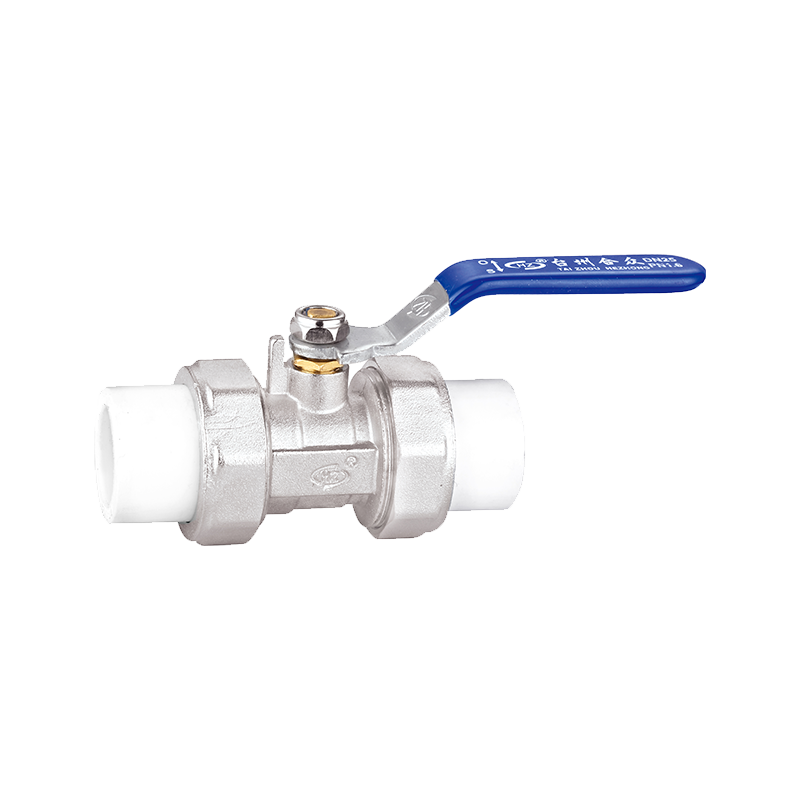 PPR Double Union Ball Valve
This PPR ball valve features a double‑union structure, compatible with hot‑melt connection...
CONTACT DETAILS
- TEL: +86-18158607688
- E-mail: [email protected]
- Address: Zhongshan Industrial Zone, Chumen Town, Yuhuan City, Taizhou, Zhejiang Province, China
