 EN
EN  English
 русский
 中文简体
中文简体
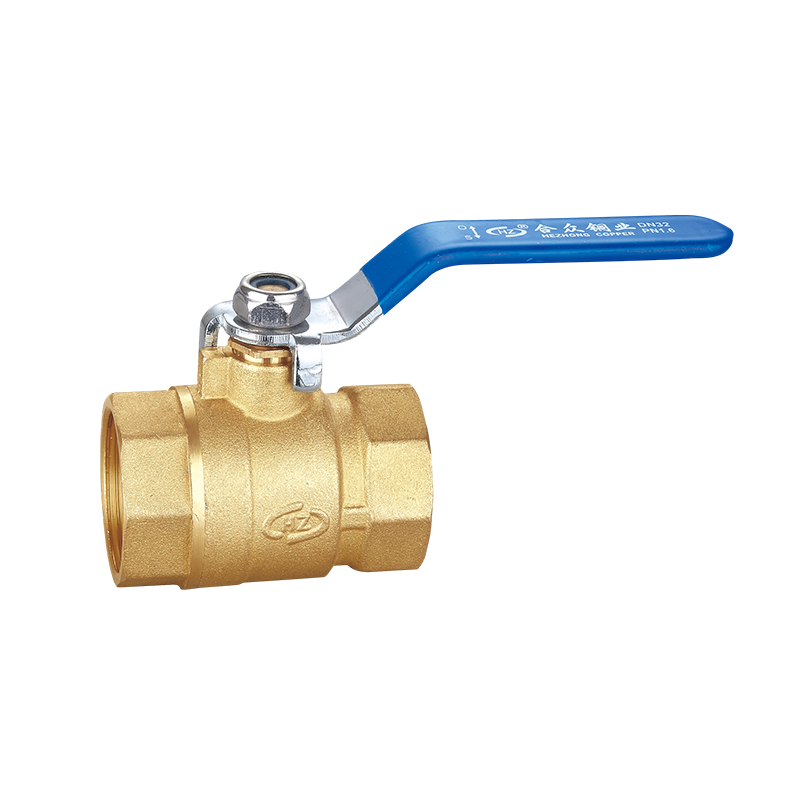
This brass ball valve is built for water lines, HVAC loops, and compressed air systems whe...
Home / News / Industry News / Why a Handle Ball Valve Becomes Hard to Turn: Common Causes and Design Factors


AGV

Automated robots

laser cutting

Logistics sorting

Photovoltaic power-station

Medical devices
A handle ball valve is usually pretty simple to use. Turn the handle a quarter turn, and the valve opens or closes. You shouldn't need to put your whole body into it.
So when a valve that used to turn easily suddenly starts sticking, something is probably going on. Maybe there's dirt caught inside. Maybe the seals have started to wear out. Or perhaps the valve is working under conditions it wasn't really designed for.
The annoying part is that several problems can feel almost the same. You pull harder on the handle, it moves a little, then sticks again. That doesn't tell you much about what's happening inside the valve.
For maintenance teams, the obvious temptation is to force it or tighten something until the problem seems to go away. Neither approach is a good place to start. Too much force can damage the stem or handle, and tightening the wrong part can make the valve even harder to operate.
Let's look at what can cause the trouble, how to narrow it down, and what matters when choosing a replacement.
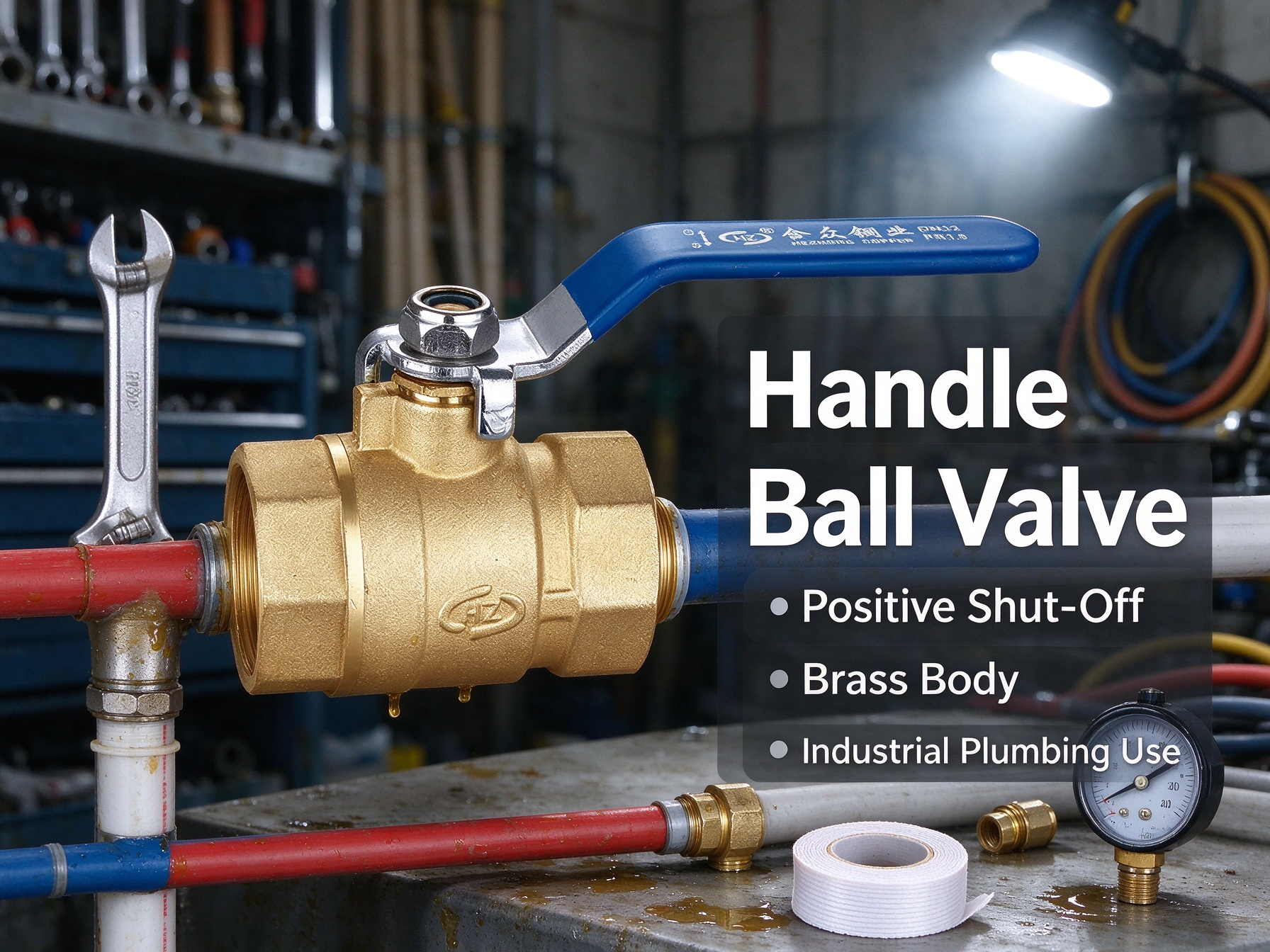
Inside a ball valve, there's a round ball with a hole through it. When you turn the handle, the ball rotates. The hole lines up with the pipe when the valve is open; turn it another quarter turn, and the solid side of the ball blocks the flow.
Simple enough. But the ball doesn't spin freely in empty space. It sits against sealing rings, and the stem that connects it to the handle has to move through its own sealing arrangement.
That's where things can get a little sticky.
The seats press against the ball to stop fluid from leaking through the closed valve. Some friction is normal. Too much friction, however, makes the handle harder to move. The stem packing can add resistance too, especially if it's been overtightened or has started to deteriorate.
It's also worth paying attention to when the problem started. A new valve that's stiff straight out of the box raises different questions from one that's been working on a production line for two years.
If the valve has always felt heavy, check its design, assembly, and operating torque. If it used to turn smoothly and only recently became difficult to move, dirt, wear, corrosion, or changing process conditions are more likely places to look.
Pipes don't always carry clean fluid. Water can leave mineral scale behind, old pipes can shed rust, and industrial liquids may contain sand or other particles. These bits of unwanted material can end up around the ball or between the ball and its seats.
You might not notice anything wrong at first. Then, one day, the handle starts to feel rough or catches during the turn.
Small particles are especially troublesome when they get stuck between two surfaces that are supposed to fit closely together. The operator feels the extra resistance but can't see what's causing it from the outside.
This is one reason a valve can become stiff again soon after replacement. If the pipeline is dirty and nobody deals with the contamination, the new valve may run into exactly the same problem.
A strainer or suitable filtration system can help in applications where particles are expected. Flushing the line may also be needed before a new valve goes in. The right approach depends on the fluid and the system, but simply fitting another valve doesn't remove debris that's already in the pipe.
The seats are there to help the valve shut off the flow. Their job is important, but the material and fit have to suit the application.
If the seats create too much friction, the ball needs more force to rotate. A seat can also change over time. Some materials may swell when exposed to an incompatible fluid; others may become damaged by unsuitable temperatures or operating conditions.
PTFE is commonly used for ball valve seats because it offers useful sealing properties and relatively low friction in many applications. Still, the material name alone doesn't tell you whether it's suitable for a particular job. The fluid, temperature, pressure, and frequency of operation all need to be considered.
Here's a situation worth checking: the valve worked well before a process change, but started getting stiff after the fluid or operating temperature changed. That doesn't automatically mean the seat is responsible, but it gives maintenance staff a sensible lead to investigate.
And don't assume that a tighter seal is always a good thing. A valve needs to shut off properly, but excessive friction can make everyday operation difficult and put extra stress on the handle and stem.
A valve may turn easily when the system is idle but feel much harder to operate once the line is running. Pressure can be part of the reason.
Depending on the valve's design, the pressure difference across the ball can increase the force pressing the ball against its seats. More contact pressure can mean more friction, which means more effort is needed at the handle.
This is why looking at the system's normal pressure alone may not tell the whole story. The pressure difference across the valve and the conditions during operation also matter.
If the valve has become difficult to turn only under certain operating conditions, make a note of those conditions. Does it happen when the pump is running? Does the handle become easier to move after the line has been depressurized? That information can help a technician work out whether pressure is contributing to the problem.
Never try to prove the point by forcing a pressurized valve. Follow the site's safety procedures and have qualified personnel check the system where necessary.
Take a look at the area where the stem comes out of the valve body. That part needs a seal to prevent fluid from escaping around the stem, and packing is commonly used for this purpose.
The packing has to be compressed enough to seal. The trouble starts when it's compressed too much.
This can happen during maintenance. Someone notices a small leak around the stem, tightens the packing, and stops the leak. But now the handle takes much more effort to turn.
It's an easy problem to overlook because the adjustment may appear to have fixed one issue while creating another.
Packing can also deteriorate with age or become affected by the process fluid. If the valve is leaking and feels stiff at the same time, don't keep tightening it without checking the manufacturer's instructions. The packing may need adjustment or replacement.
Before touching the packing or opening up the valve, isolate and depressurize the system according to the relevant safety procedures.
Outdoor valves have to deal with rain, damp air, dust, and temperature changes. In industrial settings, the fluid itself may be corrosive. Over time, the wrong material choice or inadequate protection can lead to corrosion around the stem, handle hardware, or internal parts.
Wear is a little different. A valve that opens and closes frequently can gradually develop damage to its moving or sealing surfaces. The result might be a rough turn, uneven resistance, or a handle that catches at one particular point.
Pay attention to changes in how the valve feels. A handle that's consistently a little heavy may point to one issue; a handle that suddenly jerks or catches deserves a closer look.
If the stem is damaged, the seats are worn out, or internal parts are badly corroded, an external adjustment may not solve anything. The valve may need repair or replacement, depending on its construction and the availability of suitable parts.
Nominal size isn't the whole story. Two valves may have the same connection size and pressure rating but still require different amounts of force to operate.
A few design details make a difference:
|
Part or design detail |
Why it matters |
|---|---|
|
Ball finish |
Roughness or damage can increase friction against the seats. |
|
Seat material |
Different materials behave differently when exposed to heat, pressure, and chemicals. |
|
Stem fit |
Poor alignment or a damaged stem can make the movement uneven. |
|
Packing |
Excessive compression can make the handle harder to turn. |
|
Handle length |
A longer handle gives the operator more leverage, but doesn't remove the cause of excessive friction. |
|
Assembly quality |
Poor fit or inconsistent assembly can affect how smoothly the valve works. |
The handle deserves a little extra attention here. A longer handle can make a valve easier to turn because the operator has more leverage. But adding a pipe extension to a stubborn handle isn't a proper fix. If the valve is binding, extra force may damage the stem or the handle connection.
Assembly quality matters too, particularly when buying valves in quantity. If several valves from the same batch feel unusually stiff, it's worth checking whether they're being assembled consistently. One troublesome valve might have picked up dirt on site; a whole batch showing the same problem could point to a manufacturing or design issue.
There's no need to take every stiff valve apart immediately. A few basic checks can help narrow down the cause.
Start with the timing. Has the handle been stiff since installation, or did the problem appear after months of normal use? Did it begin after maintenance or a change to the process? These details are often more useful than guessing at the cause.
Try to identify when the resistance occurs. Is the handle heavy throughout the turn, or does it catch at one point? Does the problem only appear while the system is operating? Don't force the handle to find out; use the conditions already observed during normal operation.
Look at the accessible parts. Check for a bent handle, loose hardware, visible corrosion, or an obstruction around the operating area. A problem with the handle connection can feel like a problem with the valve itself.
Review the fluid and operating conditions. If the medium, temperature, or pressure has changed, check whether the valve is still suitable for the job. Also consider whether particles or deposits might be getting into the valve.
Think about the last maintenance job. Was the packing tightened? Were internal parts replaced? Was the valve reinstalled? If the stiffness appeared straight after the work, go back through the procedure before blaming the valve's age.
If these checks don't explain what's happening, a qualified technician may need to inspect the internal components. Make sure the valve is isolated and depressurized before disassembly. If the ball, stem, seats, or body are damaged, replacing the valve may make more sense than attempting a repair.
A valve can match the pipe perfectly and still be a poor fit for the job.
Connection size and pressure rating are important, of course, but they won't tell you everything about operating effort. When requesting a quote, give the manufacturer a clearer picture of the actual application.
It helps to provide the following details:
That last point can save trouble for distributors and equipment manufacturers. If you're supplying the same valve to multiple customers or fitting it into a standard assembly, inconsistent handle resistance can lead to complaints even when the basic dimensions are correct.
You don't necessarily need a complicated specification. You do need to explain how the valve will be used so the supplier can make a sensible recommendation.
Some valves need very little attention for years. Others work in dirty, hot, corrosive, or frequently changing conditions and need closer monitoring. The maintenance schedule should reflect the actual application.
When a valve is used regularly, operators should pay attention to changes in handle movement. A valve that gradually gets harder to turn shouldn't simply become part of the routine.
Keep the area around the valve clean, check for visible leaks, and investigate changes in the process that could affect the internal materials. If particles keep showing up in the valve, look at the source of the contamination instead of replacing the same component repeatedly.
Be careful with lubrication, too. Some valves aren't designed for field lubrication, and an unsuitable product can affect the seals or contaminate the fluid. Check the manufacturer's instructions before applying anything.
The main point is simple: a handle ball valve that suddenly becomes difficult to turn is giving you a reason to check what's changed. The cause could be debris, seat friction, pressure, packing, corrosion, or a mismatch between the valve and its application. Find out which one you're dealing with before reaching for a longer handle or ordering another valve. That small bit of investigation can save both maintenance time and unnecessary replacement costs.
This brass ball valve is built for water lines, HVAC loops, and compressed air systems whe...
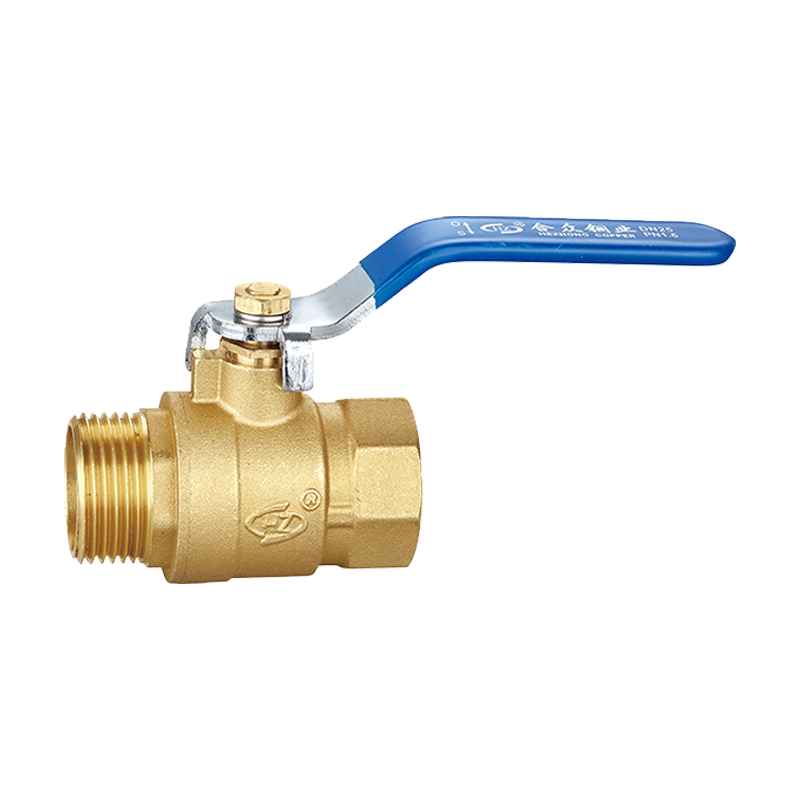
This male thread brass ball valve is made of national standard forged brass with RP male t...
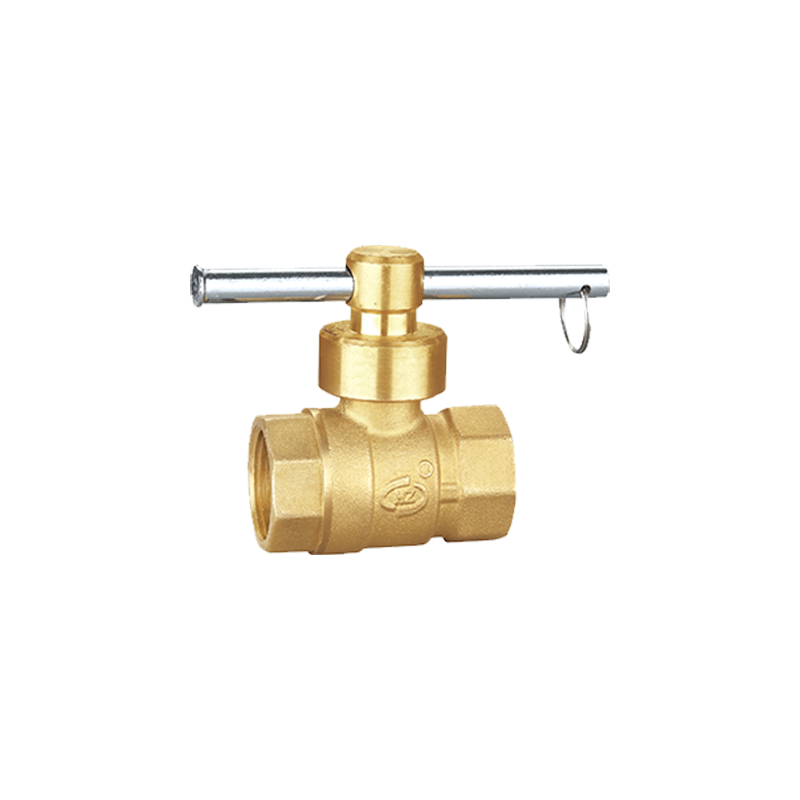
This is One‑Word Magnetic Lock‑Off Ball Valve of the Water Utilities Series. It is integr...
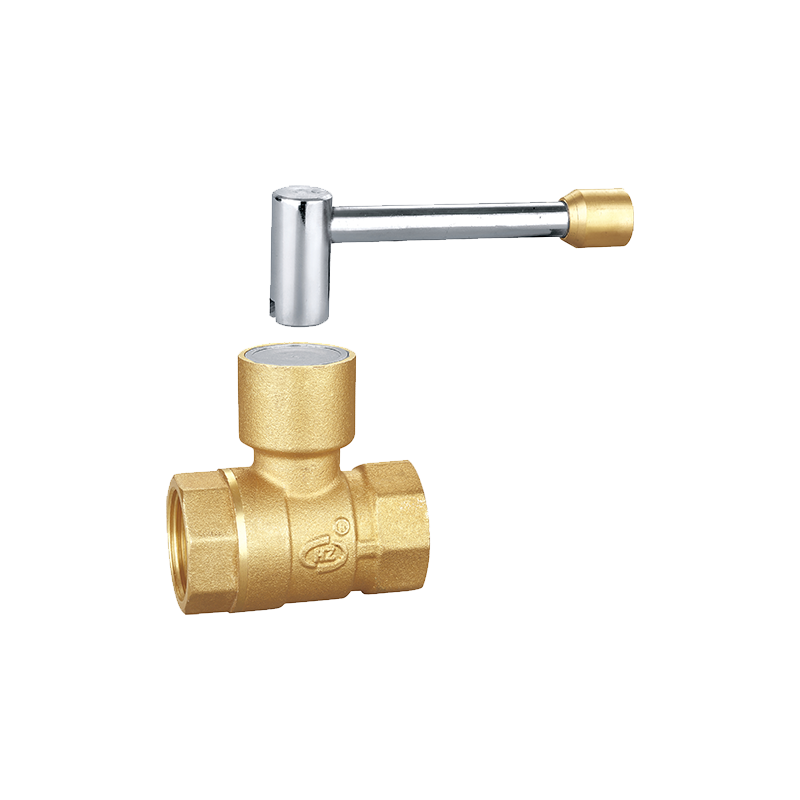
This brass magnetic lock‑off ball valve has a high‑quality forged brass valve body with st...
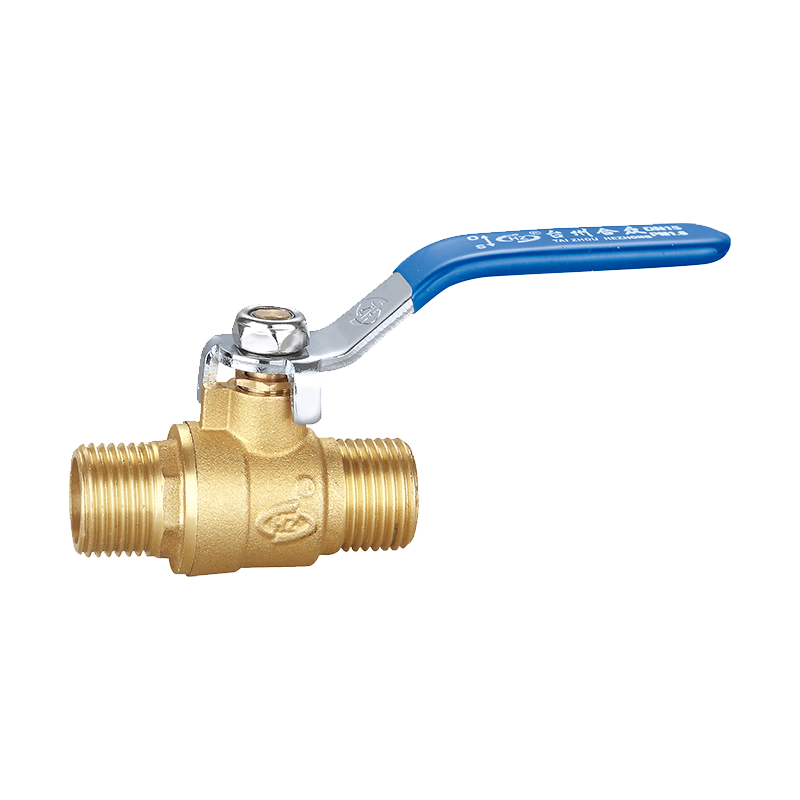
Double male brass ball valve features male threads on both ends for direct in-line connect...
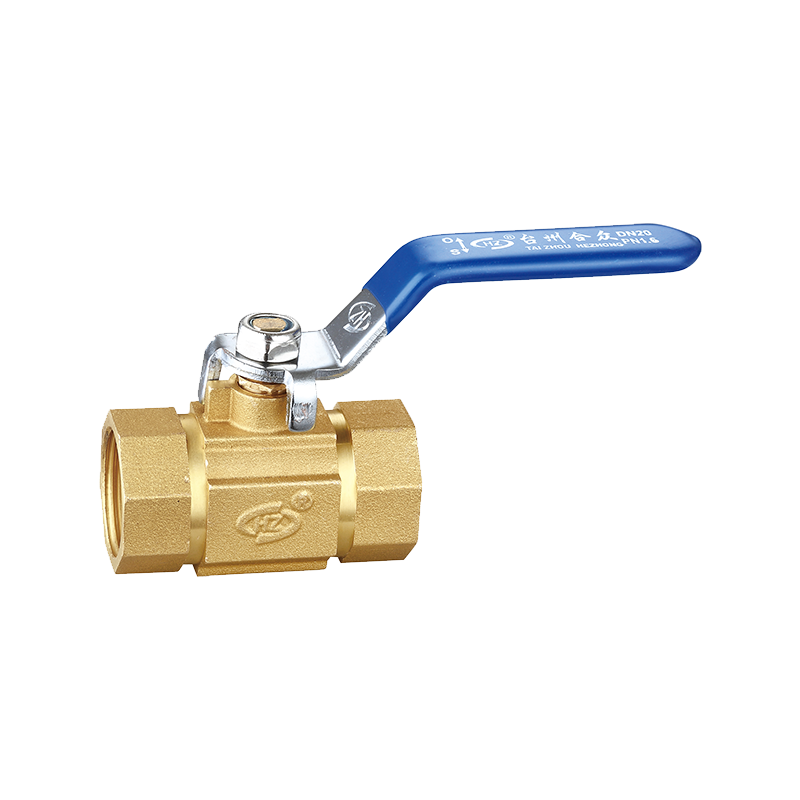
This square body ball valve is integrally forged from high‑quality brass. Its square‑shape...
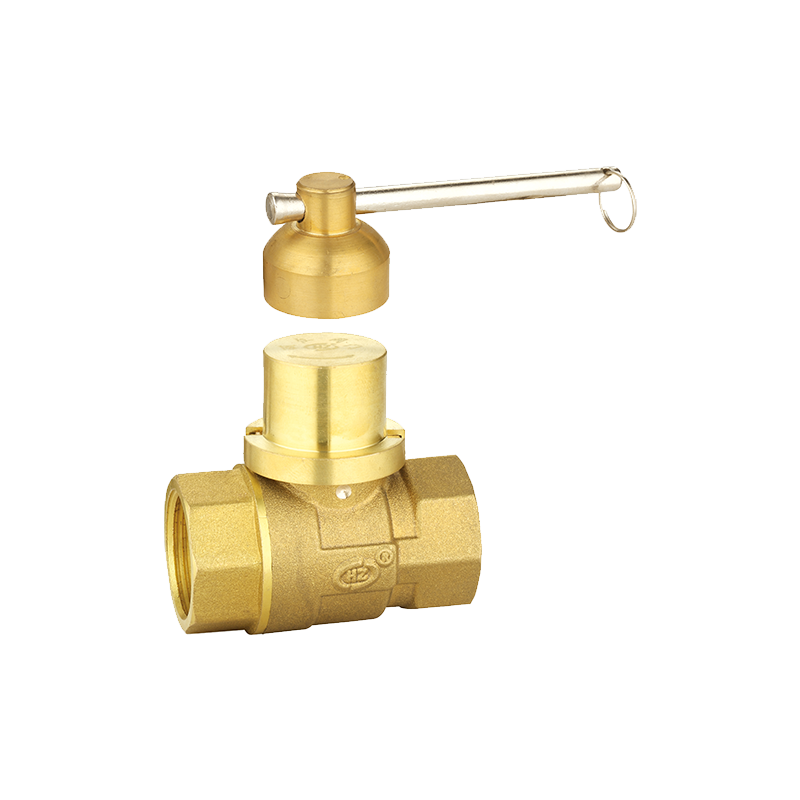
Forged metal tee fitting with M30 loose nut for gas meter inlet connection, double 1/2" ma...
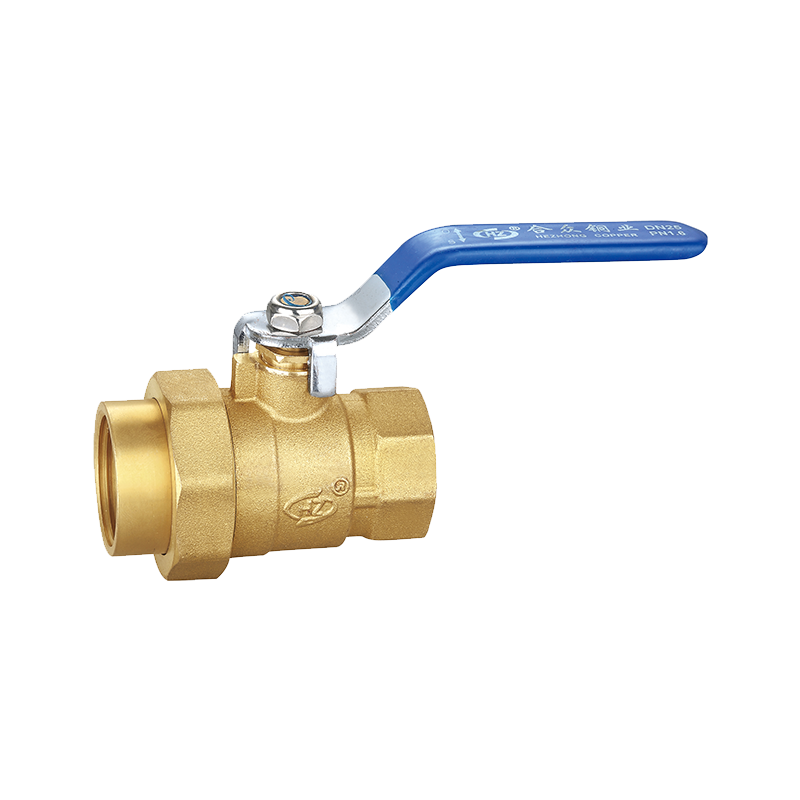
This female thread union brass ball valve is made of high-quality brass. It has female thr...
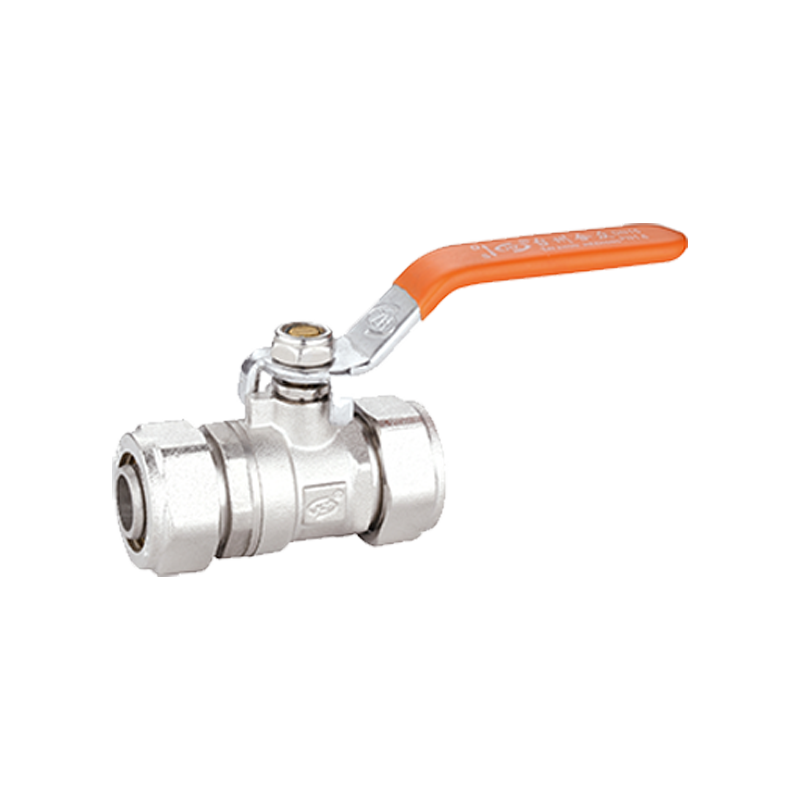
Brass Compression Ball Valve is forged from high‑quality brass, featuring high‑strength va...
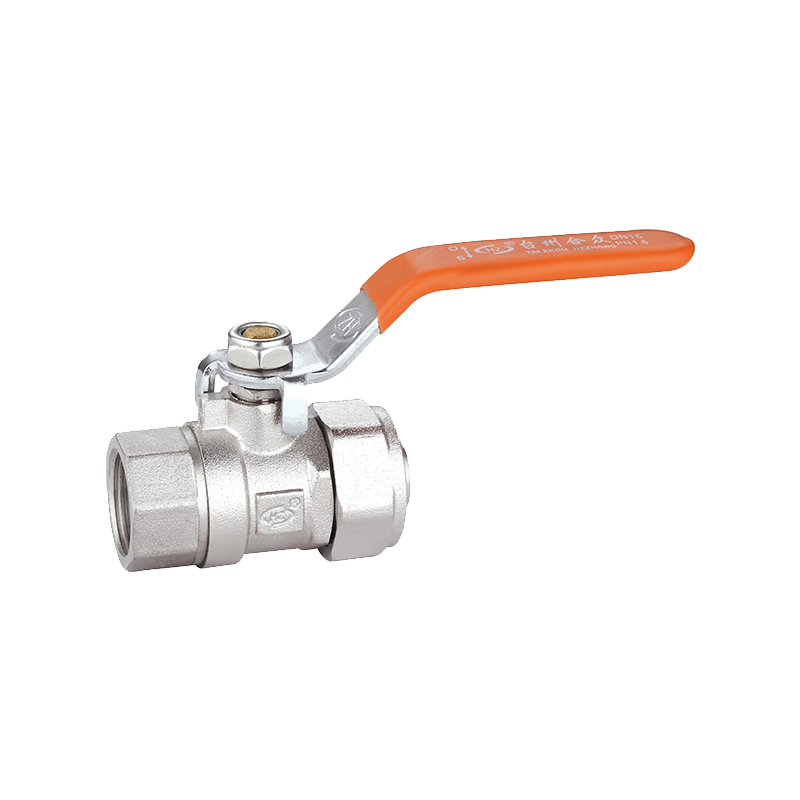
This ball valve features a compression connection on one end and a female thread on the ot...
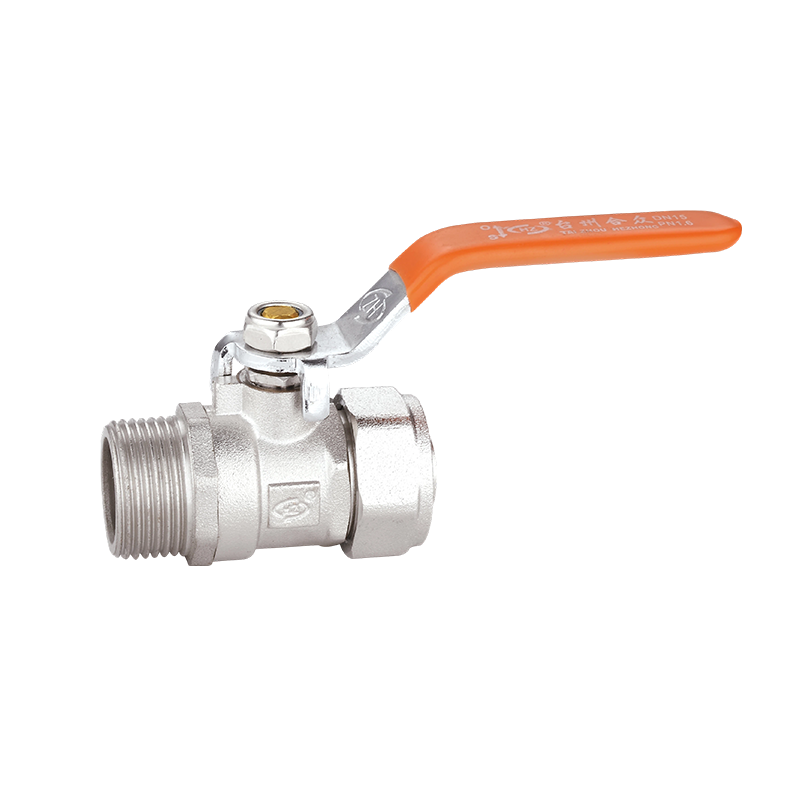
This brass compression ball valve is made for PEX-AL-PEX pipe. Connecting different pipe m...
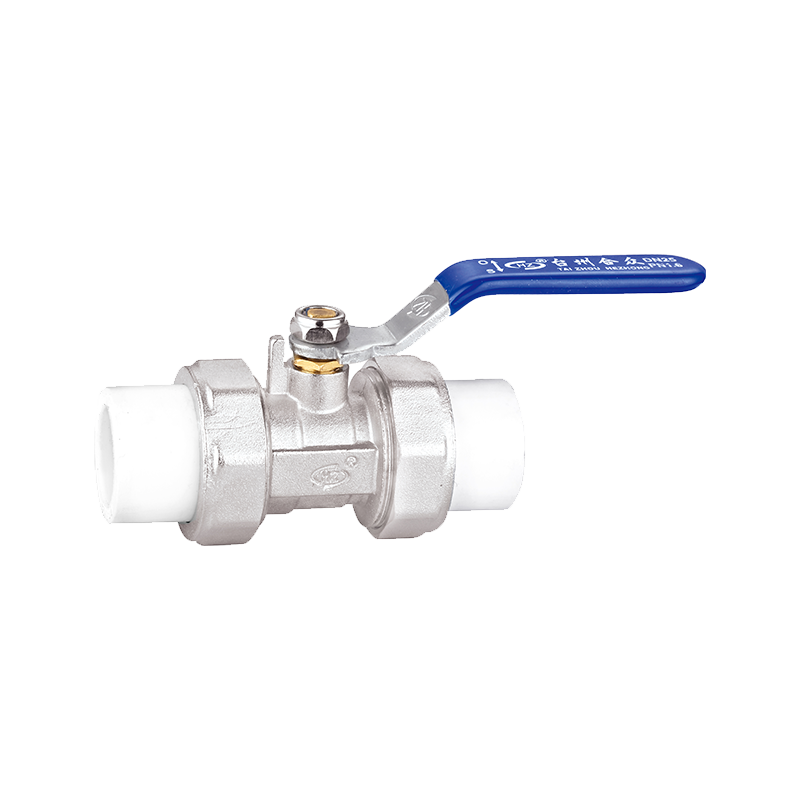
This PPR ball valve features a double‑union structure, compatible with hot‑melt connection...
