 EN
 English
 русский
 中文简体

This brass ball valve is built for water lines, HVAC loops, and compressed air systems whe...


Application Industry
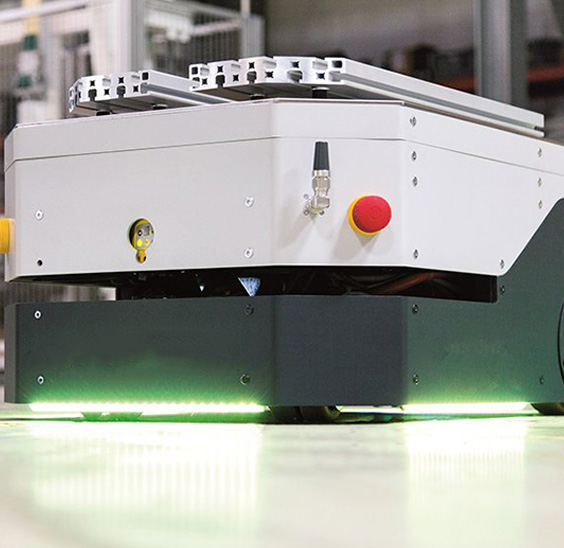
AGV

Automated robots

laser cutting

Logistics sorting

Photovoltaic power-station

Medical devices
Understanding the Role of Ball Valves in Gas Piping Systems
Ball valves serve as key control points in compatible gas piping. Reliable opening, closing, and isolation of flow remain essential across household, commercial kitchen, and selected industrial gas arrangements. The simple internal mechanism and quarter-turn handle make this style of valve a frequent choice where accessible shutoff is required. Selection depends on more than external appearance or the size of the connection ends. The internal working principle, main parts, practical advantages, and proper matching to service conditions all deserve attention before any installation proceeds.
Defining a Ball Valve Intended for Gas Service
A gas-service ball valve starts, stops, or isolates the flow of gas through a pipeline. The body holds an internal ball that contains a central passage. A stem links the ball to an external handle, while sealing elements surround the ball to limit leakage. When the passage lines up with the pipe, gas moves freely; when the solid side of the ball faces the flow, the passage is blocked. Only valves marked and constructed for the intended gas, pressure range, and applicable service conditions should be used. A general-purpose ball valve cannot be assumed suitable for gas simply because the basic shape looks similar. Ball Valve for Gas Line designs therefore carry specific material and sealing choices that match the demands of gas applications.
Explaining the Operating Principle of Gas-Service Ball Valves
How the Internal Ball Opens or Blocks the Passage
The ball itself contains a straight opening through its center. In the open position that opening sits in line with the pipeline so gas can pass. A ninety-degree turn rotates the ball until the solid portion closes the passage completely. The motion is direct and mechanical, requiring no intermediate gears or complex linkages for the basic open-and-close function.
How the External Handle Turns the Ball
Moving the handle rotates the stem, and the stem turns the ball inside the body. Most designs complete the change from fully open to fully closed with a single quarter-turn. The position of the handle itself often shows whether the valve is open or closed, though the exact visual cue depends on the individual design. Because the movement is short and decisive, the valve can be operated quickly when isolation is needed.
How Sealing Elements Limit Leakage
Seals placed around the ball and at the stem help keep gas from escaping past the moving parts. The materials chosen for these seals must remain compatible with the gas and with the expected temperature range. Overall sealing performance also depends on the precision of the body, the condition of the seats, and the environment in which the valve operates. Correct selection followed by periodic inspection remains necessary for continued gas service.
How the Body Joins the Pipeline
The valve body forms the outer shell and holds every internal part in correct alignment. Connection ends may be threaded or finished in other approved styles according to the product. The chosen connection must match the piping material and the installation method required by local rules. A properly made joint at each end helps preserve the integrity of the whole system.
Practical Advantages Offered by Gas-Service Ball Valves
Simple Quarter-Turn Operation
The short handle travel allows rapid change between open and closed states. In systems that need a clear, accessible shutoff point, this direct action reduces the time required to isolate a section of pipe.
Effective Isolation When Correctly Matched
The ball and its surrounding seals work together to stop flow when the valve is closed. Verified suitability for gas service and consistent manufacturing quality support reliable isolation. Not every ball valve delivers the same sealing result, so product documentation must be checked against the actual service.
Compact Body for Suitable Layouts
Many gas-service ball valves occupy relatively little space along a pipe run. Different body patterns and end connections accommodate a range of installation constraints without requiring large clearances.
Application Across Compatible Gas Systems
When materials, design, and approvals align with the service, these valves appear in household gas piping, commercial kitchen supply lines, and selected industrial gas equipment. Suitability always rests on matching the valve to the specific gas, the operating conditions, and the required certifications.
Typical Locations for Gas-Service Ball Valves
Household Gas Piping Arrangements
Approved valves may serve as isolation points within residential gas systems. Product choice and installation must follow the local codes that govern household gas work.
Commercial Kitchen Supply Lines
In commercial cooking installations compatible valves provide accessible shutoff for equipment branches. Gas-service approvals and clear handle access remain important in these settings.
Industrial Gas Supply and Equipment
Selected industrial gas systems also employ these valves. Evaluation of the gas type, temperature and pressure conditions, material compatibility, and required approvals precedes any purchase decision.
Factors Guiding Selection of a Suitable Gas-Service Ball Valve
Confirmation that the valve is intended for the actual gas and service conditions comes first. Applicable local standards and certification marks must be verified. Body, ball, and seal materials are chosen to match both the gas and the surrounding environment. Connection style must suit the piping and the approved joining method. The valve must also meet the expected shutoff duty and operating range. Review of manufacturing documentation and inspection records helps confirm consistent quality. Technical information from the supplier further clarifies whether a given model fits the intended use.
Ongoing Care of Gas-Service Ball Valves
Periodic inspection by qualified personnel follows the intervals set by local requirements. External corrosion, visible damage, or unusual handle resistance calls for prompt assessment. A stiff handle should never be forced. Any suspected leakage requires immediate attention from qualified gas professionals. Dismantling, improvised repairs, or unofficial leak testing on gas piping is not appropriate. When a valve is damaged, unsuitable, or unable to perform its isolation function, professional evaluation or replacement is the correct course. All maintenance steps follow the manufacturer’s instructions and the safety rules in force at the site.
Comparison of Common Service Settings
| Service Setting | Primary Function | Key Selection Focus |
|---|---|---|
| Household piping | Isolation of branch lines | Local code compliance and approvals |
| Commercial kitchens | Accessible equipment shutoff | Gas-service marking and handle access |
| Industrial gas systems | Equipment and supply isolation | Material compatibility and conditions |
| Temporary isolation | Quick section isolation | Clear open-closed indication |
| Permanent branch control | Routine flow control | Long-term seal integrity |
Selecting an Appropriate Ball Valve for Gas Piping Needs and Available Manufacturing
The working principle remains straightforward: the handle turns the internal ball so that its central passage either aligns with the pipeline or blocks it. The body, seals, connection ends, and material choices all contribute to reliable performance when the valve is matched to the service. Convenient quarter-turn action and effective isolation appear only after correct selection and proper installation. Zhejiang Qixiang Valve Co., Ltd. produces a range of gas-service ball valves designed for compatible piping systems. Review of the product documentation, intended applications, and relevant compliance information allows confirmation that any chosen valve meets the specific requirements of the gas installation.
Related products
-
-
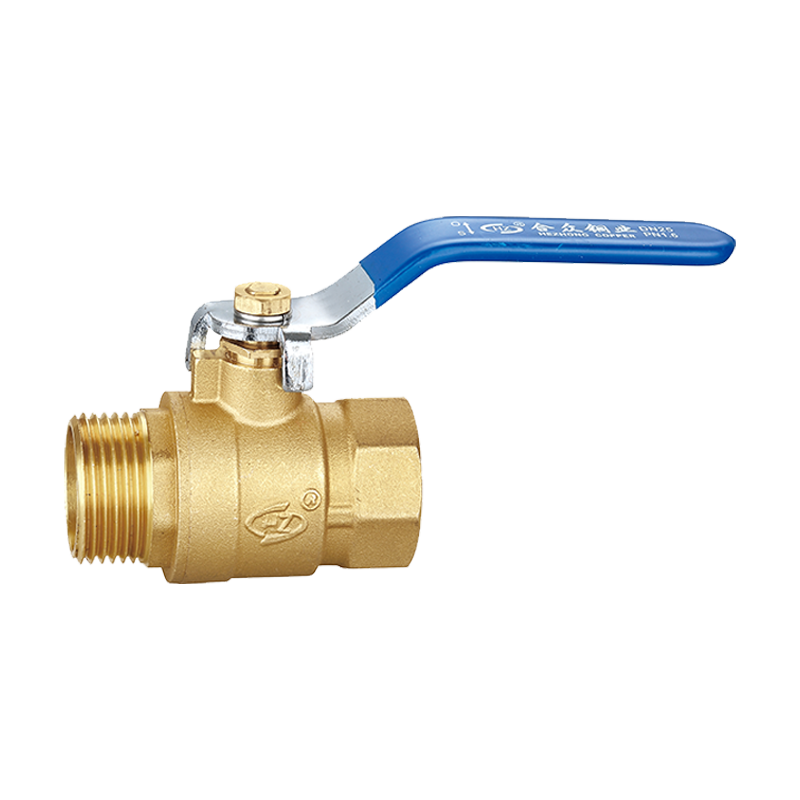 Male Thread Brass Ball Valve for Water & HVAC Systems
This male thread brass ball valve is made of national standard forged brass with RP male t...
-
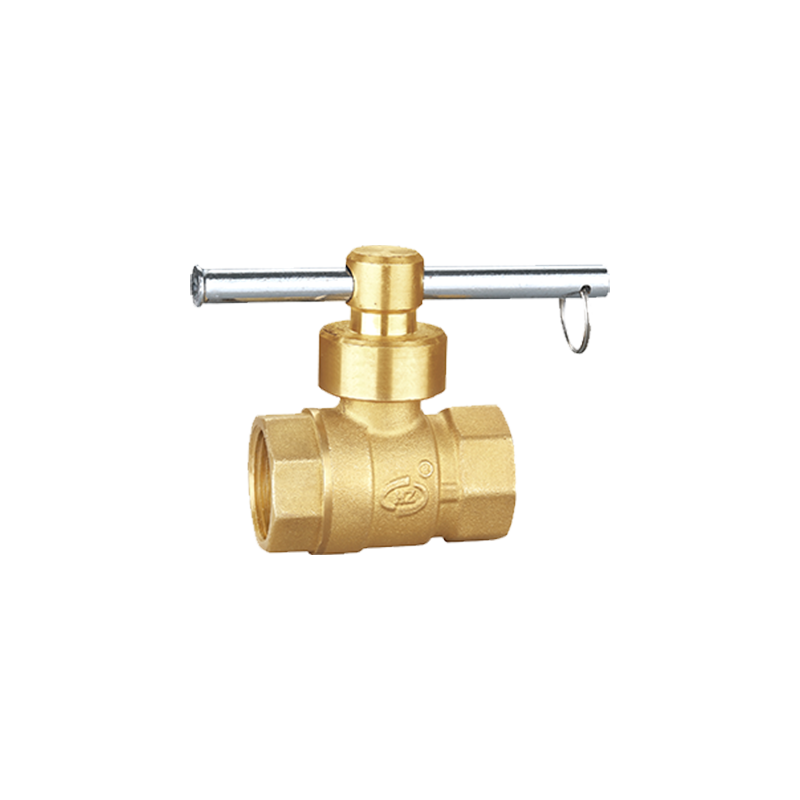 One‑Word Magnetic Lock-Off Ball Valve
This is One‑Word Magnetic Lock‑Off Ball Valve of the Water Utilities Series. It is integr...
-
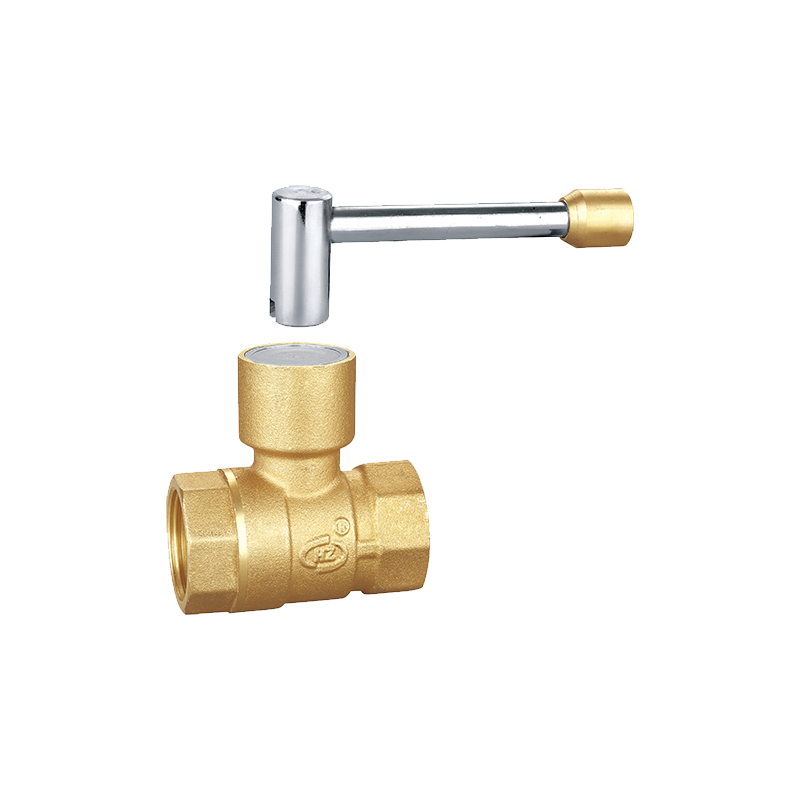 Brass Magnetic Lock-Off Ball
This brass magnetic lock‑off ball valve has a high‑quality forged brass valve body with st...
-
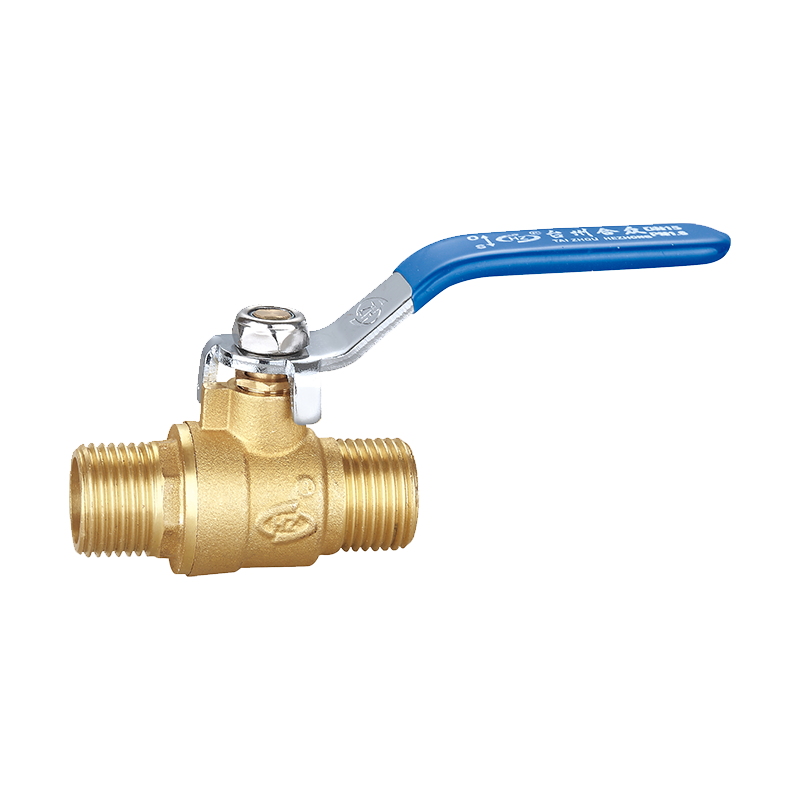 Double Male Brass Ball Valve for Water & HVAC Systems
Double male brass ball valve features male threads on both ends for direct in-line connect...
-
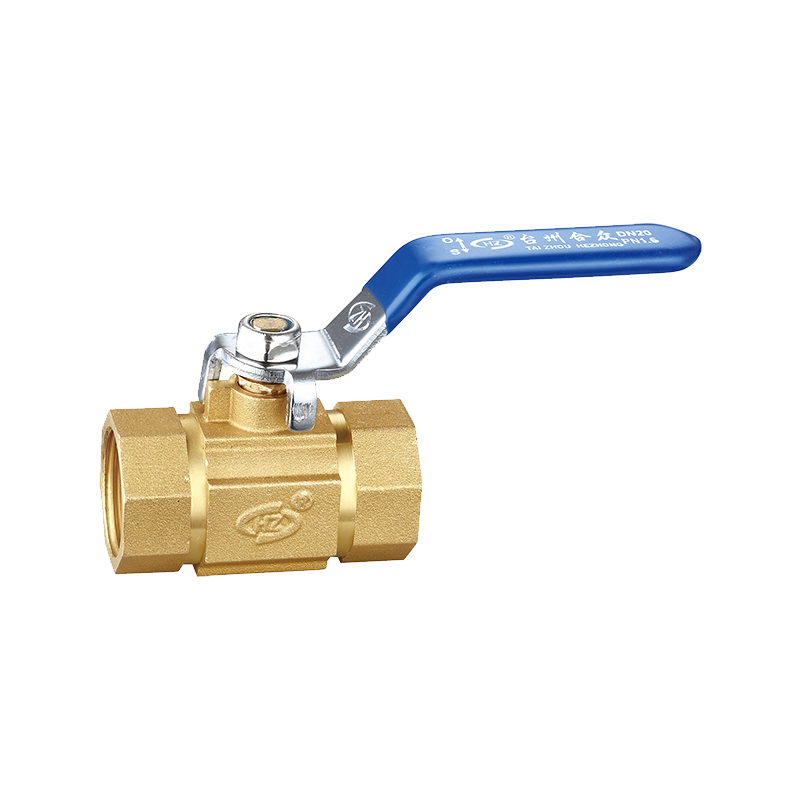 Square Body Ball Valve
This square body ball valve is integrally forged from high‑quality brass. Its square‑shape...
-
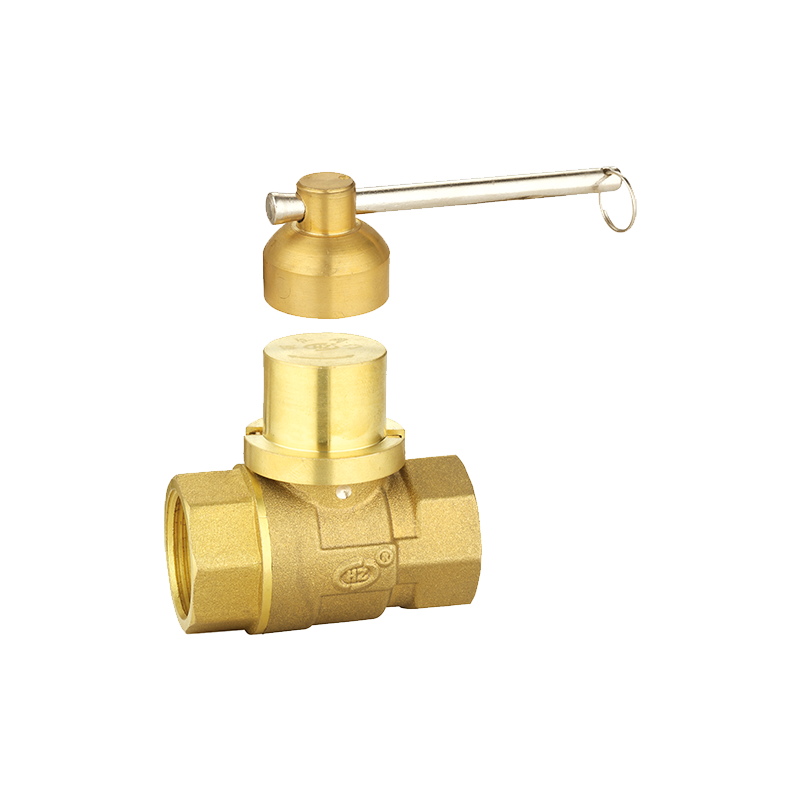 Magnetic Ball Valve for Front of Water Meter
Forged metal tee fitting with M30 loose nut for gas meter inlet connection, double 1/2" ma...
-
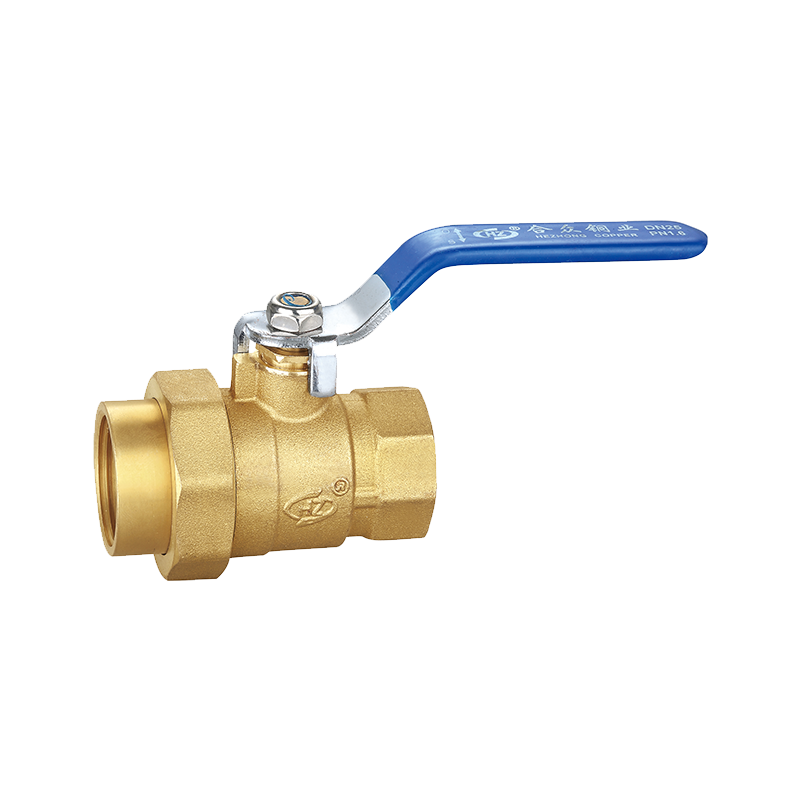 Female Thread Union Brass Ball Valve
This female thread union brass ball valve is made of high-quality brass. It has female thr...
-
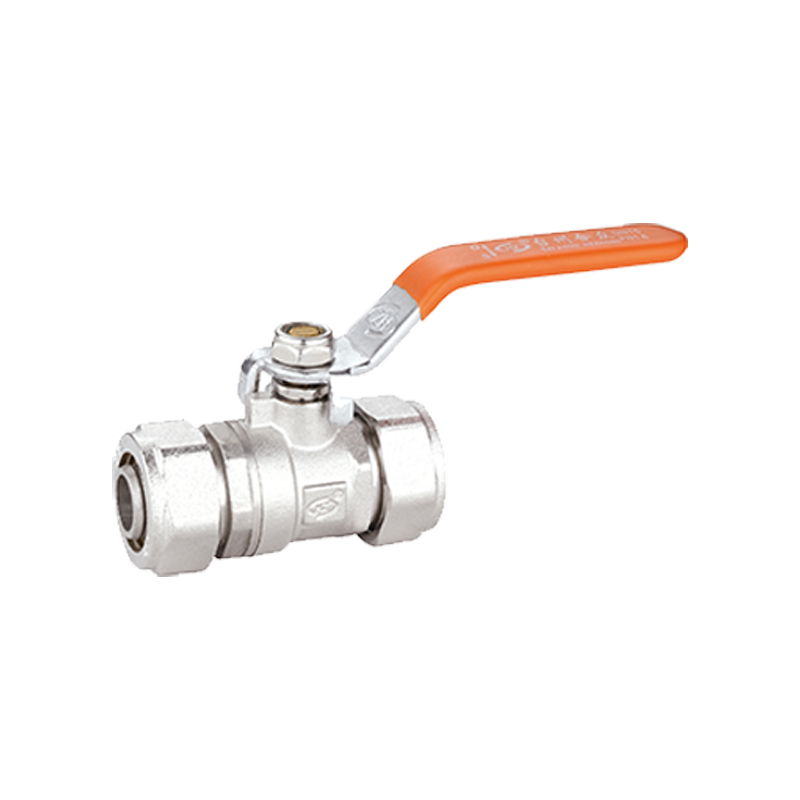 Brass Compression Ball Valve for PEX-AL-PEX Pipe
Brass Compression Ball Valve is forged from high‑quality brass, featuring high‑strength va...
-
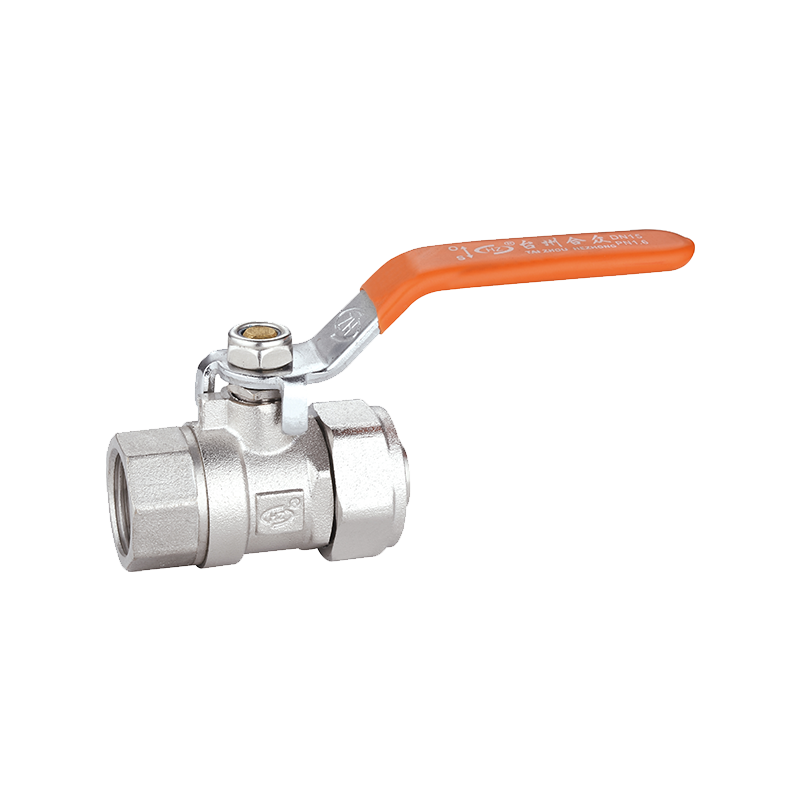 Female-Thread-Brass Compression Ball Valve for PEX-AL-PEX Pipe
This ball valve features a compression connection on one end and a female thread on the ot...
-
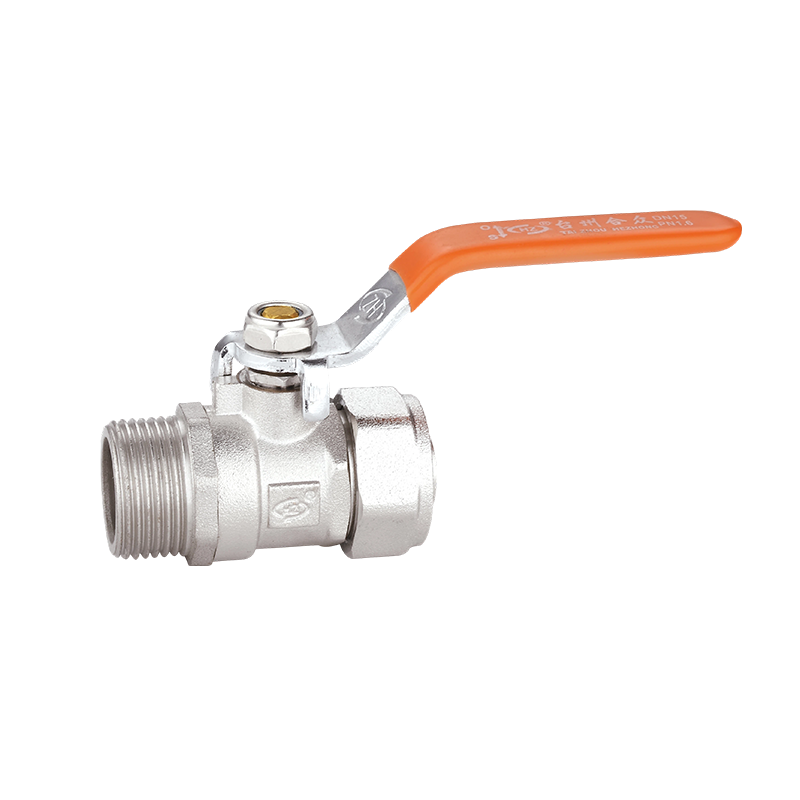 Male-Thread-Brass Compression Ball Valve for PEX-AL-PEX Pipe
This brass compression ball valve is made for PEX-AL-PEX pipe. Connecting different pipe m...
-
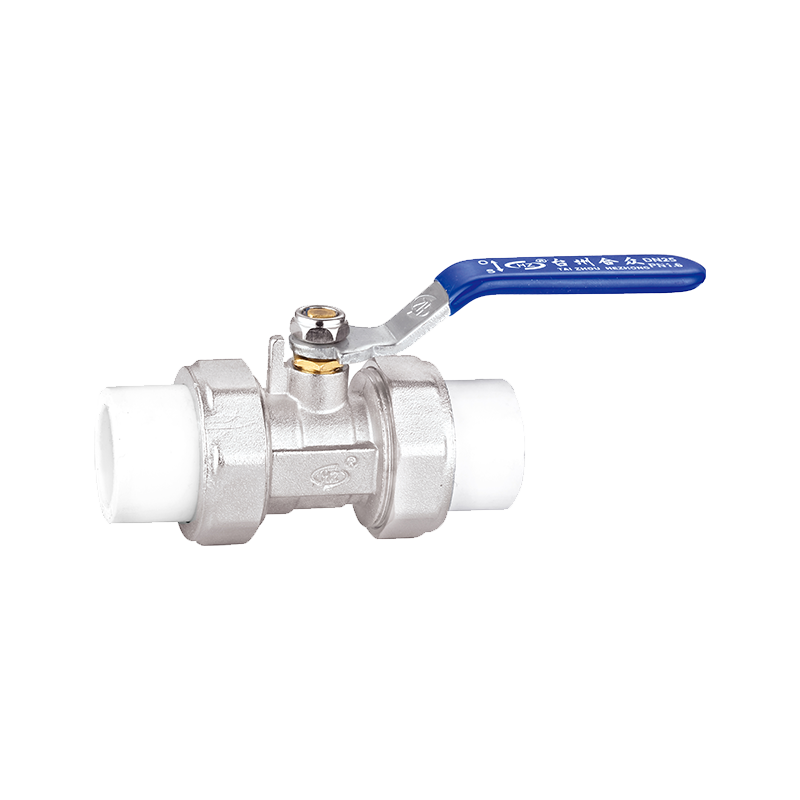 PPR Double Union Ball Valve
This PPR ball valve features a double‑union structure, compatible with hot‑melt connection...
CONTACT DETAILS
- TEL: +86-18158607688
- E-mail: [email protected]
- Address: Zhongshan Industrial Zone, Chumen Town, Yuhuan City, Taizhou, Zhejiang Province, China
