 EN
EN  English
 русский
 中文简体
中文简体
This brass ball valve is built for water lines, HVAC loops, and compressed air systems whe...


Application Industry
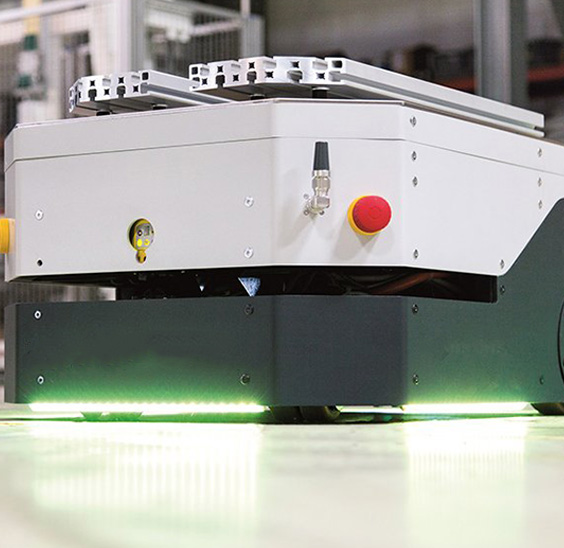
AGV

Automated robots

laser cutting

Logistics sorting

Photovoltaic power-station

Medical devices
How Can Brass Gas Valves Support Safer Home Gas Systems
Gas systems in homes depend on many connected parts working together quietly behind a wall or under a stove. A valve may look like a small component within the system, but its role becomes genuinely important whenever gas needs to be stopped, released, or isolated during a repair. A suitable valve needs to maintain a secure connection while allowing the system to be controlled during normal use and service calls.
A Brass Gas Valve is commonly considered for gas applications because brass can provide a practical combination of strength, machinability, and corrosion resistance over years of installation. Yet the material alone doesn't determine whether a valve suits a home gas system. Sealing structure, connection quality, inspection, testing, and correct installation all influence how the valve performs once it's buried behind a wall.
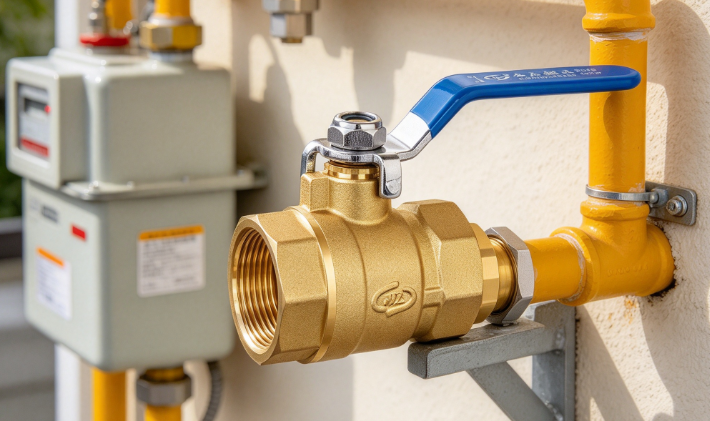
For homeowners, contractors, and engineering buyers, gas safety is therefore connected with the complete product and its application, not one spec on a datasheet. A Brass Gas Ball Valve can support safe gas isolation when its structure and specifications suit the intended system and when installation follows applicable local requirements.
Why Does Valve Selection Matter for Home Gas Safety?
A gas valve has a direct relationship with the flow of gas through a system running to a furnace or stovetop. When the valve is closed, the connected system needs to remain properly isolated so a technician can work safely nearby. When it's open, gas needs to pass through the intended path without creating unnecessary problems at the valve itself.
This makes valve selection genuinely different from choosing an ordinary water or general-purpose valve off a shelf. Gas service requires attention to the valve's intended application, sealing arrangement, connection method, materials, and relevant safety requirements specific to that use.
| Selection Area | Safety Consideration |
|---|---|
| Valve body | Supports the overall structure |
| Sealing parts | Help control unwanted gas leakage |
| Connection | Supports a secure system joint |
| Operating mechanism | Allows intended shutoff and control |
| Material | Needs to suit the gas application |
| Inspection | Helps identify production problems |
The valve should also stay compatible with the surrounding piping and fittings already installed. A suitable component can still create problems if it's installed incorrectly or used outside its intended application entirely.
How Does a Brass Gas Valve Support Secure Gas Isolation?
One genuinely important role of a gas valve is isolation. When a section of the gas system needs to be shut off, say before swapping out an appliance, the valve provides a way to stop flow through that section cleanly.
A Brass Gas Ball Valve uses a ball-based internal structure to control the passage through the valve body. The handle position changes the internal flow path, allowing the valve to move between its intended open and closed positions with a simple quarter turn.
The quality of the isolation depends on genuinely more than the presence of a ball inside. The internal sealing surfaces, valve body, operating parts, and assembly all need to work together as one unit. A suitable structure should provide controlled movement and maintain the intended seal when the valve is closed, which matters particularly during maintenance or when a household gas appliance needs isolating for a swap.
Why Is Sealing Structure Important?
Gas can escape through genuinely small gaps, so sealing deserves careful attention during valve design and production, not an afterthought. The sealing system needs to work with the internal moving parts while remaining suitable for the intended gas service running through it.
A valve may contain several sealing areas worth naming individually. These can include locations around the internal closure, stem, body connection, or other assembled parts that meet under pressure.
| Sealing Area | Function |
|---|---|
| Internal seal | Helps control gas around the closing element |
| Stem seal | Helps limit leakage around the operating shaft |
| Body joint seal | Supports the connection between valve sections |
| Connection seal | Helps maintain a secure pipe connection |
Each area contributes to the overall sealing condition of the finished part. A problem in one location can affect the valve's practical performance, even when the rest of the structure is properly made otherwise. This is why manufacturers need to consider sealing as part of the complete valve design, rather than treating it as a separate finishing detail tacked on at the end.
How Does Leak Testing Support Gas Valve Quality?
Leak testing provides a way to check whether a valve maintains the required sealing condition before it ever reaches a customer's toolbox. This proves particularly relevant for gas-service products because a visible appearance check can't reveal every internal sealing problem hiding beneath the surface.
During production, appropriate testing can examine the valve body, closure area, stem area, and other relevant sections according to the product's intended requirements laid out beforehand. The exact testing method depends on the valve design, applicable standards, and manufacturing process used at that facility, so buyers should look for products tested according to the requirements relevant to their market and application.
For a Brass Gas Valve Manufacturer, testing is also genuinely part of production consistency across every batch. A repeatable inspection process can help identify defective sealing, connection problems, or assembly issues before shipment leaves the dock.
Why Do Threaded Connections Matter?
A gas valve doesn't operate alone, tucked in a pipe run by itself. It needs to connect with pipes, fittings, or other system components running to an appliance. The threaded connection therefore becomes a genuinely important part of overall system integrity holding everything together.
Threads need to match the intended connection system and get produced consistently across every unit shipped. Poorly formed or damaged threads can make installation genuinely difficult and may affect the final connection once tightened. The valve body and threaded section also need to work together structurally, since excessive force during installation can damage a connection, while unsuitable fitting methods can affect sealing down the line.
For this reason, installation should follow the valve manufacturer's instructions and applicable local gas regulations closely. Gas connections should get handled by qualified professionals where local rules require professional installation.
How Does Material Quality Affect a Brass Gas Valve?
Brass gets used in many valve applications because it can be formed and machined into useful component shapes while providing a durable metal body that holds up over time. However, not every brass product is automatically suitable for gas service just because it's brass.
Material selection needs to reflect the intended application and applicable material requirements laid out by relevant standards. Manufacturers also need to control the production process, so the finished valve remains consistent with the specified product requirements batch after batch.
Material considerations can include suitability for the intended gas service running through it, alongside resistance to normal environmental conditions the valve will face installed in a wall or basement. Compatibility with sealing components matters too, along with consistency during machining and compliance with applicable material requirements set by the relevant code.
For buyers, asking about material documentation and applicable standards can provide genuinely more useful information than relying on appearance alone from across a counter. A Brass Gas Valve Supplier should be able to clearly explain the product's intended application and provide relevant documentation when required for the project at hand.
What Role Does Pressure Rating Play in Gas Valve Selection?
Pressure rating is another genuinely important consideration because a gas valve needs to suit the conditions of the system where it will get installed, not just fit the pipe thread. A valve shouldn't get selected simply because its physical size or connection appears suitable at a glance.
The valve's permitted service conditions should match the requirements of the intended application closely. Buyers should review the manufacturer's stated product information and applicable local requirements before making a selection for a job.
Pressure-related safety also connects with installation practice. A valve suitable on paper can still create problems if it's installed in an unsuitable system or used outside its intended conditions on site. For engineering procurement, clear product documentation can make this evaluation genuinely easier, allowing buyers to compare the valve with the requirements of the planned gas system before ordering.
How Can Factory Quality Inspection Support Gas Safety?
Quality inspection takes place at several points in a manufacturing process, not just at the final box-up stage. The purpose isn't simply checking whether a finished valve looks clean under a light. Inspection can also examine dimensions, threads, assembly, operation, sealing, and other product characteristics that matter downstream.
A Brass Gas Valve Factory can establish inspection procedures around the areas that genuinely affect finished-product consistency across a production run.
| Inspection Area | What It Can Check |
|---|---|
| Body inspection | Visible manufacturing condition |
| Thread inspection | Connection consistency |
| Assembly inspection | Correct component placement |
| Operation check | Handle and valve movement |
| Leak testing | Sealing performance |
| Final inspection | Overall product condition |
The inspection process should reflect the intended application throughout. Gas-service valves require attention to the areas that can affect safe operation and system integrity once installed. For buyers purchasing larger quantities, consistent inspection can also help reduce variation between production batches shipped months apart.
Why Does Manufacturing Consistency Matter to Engineering Buyers?
Engineering procurement involves genuinely more than selecting one valve for one installation on a single job. Projects may require multiple valves that need to work within the same system and meet consistent purchasing requirements across an entire building.
A Brass Gas Valve Manufacturer therefore needs a production process that can maintain product consistency across repeated orders placed over a project's lifespan. This includes material handling, machining, assembly, sealing, testing, and final inspection at every stage.
Documentation also becomes genuinely useful during procurement conversations. Buyers may need information about materials, product applications, testing, connection types, and relevant compliance requirements before signing off. A supplier that communicates these details clearly can make the purchasing process genuinely easier to evaluate, particularly when valves get specified for residential construction, building services, or other engineering projects.
How Can a Brass Gas Valve Supplier Help With Product Selection?
A Brass Gas Valve Supplier may serve genuinely different customers with different system requirements from one order to the next. A household replacement purchase and a construction project may involve genuinely different documentation and selection needs entirely.
The supplier should therefore understand the intended application before recommending a product off their line. Useful information can include the gas service, connection arrangement, installation environment, and applicable local requirements for that region.
Buyers can also ask practical questions covering intended application and applicable material requirements up front. Connection compatibility matters too, along with sealing structure, pressure rating, leak testing, factory inspection, and available product documentation. These questions help move the purchasing process genuinely away from appearance or price alone, giving buyers a clearer basis for determining whether a particular valve fits the planned system.
How Does Valve Maintenance Relate to Home Gas Safety?
Even a properly manufactured valve requires appropriate installation and use once it's in the wall. Over time, connections and surrounding system components may get exposed to movement, environmental conditions, or other changes nobody planned for.
Homeowners shouldn't attempt to repair or modify gas valves without appropriate knowledge and authorization, no matter how simple it looks. If a gas smell, suspected leak, damaged valve, or unusual system condition gets noticed, the appropriate response is following local emergency and gas-safety procedures and contacting qualified professionals right away.
Routine inspection can be part of professional gas-system maintenance scheduled regularly. A qualified technician can examine the valve and surrounding connections as part of the wider system, rather than treating the valve as an isolated component sitting by itself.
What Should Buyers Check Before Purchasing a Brass Gas Ball Valve?
A buyer can assess a Brass Gas Ball Valve by looking at several product and application factors together, rather than one spec in isolation. The valve body, sealing system, threaded connections, operating mechanism, testing process, and documentation all provide genuinely useful information for the decision.
| Buyer Question | Why It Matters |
|---|---|
| Is the valve intended for gas service? | Confirms application suitability |
| Does the connection match the system? | Supports proper installation |
| Is the sealing structure suitable? | Helps control leakage |
| Is the pressure rating appropriate? | Supports correct system selection |
| Is leak testing performed? | Provides a production quality check |
| Are materials documented? | Supports procurement review |
| Is factory inspection controlled? | Helps maintain product consistency |
These checks prove particularly useful for engineering buyers who need to evaluate multiple products or suppliers side by side. The product should get selected according to the requirements of the actual gas system, rather than by appearance alone across a catalog page.
How Can Manufacturers Improve Gas Valve Production Safety?
Manufacturers can approach gas valve safety through the entire production process, not one checkpoint near the end. Material selection, machining, assembly, sealing, testing, and inspection each play a role in the finished product leaving the factory.
Production teams can also review common areas of concern and use inspection results to improve process consistency over time. Thread quality, sealing conditions, internal assembly, and valve operation can all get considered during quality control meetings.
For a Brass Gas Valve Factory, this approach can help connect manufacturing activities with the needs of customers and engineering projects downstream. It also makes it genuinely easier to identify where a product may require additional inspection before shipment goes out.
What Should Engineering Procurement Teams Consider About Gas Valves?
Engineering procurement teams often need to balance product suitability with documentation, supply consistency, installation requirements, and project specifications all at once. Gas valves should therefore get evaluated as part of the complete gas system, rather than as isolated hardware picked off a list.
The procurement process can review the valve's intended service, material information, connection type, pressure rating, sealing structure, inspection process, and available documentation before an order gets placed. Communication with the Brass Gas Valve Supplier or Brass Gas Valve Manufacturer can help clarify these points early, and where local codes or project requirements apply, buyers should also confirm the selected product suits those requirements specifically.
Gas safety begins with appropriate product selection but doesn't end there. A properly selected valve still needs suitable installation, testing, and maintenance within the complete gas system running through a home.
Related products
-
-
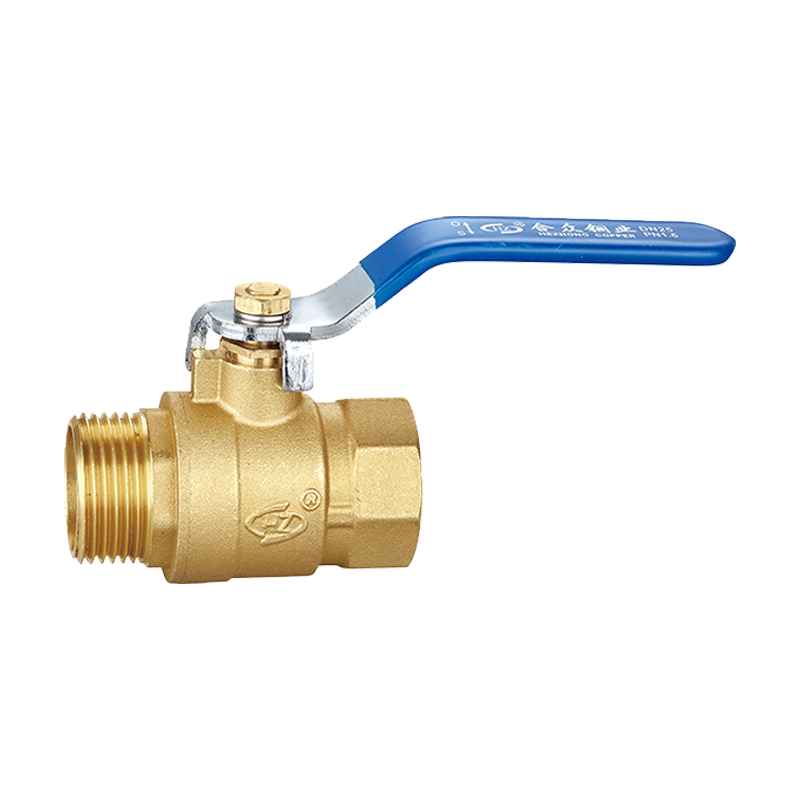 Male Thread Brass Ball Valve for Water & HVAC Systems
This male thread brass ball valve is made of national standard forged brass with RP male t...
-
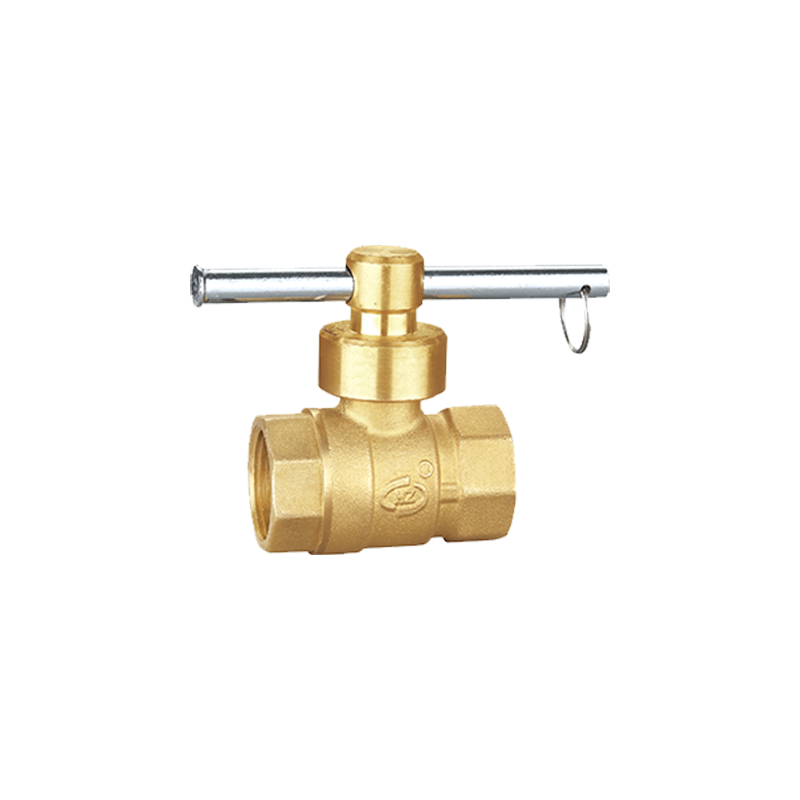 One‑Word Magnetic Lock-Off Ball Valve
This is One‑Word Magnetic Lock‑Off Ball Valve of the Water Utilities Series. It is integr...
-
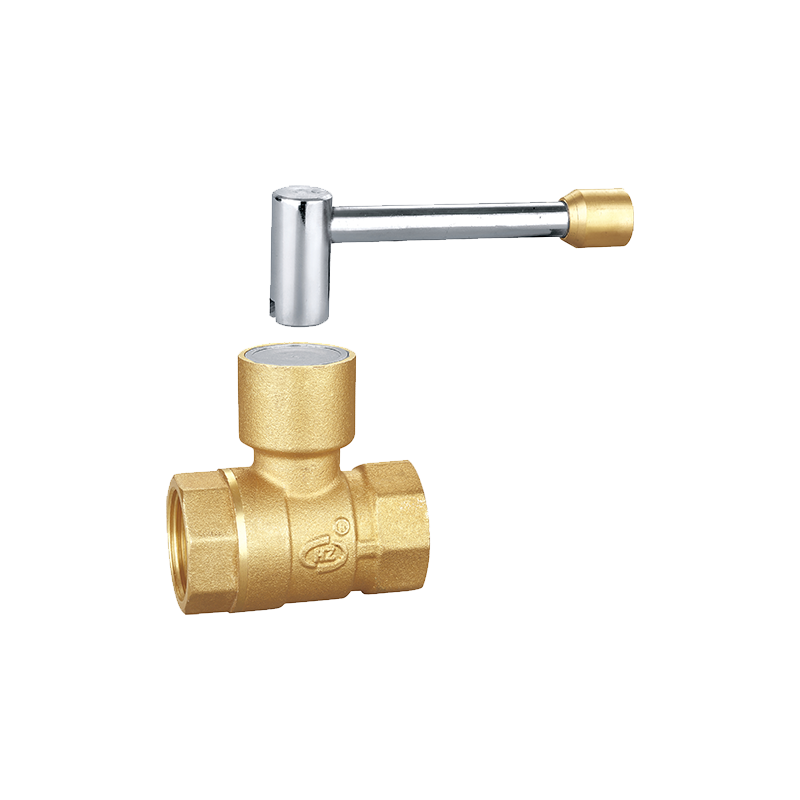 Brass Magnetic Lock-Off Ball
This brass magnetic lock‑off ball valve has a high‑quality forged brass valve body with st...
-
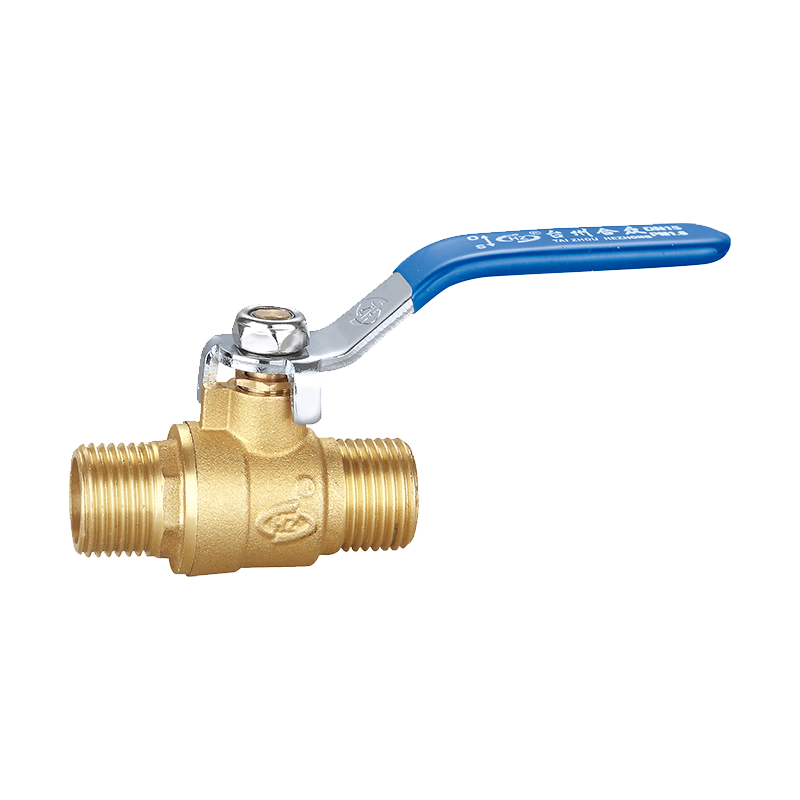 Double Male Brass Ball Valve for Water & HVAC Systems
Double male brass ball valve features male threads on both ends for direct in-line connect...
-
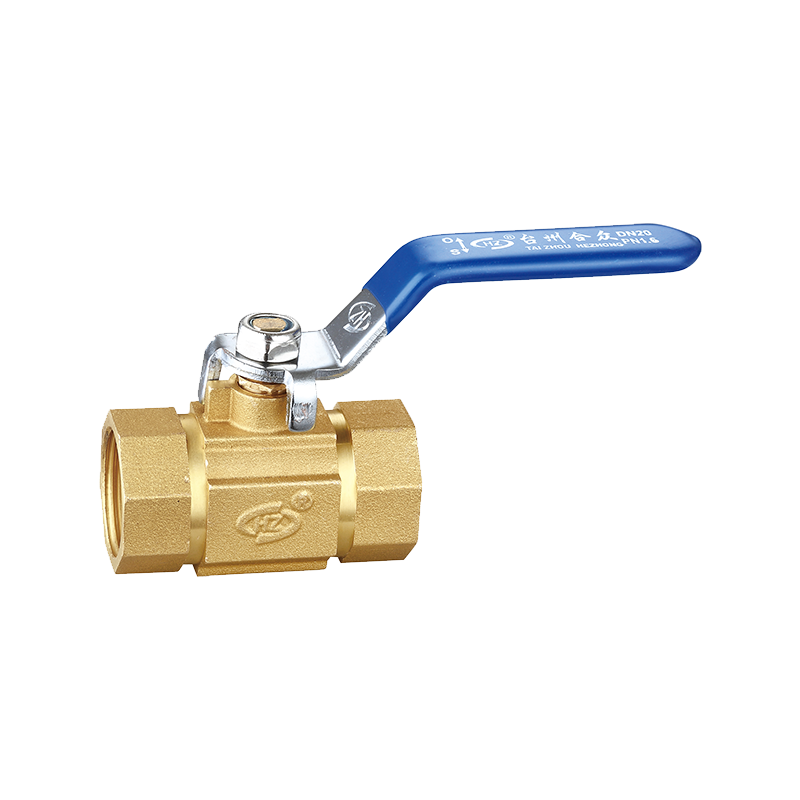 Square Body Ball Valve
This square body ball valve is integrally forged from high‑quality brass. Its square‑shape...
-
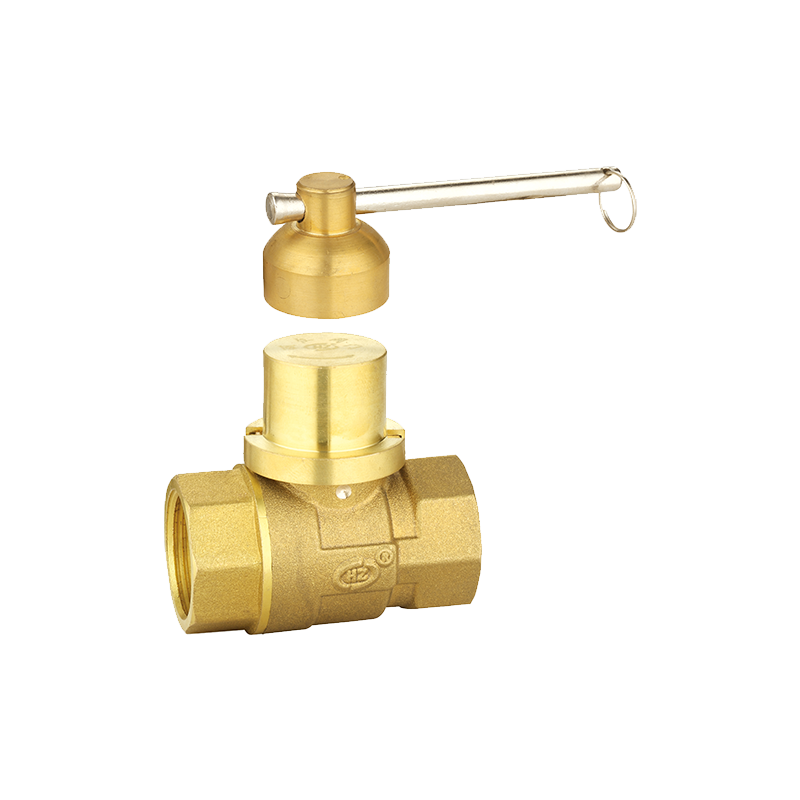 Magnetic Ball Valve for Front of Water Meter
Forged metal tee fitting with M30 loose nut for gas meter inlet connection, double 1/2" ma...
-
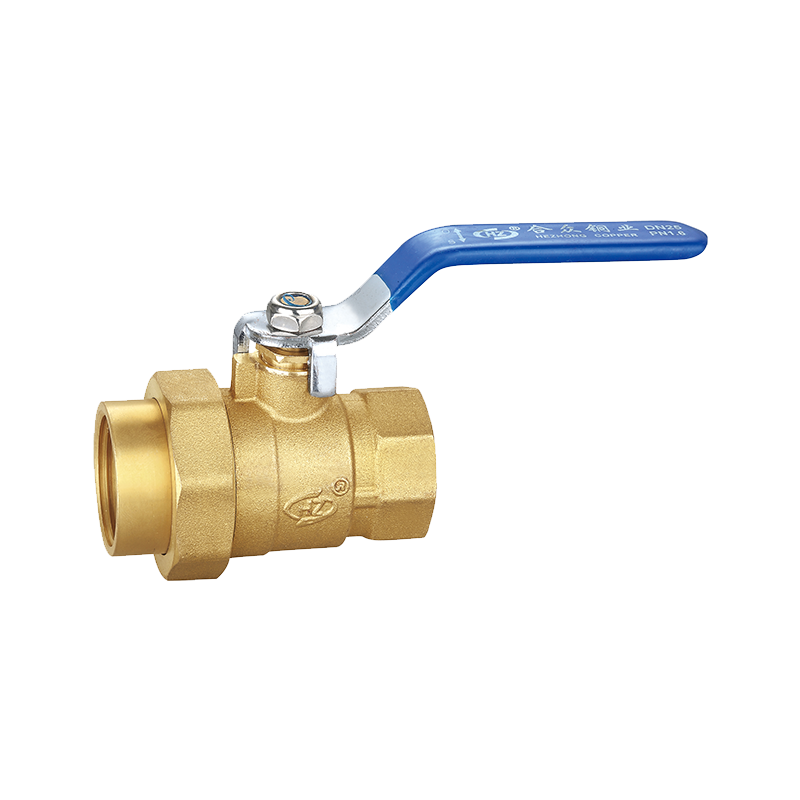 Female Thread Union Brass Ball Valve
This female thread union brass ball valve is made of high-quality brass. It has female thr...
-
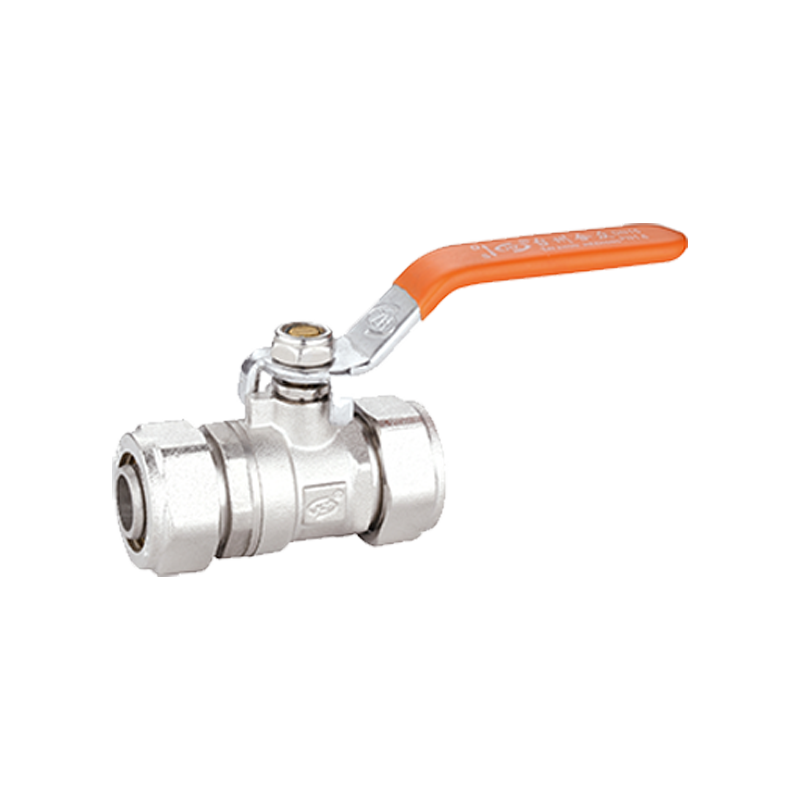 Brass Compression Ball Valve for PEX-AL-PEX Pipe
Brass Compression Ball Valve is forged from high‑quality brass, featuring high‑strength va...
-
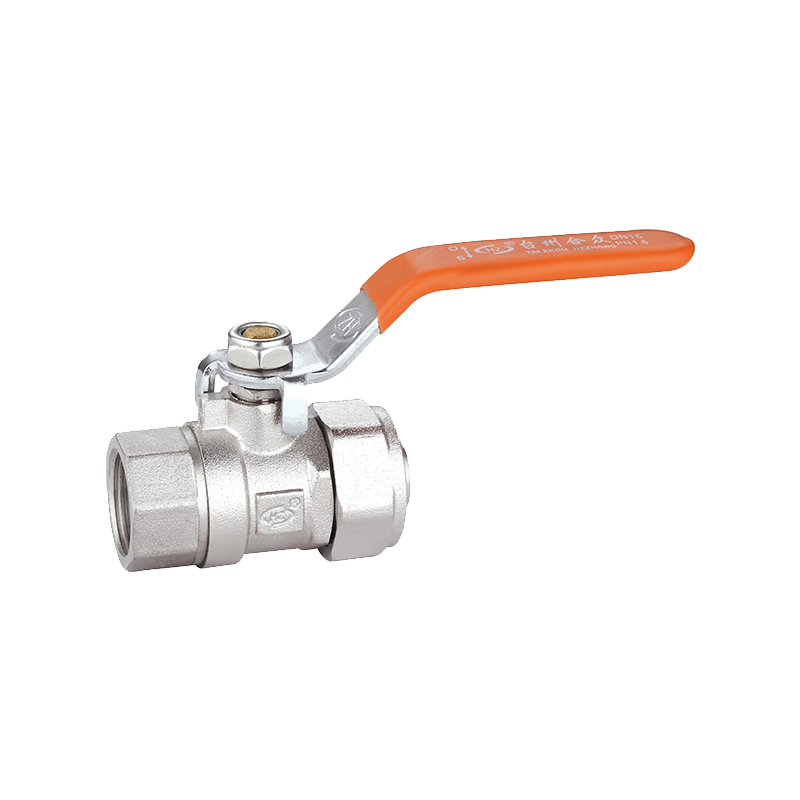 Female-Thread-Brass Compression Ball Valve for PEX-AL-PEX Pipe
This ball valve features a compression connection on one end and a female thread on the ot...
-
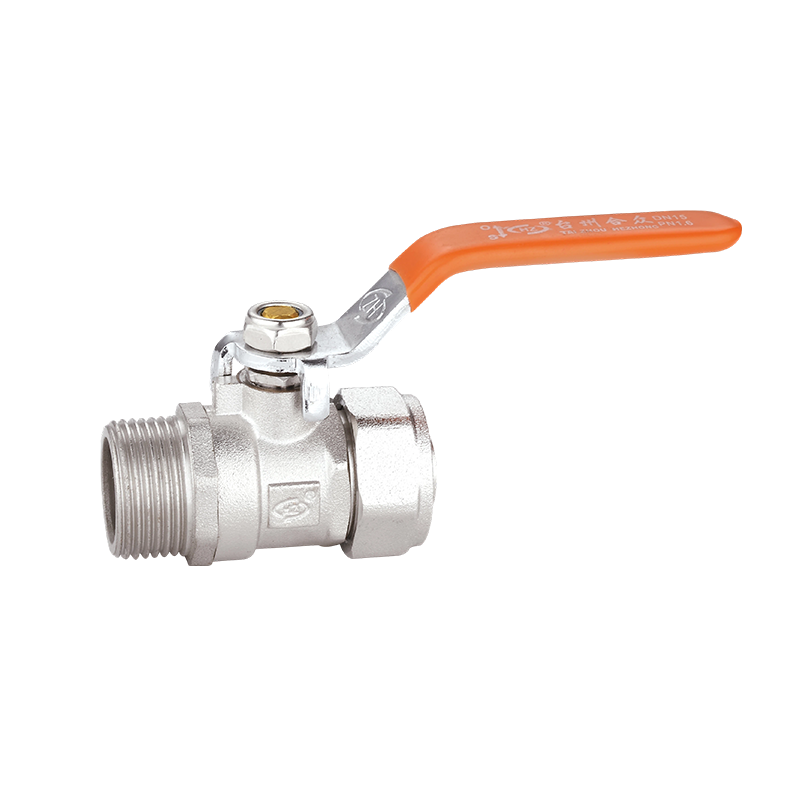 Male-Thread-Brass Compression Ball Valve for PEX-AL-PEX Pipe
This brass compression ball valve is made for PEX-AL-PEX pipe. Connecting different pipe m...
-
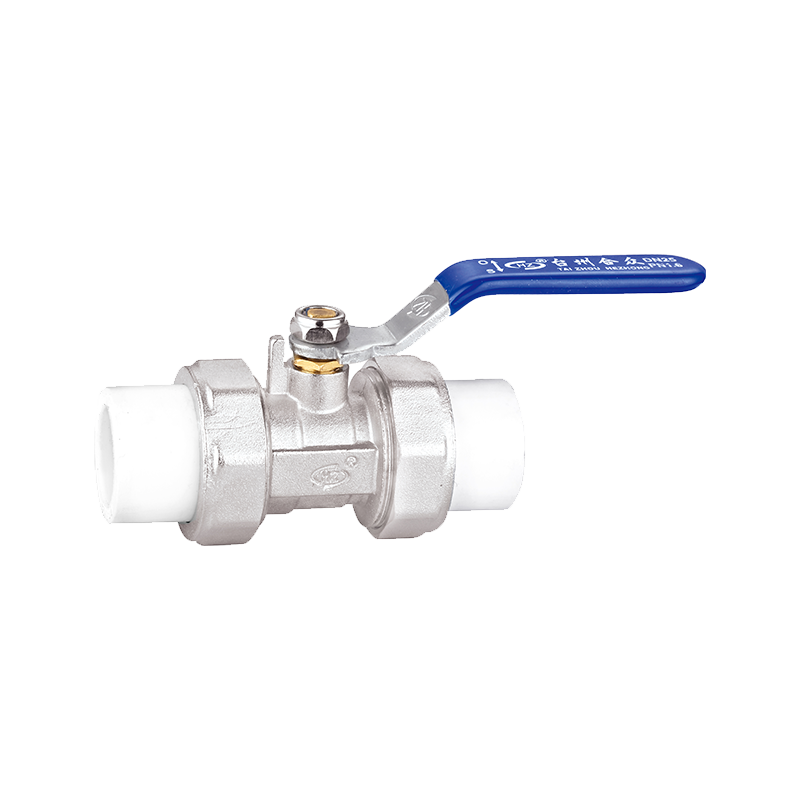 PPR Double Union Ball Valve
This PPR ball valve features a double‑union structure, compatible with hot‑melt connection...
CONTACT DETAILS
- TEL: +86-18158607688
- E-mail: [email protected]
- Address: Zhongshan Industrial Zone, Chumen Town, Yuhuan City, Taizhou, Zhejiang Province, China
