 EN
 English
 русский
 中文简体

This brass ball valve is built for water lines, HVAC loops, and compressed air systems whe...


Application Industry
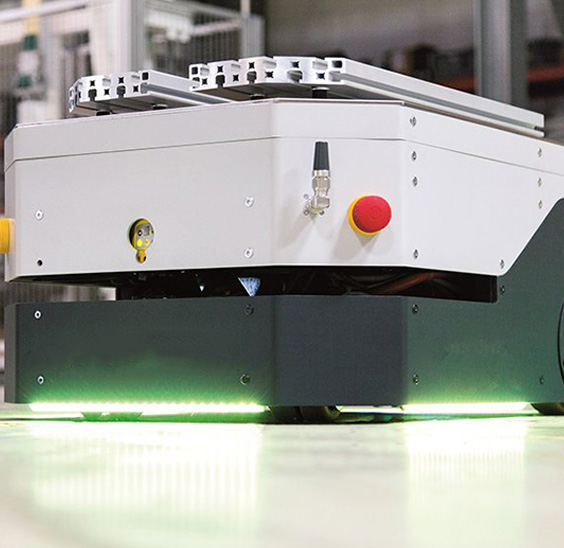
AGV

Automated robots
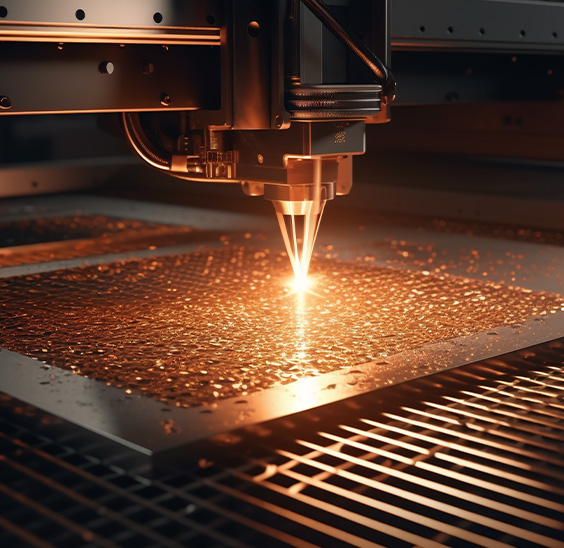
laser cutting

Logistics sorting

Photovoltaic power-station

Medical devices
What Design Features Matter in a Durable Gas Pipeline Ball Valve
Ball valve design governs how gas flow is started, stopped and sealed within a piping system. Body strength, ball and seat geometry, stem integrity, material compatibility and connection details together decide whether the valve maintains tight shut-off and remains serviceable under repeated operation. Component dimensions must match one another and be held to consistent machining tolerances so that sealing surfaces remain in proper contact. A Ball Valve for Gas Line is therefore selected only after its complete configuration has been checked against the pressure, temperature and gas type of the intended installation.
Body Geometry and Structural Capacity
The valve body contains internal pressure and provides the mounting points for all other parts. One-piece, two-piece and three-piece constructions each distribute stress differently and offer different degrees of access for maintenance. Wall thickness, the accuracy of internal machining and the design of the end connections influence both pressure containment and long-term rigidity. The body rating must equal or exceed the maximum pressure and temperature expected in service. Material certificates and pressure-test records supply the evidence needed to confirm that the body meets those limits.
Ball and Seat Arrangement for Consistent Shut-Off
The polished spherical surface of the ball rotates against polymer seats to open or close the flow path. Surface finish and dimensional accuracy of the ball determine how evenly contact pressure is distributed around the seat. Seat materials such as PTFE and other polymers selected for gas service must remain elastic under the stated temperature range and must not swell or degrade in contact with the conveyed gas. Pressure, temperature and chemical compatibility therefore guide seat selection. Documented leakage tests performed after assembly verify that the ball-and-seat pair achieves the required shut-off level.
Stem Construction and Control of External Leakage
The stem transmits torque from the handle to the ball. Adequate cross-section and precise machining keep the stem from bending or binding under normal operating force. Stem seals prevent process gas from escaping along the stem axis; anti-blowout retention features, where provided by the design, keep the stem from being ejected if internal pressure rises unexpectedly. Seal materials and retention geometry are checked against the same pressure and temperature limits applied to the body. Test results that confirm external tightness form part of the acceptance documentation.
Material Choices Matched to Gas and Environment
Brass, carbon steel and stainless steel appear frequently as body materials, each offering a different balance of strength, corrosion resistance and weight. Internal components and elastomeric seals must be compatible with the specific gas and with any trace contaminants present in the line. Surface coatings or plating can extend service life in humid or mildly corrosive atmospheres. Material selection follows the requirements of the applicable standard and the manufacturer's published ratings rather than general assumptions about metal performance.
Connection Styles That Fit the Piping Arrangement
Threaded ends, flanged ends and other approved configurations allow the valve to join existing pipe runs. Thread form, pitch and pressure class, or flange facing and bolt pattern, must match the mating pipe exactly. Accurate machining and clean sealing surfaces support leak-free assembly when correct jointing procedures are followed. Connection compatibility is verified against the piping specification before the valve is ordered so that field modifications are avoided.
Operating Mechanism and Practical Handling
A quarter-turn of the handle rotates the ball from fully open to fully closed. Handle length, grip shape and the clearance required for full travel affect ease of operation in confined spaces. Operating torque should remain consistent across the stated pressure range so that the valve can be opened and closed without excessive force. Clear indication of open and closed positions and a secure handle attachment reduce the chance of incomplete travel or accidental detachment during use. The design is confirmed to suit the expected frequency of operation and the ambient conditions at the installation site.
Pressure and Temperature Limits for the Intended Service
Published working pressure and temperature ranges must encompass the actual conditions of the pipeline. Elevated temperature can soften seats and seals; elevated pressure increases the load on the body and stem. Cyclic operation further stresses these components. Ratings are interpreted according to the standard under which they were established and are not inferred from nominal size alone. Approval for the specific gas type is confirmed in the product documentation.
Machining Accuracy and Inspection Practices
Tight control of dimensional tolerances keeps the ball centered, the stem free to rotate and the seats evenly loaded. Inspection of body dimensions, surface finish, thread quality and assembly alignment detects deviations before the valve leaves the factory. Pressure and leakage tests performed to the relevant product standard provide quantitative evidence of integrity. Material traceability and batch-level records support consistent quality across successive production lots. Documented procedures give distributors and installers confidence that each valve meets the same criteria.
Evaluation Steps Before Purchase
Intended gas service, applicable approvals, working pressure and temperature limits are confirmed first. Body material, seat and seal compounds, connection type and nominal size are checked against the piping specification. Available pressure-test and leakage-test reports together with compliance certificates are reviewed. Handle operation, external finish and sample-to-sample consistency are assessed. For larger orders, technical data sheets, packaging standards, production schedules and inspection arrangements are agreed in advance.
Coordinated Design as the Basis for Dependable Performance
A robust body, compatible sealing materials, a securely retained stem and correctly matched connections work together to produce reliable shut-off and practical maintenance access. Consistent manufacturing and verified testing further reduce the likelihood of field failures. Distributors, contractors and industrial purchasers therefore compare complete technical packages rather than isolated features when selecting a valve for gas service.
Overview of Design Factors and Verification Points
| Design Element | Contribution to Service Reliability | Documentation or Check Required |
|---|---|---|
| Body construction and rating | Contains pressure and supports all internal parts | Material certificates, pressure-test records |
| Ball and seat pair | Provides tight shut-off across the stated range | Surface finish data, leakage-test results |
| Stem and stem seals | Transmits torque and limits external leakage | Anti-blowout features, external tightness tests |
| Material compatibility | Resists corrosion and chemical attack by the gas | Compatibility statements for gas and temperature |
| End connections | Matches existing pipe without modification | Thread or flange standards, dimensional drawings |
| Operating mechanism | Allows full travel with consistent torque | Handle attachment, position indication, torque data |
| Manufacturing controls | Maintains alignment and sealing consistency | Dimensional inspection, batch traceability |
Selecting a Valve Whose Complete Design Matches the Pipeline Duty
Body strength, ball-and-seat sealing, stem integrity, material compatibility, connection geometry and quality control together determine whether a gas pipeline ball valve remains durable under repeated operation. Durability is a property of the assembled design and its suitability for the specific gas, pressure and temperature, not of any single component. Review of published ratings, test documentation and applicable approvals precedes any purchasing decision. Zhejiang Qixiang Valve Co., Ltd. produces ball valves intended for gas piping applications. Examination of available body materials, seat options, connection styles and supporting test records against the requirements of the intended installation allows selection of a valve configuration suited to reliable long-term service.
Related products
-
-
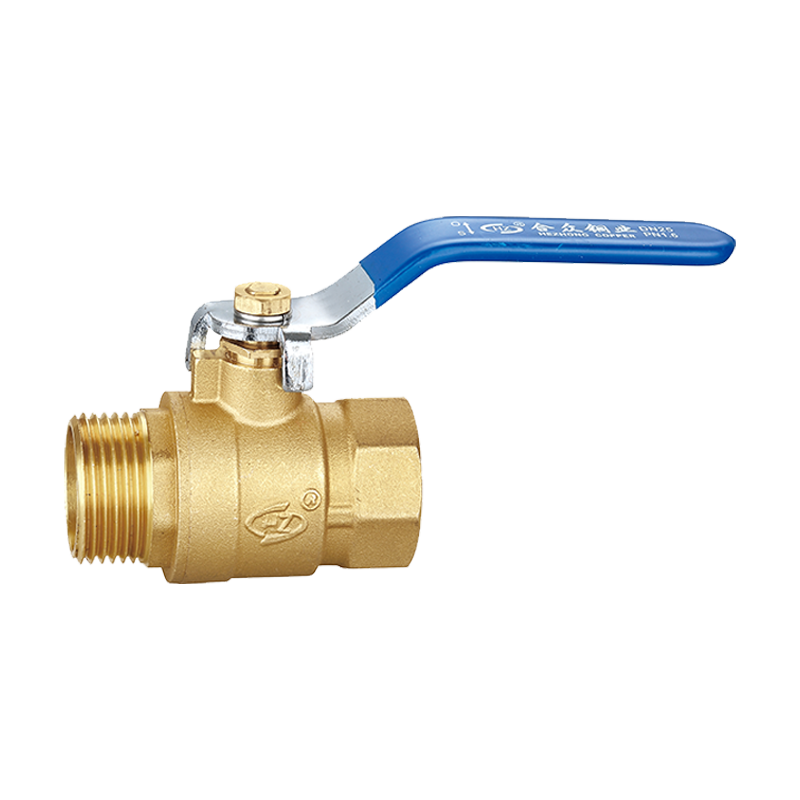 Male Thread Brass Ball Valve for Water & HVAC Systems
This male thread brass ball valve is made of national standard forged brass with RP male t...
-
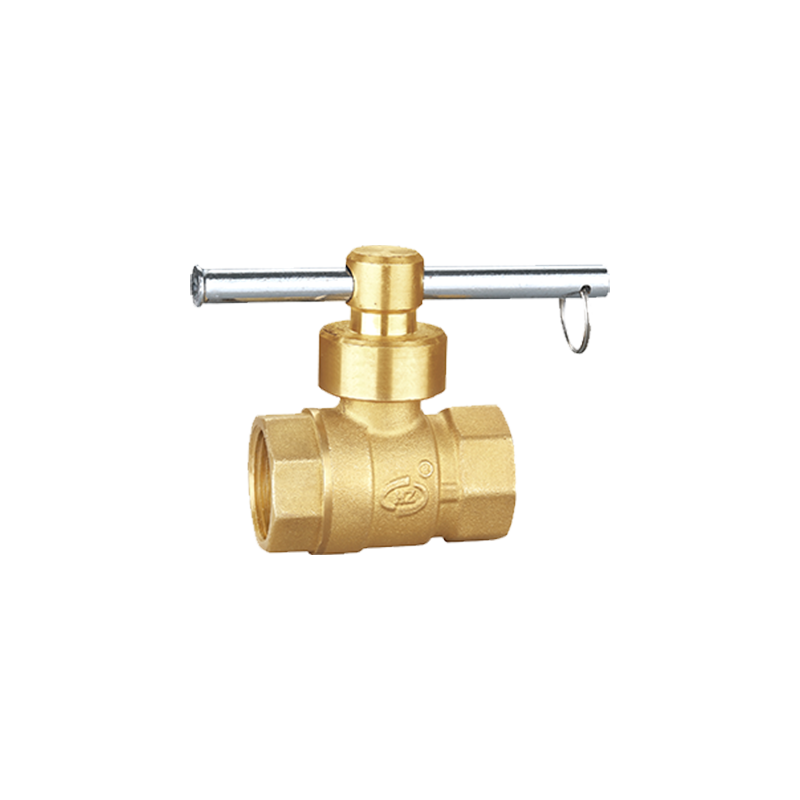 One‑Word Magnetic Lock-Off Ball Valve
This is One‑Word Magnetic Lock‑Off Ball Valve of the Water Utilities Series. It is integr...
-
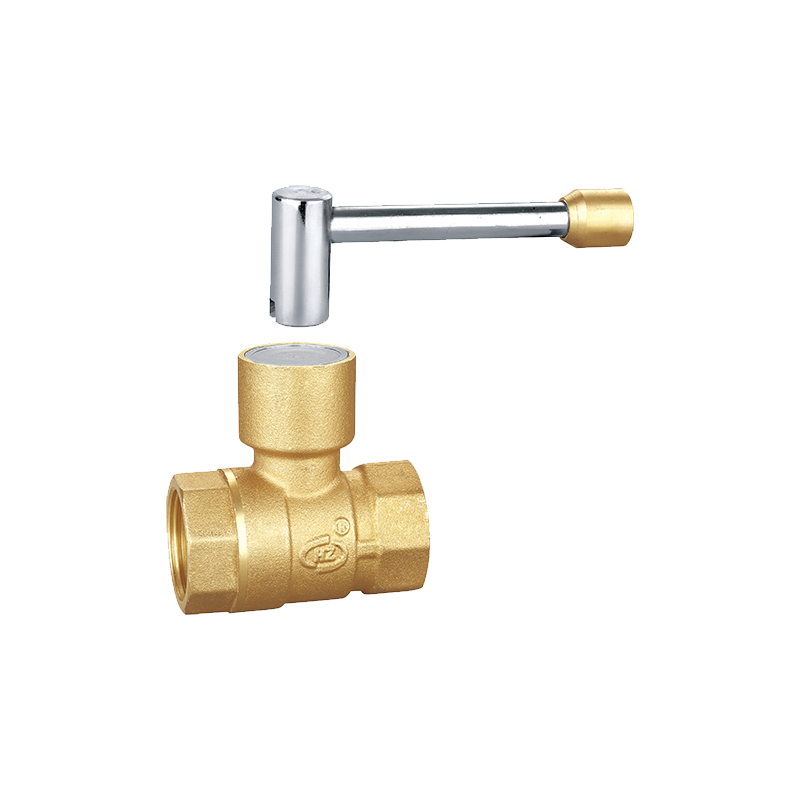 Brass Magnetic Lock-Off Ball
This brass magnetic lock‑off ball valve has a high‑quality forged brass valve body with st...
-
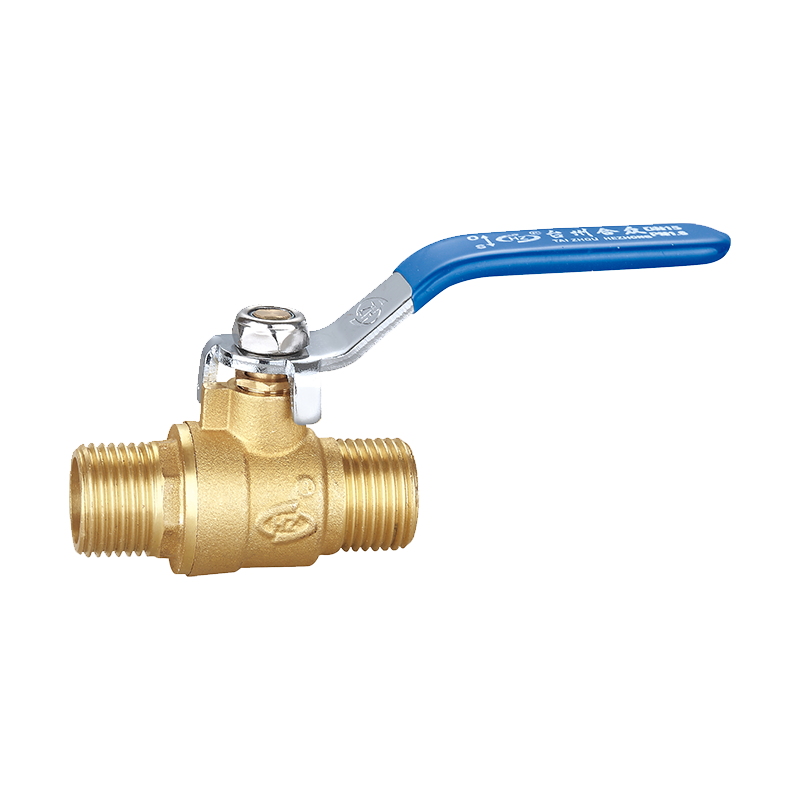 Double Male Brass Ball Valve for Water & HVAC Systems
Double male brass ball valve features male threads on both ends for direct in-line connect...
-
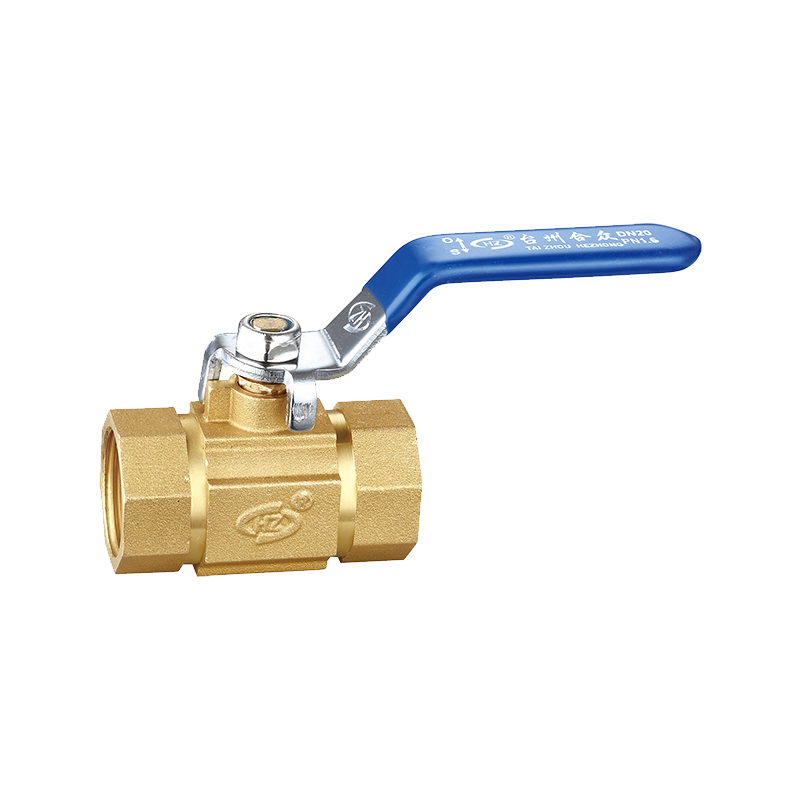 Square Body Ball Valve
This square body ball valve is integrally forged from high‑quality brass. Its square‑shape...
-
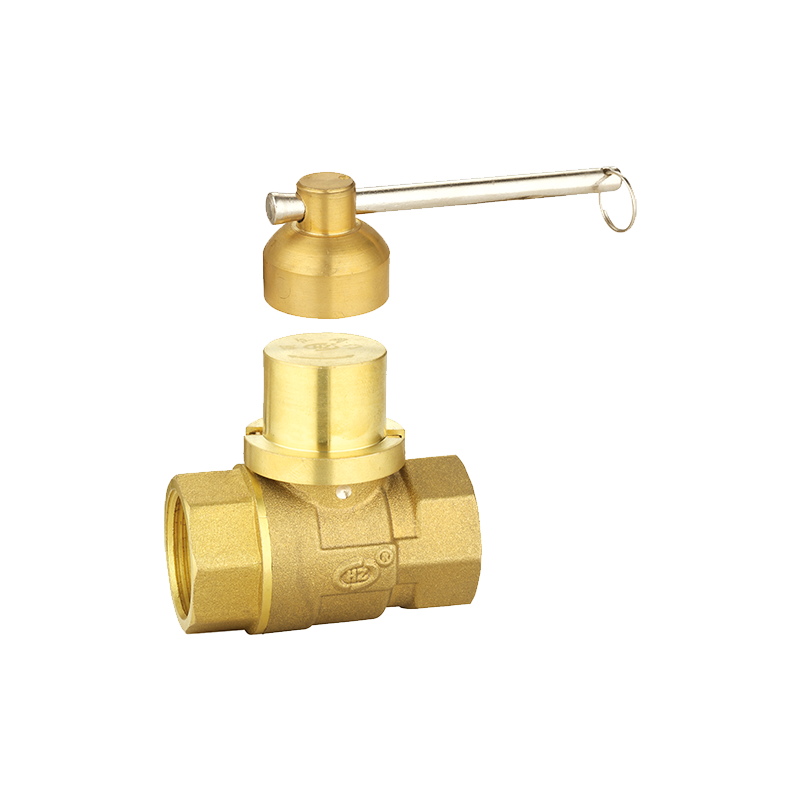 Magnetic Ball Valve for Front of Water Meter
Forged metal tee fitting with M30 loose nut for gas meter inlet connection, double 1/2" ma...
-
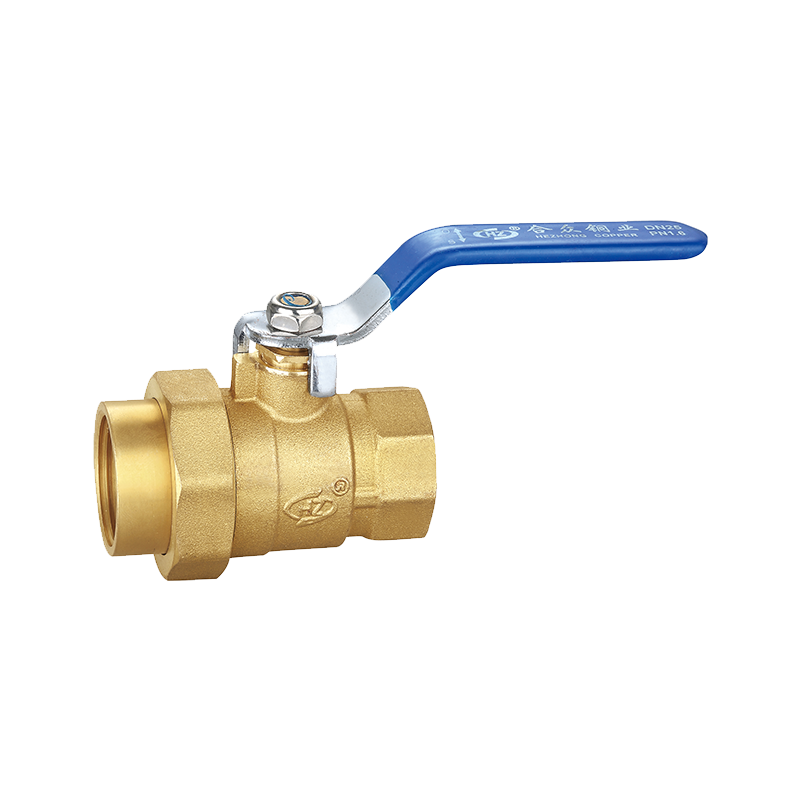 Female Thread Union Brass Ball Valve
This female thread union brass ball valve is made of high-quality brass. It has female thr...
-
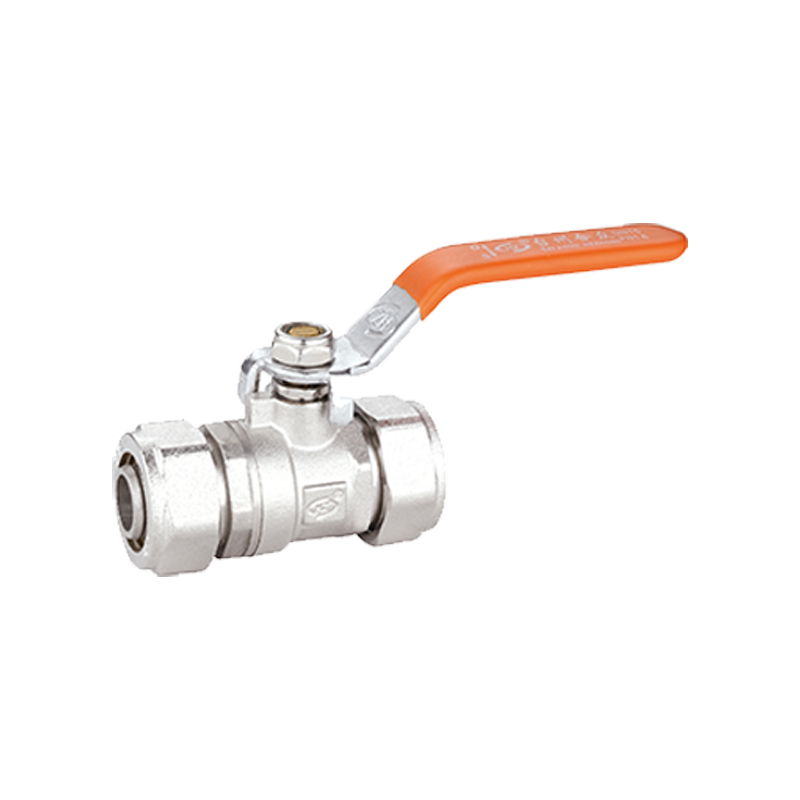 Brass Compression Ball Valve for PEX-AL-PEX Pipe
Brass Compression Ball Valve is forged from high‑quality brass, featuring high‑strength va...
-
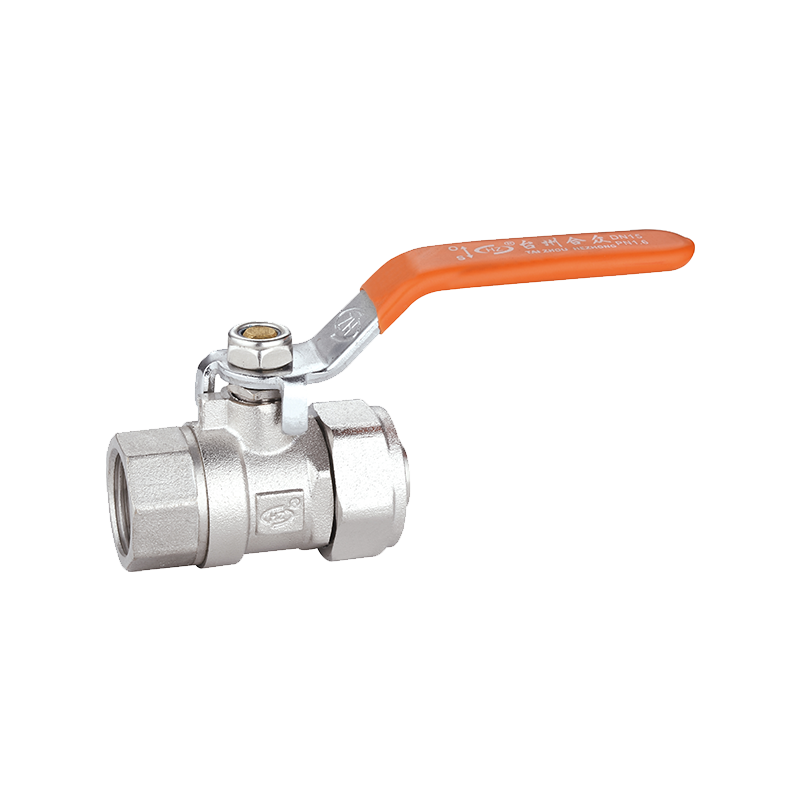 Female-Thread-Brass Compression Ball Valve for PEX-AL-PEX Pipe
This ball valve for PEX pipe features a compression connection on one end and a female thr...
-
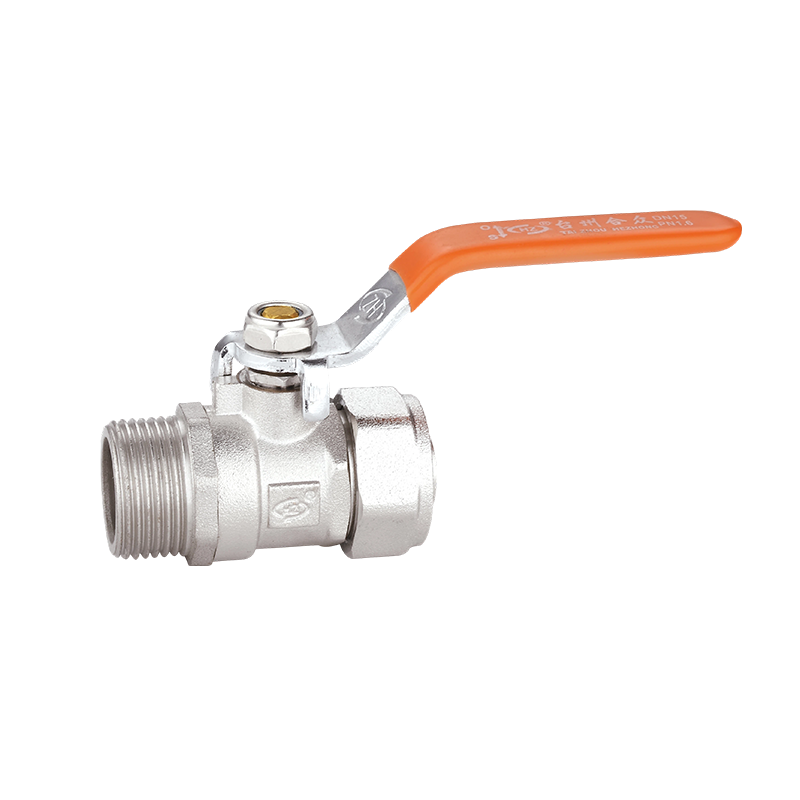 Male-Thread-Brass Compression Ball Valve for PEX-AL-PEX Pipe
This brass compression ball valve is made for PEX-AL-PEX pipe. Connecting different pipe m...
-
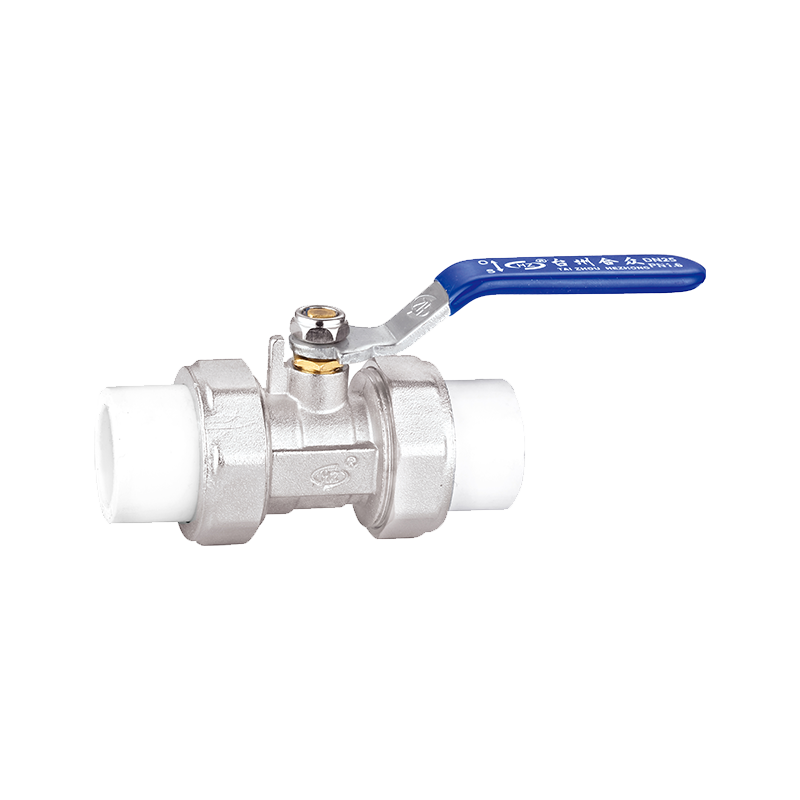 PPR Double Union Ball Valve
This PPR ball valve features a double‑union structure, compatible with hot‑melt connection...
CONTACT DETAILS
- TEL: +86-18158607688
- E-mail: [email protected]
- Address: Zhongshan Industrial Zone, Chumen Town, Yuhuan City, Taizhou, Zhejiang Province, China
