 EN
 English
 русский
 中文简体

This brass ball valve is built for water lines, HVAC loops, and compressed air systems whe...


Application Industry
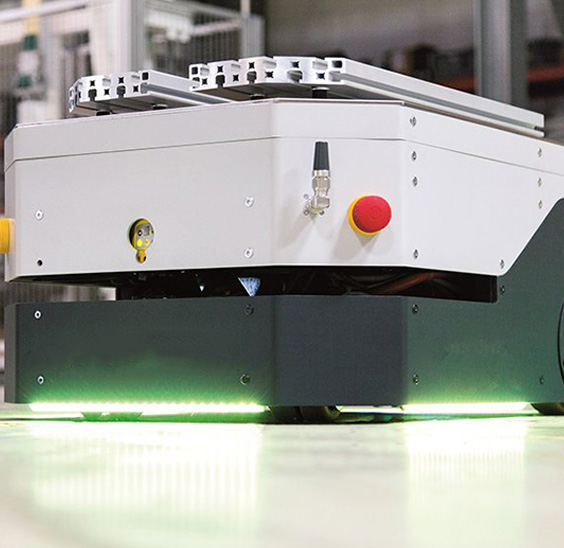
AGV

Automated robots

laser cutting

Logistics sorting

Photovoltaic power-station

Medical devices
How a Butterfly Handle Gas Valve Supports Convenient Gas Flow Control
Gas valves sit at critical points in a piping system, allowing flow to be started or stopped for isolation, maintenance or emergency shut-off. The ease with which a valve can be reached and turned influences both routine operation and the speed of response when the line must be closed. A handle shaped for a secure manual grip, combined with a body configuration that suits the pipe layout, supports that accessibility. Gas Butterfly Valve designs that incorporate a butterfly-style handle therefore address the practical need for clear, deliberate operation, provided the internal mechanism, pressure rating and material compatibility match the service conditions. Butterfly Valves Suppliers and producers of Threaded Butterfly Valve variants supply such components for systems where manual control and compact connection arrangements are required.
Function of Gas Valves Within a Flow-Control System
Regulation of Passage Through the Valve Body
A gas valve controls whether gas can pass along the pipe. In the open position the internal passage aligns with the flow path; in the closed position that passage is blocked. Many manual gas valves are intended primarily for on–off isolation rather than for continuous fine regulation of flow rate. The distinction matters: the handle position indicates the state of the valve, while the internal seat and sealing elements determine how completely the flow is stopped.
Accessibility of the Valve in the Installed Layout
Even a correctly specified valve becomes difficult to use if the handle cannot be reached or if surrounding equipment prevents full travel. Installation height, proximity to walls or other pipes, and the clearance required for the hand and the handle arc all influence daily convenience and the ability to operate the valve under less-than-ideal conditions.
Matching the Valve to the Gas Service
Gas type, operating pressure, temperature range and any applicable codes or standards guide the selection of body material, seat material and pressure class. A valve chosen without reference to these conditions may leak, seize or fail to meet the safety expectations of the installation. Documentation that states the intended media and the allowable operating envelope is therefore reviewed before the valve is specified.
Contribution of a Butterfly Handle to Manual Operation
Grip and Visual Indication of Position
The butterfly-shaped handle provides opposing surfaces that can be gripped firmly with one hand. Its orientation relative to the pipe often gives a quick visual cue to whether the valve is open or closed, reducing the chance of misreading the state of the line. The handle is sized so that normal hand force is sufficient to move the internal mechanism through its designed travel.
Clearance Requirements in Tight Installations
In equipment rooms, appliance cabinets or densely routed pipe runs the handle must be able to swing through its full arc without striking adjacent surfaces. The designer or installer checks the required clearance against the actual space available and, where necessary, selects a valve orientation or an extended stem that preserves operability.
Confirmation of Travel and Operating Instructions
Not every butterfly-handle valve opens or closes through the same angular movement. The manufacturer's instructions state the direction of rotation and the expected travel. Assuming a universal quarter-turn or a particular open position without checking the documentation can lead to incomplete closure or to force being applied against a mechanical stop.
Significance of Elbow Geometry and Threaded Connections
Adaptation to Changes in Pipe Direction
An elbow body alters the direction of the flow path within the valve itself, which can simplify routing when the upstream and downstream pipes meet at an angle. The geometry reduces the need for a separate fitting in some layouts and can shorten the overall length of the assembly, provided the pressure drop and the mechanical stresses remain within design limits.
Characteristics of Male Threaded Ends
Male threads on the valve ends engage with female threads on the adjoining pipes or fittings. Compatibility depends on matching thread form, nominal size and pressure rating. Sealant or sealing tape is applied according to the jointing method specified for the materials and the gas service; incorrect preparation is a common source of leakage at the connection.
Pre-Installation Verification of Space and Compatibility
Pipe centre-line orientation, available wrench clearance, thread standard and the sealing method are confirmed against the product drawing and the installation instructions. A valve that fits the nominal pipe size but whose handle or elbow conflicts with nearby structures will still create an installation problem. These checks are completed before the joint is made permanent.
Selection Criteria Buyers Should Confirm
Material Suitability for the Gas and Environment
Body and sealing materials are checked against the gas composition, any trace contaminants and the ambient conditions. Technical data sheets list the media for which the valve is intended; departure from that list requires explicit confirmation from the manufacturer or a qualified engineer.
Pressure, Temperature and Connection Data
The allowable working pressure and temperature range, the thread size and type, and any limitations on installation orientation are taken from the product documentation. These values are compared with the design conditions of the piping system so that the valve operates inside its rated envelope.
Test Records and Applicable Standards
Evidence of pressure testing, material certification and conformity with the standards required in the destination market supports the technical evaluation. Appearance alone does not establish fitness for gas service; the supporting documents are part of the purchasing decision.
Maintaining Reliable Operation After Installation
Periodic Visual Inspection of Valve and Joints
The valve body, the handle connection and the threaded joints are examined for corrosion, mechanical damage or signs of seepage according to the maintenance schedule recommended by the manufacturer and by local gas-safety practice. Early detection of external issues prevents them from developing into larger faults.
Adherence to the Stated Operating Method
The valve is opened and closed only in the manner described in the product instructions. Forced operation with improvised levers, or modification of the handle or stem, can damage the internal seats and is avoided. Tools, when required, are those specified for the valve.
Response to Suspected Leakage or Abnormal Behaviour
The smell of gas, visible bubbles at a joint, difficulty in turning the handle or any other abnormal indication is treated as a safety matter. Local emergency and gas-safety procedures are followed, and qualified personnel are engaged. The valve is not dismantled or repaired while the system remains under pressure by untrained individuals.
Overview of Design and Selection Considerations
| Aspect | Contribution to Convenient and Safe Control | Verification Step |
|---|---|---|
| Butterfly handle shape | Secure grip and visual indication of position | Confirm handle travel and clearance in the installed position |
| Valve accessibility | Ability to operate without obstruction | Check installation height and surrounding free space |
| Elbow body geometry | Adaptation to angled pipe runs | Match flow direction and overall envelope to the layout |
| Male thread connections | Direct engagement with female pipe fittings | Verify thread form, size and sealing method |
| Material and media compatibility | Resistance to the gas and operating environment | Review technical data for approved media and conditions |
| Pressure and temperature ratings | Operation within design limits | Compare system conditions with stated valve ratings |
| Documentation and standards | Evidence of fitness for gas service | Obtain test records and applicable conformity documents |
Selecting a Handle-Operated Gas Valve for Practical Installation
A butterfly-style handle improves the ease of manual operation when the valve is correctly specified for the gas, the pressure and the temperature of the service. Elbow geometry and male threaded ends further adapt the valve to particular pipe routes, provided thread standards and clearances are observed. Long-term reliability depends on material compatibility, adherence to operating instructions and prompt attention to any sign of leakage. Zhejiang Qixiang Valve Co., Ltd. manufactures gas valves with butterfly handles and threaded connection options for suitable piping applications. Review of body and sealing materials, connection sizes, pressure and temperature ratings and supporting documentation against the specific system requirements allows selection of a valve that supports both convenient operation and appropriate gas-service performance.
Related products
-
-
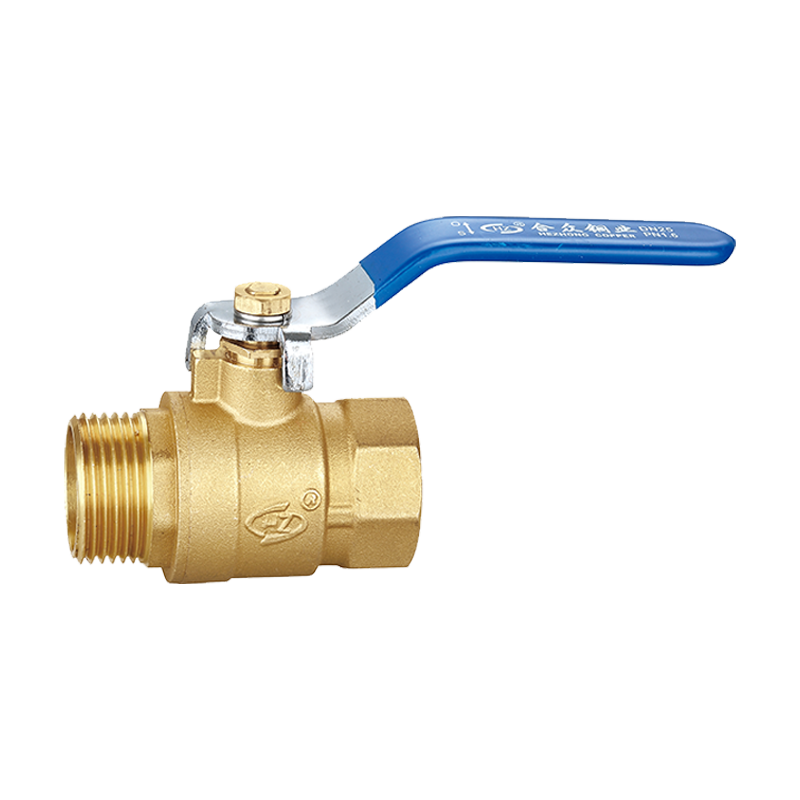 Male Thread Brass Ball Valve for Water & HVAC Systems
This male thread brass ball valve is made of national standard forged brass with RP male t...
-
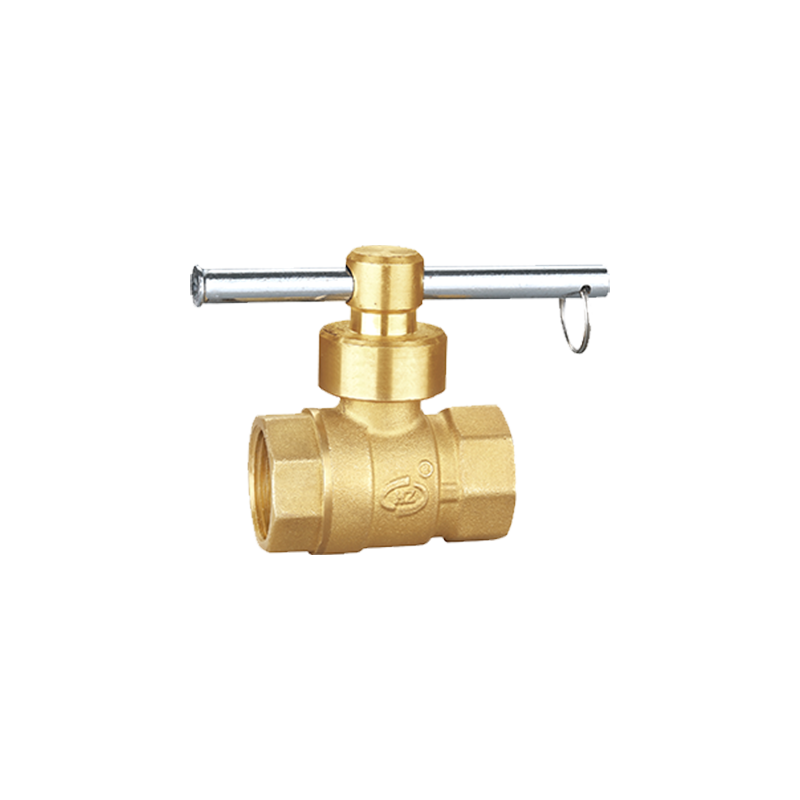 One‑Word Magnetic Lock-Off Ball Valve
This is One‑Word Magnetic Lock‑Off Ball Valve of the Water Utilities Series. It is integr...
-
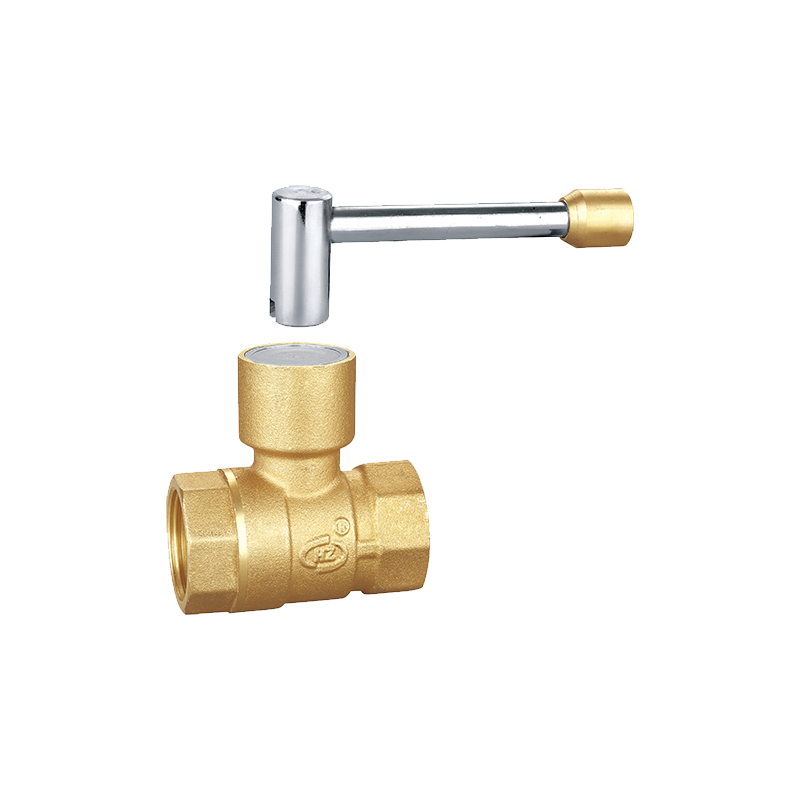 Brass Magnetic Lock-Off Ball
This brass magnetic lock‑off ball valve has a high‑quality forged brass valve body with st...
-
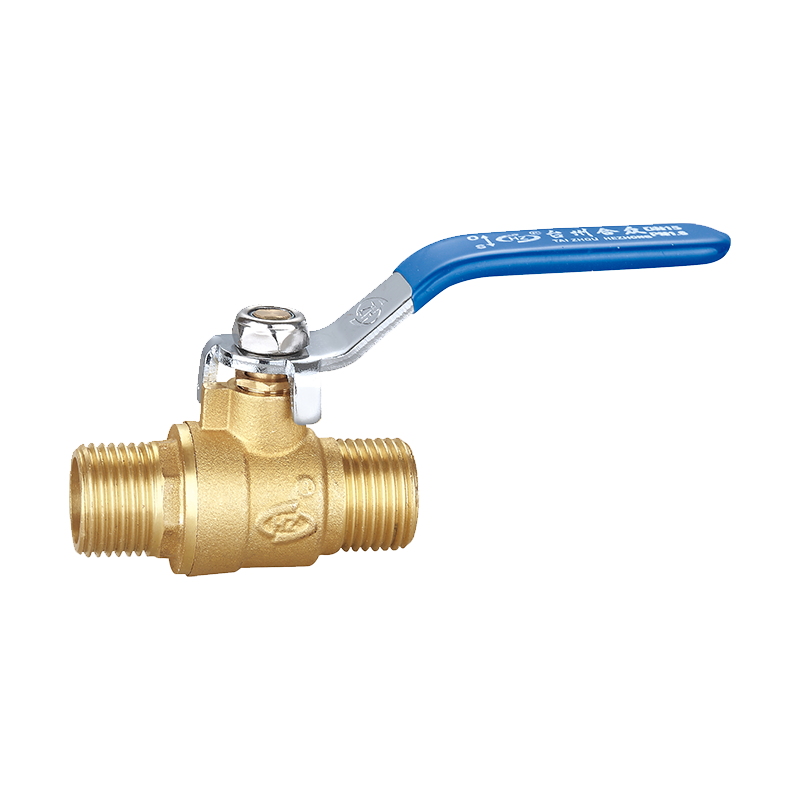 Double Male Brass Ball Valve for Water & HVAC Systems
Double male brass ball valve features male threads on both ends for direct in-line connect...
-
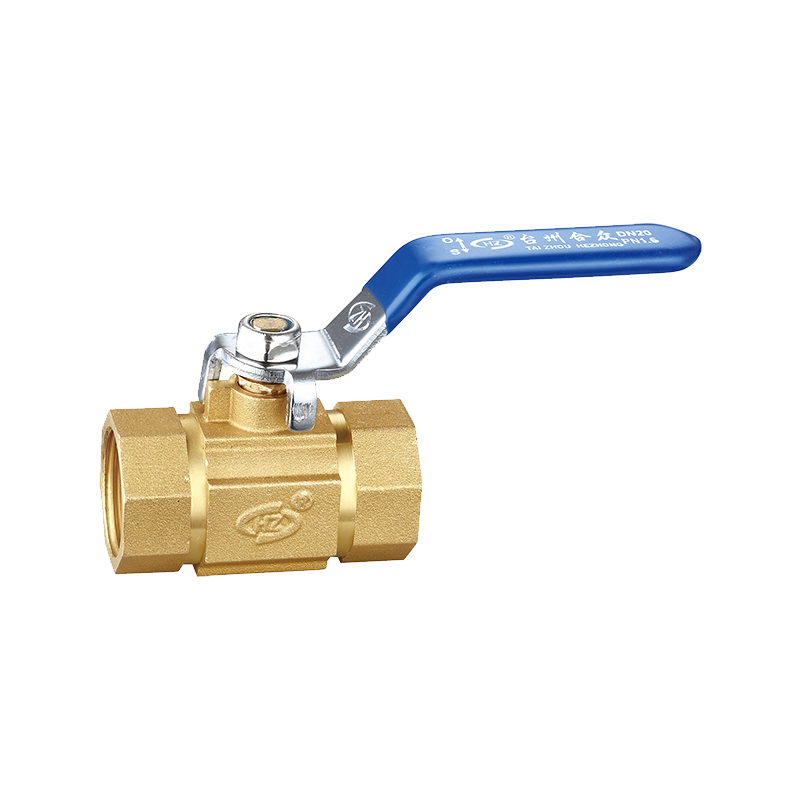 Square Body Ball Valve
This square body ball valve is integrally forged from high‑quality brass. Its square‑shape...
-
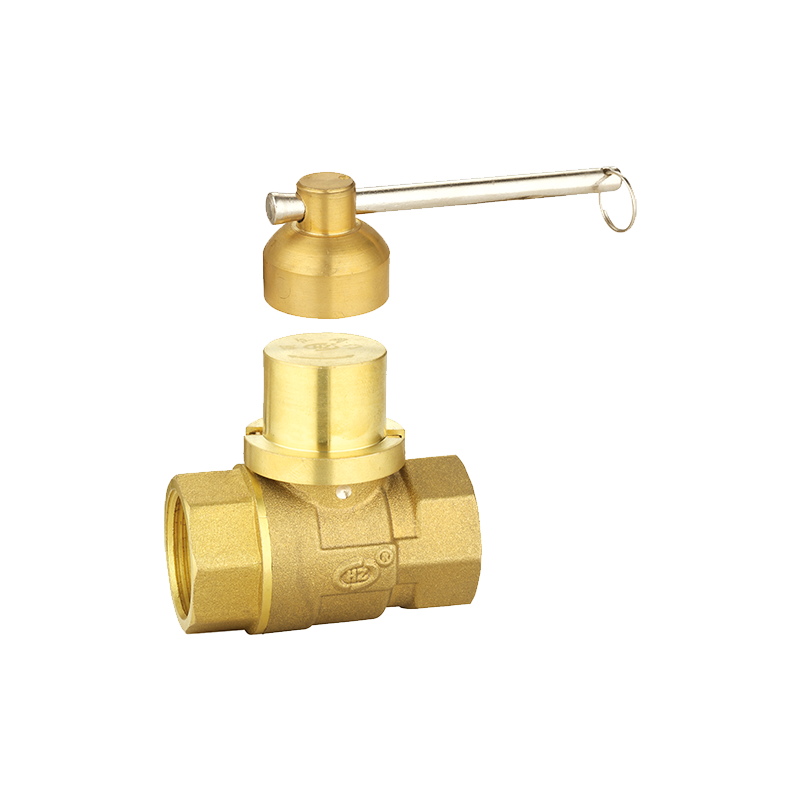 Magnetic Ball Valve for Front of Water Meter
Forged metal tee fitting with M30 loose nut for gas meter inlet connection, double 1/2" ma...
-
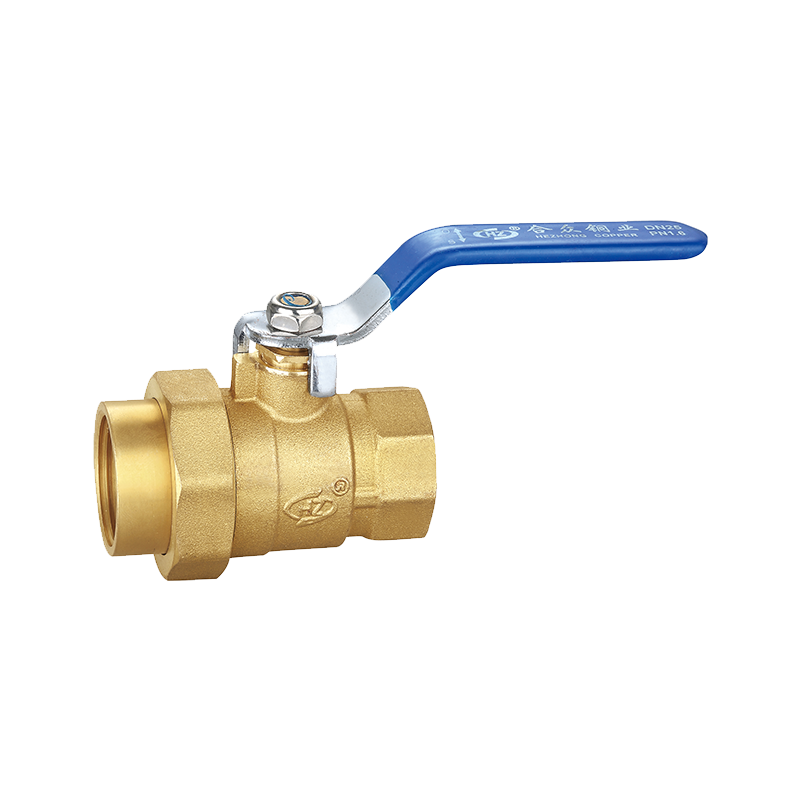 Female Thread Union Brass Ball Valve
This female thread union brass ball valve is made of high-quality brass. It has female thr...
-
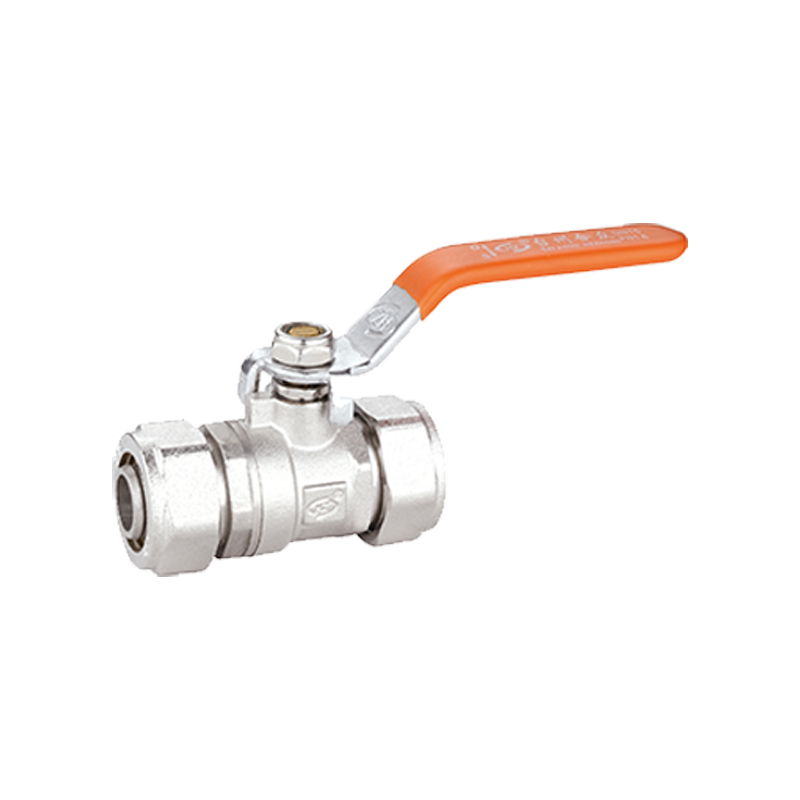 Brass Compression Ball Valve for PEX-AL-PEX Pipe
Brass Compression Ball Valve is forged from high‑quality brass, featuring high‑strength va...
-
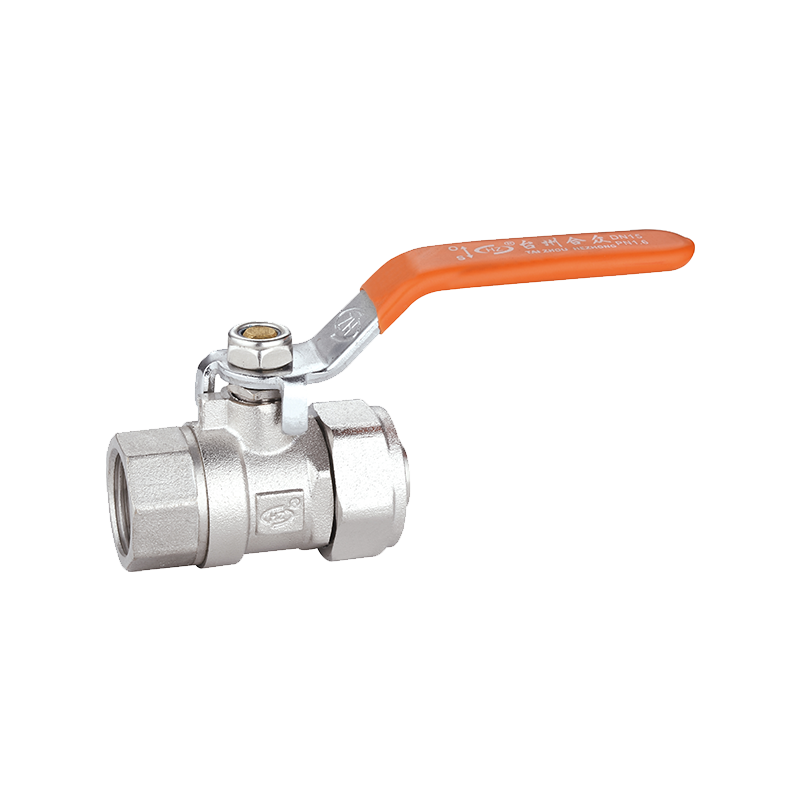 Female-Thread-Brass Compression Ball Valve for PEX-AL-PEX Pipe
This ball valve for PEX pipe features a compression connection on one end and a female thr...
-
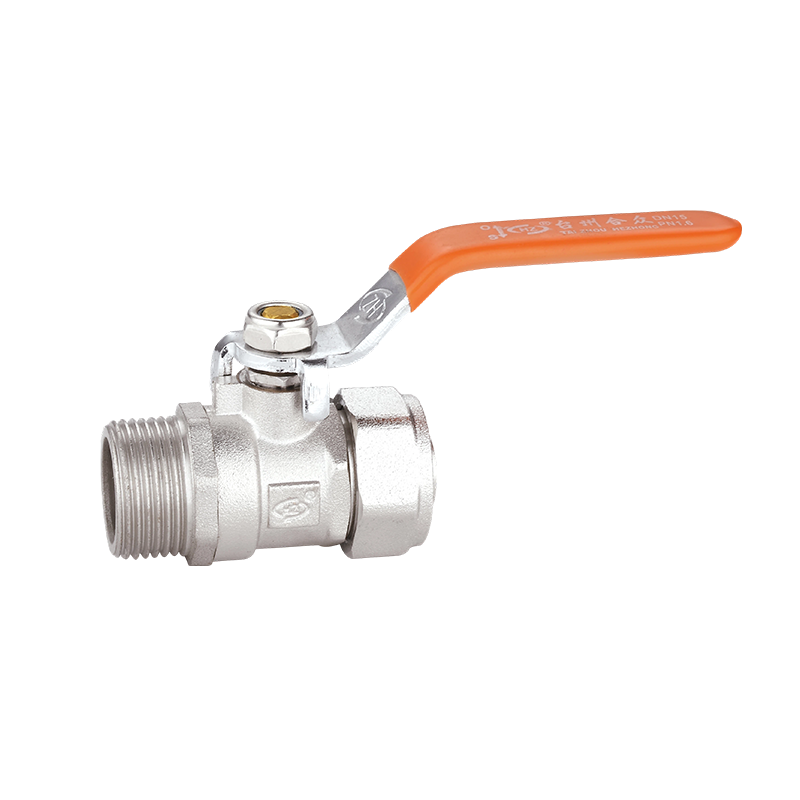 Male-Thread-Brass Compression Ball Valve for PEX-AL-PEX Pipe
This brass compression ball valve is made for PEX-AL-PEX pipe. Connecting different pipe m...
-
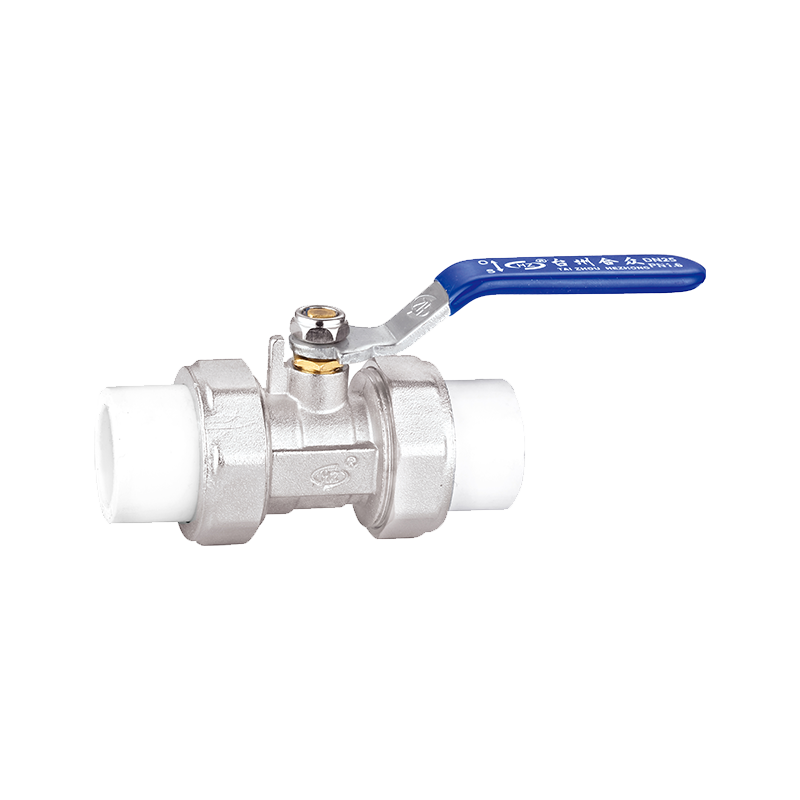 PPR Double Union Ball Valve
This PPR ball valve features a double‑union structure, compatible with hot‑melt connection...
CONTACT DETAILS
- TEL: +86-18158607688
- E-mail: [email protected]
- Address: Zhongshan Industrial Zone, Chumen Town, Yuhuan City, Taizhou, Zhejiang Province, China
