 EN
 English
 русский
 中文简体

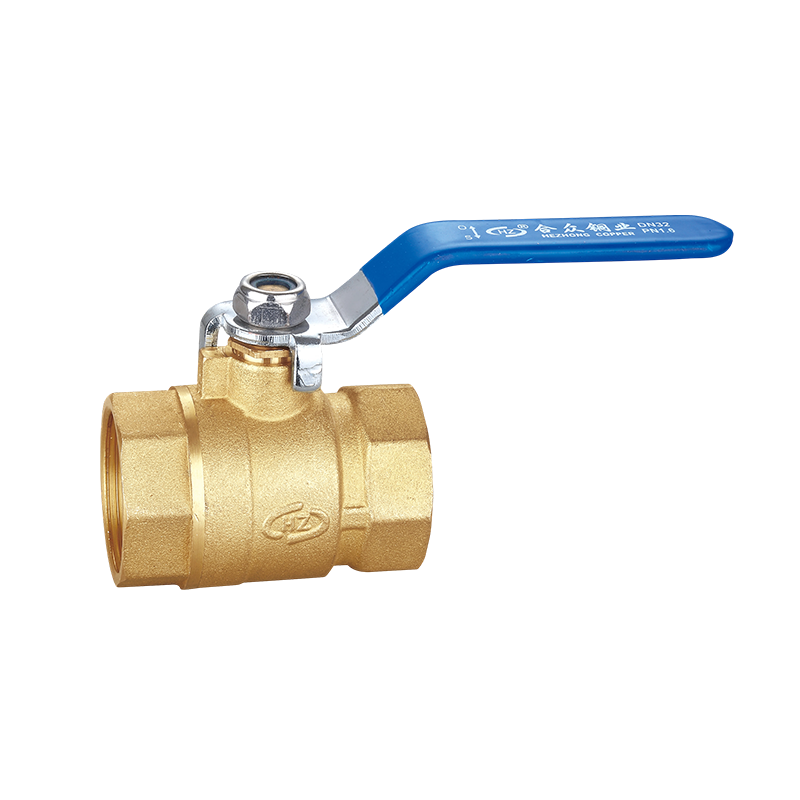
This brass ball valve is built for water lines, HVAC loops, and compressed air systems whe...


Application Industry
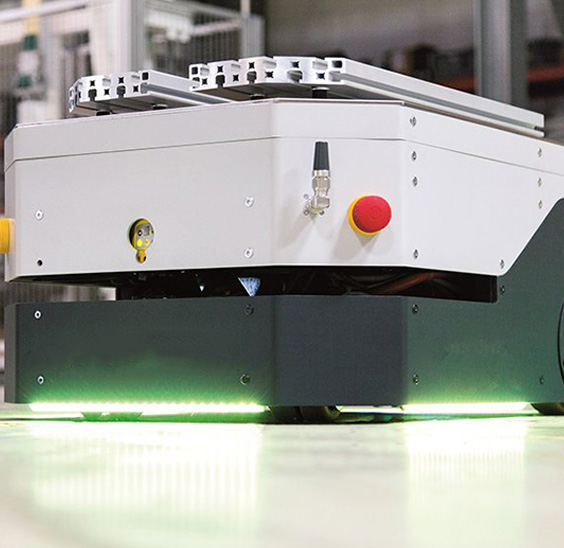
AGV

Automated robots
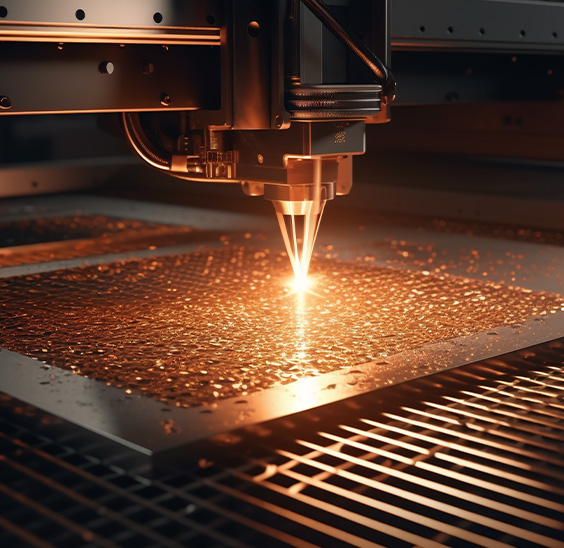
laser cutting
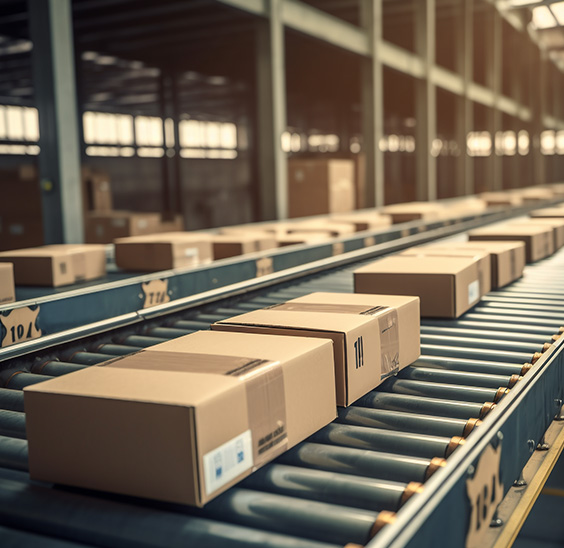
Logistics sorting

Photovoltaic power-station
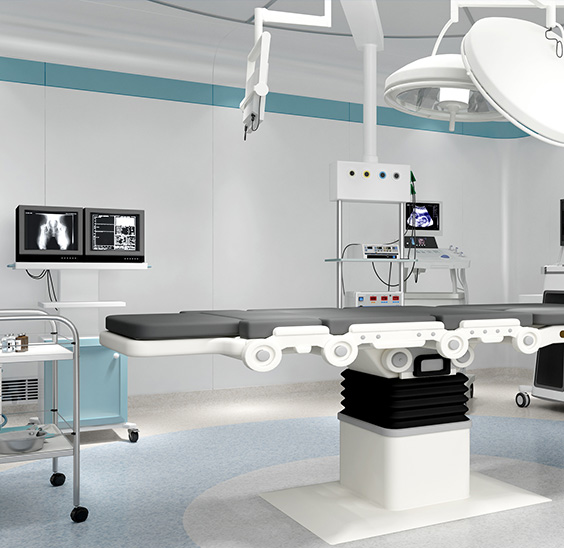
Medical devices
What Should Importers Know Before Sourcing Ball Valves in Bulk
Bulk purchases of ball valves succeed or fail on how clearly the application is defined before the first quotation is sent. Water lines, oil and gas service, chemical duty and general industrial piping each impose different demands on body material, seat design, pressure class and testing. When those demands are vague, price comparisons become misleading and installed valves may not match the pipeline. Matching valve type, materials and documentation to the real service conditions is the core of responsible import purchasing.
Define the Service Before Requesting Prices
Valve Type for the Flow Path
Floating ball, trunnion-mounted, two-way and three-way designs serve different mechanical and flow needs. Port configuration, support of the ball and number of flow paths must be stated when enquiries go out. Confirming type early prevents quotations for products that cannot be used on the intended manifold or branch.
Size, Pressure and Temperature Alignment
Nominal size and end connection dimensions must fit the existing or planned piping. Pressure rating and allowable temperature range must cover normal and foreseeable upset conditions. These parameters are taken from the process data, not from a generic catalogue preference, so that the valve is neither under-specified nor unnecessarily over-specified.
Material Selection for Body and Internals
Body Materials in Common Use
Stainless steel, carbon steel, brass and other alloys appear frequently in industrial ball valves. Choice follows fluid chemistry, corrosion risk, temperature and any project material standard. Grade identification on the purchase order and on material certificates keeps the delivered product aligned with what was approved.
Ball, Stem and Seat Compatibility
The ball provides the shut-off surface, the stem transmits torque from the handle or actuator and the seats maintain the seal. Materials for these parts are selected for the fluid, temperature and cycling frequency. Soft seats and metal seats behave differently under the same media; compatibility is checked against the process fluid description supplied by the end user.
Corrosion and Wear
Aggressive chemicals, abrasive solids and high cycle rates shorten the life of unsuitable seats and seals. Environmental exposure on the outside of the valve also matters for stem seals and fasteners. Accurate medium and environment data at enquiry stage reduce the chance of field failures after installation.
Quality Checks Before Committing Volume
Body and Internal Condition
Casting or forging quality, machining finish, critical dimensions and assembly of ball, stem, seats and seals are inspected on samples or during source visits. Visual and dimensional checks catch gross defects before shipment planning begins.
Pressure and Leakage Tests
Pressure tests verify structural integrity; seat tests check tightness under defined conditions. Procedures and acceptance levels should be agreed and recorded. Requesting test records tied to the order batch supports later quality claims and project documentation packs.
Standards and Certificates
Project specifications may reference recognised valve or piping standards. The exact standard, scope and edition must match what the manufacturer claims. Certificates and supporting files are verified for product applicability, not only for company name on the letterhead.
Manufacturer Capability Beyond the Catalogue
Experience and Range
A supplier's history with industrial ball valves, and whether the range covers the required types, sizes, materials and pressure classes, indicates whether the enquiry is routine or exceptional. Range fit reduces the need for one-off process experiments on the importer's first order.
Process Control and Inspection
How raw material is verified, how machining and assembly are controlled and how finished valves are inspected determines batch consistency. Availability of inspection records for shipped lots is a practical measure of that control. An Industrial Ball Valve Manufacturer with transparent process steps is easier to qualify for repeat programmes.
Custom and Technical Response
Projects sometimes need non-standard face-to-face lengths, materials, end connections or actuator interfaces. Ability to review drawings, respond to technical questions and state what can and cannot be changed marks a usable partner. Speed and clarity of replies during the enquiry phase often predict behaviour during production.
Reading Quotations and Order Terms
Specification Completeness
Unit price alone hides differences in material grade, rating, testing and included accessories. Side-by-side comparison only works when each line item lists the same technical attributes. Packaging quality and marking requirements also belong in that comparison.
Quantity, Capacity and Change Control
Order quantity, sample policy, production capacity and schedule are confirmed in writing. Rules for specification changes after order placement protect both sides when project data shift.
Packing and Export Formalities
Valves must be packed for weight, size and the chosen transport mode. Labels, serial or heat identification and export documents are agreed so that customs clearance and site receiving can proceed without missing paperwork.
Mistakes That Raise Cost After Delivery
Price Without Equal Specifications
Selecting the lowest price while ignoring grade, rating or test scope often leads to rejection at the job site or early in-service problems. Equalising technical content before ranking price is safer.
Incomplete Fluid Data
Wrong body, seat or seal materials fail in corrosive or abrasive service. Providing a clear description of the medium, including temperature and any solids, is part of the importer's responsibility at enquiry stage.
Weak Documentation Trail
Missing material certificates, test reports or data sheets complicate project acceptance and future maintenance. Document lists are fixed before shipment, not after the goods arrive.
Unverified Dimensions
Incorrect end connections or face-to-face lengths block installation. Drawings and dimensional tables are checked against the piping design before the order is firm.
Product Range Aimed at Industrial and Bulk Buyers
Role of the Valve
Ball valves start, stop or divert flow in compatible piping systems when sized and specified correctly. Available types and configurations are taken from the manufacturer's actual catalogue for the product family on offer.
Materials and Configurable Options
Body, ball, stem, seat and seal materials, together with size range, pressure class, temperature limits and connection styles, define the selectable matrix. Project requirements drive the combination; the catalogue only lists what can be produced.
Inspection and Paperwork
Manufacturing and test steps, pressure and leakage records, material documentation and any applicable certificates form the quality package importers use to judge a bulk lot.
Custom Builds
Where supported, material, dimension, connection and operation options can be adapted after review of project specifications. OEM arrangements follow the same technical approval path before production starts.
Working With a Focused Valve Supplier
Selection Against Project Data
Clear process data allow the factory to propose configurations that fit rather than generic substitutes. Technical dialogue at this stage prevents mismatched deliveries.
Repeatable Production and Records
Documented processes and retained inspection evidence support multi-shipment programmes and audit requests from end users.
Support for Trade Partners
Catalogues, samples, packing standards and order coordination matter to distributors and project buyers who resell or install across borders. A Ball Valves Manufacturer that treats documentation and communication as part of the product is easier to keep on an approved list.
Frequently Asked Questions About Bulk Ball Valve Purchasing
What Information Should Importers Provide When Requesting a Ball Valve Quotation?
Medium, temperature, pressure, size, connection type, material preferences, quantity, testing needs and any applicable standards should be stated so that quotations rest on the same basis.
Which Materials Are Commonly Used for Industrial Ball Valves?
Stainless steel, carbon steel, brass and various seat and seal compounds are widely used; final choice follows fluid compatibility and project rules.
How Can Buyers Verify the Quality of Ball Valves Before Shipment?
Sample inspection, agreed pressure and leakage tests, dimensional checks and review of batch records are common verification steps.
What Documents Should a Ball Valve Manufacturer Provide?
Data sheets, material certificates, test reports and any required compliance certificates tied to the products shipped are typical deliverables.
How Can Importers Confirm Whether a Ball Valve Meets Project Requirements?
Comparison of drawings, ratings, materials and test scope against the project specification, plus sample approval when needed, confirms fit before bulk production.
What Should Buyers Compare When Choosing Between Ball Valves Manufacturers?
Product range fit, material and test capability, documentation quality, communication, capacity and total delivered specification—not unit price alone—form a balanced comparison.
Overview of Bulk Sourcing Checks
| Area | Purpose | Practical Action |
|---|---|---|
| Application data | Correct type and rating | State medium, pressure, temperature, size |
| Materials | Compatibility and life | Fix body, ball, stem, seat grades in writing |
| Testing | Integrity and tightness | Agree procedures and request batch records |
| Standards | Project and market acceptance | Verify scope and validity of certificates |
| Supplier process | Consistency across lots | Review inspection flow and sample lock |
| Commercial terms | Delivery and risk | Align quantity, packing, documents, change rules |
Specification First, Then Volume
Bulk ball valve sourcing works when application, materials, ratings, tests and supplier capability are fixed before price becomes the main topic. Equal specifications make quotations comparable; documentation and dimensional checks protect installation and acceptance. Zhejiang Qixiang Valve Co., Ltd. produces industrial ball valves for pipeline and process use. Review of valve type, materials, test records and order terms against project requirements supports import decisions that hold up from quotation through to site commissioning.
Related products
-
-
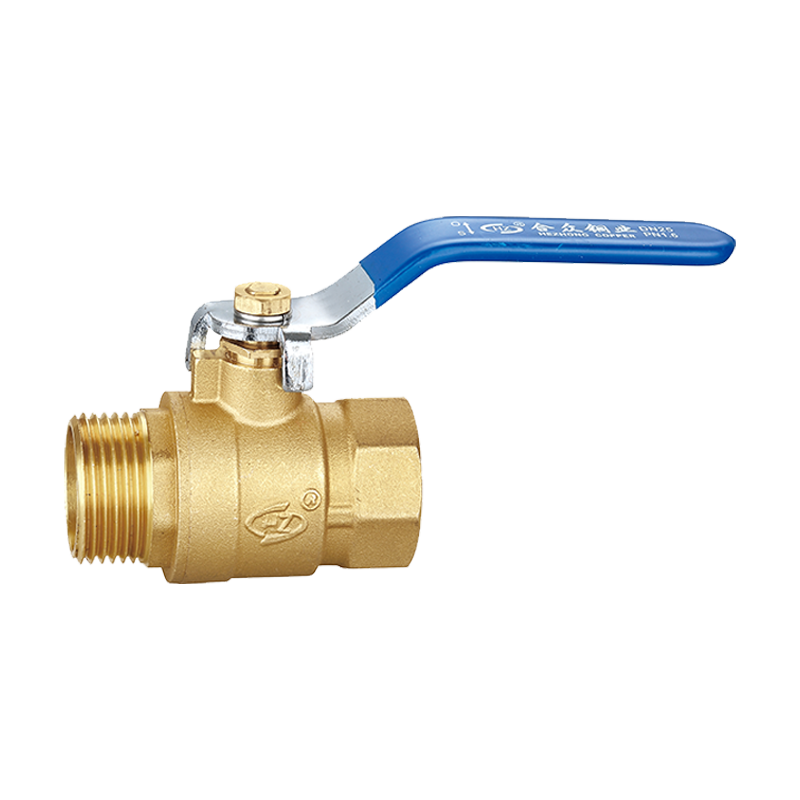 Male Thread Brass Ball Valve for Water & HVAC Systems
This male thread brass ball valve is made of national standard forged brass with RP male t...
-
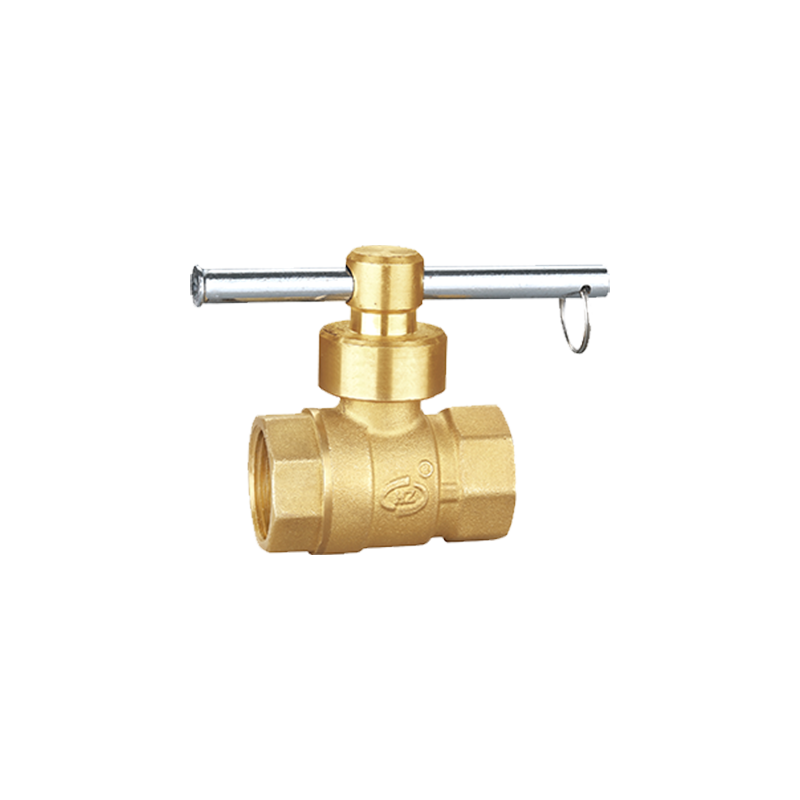 One‑Word Magnetic Lock-Off Ball Valve
This is One‑Word Magnetic Lock‑Off Ball Valve of the Water Utilities Series. It is integr...
-
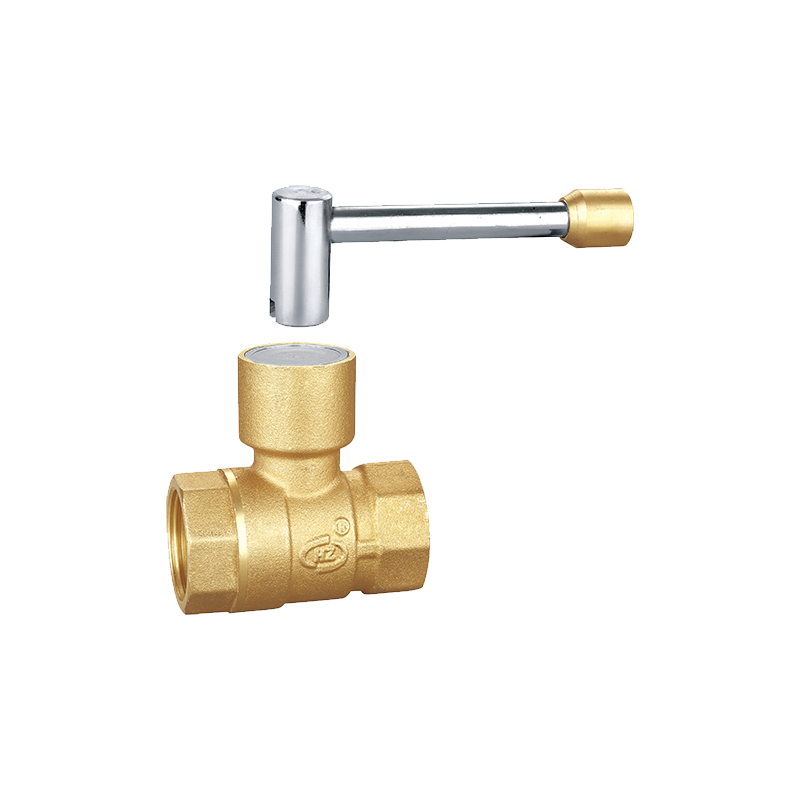 Brass Magnetic Lock-Off Ball
This brass magnetic lock‑off ball valve has a high‑quality forged brass valve body with st...
-
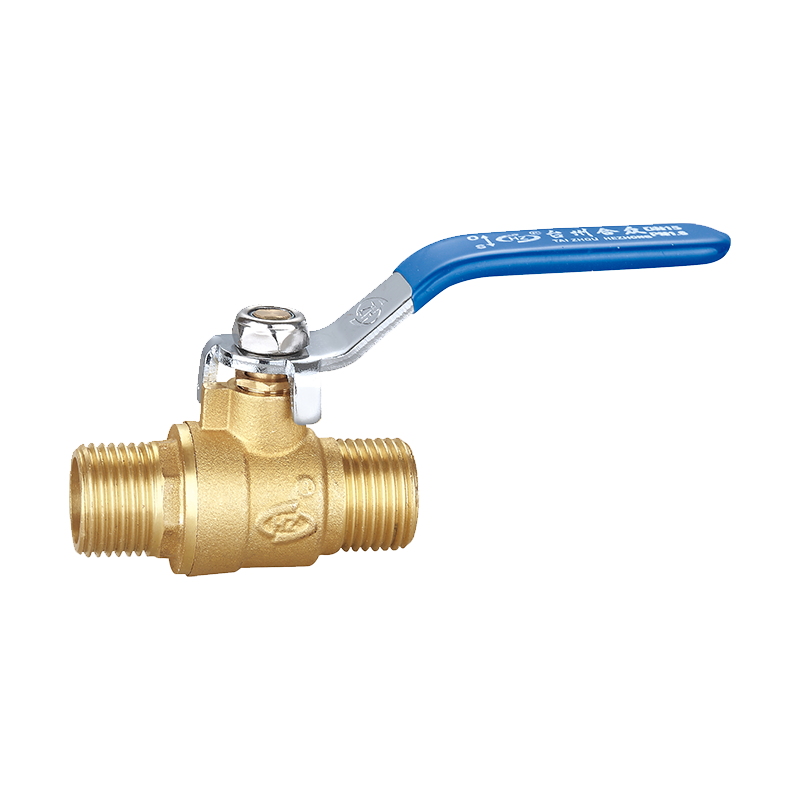 Double Male Brass Ball Valve for Water & HVAC Systems
Double male brass ball valve features male threads on both ends for direct in-line connect...
-
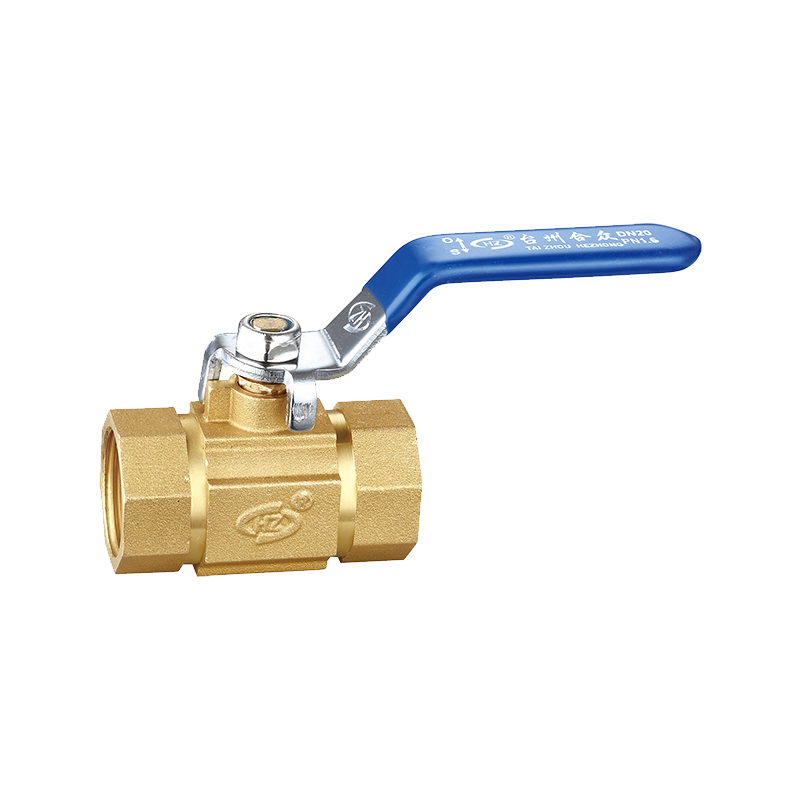 Square Body Ball Valve
This square body ball valve is integrally forged from high‑quality brass. Its square‑shape...
-
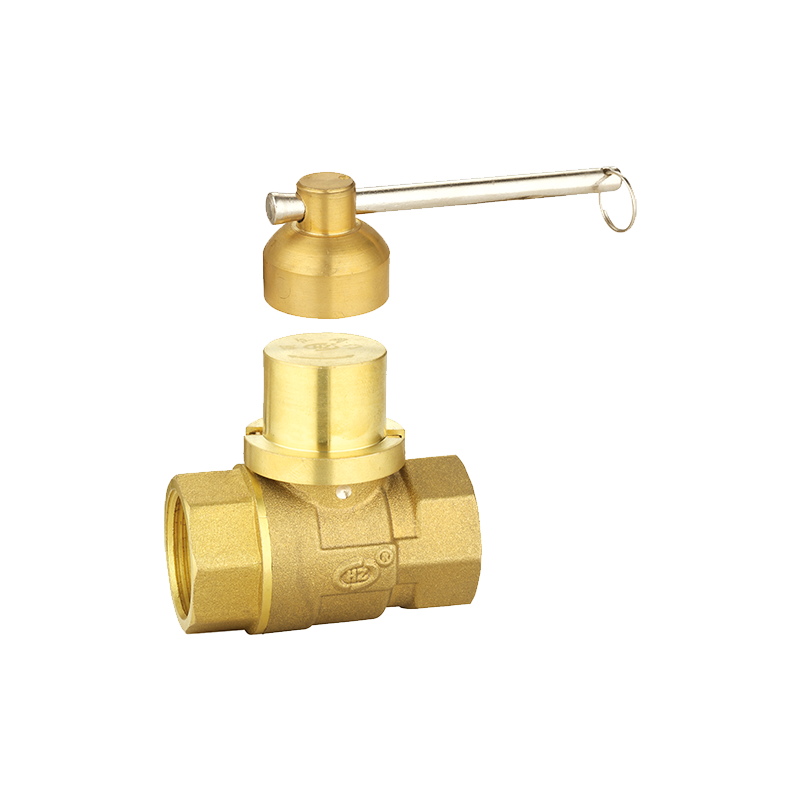 Magnetic Ball Valve for Front of Water Meter
Forged metal tee fitting with M30 loose nut for gas meter inlet connection, double 1/2" ma...
-
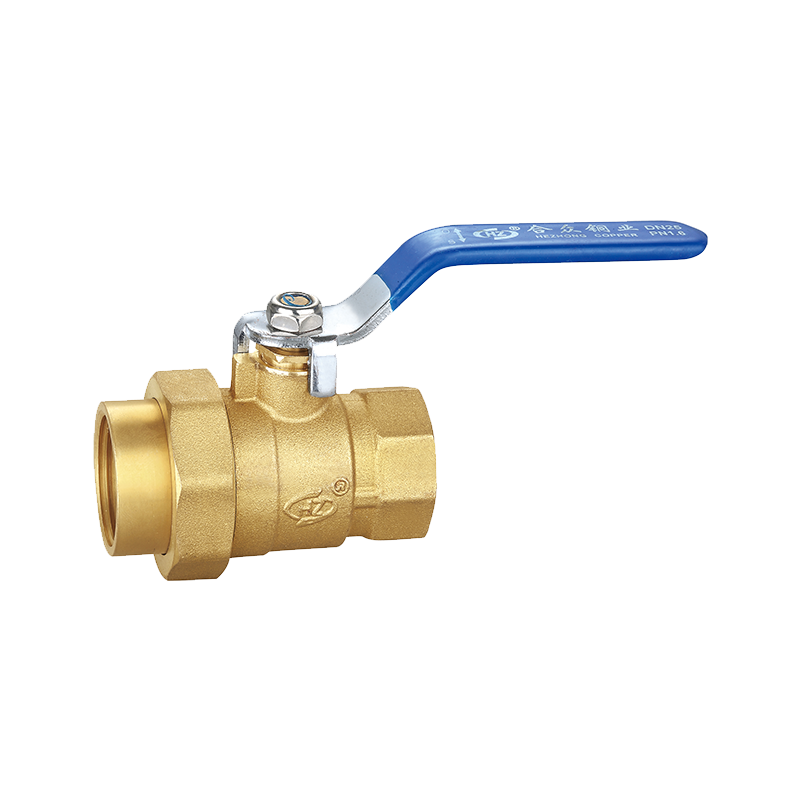 Female Thread Union Brass Ball Valve
This female thread union brass ball valve is made of high-quality brass. It has female thr...
-
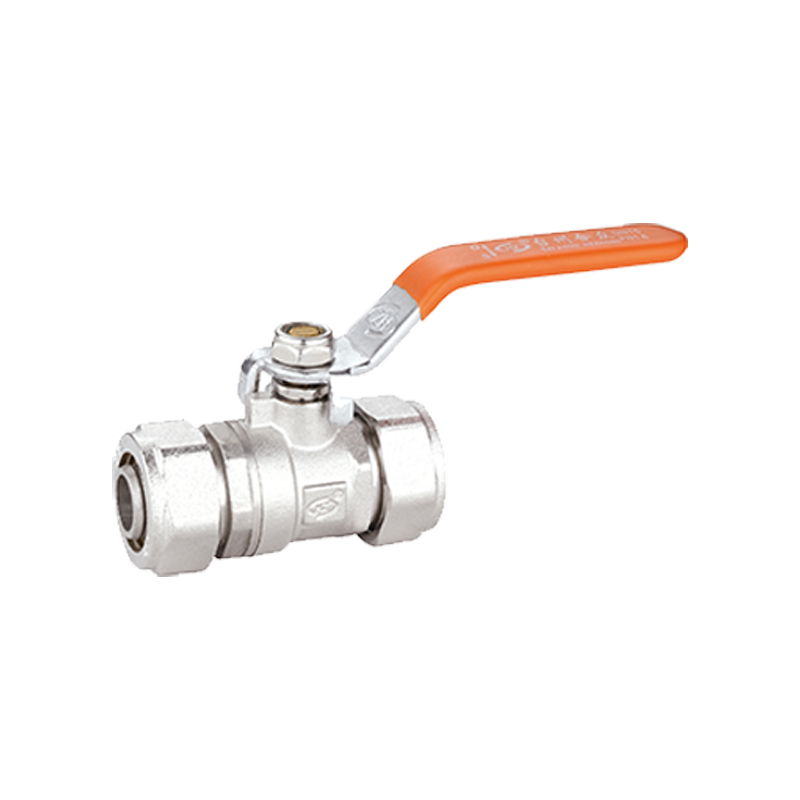 Brass Compression Ball Valve for PEX-AL-PEX Pipe
Brass Compression Ball Valve is forged from high‑quality brass, featuring high‑strength va...
-
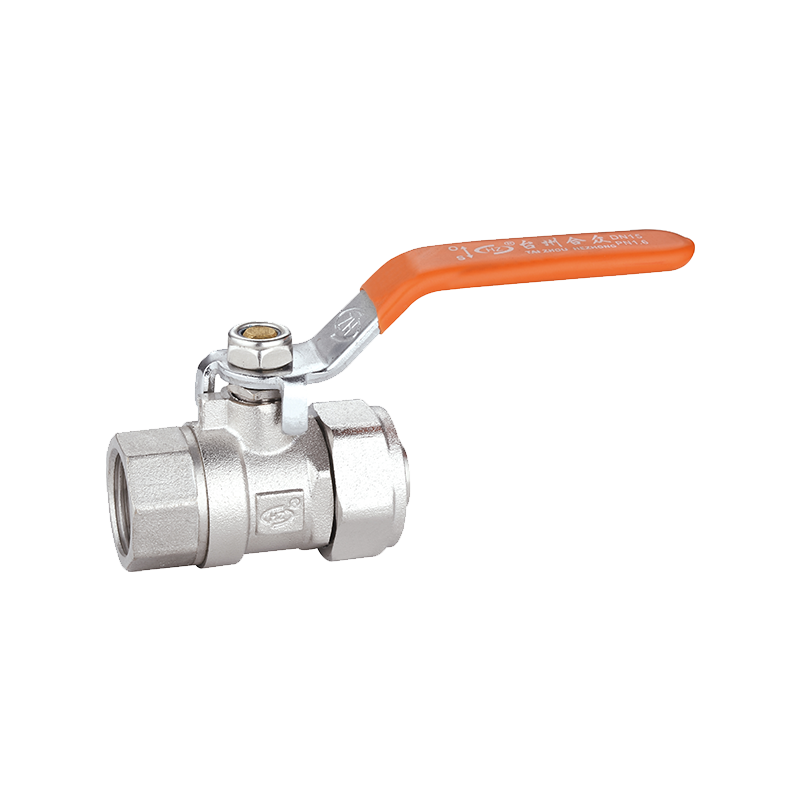 Female-Thread-Brass Compression Ball Valve for PEX-AL-PEX Pipe
This ball valve for PEX pipe features a compression connection on one end and a female thr...
-
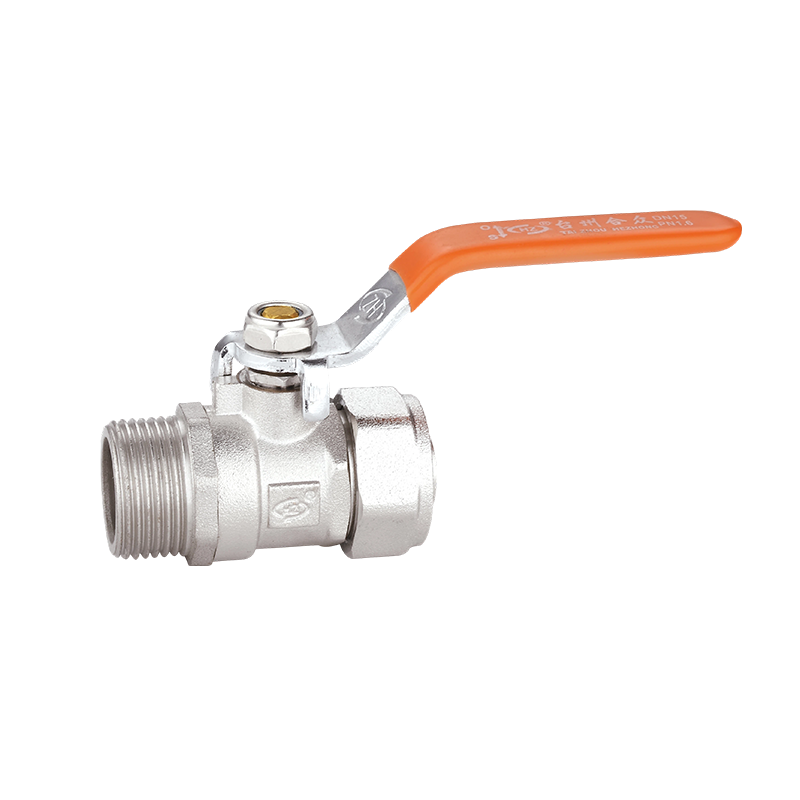 Male-Thread-Brass Compression Ball Valve for PEX-AL-PEX Pipe
This brass compression ball valve is made for PEX-AL-PEX pipe. Connecting different pipe m...
-
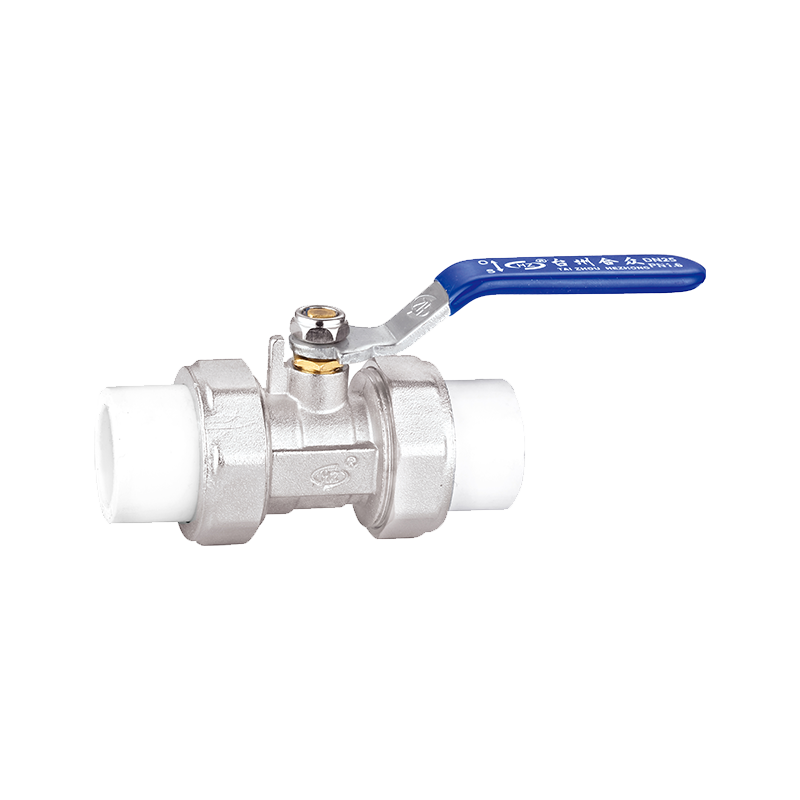 PPR Double Union Ball Valve
This PPR ball valve features a double‑union structure, compatible with hot‑melt connection...
CONTACT DETAILS
- TEL: +86-18158607688
- E-mail: [email protected]
- Address: Zhongshan Industrial Zone, Chumen Town, Yuhuan City, Taizhou, Zhejiang Province, China
