 EN
 English
 русский
 中文简体

This brass ball valve is built for water lines, HVAC loops, and compressed air systems whe...


Application Industry
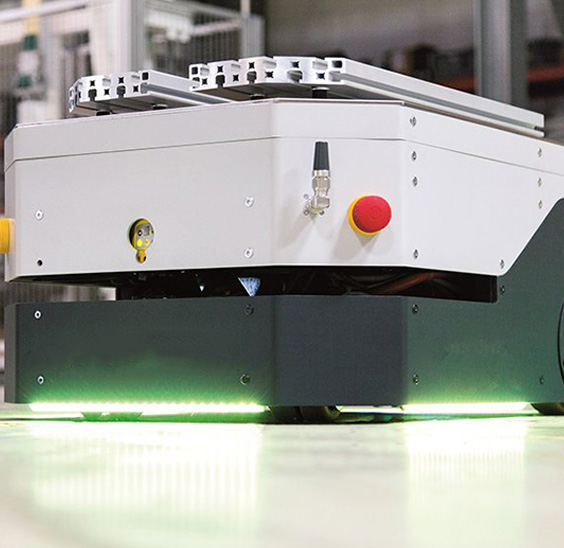
AGV

Automated robots

laser cutting

Logistics sorting

Photovoltaic power-station

Medical devices
What Are the Benefits of Manual Control in a Brass Thermostatic Valve
Direct Temperature Adjustment for Straightforward User Convenience
Manual control on a thermostatic valve means the user turns a handle or dial to change the setting that influences mixed water temperature. The action is immediate and local: no app, no bus wiring and no dependency on a powered controller. Preferred temperature is reached by adjusting the control until the outlet feels right for the task, whether that is hand washing, filling a basin or another compatible use within the valve's design.
That direct method keeps operation understandable for installers and end users alike. The product's manual adjustment design manages temperature settings through a mechanical control path rather than through programmed logic. Convenience lies in the short chain from hand movement to valve response, provided the valve is correctly installed, the supplies are stable and the control is used within the product's intended range.
Flexible Water Temperature Regulation for Changing Needs
Water use is not constant. One period may need cooler water; another may need a warmer mix. Manual adjustment gives flexibility to change the setting when requirements shift, without waiting for a control system to be reprogrammed or reset after a power interruption.
Supply conditions also vary—seasonal inlet temperatures and different draw patterns can call for a different valve position. Users can modify the setting to suit those conditions and the application at hand. The product's manual temperature control function supports flexible adjustment during everyday operation when the mechanism moves freely and the thermostatic element functions as designed. Flexibility remains bounded by safe plumbing practice and by the valve's rated application; it is not a substitute for correct system design.
Simple Mechanical Structure and Clear Daily Operation
The manual control mechanism sets the operating position that works with the thermostatic element to influence outlet temperature. Because the interface is mechanical, daily operation can be explained in ordinary terms: turn to raise or lower the setting, feel the result, refine if needed. Fewer layers of electronics mean fewer failure modes tied to boards, sensors external to the valve or network faults.
Brass valve construction and a manual operating structure combine practical flow control with a clear method of adjustment. Installers can demonstrate use quickly; users can operate the valve without specialised training. Simplicity does not remove the need for correct commissioning or for shut-off isolation elsewhere in the system when service is required. Brasscraft Compression Valve style connection choices on a manual body further keep the installation path mechanical and familiar to trade practice.
Reliable Brass Construction for Everyday Plumbing Use
Brass is widely used in valve bodies because it machines cleanly, accepts threads and compression geometry and offers mechanical properties suited to typical potable-water and heating-related plumbing duties when the alloy and design match the service. Structural integrity of the body and quality of the sealing faces influence leak resistance at joints and durability under repeated operation.
Material quality and manufacturing precision affect how well the valve holds its shape at the connections and how consistently the control stem operates. The product's brass construction supports dependable operation in compatible plumbing systems when pressure, temperature and fluid type stay within the intended service envelope. Brass alone does not guarantee performance; assembly quality, seat condition and correct installation share that responsibility.
Convenient Integration with Straight Compression Connections
A straight valve layout suits runs where the pipe approaches and leaves the valve in line. Compression connections grip the tube with an olive or similar ferrule and a tightening nut, forming a mechanical joint without necessarily requiring a male or female thread on the tube end itself. That method is common in many domestic and light commercial layouts and can speed installation where compression is the site standard.
The product's straight compression structure combines manual control with a practical connection design for plumbing installations that specify this joint type. Tube preparation, insertion depth and controlled tightening remain essential; over-tightening or poorly cut tube ends undermine any compression joint. Compatibility between tube material, size and the valve's compression ends must be confirmed before assembly. Brass Valve Supplier catalogues often group such straight compression manual valves for exactly these layout patterns.
Practical Surface Finishing and Straightforward Long-Term Care
Polishing produces a smooth surface that is easier to wipe and that presents a uniform base for further finishing. Electroplating adds an exterior layer that shapes colour and surface behaviour—common where a chrome-like or similarly bright appearance is wanted on exposed bathroom or utility fittings.
Surface finishing matters for visible valves because fingerprints, water spots and cleaning marks show on polished metal. A polished and electroplated finish on a manual brass thermostatic valve supports routine care with non-abrasive cleaning methods recommended for plated fittings. The finish is part of the product's exterior quality; it does not replace correct internal function or system flushing where required. Attractive exterior and functional manual control sit together when plating adhesion and body preparation are sound.
Manual Control Features and Installation Considerations
| Aspect | Benefit of manual approach | Practical note |
|---|---|---|
| Direct adjustment | Immediate local change of temperature setting | Operate within product design range |
| Flexible regulation | Adapt to use and supply variation | Re-check after major seasonal inlet changes |
| Mechanical operation | Clear, power-independent control | Keep stem and handle free of paint and debris |
| Brass body | Established material for valve construction | Match alloy and seals to fluid and temperature |
| Straight compression ends | In-line layout; mechanical tube joint | Confirm tube size and preparation quality |
| Polished / plated exterior | Cleanable visible surface | Use cleaners safe for plated finishes |
Installation and Use Discipline for Manual Valves
Manual thermostatic valves still require isolation valves for service, correct orientation if marked and verification that hot and cold supplies match the body markings. After installation, checking outlet temperature across the control range confirms that the manual setting produces useful change. Periodic operation of the control through its travel helps avoid stagnation of the mechanism in rarely adjusted positions. These habits preserve the benefits of simple manual control over the life of the fitting.
Manual Adjustment, Brass Body and Compression Layout Together
Manual control in a brass thermostatic valve offers direct temperature adjustment, flexible regulation for different needs, straightforward mechanical operation, a brass body suited to compatible plumbing service, straight compression connections for in-line layouts and a polished, electroplated exterior for visible installations. The Brass Straight Compression Manual Thermostatic Valve brings those elements together for everyday adjustment and installation practice. Zhejiang Qixiang Valve Co., Ltd. produces brass valves including straight compression manual thermostatic designs. Review of connection type, temperature range, system layout and finish requirements supports selection of a manually controlled brass thermostatic valve suited to the intended plumbing application.
Related products
-
-
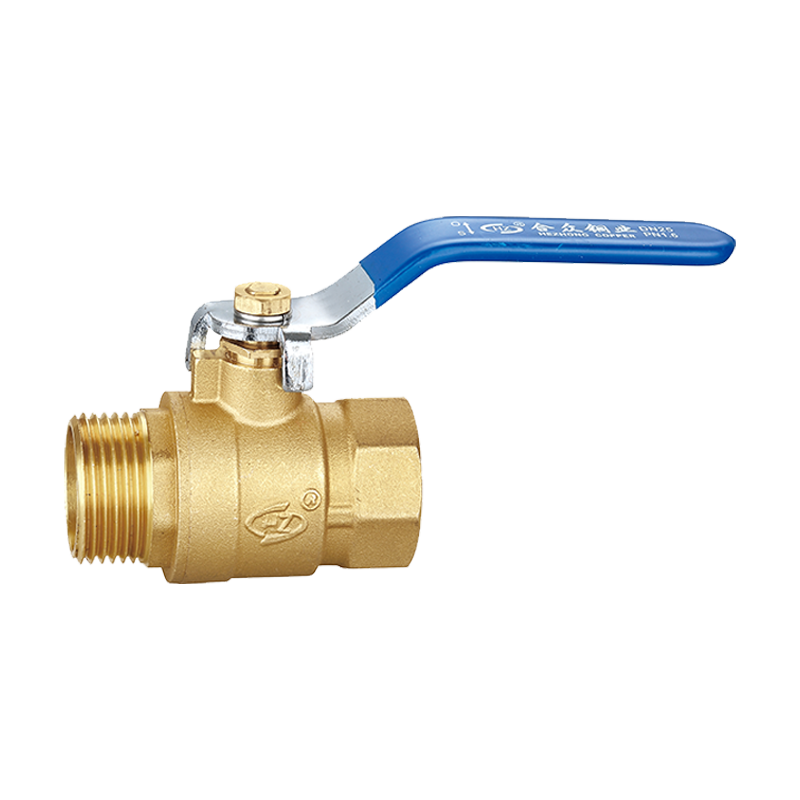 Male Thread Brass Ball Valve for Water & HVAC Systems
This male thread brass ball valve is made of national standard forged brass with RP male t...
-
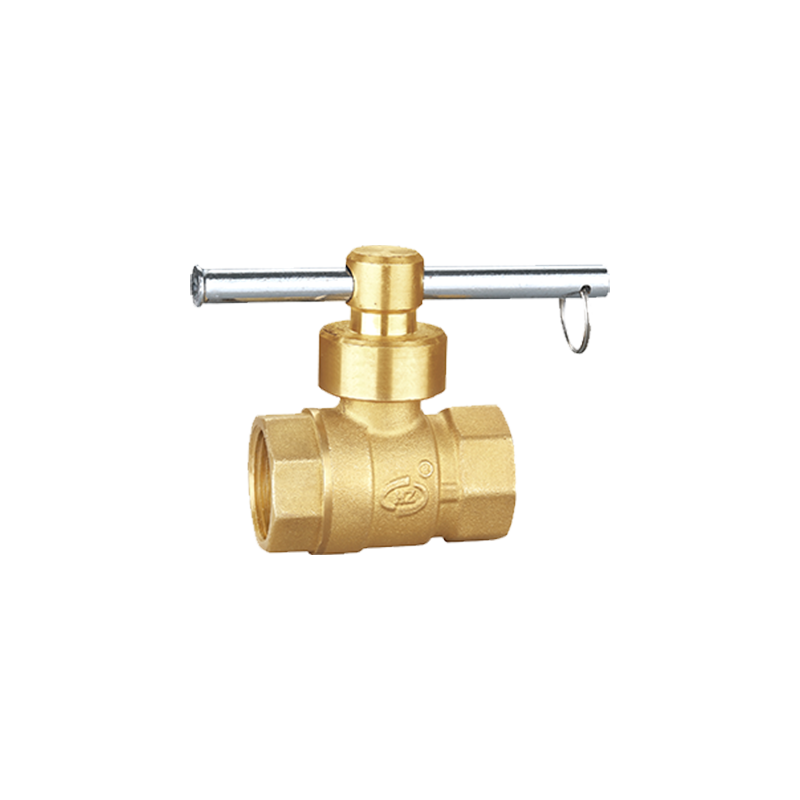 One‑Word Magnetic Lock-Off Ball Valve
This is One‑Word Magnetic Lock‑Off Ball Valve of the Water Utilities Series. It is integr...
-
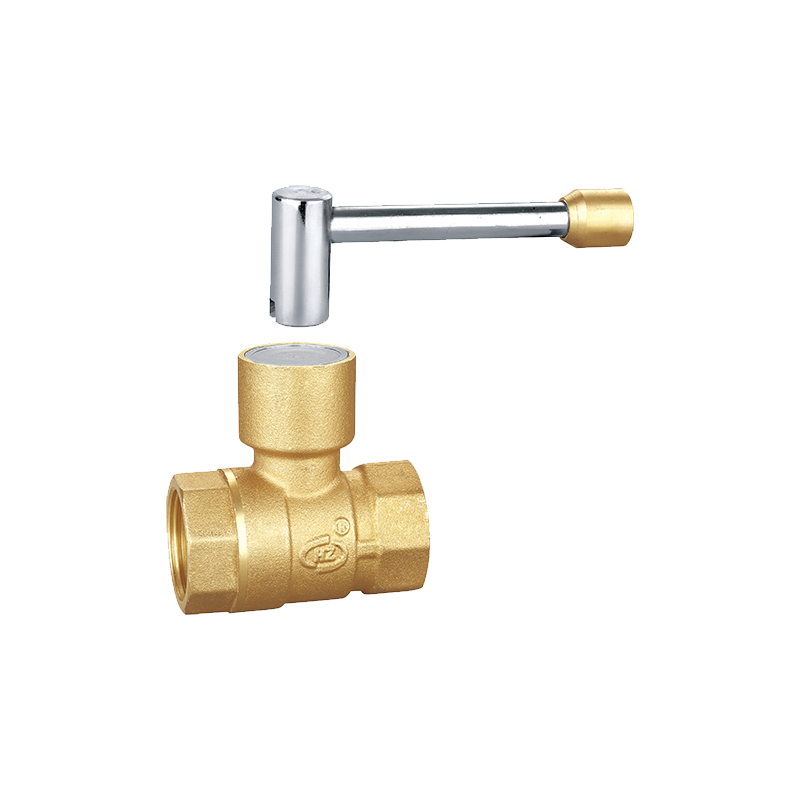 Brass Magnetic Lock-Off Ball
This brass magnetic lock‑off ball valve has a high‑quality forged brass valve body with st...
-
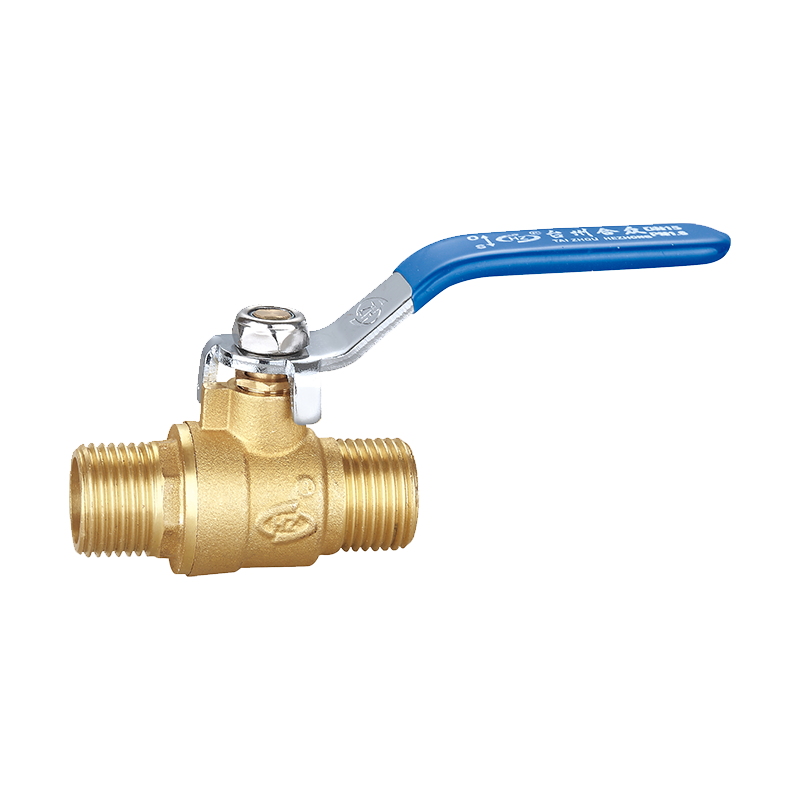 Double Male Brass Ball Valve for Water & HVAC Systems
Double male brass ball valve features male threads on both ends for direct in-line connect...
-
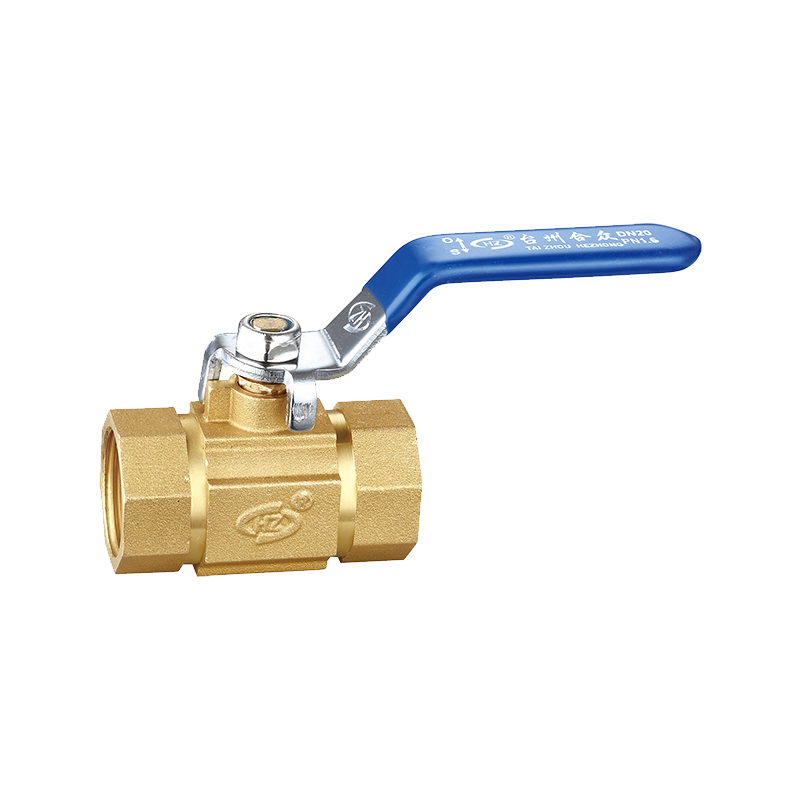 Square Body Ball Valve
This square body ball valve is integrally forged from high‑quality brass. Its square‑shape...
-
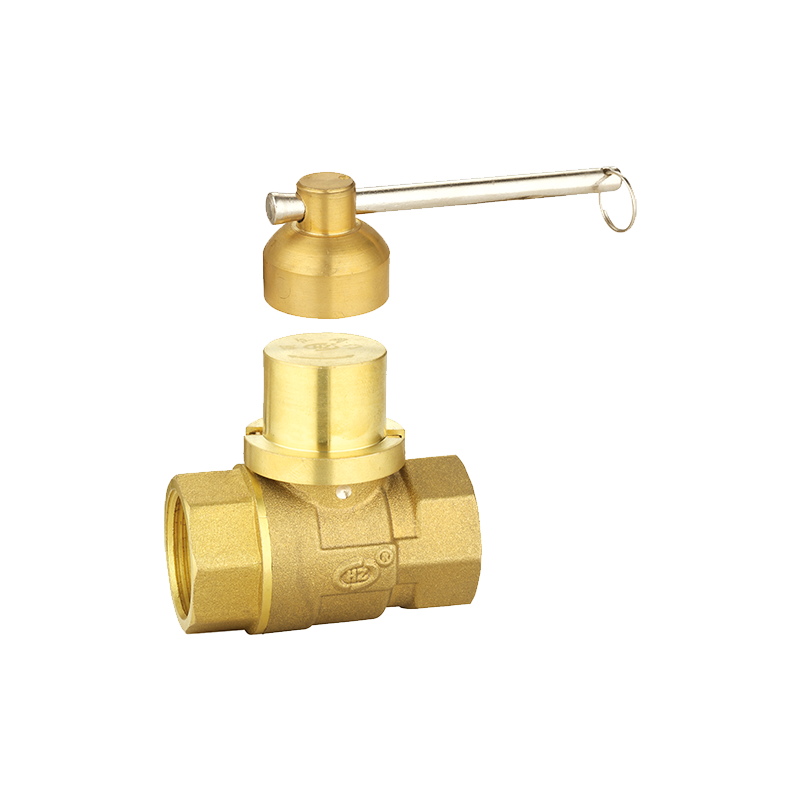 Magnetic Ball Valve for Front of Water Meter
Forged metal tee fitting with M30 loose nut for gas meter inlet connection, double 1/2" ma...
-
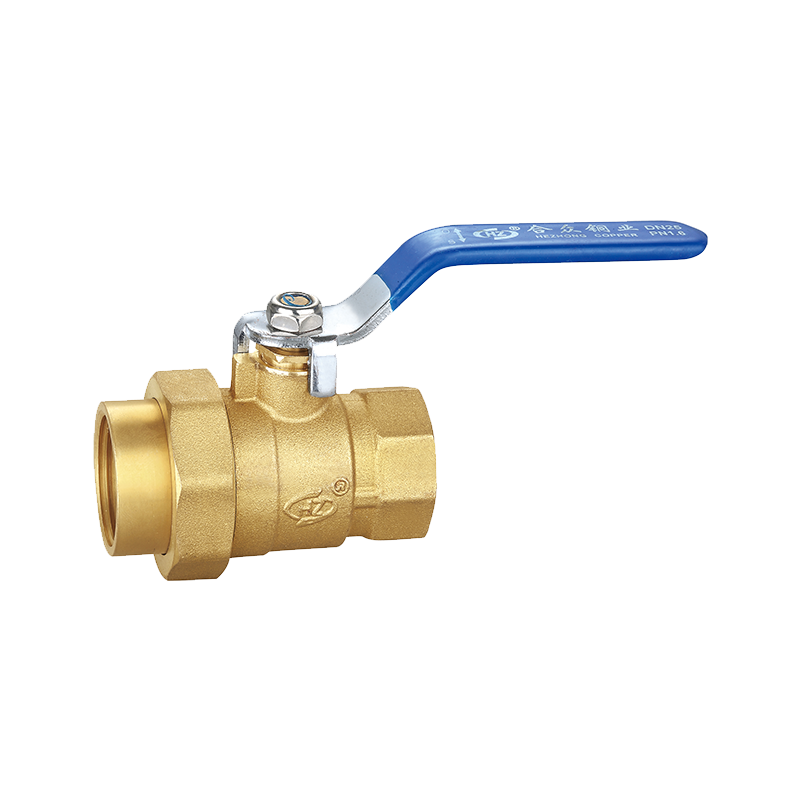 Female Thread Union Brass Ball Valve
This female thread union brass ball valve is made of high-quality brass. It has female thr...
-
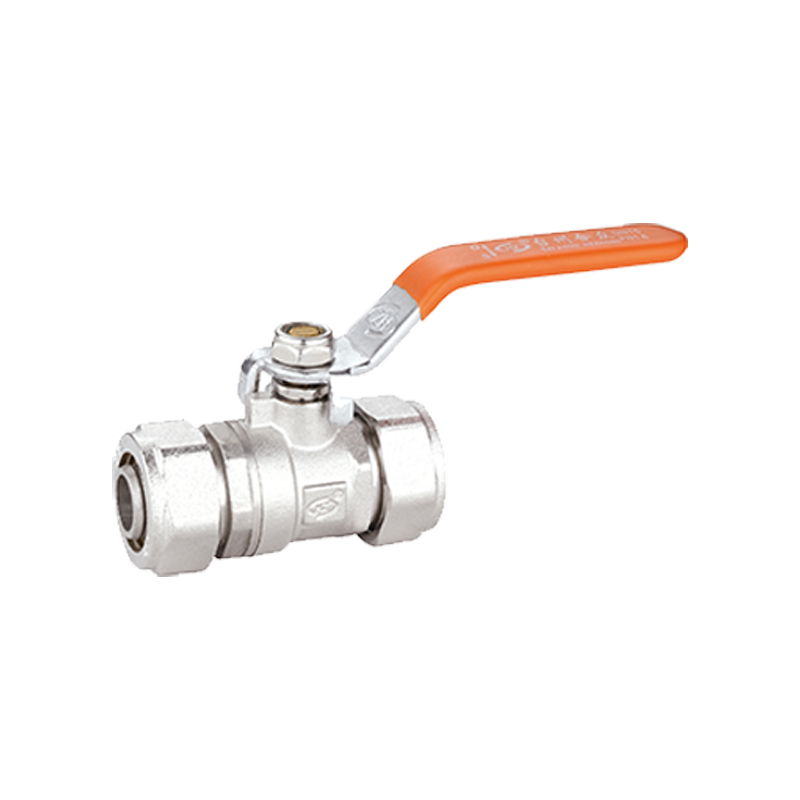 Brass Compression Ball Valve for PEX-AL-PEX Pipe
Brass Compression Ball Valve is forged from high‑quality brass, featuring high‑strength va...
-
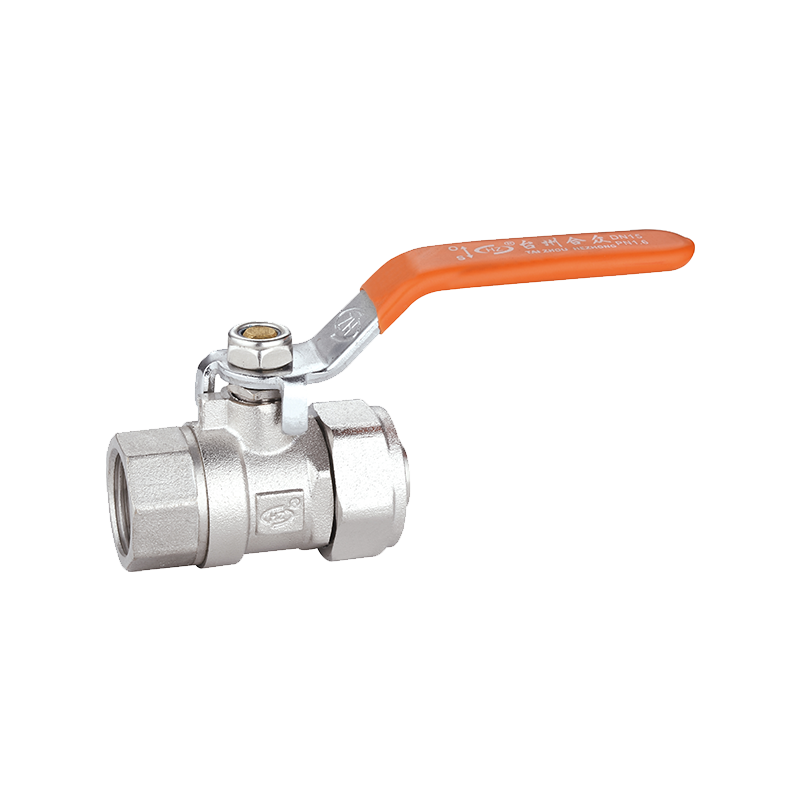 Female-Thread-Brass Compression Ball Valve for PEX-AL-PEX Pipe
This ball valve for PEX pipe features a compression connection on one end and a female thr...
-
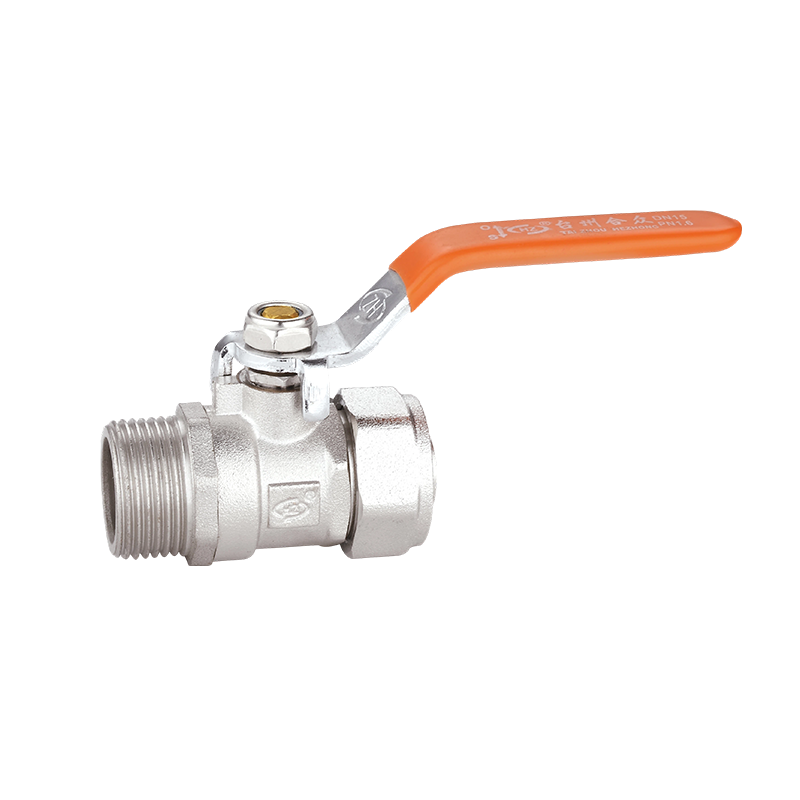 Male-Thread-Brass Compression Ball Valve for PEX-AL-PEX Pipe
This brass compression ball valve is made for PEX-AL-PEX pipe. Connecting different pipe m...
-
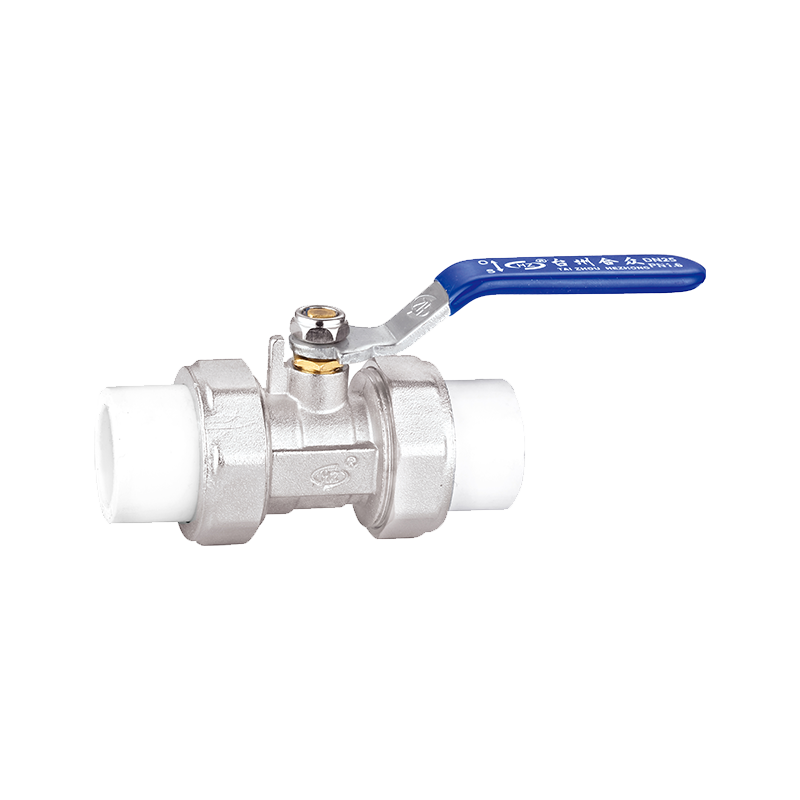 PPR Double Union Ball Valve
This PPR ball valve features a double‑union structure, compatible with hot‑melt connection...
CONTACT DETAILS
- TEL: +86-18158607688
- E-mail: [email protected]
- Address: Zhongshan Industrial Zone, Chumen Town, Yuhuan City, Taizhou, Zhejiang Province, China
