 EN
 English
 русский
 中文简体

This brass ball valve is built for water lines, HVAC loops, and compressed air systems whe...


Application Industry
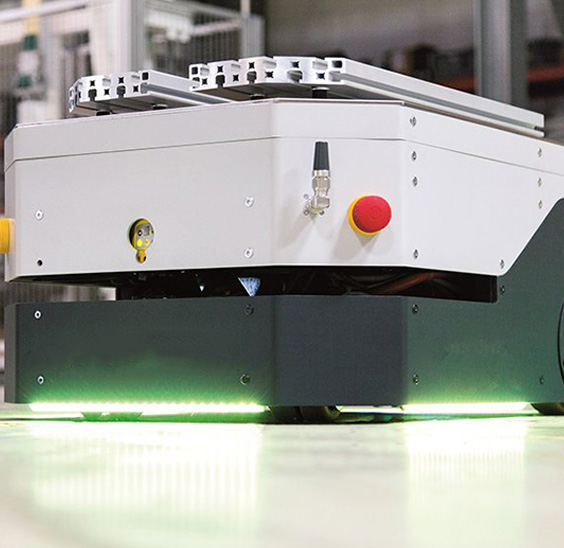
AGV

Automated robots

laser cutting

Logistics sorting

Photovoltaic power-station

Medical devices
How to Evaluate Brass Gas Ball Valve Manufacturers and Suppliers
Choosing a supplier for brass gas ball valves used in natural gas piping projects goes beyond looking at unit prices. Product specifications, material quality, suitability for gas service, supporting documents and the ability to deliver consistently all play a part in the final decision. A structured look at these points helps make sure the chosen valve matches the intended use and cuts the risk of later installation or performance problems. A Brass Butterfly Handle Gas Ball Valve with male and female thread configuration for natural gas service gives one concrete example of the kind of product that needs this careful check.
Assessing Manufacturing Experience with Gas Service Valves
Experience with valves made specifically for natural gas service shows whether the manufacturer understands what gas systems require. Technical papers that spell out the intended application and operating limits should be on hand for review. Dedicated gas valves differ from general-purpose brass ball valves in the materials chosen, the sealing design and the testing steps, so confirming a gas-service focus is essential. The available product range is checked for valve sizes, connection types, handle styles and material options. The ability to supply the exact specifications different projects need, and to offer limited customization when required, further shows technical capability.
Reviewing Brass Material Quality and Overall Valve Construction
The brass alloy grade and the supporting material papers are asked for and compared against the needs of the intended gas service. Looks alone do not prove suitability. The build of the valve body, the internal ball, the stem and the sealing parts is examined. Specifications for seals and any other parts that touch the gas are confirmed. Consistency of parts and assembly quality across production batches is verified through the manufacturer's described process controls.
Confirming Thread Configurations and Pipeline Compatibility
The layout of the male and female threads at each end gets checked against the piping design. Thread standard, size, tolerances and pressure ratings are gone through to confirm they fit the system. Drawings and full product specs are reviewed before any large order is signed off, so clearances and connection details are clear and any mismatch questions get settled early.
Examining Quality Control and Testing Procedures
How incoming materials are checked, how machining is inspected, how assembly is verified and how dimensions are controlled is described by the maker. Pressure and leak test methods plus the records that go with them are requested and weighed for relevance to gas service. Batch tracking systems are confirmed, and so is the way any nonconforming pieces are handled. Inspection reports that can travel with each order help keep quality checks ongoing.
Verifying Certifications and Compliance for Gas Applications
Rules and product standards that apply in the destination market are identified first. The intended use of the valve—residential, commercial or other permitted gas work—is confirmed. Any claimed certificates are checked for validity and to make sure they belong to the exact model. Certificates, declarations, test reports and data sheets are looked over so the documented ratings line up with the planned operating conditions.
Comparing Specifications, Pricing and Customization Possibilities
Material grades, connection setups, pressure ratings and sealing materials are set side by side across options instead of looking only at unit price. Accessories that come with the valve, packaging standards and inspection requirements all form part of the total picture. Handle styles, available sizes, finishes and connection combinations are matched against the job. When customization is needed, minimum quantities, lead times, packaging choices and branding options are clarified, and the technical sign-off process is fixed before production starts.
Evaluating Delivery Reliability and Ongoing Support
Production planning and usual lead times are discussed to confirm the ability to meet forecast volumes and delivery dates. How quickly technical questions and quote requests are answered is noted, along with the readiness to hand over drawings, specs and supporting papers. The process for dealing with quality complaints and replacement requests is reviewed. Consistency of product specs across repeat orders and the chance of forecast-based stock arrangements point to whether longer-term supply cooperation is realistic.
Key Attributes of a Butterfly-Handle Brass Gas Ball Valve for Natural Gas
Brass construction suited to the specified gas service, a butterfly handle that gives practical open-and-close operation within the available space, and male-and-female threaded ends that match common piping layouts form the core product characteristics. Supporting technical documentation—specification sheets, dimensional drawings, pressure data, test records and applicable compliance files—enables a complete technical review before purchase. Bulk-order options, packaging configurations and, where available, limited customization further support the needs of distributors and project buyers.
Overview of Supplier Evaluation Criteria
| Evaluation Area | Key Points to Confirm | Purpose of the Check |
|---|---|---|
| Gas-service experience | Dedicated gas valves vs. general-purpose products | Ensures suitability for natural gas applications |
| Material and construction | Brass grade, body, ball, stem, seals | Verifies integrity under gas service conditions |
| Thread and dimensional compatibility | Male/female arrangement, thread standard, size, ratings | Prevents installation mismatches |
| Quality control and testing | Incoming inspection, pressure/leak tests, batch traceability | Supports consistent product quality |
| Certifications and documentation | Market-specific standards, certificates, data sheets | Confirms regulatory alignment |
| Supply and support capability | Lead times, technical response, repeat-order consistency | Enables reliable long-term procurement |
Selecting a Supplier on the Basis of Verifiable Product and Process Quality
Material specs, thread fit, inspection records, compliance papers, delivery reliability and technical support all belong in a full supplier check. Matching these against the needs of the actual gas piping project cuts the chance of unsuitable parts getting into the system. Zhejiang Qixiang Valve Co., Ltd. makes brass gas ball valves for natural gas work. Going through the available material grades, thread setups, test papers and supply options against the project specs points to a valve that fits the intended service conditions.
Related products
-
-
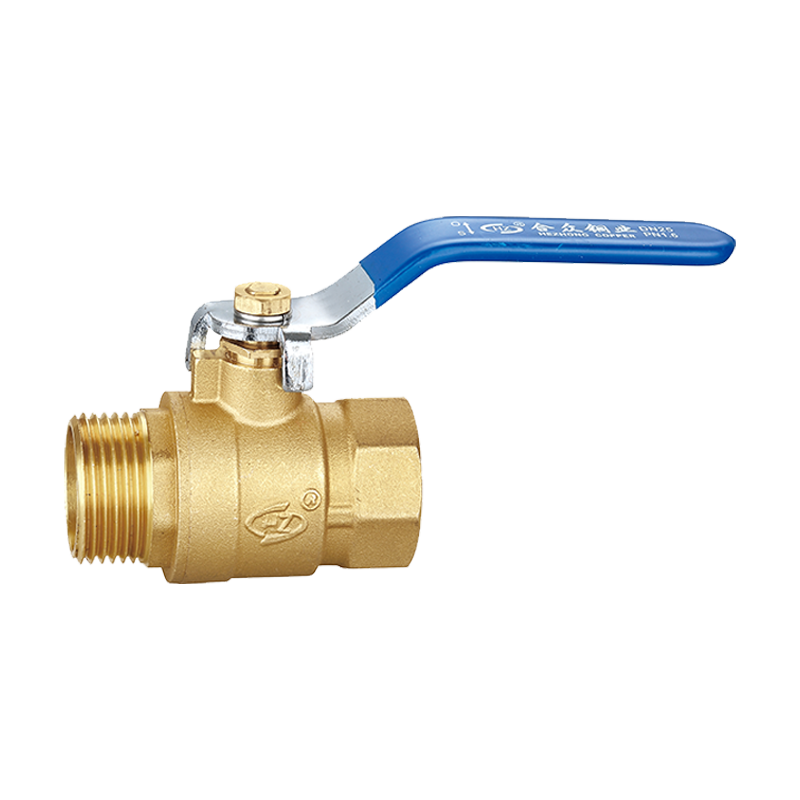 Male Thread Brass Ball Valve for Water & HVAC Systems
This male thread brass ball valve is made of national standard forged brass with RP male t...
-
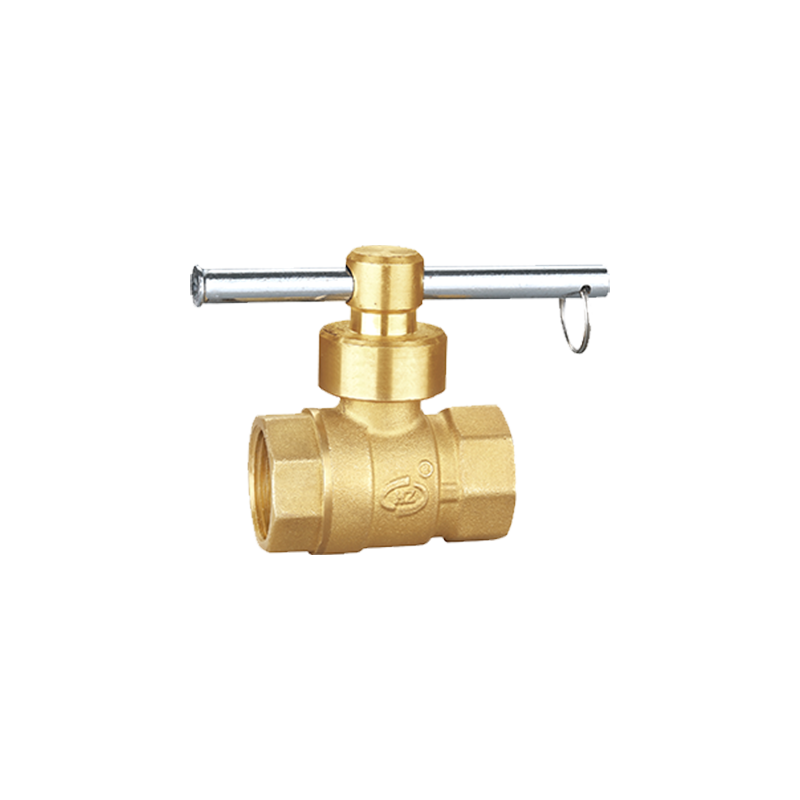 One‑Word Magnetic Lock-Off Ball Valve
This is One‑Word Magnetic Lock‑Off Ball Valve of the Water Utilities Series. It is integr...
-
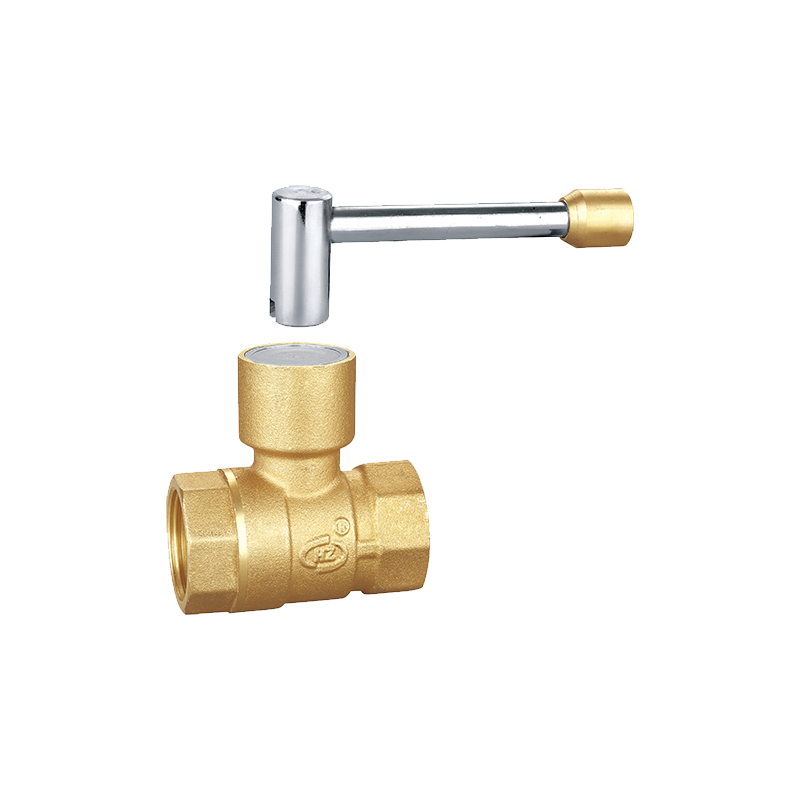 Brass Magnetic Lock-Off Ball
This brass magnetic lock‑off ball valve has a high‑quality forged brass valve body with st...
-
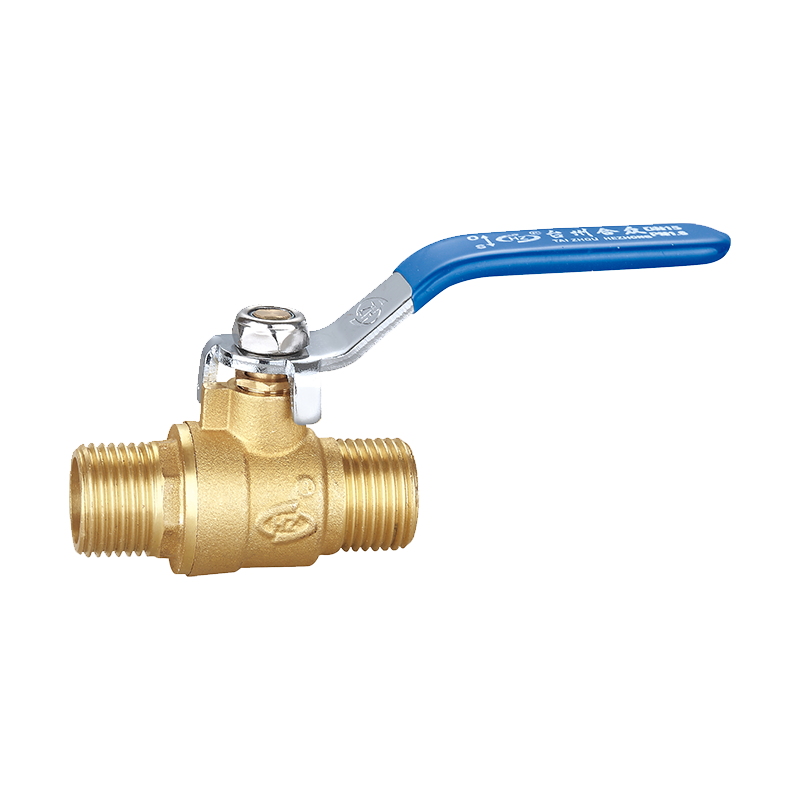 Double Male Brass Ball Valve for Water & HVAC Systems
Double male brass ball valve features male threads on both ends for direct in-line connect...
-
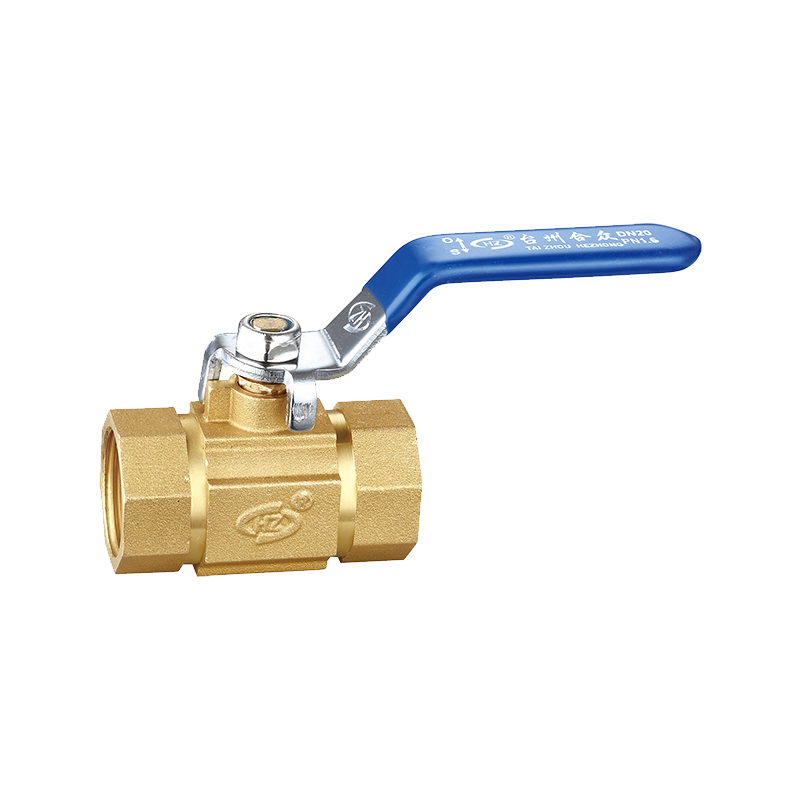 Square Body Ball Valve
This square body ball valve is integrally forged from high‑quality brass. Its square‑shape...
-
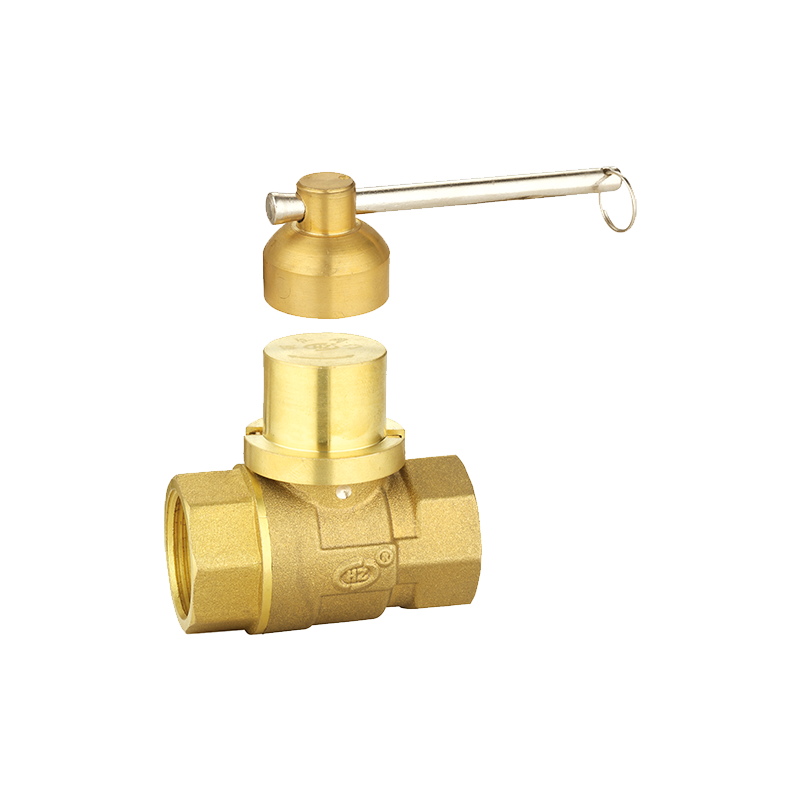 Magnetic Ball Valve for Front of Water Meter
Forged metal tee fitting with M30 loose nut for gas meter inlet connection, double 1/2" ma...
-
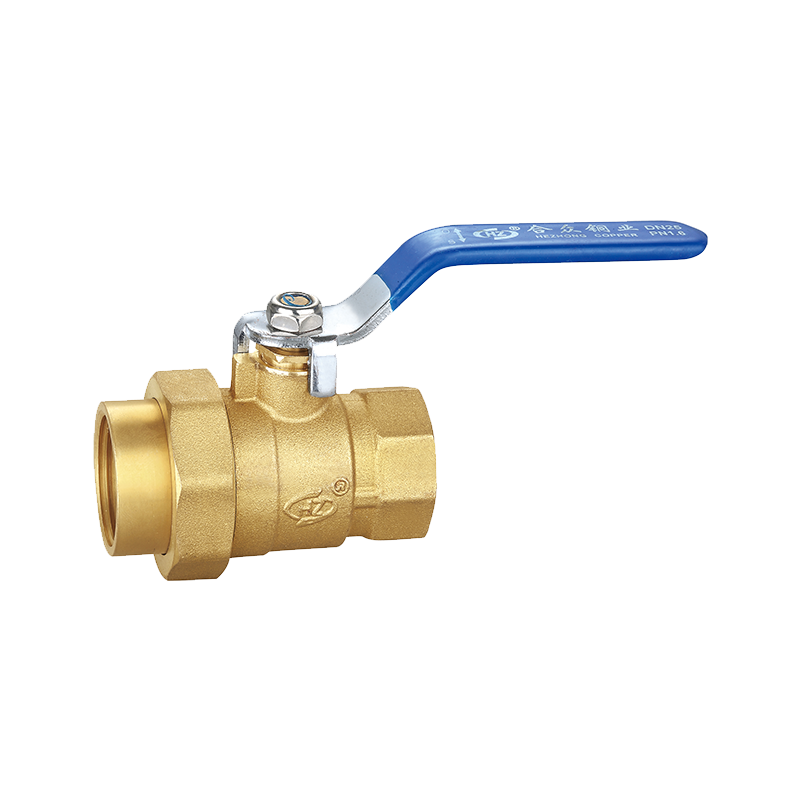 Female Thread Union Brass Ball Valve
This female thread union brass ball valve is made of high-quality brass. It has female thr...
-
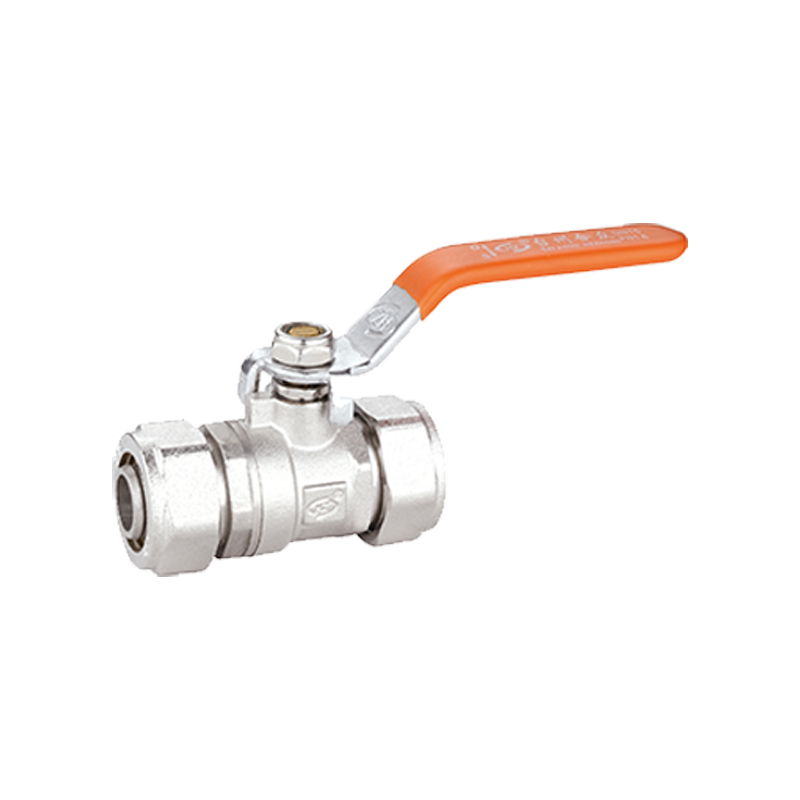 Brass Compression Ball Valve for PEX-AL-PEX Pipe
Brass Compression Ball Valve is forged from high‑quality brass, featuring high‑strength va...
-
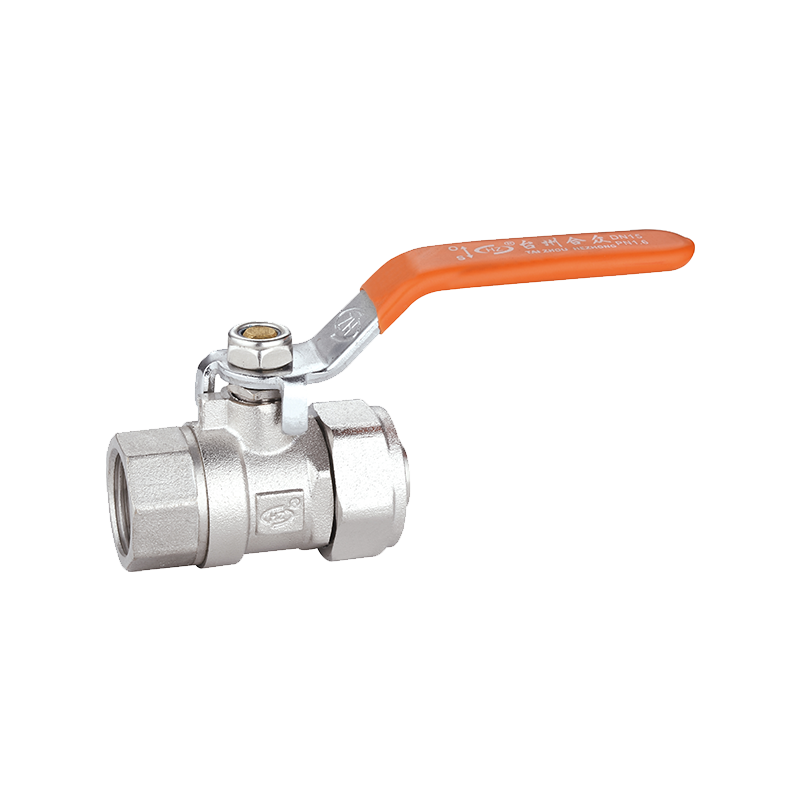 Female-Thread-Brass Compression Ball Valve for PEX-AL-PEX Pipe
This ball valve for PEX pipe features a compression connection on one end and a female thr...
-
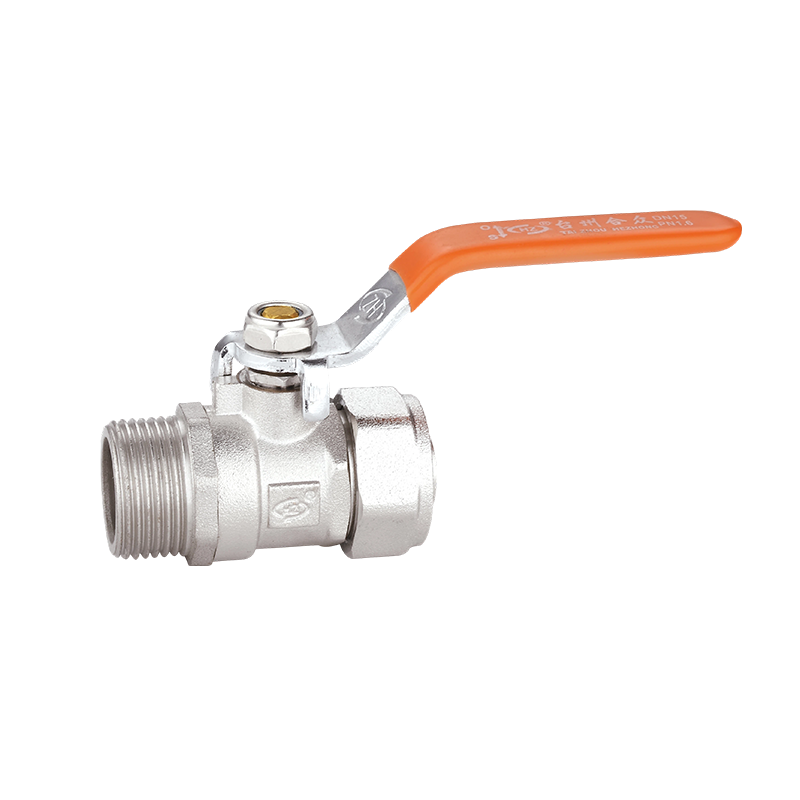 Male-Thread-Brass Compression Ball Valve for PEX-AL-PEX Pipe
This brass compression ball valve is made for PEX-AL-PEX pipe. Connecting different pipe m...
-
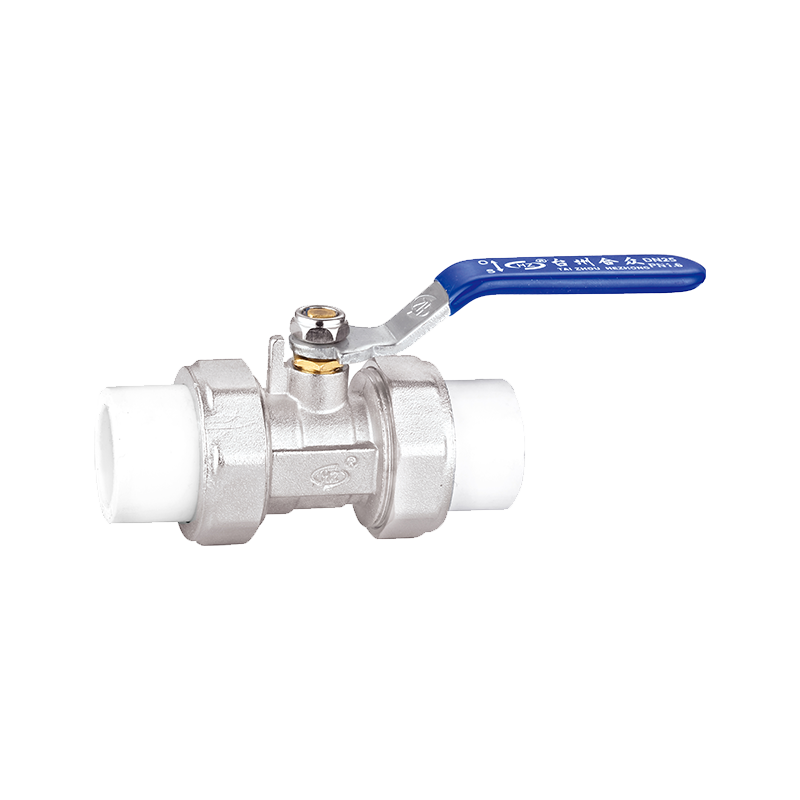 PPR Double Union Ball Valve
This PPR ball valve features a double‑union structure, compatible with hot‑melt connection...
CONTACT DETAILS
- TEL: +86-18158607688
- E-mail: [email protected]
- Address: Zhongshan Industrial Zone, Chumen Town, Yuhuan City, Taizhou, Zhejiang Province, China
