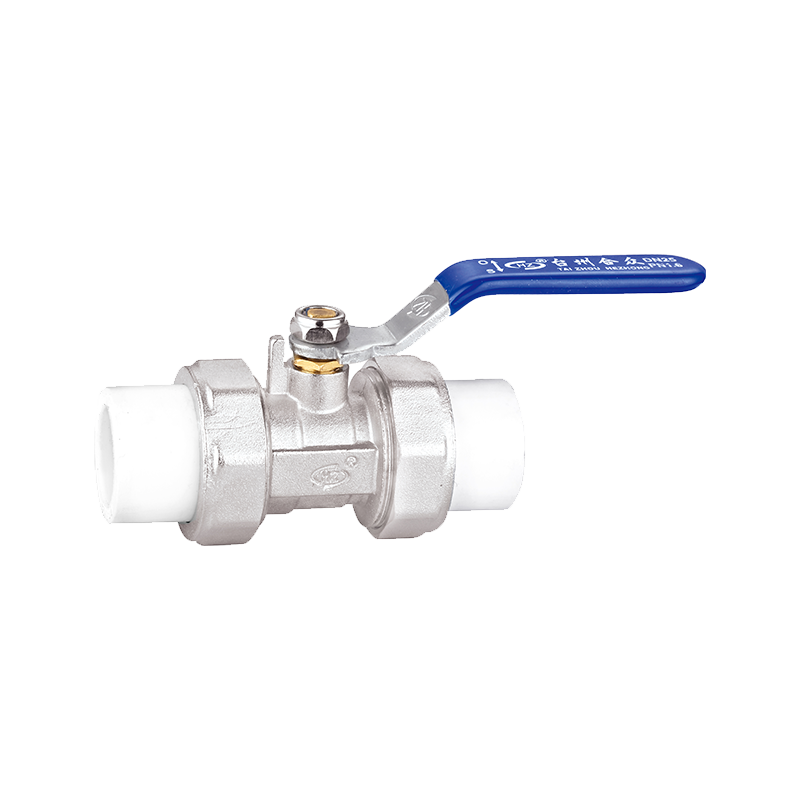
Brass ball valves are one of the most widely used general-purpose valves in fluid control pipeline systems, playing an irreplaceable role in on-off control, flow adjustment and medium isolation of water supply and drainage, HVAC, gas, industrial fluid, and civil pipeline systems. Benefiting from the excellent physical and chemical properties of brass—such as good corrosion resistance, high thermal conductivity, stable structural strength and excellent sealing compatibility—brass ball valves have become a preferred choice for various low and medium-pressure pipeline systems. With the continuous optimization of global pipeline engineering standards, the upgrading of environmental protection requirements, and the development of intelligent pipeline systems, the demand for high-quality, scenario-adaptable brass ball valves is steadily growing, and the industry is also evolving with technological innovation and market demand. For pipeline engineering practitioners, valve installers and end users, a systematic understanding of brass ball valve knowledge is fundamental to rational product selection, proper installation and long-term stable operation of pipeline systems.
Common Types of Brass Ball Valves and Their Application Scenarios
Brass ball valves are classified into a variety of types according to connection methods, functional characteristics and application scenarios, each tailored to the unique needs of different pipeline systems, with structural and functional designs optimized for specific working conditions.
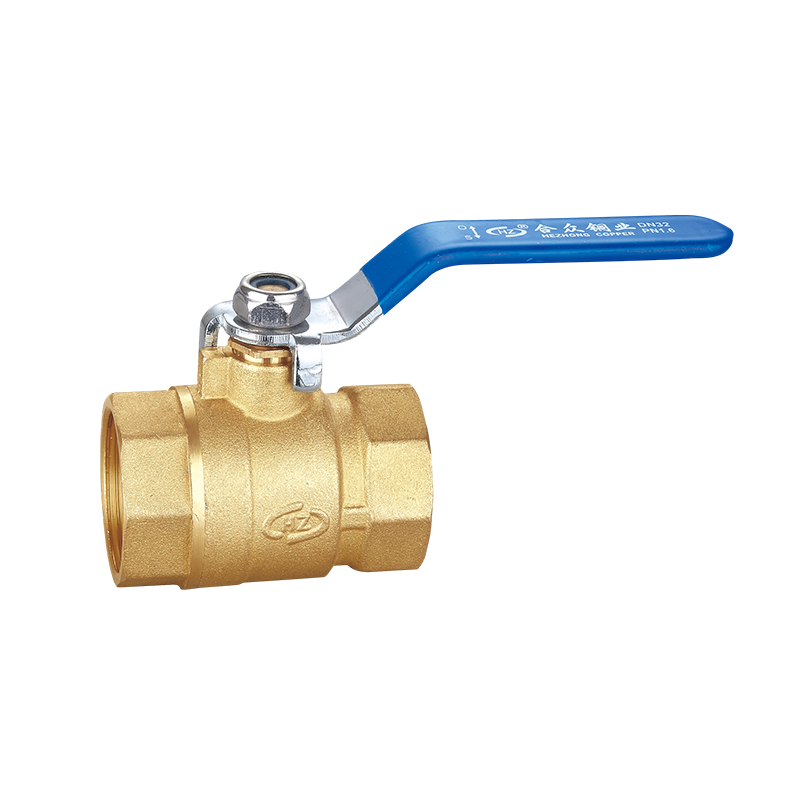
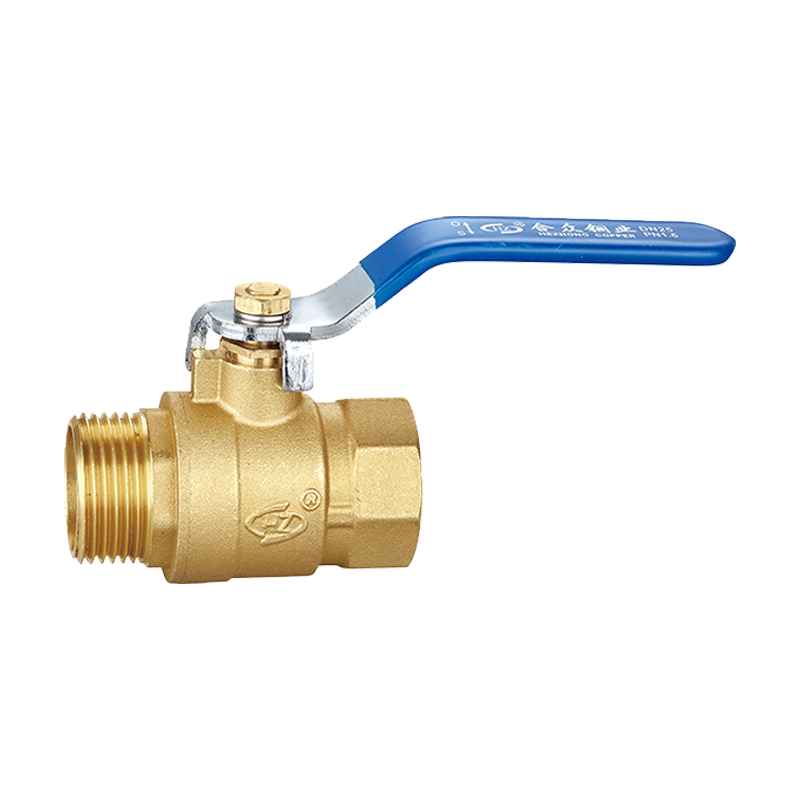
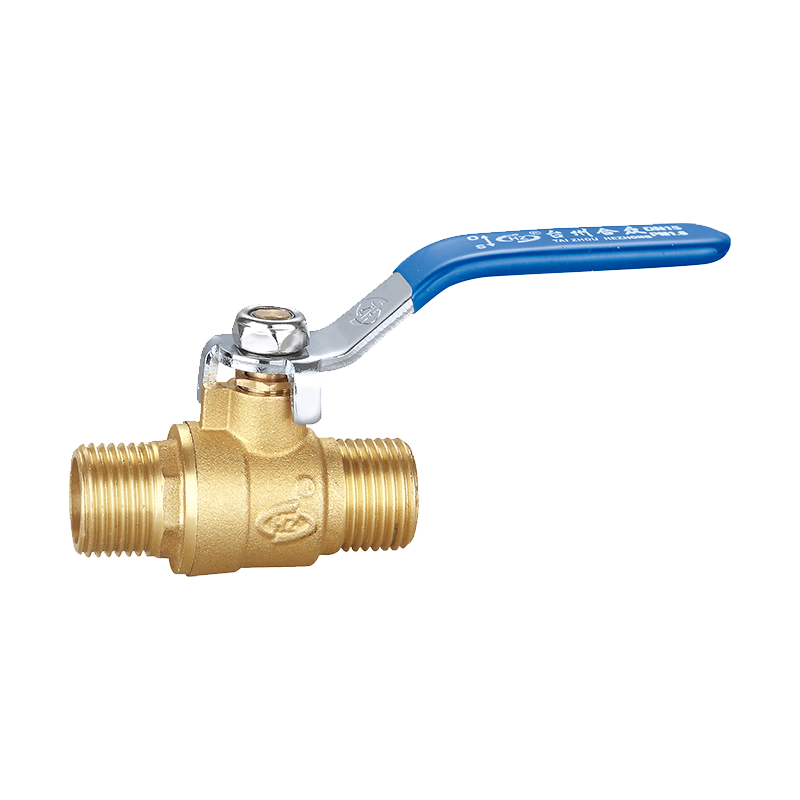
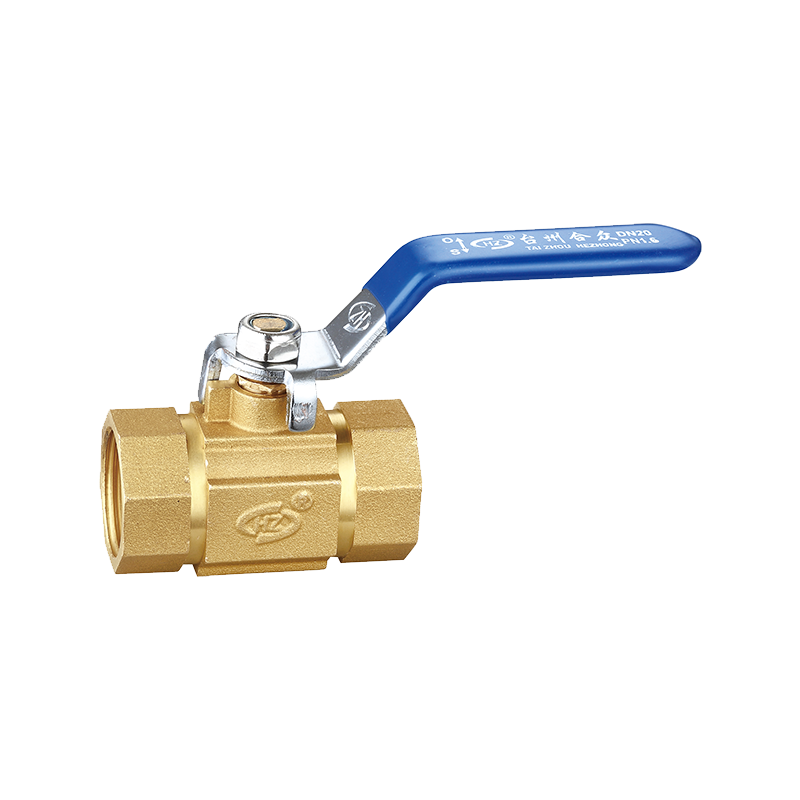
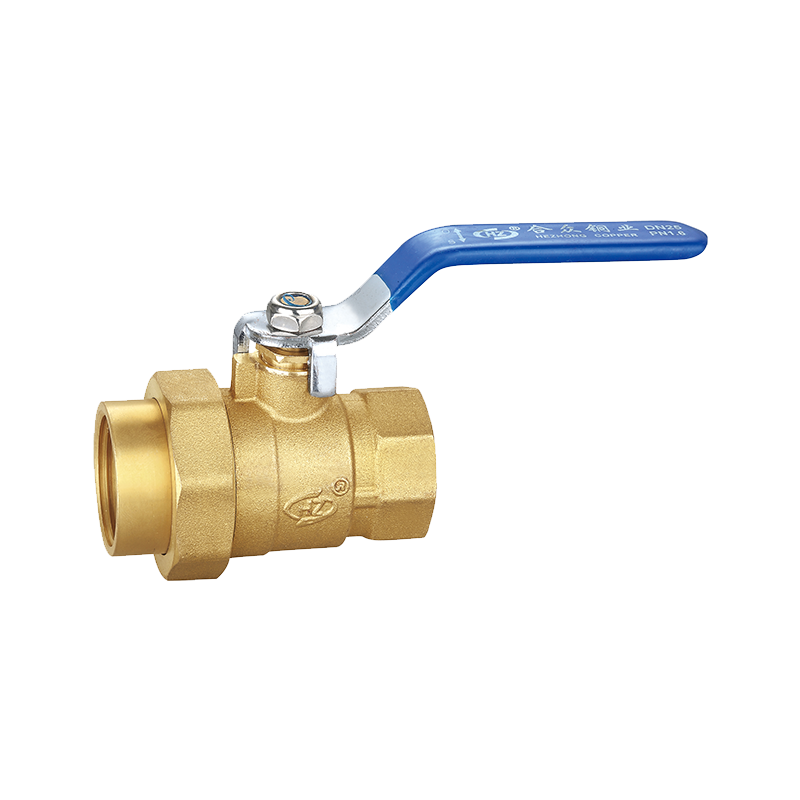
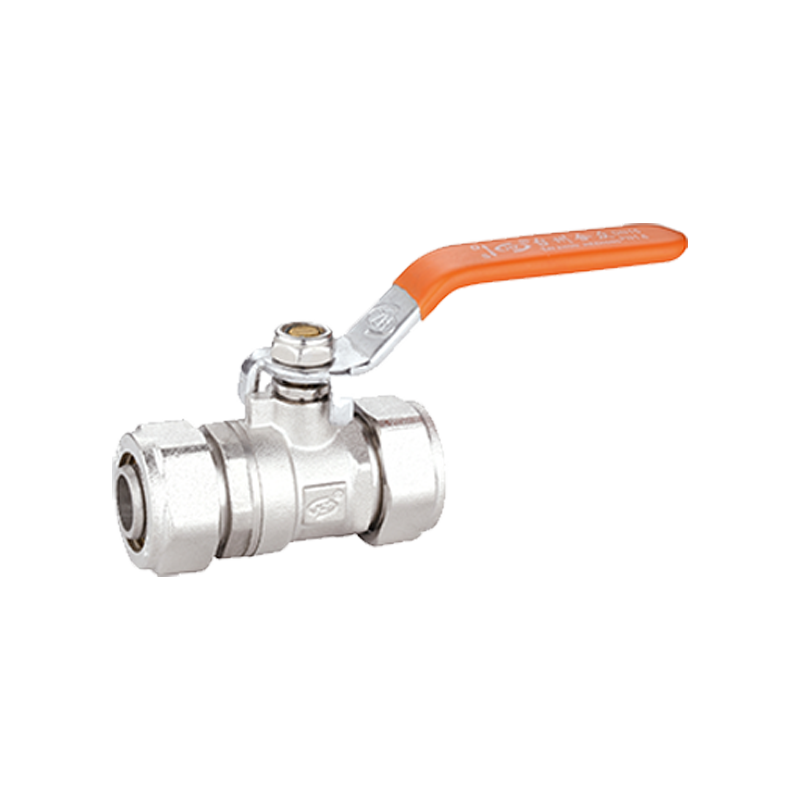
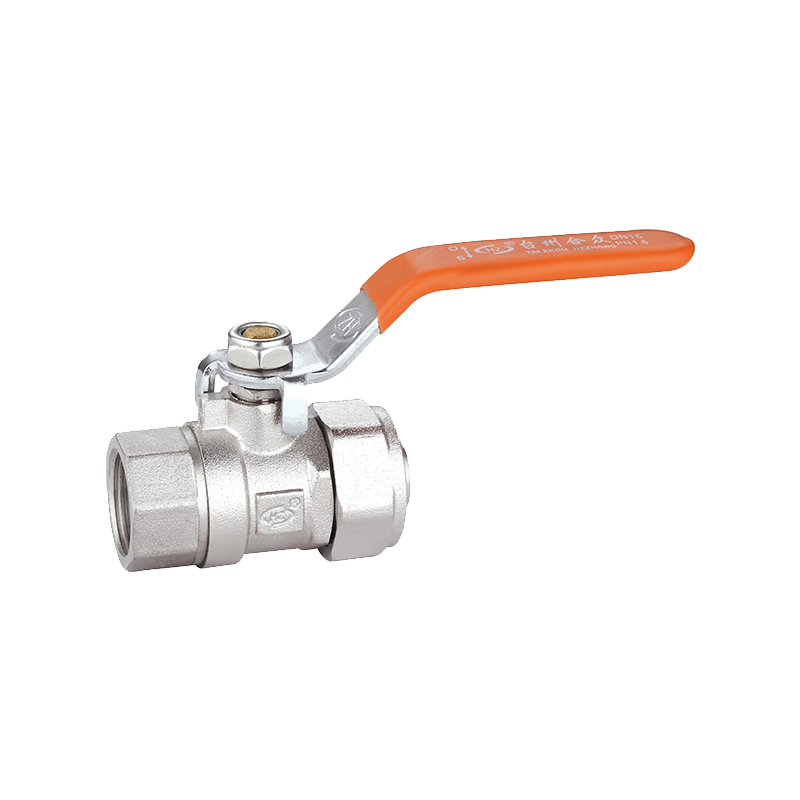
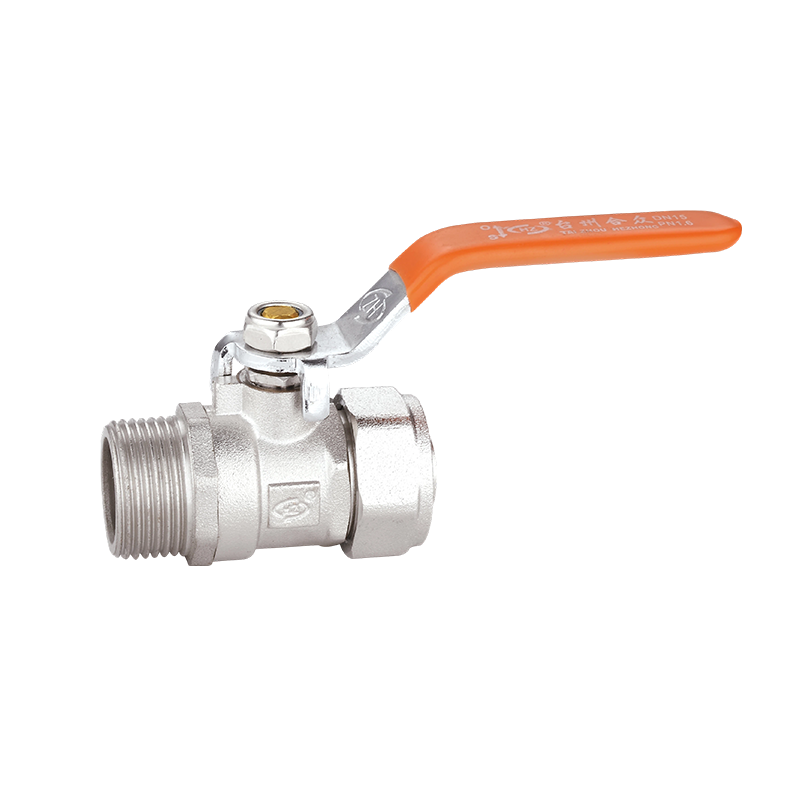
In terms of connection methods, the mainstream types include internal thread brass ball valves, external thread brass ball valves, union brass ball valves, ferrule-type brass ball valves and PPR-connected brass ball valves. Internal and external thread brass ball valves are the most common in civil water supply and gas pipelines, featuring simple installation and reliable connection, suitable for small-caliber pipeline systems (1/2", 3/4", 1" are the common specifications). Union brass ball valves are designed with a detachable union structure, making maintenance and replacement convenient without disassembling the entire pipeline, and are widely used in HVAC return water pipelines and gas meter front pipelines. Ferrule-type and PPR-connected brass ball valves are adapted to modern building pipeline systems, matching plastic and composite pipes such as aluminum-plastic pipes and PPR pipes, realizing seamless integration with the pipeline and reducing leakage risks.
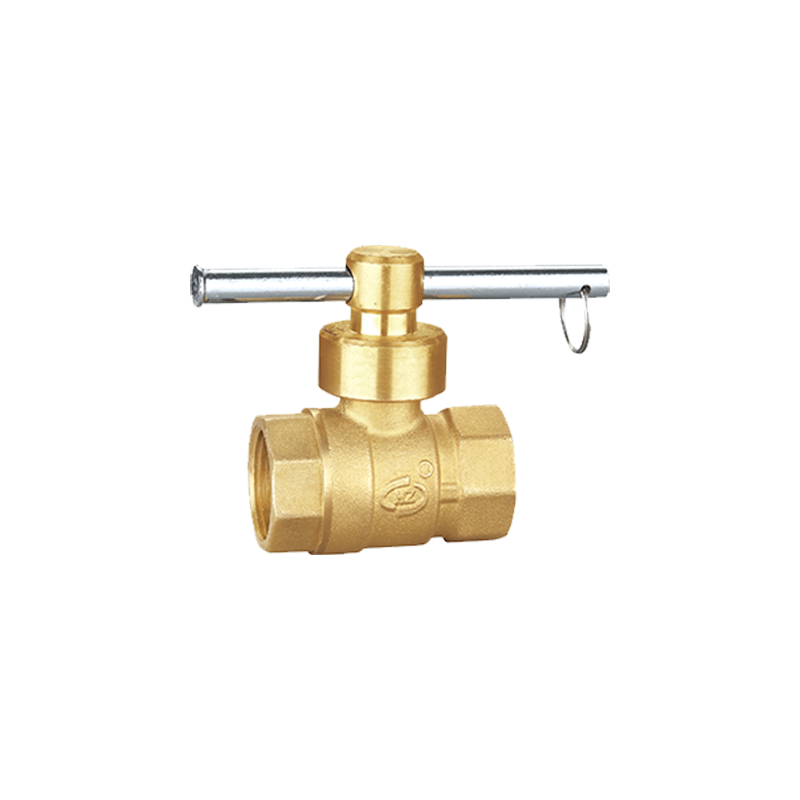
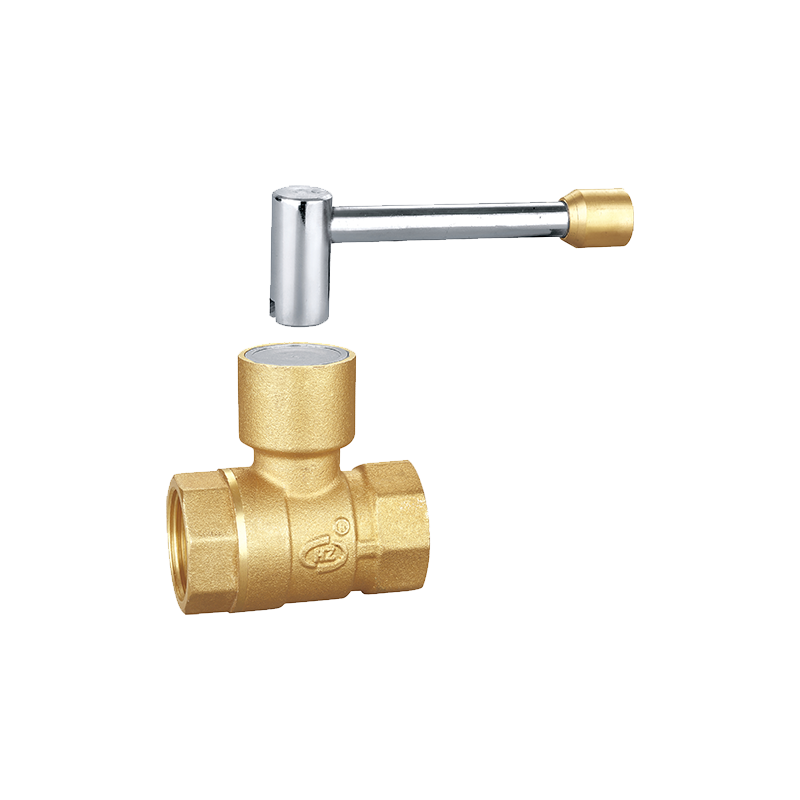
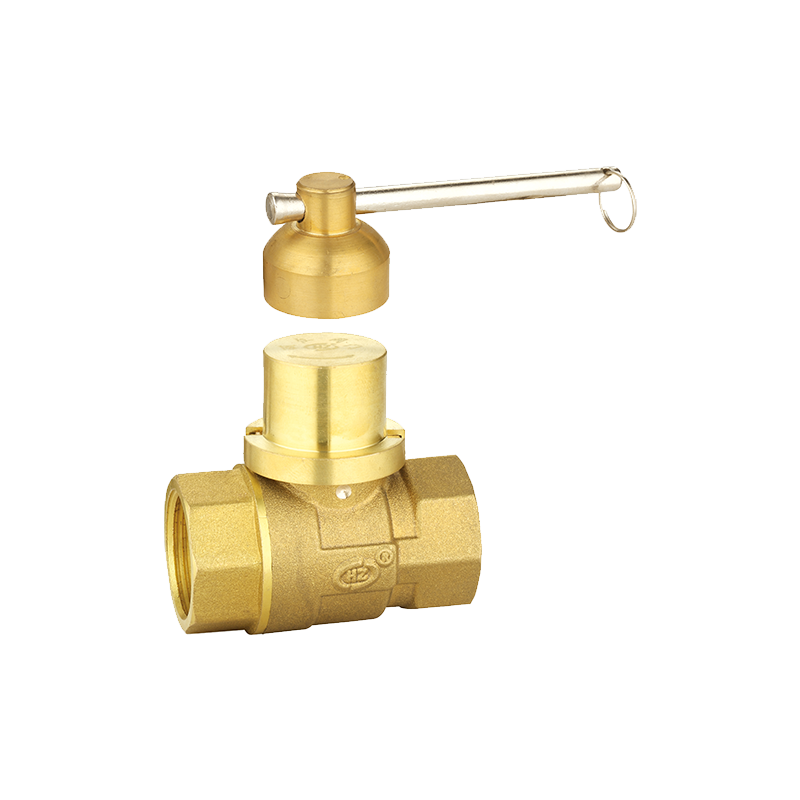
In terms of functional characteristics, brass ball valves are divided into ordinary brass ball valves, magnetic lock brass ball valves, temperature measuring brass ball valves, filter brass ball valves, electric brass ball valves and other types. Magnetic lock brass ball valves are equipped with anti-theft magnetic control switches, suitable for public water supply, gas meter front and property-managed pipeline systems to avoid random operation. Temperature-measuring brass ball valves integrate temperature sensing and display functions, which can real-time monitor the medium temperature in the pipeline, and are the core accessories for HVAC and industrial heating pipeline systems. Filter brass ball valves combine fluid filtration and on-off control, removing impurities such as scale and rust from the medium to protect subsequent pipeline equipment, and are commonly used in wall-hung boiler and underfloor heating systems. Electric brass ball valves can realize automatic on-off control through electrical signals, matching with intelligent pipeline control systems, and are applied in commercial building HVAC and industrial automatic fluid control systems.
Key Selection Criteria for High-Quality Brass Ball Valves
Selecting a suitable brass ball valve requires a comprehensive analysis of the pipeline system’s working conditions, medium characteristics and application scenarios, with no blind pursuit of a single performance indicator or specification. Adhering to the principle of scenario adaptation and parameter matching is the key to ensuring the stable operation of the pipeline and the long service life of the valve.
First, brass material grade selection is the foundation. The quality of brass directly determines the performance and service life of the ball valve: ordinary H59 and H62 brass are suitable for general water supply, gas and industrial non-drinking fluid pipelines, with good cost performance and structural stability. Lead-free brass (in line with national and international drinking water standards) is the preferred choice for domestic drinking water pipeline systems, avoiding heavy metal lead precipitation and meeting environmental and health requirements. For high-humidity or corrosive medium pipeline systems, copper-zinc alloy brass with anti-corrosion additives can be selected to improve the valve’s corrosion resistance.
Second, matching pipeline system parameters is critical. It is necessary to select brass ball valves with appropriate calibers, pressure ratings and connection methods according to the pipeline’s inner diameter, working pressure and pipe material. Mismatched calibers will lead to excessive fluid resistance and reduced pipeline flow efficiency, while an inappropriate pressure rating may cause valve body deformation or medium leakage under working pressure. For example, low-pressure civil water supply pipelines (≤1.6MPa) are suitable for ordinary low-pressure brass ball valves, while medium-pressure industrial fluid pipelines need to select ball valves with higher pressure ratings and thicker valve body walls.
Third, focus on sealing performance and core component quality. The sealing performance of a brass ball valve depends on the matching degree of the ball core and valve seat, as well as the material of the sealing ring (polytetrafluoroethylene PTFE, is the mainstream sealing material for brass ball valves, with good high and low temperature resistance and chemical stability). When selecting, check the smoothness of the ball core surface and the tightness of the sealing ring connection; high-quality brass ball valves adopt integrated precision casting ball cores, avoiding casting defects that affect sealing. In addition, the valve handle and valve stem connection structure should be firm, ensuring flexible operation and no jamming.
Fourth, functional adaptation to application scenarios. For scenarios requiring anti-theft and non-random operation (such as gas meter front, public water supply), select magnetic lock brass ball valves; for HVAC and heating pipelines that need temperature monitoring, select temperature measuring brass ball valves; for pipeline systems with more medium impurities (such as boiler water supply), select filter brass ball valves to protect the entire pipeline system. At the same time, qualified brass ball valves should bear clear industry certification marks, product specifications and working parameter labels, ensuring compliance with national and local pipeline engineering standards.
 EN
EN  English
 русский
 中文简体
中文简体